
The commercial trucking industry stands at a crossroads, with the roar of traditional diesel engines increasingly challenged by the silent hum of electric powertrains. While the buzz around electric trucks highlights their impressive torque, efficiency breakthroughs, and long-term cost savings, it’s crucial for fleet operators and drivers to understand where diesel still holds an undeniable, and often critical, edge, especially when it comes to the demanding world of heavy hauling. The narrative often focuses on electric vehicles as the inevitable future, but for 2025 and beyond, diesel technology continues to offer performance characteristics that are simply unparalleled in specific, high-stakes scenarios.
This isn’t to diminish the advancements in electric truck technology; indeed, ranges are improving, and charging infrastructure is expanding. However, for the sheer grit and rigorous demands of moving massive loads across vast distances, or operating in environments where every minute and every pound counts, diesel engines maintain a set of advantages that make them the clear champion. Our comprehensive analysis, drawing from real-world data and fleet insights, unpacks the 13 compelling reasons why, for heavy hauling applications today, diesel trucks continue to outperform their electric counterparts, providing superior power, reliability, and operational flexibility where it matters most. Let’s peel back the layers and understand why these workhorses aren’t ready to retire just yet.

1. Unmatched Range for Long Hauls
One of the most significant and enduring advantages of diesel trucks for heavy hauling is their vastly superior maximum range. For commercial fleets that routinely cover extensive distances, the ability to travel between 1,200 and 1,500 miles on a single tank of fuel is a game-changer. This figure dwarfs the 500+ mile range that the leading 2025 electric truck models, like the Tesla Semi, currently offer, especially when carrying their maximum Gross Combination Vehicle Weight (GCVW) of 82,000 lbs.
This substantial difference in range directly translates to operational efficiency and the feasibility of long-haul routes. A 150% advantage for diesel trucks in maximum range means fewer stops, more consistent travel speeds, and less route planning anxiety for drivers and dispatchers. For the business of moving goods across continents or vast regions, this extended range capability ensures that cargo reaches its destination with minimal delays, optimizing delivery schedules and maximizing vehicle utilization.
While electric truck manufacturers are pushing the boundaries of battery technology, the inherent energy density of diesel fuel still gives it an insurmountable lead in this category for 2025. Long-haul limitations remain a key concern for electric adoption, meaning diesel will continue to be the backbone of cross-country transportation where range is paramount.
Read more about: Unmasking Retail’s Hidden Truths: 15 Essential Buys You Should Always Order Online (And What to Skip In-Store) to Save Big

2. Rapid Refueling Times
Time is money in the trucking industry, and the speed at which a vehicle can be refueled or recharged directly impacts its operational uptime and productivity. Here, diesel trucks hold a decisive advantage, boasting remarkably fast refueling times. A typical diesel truck can be fully refueled in a mere 10 to 15 minutes, allowing drivers to quickly get back on the road and minimize unproductive downtime.
In stark contrast, electric trucks require significantly longer charging durations. Even with advanced fast-charging solutions, bringing an electric truck’s battery to 80% capacity typically takes around 45 minutes, with full charges often stretching to 1 to 2 hours. This substantial difference in turnaround time means that a diesel truck can complete multiple trips or cover much greater distances in the time an electric truck is stationary, awaiting a sufficient charge.
This disparity in refueling speed demands extensive route planning and strict adherence to charging schedules for electric fleets. For dynamic heavy hauling operations where unforeseen detours or tight delivery windows are common, the flexibility offered by rapid diesel refueling is irreplaceable, contributing directly to higher overall fleet utilization and profitability.
Read more about: Understanding the ‘Highs’: 8 Dimensions of Professional Ascent and Abrupt Reversals

3. Extensive Refueling Infrastructure
The practicality of any truck technology is heavily dependent on the supporting infrastructure available, and in this regard, diesel trucks benefit from a vast and deeply entrenched network. Across North America, for instance, there are over 150,000 diesel refueling stations, ensuring that fuel is readily accessible on virtually any route, urban or rural. This pervasive coverage eliminates range anxiety and allows for maximum operational flexibility.
Conversely, the charging infrastructure for electric trucks, while growing, remains significantly less widespread. With approximately 25,000+ chargers available, there’s a considerable infrastructure gap, representing a 500% advantage for diesel in terms of station availability. This scarcity becomes particularly problematic for long-haul operations and unpredictable routes, where finding suitable, high-power charging stations can be a major logistical challenge.
This infrastructure disparity forces electric truck operators into carefully planned routes and limits their operational reach, especially in remote or less developed areas. For heavy hauling fleets needing reliability and access anywhere they go, the comprehensive diesel network provides an unparalleled level of confidence and operational freedom that electric simply cannot match yet.
Read more about: The Enduring Power: Exploring 12 Milestones in Truck Engine Longevity and Performance

4. Superior Energy Density
The fundamental difference in energy storage—liquid fuel versus heavy batteries—grants diesel a significant advantage in energy density. Diesel fuel offers an impressive 19.5 kWh per gallon, a stark contrast to the 0.25 kWh per pound of electric batteries. This superior energy density means that diesel engines can store a massive amount of power in a relatively compact and lightweight fuel system.
The higher energy density of diesel directly translates to lighter vehicle weight overall, especially when compared to the substantial mass of battery packs required for comparable electric truck range and power. This inherent lightness of the fuel system is a crucial factor in heavy hauling, as it allows for greater gross vehicle weight allowances to be allocated to the actual cargo rather than the energy storage mechanism.
This ‘diesel advantage’ in energy density inherently mitigates payload trade-offs. While electric trucks must contend with the significant weight of their batteries, diesel trucks can dedicate more of their carrying capacity to freight, directly impacting revenue potential for haulers where every pound of payload contributes to profitability.
Read more about: Steer Clear: 17 Heavy Equipment You Absolutely Should Not Acquire in 2025 According to Industry Insiders

5. Higher Payload Capacity
Building on the advantage of superior energy density, diesel trucks typically offer a higher payload capacity compared to their electric counterparts, which is absolutely critical for heavy hauling operations. The weight of large battery packs in electric trucks directly reduces the amount of cargo they can legally carry. For instance, electric trucks are noted to carry between 10-20% less payload than diesel trucks.
Payload capacity comparisons show a significant impact across different vehicle classes. A Class 8 long-haul electric truck, for example, may have a payload of 60,000 lbs compared to 74,000 lbs for a diesel equivalent, representing a 19% reduction. Even for regional Class 8 trucks, the reduction can be around 12%. This payload trade-off is not insignificant; it can translate to fewer goods transported per trip or require more trips to move the same volume, directly affecting profitability and operational efficiency.
While some cargo might be volume-limited, for dense, heavy freight, every pound of payload capacity is valuable. This means diesel trucks remain the preferred choice for fleets whose primary goal is to maximize the weight of goods transported per journey. The ability to carry more with each run provides a tangible economic and logistical benefit that electric trucks currently struggle to match.
Read more about: The Top 10 Most Reliable Used Pickup Trucks Under $30,000: A Consumer’s Guide for 2024

6. Reliable Cold Weather Performance
Operating heavy machinery in extreme cold climates presents unique challenges, and here, diesel trucks demonstrate a more resilient performance compared to electric vehicles. When temperatures drop significantly, electric truck batteries experience a notable decrease in efficiency and range. Data indicates that electric trucks can suffer a 25% range loss at -10°F, impacting their operational viability in harsh winter conditions.
In contrast, diesel engines, while experiencing some efficiency loss in extreme cold (around 15%), are generally less susceptible to severe range degradation than electric batteries. This 10% advantage for diesel in cold weather climate consideration means that diesel trucks maintain a more predictable and consistent performance profile, which is crucial for safety and reliability in regions prone to severe winters. The cold weather impact on electric trucks necessitates mitigation strategies like battery heating and pre-conditioning, which themselves consume energy and can add to operational complexity.
For heavy haulers operating in northern latitudes or mountainous regions, where sub-zero temperatures are common, the inherent robustness of diesel technology in cold starts and sustained operation provides a distinct advantage. This reliability minimizes downtime and ensures that critical logistics can proceed regardless of adverse weather, making diesel the more dependable choice for cold-climate heavy hauling.
Continuing our deep dive into diesel’s enduring performance, this section will examine seven more crucial aspects where traditional trucks outperform electric options. We’ll focus on their specific torque characteristics, resilience in extreme conditions beyond just cold, adaptability for diverse operations, and their current cost advantages that make them a more pragmatic choice for many heavy hauling fleets today.
Read more about: DIY Disaster: 15 Home Improvement Products You Should Never Buy Off the Shelf—Why Risk It?
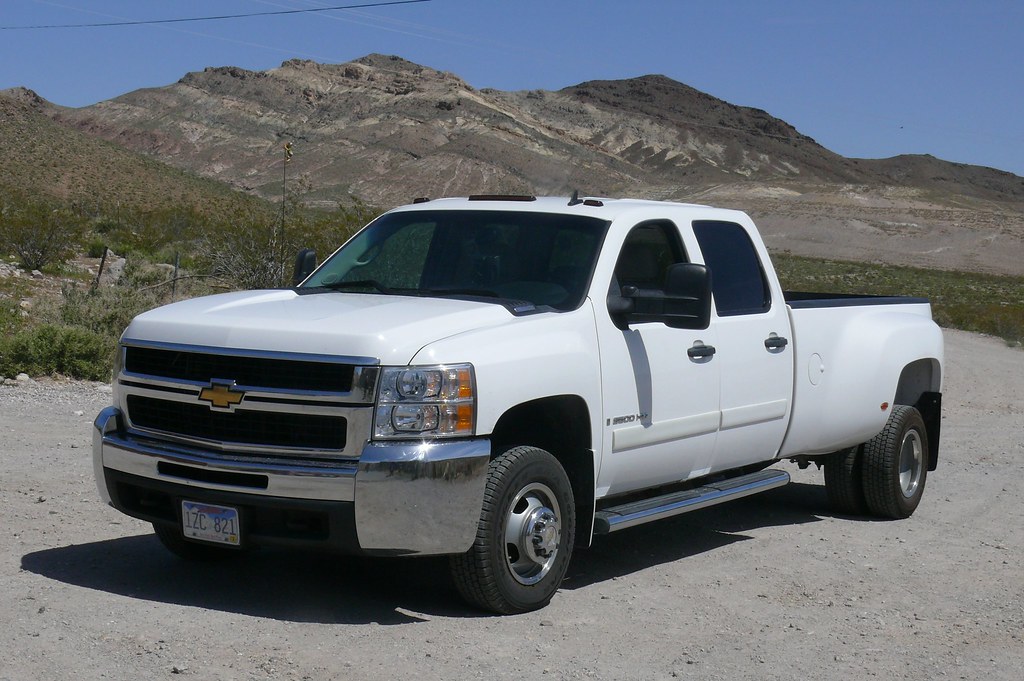
7. Superior Low-End Torque for Heavy Loads
When it comes to the raw pulling power needed for heavy hauling, especially from a dead stop or ascending steep grades, the specific torque characteristics of diesel engines remain a formidable advantage. Diesel engines are renowned for delivering high torque at lower RPMs, which is precisely what’s required to get massive loads moving with confidence and control. This inherent capability allows drivers to manage heavy payloads effectively, minimizing strain on the powertrain and ensuring smooth, consistent power delivery right when it’s most needed.
While electric motors often boast higher *peak* torque figures and instant delivery, the *feel* and *sustained* pulling power of diesel at the lower end of the rev range is a characteristic deeply valued in heavy hauling. It provides a robust, mechanical grunt that is easily modulated by experienced drivers, allowing for fine control when maneuvering extremely heavy or oversized cargo. This low-end torque translates into a more predictable and less taxing driving experience when the truck is pushed to its limits.
For operations that frequently involve maximum GCVW or navigating challenging terrain, this accessible low-RPM torque is a significant operational benefit. It means less clutch slippage, reduced wear on drive components, and a greater sense of stability under extreme load conditions. For heavy haulers, it’s not just about how much torque is available, but *when* and *how* it’s delivered, and in this specific regard, diesel continues to excel.
Read more about: Unstoppable Beasts: Ranking the 12 Toughest SUVs That Defy High Mileage and Decades of Wear

8. Robust Performance in Extreme Heat
Just as extreme cold presents challenges, operating heavy trucks in scorching temperatures demands a robust and resilient powertrain. Diesel trucks, with their well-established thermal management systems, demonstrate a more consistent performance profile in extreme heat compared to electric vehicles. While any engine will see some efficiency loss in sweltering conditions, diesel trucks exhibit only about a 5% efficiency loss at 110°F+, giving them a measurable advantage over electric trucks, which can see an 8% efficiency reduction under similar conditions.
This seemingly marginal 3% difference in efficiency loss between diesel and electric trucks can add up significantly over long hauls in hot climates. Diesel engines are engineered to manage the intense heat generated by combustion and friction, utilizing sophisticated cooling systems that have been refined over decades. This allows them to maintain a more stable operating temperature and, consequently, more predictable performance even when the mercury climbs well above 100 degrees Fahrenheit.
For fleets operating in desert regions, tropical climates, or during peak summer across broad geographies, this inherent resilience in extreme heat is not just a comfort factor but a critical operational advantage. It minimizes the risk of overheating-related breakdowns, ensures consistent power output, and helps maintain scheduled delivery times without needing to account for additional cooling or performance degradation that might plague electric alternatives.
Read more about: The 2025 Lemon List: 14 Cars to Avoid That Mechanics Already Dread Seeing

9. Unrivaled Operational Flexibility and Adaptability
One of diesel’s often-underestimated strengths lies in its sheer operational flexibility and adaptability across a myriad of heavy-hauling scenarios. Unlike electric trucks, which are heavily reliant on planned routes and available charging infrastructure, diesel trucks offer an unparalleled ‘go-anywhere, do-anything’ capability. Their established infrastructure, coupled with quick refueling, means routes can be altered on the fly, unscheduled detours can be accommodated, and operations can proceed in remote or less developed areas without significant logistical hurdles.
This adaptability extends to the diverse range of applications diesel trucks excel in. From construction sites to mining operations, logging trails, and agricultural fields, diesel machines have a long history of being versatile workhorses. Their ability to power auxiliary equipment directly from the engine, known as Power Take-Off (PTO), is also crucial for specialized heavy hauling tasks like operating cranes, dump beds, or hydraulic systems, providing robust and reliable power without drawing down a battery dedicated to propulsion.
For fleet managers, this flexibility translates directly into maximum utilization of assets and reduced planning complexity. A diesel truck is always ready for the next job, regardless of its location or the specific demands it might entail, making it the preferred choice for unpredictable or highly varied operational needs. This long-standing versatility is well-established, with a huge variety of diesel-powered equipment readily available to tackle virtually any heavy hauling challenge.
Read more about: Beyond the Ticket: Unmasking the High-Profit Item That Keeps Movie Theaters Thriving with 1000% Markups.
10. Proven Durability and Longevity
When investing in heavy-duty machinery, durability and a proven track record of longevity are paramount concerns, especially for assets that endure constant stress and immense loads. Diesel engines and powertrains have built a legendary reputation for their robustness and ability to withstand the rigors of heavy hauling over hundreds of thousands, if not millions, of miles. Their designs are forged from decades of real-world testing in the harshest environments, resulting in components that are engineered for endurance.
While electric powertrains boast fewer moving parts, which leads to lower maintenance frequency, the sheer, brute-force durability and reparability of diesel components in a heavy-hauling context are well-established. Diesel engines are designed to operate under high pressures and temperatures for extended periods, and their mechanical systems are widely understood, with readily available parts and a vast network of skilled technicians capable of maintenance and complex repairs in any location.
This proven longevity means that a diesel truck can remain a valuable asset in a fleet for a much longer operational lifespan, often outlasting the typical amortization period. This reduces the frequency of capital expenditure for replacement vehicles and provides peace of mind for operators relying on their trucks for mission-critical tasks. For heavy haulers, knowing their equipment can endure the long haul, year after year, without major unproven reliability concerns, is an invaluable asset.
Read more about: The 12 SUVs Built to Last: Our Definitive Guide to Vehicles Guaranteed for 250,000 Miles

11. Lower Upfront Purchase Price
For many fleet operators, especially smaller businesses or those looking to expand their operations, the initial capital outlay for new vehicles is a significant hurdle. In this crucial aspect, diesel trucks often present a distinct and immediate financial advantage: a lower upfront purchase price. While specific models and configurations vary, diesel trucks for commercial hauling can start around $120,000, with established models like the Freightliner Cascadia typically priced around $135,000.
In contrast, most electric truck alternatives, such as the Tesla Semi or Volvo VNR Electric, generally carry a higher price tag, ranging from $150,000 to $180,000 or more. This difference in initial investment, sometimes tens of thousands of dollars per unit, can significantly impact a fleet’s budget and cash flow. Even with government incentives and tax credits available for electric vehicle adoption, the upfront expense for diesel trucks often remains more accessible.
This lower entry cost allows businesses to allocate capital to other critical areas of their operation, such as expanding their fleet size, upgrading trailers, or investing in driver training and safety technologies. For many, the more manageable initial expenditure of a diesel truck means a quicker return on investment and a more immediate path to profitability in the demanding heavy hauling sector.
Read more about: Steering Clear of Shame: 14 ‘Deals’ at Lowe’s That Professionals Laugh At—And Why They’re Still Selling Them

12. Stronger Resale Value and More Predictable Depreciation
Beyond the initial purchase, the long-term financial health of a fleet is heavily influenced by the resale value and depreciation of its assets. Here, diesel trucks continue to offer a stronger and more predictable financial outlook compared to their electric counterparts. The established market for used diesel trucks is robust and global, ensuring a steady demand and transparent valuation framework based on mileage, condition, and maintenance history.
The 5-year Total Cost of Ownership estimates highlight this advantage, showing that a diesel truck depreciates by approximately $72,000 over five years. This contrasts sharply with electric trucks, which can see a depreciation of around $160,000 over the same period. This substantial difference, representing a more than 120% greater depreciation for electric, significantly impacts the total cost of ownership and the capital recovered upon selling or trading in a vehicle.
The rapid evolution of battery technology and concerns about battery degradation create a level of uncertainty in the resale market for electric trucks. Potential buyers may be wary of the long-term performance and replacement costs of older battery packs, leading to steeper depreciation. For fleet managers looking to minimize financial risk and maximize asset value over time, the proven and predictable resale market for diesel trucks offers a clear advantage.
Read more about: Steer Clear: 9 Compact Cars You Should Absolutely Avoid in 2024, Backed by Expert Studies and Sales Data

13. Lower Insurance Costs
Another often-overlooked financial consideration that favors diesel trucks for heavy hauling is their generally lower insurance premiums. The 5-year Total Cost of Ownership analysis reveals that insurance for a diesel truck can be around $60,000 over five years, which is approximately $10,000, or 17%, less than the $70,000 estimated for an electric truck over the same period. This difference, while seemingly small on an annual basis, accumulates into significant savings for a fleet over the lifespan of its vehicles.
Several factors contribute to the higher insurance costs for electric trucks. Their newer, more complex, and often more expensive componentry, particularly the large battery packs, can lead to higher repair or replacement costs in the event of an accident. Additionally, the specialized training and facilities required for electric truck repairs can also drive up potential claim values, which insurers factor into their premium calculations.
For heavy hauling operations where every operational cost is scrutinized, these lower insurance premiums for diesel trucks represent a tangible and consistent financial advantage. It contributes to a more predictable operating budget and helps maintain profitability without unexpected surcharges related to a nascent and rapidly evolving technology. The established nature of diesel technology provides a risk profile that is well-understood and more favorably priced by insurance providers.
Read more about: Unstoppable Beasts: Ranking the 12 Toughest SUVs That Defy High Mileage and Decades of Wear
The commercial trucking industry is undoubtedly in a period of dynamic transformation, with electric trucks making undeniable advancements and offering compelling benefits in specific applications. However, for the demanding and often unforgiving world of heavy hauling, the thirteen reasons we’ve explored paint a clear picture: diesel technology, for 2025 and the foreseeable future, continues to hold critical, often insurmountable, advantages. From the sheer range and speed of refueling to its inherent durability, lower upfront costs, and operational flexibility, diesel remains the pragmatic and performance-driven champion for moving massive loads across vast distances and challenging terrains. As technology evolves, so too will this debate, but for now, the roar of the diesel engine still signifies the backbone of heavy hauling. The question isn’t whether electric trucks will eventually dominate, but rather, for heavy haulers, how quickly they can afford to wait. Fleet operators must weigh these crucial factors carefully, applying data-driven decisions to ensure their chosen technology truly delivers superior power, efficiency, and total cost of ownership for their unique heavy hauling requirements.