Hollywood, the land of dreams, red carpets, and dazzling success, can also be a brutal mistress. One minute, you’re the toast of the town, commanding millions and gracing magazine covers. The next, you’re wondering if your agent’s phone is even plugged in. It’s a cutthroat industry where a single misstep, a bad role, or an ill-advised choice can send even the brightest stars plummeting from the A-list to the ‘Who are they again?’ file.
We’ve all seen it happen. An actor lands a role that seems like a surefire hit, only for it to become a monumental flop that overshadows everything they’ve ever done. Or perhaps a star makes a public blunder so spectacular it becomes the stuff of internet legend, forever altering how the audience, and crucially, casting directors, perceive them. It’s a harsh reality, but in the unforgiving glare of the spotlight, reputations are fragile, and second chances are often as rare as a quiet night in Los Angeles.
So, buckle up, because we’re taking a deep dive into the fascinating, and sometimes heartbreaking, stories of those who went from major players to Hollywood’s sidelines. From Oscar winners to teen idols, these are the stars who experienced career catastrophes that fundamentally changed their professional paths, leaving many wondering: what *really* happened?
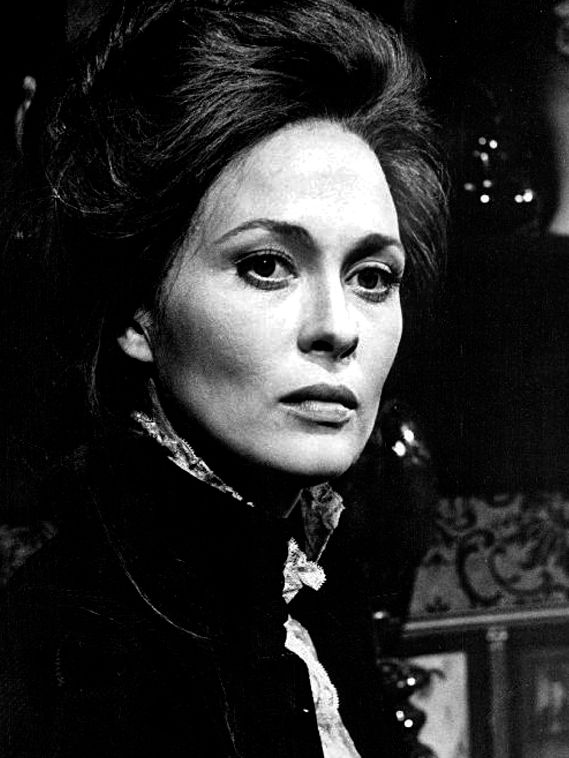
1. Faye Dunaway in Mommie Dearest
Ah, *Mommie Dearest*. The mere mention of this 1981 Joan Crawford biopic often elicits either a shiver or a knowing smirk from film buffs. Faye Dunaway, an actress of immense talent and an Academy Award winner, stepped into the formidable shoes of the legendary screen siren, Joan Crawford, in a film adapted from a harrowing bestseller penned by Crawford’s daughter, Christina. The movie promised an unflinching look at a troubled star, but what it delivered was something far more dramatic, and for Dunaway, far more damaging.
Dunaway’s portrayal of Crawford was, to put it mildly, intense. She painted Crawford as an “unhinged tyrant prone to chewing up her daughter as well as the scenery of every room she was in.” While the source material certainly depicted Crawford in a less-than-flattering light, many argued that Dunaway’s performance leaned so heavily into camp that it crossed the line into self-parody. The result? The worst reviews of her career, culminating in a Worst Actress Razzie Award that cemented the film’s reputation as a critical disaster.
The impact on Dunaway’s career was swift and severe. The film “promptly took a pick-axe to her leading-lady roles,” and she became so embarrassed by the project that she rarely, if ever, spoke about it publicly for decades. It was a role that, despite her best intentions to embody a complex character, seemed to overshadow all her previous, lauded work and redefine her in the public eye.
In a series of rare comments made in 2016, Dunaway finally addressed the lingering shadow of *Mommie Dearest*. She candidly admitted that the film “turned my career in a direction where people would irretrievably have the wrong impression of me.” It was, she added, “an awful hard thing to beat. I should have known better, but sometimes you’re vulnerable and you don’t realise what you’re getting into.” A stark reminder that even the most seasoned actors can fall victim to roles that haunt their legacy.
Read more about: Still Burning Bright: A Look at The Towering Inferno’s Main Actors Who Are Still With Us
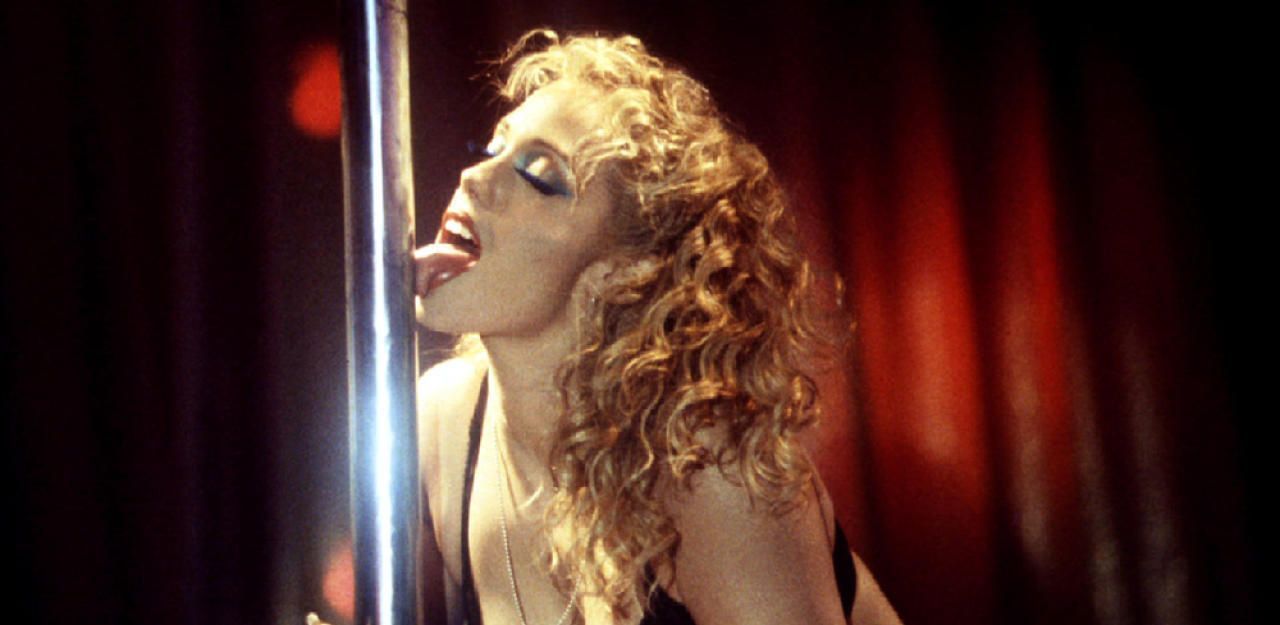
2. Elizabeth Berkley in Showgirls
Remember 1995? Expectations were practically through the roof for *Showgirls*. It was a highly anticipated reunion between the director and screenwriter duo behind the iconic *Basic Instinct*, Paul Verhoeven and Joe Eszterhas. And then there was Elizabeth Berkley, fresh off her role as the wholesome Jessie Spano in *Saved by the Bell*, poised to make a dramatic leap into adult cinema. Everyone, including Hollywood insiders, assumed this film would launch Berkley into the stratosphere, much like *Basic Instinct* had done for Sharon Stone.
Then, people actually saw *Showgirls*. The initial response was nothing short of dismal. Critics panned it, audiences were bewildered, and the box office suffered. The film’s dismal initial response “cratered Berkley’s fledgling movie career practically overnight.” Instead of superstardom, Berkley found herself at the center of a firestorm of ridicule and professional alienation.
While the film’s reputation has, quite rightly, turned around in the decades since – with many now appreciating it as a cult classic and Berkley’s “broad and undeniably mesmerising performance” – the immediate fallout was brutal. Berkley herself spoke out in 2020 about the cruelty she faced, saying, “There was so much cruelty around it. I was bullied. And I didn’t understand why I was being blamed.”
She articulated the actor’s dilemma perfectly: “The job as an actor is to fulfil the vision of the director. And I did everything I was supposed to do. No one associated with the film spoke up on my behalf to protect me. I was left out in the cold and I was a pariah in the industry I had worked so hard for.” It’s a heartbreaking account of how quickly Hollywood can turn its back, leaving a talented individual to face the backlash alone.
Read more about: Still Can’t Believe You Watch Them? Dive into 12 Cult Classics Where Bad Acting Equals Legendary Fun.
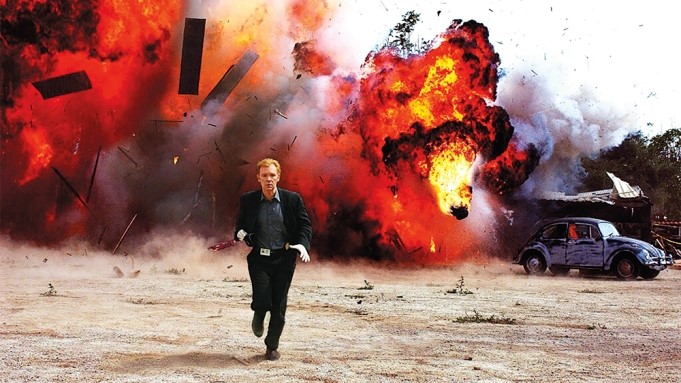
3. David Caruso in Jade
Before he was the sunglasses-donning, one-liner king of *CSI: Miami*, David Caruso was on the cusp of bona fide movie stardom. Fresh off a high-profile, and somewhat contentious, departure from the popular cop drama *NYPD Blue* in 1994, Caruso had made a blaze of negative publicity in his pursuit of a film career. He was positioned as the next big action hero, a serious actor ready for the big screen.
However, his two star vehicles released in 1995, the cop actioner *Kiss of Death* and the erotic thriller *Jade*, both crashed and burned spectacularly. *Jade*, in particular, was an expensive disaster for which Caruso was paid a hefty $2 million salary. This was the kind of financial and critical failure that few actors, let alone one who had already burnt so many bridges in Hollywood with his *NYPD Blue* exit, could climb out from under.
The box office numbers for *Jade* were abysmal, pulling in a mere $4 million. Caruso himself reflected on this devastating period in 1997, stating, “When *Jade* came out and did $4m at the box office, the town went silent.” He painted a vivid picture of his isolation, adding, “I could have taken my telephone and my answering machine and thrown them both in the dumpster.” The silence from Hollywood was deafening, signaling a swift end to his big-screen ambitions.
Indeed, the following year saw him “slunk back to TV,” a testament to how quickly a promising movie career can evaporate. While he eventually found tremendous success on *CSI: Miami*, the initial dream of being a leading man in film was unequivocally derailed by the spectacular failure of *Jade*, proving that ambition alone isn’t enough to sustain a career in Tinseltown.
Read more about: From Fan Favorites to Farewell: 15 Iconic TV Stars Who Left Their Hit Shows and How the Story Continued

4. Rupert Everett in The Next Best Thing
Rupert Everett was, for a period, a true rarity in Hollywood: an openly gay actor whom the industry seemed genuinely eager to champion and invest in. His charm, wit, and undeniable talent shone through in various roles, hinting at a bright, mainstream future. But then came *The Next Best Thing* in 2000, a romantic comedy that proved to be a catastrophic misstep and seemed to unravel his rising trajectory.
The film, which starred Everett alongside an “unsurprisingly miscast Madonna,” centered on a gay man and his female best friend deciding to have a baby together. It was a premise that, despite its potential, went awry in its execution. The critical reception was harsh, and commercially, the film was a significant flop, failing to resonate with either critics or audiences.
Everett himself spoke with remarkable candor about the professional fallout in 2017, describing it in rather stark terms: “Career death is rather like real death, so it gives you an opportunity to see what real death feels like.” He painted a poignant image of his sudden irrelevance, stating, “One minute, you’re careering round the corridors of power, and everybody’s going: ‘That’s a fabulous idea.’ The next minute, you’re still careering around but you’re like the Canterville Ghost: everybody’s walking right through you and you’ve died, and you didn’t realise.”
The film was not only a “critical and commercial disaster” for Everett, but it also “took out both Madonna’s acting career and Everett’s mainstream, name-above-the-title Hollywood career in one fell swoop.” The experience was so impactful that Everett even wrote about it in his highly acclaimed 2004 memoir, *Red Carpets and Other Banana Skins*, where he humorously (but no doubt painfully) quipped that the film “blew my new career out of the water and turned my pubic hair white overnight.” A truly vivid description of a career-altering moment.
Read more about: The Unseen Struggles of a Legend: How One Early Role Nearly Derailed Meryl Streep’s Ascent to Stardom, and the Risky Business of Hollywood Careers

5. Lea Thompson in Howard the Duck
With all due respect to the immensely talented Lea Thompson, a beloved star from *Back to the Future*, her decision to star in *Howard the Duck* remains a perplexing entry on her resume. Released in 1986, this sci-fi movie was, believe it or not, a superhero movie aimed at kids. Its plot involved her character apparently having with an anthropomorphic extra-terrestrial duck, a narrative choice that baffles even by today’s standards.
*Howard the Duck* quickly cemented its place as “one of the most infamous disasters of Eighties cinema.” Its blend of bizarre concepts, questionable humor, and poor execution led to widespread critical derision and box office failure. For Thompson, who had just experienced the monumental success of *Back to the Future* a year prior, it was a dramatic and public fall from grace.
Thompson herself has since reflected on the film’s professional repercussions. While she acknowledges and appreciates the film’s unexpected cult notoriety today, she admitted in 2022 that it certainly had negative side effects for her career. She wryly noted the extreme juxtaposition of her professional experiences: “In the course of a year, I was in the biggest hit [*Back to the Future*] and the biggest bomb.”
This double-edged experience, she suggested, “probably destroyed my film career.” Despite going on to do “some good films after that,” she found it “really difficult” to shake off the shadow of *Howard the Duck* and regain the momentum she had from her earlier successes. It stands as a prime example of how even one disastrous role can overshadow an otherwise promising career.
Read more about: The Unseen Struggles of a Legend: How One Early Role Nearly Derailed Meryl Streep’s Ascent to Stardom, and the Risky Business of Hollywood Careers
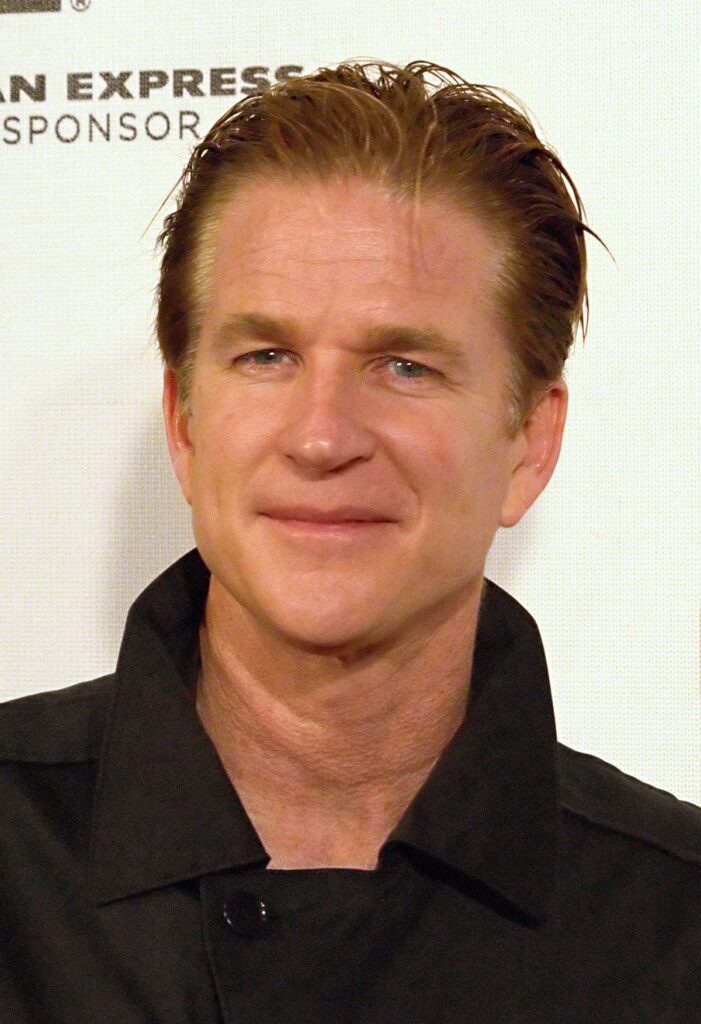
6. Matthew Modine in Cutthroat Island
When we talk about Hollywood bombs, *Cutthroat Island* often comes up in conversation, and for good reason. This 1995 pirate epic is infamous for being “one of the biggest bombs in Hollywood history.” Its colossal failure not only helped curtail Geena Davis’s career as a leading lady and briefly derailed director Renny Harlin’s trajectory, but it delivered the most devastating blow to its male star, Matthew Modine.
Modine, who seemed destined for leading-man stardom before the film’s release, found himself caught in the wreckage. The film’s monumental financial losses and overwhelmingly negative reviews made it a cautionary tale in the industry. For an actor on the rise, being associated with such a high-profile failure can be incredibly difficult to overcome.
In 2016, Modine recounted a particularly painful memory from the film’s aftermath. The morning of the press junket, he made the error of reading the reviews. “It was horrible! And then I picked up another one of them and it was more horrible! And then I thought, ‘There’s got to be one that’s good.’ And it was just one after the other that was horrible, horrible, horrible.” The experience left him feeling like “everybody in the café was looking at me going like, ‘Oh my God! The walking dead,’ you know?”
He openly admitted the profound impact of the film on his professional life, stating, “It hurts to get kicked like that really hard. And I think in some ways it kind of damaged my career.” While Modine has consistently worked since, notably appearing in critically acclaimed projects like *The Dark Knight Rises* and *Oppenheimer*, he has never again led a major studio movie. *Cutthroat Island* truly marked a turning point, closing the door on a particular kind of stardom for him.
Continuing our deep dive into the industry’s most shocking career crashes, we examine five more celebrated figures who found themselves facing significant professional hurdles after infamous missteps, revealing how a single moment can rewrite a star’s entire trajectory and lead to a lengthy stint in career purgatory. These stories are a stark reminder that even the brightest stars can find their light dimmed, or even extinguished, by the capricious nature of Tinseltown.
Read more about: 9 Producers Who Wrecked Their Studios Over One Over-Budget Flop: A Deep Dive into Hollywood’s Costly Mistakes
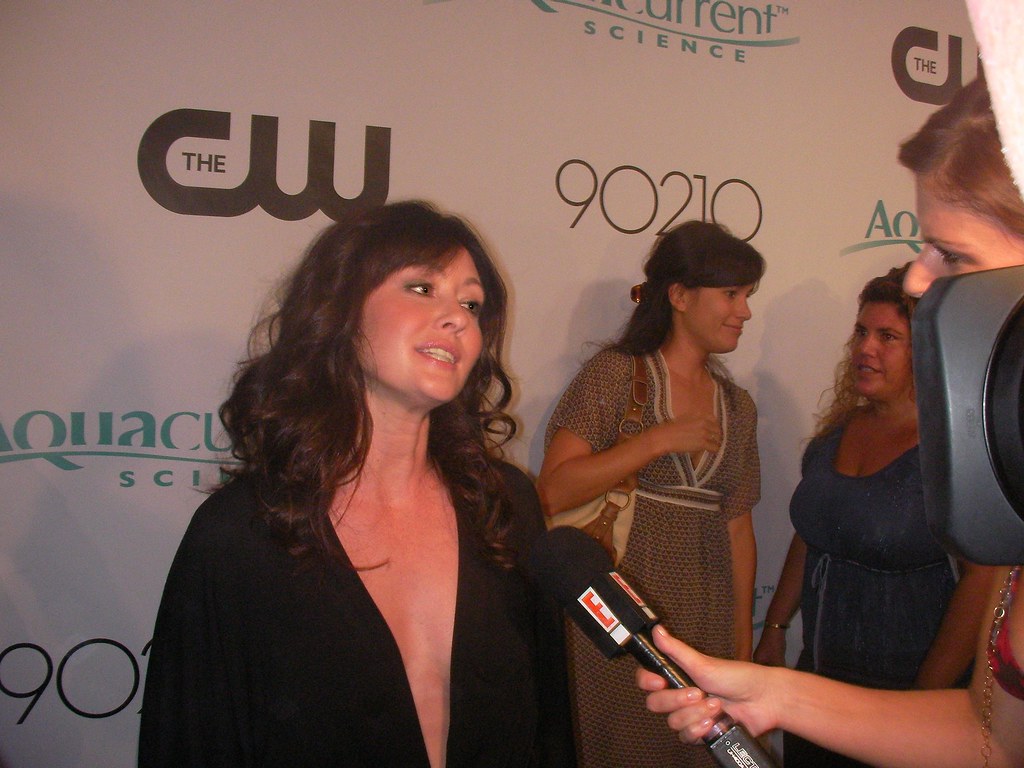
7. Shannen Doherty in Mallrats
Shannen Doherty, a face synonymous with the teen dramas of the Nineties, particularly her impactful role in *Beverly Hills, 90210*, had a clear vision for her future in Hollywood. Upon her departure from the iconic show in 1994, she harbored ambitious plans to launch a substantial movie career. It wasn’t an unrealistic dream; Doherty had already demonstrated her cinematic prowess, having starred in successful films prior to her television fame, most notably the 1988 cult classic *Heathers*. Her trajectory seemed set for big-screen success.
However, the project she chose to spearhead this transition, Kevin Smith’s 1995 slacker comedy *Mallrats*, proved to be a critical misstep rather than a career catalyst. Despite a cast that included rising talents like Ben Affleck and Jason Lee, who were then largely unknowns, the film failed spectacularly at the box office. It struggled to find an audience, quickly cementing its place as a commercial flop. As the most recognized name on the marquee, Doherty unfortunately found herself bearing the brunt of this disappointment.
The professional fallout was immediate and incredibly personal, as Doherty herself candidly shared in 2024. She reflected on the harsh reality, stating, “It died and so did my film career.” The industry, and by extension the public, was quick to attribute the film’s failure primarily to her, simply because she was the biggest star attached. This perception, she felt, overlooked the myriad other factors contributing to a film’s success or failure, placing an unfair burden squarely on her shoulders.
“People literally thought that I was carrying the movie so [because] it was a box-office failure, it was completely on me,” Doherty explained. This belief was not just anecdotal; it manifested in a tangible lack of opportunities. The momentum she had built from her successful television career was abruptly halted, and the doors to significant film roles seemed to slam shut, creating an unexpected and frustrating roadblock on her path to movie stardom.
“There was no film career after that, which was a little brutal,” she admitted, underscoring the severity of the impact. The *Mallrats* experience serves as a powerful testament to the volatile nature of Hollywood, illustrating how a single, ill-fated project can derail even the most promising careers, leaving a talented star grappling with unexpected unemployment in the very realm they sought to conquer.
Read more about: 14 Shocking Plot Points & Scenes Major Stars Refused To Film Or Demanded Changes To

8. Sofia Coppola in The Godfather: Part III
Before we delve into this particular career trajectory, it’s crucial to understand that Sofia Coppola’s story deviates somewhat from the typical “career catastrophe” narrative. Unlike many who passionately pursue acting stardom, Coppola has openly admitted that it was never her burning ambition. Her appearance in the highly anticipated *The Godfather: Part III* was, in essence, a last-minute casting decision by her father, legendary director Francis Ford Coppola, prompted by the unavailability of other actors for the pivotal role of Mary Corleone. This familial obligation placed her squarely in the intense spotlight.
Despite the circumstances, her performance in the iconic crime saga, released on Christmas Day in 1990, was met with a barrage of unforgiving criticism. Tasked with portraying Michael Corleone’s doomed teenage daughter, Coppola’s acting was widely panned across the board. Critics did not hold back, with one newspaper famously lambasting her portrayal as “hopelessly amateurish,” a particularly stinging blow for anyone stepping into such a high-profile, revered franchise. The public reaction was similarly swift and overwhelmingly negative.
Coppola later reflected on the intense public scrutiny in a 2020 interview, acknowledging its profound impact. “It was embarrassing to be thrown out to the public in that kind of way,” she candidly shared. However, her perspective on the experience remained remarkably pragmatic and self-aware. She emphasized that because acting “wasn’t my dream… I wasn’t crushed. I had other interests. It didn’t destroy me.” This internal resilience and clear sense of self proved to be her saving grace.
Indeed, while *The Godfather: Part III* undeniably brought a swift end to her acting career — she only appeared in two more minor roles afterward, one in an indie film and a non-speaking part in *Star Wars Episode I – The Phantom Menace* — it serendipitously cleared the path for a new, incredibly successful trajectory behind the camera. It was an involuntary career pivot that led to a true calling.
Instead of succumbing to the harsh criticism, Coppola channeled her creative energies into directing, blossoming into one of Hollywood’s most celebrated female filmmakers. She has since helmed critically acclaimed and culturally significant works such as *The Virgin Suicides*, *Lost in Translation* (for which she won an Oscar), and *Marie Antoinette*. Her journey stands as a remarkable example of how a supposed “catastrophe” can, for the right person, lead to a profoundly impactful and genuinely happy ending.
Read more about: Replaced on Set: The Casting Decisions That Destroyed These Actors’ Careers
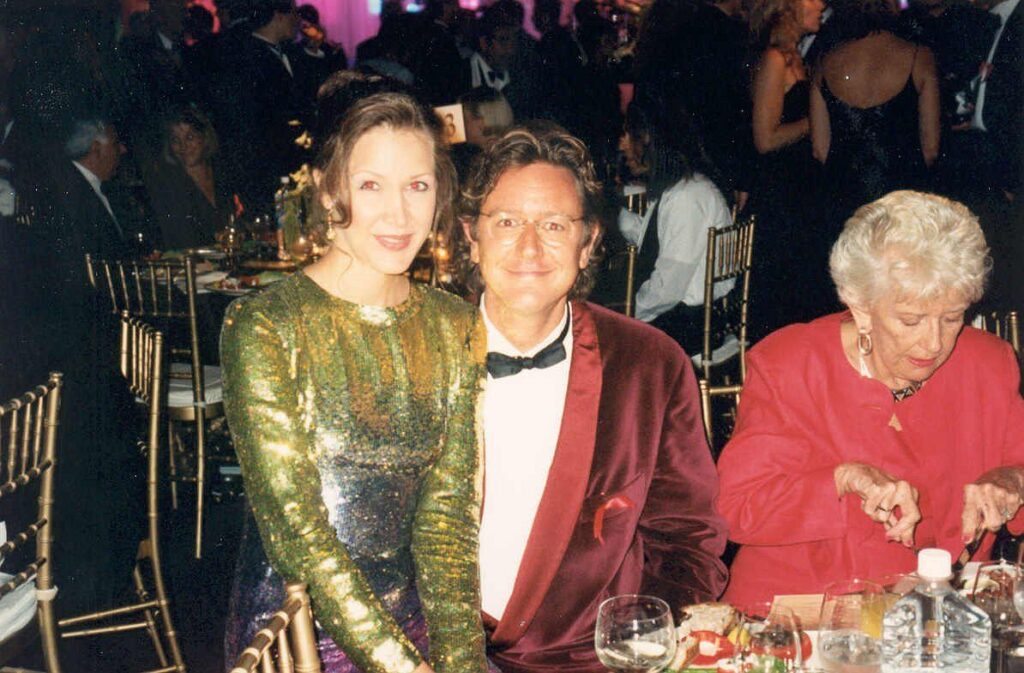
9. Judge Reinhold in Vice Versa
For a period during the vibrant 1980s, Judge Reinhold was a familiar and highly recognizable presence on the silver screen. An eighties staple, his charm and comedic timing made him a natural fit for Hollywood’s burgeoning comedy scene. After delivering memorable supporting performances in smash hits like *Beverly Hills Cop* and *Ruthless People*, Reinhold seemed on an unstoppable upward trajectory, poised to become one of the biggest names in Hollywood comedy, with leading roles beckoning.
However, this promising ascent encountered a significant roadblock as a series of his star vehicles failed to gain traction. The most prominent example, and ultimately his critical and commercial nadir, arrived in 1988 with *Vice Versa*. This body-swap comedy, featuring Reinhold’s character comically trading places with his 11-year-old son, proved an expensive failure that puzzled audiences and critics alike. Many wondered how such a promising career could take such an unexpected turn.
Reinhold himself offered a stark and candid assessment of the film’s profound impact on his career during a 1992 interview. He didn’t mince words, declaring, “That was really the end of my highfalutin Hollywood career.” The gravity of the situation was underscored by a simple, yet devastating, observation: “That’s when the phone stopped ringing.” For an actor, the cessation of calls from agents and casting directors is the ultimate indicator of professional decline.
Wounded by this abrupt and public downturn, Reinhold made a significant life change, retreating from the intense glare of Hollywood. He relocated to a small town in New Mexico, seeking a reprieve from the industry that had, in his words, turned silent. It was during this introspection that he bravely confronted his past behaviors on film sets, acknowledging and taking responsibility for what he candidly referred to as “the damage that I’d done,” signifying a journey of personal accountability and self-reflection.
In a fascinating twist, Reinhold expressed an unexpected sense of gratitude for his career’s sudden pivot. “If *Vice Versa* had become a success, I might not have dealt with any of this and I’m not sure where I would be now,” he explained. While the film unequivocally halted his climb to major stardom and led to a period of professional wilderness, it paradoxically ushered in a period of profound personal growth, guiding him toward a different, perhaps more grounded existence away from the relentless pressures of the Hollywood A-list.
Read more about: From A-List to Adios: 13 Actors Whose Careers Went Up in Flames Overnight

10. Kelly Clarkson in From Justin to Kelly
When Kelly Clarkson emerged victorious from the very first season of *American Idol*, her future as a global music superstar was all but assured. However, tucked away in her contract was a peculiar obligation: starring in a musical romantic comedy film alongside the show’s runner-up. This clause led to the creation of 2003’s *From Justin to Kelly*, a cinematic venture that remains her one, rather infamous, major acting role.
Clarkson has since spoken with remarkable candor about the experience, describing it in a 2019 interview as “a very miserable time of my life.” Her discomfort wasn’t rooted in the film’s “silly and cute” aesthetic; she could easily look past that. Instead, her frustration stemmed from the fundamental misalignment with her artistic passion. She articulated the common actor’s dilemma: “I just don’t find it very cool that somebody makes you do something that is not your passion and you don’t want to do.” She even “begged to be let out of her film contract,” but to no avail.
Despite being forced into a situation she loathed, Clarkson demonstrated incredible shrewdness that ultimately saved her nascent career. In a stroke of pure strategic brilliance, she managed to convince her management team and record label to release her debut single, “Miss Independent,” *before* *From Justin to Kelly* hit theaters. This proved to be a pivotal decision, a preemptive strike against potential career damage.
“I think that literally saved my career,” she stated unequivocally, acknowledging the immense power of that timing. She explained, “The fact that [‘Miss Independent’] was successful, I think that overcame what the movie was.” The success of her music allowed her to establish her true artistic identity and build a loyal fanbase before the film had a chance to define her in a negative light.
And overcome it, she most certainly did! While *From Justin to Kelly* was unequivocally a critical and commercial disaster, Clarkson’s immense musical talent, unwavering determination, and astute business acumen allowed her to deftly sidestep its pitfalls. She hasn’t returned to live-action film acting since, instead solidifying her status as a music industry powerhouse and a beloved television personality. Her story is a compelling reminder that even contractual obligations that seem catastrophic can be navigated with enough talent and strategic foresight.
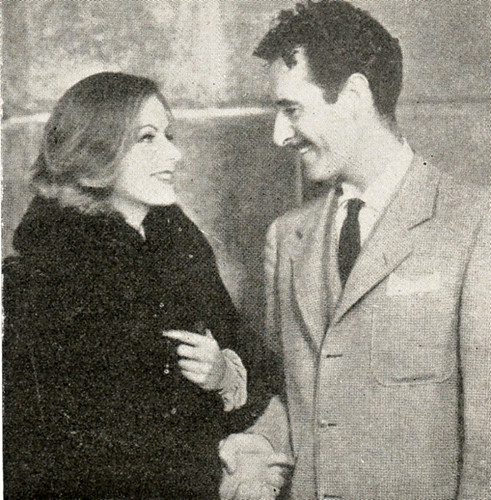
11. John Gilbert in His Glorious Night
Journey back to Hollywood’s nascent golden age, and the name John Gilbert shone brightest among the silent film era’s romantic leads. A superstar defined by his striking good looks and captivating screen presence, Gilbert effortlessly commanded the screen, drawing massive audiences without uttering a single word. His fame was immense, arguably the greatest male romantic lead of his time, a true box-office titan whose every gesture spoke volumes.
However, the cinematic landscape was about to undergo a seismic, revolutionary change: the advent of sound films, or “talkies.” This technological leap presented an unprecedented challenge for silent era idols, whose carefully cultivated images were tested by their voices. Gilbert’s highly anticipated transition to sound arrived with 1929’s *His Glorious Night*, a military romance that, on paper, mirrored the successful narrative formulas that had previously cemented his stardom.
But fate, or perhaps calculated sabotage, had other plans. Despite the familiar premise, the film quickly became infamous. Audiences, accustomed to his silent allure, were reportedly bothered by the actor’s perceived “squeaky voice.” This subjective perception, whether accurate or not, quickly metastasized into a widespread narrative, shattering his carefully constructed romantic image and triggering an immediate, devastating backlash.
The enduring gossip surrounding Gilbert’s voice has always been hotly contested. His family staunchly disputes the “squeaky” label, contending his career was undone by deliberate sabotage orchestrated by powerful studio boss Louis B. Mayer, who allegedly harbored a personal dislike. Whatever the underlying truth, the public’s perception following the film’s release proved an insurmountable obstacle.
Tragically, Gilbert’s career spiraled into an irreversible decline “in the wake of the film.” The once-celebrated romantic lead found himself a relic of a bygone era, unable to adapt or regain his footing in the new sound-driven industry. He passed away at the tender age of 38, following a battle with alcoholism, a poignant and somber reminder of the immense pressures and rapid shifts that could mercilessly cut short even the most brilliant careers in early Hollywood. His story illustrates how a seemingly minor detail could become a monumental, career-ending impediment.
Read more about: Rick Davies, Supertramp Co-Founder and Voice Behind Iconic Hits, Dies at 81: A Legacy of Progressive Rock and Pop Innovation
From iconic leading ladies to silent film heartthrobs, the stories are as varied as they are stark. Hollywood’s spotlight, while dazzling, can also be incredibly fickle, demonstrating that even the most celebrated careers can be irrevocably altered by a single role or a moment in time. These tales remind us that behind the glamour, the industry is a high-stakes game where one wrong move can send even the biggest stars into an unexpected, and often lengthy, career purgatory.