Ever wondered what really goes down behind the glitzy facade of Hollywood? While we see the polished premieres and epic blockbusters, there’s a whole world of high-stakes negotiations, creative clashes, and outright battles brewing backstage. Film contracts, once mere formalities, have evolved into a complex tapestry where A-listers aren’t just signing on the dotted line for a paycheck, but demanding a seat at the table to protect their vision, their value, and even their political beliefs.
The landscape has truly transformed. Gone are the days when actors simply accepted whatever was offered. Today, power players from indie filmmakers to global superstars like Scarlett Johansson and Dwayne Johnson are rewriting the rules, pushing for everything from creative control and profit sharing to merchandising rights. It’s a seismic shift that reflects a growing demand for talent to be recognized for their full worth, turning the typically one-sided studio-actor dynamic into a thrilling, often dramatic, tug-of-war.
So, buckle up, because we’re taking a deep dive into some of the most jaw-dropping backstage showdowns. These aren’t just minor disagreements; these are the moments when Hollywood’s biggest names put their careers on the line, went head-to-head with powerful studios, and sometimes, even changed the industry for good. Get ready to explore the contracts, the controversies, and the defiant stands that shook Tinseltown to its core!
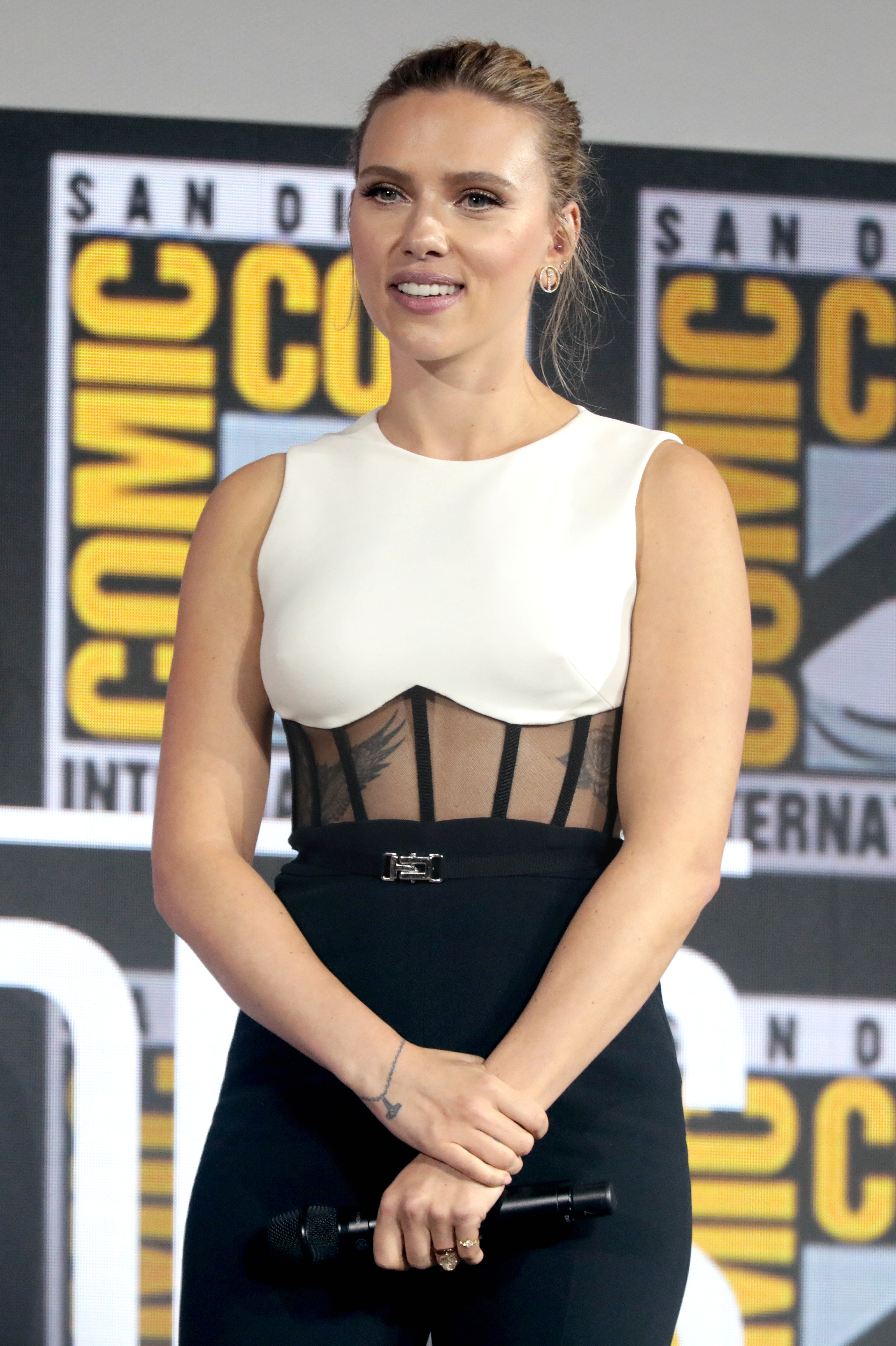
1. **Scarlett Johansson — Black Widow: The Streaming Showdown**
When Scarlett Johansson filed a lawsuit against Disney over their decision to launch *Black Widow* on Disney+ and in cinemas on the same day, the world was shook. This wasn’t just about a star wanting more money; it was a high-profile challenge to the evolving distribution models in Hollywood and a fierce defense of an actor’s contractual agreements in a rapidly changing industry.
The company’s decision, launching the film simultaneously in theaters and on its streaming platform, didn’t sit too well with the actress. Her deal with the studio was specifically structured around an exclusive theatrical release, which would directly impact her cut of the box office receipts. When Disney pivoted to a hybrid release without renegotiating her terms, Johansson argued it directly breached her contract, costing her millions in potential earnings.
This bold move sent ripples through Hollywood, highlighting the precarious position many artists found themselves in as studios navigated the streaming era. For many, it underscored the need for clarity and fair compensation in new distribution paradigms. The lawsuit eventually settled, but its impact resonated far beyond the courtroom, setting a precedent for future negotiations.
In the aftermath, Scarlett herself addressed the lawsuit with *The Hollywood Reporter*, expressing hope that nobody else would have to “go through what I went through.” She felt fortunate that her stand had made “a positive impact in the industry and hopefully for artists and creatives’ lives and livelihood,” emphasizing the broader implications for talent across the board. It was a clear win for artists demanding their worth in a new age of content delivery.
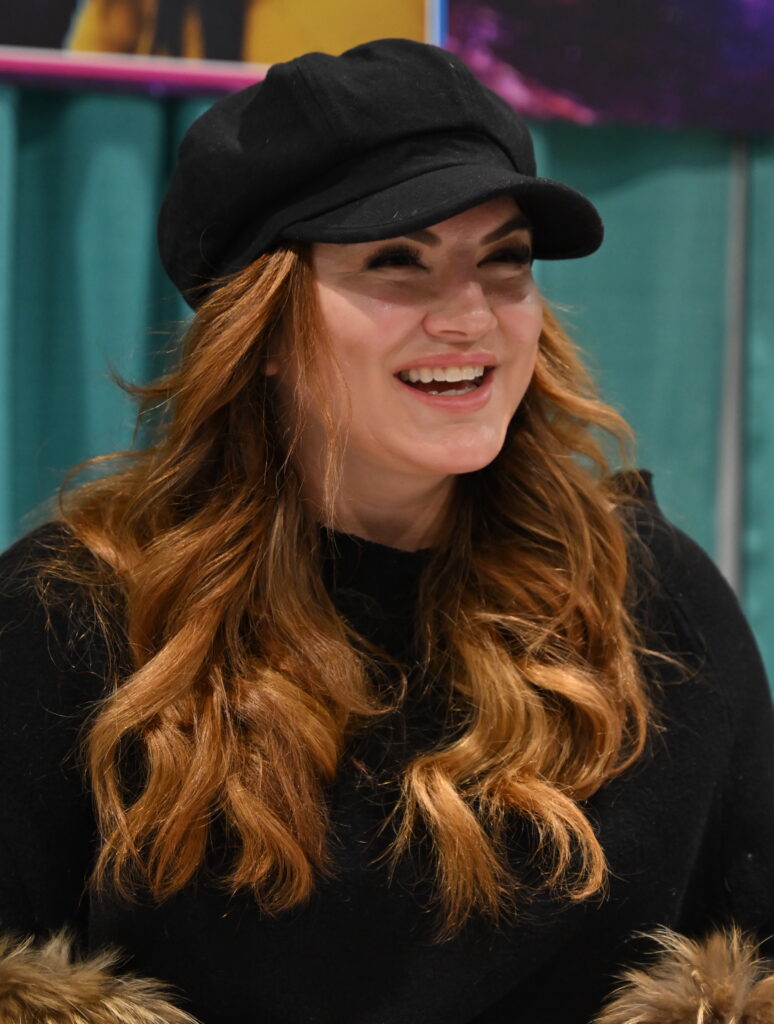
2. **Gina Carano — The Mandalorian: A Social Media Firing**
In February 2024, Gina Carano filed a lawsuit against Disney and Lucasfilm, igniting a major firestorm over her firing from the hit Disney+ series, *The Mandalorian*. This case wasn’t about box office cuts or creative differences; it was a heated battle concerning political beliefs, social media expression, and the boundaries of employment in Hollywood.
Gina claims that she was let go from the series three years prior due to her political beliefs, which she had voiced on various social media platforms like X (formerly Twitter) and Instagram. One particular post that caused significant outcry reportedly stated: “Most people today don’t realise that to get to the point where Naxi soldiers could easily round up thousands of Jews, the government first made their own neighbours hate them simply for being Jews. How is that any different from hating someone for their political views?” This analogy drew widespread criticism and was a central point of contention.
The lawsuit, notably funded by Elon Musk and his company X/Twitter as part of their commitment to assist individuals whose posts on the platform have been used against them, outlines further demands made by Disney. According to *The Hollywood Reporter*, the suit claims Disney had insisted Carano meet with a representative of the Gay & Lesbian Alliance Against Discrimination (as some of her posts questioned non-binary pronouns) and demanded a public apology from her. She refused to comply with these requests.
Subsequently, Carano was also asked to meet with Lucasfilm president Kathleen Kennedy and 45 employees from the LGBTQ+ community, which she likewise declined. Soon after her refusal, she was terminated from her role. Her lawsuit seeks not only monetary damages (at least $75,000 plus punitive damages) but also a court order that would force Lucasfilm to recast her, underscoring a deep conviction that her free speech rights were violated.

3. **Crispin Glover — Back to the Future: The Likeness Legal Battle**
Crispin Glover, famed for his unforgettable portrayal of Marty McFly’s father, George, in the original *Back to the Future*, found himself in a groundbreaking legal battle when he didn’t return for the sequel. This wasn’t a case of creative differences; it was a stark lesson in intellectual property and an actor’s right to control their own image.
Despite Glover’s absence from the cast, filmmakers were determined to retain George McFly’s presence. They went to extreme lengths, having Jeffrey Weissman wear prosthetics to make him look eerily similar to Crispin’s iteration of the character. But the real kicker? They also incorporated scenes from the first film that literally included Crispin in the role, all without his permission or compensation for using his likeness.
Naturally, this didn’t sit well with the actor. Glover promptly sued the producers for using his likeness without permission, setting a precedent that would resonate throughout Hollywood. He won his case, marking a significant victory not just for himself but for actors everywhere who feared their image could be exploited without their consent.
The outcome of Glover’s lawsuit was so impactful that it led to concrete changes in the industry. As a direct result, the Screen Actors Guild (SAG) adopted specific clauses in their contracts. These new provisions were designed to prevent such unauthorized use of an actor’s likeness from ever happening again, ensuring that performers have more control over their digital and physical representations long after production wraps. Talk about changing the game!
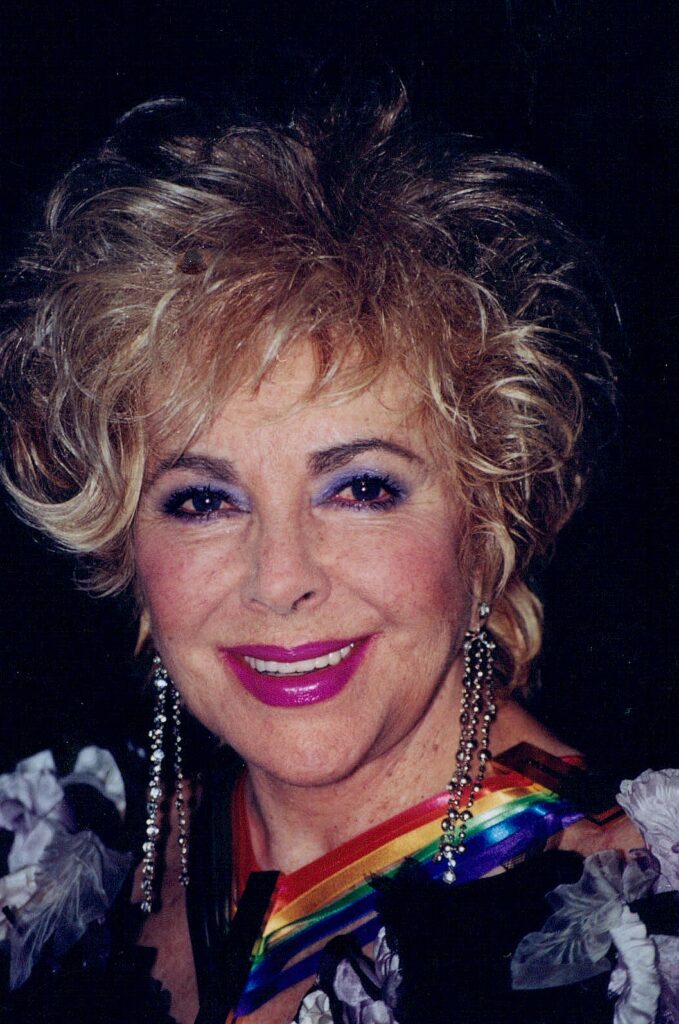
4. **Elizabeth Taylor — Cleopatra: Drama On and Off Screen***
*Cleopatra* is legendary not just for its epic scale and stunning visuals, but for the sheer amount of drama that unfolded both in front of and behind the cameras. Starring the iconic Elizabeth Taylor, the film became synonymous with extravagance, scandal, and, as it turns out, a high-stakes legal battle over contracts and conduct.
Following the film’s release, Taylor, never one to shy away from a fight, filed a lawsuit against 20th Century Fox (now 20th Century Studios). Her claim was straightforward: she hadn’t received her agreed-upon 10% share of the box office receipts. Given the film’s massive budget and eventual box office performance, this was a substantial sum that she was prepared to fight for.
However, the studio fired back with a counter-suit, turning the tables on the superstar. They alleged that the notoriously tumultuous behavior of Taylor and her co-star Richard Burton on set was detrimental to the film’s production and overall success. They claimed this behavior caused significant delays, forcing the studio to halt production on all other projects just to complete the mammoth *Cleopatra* shoot, leading to astronomical cost overruns.
Before the explosive case could make it to court, a deal was eventually struck between the parties. While the exact details of the settlement remain shrouded in Hollywood mystique, it was widely rumored that Taylor walked away with a staggering $7 million. It was a dramatic conclusion to a production fraught with conflict, proving that sometimes, the biggest battles happen when the cameras aren’t rolling.
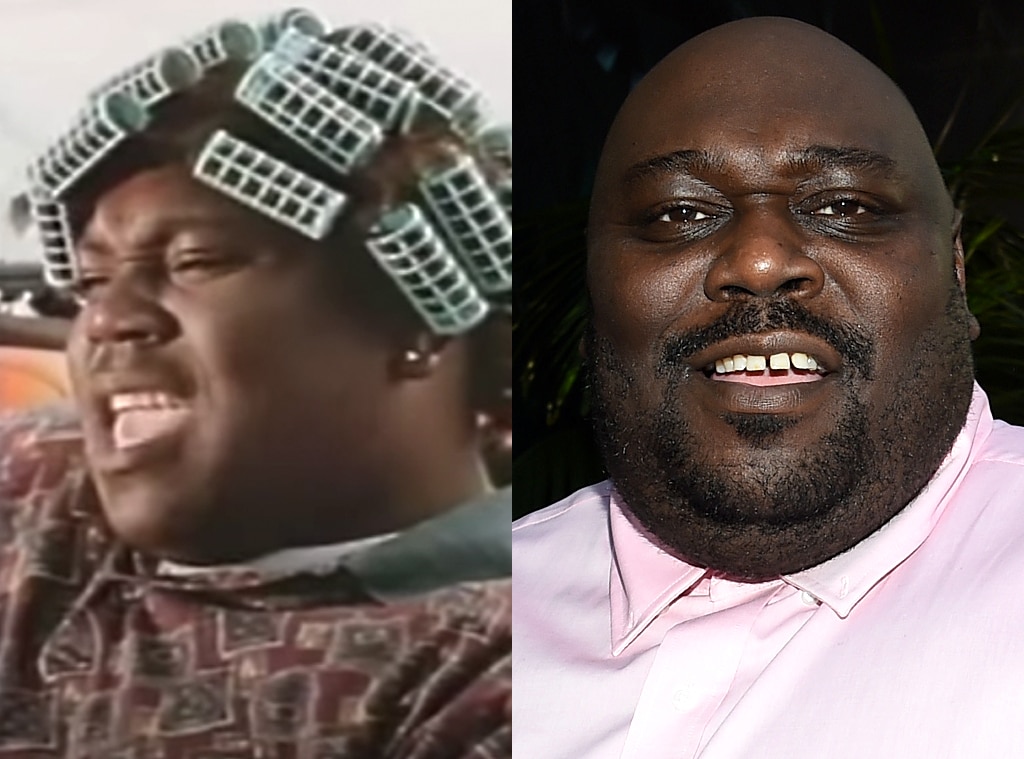
5. **Faizon Love — Couple’s Retreat: The Poster Problem***
*Couple’s Retreat* was a comedy about four couples heading to a tropical facility to work on their relationships. Seems simple enough, right? Except when it came to the movie posters, one crucial detail sparked a major controversy and led to actor Faizon Love taking a stand against the studio. This wasn’t just about billing; it was about representation and challenging what he saw as an act of racism.
The domestic poster for the 2009 comedy prominently featured all four couples, including Love and his co-star Kali Hawk. However, when the international poster was released, something was conspicuously missing: Love and Hawk, who were the only couple of color in the film, had been entirely removed. Their names were also omitted from the cast list on these international posters, effectively erasing their presence from the film’s global marketing.
Faizon Love was, understandably, not having it. He publicly accused the company of an “act of racism” by deliberately excluding him and Kali Hawk from the international promotional materials. His argument was clear: by removing the Black couple, the studio was engaging in discriminatory practices, suggesting their presence might be less appealing to certain audiences abroad, a painful and unacceptable message.
This bold accusation and subsequent legal action brought the issue of racial representation in Hollywood marketing to the forefront. While the specific legal details are often kept private in such cases, the two parties ultimately came to an amicable agreement before the lawsuit progressed to court. Love’s stand highlighted the persistent battles actors of color face, not just for roles, but for equitable visibility and respect in how their work is presented to the world.
.jpg)
6. **Gerard Butler — Olympus Has Fallen: The $10 Million Dispute**
Just when Hollywood thought it had seen it all with Scarlett Johansson’s groundbreaking lawsuit against Disney, another major star decided to step into the legal ring. Gerard Butler, known for his gritty action roles, decided it was time to take on the producers of his hit film *Olympus Has Fallen*, igniting a dispute over unpaid backend compensation.
Butler’s lawsuit claimed he was owed at least $10 million in backend compensation, a significant chunk of change that he believed was rightfully his. Backend deals are a common part of A-lister contracts, where stars receive a percentage of the film’s profits after it hits certain revenue thresholds. It’s how many actors make their biggest earnings on successful projects.
The core of Butler’s argument was that the producers had understated the film’s domestic and foreign box office receipts. In the complex world of Hollywood accounting, discrepancies in reporting revenues can significantly impact backend payments, and actors often need to scrutinize financial records to ensure they’re getting their fair share. This wasn’t just a minor accounting error; it was a substantial alleged misrepresentation.
This case, much like Johansson’s, highlighted the ongoing struggles actors face in securing their contractual due, especially when dealing with intricate profit-sharing agreements. It served as a powerful reminder that even established stars need to remain vigilant, sometimes taking drastic legal action, to ensure that their worth and contributions are fully recognized and fairly compensated in the high-stakes game of filmmaking.
Ready for even more fascinating glimpses behind the velvet curtain? Hollywood isn’t just about red carpets and blockbusters; it’s a dynamic arena where stars, now more than ever, are wielding their influence to demand fairness, protect their creative integrity, and even stand up for fundamental freedoms. From rallying against perceived government overreach to battling for equitable pay and refusing to compromise their artistic vision, these A-listers are proving that the real drama often unfolds off-screen, reshaping the industry one defiant stand at a time. Let’s dive into five more iconic battles where big names put their careers on the line!
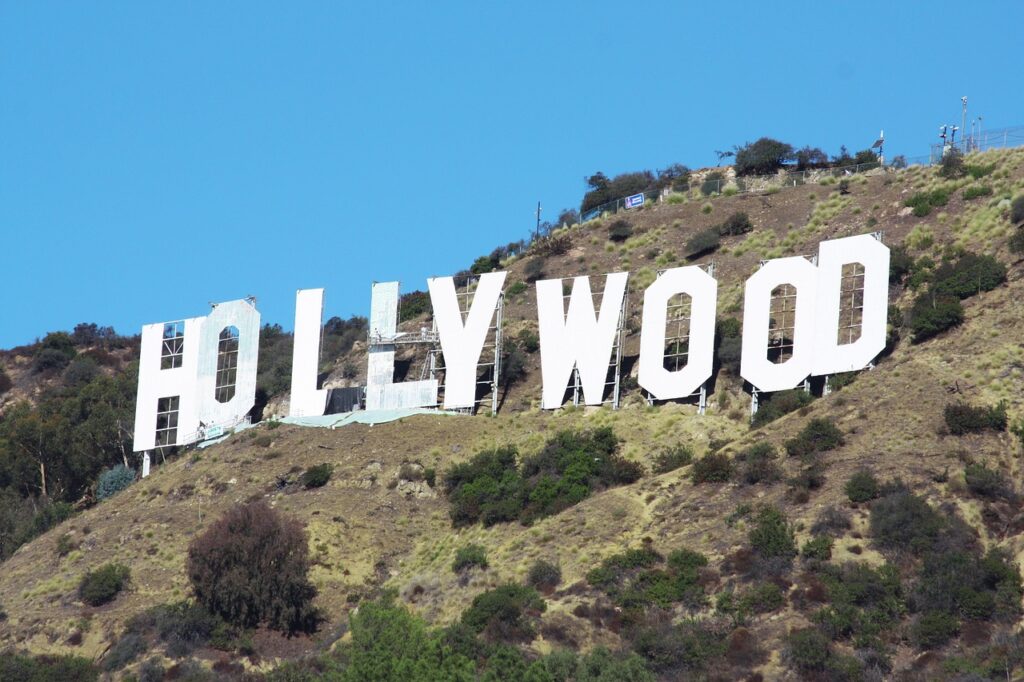
7. **The Hollywood Collective: Standing Up for Free Speech (Kimmel Suspension)**
When `Jimmy Kimmel Live!` was temporarily suspended after its host made comments about a conservative activist’s alleged killer, and FCC Chairman Brendan Carr threatened action against ABC and Disney, Hollywood’s biggest names didn’t just stand by. This wasn’t a typical contract dispute; it was a powerful, collective celebrity action in defense of free speech, showing how A-listers are willing to unite against what they perceived as government pressure and corporate censorship.
More than 400 Hollywood stars, including heavyweights like Ben Affleck, Jennifer Aniston, Robert DeNiro, Ben Stiller, Meryl Streep, and Tom Hanks, cosigned an open letter published by the American Civil Liberties Union. The letter minced no words, stating, “Efforts by leaders to pressure artists, journalists, and companies with retaliation for their speech strike at the heart of what it means to live in a free country.” This wasn’t just about Kimmel; it was a rallying cry for all voices.
The letter further expanded on the broader implications, highlighting that “Teachers, government employees, law firms, researchers, universities, students and so many more are also facing direct attacks on their freedom of expression.” It underscored a powerful message: “Regardless of our political affiliation, or whether we engage in politics or not, we all love our country. We also share the belief that our voices should never be silenced by those in power — because if it happens to one of us, it happens to all of us.” It was a bold statement that resonated far beyond Tinseltown.
The industry’s response was swift and varied. Stars like Tatiana Maslany, Damon Lindelof, and Marisa Tomei publicly called for boycotts of Disney platforms. Even Howard Stern, a friend of Kimmel’s, announced his plan to cancel his Disney+ subscription, emphasizing that it was about freedom of speech, not liking Kimmel. Perhaps most surprisingly, prominent Trump supporters, including Republican Senators Ted Cruz and Rand Paul, also spoke out against the FCC’s involvement, illustrating that the principle of free speech can sometimes unite unlikely allies.
Disney eventually announced Kimmel’s return, stating the suspension was to “avoid further inflaming a tense situation” and that “some of the comments were ill-timed and thus insensitive.” While the immediate crisis was diffused, this incident powerfully demonstrated the collective clout of Hollywood’s A-listers when they stand together on issues beyond their personal contracts, turning a network decision into a national debate about fundamental rights.
8. **The SAG-AFTRA Uprising: Demanding Justice in a New Era**
Just as the Writers Guild of America was on strike after failing to reach a deal with the Alliance of Motion Picture and TV Producers, the Screen Actors Guild – American Federation of Television and Radio Artists (SAG-AFTRA) was gearing up for its own potential showdown. While SAG-AFTRA President Fran Drescher initially expressed optimism about “extremely productive negotiations” and a “seminal deal,” many A-listers felt that the proposed terms simply weren’t enough, especially given the rapid changes sweeping through Hollywood.
A passionate letter signed by over 300 actors, including industry luminaries like Jennifer Lawrence, Kevin Bacon, Meryl Streep, Glenn Close, Keke Palmer, Parker Posey, Ben Stiller, and Marissa Tomei, urged SAG-AFTRA leadership to push harder. They recognized the current moment as “an unprecedented inflection point” for the industry, emphasizing that members were “ready to make sacrifices that leadership is not.” This was a clear sign that many stars felt their union needed to take a bolder stance.
The core of their concerns revolved around fundamental issues that they believed had been undermined over the past decade: “our wages, our craft, our creative freedom, and the power of our union.” They were explicit in their demand to “reverse those trajectories.” This wasn’t just about a modest pay bump; it was about reclaiming lost ground and securing a sustainable future for performers in an increasingly complex and digitally driven industry.
Crucially, the letter highlighted a significant fear: the compromise of members’ likenesses from the burgeoning use of artificial intelligence. This issue, along with calls for increased residuals and a rejection of the industry transforming into a de-facto freelance workforce, showed a profound awareness of the technological and economic shifts threatening actors’ livelihoods. The signatories made their readiness clear: they were “prepared to strike if it comes to that,” aligning their resolve with the ongoing WGA strike.
Ultimately, the letter served as a powerful declaration from a substantial segment of SAG-AFTRA’s membership, urging their leadership to reject compromise and “join the WGA on the picket lines.” It underscored a collective sentiment that this was a critical “moment to defend free speech across our nation” – a moment where the future of their craft, their earnings, and their very identities in an AI-driven world hung in the balance.

9. **Emma Watson & Zendaya: Drawing the Line on Set**
Sometimes, standing your ground isn’t about massive lawsuits or industry-wide protests, but rather about deeply personal boundaries on a film set. Even the most beloved actors find themselves in situations where they have to say ‘no’ to a scene or action that goes against their comfort or beliefs. Emma Watson and Zendaya, two incredibly respected stars, provide compelling examples of prioritizing their personal integrity even when faced with creative demands.
Emma Watson famously walked off the set of the apocalyptic comedy `This Is the End` due to a “bizarre leash scene.” The scene in question featured actor Danny McBride holding a nearly Channing Tatum on a leash, and Watson simply felt it was “too much” for her to participate in. While many initially speculated about bad blood, director Seth Rogen later clarified the incident, saying, “It was not some terrible ending to our relationship. She came back the next day to say goodbye. She helped promote the film.” He even conceded, “She was probably right. It was probably funnier the way we ended up doing it.”
This incident highlights how actors, even in comedic or satirical contexts, have the right to define their limits regarding nudity, simulated acts, or anything that makes them genuinely uncomfortable. Watson’s decision wasn’t about ego; it was about maintaining a personal boundary, and the production ultimately respected that, finding an alternative that Rogen himself acknowledged improved the film.
Similarly, Zendaya, in her very first role as Rocky Blue on Disney’s sitcom `Shake It Up`, firmly refused to have her first kiss happen on camera. Recalling the moment, she shared with `British Vogue`, “I remember being on Shake It Up and being like, ‘I’m not gonna do this. I’m going to kiss him on the cheek because I haven’t been kissed yet so I don’t want the kiss to be on camera.’” This was a young actress, new to the industry, making a powerful statement about protecting a deeply personal milestone.
Both Watson and Zendaya’s stories are inspiring examples of actors, regardless of their star power or experience, advocating for their personal comfort and upholding their values amidst the pressures of filmmaking. These refusals weren’t about disrupting production out of spite, but rather about ensuring their creative work aligned with their personal boundaries, demonstrating a crucial aspect of maintaining integrity in Hollywood.
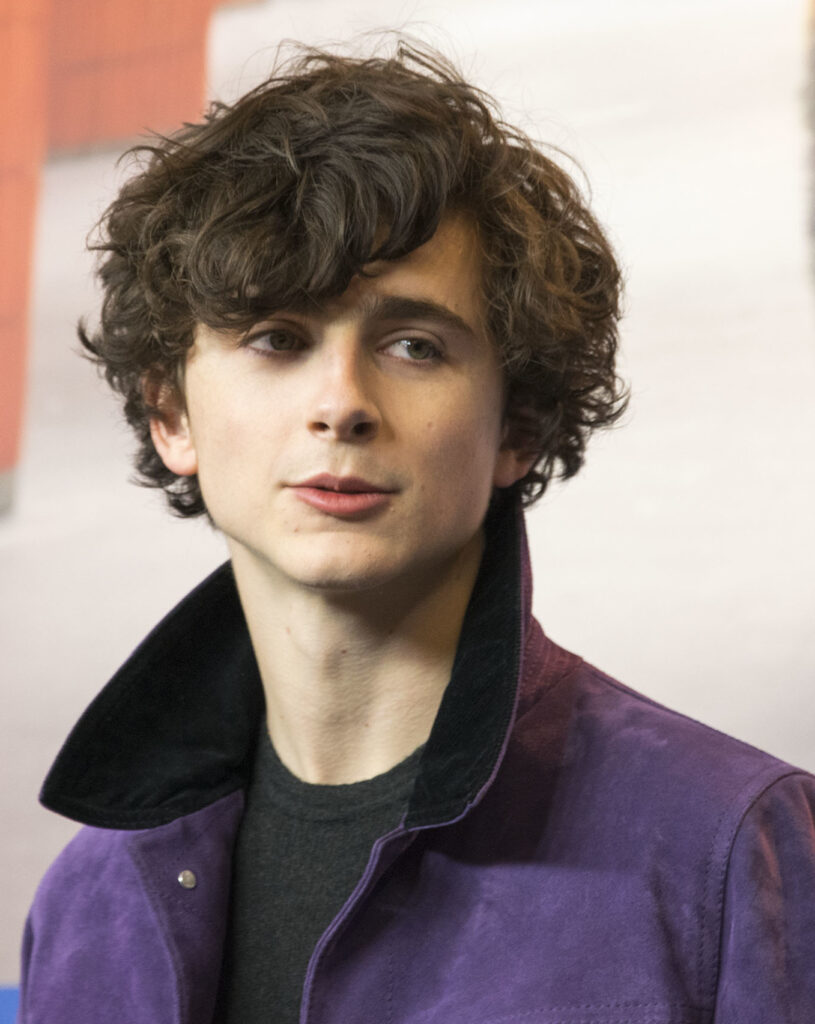
10. **Timothée Chalamet & Ben Affleck: Defying Creative Compromises**
Beyond personal comfort, A-listers often push back against specific creative choices—be it a line of dialogue, a prop, or an entire skit—to protect the integrity of their character, their personal brand, or even their beloved sports teams! Timothée Chalamet and Ben Affleck are perfect examples of stars who weren’t afraid to say ‘no’ when a creative choice felt fundamentally wrong to them.
When Timothée Chalamet hosted `Saturday Night Live` in January, he reportedly refused to participate in a particular skit proposed by cast member Chloe Fineman. Fineman revealed on `Watch What Happens Live With Andy Cohen` that she wanted to recreate a “hot scene” from Nicole Kidman’s `Babygirl`, which involved suggestive actions like “touching, or like Babygirl, and he’s giving me milk.” Chalamet, apparently, “wasn’t really having that.” His refusal speaks volumes about an actor’s agency, even in a comedic, improvisational setting like SNL, to decline content they deem inappropriate or uncomfortable for their public persona.
Ben Affleck’s commitment to his beloved Boston Red Sox famously caused a stir on the set of the intense thriller `Gone Girl`. As a die-hard Red Sox fan, Affleck staunchly refused to wear a Yankees baseball cap, which was originally planned for a scene. He explained his decision on the `New Heights` podcast: “I mean, also, to be fair, I was explaining to David [Fincher]. I was like it’s gonna be a distraction that you don’t want, like a stupid side story about wearing a Yankees hat. Like, trust me. I think he got [it].” His argument wasn’t just personal preference; it was a savvy understanding of how such a detail could pull audiences out of the film, proving that creative disagreements can sometimes lead to better artistic choices.
And let’s not forget Jenna Ortega, who fiercely protected her breakout role as Wednesday Addams. She pushed back against dialogue that felt inauthentic to Wednesday’s character, recalling a line where she was supposed to say, “‘Oh my God I’m freaking out over a dress, I literally hate myself.’” Ortega confessed in a Netflix Q&A, “I was blown away. I felt like we were able to avoid a lot of dialogue in an attempt to make her sound human.” Her instincts were spot-on, helping cement Wednesday as an instantly iconic and true-to-character role, proving that actors often have the deepest insights into their portrayals.
Similarly, Anya Taylor-Joy has become a strong advocate for depicting “female rage” instead of automatic tears, challenging stereotypes in her roles. For her character in `The Menu`, when she was asked to cry, Taylor-Joy’s response was sharp: “What planet are we living on? I was like, ‘Let me explain to you: I am going to leap across the table and try and literally kill him with my bare hands.’” She even fought for three months to get a single scream into `Furiosa`. These examples underscore how A-listers are not just performers, but collaborators with powerful voices, willing to debate and even defy to ensure the final product aligns with their artistic vision and beliefs.
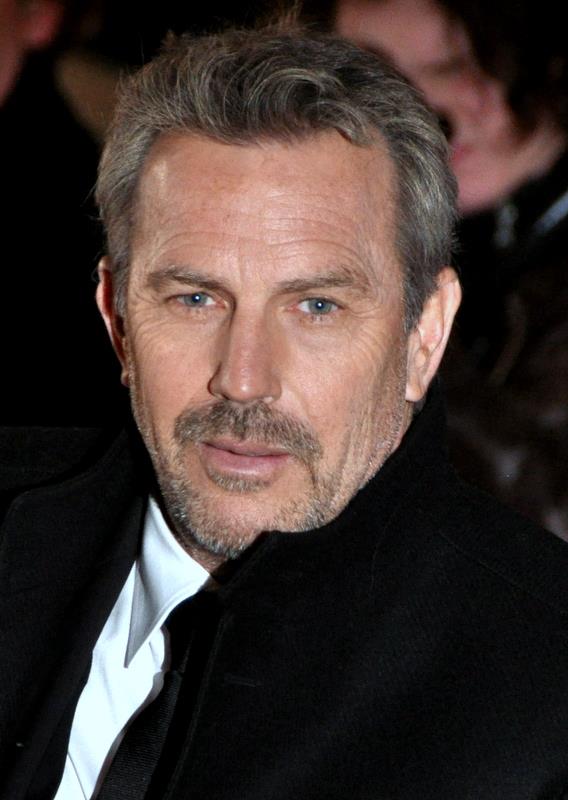
11. **Bonnie Aarons & Kevin Costner: The Fight for Fair Earnings**
While creative integrity and personal boundaries are crucial, sometimes the backstage battle comes down to cold, hard cash – or rather, the lack thereof. Many A-listers, even after striking seemingly ironclad deals, find themselves in disputes over unpaid compensation, particularly when it comes to backend profits or merchandise revenue. The cases of Bonnie Aarons and Kevin Costner highlight the persistent need for vigilance in Hollywood accounting.
Bonnie Aarons, who chillingly portrays the demon Valak in `The Nun` franchise, filed a lawsuit against Warner Bros over what she claims is “hidden revenue” from the film’s merchandise. Her contract included a fixed compensation for the role, a substantial bonus for box office performance, and crucially, a share of Warner Bros’ gross intake from merchandise featuring her likeness. However, when she queried the numbers, the spreadsheets provided by Warner Bros appeared to omit certain lines, raising serious questions about transparency.
Aarons’ case, still unfolding, draws attention to the often-opaque world of Hollywood accounting, where calculating profits and backend deals can be incredibly complex and, at times, contentious. For an actor whose distinctive image is used across a wide array of merchandise, ensuring every penny is accounted for is not just about personal gain but about fair recognition for their unique contribution to a lucrative franchise.
Years after `Robin Hood: Prince of Thieves` became a box office darling, its star, Kevin Costner, took Morgan Creek Productions to court over unpaid profits. Costner claimed he was contractually due 12.5% of the film’s adjusted gross receipts, a significant sum given the film’s success, but that he hadn’t received a penny of it. This kind of dispute, where stars allege that studios or producers have understated revenues to minimize payouts, is unfortunately a recurring theme in Hollywood’s financial annals.
Both Aarons and Costner’s lawsuits underscore a fundamental truth in Hollywood: even with seemingly clear contracts, getting what you’re owed often requires diligent scrutiny and, if necessary, legal action. These battles highlight the ongoing struggle for financial transparency and equitable compensation, reinforcing the idea that talent must always advocate fiercely for their worth in the high-stakes game of entertainment economics.
As we pull back the curtain on these incredible backstage battles, one thing becomes crystal clear: Hollywood isn’t just a dream factory; it’s a dynamic arena where power is constantly shifting, and the stakes are always sky-high. From collective stands against censorship to individual acts of creative defiance and the relentless pursuit of fair earnings, A-listers are proving that their influence extends far beyond the screen. They’re not just actors; they’re trailblazers, negotiators, and sometimes, even revolutionaries, ensuring that the industry evolves to better serve its most vital asset: its talent. These stories aren’t just entertainment news; they’re blueprints for anyone—from aspiring indie filmmakers to established stars—looking to understand their worth and wield their power in an ever-changing world. So, keep watching, because in Hollywood, the fight for what’s right is truly the greatest show on Earth!