A movie pitch is more than just a presentation; it’s the crucial bridge between your creative vision and its realization on the silver screen. In the high-stakes world of Hollywood, where thousands of talented screenwriters vie for attention, a compelling pitch can open doors, secure funding, and launch careers. Conversely, a flawed pitch can quickly consign a brilliant idea to obscurity, leaving creators frustrated and unfulfilled. Studio executives, agents, and producers are constantly sifting through concepts, looking for that elusive blend of artistic merit and commercial potential.
For aspiring entertainment professionals, mastering the art of the pitch is an unavoidable part of the job. Whether you’re a writer hoping to sell a spec script, a director seeking development money, or a producer looking to attract talent, the ability to effectively describe and sell your project is paramount. Industry experts Douglas Eboch and Ken Aguado, co-authors of *The Hollywood Pitching Bible*, underscore that pitching projects is an unavoidable part of the job for anyone in the Hollywood creative community, from writers to studio executives. This fundamental skill is vital for success.
Drawing on insights from numerous Hollywood decision-makers, including studio executives, agents, and experienced producers who collectively heard over 250 pitches from 123 writers during events like Coverfly Pitch Week, we’ve identified key mistakes that consistently ruin a movie pitch. This comprehensive guide will dissect the initial critical missteps that can make or break your Hollywood dream. We offer actionable advice to ensure your next pitch not only stands out but also paves the way for a successful career.

1. **Not Understanding the Purpose of Your Pitch**
One of the most foundational errors, particularly for beginners or aspiring entertainment professionals, is failing to grasp the true purpose of their pitch. As Douglas Eboch and Ken Aguado emphasize, “choosing the wrong kind of pitch for a given situation is at the top of the list.” This isn’t merely about having a good story; it’s about aligning your presentation with the specific outcome you’re seeking from that particular meeting. Without this clarity, your efforts, no matter how passionate, risk being entirely misdirected.
The variety of pitching scenarios demands a tailored approach. Launching into a rambling 15-minute description of a project at a cocktail party, for instance, is as misguided as having only a spare one-liner prepared for a formal pitch meeting. Each context requires a different depth of information and a distinct objective. You must consider whether you are aiming to convince someone to read an existing screenplay, to greenlight an idea, or to secure an assignment for a new project.
Furthermore, pitches to secure assignments necessitate yet another specific approach, distinct from those designed to sell an original idea. The absence of a clear goal means you cannot craft an effective pitch. This critical oversight can lead to a presentation that, while perhaps engaging, ultimately fails to achieve its intended impact because it doesn’t serve the immediate needs or expectations of the listener. Defining your goal is the absolute first step in preparing any successful pitch.
Read more about: Consumer’s Essential Guide: 14 Dealer Add-Ons and Fees to Approach with Caution (or Avoid Entirely)

2. **Pitching Plot Instead of Story**
Another pervasive error that can quickly disengage listeners is pitching plot instead of story. Eboch and Aguado highlight this as “always a mistake,” whether you’re presenting a narrative story or even a reality series. Plot, in its simplest form, is merely a “dry recitation of events,” a sequence of “this happens, then that happens, then…” This linear recounting, devoid of emotional resonance, often leaves executives bored and unimpressed, failing to ignite their imagination for your project.
Story, on the other hand, is much more profound; it represents the emotional and psychological journey a character undertakes. It focuses on *who* the events are happening to, *how* they are impacted, and *why* we should care. Audiences, and by extension, industry decision-makers, connect with characters and their struggles, not just a series of occurrences. If a pitch lacks a character’s point of view, it struggles to create the necessary empathy and investment.
The key distinction lies in understanding that we only care about plot to the extent it involves someone we find interesting. Without a compelling character at its core, even the most intricate plot becomes a dry academic exercise rather than a potential cinematic experience. Therefore, a successful pitch moves beyond simply detailing incidents; it immerses the listener in the character’s internal and external conflicts, making them feel the emotional stakes of the journey. This approach ensures that your project resonates on a deeper, more human level, capturing the imagination of those who can bring it to life.
Read more about: Beyond the Laugh Track: Uncovering the Quirky Real-Life Stories Behind Seinfeld’s Most Beloved Episodes

3. **Not Having a Good Log Line**
The absence of a compelling log line is a rookie mistake that can severely hamper any pitch, regardless of its length. There are countless situations in Hollywood where you will only have the opportunity to pitch a log line. Therefore, not having a great one readily available for use is a significant oversight. Even within longer, more detailed pitches, a strong log line should be employed early on, serving as a vital roadmap for the extensive narrative that is to follow.
A well-crafted log line provides immediate context for the listener, concisely summarizing the core idea you are proposing. It allows them to quickly grasp the essence of your project, setting the stage for the more complex details of character, plot, and setting that you will present. Without this initial clarity, executives may struggle to orient themselves within your story, making it harder to absorb and appreciate the nuances you later introduce. It’s a foundational piece that frames the entire presentation.
Crafting an effective log line is undeniably challenging, a skill that many professionals in the industry continuously struggle to master. It demands brevity, intrigue, and a clear articulation of the central conflict and protagonist. Eboch and Aguado emphasize its difficulty but also its absolute necessity. An additional, crucial tip is to always “make sure to include the genre of your project in most of your log lines!” This immediately signals the tone and type of film, further aiding the listener in placing your idea within the market landscape.
Read more about: Seventy Years On: The Enduring Legacy of James Dean, Hollywood’s Immortal Rebel

4. **Making Your Character Sound Unlikeable**
It’s a dishearteningly common mistake, yet one that studio insiders “see it over and over again”: presenting your main character in a way that makes them sound unlikeable in a pitch. While longer narratives like movies or television series offer ample time to develop complex characters with dark sides and moral ambiguities, the condensed nature of a pitch demands immediate appeal. In these brief, high-pressure situations, first impressions are everything, and a negative portrayal of your lead can be a significant deterrent.
This doesn’t mean every character must be a saccharine “heroic fireman, who saves puppies in his spare time.” The nuance lies in the *framing* of your character’s flaws and challenges. There is a “world of difference” between describing someone as a “loser” versus portraying them as “down on his luck.” The latter suggests external circumstances and potential for redemption or growth, fostering empathy, while the former creates an immediate barrier to connection. Executives need to believe an audience will invest in your protagonist.
When you’re developing your pitch, it is paramount to consider carefully how you describe the main character. Ask yourself honestly, “why would anyone care about this character?” Remember, the listener’s entire perception of your lead is entirely dependent on what you choose to tell them in that limited timeframe. A character that elicits curiosity and a modicum of sympathy, even if flawed, will always stand a better chance of captivating an executive than one presented without any redeeming qualities or relatable struggles.
Read more about: From Cinematic Giants to Screen Stumbles: 14 Great Actors and Their Most Questionable Performances

5. **Improper Use of Movie Comparisons**
The “it’s The Avengers meets Jurassic World” type of comparison is not only a “raging Hollywood cliché” but also an “annoying mistake” that many industry professionals wish to eradicate. While the intent is often to provide a familiar reference point, such mash-ups are frequently “as meaningless as it is pervasive,” as Eboch and Aguado point out. These comparisons often confuse rather than clarify, leaving decision-makers wondering, “What does that even mean? Is it about a theme park for superheroes? Are the superheroes fighting dinosaurs?” The lack of specificity creates ambiguity instead of building a clear vision.
The problem intensifies when writers opt for comparisons involving old, obscure, or financially unsuccessful movies. Saying “it’s Ishtar meets Fassbender’s Katzelmacher” does nothing to help your pitch; it merely demonstrates a lack of understanding of market relevance and executive expectations. The goal is to provide a reference point that resonates with current industry trends and commercial viability, not to showcase niche cinematic knowledge. Stephanie Palmer, founder of Good in a Room, also advises against using comparisons, particularly those that confuse instead of clarifying.
However, if you absolutely must use a comparison, the solution is to “always briefly qualify what you mean.” Instead of a vague combination, explain the elements you’re drawing from: “It’s about a diverse team of heroes — like The Avengers — who travel back in time to battle mighty dinosaurs — like Jurassic World.” This approach provides clarity and context. Yet, the strongest advice from experts is often to “really probably better off not making comparisons at all in most pitches.” Focus on the inherent uniqueness of your project rather than leaning on borrowed legacies.
Read more about: Unmasking the Silent Threat: How to Spot a Slow Tire Leak Early, Without a Gauge, Like a Pro

6. **Being a Jerk / Not Being Nice, Polite, On Time, or Engaged**
This piece of advice might seem rudimentary, yet its importance cannot be overstated in a professional setting like a pitch meeting: “Don’t be a jerk.” As highlighted by Hollywood insiders during Coverfly Pitch Week, kindness and professionalism go an exceptionally long way. It’s not just about the quality of your script; it’s also about your demeanor and how you present yourself as a potential collaborator. Being nice, polite, punctual, and engaged sets a crucial positive tone from the outset.
Punctuality is a basic sign of respect for the executive’s time, which is a valuable commodity. Beyond mere presence, active engagement—listening attentively, responding thoughtfully, and showing genuine enthusiasm—demonstrates that you value the conversation and the opportunity. These seemingly small gestures contribute significantly to the overall impression you leave. They signal that you are someone who is not only dedicated to their craft but also capable of effective and respectful collaboration.
The best part about this advice, as reiterated by the Pitch Week reps, is that “it’s easy to do!” Regardless of the outcome of the meeting or any unforeseen challenges, maintaining a positive and professional attitude ensures your pitch starts on the right foot. It positions you as a likable and reliable individual, which can be just as important as the strength of your idea when it comes to building lasting working relationships in Hollywood. Your personality is part of your professional brand.
Read more about: Unleash Your Inner Charisma: 14 Mind-Blowing Things Barely Anyone Does That Attracts People

7. **Not Focusing on What Makes You Unique**
In an industry saturated with talent, failing to highlight your unique selling proposition is a grave error. “There are thousands, if not tens of thousands of talented screenwriters in the same format and genre,” noted experts from Coverfly Pitch Week. The only viable path to standing out from this immense crowd is to articulate what makes *you*—and only you—unique. This goes beyond the story itself and delves into the distinctive elements you bring to the table.
Your uniqueness encompasses your personal life experience, your individual voice, the specific projects you’ve developed, and the inherent specialness of your story. Pitch Week reps consistently reiterated that “the most impactful pitches are from unique places.” They are actively seeking original pitches delivered by original voices, ideas that carry a distinctive perspective that hasn’t been heard countless times before. It’s about showcasing your personal imprint on the material.
To succeed, you must diligently uncover and powerfully highlight that distinction. Ask yourself: “What makes you and your story different from the other pitches they hear day in and day out?” If you can effectively answer this and convey it with conviction, your pitch stands a significantly better chance of making a lasting first impression on Hollywood decision-makers. It transforms your project from just another idea into an unforgettable vision rooted in your singular perspective.
The initial missteps covered in our first section laid the groundwork for understanding the fundamentals of a successful movie pitch. Yet, the path to greenlighting a project in Hollywood is riddled with additional challenges that demand strategic communication, unwavering composure, and proactive engagement beyond the meeting itself. Mastering these elements is crucial for aspiring filmmakers who wish to not only sell their stories but also cultivate lasting professional relationships.
Now, let’s explore the remaining common pitching pitfalls and the expert-backed strategies to overcome them, ensuring your project secures the attention and investment it deserves. We’ll delve into effective time management, audience engagement, handling tough situations, building rapport, and the vital post-pitch follow-up that can make all the difference.
Read more about: Escape the Digital Dash: 14 Cars and Strategies for a Touchscreen-Free Driving Experience in 2024

8. **Shoot Your Shot: Efficient Use of Time**
In the fast-paced world of Hollywood, time is a precious commodity, especially during a pitch meeting. Coverfly Pitch Week participants were frequently reminded of the extremely limited window—often just 12 minutes, or 720 seconds—to make a strong, lasting impression on studio executives or representatives. This isn’t merely a casual chat; it’s a critical opportunity to convince decision-makers to invest their time in reading your script, and potentially to sign you.
This condensed timeframe means there’s no room for meandering anecdotes or excessive small talk. While building rapport is essential, it must be balanced with the urgent need to convey your project’s most impressive and exciting aspects. The core message here is clear: be direct, be impactful, and avoid wasting a single second of your allotted time.
Having a clear plan for your pitch is paramount. Experts suggest honing your pitch and practicing what you intend to say, ensuring it fits comfortably within the 12-minute (or less) window. This preparation guarantees that you effectively communicate everything necessary to captivate your audience and position your project for success, turning a brief encounter into a significant step forward.

9. **Focus on Audience Experience, Not Just Plot Details**
While we previously discussed the mistake of pitching plot instead of story, there’s a crucial further refinement: shifting your focus to how the audience will *experience* your film. A pitch meeting isn’t just a plot synopsis; it’s an opportunity to vividly illustrate the emotional impact and cinematic journey your script offers. Simply recapping every scene in linear order will not captivate an executive.
The true goal of a successful pitch is to highlight not only what makes your project unique but also, and more importantly, how audiences will react to it. This perspective ultimately sells the film. It means moving beyond merely describing events to conveying the narrative structure, the emotional landscape, and the deeper significance of your story in the current cultural climate.
Consider asking yourself: How will the script make the audience feel? Why is this story important to audiences right now? Widening the scope of your pitch to encompass the broader impact of your story, rather than getting lost in intricate details, entices decision-makers to visualize your script unfolding powerfully on the big screen, fostering a genuine desire to bring it to life.
Read more about: Inside Chris Pine’s Very Private Love Life: Unpacking the Romance and Reactions with Keana Sky Wenger

10. **Being Confident and Enthusiastic**
Confidence and enthusiasm are incredibly contagious, forming a powerful asset in any pitch meeting. You’ve invested significant effort into your script, and it’s essential to project that pride and belief to those who can help bring it to fruition. Hollywood representatives and executives consistently express their appreciation for screenwriters who are genuinely excited to discuss their work.
A script pitch meeting should never be a dry, uninspiring affair. Decision-makers want to be swept up in your passion, to feel the energy you have for your project. If you can effectively share your excitement and vision, getting others enthusiastic about what you’re creating, you significantly increase your chances of a successful pitch and potentially even a project request.
Crucially, this confidence also means never undercutting your work or fixating on its flaws during the pitch. While humility has its place, a pitch meeting is not the time for self-deprecation. Take immense pride in your hard work; if you don’t champion your script with conviction, no one else will. A strong, self-assured demeanor goes a remarkably long way in making a memorable impression.
Read more about: The Untamed Road Ahead: Unpacking 9 Trucks Built to Conquer 300,000 Miles and Beyond for Savvy Buyers
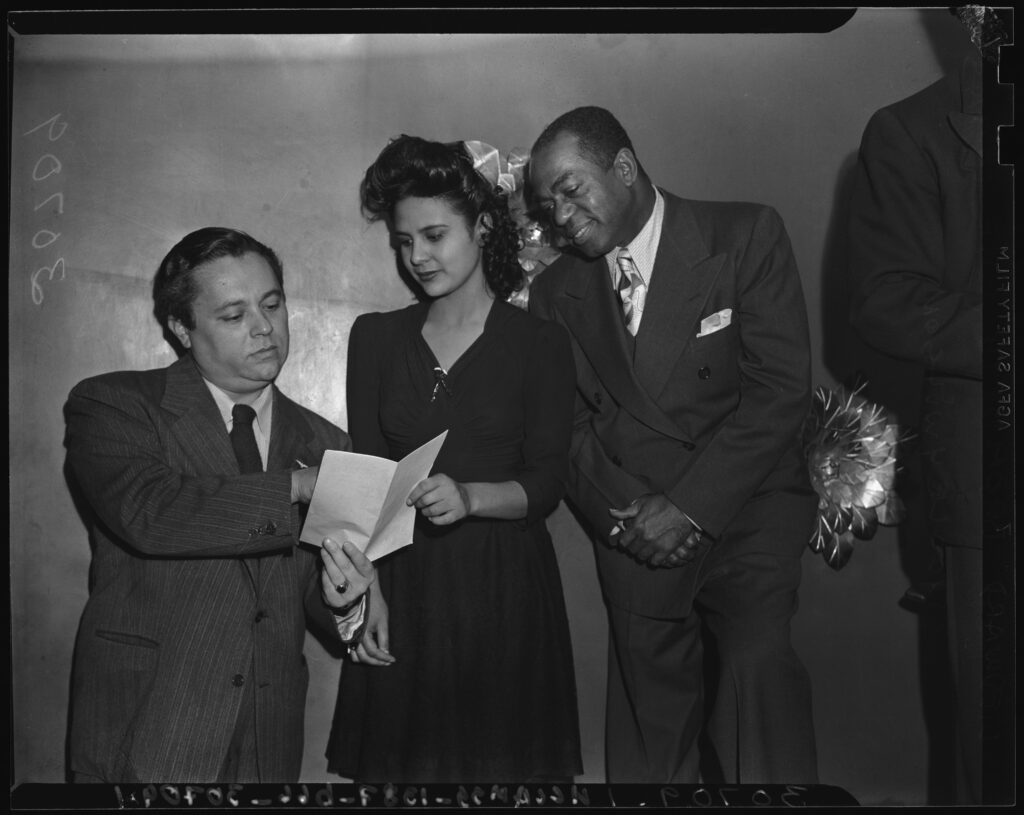
11. **Building Relationships: Finding Common Ground**
Beyond the immediate goal of selling a script, pitch meetings are fundamentally about building relationships in Hollywood. Executives need to be convinced not only that you possess a compelling project and undeniable talent, but also that you are someone they will genuinely enjoy collaborating with, both on the current endeavor and potentially on future projects. Forging these connections is an indispensable part of long-term success.
It’s important to recognize that not every pitch will result in an immediate project greenlight; sometimes, a particular project simply won’t align with a studio or representative’s current needs. However, this doesn’t diminish the opportunity to establish a valuable working relationship. If you can demonstrate that you are talented, hardworking, and adaptable to their production processes, you can cultivate a professional bond that extends well beyond your 12-minute presentation.
Stephanie Palmer, founder of Good in a Room, underscores the importance of building rapport, noting that creative professionals often err by diving straight into their project without first establishing common ground. Initiating “small talk” to find shared interests can be a major factor in selling your project and fostering a collaborative environment. Remembering that connections and networking are paramount in Hollywood, using your pitch time wisely to build these relationships is a strategic investment in your career.
Read more about: The Enduring Echo: 12 Final Letters From Lost Loved Ones That Still Move Millions

12. **Navigating Question Traps**
A common pitfall that even seasoned writers face involves what Stephanie Palmer identifies as “question traps.” These occur when executives pose questions that fall outside your specific area of expertise, such as inquiries about casting preferences, budget estimates, or production schedules. Answering these directly and definitively can be disadvantageous, as your tastes or information may not align with the executive’s, potentially jeopardizing the project’s consideration.
Professional writers understand that they don’t possess the same level of up-to-date market information on casting or production logistics as executives. Executives have access to unreleased reels, emerging talent, and a deep understanding of market trends. Offering unsolicited advice on their domain can be perceived as overstepping.
The recommended technique for navigating these traps is to provide a thoughtful, flexible answer, then skillfully redirect the question back to the executive. For instance, you might suggest a couple of well-known or respected independent film stars, then ask, “I’m open. Who do you think would be right for the part?” This approach demonstrates flexibility and acknowledges their expertise, reinforcing that your primary role is to focus on what you know best: the story. Issues related to producing the script are their purview.
Read more about: Dust Off Your VCR: These 10 VHS Tapes From Your Childhood Could Be Worth Thousands

13. **Handling Unexpected Interruptions Gracefully**
Pitch meetings, especially for speculative projects, can sometimes be subject to unexpected interruptions. An executive’s phone ringing, an assistant entering the room, or other distractions are not personal slights, but rather a reflection of the reality that ongoing projects often take priority over those still in development. Expecting full, uninterrupted attention can lead to frustration and a loss of composure.
When an interruption occurs, maintaining professionalism and grace is key. Stephanie Palmer advises giving the executive some space, staying in the room while discreetly removing your attention if appropriate, perhaps by reviewing your waiting room materials. If the interruption is substantial, offering to step outside or even reschedule demonstrates respect for their time and demanding schedule.
Crucially, once the interruption concludes, provide a concise summary of what has transpired so far. This not only helps the executive re-engage with your pitch but also reinforces your message and demonstrates your competence and ability to handle unforeseen circumstances. Handling interruptions with poise signals that you are a reliable and adaptable professional, qualities highly valued in the collaborative process of filmmaking.

14. **Managing Testing Behavior and Tough Questions**
Executives will occasionally engage in “testing behavior,” grilling a writer with questions that seem overly rigorous or unnecessary. This isn’t always a sign of disinterest; it can be a deliberate tactic. Part of this stems from the executive’s anticipation of facing similar interrogations from their own colleagues and superiors if they champion your idea. They need to ensure the project can withstand scrutiny.
Furthermore, executives often use this approach to assess a writer’s ability to handle pressure. The filmmaking process is inherently difficult, fraught with challenges and demanding conversations. If a writer cannot maintain composure and respond thoughtfully to tough, or even annoying, questions in a pitch meeting, it raises doubts about their capacity to navigate the complexities of a film’s development and production.
The most effective way to manage testing behavior is to consistently maintain your cool. Avoid getting provoked or letting the executive’s tone derail your focus. Simply address the content of the questions directly and calmly. Demonstrating resilience and a steady demeanor under pressure proves that you are a dependable and professional collaborator, capable of handling the inevitable difficulties that arise in a demanding industry.

15. **The Critical Importance of Following Up**
After the pitch meeting concludes, one of the most significant, yet frequently overlooked, mistakes writers make is failing to follow up. Stephanie Palmer vividly recounts instances during her time at MGM where she expressed interest in working with writers, often on future projects, and explicitly asked them to follow up within a month. Disappointingly, less than one in ten actually did.
This oversight represents a critical missed opportunity. Those few writers who took the initiative to follow up were significantly more likely to secure project sales or be hired for rewrite work. A timely and professional follow-up demonstrates your persistence, commitment, and professionalism – qualities that are highly valued in Hollywood. It keeps you on the executive’s radar and reinforces your desire to collaborate.
Following up is a simple, actionable step that can bridge the gap between a promising meeting and a tangible career opportunity. It’s not about being pushy, but about showing proactive engagement and a sustained interest in building a working relationship. Don’t let a great pitch fade into obscurity due to a lack of follow-through; a brief, polite check-in can open doors that would otherwise remain closed.
Read more about: From the Digital Abyss: Unpacking the Resurgence of Once-Unstreamable Films on Today’s Unexpected Platforms
Mastering the art of the movie pitch is an ongoing journey that requires continuous learning and refinement. By avoiding these common pitfalls—from strategic communication and managing pressure to fostering relationships and executing crucial post-pitch actions—aspiring filmmakers can significantly enhance their chances of success. Every pitch meeting is more than just an opportunity to sell a script; it’s a chance to demonstrate your professionalism, passion, and unique vision, paving the way for a thriving career in Hollywood. Remember, confidence, preparation, and genuine connection are your most powerful tools in turning your creative dreams into cinematic reality.