The allure of Hollywood is often intertwined with visions of immense wealth, private jets, and sprawling mansions, a glamorous facade that hints at the extraordinary sums actors command for their craft. While the highest-paid film actors can indeed command multi-million-dollar salaries, the intricacies of their compensation often involve more than just a straightforward fee. The industry’s opaque financial landscape, where not all salaries are made public, reveals a fascinating ecosystem of base fees, deferred payments, and the highly coveted ‘profit participation’ deals, which can swell an actor’s total income exponentially over time, making it challenging to adjust for inflation given the long accumulation periods.
Beneath the surface of reported figures, a complex tapestry of negotiations, artistic passion, and stark disparities unfolds. From actors who literally earned the “absolute minimum they were legally allowed to pay” for career-defining roles to those who have consistently broken the $100 million mark for a single production, the financial stories of Tinseltown’s elite are as varied and dramatic as the films they star in. This in-depth look peels back the curtain, drawing directly from the stars themselves, to illuminate the wildly big, surprisingly small, and everywhere-in-between paychecks that define the careers of Hollywood’s most celebrated figures.
We embark on a journey through the annals of star salaries, revealing how some have leveraged their undeniable box office appeal into unparalleled riches, while others have fought for equitable compensation or sacrificed immediate financial gain for artistic integrity. These are the untold tales of power, negotiation, and the enduring quest for value in an industry perpetually captivated by its own worth. The following seven accounts offer a compelling glimpse into the financial realities experienced by some of the most recognizable names in entertainment, providing context to the often-speculated world of celebrity earnings.
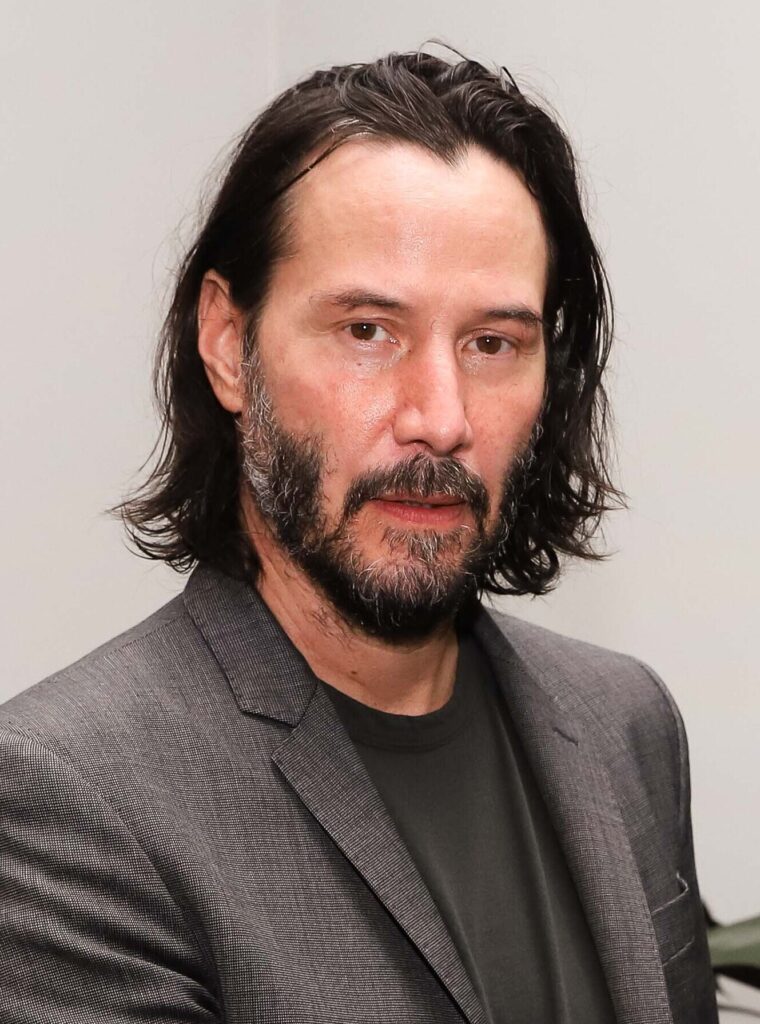
1. **Keanu Reeves: The Matrix Sequels’ Staggering Payday**
Keanu Reeves stands as a monumental figure in the history of Hollywood compensation, having achieved a record-breaking financial success with the iconic “Matrix” franchise. For the first two “Matrix” sequels, filmed back-to-back, Reeves reportedly earned an astonishing $156 million. This figure represents not just a salary, but a testament to the power of a “profit participation” deal, an industry mechanism where actors defer all or part of their upfront salary in exchange for a percentage of the film’s gross earnings. It’s a gamble that, in Reeves’ case, paid off spectacularly.
His original compensation for “The Matrix Revolutions” in 2003 was listed at $30,000,000, which contributed to his colossal total income across the sequels. This kind of deal highlights the potential for actors to earn substantially more than their initial fee, aligning their personal financial success with the overall box office performance of a film. The “Matrix” phenomenon redefined what was possible for actor earnings, establishing Reeves as a benchmark for blockbuster compensation.
Reeves’ success with the “Matrix” sequels wasn’t just about his acting prowess but also his astute financial strategy. By securing a significant profit participation, he ensured that as the films continued to generate immense revenue globally, his earnings would continue to grow. This record-setting achievement underscores the unique financial structures at play in Hollywood, where long-term investment in a film’s success can yield historic returns for its stars.
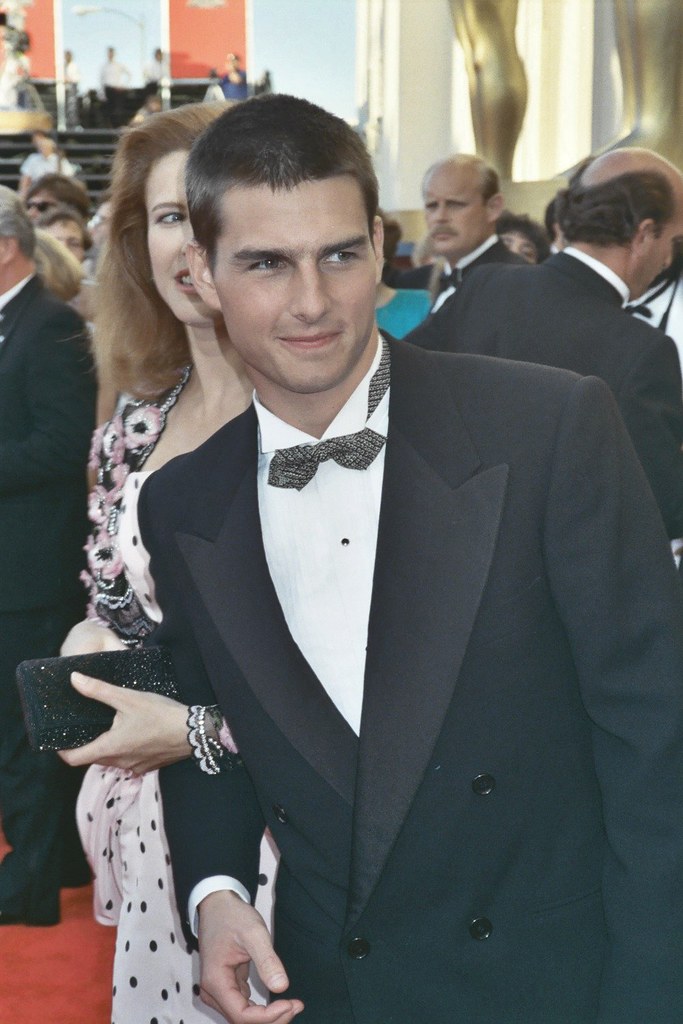
2. **Tom Cruise: The Undisputed King of Nine-Figure Deals**
Tom Cruise has cemented his status as one of Hollywood’s most consistently high-earning actors, achieving the remarkable feat of earning in excess of $100 million per film on three separate occasions. This extraordinary track record includes films like “Mission: Impossible 2” in 2000, “War of the Worlds” in 2005, and most recently, “Top Gun: Maverick” in 2022. For “Top Gun: Maverick,” his stated salary was $12,500,000, which ultimately ballooned to over $100,000,000 due to his profit participation.
Cruise’s ability to consistently command such lucrative deals speaks volumes about his enduring star power and box office appeal. His films are often global events, drawing massive audiences, and studios are willing to incentivize his involvement with substantial backend deals. These arrangements ensure that Cruise benefits directly from the worldwide success of his projects, positioning him as a true financial titan in the industry.
His repeated entry into the nine-figure club for a single production is virtually unmatched, solidifying his reputation not just as a leading man, but as a savvy business entity within Hollywood. The figures, given at their nominal value, illustrate a career built on strategic choices and an unwavering ability to deliver commercial hits, making him a prime example of an actor whose earnings accumulate significantly over many years from profit-based deals.

3. **Sandra Bullock: Setting the Bar for Actresses with Gravity**
Sandra Bullock stands as the highest-paid actress for a single production, a testament to her talent and commercial appeal. She earned over $70 million for her role in the critically acclaimed film “Gravity” in 2013. Her initial salary was $20,000,000, but like her male counterparts, her total income was significantly boosted by a robust profit participation deal. This achievement highlights a crucial aspect of high-level acting compensation, where a substantial upfront fee is often just the baseline for potential earnings.
Bullock’s success with “Gravity” not only brought her critical acclaim but also shattered ceilings for female actors in terms of compensation. Her ability to secure such a lucrative deal for a visually stunning and commercially successful film underscored her star power and negotiating leverage. It demonstrated that, given the right project and the right deal structure, actresses could also achieve the kind of monumental paydays typically associated with the industry’s biggest male stars.
This landmark earning positioned Bullock at the pinnacle of actress salaries for a single production, offering a powerful counter-narrative to the persistent discussions around gender pay disparities in Hollywood. Her “Gravity” earnings serve as a significant reference point, showcasing the immense financial potential that top-tier actresses can unlock when their films resonate globally and their contracts include beneficial backend agreements.

4. **Jennifer Lawrence: Navigating the Gender Pay Gap from “American Hustle” to “Don’t Look Up”**
Jennifer Lawrence has been a prominent voice in the conversation surrounding the gender pay gap in Hollywood, with her own experiences shedding light on the issue. The disparity between her compensation and that of her male costars for 2013’s “American Hustle” was famously revealed in the 2014 Sony email hack, sparking an industry-wide debate. She acknowledged this, stating, “I wasn’t upset that I only got this many millions for a movie. That’s ridiculous. I was angry about the unfairness and inequality.”
Years later, the issue resurfaced with her 2021 film, “Don’t Look Up.” While she received a substantial $25 million, her costar and fellow Oscar winner Leonardo DiCaprio earned $30 million. Lawrence candidly addressed this, noting, “Look, Leo brings in more box office than I do. I’m extremely fortunate and happy with my deal.” However, she also articulated a broader industry challenge: “But in other situations, what I have seen—and I’m sure other women in the workforce have seen as well—is that it’s extremely uncomfortable to inquire about equal pay. And if you do question something that appears unequal, you’re told it’s not gender disparity but they can’t tell you what exactly it is.”
Her “sanguine attitude was hard-fought,” indicating the emotional and professional toll such battles can take. Lawrence’s journey from confronting the “American Hustle” disparity to navigating the nuances of “Don’t Look Up” highlights the persistent, complex nature of pay equity in Hollywood. Despite being a highly bankable star, her experiences reveal how deeply ingrained disparities can be, even at the highest echelons of the industry, and the discomfort women often face when advocating for fair compensation.

5. **Jonah Hill: Sacrificing Salary for Scorsese’s “Wolf of Wall Street”**
Despite the significant pay difference, Hill’s motivation was clear: the opportunity to work with a legendary director like Martin Scorsese. He passionately explained, “I would sell my house and give him all my money to work for [Scorsese]. This isn’t what you make money for. You do 22 Jump Street or you do other things, and you can pay your rent. I would have done anything in the world. I would do it again in a second. This isn’t about money. You should do things that you care about.”
This decision, driven by artistic ambition, earned Hill his second Best Supporting Actor nomination, demonstrating that for some, the prestige and experience of collaborating with an esteemed filmmaker outweigh immediate financial gain. His anecdote serves as a powerful reminder that while Hollywood is often seen through the lens of exorbitant salaries, many artists are still driven by a profound dedication to their craft and the chance to create meaningful work.

6. **Oprah Winfrey: The Transformative Power of $35,000 for “The Color Purple”**
Oprah Winfrey, now a billionaire media mogul, willingly accepted a surprisingly modest sum to star in Steven Spielberg’s 1985 film “The Color Purple.” She recounted to Essence in 2023, “They were only offering $35,000 to be in this film, and it is the best $35,000 I ever earned. It changed everything and taught me so much.” This statement underscores how a foundational artistic experience, even with a relatively small paycheck, can have an immeasurable impact on a career and personal growth.
For Winfrey, the role of Sofia in “The Color Purple” was not just an acting job but a pivotal moment that shaped her trajectory. The film earned her an Oscar nomination for Best Supporting Actress and opened doors to her future ventures, ultimately contributing to the empire she would build. Her willingness to prioritize the artistic and developmental value of the role over a larger salary speaks to her long-term vision and understanding of career building.
Oprah’s reflection serves as a powerful reminder that not all value in Hollywood is measured in immediate dollars. The experiences and connections forged in early, impactful projects can lay the groundwork for unprecedented future success, making a seemingly small initial investment in one’s craft ultimately priceless. Her story is a testament to how career-defining opportunities can be far more valuable than the initial monetary compensation.

7. **Jennifer Lopez: Breaking Barriers with “Selena” and Banking on Herself for “Hustlers”**
Jennifer Lopez’s journey through Hollywood compensation is marked by significant milestones and a clear evolution in her approach to financial deals. When she landed the lead role in the 1997 biopic “Selena,” Lopez became the first Latina actress to earn $1 million for a film. Reflecting on this achievement in 2019, she told Variety, “I was too young and didn’t know what the hell was going on. It was great they offered me a million dollars. I feel like everyone was making a statement.” This landmark deal was not only a personal triumph but a cultural one, paving the way for future Latina actresses.
Years later, Lopez demonstrated a willingness to prioritize passion and creative control over upfront pay. For her acclaimed role in “Hustlers,” she revealed to GQ in 2019, “I didn’t get paid a whole bunch of money for Hustlers. I did it for free and produced it. I bank on myself, you know? Like Jenny From the Block—I do what I love.” This decision to forgo a traditional salary in exchange for a producer credit and a share of the film’s potential success highlights her evolution into a powerful industry figure who takes ownership of her projects.
Her career trajectory showcases a dynamic interplay between breaking barriers for fair compensation and strategically investing her time and talent in projects she believes in. From her groundbreaking $1 million paycheck for “Selena” to her pro-bono work on “Hustlers,” Lopez exemplifies a star who understands both the symbolic and practical power of salary negotiations, and when to bet on herself for greater long-term returns and creative fulfillment.

8. **Pete Davidson: From ‘SNL’ Newbie to Paycheck Reality Check**For many aspiring comedians, a coveted spot on *Saturday Night Live* represents the pinnacle of early career success, a gateway to mainstream recognition. However, Pete Davidson’s candid recollections of his initial *SNL* salary offer a humorous yet sobering look at the financial realities for newcomers to such iconic institutions. When asked how he spent his first paychecks upon joining the show at age 20 in 2014, Davidson wryly remarked, “It’s like three grand an episode, so I think I got dinner.”
For many aspiring comedians, a coveted spot on *Saturday Night Live* represents the pinnacle of early career success, a gateway to mainstream recognition. However, Pete Davidson’s candid recollections of his initial *SNL* salary offer a humorous yet sobering look at the financial realities for newcomers to such iconic institutions. When asked how he spent his first paychecks upon joining the show at age 20 in 2014, Davidson wryly remarked, “It’s like three grand an episode, so I think I got dinner.”
His anecdote highlights the relatively modest starting wages for even those who secure positions on a show with immense cultural impact. Jason Sudeikis, a former *SNL* writer, echoed this sentiment, noting, “I think New York rent was probably the biggest purchase I made after writing on SNL the first year.” These insights underscore the practical struggles many artists face in a high-cost city, even after landing a dream job.
Interestingly, this scale of entry-level compensation appears to have historical parallels; original *SNL* cast members reportedly earned $750 an episode in 1975, roughly equivalent to Davidson’s 2014 earnings when adjusted for inflation. This consistency across decades suggests the show’s prestige and career-launching potential are often considered part of the initial “payment,” with significant financial rewards often coming much later in a performer’s career.
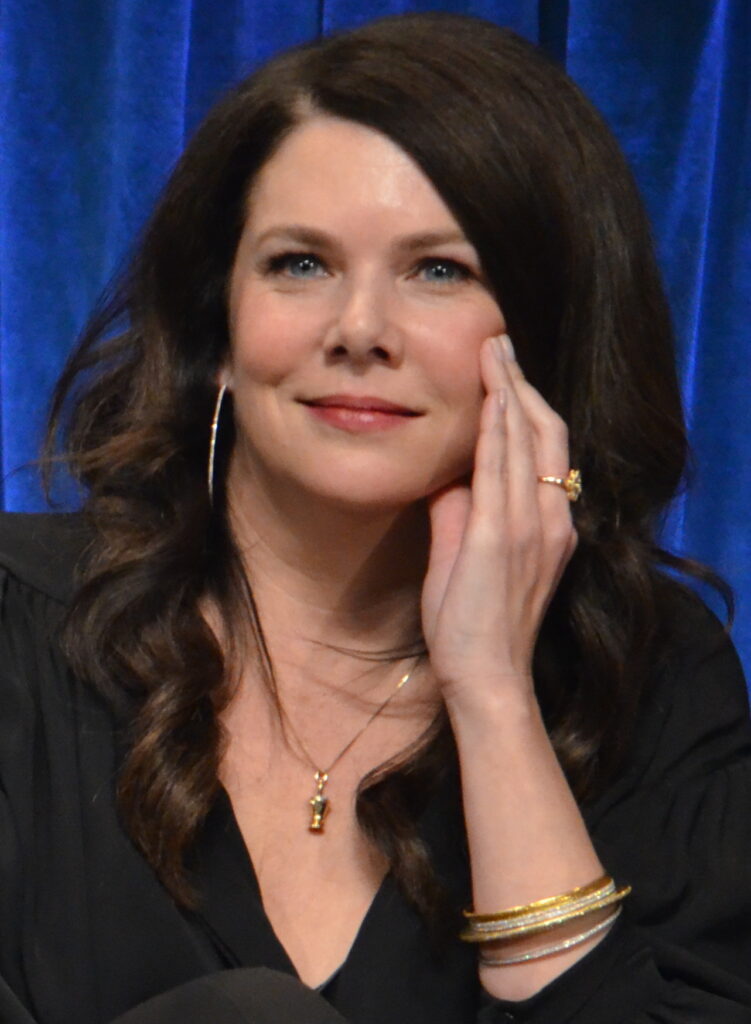
9. **Lauren Graham: The ‘Gilmore Girls’ Streaming Conundrum**The advent of streaming services has revolutionized how audiences consume content, but it has also profoundly reshaped the financial landscape for actors, particularly concerning residuals. Lauren Graham, beloved for her role as Lorelai Gilmore in *Gilmore Girls*, brought this modern challenge into sharp focus when discussing her earnings from the show’s continued popularity on Netflix. Despite the series enjoying a status as a “beloved rewatchable classic,” Graham revealed on *Jimmy Kimmel Live* in March 2025 that “there really are no residuals on Netflix.”
The advent of streaming services has revolutionized how audiences consume content, but it has also profoundly reshaped the financial landscape for actors, particularly concerning residuals. Lauren Graham, beloved for her role as Lorelai Gilmore in *Gilmore Girls*, brought this modern challenge into sharp focus when discussing her earnings from the show’s continued popularity on Netflix. Despite the series enjoying a status as a “beloved rewatchable classic,” Graham revealed on *Jimmy Kimmel Live* in March 2025 that “there really are no residuals on Netflix.”
This declaration illuminates a significant shift in industry compensation. Traditionally, actors earned residuals each time their work was re-aired, providing crucial, long-term income. With streaming platforms, an upfront buyout often means actors may not receive further compensation regardless of viewership. Graham summarized her situation: “But I’ve been paid in love and appreciation,” revealing both non-monetary rewards and a financial void.
Her experience underscores one of the core issues that fueled recent labor disputes in Hollywood, including the SAG-AFTRA strike. While the visibility and cultural impact of streaming are undeniable, the lack of robust residual structures for library content creates an imbalance for artists whose work continues to generate immense value for platforms long after its initial production.

10. **Tommy Dorfman: Unmasking the Stark Realities of Streaming Pay**The economic struggles inherent in the new streaming paradigm were laid bare with striking specificity by Tommy Dorfman, a cast member of Netflix’s hit series *13 Reasons Why*. During the 2023 SAG-AFTRA strike, a movement largely fueled by issues surrounding streaming compensation, Dorfman took to Threads to detail the profoundly modest earnings from her role. “My earnings for the entire first season of 13 reasons why were $29,953.24 prior to agency and manager fees (20%) and taxes,” she disclosed, noting this was for “8 episodes over six months.”
The economic struggles inherent in the new streaming paradigm were laid bare with striking specificity by Tommy Dorfman, a cast member of Netflix’s hit series *13 Reasons Why*. During the 2023 SAG-AFTRA strike, a movement largely fueled by issues surrounding streaming compensation, Dorfman took to Threads to detail the profoundly modest earnings from her role. “My earnings for the entire first season of 13 reasons why were $29,953.24 prior to agency and manager fees (20%) and taxes,” she disclosed, noting this was for “8 episodes over six months.”
Dorfman’s account paints a vivid picture of the financial precarity even for actors on globally popular shows. She recounted dedicating significant time to promotional activities, appearing in “KEY ART,” and enduring demanding travel schedules, all while barely qualifying for health insurance. The stark contrast between her minimal compensation and the show’s colossal success is particularly glaring: “within the first 28 days of release, the show’s season 1 garnered a total of 476 million view hours.” This immense viewership, translating into massive value for the platform, did not proportionally benefit the actor.
Her powerful testimony articulated the central grievance of the strikes: “this is why we strike.” Dorfman’s experience serves as a critical illustration of the “persistent challenges actors face in an evolving industry,” specifically the opaque and often inequitable compensation structures of streaming services. It highlights a profound disconnect between artistic contribution and financial reward in the modern entertainment ecosystem.

11. **Rebel Wilson: The Ascent from ‘Bridesmaids’ Barely-There Pay to Blockbuster Millions**Rebel Wilson’s career trajectory offers a compelling narrative of navigating Hollywood’s pay scales, from an almost symbolic initial fee to commanding multi-million-dollar contracts within blockbuster franchises. For her breakthrough role in the critically acclaimed 2011 comedy *Bridesmaids*, Wilson revealed in her 2024 memoir *Rebel Rising* that she was paid a mere $3,500. This sum, she explained, was almost entirely consumed by the fee required to join the Screen Actors Guild, effectively meaning, “So really, I got paid nothing.” Yet, she emphatically stated the experience was “everything!”
Rebel Wilson’s career trajectory offers a compelling narrative of navigating Hollywood’s pay scales, from an almost symbolic initial fee to commanding multi-million-dollar contracts within blockbuster franchises. For her breakthrough role in the critically acclaimed 2011 comedy *Bridesmaids*, Wilson revealed in her 2024 memoir *Rebel Rising* that she was paid a mere $3,500. This sum, she explained, was almost entirely consumed by the fee required to join the Screen Actors Guild, effectively meaning, “So really, I got paid nothing.” Yet, she emphatically stated the experience was “everything!”
This early financial sacrifice paved the way for a remarkable ascent. From the SAG minimum scale of $65,000 for her role in 2012’s *Pitch Perfect*, Wilson’s earnings surged to an impressive $10 million for *Pitch Perfect 3* in 2017. She estimated raking in $20 million total for a slate of films including the threequel, *Isn’t It Romantic*, and *The Hustle*. Her journey from barely compensated to eight-figure earner exemplifies the potential for “meager beginnings to substantial wealth” within the industry, especially when bolstered by a successful franchise.
However, Wilson’s candor extended beyond gross earnings, offering a crucial “reality alert” about substantial deductions. She recounted losing “almost 50 percent to taxes, 10 percent to agents and 5 percent” to her lawyer, alongside payments to her publicist, business manager, and assistant. Despite these significant cuts, she “netted what to me was an absolute fortune,” underscoring that while Hollywood salaries can be staggering, the actual take-home pay is a complex negotiation of professional obligations and overheads.

12. **Taraji P. Henson: The Unseen Battles for Equitable Compensation**Taraji P. Henson’s experience with the 2008 film *The Curious Case of Benjamin Button* serves as a powerful testament to the “persistent challenges actors face” in achieving equitable compensation, even after earning critical acclaim. Despite her Oscar nomination for Best Supporting Actress, Henson was deeply affected by the $150,000 she ultimately accepted. This figure was a significant reduction from her initial $500,000 quote, which producers rejected, highlighting unequal power dynamics in salary negotiations.
Taraji P. Henson’s experience with the 2008 film *The Curious Case of Benjamin Button* serves as a powerful testament to the “persistent challenges actors face” in achieving equitable compensation, even after earning critical acclaim. Despite her Oscar nomination for Best Supporting Actress, Henson was deeply affected by the $150,000 she ultimately accepted. This figure was a significant reduction from her initial $500,000 quote, which producers rejected, highlighting unequal power dynamics in salary negotiations.
Henson openly acknowledged the immense salaries commanded by her co-leads, Brad Pitt and Cate Blanchett, stating, “I’m not saying they shouldn’t have paid Cate and Brad what they deserved.” Her frustration stemmed from the perception that her own contribution and market value were not being recognized proportionally. She believed her asking price was “fair to the ticket sales that I would contribute to this big film,” yet was initially offered $100,000, eventually settling for $150,000 after considerable internal struggle.
Her detailed breakdown of how this $150,000 dwindled after taxes and professional fees is particularly illuminating. “Uncle Sam is going to take 50 percent of that, so now you’re left with, what? $75,000. Now before Uncle Sam takes the money, I have to pay my team before taxes, 30 percent. So once Uncle Sam takes his 75, then I got another 30 that’s coming off of that 75, so I may have made $40,000?” This stark calculation reveals the profound difference between gross and net earnings, offering critical insight into financial realities that can make even seemingly large salaries feel unjust and insufficient, particularly when compared to a film’s overall success.
These narratives, drawn directly from the voices of Hollywood’s stars, collectively paint a vibrant, multifaceted picture of an industry obsessed with its own value. From initial gambles on artistic passion over paltry paychecks to complex negotiations for profit participation, and the ongoing battles for equitable compensation in a rapidly evolving streaming landscape, the financial lives of actors are rarely as straightforward as the public imagines. It is a world where immense wealth coexists with modest beginnings, where groundbreaking deals inspire hope, and where the fight for fair pay continues, revealing the true human and economic stories behind Tinseltown’s dazzling facade.