Before the dazzling lights of Hollywood, before the red carpets and the roar of adoring fans, some of the entertainment industry’s biggest names answered a different kind of call—the call of duty. It’s a fascinating, often overlooked chapter in their biographies: the time these legendary actors, comedians, and musicians traded scripts for uniforms and faced realities far more intense than any film set could replicate. From the harrowing skies of World War II to the disciplined camps of the Marines, their stories of service are as compelling as their most famous roles.
We often see these individuals through the lens of their celebrity, yet their formative years, and in many cases, significant portions of their adult lives, were spent navigating the rigors of military life. They were heroes on the battlefield and in uniform long before they ever became household names on the silver screen. Prepare to discover the surprising, inspiring, and occasionally unbelievable tales of Hollywood’s hidden veterans, the mega-stars who proved their mettle in ways that go far beyond their cinematic achievements.
Indeed, these aren’t just anecdotes of a brief stint in uniform; for many, it was a profound period that shaped their character, instilled discipline, and offered a perspective unique to those who have served. From high-ranking officers to invaluable support personnel, their contributions spanned various branches and conflicts, demonstrating a commitment to their country that often overshadowed their burgeoning acting careers. Let’s pull back the curtain on the extraordinary military lives of some of Hollywood’s most beloved figures.
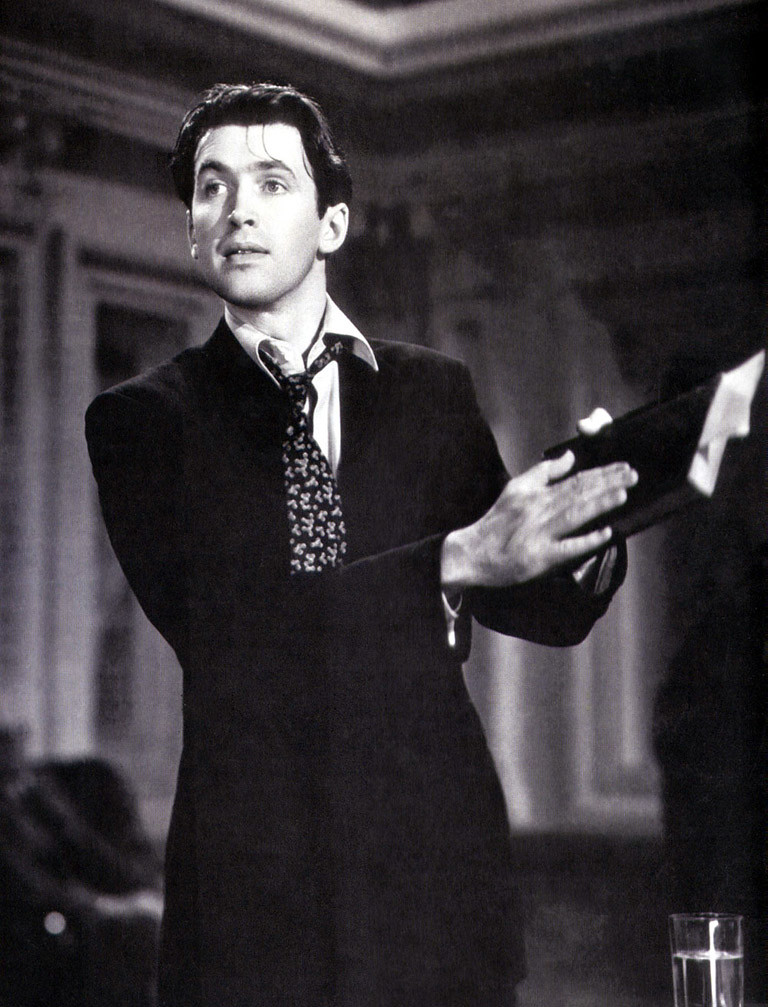
1. **James “Jimmy” Stewart: The Highest-Ranking Actor in Military History**It’s a tale almost too cinematic to be true, but James “Jimmy” Stewart, beloved for his roles in classics like “Mr. Smith Goes to Washington” and “It’s a Wonderful Life,” was not only an Academy Award-winning actor but also a decorated military officer. In fact, his military career was so distinguished that he holds the incredible distinction of being the highest-ranking actor in American military history. What makes this even more remarkable is that he was already a civilian pilot with 400 logged flight hours when he decided to enlist in the Army Air Corps in 1941, making him the first major Hollywood actor to join up at the onset of the United States’ entry into World War II.
Initially, Stewart found himself serving as a flight instructor, a role that, while vital, didn’t quite satisfy his desire for direct service. Concerned that his celebrity status would hold him back from truly contributing to the war effort, the actor boldly appealed directly to his superiors. His persistence paid off, and he was eventually deployed to England, where he took on the significant responsibility of commanding officer of the 703d Bomb Squadron. This wasn’t merely a ceremonial position; Stewart was deeply involved in the dangerous operations.
His combat experience was extensive and harrowing. He later transferred to the 453rd Bombardment Group and flew a staggering total of 20 dangerous combat missions in the B-24 Liberator bomber aircraft. For his courage and actions under fire, he was deservedly awarded two Distinguished Flying Cross medals, a testament to his bravery and skill. He also received the French honor of the Croix de Guerre, awarded to him by Lt. Gen. Valin, then-chief of staff of the French Air Force, for “exceptional services in the liberation of France.”
Even after World War II concluded and he resumed his illustrious acting career, Stewart’s commitment to service didn’t wane. He continued to serve in the U.S. Air Force Reserves, even deploying to Vietnam during that later conflict. His dedication culminated in his retirement at the rank of brigadier general, cementing his place not just as a Hollywood icon, but as a true American hero with an unparalleled military record among his peers.
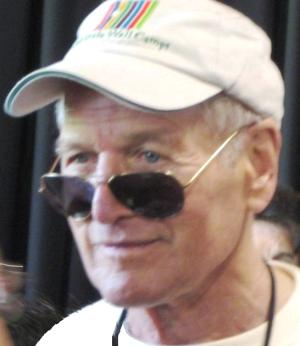
2. **Paul Newman: In the Navy and Aboard the USS Bunker Hill**Before his piercing blue eyes captivated audiences in films like “Cool Hand Luke,” “The Hustler,” and “Butch Cassidy and the Sundance Kid,” Paul Newman served his country in a very real and dangerous capacity during World War II. Enlisting in the U.S. Navy in 1943, Newman initially harbored dreams of becoming a pilot, enrolling in the Navy’s V-12 pilot training program. However, fate, or rather, a medical condition, had other plans for him. Upon the discovery that he was colorblind, he was disqualified from pilot training, rerouting his path within the service.
Instead of flying, Newman’s skills were put to use as a radioman and rear gunner for torpedo bombers, a critical and perilous role in naval warfare. He was subsequently deployed to the Pacific Theatre, a major front of the war, where he was stationed aboard the formidable USS Bunker Hill. This assignment placed him squarely in the thick of the brutal naval conflicts that defined the Pacific campaign, where aerial combat and fierce sea battles were a daily reality.
In what can only be described as an extraordinary stroke of luck, a seemingly minor ailment played a pivotal role in sparing Newman from a devastating fate. Just before his unit was scheduled to depart for the Okinawa campaign, a crucial and incredibly destructive battle, Newman’s pilot developed an ear infection. This unexpected medical issue held them back from flying, and in doing so, it inadvertently spared them the grim fate of the rest of their ship. The USS Bunker Hill was later destroyed in the battle, resulting in the tragic loss of many sailors on board.
Newman was honorably discharged from the Navy in 1946, having served with distinction. His service was recognized with several commendations, including the American Area Campaign medal, the Good Conduct Medal, and the World War II Victory Medal. His time in the Navy, though often overshadowed by his legendary acting career, was a testament to his dedication and courage, a hidden chapter that makes his story even more compelling.
Read more about: Beyond the Red Carpet: 14 Celebrities Who Braved the Battlefield in Real Life
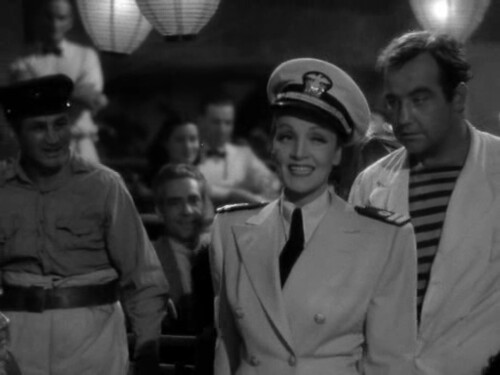
3. **Marlene Dietrich: O.S.S. Spy and USO Entertainer**Marlene Dietrich, the epitome of screen glamour and a timeless icon, didn’t serve directly in the U.S. Armed Forces, but her unwavering actions during World War II undeniably place her among the ranks of war heroes. Her story is one of profound moral courage and dangerous dedication. Originally a German citizen, Dietrich was an outspoken and fierce opponent of Germany’s Nazi regime, a stance that required immense personal bravery at a time when such opposition was perilous. Her conviction was so strong that she eventually renounced her German citizenship to become an American citizen, clearly aligning herself against the tyranny she abhorred.
Her commitment went far beyond mere rhetoric. Dietrich actively served in the U.S. Office of Strategic Services (O.S.S.), the direct predecessor of today’s CIA. In this covert role, she contributed to efforts aimed at undermining Nazi morale, a psychological warfare front as crucial as any physical battle. She also dedicated her efforts to selling war bonds, mobilizing financial support for the Allied cause, and actively helped Jewish refugees escape to the United States, providing a lifeline to those persecuted by the very regime she fought against.
But perhaps her most visible and dangerous contribution was as a USO entertainer. Marlene Dietrich traveled directly to the front lines, often risking her life to perform for Allied troops. Her dedication was extraordinary; she went on two extensive USO tours during the war. Her first tour took her to North Africa and Italy, where she earned the distinction of being the first entertainer to reach rescued Allied soldiers in Anzio, bringing a vital spark of morale to those who had endured unimaginable hardship.
Her second tour was even more extensive, lasting 11 months and beginning just on the heels of D-Day, taking her to France and Germany. These now-famous USO Camp Shows involved her captivating singing, dancing, and a surprisingly witty comedy routine performed with a musical saw. These moments of levity were far more than mere entertainment; they were crucial to boosting morale and keeping spirits high among American troops fighting a dangerous and grueling war, offering them a brief but essential respite before they had to carry out the mission at hand. For her exceptional service, Dietrich was awarded the Medal of Freedom, a testament to her profound impact and courage.
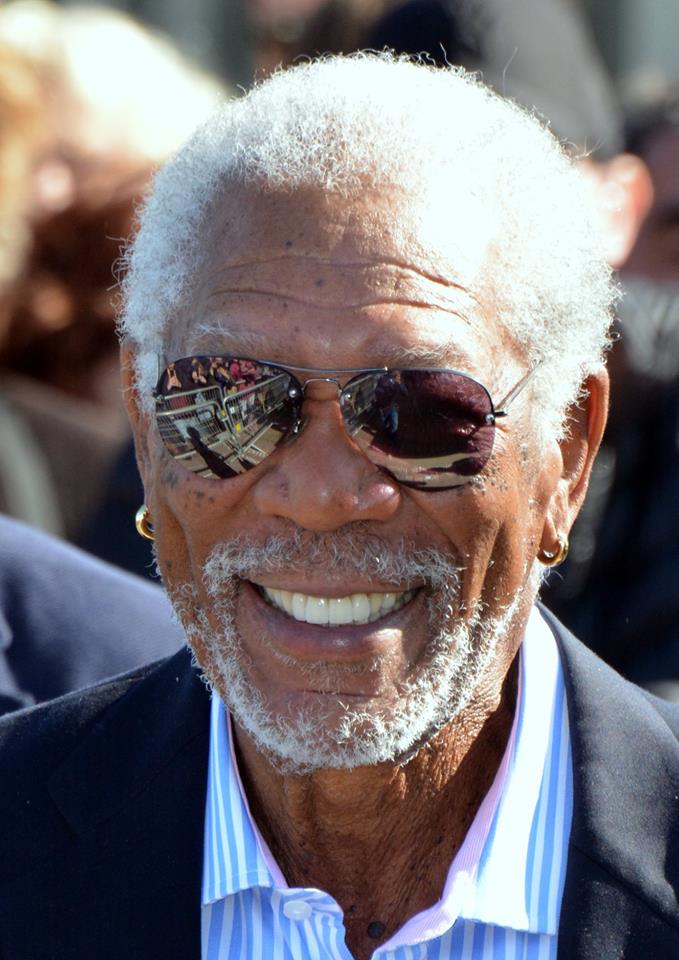
4. **Morgan Freeman: A Young Air Force Radar Technician**Before his distinctive voice became synonymous with powerful storytelling and iconic roles in films like “Driving Miss Daisy” and “The Shawshank Redemption,” Morgan Freeman had a different dream entirely: to fly. In a decision that might surprise many, Freeman actually turned down a scholarship for drama at Jackson State University to pursue his aspiration of becoming a pilot in the U.S. Air Force. This choice speaks volumes about his early ambition and dedication, revealing a path he nearly took that would have drastically altered cinematic history.
Freeman joined the Air Force in 1955, fueled by the hopes of becoming a fighter pilot, a thrilling and prestigious role. However, the military often has its own plans for recruits, and instead of taking to the skies in a combat aircraft, he served as a radar technician. This vital, though less glamorous, role involved maintaining and operating radar equipment, a critical component of national defense and air operations during the Cold War era. It was a hands-on, technical position that required precision and focus.
His time in the Air Force spanned four years, during which he gained valuable experience and discipline. While his initial romantic notions of flying fighter jets might have been tempered by the reality of his assigned role, the experience undoubtedly shaped him. As the actor himself told AARP Magazine, “I did three years, eight months and ten days in all, but it took me a year and a half to get disabused of my romantic notions about it.” This period of service laid a foundation of structure and perseverance that would later serve him well in the demanding world of acting.
Ultimately, after his four years of service, Freeman decided to change course, redirecting his considerable talents from the technical demands of the Air Force to the creative challenges of acting. It was a pivot that would eventually lead him to global superstardom, but his early military service remains a fascinating, foundational chapter in the life of this celebrated actor.

5. **Clark Gable: Capturing World War II Aerial Combat on Film**Clark Gable, known as “The King of Hollywood” for his starring roles in cinematic masterpieces like “It Happened One Night” and “Gone with the Wind,” made a profoundly personal and courageous decision to enlist in the military during World War II. His decision wasn’t simply a patriotic impulse; it was fueled by two deeply impactful events. The devastating attack on Pearl Harbor in December 1941 undoubtedly stirred his sense of duty. Just one month later, however, immense personal tragedy struck when Gable’s beloved wife, Carole Lombard, was tragically killed in an airplane crash while returning from a war bonds-selling tour, plunging him into profound grief.
Consumed by his sorrow, Gable felt that his contributions to the war effort up to that point—which involved leveraging his immense fame to encourage Americans to buy war bonds—were simply not enough. He needed to do more, to be more directly involved. So, he made the extraordinary choice to put his flourishing acting career on hold and join the military, a sacrifice few stars of his caliber would consider. He was 41 years old, well past the typical age for enlistment, and at the absolute peak of his fame.
Despite his legendary Hollywood status, Gable chose to enlist in the Army Air Corps as a private, determined to work his way up the ranks through sheer merit and dedication. This was no cushy celebrity assignment. After successfully graduating from Officer Candidate School (OCS), he obtained further specialized training as an aerial gunner and photographer. His unique combination of skills soon led to his deployment to England, where he was assigned a specific and crucial mission: to film aerial gunners in action, documenting the realities of air combat for the U.S. military and government.
While his main purpose was filmmaking and wartime photography, Gable didn’t merely observe from a safe distance. He flew in several operational missions in the B-17G Flying Fortress bomber, often placing himself in harm’s way to film service members engaged in aerial combat. The ensuing footage served a dual purpose: it helped galvanize the American people in support of the troops back home, and it stands today as an invaluable, firsthand record of the visceral realities of aerial combat during the war. He even had several close calls, including one moment where a 20mm shell crashed through the flight deck, luckily only taking off part of his shoe without exploding. Gable was relieved from active duty in 1944, joined the Reserves, but resigned his commission in 1947, returning to a career forever marked by his wartime experiences.
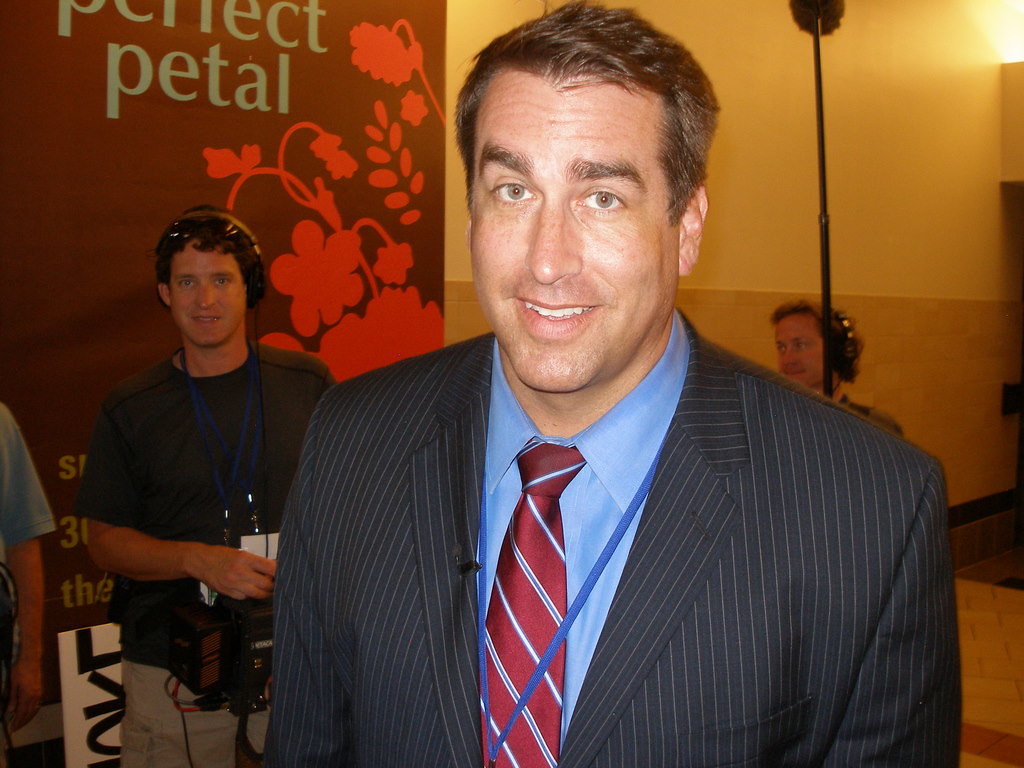
6. **Rob Riggle: From a Marine in Combat to Big-Time Comedian**Many know Rob Riggle for his hilarious comedic roles in films like “Talladega Nights: The Ballad of Ricky Bobby” and “The Hangover,” as well as his tenure on Comedy Central’s “The Daily Show.” However, before he was making audiences laugh on the big screen, Riggle forged a distinguished career as a Marine, serving his country with profound dedication for over two decades. His transition from combat zones to comedy stages is a remarkable testament to his versatility and commitment.
Riggle initially joined the Marine Corps in 1990 while still in college. He served nine years on active duty, experiencing firsthand the challenges and responsibilities of military life. Following his active service, his commitment continued as he joined the Marine Corps Reserve, where he would serve an additional 14 years. Over this extensive career, Riggle’s deployments took him to numerous critical locations around the globe, including Liberia, Kosovo, Albania, and Afghanistan, demonstrating his consistent presence in areas of conflict and humanitarian need. He ultimately achieved the impressive rank of lieutenant colonel, a significant accomplishment in the Marine Corps.
In a revealing Task & Purpose interview, Riggle recounted some of his most rewarding moments as a Marine, which highlight the varied and impactful nature of his service. He spoke movingly about working in the “Bucket Brigades” at ground zero immediately following the devastating 9/11 attacks, where a line of volunteers passed debris to investigators searching for evidence and human remains. His service also included helping to evacuate and secure the American embassy in Liberia, assisting Albanian refugees, enforcing peace in Kosovo, and being a direct part of the liberation of Afghanistan from Taliban rule. These experiences underscore his direct involvement in pivotal global events.
Even now that he has officially retired from uniform, Rob Riggle’s dedication to service members continues unabated. He actively gives back to today’s troops as a USO entertainer, traveling overseas to visit and perform for those currently stationed abroad. His personal experience of military life allows him to connect deeply with service members, bringing them a much-needed sense of home and appreciation. As he once stated in an interview, “After 23 years in the service I feel very connected to the military and very connected to veterans. I love this country, and I still want to continue to serve.”
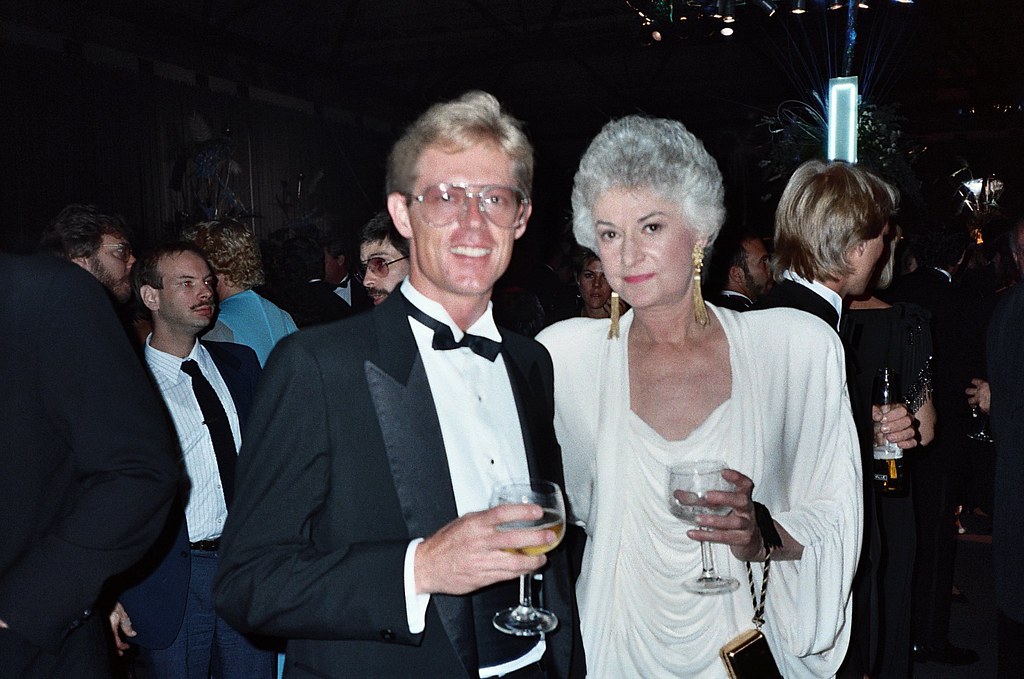
7. **Bea Arthur: A Trailblazing Female Marine in World War II**Bea Arthur, who charmed audiences for decades with her iconic roles in “All in the Family,” “Maude,” and “The Golden Girls,” had a trailblazing chapter in her life long before she was winning Emmy Awards for sitcoms. She was a proud and pioneering member of the U.S. Marine Corps during World War II, a time when women’s roles in the military were just beginning to be recognized and expanded. Her decision to enlist broke ground and inspired many, showcasing her independent spirit and commitment to her country.
Inspired by the national call to arms during World War II, Bea Arthur joined many other American women who felt compelled to serve in the military. She enlisted in the U.S. Marine Corps Women’s Reserve in 1943, just two months shy of her 21st birthday. This was a significant step, as the Women’s Reserve was still a relatively new initiative, offering women the opportunity to contribute to the war effort in a formal military capacity, often filling crucial roles stateside to free up men for combat.
Throughout her military career, Arthur’s work was varied and essential. She served as a typist at Marine Corps headquarters in Washington, D.C., contributing to the administrative backbone of the service. But her duties weren’t confined to an office; she also bravely took on the roles of truck driver and dispatcher at Camp Lejeune, North Carolina, and Cherry Point, North Carolina. These were hands-on, physically demanding jobs that were vital for logistical support, demonstrating her willingness to take on any task necessary for the war effort.
Arthur served with distinction and was honorably discharged in 1945 at the rank of staff sergeant. Her military service represents a powerful and often unsung aspect of her life, highlighting her as not just an entertainment legend, but also as a brave woman who answered the call of duty during a critical period in American history. It’s a testament to her strength, resilience, and patriotism, long before she became the beloved Golden Girl we remember today.

8. **Elvis Presley: Six Years in the Army**When you think of Elvis Presley, you probably picture the dazzling jumpsuits, the iconic gyrations, and the unmistakable sound of rock and roll that changed music forever. But in 1958, at the absolute pinnacle of his superstardom, the King traded his flashy stage attire and signature pompadour for a simple uniform and a buzzcut. He had been drafted into the U.S. Army, a development that sent shockwaves through his legions of adoring fans and cemented his place not just in music history, but in military lore.
Surprisingly, almost every branch of the military offered Presley what many would consider “cushy jobs.” These roles would have allowed him to serve primarily as a recruiting model or to perform music for the troops, capitalizing on his immense fame. However, Elvis had other ideas. Demonstrating a profound sense of duty and a desire to be seen as an ordinary citizen, he famously insisted on enlisting as a regular soldier, without any special treatment.
His two years of active service included deployments to Germany, where he continued to serve diligently in two different armor battalions. This period was not without its personal challenges, including the death of his mother while he was overseas. Despite the difficulties, Presley completed his active duty with honor, demonstrating a quiet resilience many didn’t expect from a global celebrity.
Upon his return to the U.S., Elvis continued to serve his country for four more years in the Army Reserve before being officially discharged. Even as he resumed his unparalleled acting and music career, his commitment to military service remained a significant, if often overshadowed, chapter in his extraordinary life. It’s a testament to a man who, despite all the glamour, was dedicated to his duty.

9. **Adam Driver: From Marine to Big Screen**Before he was wielding a lightsaber as Kylo Ren in the *Star Wars* saga or delivering acclaimed performances in independent dramas, Adam Driver was a very different kind of hero. His path to Hollywood stardom began not on a stage, but in the rigorous training camps of the U.S. Marine Corps. His decision to enlist was deeply personal and rooted in a pivotal moment in American history: he was 18 years old on September 11, 2001, and the tragic attacks on American soil profoundly inspired him to join the military.
Driver proudly served as an 81mm mortarman, assigned to the weapons platoon with the 1st Battalion, 1st Marines at Camp Pendleton, California. This was a demanding, hands-on role requiring discipline and physical prowess, far removed from the glitz and glamour of film sets. He committed himself fully to military life, ready to defend his country and serve alongside his fellow Marines.
However, Driver’s promising military career took an unexpected turn after more than two and a half years of service. Just as his unit was meticulously preparing for a deployment to the war zones of Iraq and Afghanistan, fate intervened. He was involved in a motor vehicle accident, sustaining injuries that would have profound consequences for his service.
This injury not only prevented him from deploying with his unit, but it also tragically forced him to leave the Marines altogether. Driver himself expressed the immense disappointment of this moment, stating, “Being told I wasn’t going to deploy was very devastating.” Though his military career was cut short, the discipline, resilience, and sense of purpose he gained profoundly shaped him, eventually laying the groundwork for his remarkable acting career and his continued advocacy for the military community through nonprofit organizations.
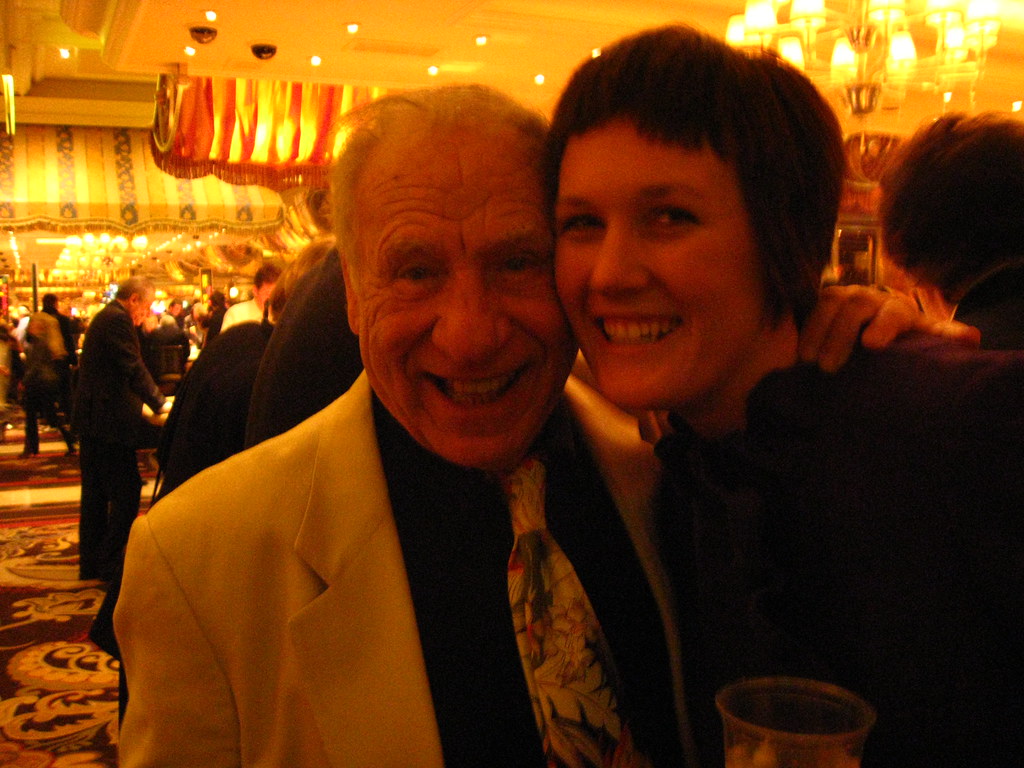
10. **Mel Brooks: The Battle of the Bulge and Beyond**Comedy legend and EGOT winner Mel Brooks, known for his groundbreaking films like *Blazing Saddles* and *Young Frankenstein*, experienced a very different kind of drama before he ever made audiences roar with laughter. At the young age of 17, Brooks bravely enlisted in the Army in 1944, right in the thick of World War II. His decision to serve marked a profound pause in his early life, leading him down a path far removed from comedy clubs.
His high scores on intelligence testing earned him a coveted spot in the elite Army Specialized Training Program, a testament to his sharp intellect even at a young age. This specialized training prepared him for the complex logistical and combat challenges that awaited him. Not long after, Brooks was shipped off to Europe, assigned to the 1104th Engineer Combat Group, directly placing him into one of the most brutal theaters of the war.
It was there that he served in the harrowing Battle of the Bulge, a major German offensive that resulted in immense casualties and some of the war’s most desperate fighting. As part of an engineer combat group, Brooks would have been involved in dangerous tasks like defusing landmines, building bridges, and navigating treacherous terrain under enemy fire. His time in this pivotal battle undoubtedly left an indelible mark, shaping his perspective on life and, perhaps, fueling his later artistic expressions.
Brooks was honorably discharged as a corporal in 1946, his wartime experiences behind him. He then embarked on a career that would become one of the most legendary in entertainment history, translating his unique perspective into timeless humor and satire. His military service remains a fascinating, often surprising, foundational chapter in the life of this comedic genius.
Read more about: Beyond the Red Carpet: 14 Celebrities Who Braved the Battlefield in Real Life
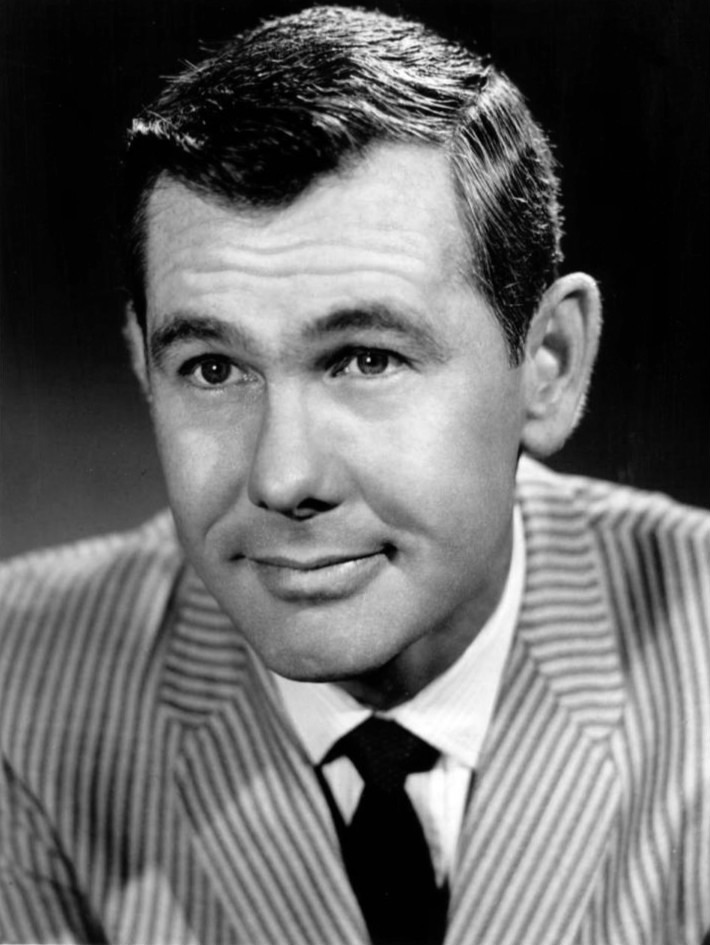
11. **Johnny Carson: Navy Midshipman Nearly into Combat**Long before he became the undisputed King of late-night television, charming millions with his wit and charisma on *The Tonight Show*, Johnny Carson answered a different call. At the start of World War II, a young Carson enlisted in the U.S. Navy, ready to do his part in the global conflict. Like many patriotic young Americans of his era, he was prepared to face the dangers of war, though his ultimate path would take an interesting turn.
Carson initially harbored ambitions of becoming a pilot, a prestigious and vital role in the naval war effort. However, his journey in the Navy led him instead to midshipman training at Columbia University. This rigorous program was designed to prepare future naval officers, imparting leadership skills, strategic knowledge, and the disciplined mindset required for command positions within the fleet.
Upon completing his training, Carson was stationed to the U.S.S. Pennsylvania, a formidable battleship that had seen action at Pearl Harbor. His assignment placed him squarely on the front lines, and he was, in fact, on his way to combat when a series of historic events intervened. The war in the Pacific was intensely fought, and his deployment meant he was headed directly into the heart of the action.
However, fate had a different plan. The bombing of Hiroshima and Nagasaki ultimately brought a swift and decisive end to the war before Carson’s ship reached its combat destination. While he was fully prepared to serve in battle, his direct involvement in combat was averted by the war’s conclusion. His time in the Navy, though not marked by direct combat, instilled discipline and a broader perspective that would undoubtedly serve him well in his unparalleled career as a television icon.

12. **Humphrey Bogart: WWI Injury and a Signature Lisp**Humphrey Bogart, the debonair leading man who captivated audiences in classics like *Casablanca* and *The Maltese Falcon*, carried a subtle yet significant reminder of his military service throughout his legendary career. Long before he became a Hollywood icon, Bogart enlisted in the U.S. Navy during World War I, proving his mettle in a conflict that shaped a generation. His service left him with a physical mark that became an indelible part of his screen persona: a distinctive scar on his lip and a unique lisp.
Bogart joined the Navy at a pivotal time, with the United States entering the Great War. Details about his specific deployments are often debated, but it is widely accepted that his injury occurred during his time in service. Allegedly, a shard of flying shrapnel caused the wound on his upper lip, necessitating surgery that left him with the noticeable scar and the speech impediment that would later become a hallmark of his acting style.
This injury, far from being a setback, inadvertently contributed to the tough, world-weary persona that made him a star. His slightly slurred delivery and the subtle hint of a past ordeal gave his characters an authentic edge, perfectly suiting the cynical yet heroic roles he frequently played. It added an intriguing layer of backstory to his already intense screen presence.
After serving for years and receiving an honorable discharge, Bogart pursued an acting career, eventually becoming one of the most beloved and influential figures in cinema history. His World War I service, marked by a combat injury, is a fascinating and often overlooked aspect of his biography, linking his rugged on-screen image directly to real-life bravery and sacrifice.

13. **Clint Eastwood: Korean War Draft and a Harrowing Plane Crash**Clint Eastwood, a name synonymous with tough-guy roles, iconic Westerns, and critically acclaimed directing, had a brush with real-life danger long before he ever rode into a cinematic sunset. Before he ever graced the big screen as Dirty Harry or the Man with No Name, Eastwood was drafted into the Army for the Korean War. This pivotal period in his early life saw him serving his country in a capacity that, while not on the front lines, involved a harrowing experience that could have ended his life.
During his time of service, Eastwood was stationed at Fort Ord in California, where he primarily served as a swim instructor. This role, while seemingly mundane for a future action star, was crucial for training soldiers in essential survival skills. It demonstrated his dedication to fitness and his ability to instruct, qualities that would later transfer to his demanding acting and directing career.
However, his military service took a dramatic and unexpected turn when he was involved in a plane crash. While flying as a passenger in a Navy attack plane, the aircraft experienced mechanical failure and crashed into the Pacific Ocean off Point Reyes. In a true act of survival, the lifeguard servicemen on board, including Eastwood, were forced to swim to shore, covering a significant distance in frigid waters.
This near-death experience, far from combat but deeply impactful, undoubtedly left a lasting impression on the future movie star. He was honorably discharged from the Army, and this foundational chapter of his life, marked by resilience and an unexpected battle against the elements, preceded his eventual rise to legendary status in Hollywood, cementing his persona as a man who had faced—and overcome—real adversity.
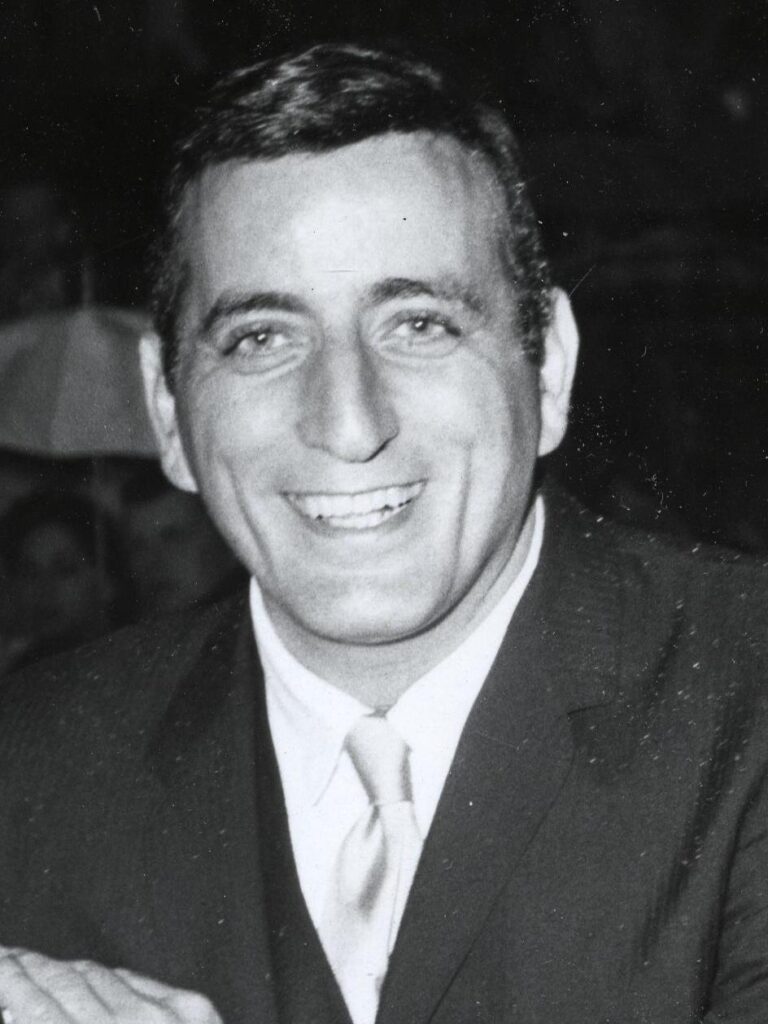
14. **Tony Bennett: A Singer Forged in WWII Combat**Tony Bennett, the legendary crooner whose silky smooth voice enchanted generations, is revered for his timeless music and his ability to bring joy to millions. Yet, behind the beloved entertainer was a World War II combat veteran who witnessed the brutal realities of war firsthand. Drafted into the Army in 1944, Bennett’s journey took him from a hopeful young man to a soldier in the thick of some of the most intense fighting on the European front.
As a member of the 63rd Infantry Division, Bennett found himself stationed in France and Germany, where his unit was primarily responsible for the grim task of cleaning up after the devastating Battle of the Bulge. This meant navigating battlefields strewn with destruction and debris, facing the aftermath of intense fighting, and confronting the profound human cost of war. It was an experience that profoundly affected him.
Bennett himself bravely recalled the horrors he witnessed, stating, he “saw things no human being should ever have to see.” These indelible memories of loss and destruction shaped his perspective, instilling in him a deep appreciation for life and peace that undoubtedly resonated in his later musical interpretations. His artistic sensitivity was, in part, forged in the crucible of war.
Beyond the grueling demands of his combat role, Bennett also found opportunities to share his nascent musical talent. He performed with a military band while serving, offering moments of respite and morale-boosting entertainment to his fellow soldiers. These performances were a stark contrast to the grim duties of wartime, providing a glimpse into the future global icon he would become.
Tony Bennett’s service in World War II is a powerful reminder that many of our beloved cultural figures have hidden depths and have contributed to their country in ways that extend far beyond their artistic endeavors. His unwavering commitment to both his nation and his craft makes his legacy all the more profound.
From the highest-ranking general to the most rebellious private, from the harrowing skies of World War II to the quiet fortitude of a radar technician, these stories reveal a side of Hollywood we rarely see. They remind us that before the applause, the awards, and the iconic roles, many of our favorite stars wore a different kind of uniform and answered a different call to duty. Their military service, often fraught with danger and demanding immense sacrifice, shaped them in profound ways, instilling discipline, resilience, and a unique perspective that they carried into their legendary careers. These aren’t just anecdotes; they are testaments to courage, patriotism, and the incredible, multifaceted lives of America’s hidden veterans. Learning their stories is not just a tribute to their service but a fascinating glimpse into the character and experiences that molded these true American heroes.