The world of cinema, for all its magic and escapism, often finds its most enduring discussions rooted not in grand beginnings or thrilling middles, but in its final frames. A movie’s ending is its last chance to leave an indelible mark, defining its legacy and cementing its message. Yet, as Hollywood history frequently reminds us, what one audience member hails as a stroke of genius, another may decry as a catastrophic misstep. These concluding moments, designed to provide closure or provoke thought, have instead become battlegrounds for critical analysis, fan outrage, and passionate, years-long debates.
From the dawn of filmmaking to modern blockbusters, the entertainment industry is littered with finales that have perplexed, infuriated, or simply failed to satisfy wide swaths of the viewing public. These aren’t merely minor quibbles; they are controversies that have echoed through time, shaping how films are perceived, discussed, and even taught. They underscore a fundamental truth about storytelling: the journey is important, but the destination, whether triumphant, tragic, or baffling, often dictates how the entire experience is ultimately judged.
In this deep dive, we revisit some of the most prominent examples of these contentious conclusions, exploring the creative decisions behind them and the immediate reactions they provoked. We’ll peel back the layers of narrative intent, audience expectation, and critical reception to understand precisely what made these particular endings so undeniably controversial. Get ready for major spoilers, of course, as we dissect the final moments that still keep cinephiles talking.

1. Titanic (1997)
James Cameron’s “Titanic” remains a cinematic titan, yet even its record-breaking success couldn’t shield it from the relentless scrutiny of internet nitpickers. For countless fans, the heartbreaking conclusion, featuring Jack and Rose amidst the icy Atlantic, transformed an emotional climax into an enduring point of contention. This iconic love story’s ending sparked a question that became a global debate: was there room for two on that wooden door?
Following the tragic sinking, our star-crossed heroes, Jack (Leonardo DiCaprio) and Rose (Kate Winslet), battle the freezing North Atlantic. Rose manages to clamber onto a detached wooden door, improvising a precarious raft. Jack, however, is left partially submerged, slowly succumbing to hypothermia and ultimately perishing before rescue can arrive. This tragic demise ignited widespread outrage, with many believing Jack’s death was preventable and contrived.
The central question, “Wasn’t there room on that piece of wood for the both of them?” led to a full-blown “Mythbusters” episode in 2012. With director James Cameron’s input, hosts Adam Savage and Jamie Hyneman determined that if a life jacket were tied to the door’s underside, it could have supported both. However, Cameron himself dismissed this, stating, “The script says Jack dies, he has to die. Maybe we screwed up. The board should have been a tiny bit smaller. But the dude’s going down.” This definitive stance solidified the “Titanic door” as a permanent fixture in cinematic controversy.
Read more about: 14 Cinematic Clashes: Where On-Screen Tension Was Palpable and Stakes Were Sky-High
2. The Mist (2007)
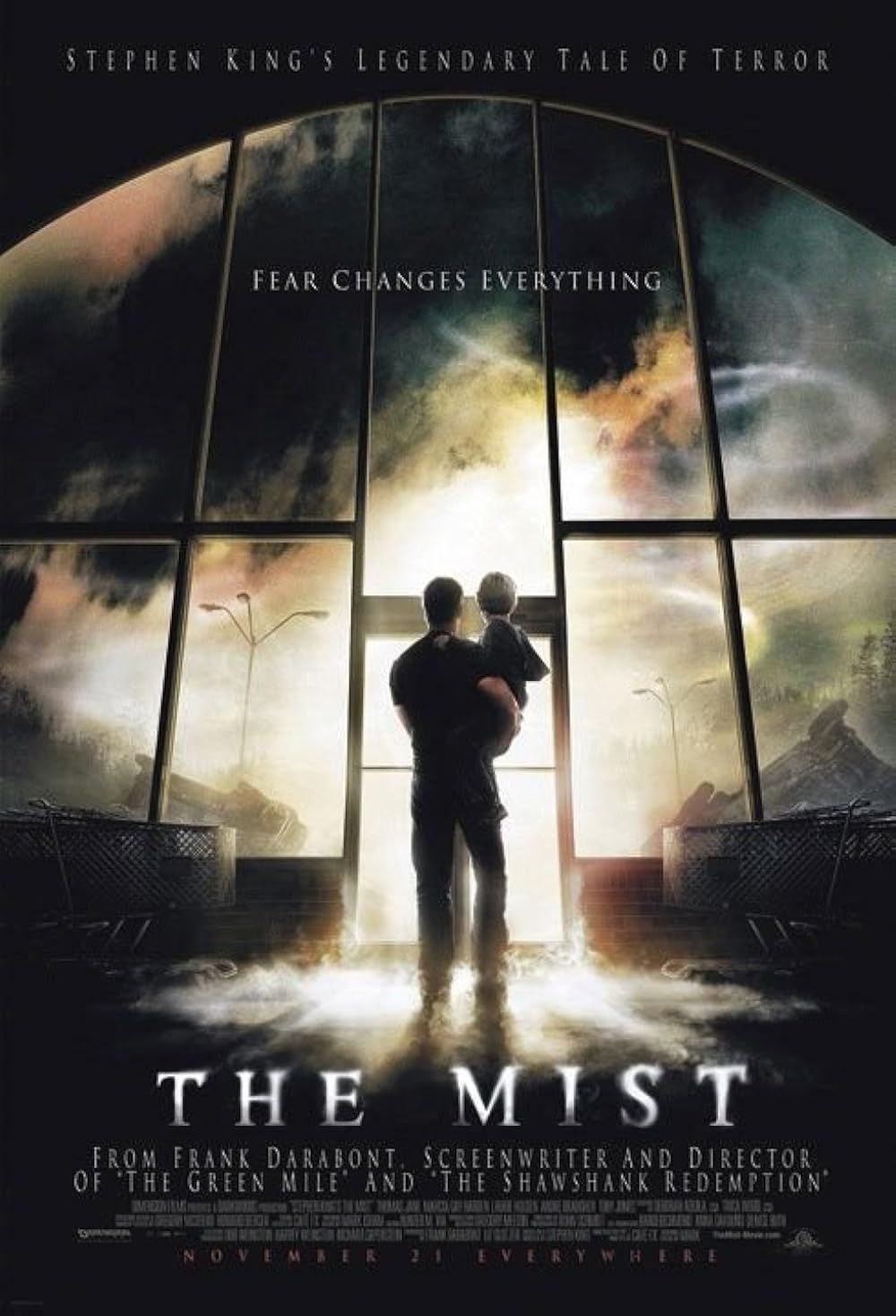
Frank Darabont’s “The Mist” is widely acknowledged for one of the bleakest finales ever put to film. Haleigh Foutch of Collider described it as “more of a kick in the balls—the worst pain you’ve ever felt mixed with curdling nausea.” This visceral reaction encapsulates the profound shock and devastation many viewers experienced upon witnessing its conclusion. It’s an ending designed to be a gut punch, and it delivered.
The film traps a group of New Englanders in a grocery store as a mysterious fog, teeming with horrifying monsters, descends. Inside, societal order collapses, and David Drayton (Thomas Jane) eventually makes a desperate bid for freedom with a small band of survivors, including his young son. Their escape into the mist, however, offers no happy resolution.
Lost in the fog with no hope in sight, David performs a mercy killing to spare his friends and his son from the creatures. The brutality of this act is immediately compounded by a cruel twist: seconds later, the U.S. Army arrives, fully capable of saving the day. David’s agonizing sacrifice is rendered tragically futile, leaving him alone and devastated. This profoundly grim conclusion is a significant departure from Stephen King’s novella, which had a more ambiguous ending.
Surprisingly, King himself admired Darabont’s twist, calling it “the most shocking ending ever.” Yet, audiences were far from pleased, and the controversy rages to this day. Tweets compiled by Uproxx’s Chris Eggertsen show viewers still reeling, with comments like, “Ok, but do we all agree that The Mist has the most effed up ending ever?” and “The ending of The Mist emotionally damaged me.” This audacious creative choice remains deeply polarizing.
Read more about: Aron Bell, Last Brother of a World War II Resistance Group, Dies at 98: A Legacy of Courage and Rescue

3. Watchmen (2009)
Alan Moore’s “Watchmen,” widely considered the greatest graphic novel ever written, faced an arduous journey to the big screen. Zack Snyder’s adaptation largely maintained fidelity, but one major alteration in the climax became a lightning rod for fan discontent. This change sparked a significant debate among loyalists of the intricate source material, questioning the boundaries of adaptation.
Moore’s original narrative culminates with the villainous Ozymandias destroying New York with a genetically engineered alien squid. This shocking, seemingly extraterrestrial entity convinces the world’s superpowers, the U.S. and U.S.S.R., that an invasion is imminent. This forces them to unite against a common, otherworldly foe, achieving a fragile global peace at a terrible cost. It’s a bizarre, yet thematically potent, resolution.
Snyder, however, completely dropped the cephalopod angle. Instead, Ozymandias (Matthew Goode) frames the omnipotent Dr. Manhattan (Billy Crudup) for the attacks, tricking the nations into believing Manhattan is responsible for mass destruction. This deception serves the same purpose: uniting the world against a perceived common enemy. While perhaps more “realistic,” it fundamentally altered the source’s unique sci-fi element.
This dramatic departure infuriated a substantial portion of the comic book fanbase, leading Sara J. Van Ness to coin “Squidgate.” Snyder acknowledged it as “the biggest knock against the movie,” explaining he sought more time for Manhattan and Rorschach (Jackie Earle Haley). While some defend it, the Dr. Manhattan frame-up didn’t sit right with many fans, who felt the core thematic resonance of Moore’s original vision had been compromised for cinematic expediency.
Read more about: Unforgettable Movie Finales That Continue to Stir Controversy

4. The Dark Knight Rises (2012)
Christopher Nolan’s “Dark Knight” trilogy set a new standard for superhero films. Its second installment, “The Dark Knight,” was universally beloved, creating immense expectations for “The Dark Knight Rises,” the trilogy’s conclusion. The film’s ending, however, veered unexpectedly from the darkness, opting for a notably happier, more ambiguous resolution.
Instead of a grim finale, “The Dark Knight Rises” concluded on a surprisingly optimistic note. The Caped Crusader (Christian Bale) saves Gotham from a nuclear bomb, then seemingly sheds his vigilante persona. Bruce Wayne gives up Batman to travel the world with Selina Kyle (Anne Hathaway), a resolution that sparked immediate fan questioning about its literal interpretation. Many wondered if it was an “Inception”-style dream.
The “dream” theory was fueled by Alfred (Michael Caine) earlier describing his fantasy for Bruce: seeing him in a Florence cafe, living a normal life. The striking similarity prompted intense speculation. However, the actors have consistently insisted the ending is real, with Christian Bale stating, “No, it was not a dream.”
While some fans desired a more tragic demise for the superhero, believing it would fit Nolan’s dark saga, others welcomed Bruce Wayne finally finding peace. As Kevin P. Sullivan of MTV noted, the upbeat finale echoed Harvey Dent’s line, “the night is darkest just before the dawn.” This duality of interpretation ensures the conclusion of “The Dark Knight Rises” remains a fascinating, if debated, capstone to a legendary series.
Read more about: The Million-Dollar Memories: Unveiling 15 Legendary Movie Props That Sold for Unbelievable Fortunes

5. Star Trek II: The Wrath of Khan (1982)
Nicholas Meyer’s “Star Trek II: The Wrath of Khan” delivered one of sci-fi’s most profoundly saddening death scenes, shocking its fervent fanbase. The climactic confrontation between Kirk (William Shatner) and Khan (Ricardo Montalban) left the Enterprise in peril, facing a superweapon with a damaged warp drive. This dire situation set the stage for a moment that would define the film.
In a selfless act, Spock (Leonard Nimoy) sacrifices himself to save his crew. Embracing “the needs of the many,” he exposes himself to deadly radiation within the warp core, repairing the drive. The Enterprise escapes, but Spock succumbs, dying tragically, separated from a grief-stricken Kirk by a pane of glass. It was a deeply emotional scene, universally recognized for its impact.
Fan reaction in 1982 was more than sadness; it was fury. News of Spock’s impending demise had leaked, prompting an unprecedented outcry. Executive producer Harve Bennett received “a hundred thousand letters” pleading for Spock’s life. One Trekkie bought a magazine ad, and some fans even harassed Leonard Nimoy and his family, showcasing the character’s immense cultural significance.
To soften the blow, filmmakers added a scene where Spock fakes his death in training. This likely only amplified the heartbreak when he delivered his trademark salute for what seemed the final time. Though later resurrected in “Star Trek III,” the raw emotion and intense fan response to his death in “The Wrath of Khan” remains an unparalleled moment in science fiction cinema.
Read more about: Unforgettable Movie Finales That Continue to Stir Controversy
6. Blade Runner (1982)
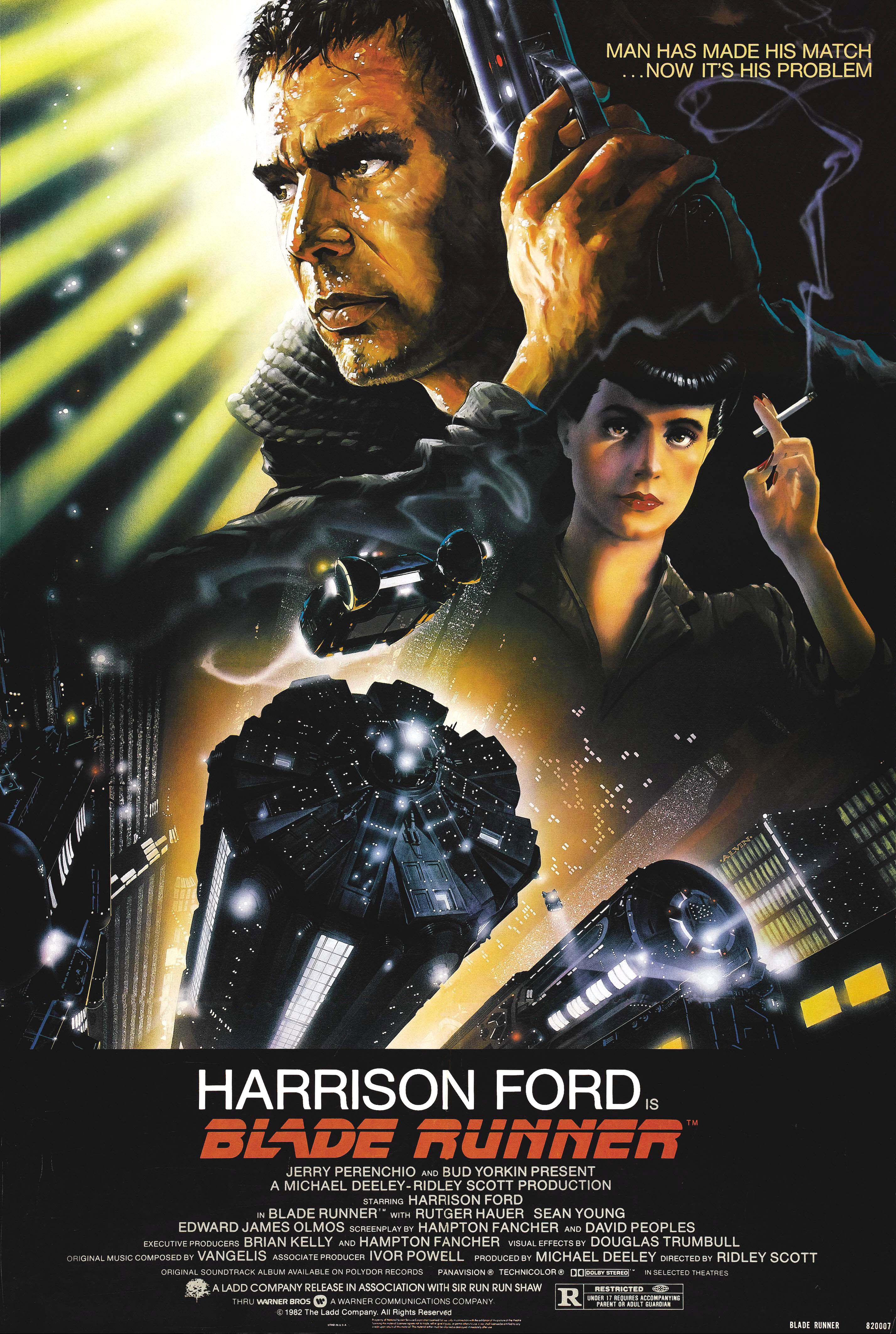
Ridley Scott’s “Blade Runner” holds a unique place in cinematic history, not least for its perpetually debated ending(s). With seven different versions existing, the film has fueled countless hours of fan discussion, primarily centered on one question: Is Rick Deckard (Harrison Ford) a human or a replicant? This ambiguity has been the film’s enduring puzzle.
The answer fundamentally shifts depending on the version. The original theatrical cut offered a straightforward, upbeat resolution: Deckard and his replicant love interest (Sean Young) escape into the mountains, presumably to live happily. This version featured no enigmatic origami or unicorn dream, presenting a clear, if studio-mandated, conclusion. It left little room for interpretive debate.
However, the Director’s Cut dramatically changed the landscape. Scott removed the happy ending and, crucially, incorporated Deckard’s ethereal unicorn dream. The film now ends with Deckard discovering Gaff’s (Edward James Olmos) origami unicorn. This subtly implies Gaff knows Deckard’s private dreams because his memories are implants, strongly suggesting Deckard is a replicant himself.
Since the Director’s Cut, the debate has raged, dividing even Scott and Ford. Scott believes Deckard is a machine, adding complexity. Ford maintains he’s “100 percent human.” Critics like Jay Bauman of Red Letter Media argue the replicant theory undermines the film’s emotional arc: “Why does it matter if Deckard rediscovers his humanity if he’s not actually human?” Regardless, “Blade Runner’s” contested endings ensure its profound themes continue to be discussed for generations.
The impact of a film’s conclusion extends far beyond simple narrative closure; it often touches upon cultural sensitivities, ethical dilemmas, and even real-world events. While the first section explored narrative intricacies and character fates, this second part delves deeper into those finales that provoked significant cultural, ethical, and industry-wide contention, reshaping public discourse and challenging societal norms. These are the endings that didn’t just spark debate within the cinephile community, but resonated across broader societal landscapes, inviting profound reflection on the stories we tell and the messages they convey.
Read more about: Beyond the Script: 10 Jaw-Dropping Real-Life Incidents That Shaped Harrison Ford’s Legendary Persona
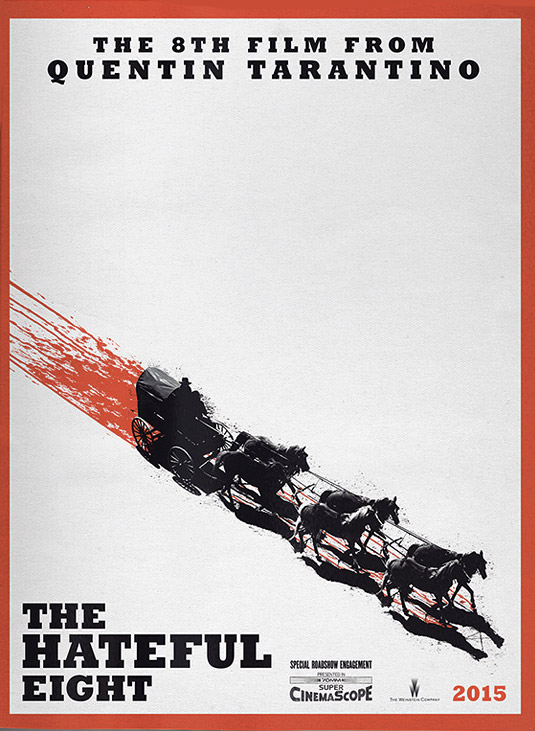
7. The Hateful Eight (2015)
Quentin Tarantino’s filmography is almost synonymous with controversy, and “The Hateful Eight” stands out as perhaps his most contentious work. This blood-soaked Western traps a motley crew of desperadoes inside a blizzard-bound cabin, where tensions inevitably boil over, promising a brutal confrontation. Among these cutthroats is Daisy Domergue (Jennifer Jason Leigh), an outlaw destined for the gallows.
Throughout the film, Domergue is subjected to relentless physical abuse from male characters like John “The Hangman” Ruth, Major Marquis Warren, and Sheriff Chris Mannix. The ending intensifies this, as Warren, a Black Yankee, and Mannix, a white Rebel, set aside their profound political and racial animosities. They unite to string Domergue up from the cabin roof, deriving visible satisfaction as she “dances midair.”
This final scene proved deeply disturbing to many viewers, leading to accusations of misogyny against the film. Critics argued that the repeated abuse and the men’s glee in lynching a female outlaw were gratuitous and harmful. However, Jennifer Jason Leigh defended Tarantino, asserting he is “the most female-centric director around,” while some critics viewed the violence against Domergue as a stark commentary on ism within American society. Regardless of interpretation, the scene remains profoundly unsettling and a vivid example of an ending designed to provoke.
Read more about: Hollywood’s Elite: Unveiling the Highest-Grossing Actors and Actresses of Our Time
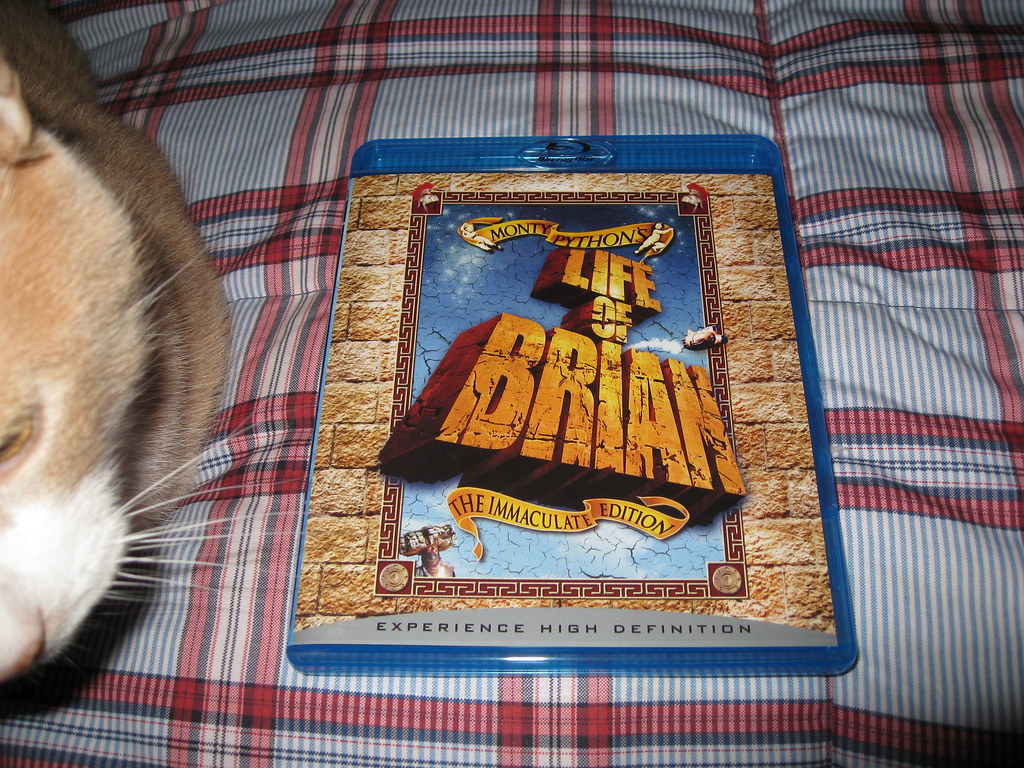
8. Monty Python’s Life of Brian (1979)
Creating a film centered around religious figures is a surefire way to ignite controversy, a lesson the comedic troupe Monty Python learned firsthand with “Life of Brian.” While not directly about Jesus, the film follows Brian (Graham Chapman), an ordinary man repeatedly mistaken for a messiah, whose life mirrors that of a biblical figure, leading to an inevitable and satirically tragic climax.
Brian ultimately finds himself condemned to a painful death by crucifixion, surrounded by a chorus of fellow convicts. In an audacious and uniquely Python-esque twist, the movie transitions into an upbeat musical number. The crucified individuals, including Brian, sing the now-iconic, cheerfully nihilistic anthem “Always Look on the Bright Side of Life.” This juxtaposition of suffering and lightheartedness sparked immediate and widespread outrage.
The film’s release prompted fervent protests, with hymns sung outside movie theaters, and it faced outright bans in countries like Norway and Ireland. The Catholic Church delivered a “C” for “Condemned” rating, effectively making it a sin for the faithful to watch. A high-profile priest claimed the ending had transformed the cross into “something intolerable,” and even politicians intervened, attempting to halt screenings in the American South.
In response to the public outcry, John Cleese and Michael Palin famously defended the film on British television, engaging in a heated debate with Catholic bishop Mervyn Stockwood and broadcaster Malcolm Muggeridge. The Pythons argued their film was not a mockery of Christ but a sharp satire on organized religion and blind faith. Muggeridge, however, vehemently condemned it as an assault on Jesus’ death and the tenets of Christianity. Despite, or perhaps because of, its notoriety, “Life of Brian” has solidified its place as a comedy classic, its controversial ending now an integral part of its enduring legacy, as Cleese humorously observed that they “would have been burnt for ‘Brian'” centuries earlier.
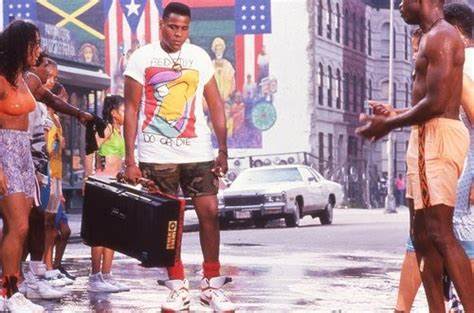
9. Do the Right Thing (1989)
Spike Lee’s “Do the Right Thing” remains startlingly relevant decades after its release, a testament to its powerful social commentary. Set during a blistering summer heatwave in a racially divided New York City neighborhood, the film meticulously builds tension over the course of a single day, exploring the simmering resentments and misunderstandings between its diverse characters. An argument between a white pizza shop owner and two Black customers escalates, laying the groundwork for tragedy.
The film’s devastating climax begins when an NYPD officer kills a young African-American man. In a visceral reaction, Lee’s character, Mookie, instigates a riot that culminates in the destruction of the pizzeria. This ending is designed to leave audiences deeply shaken but, crucially, empathetic to the complex perspectives of all characters involved, highlighting the tragic cycle of violence and prejudice.
However, the film was widely misunderstood by a segment of the public and critics, who feared it would incite real-life riots. David Denby of New York Magazine asserted the ending was “a shambles,” suggesting Lee bore some responsibility if audiences reacted violently. Similarly, Joe Klein worried about the potential impact on a Black mayoral candidate, and Jack Kroll of Newsweek voiced concerns about how Black moviegoers would “react to the climactic explosions of interracial violence.”
Spike Lee vehemently challenged these criticisms, pointing out the racial double standard. He noted that critics never expressed similar fears of audiences committing violence after watching Arnold Schwarzenegger films. He sharply took critics to task for assuming that Black audience members were incapable of distinguishing between cinematic narratives and real-life events. This ongoing debate about artistic responsibility and audience interpretation ensures “Do the Right Thing” maintains its powerful, albeit controversial, status as a vital piece of American cinema.
Read more about: Totally Rad! The 8 Directors Who Ruled ’80s Action and Owned the Box Office

10. Passengers (2016)
“Passengers” arrived with all the hallmarks of a blockbuster hit: A-list stars Chris Pratt and Jennifer Lawrence, a highly praised screenplay by Jon Spaihts, and a tantalizing premise of a love story unfolding in the vastness of space. Trailers painted a picture of two beautiful people accidentally waking up prematurely during an interstellar journey, fated to find love. Yet, the film proved to be a significant critical and commercial disappointment, raising questions about what went so terribly wrong.
The film’s true premise, obscured by its marketing, revealed a morally compromising core. Pratt’s character, Jim, wakes up alone after his hibernation pod malfunctions. Unwilling to endure a lifetime of solitude, he makes the unethical decision to deliberately awaken Lawrence’s character, Aurora, against her will. This act is, in essence, an act of kidnapping and psychological murder, trapping her with him in deep space.
Instead of exploring the profound ethical complexities and moral ramifications of Jim’s decision, the narrative takes a problematic turn. Aurora, despite discovering Jim’s transgression and even finding a way to escape her fate, inexplicably falls in love with him and chooses to spend her life alongside her captor. This glossing over of the fundamental power imbalance and moral breach proved to be the film’s undoing.
Critics widely condemned the film for its deeply troubling romanticization of a morally reprehensible act, labeling it “creepy” and “problematic.” Audiences largely stayed away, sealing the movie’s fate as a lonely existence within the sci-fi genre. “Passengers” serves as a stark example of how a flawed ethical premise, mishandled by storytelling, can derail even the most promising of cinematic ventures, leaving a lasting mark of controversy.
Read more about: Unearthing Hidden Performance: 14 Underrated Sports Cars That Defy Expectations for Today’s Performance Seekers

11. The Interview (2014)
Seth Rogen and Evan Goldberg’s comedy “The Interview” plunged Hollywood into an unprecedented international incident, far beyond the typical cinematic squabble. The film follows a celebrity talk show host (James Franco) and his producer (Rogen) on a trip to North Korea to interview Kim Jong-un (Randall Park), only to be recruited by the CIA to assassinate the dictator.
The film’s climax depicts Kim’s death in a spectacularly violent fashion, with Franco and Rogen blasting him with a tank, his face catching fire in slow motion. This depiction was initially even gorier, featuring Kim’s head exploding, but Sony CEO Kazuo Hirai insisted on toning down the violence. This was merely the prelude to a far greater storm brewing on the international stage.
North Korea swiftly condemned the film’s release as an “act of war,” setting off a chain of events that escalated rapidly. A North Korean-backed group, the Guardians of Peace, hacked Sony Pictures, leaking private emails and demanding the studio cancel the film’s release. The situation turned genuinely terrifying when the Guardians of Peace followed their cyberattack with explicit terrorist threats, ominously referencing “the lessons of the 11th of September, 2001.”
As a direct consequence, five major theater chains refused to screen “The Interview,” and Sony initially backed down, declining to release the movie online. While the film eventually found its way into theaters and streaming services—where it was largely deemed unremarkable in quality—its journey etched a bizarre chapter in cinematic history. Decades from now, film students will undoubtedly still discuss how a Seth Rogen comedy sparked an international incident, making its ending controversial not just for its content, but for its profound real-world impact.
Read more about: Scarlett Johansson’s Defining Connection: Unpacking Robert Redford’s Memorable Characterization of Her Early Stardom
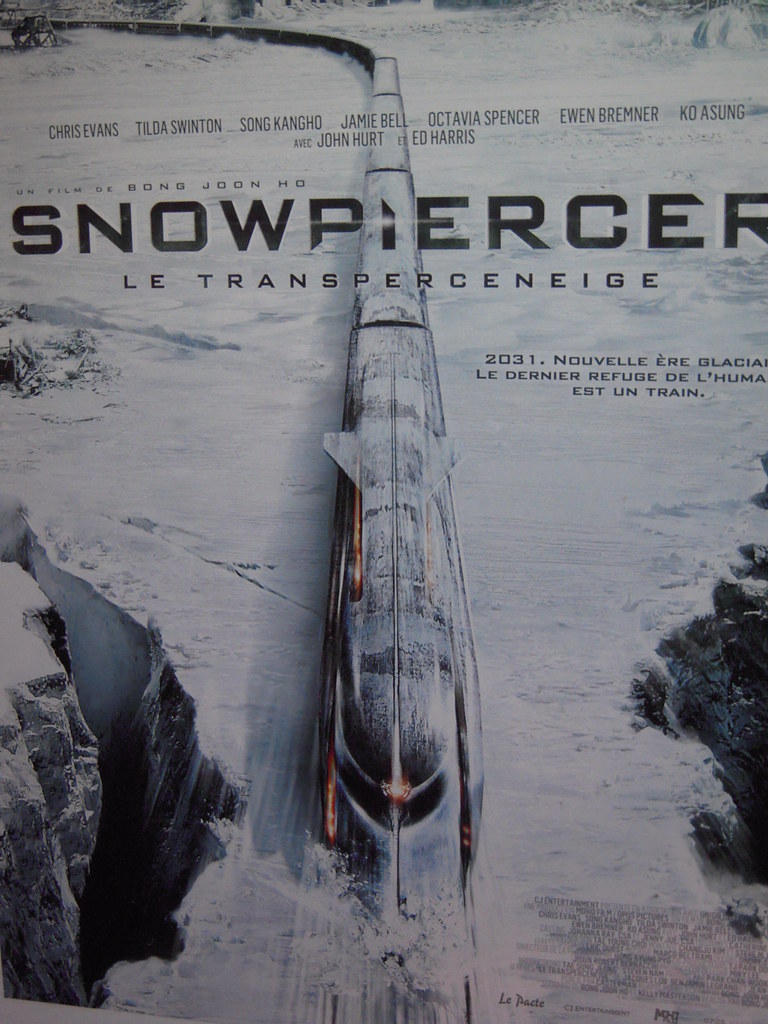
12. Snowpiercer (2014)
Bong Joon-ho’s “Snowpiercer” presents a compelling, if bleak, vision of a post-apocalyptic world where the last remnants of humanity reside on a perpetually moving train, navigating a frozen planet. The film masterfully illustrates a rigid class system onboard, with the impoverished “tail-enders” living in squalor while the elite in the front enjoy opulent comfort. This stark inequality fuels a rebellion led by Curtis (Chris Evans).
Curtis and his fellow rebels fight their way through the train’s various compartments, aiming to overthrow Wilford (Ed Harris), the enigmatic, all-powerful engine master. Upon reaching the engine, Curtis uncovers a horrifying truth: the train’s delicate ecosystem is maintained through the forced labor of children, who are used as replacement parts for the engine. This revelation leads Curtis to a profound, morally agonizing decision.
Realizing that the entire system is inherently corrupt and beyond saving, Curtis and his compatriots choose to destroy the “Snowpiercer.” This cataclysmic act presumably kills everyone on board, save for two children—a teenage girl and a young boy—who emerge from the wreckage into the frozen world. The ending offers a glimmer of hope as they spot a polar bear, suggesting the planet may be thawing, and perhaps a new beginning for humanity.
However, many viewers struggled with the practical implications and perceived plot holes of this conclusion. Online critics questioned the survival prospects of two sheltered children in a harsh wilderness, and the symbolic polar bear was often interpreted as a threat rather than a sign of hope. While director Bong Joon-ho intended the film as a grand allegory about class struggle and systemic destruction, some audiences found the ending too ambiguous or unrealistic, highlighting the perennial tension between thematic intent and literal interpretation in storytelling.
Read more about: Hollywood’s Elite: Unveiling the Highest-Grossing Actors and Actresses of Our Time

13. The Gift (2015)
Joel Edgerton’s directorial debut, “The Gift,” is a psychological thriller that delivered an ending as unsettling as it was controversial. The film introduces married couple Robyn (Rebecca Hall) and Simon (Jason Bateman) as they settle into a new neighborhood and encounter Gordo (Edgerton), a seemingly awkward old acquaintance of Simon’s from high school. While Gordo’s initial creepiness is evident, the film gradually reveals that Simon harbors a dark past, having intentionally ruined Gordo’s life years ago.
The plot takes a deeply disturbing turn in its climax. Robyn goes into premature labor, and while at the hospital, Simon uncovers a video recording. The footage implicates Gordo in drugging and seemingly preparing to rape Robyn, strongly implying that the child Robyn is carrying might actually be Gordo’s. This twist transforms a story of past bullying and present revenge into something far more insidious and ethically fraught.
The reveal ignited outrage among critics, many of whom expressed fatigue over filmmakers resorting to ual assault as a cheap shock tactic. The ending was particularly criticized for reducing Robyn, an otherwise strong female character, to “collateral damage in the war between these two men,” as A.A. Dowd of The A.V. Club noted. The film was also lambasted for focusing exclusively on Simon’s reaction to the news, completely neglecting Robyn’s potential trauma or perspective on her possible assault.
Beyond the ethical considerations, some critics pointed out the practical ease with which a DNA test could resolve the paternity question, undermining the narrative’s tension. However, the film’s lasting controversy primarily stems from its use of ual assault as a twist ending, prompting broader discussions about responsibility in storytelling. “The Gift” serves as a stark reminder that while film can push boundaries, certain narrative choices carry significant ethical weight and can profoundly alienate an audience, sparking debates that resonate long after the credits roll.
Read more about: From Legendary Icons to Modern Muses: 11 Redheaded Actresses Who’ve Lit Up Hollywood and Stolen Our Hearts
In the ever-evolving landscape of cinema, an ending is never just an ending. It’s a statement, a challenge, an emotional crucible that can either cement a film’s brilliance or send audiences into a furious frenzy. The stories recounted here underscore a fundamental truth: the final moments of a movie possess an unparalleled power to shape its legacy, provoke deep contemplation, and ignite debates that echo through generations. Whether by design or by accident, these controversial conclusions transform films from mere entertainment into cultural touchstones, forever etched in the annals of cinematic history, inviting endless discussion about what makes a truly unforgettable, and undeniably contentious, finale.