In the intricate alchemy of filmmaking and television, casting stands as one of the most crucial ingredients in the secret sauce of success. When the right actors align with the perfect roles, a kind of magic unfolds, often transforming a performance into a franchise-leading phenomenon, or elevating a supporting part into a movie’s unforgettable highlight. The synergy created when multiple talents click on screen is undeniable—think of the indelible chemistry between David Duchovny and Gillian Anderson in “The X-Files,” or the legendary trio of Mark Hamill, Carrie Fisher, and Harrison Ford in the original “Star Wars” saga. These instances of perfect harmony are what define cinematic history and captivate audiences for generations.
Yet, for every triumphant casting decision that births a star, there’s often a story of a different path taken, a road less traveled by another performer who was initially destined for that very role. While difficult performers sometimes get to keep their parts, an actor being replaced usually points to a deeper, more nuanced issue – perhaps the tone wasn’t quite right, or the creative vision simply wasn’t aligning, no matter how much a director tried to guide the scene. It’s a harsh reality of the industry where one actor’s loss can become another’s monumental gain, leading to a profound shift in career trajectories, sometimes for the better, but often, with significant and lasting damage.
This article delves into the fascinating, often heartbreaking, realm of casting replacements that irrevocably altered actors’ careers. We’re going to explore those moments when an actor was at the cusp of a potentially life-changing role, only to see it slip through their fingers, often propelling their replacement into the stratosphere of superstardom. From last-minute changes on set to agonizing scheduling conflicts and creative differences, these are the tales of missed opportunities and the profound impact they had on the individuals involved, offering a comprehensive and detail-oriented look at how these industry decisions played out.
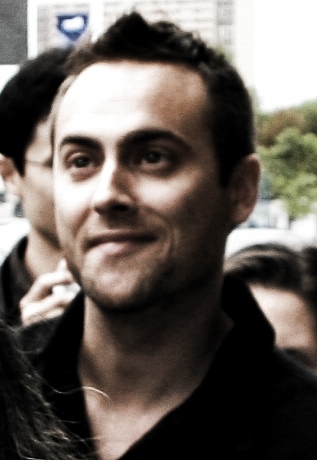
1. **Stuart Townsend in The Lord of the Rings**”The Lord of the Rings” stands as a monumental epic, a sprawling narrative where the collective strength of the Fellowship is paramount in overcoming the Dark Lord Sauron. Within this grand tapestry, however, one character undeniably emerges as a mighty hero and the heir to Middle-earth’s most powerful kingdom: Aragorn, son of Arathorn. This was a role poised to transform an unknown actor into a global sensation, and it certainly did for Viggo Mortensen, who is now synonymous with the Ranger turned King of Gondor.
However, before Mortensen took up Andúril, the role belonged to Stuart Townsend. He was director Peter Jackson’s original choice to embody the future King, but his tenure was incredibly brief. Just a few days into filming, Townsend was let go, with Jackson citing his youth as the primary reason; he was deemed simply too young to convincingly portray the veteran warrior that Aragorn truly was. Despite spending several months diligently training for the physically demanding part, the opportunity slipped away.
The repercussions for Townsend were significant. While Mortensen went on to achieve worldwide stardom and an enduring association with the character, Townsend, though continuing to get parts here and there, never quite reached the same level of prominence. He remains, for many, the actor who almost played Aragorn – if he’s remembered at all for that near-miss. It was a cruel twist of fate, a casualty of the War of the Ring, that denied him what could have been a career-defining moment.
Read more about: 14 Stars Who Got The Boot: Unpacking Hollywood’s Most Shocking Mid-Production Firings
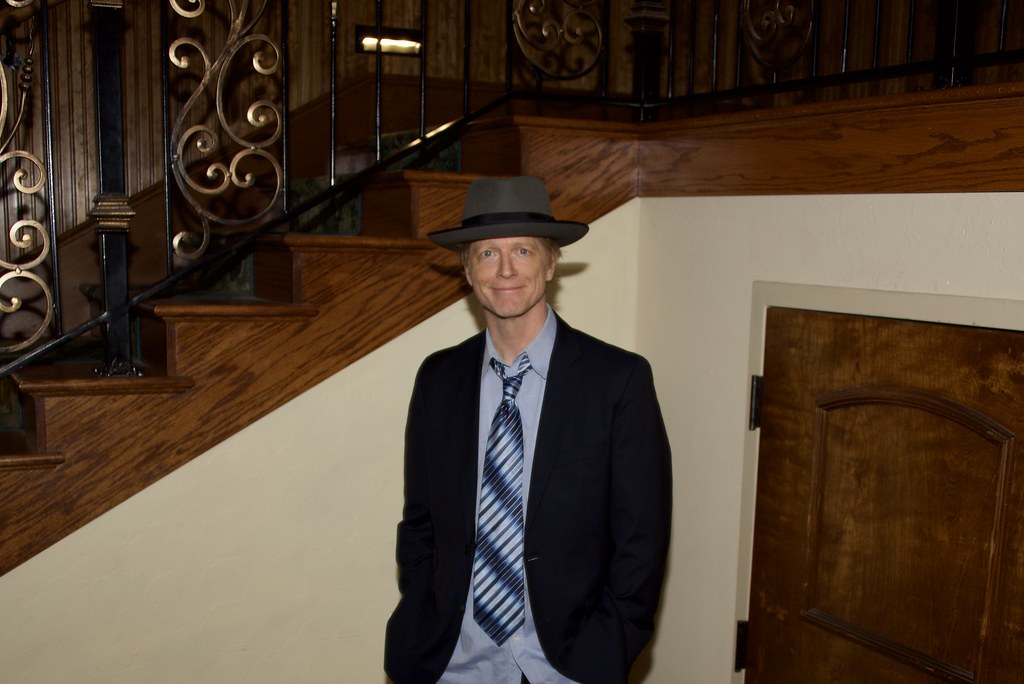
2. **Eric Stoltz in Back to the Future**”Back to the Future” delivered one of the ’80s’ most iconic and zany concepts: a time-traveling DeLorean, a teenager, and his unwitting adolescent parents in the 1950s, leading to a cascade of comedic shenanigans. This film not only became a defining comedy of its decade but also catapulted its lead actor, Michael J. Fox, into the realm of superstardom. However, Fox’s iconic portrayal of Marty McFly was itself a ripple in the timeline, as he was not the original actor cast in the role.
In fact, Eric Stoltz had already filmed weeks’ worth of footage as Marty McFly before director Robert Zemeckis made the difficult decision to replace him. The fundamental issue, it appeared, was a mismatch in comedic energy. While Stoltz was capable of bringing gravitas and weight to dramatic roles, he struggled to capture the screwball, high-energy comedic timing that the eccentric premise of “Back to the Future” demanded. This creative disparity ultimately led to his dismissal.
The production had to restart virtually from scratch, a massive undertaking considering Marty McFly’s presence in nearly every scene. Yet, the final result was a sensation, etching Fox’s performance into cinematic history. For Stoltz, this meant settling into steady work primarily in television and independent films. While he did receive a Golden Globe nomination in 1985 for “Mask,” he never quite attained the star power that the time-traveling DeLorean bestowed upon Fox, highlighting how crucial the right comedic fit can be for a breakthrough role.
Read more about: Who Was Fired First? The Original Casting Choices for 10 Beloved Movie Roles
_(cropped).jpg/440px-Dougray_Scott_(5204140341)_(cropped).jpg)
3. **Dougray Scott in X-Men**Bryan Singer’s 2000 film “X-Men” didn’t just kickstart a new superhero franchise; it ignited the modern wave of superhero blockbusters, transforming a niche comic book genre into the dominant force in contemporary cinema. Among the ensemble of titular heroes, none proved more popular or enduring than Hugh Jackman’s portrayal of Logan, famously known as Wolverine. Given Wolverine’s immense popularity in the comics, casting the character with the perfect actor was absolutely critical to the film’s success.
Initially, that crucial role was awarded to Scottish actor Dougray Scott. At the time, Scott was a relative unknown in Hollywood but was steadily building his profile with parts in significant films, most notably as the main villain opposite Tom Cruise in the then-in-production “Mission: Impossible II.” With “X-Men” being cast with a mix of established names and emerging talents, Scott seemed like an excellent choice to bring the gruff, adamantium-clawed Canadian mutant to life on the big screen.
The only hitch, however, stemmed from the very film that had helped raise his profile: “Mission: Impossible II.” Reports indicated that the Tom Cruise vehicle ran over schedule, forcing Scott to remain on that project longer than anticipated. Adding another layer of tragic complexity, “X-Men” writer David Hayter later suggested that Scott was involved in a motorcycle accident during the “Mission: Impossible II” shoot, which would have prevented him from recovering in time for “X-Men.” Regardless of the exact reason, the outcome was the same: Hugh Jackman stepped in, launching a career that would make him synonymous with Wolverine for nearly two decades. Scott, meanwhile, has enjoyed a respectable career but has never quite achieved the same level of global fame, leaving many to wonder what a couple of adamantium claws might have done for his trajectory.
Read more about: Who Was Fired First? The Original Casting Choices for 10 Beloved Movie Roles

4. **Lance Henriksen in The Terminator**Before he was the visionary director behind blockbusters like “Titanic” and “Avatar,” James Cameron was an aspiring filmmaker operating on a shoestring budget for the first “Terminator” film. With limited resources, he naturally gravitated towards casting up-and-coming actors without extensive major film credits. One such actor, Lance Henriksen, had previously worked with Cameron on “Piranha II: The Spawning,” and the director held him in high regard. In Cameron’s initial vision, Henriksen was not only cast but envisioned as the titular cyborg.
However, fate, or rather, an Austrian bodybuilder named Arnold Schwarzenegger, intervened. Schwarzenegger, fresh off his lead role in “Conan the Barbarian,” possessed an undeniable physical presence and charisma that made him the obvious, if unexpected, choice to play the relentless killing machine. His unique blend of imposing physicality and stoic menace proved to be exactly what the role demanded, shifting Cameron’s original casting significantly.
Cameron, however, did not forget Henriksen’s talent. He promptly cast him as a detective in “The Terminator” and later brought him back for an iconic role as the android Bishop in his action epic “Aliens.” While Henriksen has stayed busy over the years, carving out a notable career as a character actor, “The Terminator” undeniably became Schwarzenegger’s movie. It vaulted him into the upper echelon of action stars, making him a household name. While it’s uncertain if Henriksen’s portrayal of the Terminator would have yielded the same superstar career, his shift to character roles meant he never spawned catchphrases or multi-million-dollar sequels in the same way, leaving a what-if scenario hanging over his career.
Read more about: Hold Up! These 14 Movie Sequels Absolutely Crushed Their Originals, And We’re Here For It!

5. **Tamzin Merchant in Game of Thrones**”Game of Thrones” evolved into one of the most influential and globally acclaimed television series in history, but its journey was far from a smooth one. Adapting George R.R. Martin’s dense and complex source material, with its vast cast and intricate backstory, proved challenging. HBO initially commissioned a pilot episode, which, by all accounts, was a significant disaster. Fortunately, the network had faith in the project’s potential and greenlit the series, but only after major revisions were made, including cutting old scenes, writing new ones, replacing the director, and, critically, recasting several key roles.
Among these changes, none was perhaps more significant than the recasting of Daenerys Targaryen, a character who would become one of the most pivotal figures in the entire saga. Tamzin Merchant had originally played the role in the ill-fated pilot, having impressed with her performance in “The Tudors,” which had even caught the attention of author George R.R. Martin himself. Yet, for reasons that remain undisclosed, the decision was made to bring Emilia Clarke onboard to assume the mantle of the Mother of Dragons.
“Game of Thrones” subsequently soared to unprecedented success, becoming HBO’s most triumphant series. Emilia Clarke, in turn, transformed into a global superstar, parlaying her role as Daenerys into starring positions in romantic comedies, “Star Wars” spin-offs, and Marvel thrillers. Tamzin Merchant, on the other hand, has continued to work steadily in the industry, showcasing her talent in various projects, but she has yet to find the same kind of breakout, career-defining role that Daenerys Targaryen became for her replacement. It serves as a stark reminder of how a single pilot episode decision can alter two careers so dramatically.
Read more about: The Unseen Archives: Decoding Hollywood’s Most Mysterious & Legendary Unreleased Movies and TV Shows
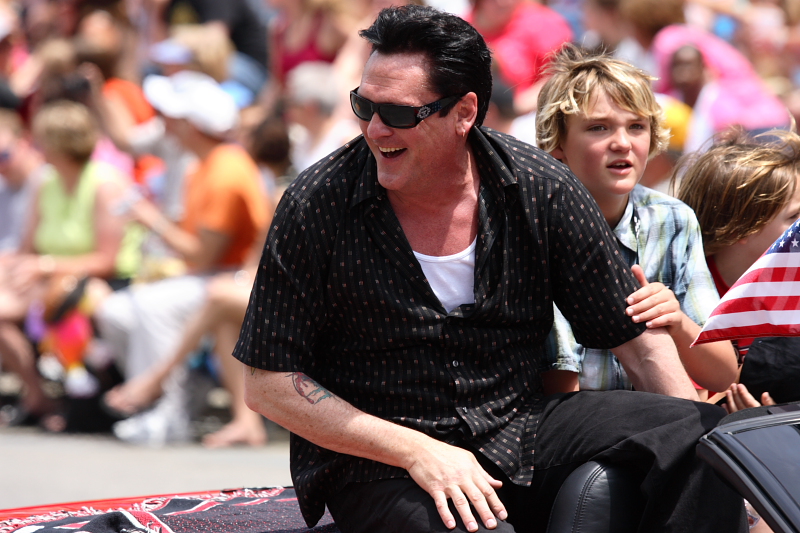
6. **Michael Madsen in Pulp Fiction**Quentin Tarantino is celebrated as one of cinema’s most meticulous craftsmen, renowned for writing his own scripts and possessing a precise vision for their execution. His mastery of dialogue and tension requires a perfect pitch in casting, a skill he demonstrated early with his debut film, “Reservoir Dogs.” In that film, Michael Madsen delivered an unforgettable performance as the enigmatic Mr. Blonde, leaving a lasting impression. Consequently, when Tarantino began assembling the cast for his eagerly anticipated follow-up, “Pulp Fiction,” he naturally wanted Madsen back.
Madsen was reportedly delighted by the offer, but a significant scheduling conflict arose. He was compelled to decline the role of Vincent Vega in favor of a part in Kevin Costner’s Western, “Wyatt Earp.” At the time, this decision likely seemed logical; Costner was an established Hollywood star, whereas Tarantino, despite the critical acclaim for “Reservoir Dogs,” was still perceived as an indie filmmaker on the rise. Opting for a project with a proven box office draw over an unconventional indie film made sense in the conventional wisdom of the industry.
However, the outcome proved to be a pivotal moment for all involved. In Madsen’s place, John Travolta was cast as Vincent Vega, a role that became an instrumental factor in his spectacular career resurgence, earning him an Oscar nomination and a fresh lease on his Hollywood life. “Wyatt Earp,” meanwhile, underperformed commercially and critically. While Madsen has amassed an impressive array of credits and maintains a strong relationship with Tarantino, appearing in “Kill Bill” and “The Hateful Eight,” he never attracted the same level of fame or acclaim that Travolta enjoyed post-“Pulp Fiction.” It remains a quintessential example of how a single career decision can lead to vastly different outcomes.
Read more about: 12 Sci-Fi Movies Critics Wish They Could ‘Unwatch Instantly’ – And Why They Haven’t Aged Well

7. **Katie Holmes in The Dark Knight**When Christopher Nolan embarked on his ambitious reboot of the Batman franchise in the early 2000s, he was not yet the household name he is today. The Caped Crusader himself was in a slump, with the disastrous 1997 film “Batman and Robin” still casting a long shadow. Nolan aimed to restore the grittiness and realism to the character, crafting a grounded take that could convince audiences of a billionaire dressing as a bat to fight crime. Christian Bale was the inspired choice for Bruce Wayne in 2005’s “Batman Begins,” and alongside him, Katie Holmes, then best known for “Dawson’s Creek,” played Rachel Dawes.
“Batman Begins” was a massive critical and commercial success, making a sequel, “The Dark Knight,” inevitable in 2008. While much of the original cast returned, there was one notable absence: Katie Holmes, whose role as Rachel was taken over by Maggie Gyllenhaal. The exact reasons for Holmes’ departure have always been somewhat shrouded in mystery. Nolan publicly stated he wanted her to return but that she was unavailable. Holmes, conversely, later claimed it was her own decision not to come back, expressing no regrets about it.
Regardless of the precise circumstances, the impact on her career was palpable. Holmes has appeared in relatively few high-profile films since, never quite regaining the momentum she had. “The Dark Knight,” meanwhile, is lauded as one of the seminal releases of its decade, further solidifying the status of Nolan and Bale. While it’s impossible to say for certain if returning for the sequel would have provided the career boost Holmes needed, it’s widely believed that it certainly couldn’t have hurt, especially given the film’s monumental success and lasting cultural impact.
Read more about: Tom Cruise at 61: An In-Depth Chronicle of the Action Star’s Enduring High-Octane Career and Unmatched Stardom

8. **Megan Fox in Transformers: Dark of the Moon**Megan Fox’s career skyrocketed after her casting in Michael Bay’s 2007 “Transformers” and its 2009 sequel, “Revenge of the Fallen.” Her undeniable screen presence made her a global star, firmly establishing her as a key figure in one of the decade’s biggest action franchises. It seemed her path in blockbuster cinema was assured.
However, that trajectory came to an abrupt halt. Fox was famously fired from the third film, “Transformers: Dark of the Moon,” reportedly due to her difficult on-set behavior and public criticisms of director Michael Bay. While Rosie Huntington-Whiteley took on a new character, she effectively filled the same “hero’s girlfriend” role, continuing the storyline without Fox.
The aftermath was a significant blow to Fox’s career. Though she continued to work, appearing in the “Teenage Mutant Ninja Turtles” reboot (produced by Bay) and a recurring role on “New Girl,” she struggled to recapture the momentum and prominence she had with “Transformers.” Her story serves as a stark reminder that the reasons behind an actor’s replacement can profoundly impact their future opportunities.
Read more about: 14 Stars Who Got The Boot: Unpacking Hollywood’s Most Shocking Mid-Production Firings
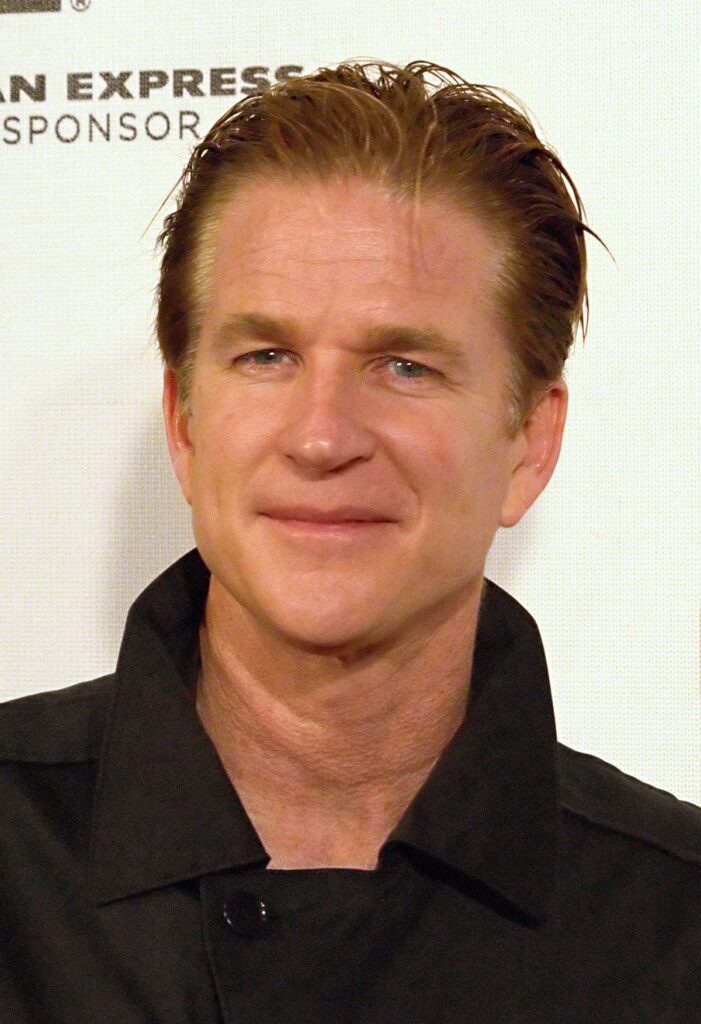
9. **Matthew Modine in Top Gun**In the early 1980s, Matthew Modine was a rising star, notably impressing audiences in Robert Altman’s “Streamers.” This made him a strong contender for the lead role in “Top Gun,” a high-octane action film steeped in Cold War patriotism. However, Modine made a conscious decision to decline the offer, citing his discomfort with the film’s perceived pro-military stance.
This principled stand paved the way for Tom Cruise to step into the iconic shoes of Maverick. Cruise’s performance in “Top Gun” was nothing short of transformative, launching him into the stratosphere of Hollywood superstardom and cementing his legacy as one of the most successful and enduring actors in cinematic history. The film became a career-defining moment for him.
Modine, while forging an impressive career with acclaimed roles in films like Stanley Kubrick’s “Full Metal Jacket” – a film notably critical of the military – and the hit Netflix series “Stranger Things,” never achieved the same level of global fame. His decision, though rooted in conviction, undoubtedly cost him a shot at the same blockbuster trajectory that “Top Gun” afforded Cruise.
Read more about: Who Was Fired First? The Original Casting Choices for 10 Beloved Movie Roles

10. **Tom Selleck in Raiders of the Lost Ark**Harrison Ford is synonymous with Indiana Jones, having embodied the adventurous archaeologist for over four decades. Yet, in a fascinating twist of cinematic history, Ford was not the original choice for the role. George Lucas, who had previously worked with Ford on “American Graffiti” and “Star Wars,” initially envisioned a different actor: Tom Selleck.
Selleck found himself in a remarkable but ultimately challenging position, having been offered both the lead in “Raiders of the Lost Ark” and the star role in CBS’s upcoming television series, “Magnum, P.I.” The network, unwilling to delay production on their new flagship show, refused to release Selleck, forcing him to reluctantly pass on the iconic adventure film.
While “Magnum, P.I.” became a massive hit, making Selleck a household name on television, this small-screen triumph didn’t translate into comparable blockbuster film success. Ford, meanwhile, went on to lead numerous major films for decades, with Indiana Jones remaining one of cinema’s most beloved heroes. Selleck’s career, though respectable, certainly could have been far brighter had he donned the fedora.
Read more about: Harrison Ford’s Epic Farewell: Unpacking the Journey to His Final Indiana Jones Adventure
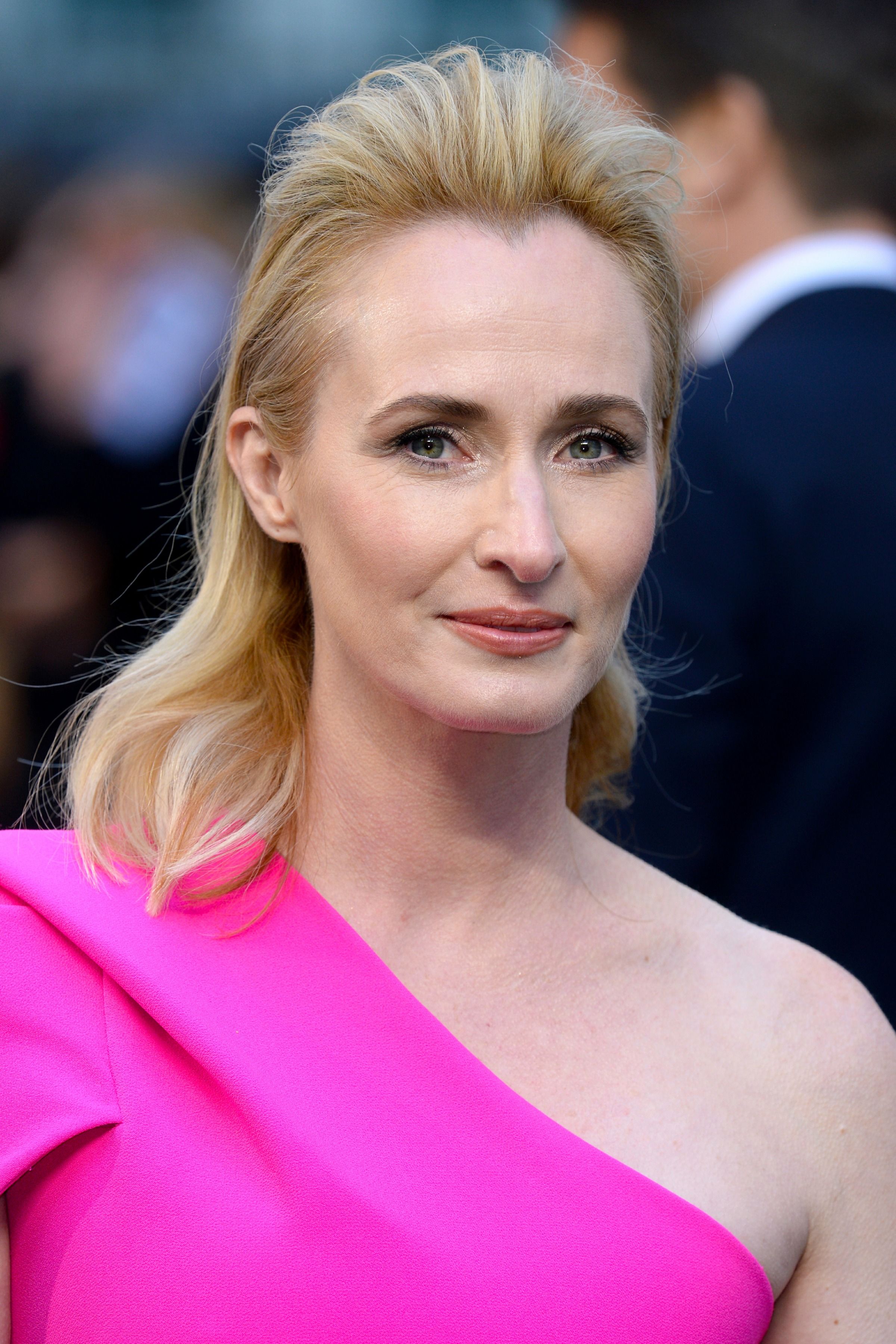
11. **Genevieve Bujold in Star Trek: Voyager**The “Star Trek” franchise sought to make a bold casting move by bringing Oscar-nominated actress Genevieve Bujold, acclaimed for her work in films like “Dead Ringers,” to command the USS Voyager. Her interest in the role of Captain Janeway was met with excitement by producers, who saw the prestige she would lend to the new series.
Despite securing the coveted position, Bujold, who lacked experience with the demanding schedule of a regular television series, quickly struggled to adapt to the rigorous daily filming. After just a few days into shooting the pilot episode, the mismatch became evident, leading to her swift departure from the project.
This abrupt exit necessitated a frantic recasting, resulting in Kate Mulgrew stepping in as Captain Janeway. Mulgrew not only made the role her own but also became an enduring sci-fi icon. For Bujold, however, the highly publicized departure led to a significant downturn in her U.S. career, largely confining her to smaller parts in lesser-known films and projects primarily in her native Canada.
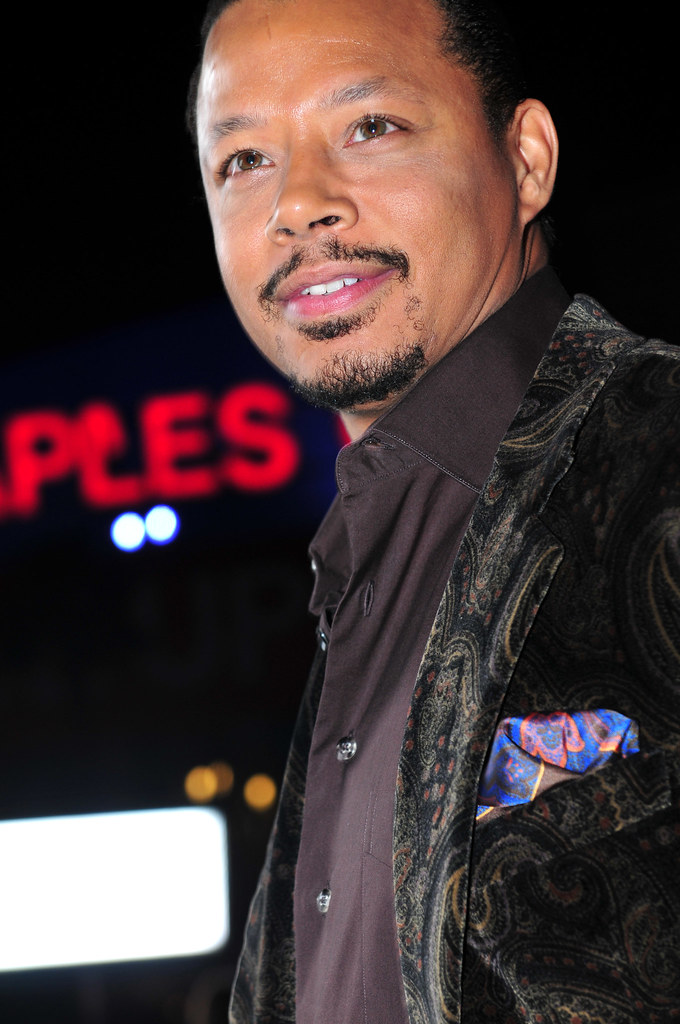
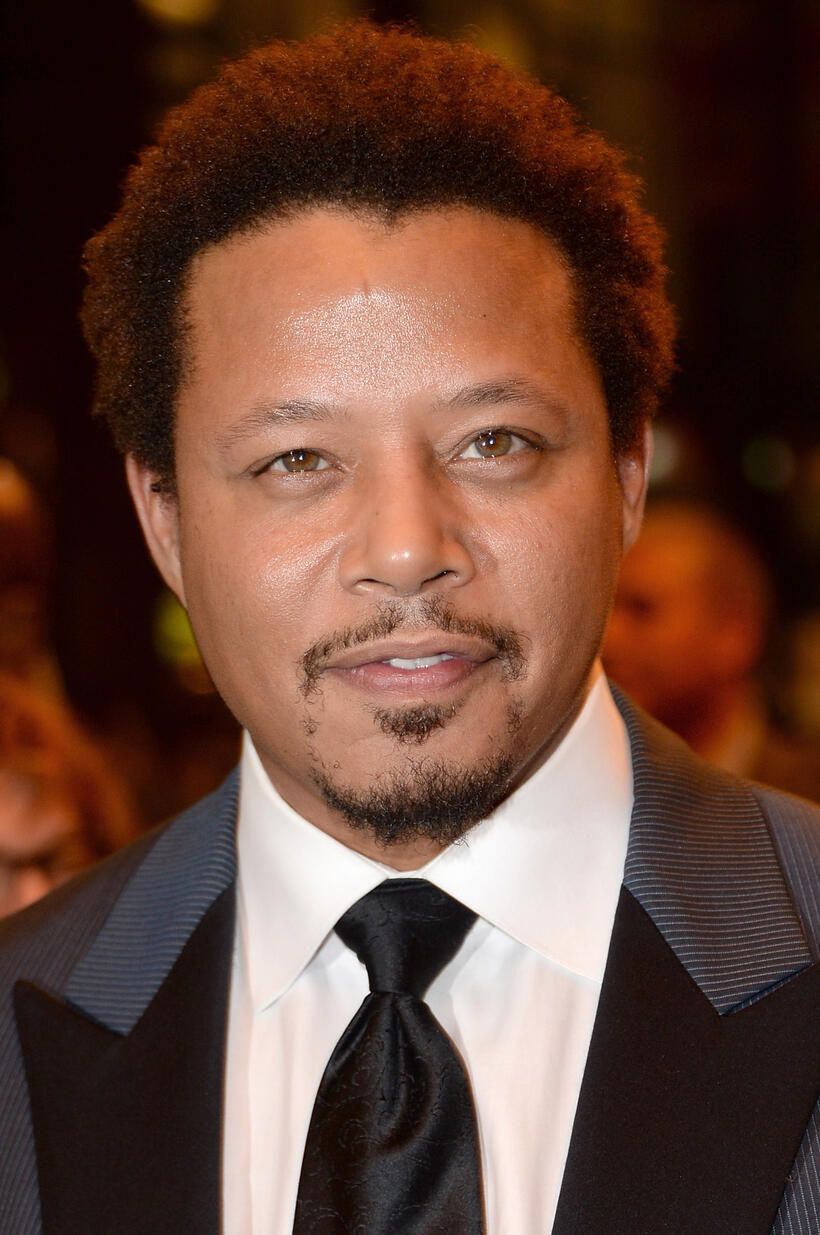
12. **Terrence Howard in Iron Man 2**As Marvel Studios launched its ambitious cinematic universe with “Iron Man” in 2008, Academy Award-nominated actor Terrence Howard was an early and significant casting choice as James Rhodes, Tony Stark’s best friend. The role clearly hinted at his future transformation into War Machine, a beloved armored hero in the comics.
However, when “Iron Man 2” entered negotiations, Marvel Studios attempted to drastically cut Howard’s agreed-upon salary. Unwilling to accept the reduced fee, Howard refused to budge, prompting Marvel to fire him and swiftly replace him with Don Cheadle for the sequel.
Howard candidly stated that his removal from the project “all but destroyed his career.” While he later achieved significant success in the HBO drama “Empire,” his film career, particularly in the lucrative blockbuster realm, never fully recovered its prior potential. Cheadle, in stark contrast, seamlessly integrated into the MCU, becoming a fixture in numerous films and Disney+ series, and is set to star in his own “Armor Wars” movie.
Read more about: The Hidden Blacklist: 15 A-Listers Who Absolutely Refused to Share the Screen – Was it Ego or Something Deeper?
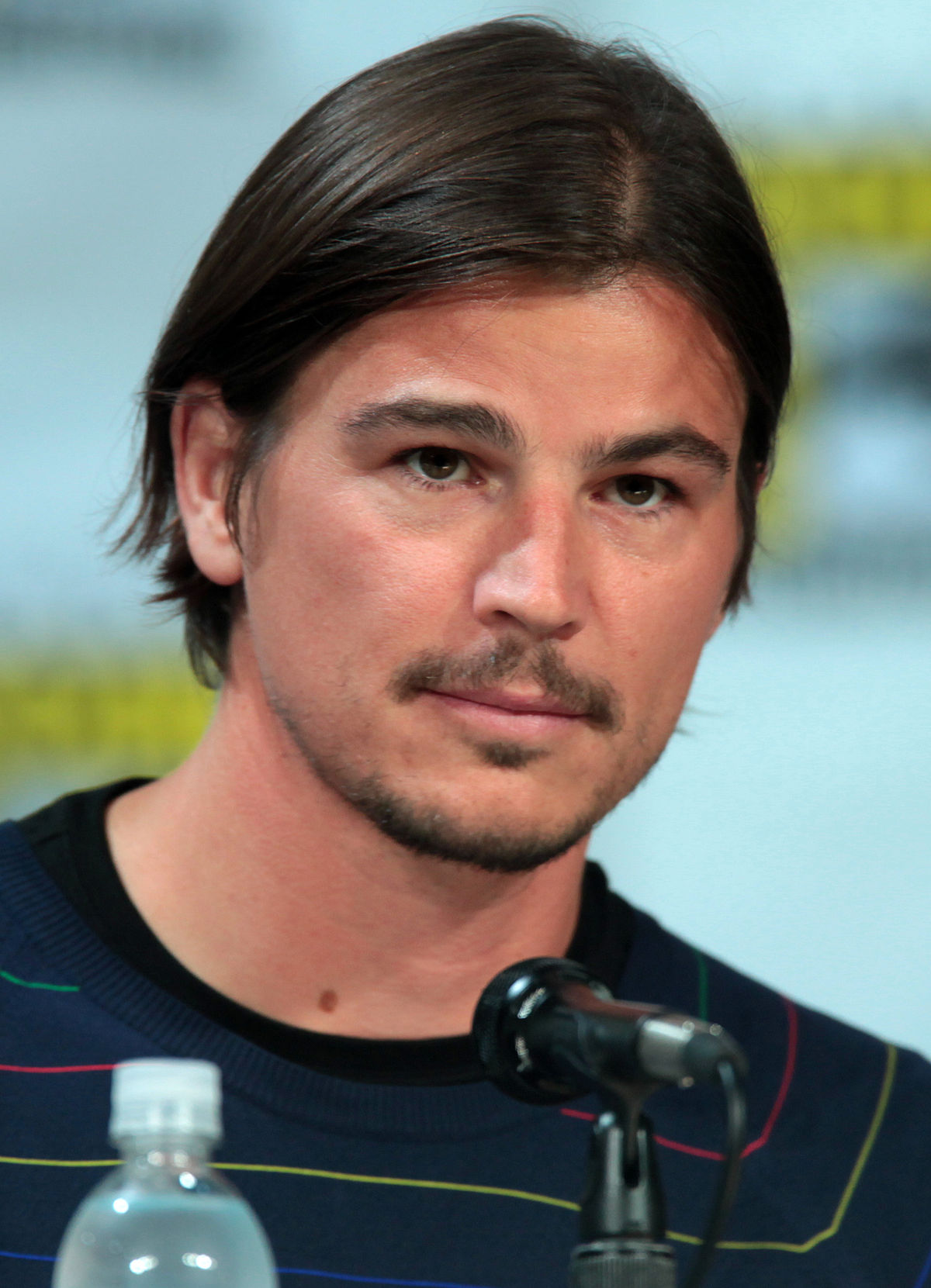
13. **Josh Hartnett in Batman Begins**In the early 2000s, Josh Hartnett was a prominent young star, gaining acclaim in films like “Pearl Harbor” and “Black Hawk Down.” He met with director Christopher Nolan to discuss taking on the lead role in the “Batman Begins” reboot. This was a critical juncture, as comic book movies then carried a mixed reputation.
Fearing that a superhero role might typecast him or harm his burgeoning career, Hartnett opted out of consideration for the Caped Crusader. This decision proved to be a major misstep, especially as Christian Bale was subsequently cast, becoming an A-list star, and Nolan established himself as a preeminent director.
Hartnett openly expressed profound regret, feeling the move “hurt his career” and even put him out of favor with Nolan. He famously noted that Nolan not only hired Bale for “The Prestige” but also his then-girlfriend Scarlett Johansson. Though a reconciliation seemingly occurred with a role in Nolan’s “Oppenheimer” much later, the initial choice undeniably steered Hartnett’s career in a dramatically different direction.
Read more about: Hollywood’s Biggest ‘Oops!’: 13 Iconic Roles Actors Famously Turned Down (And Later Regretted)
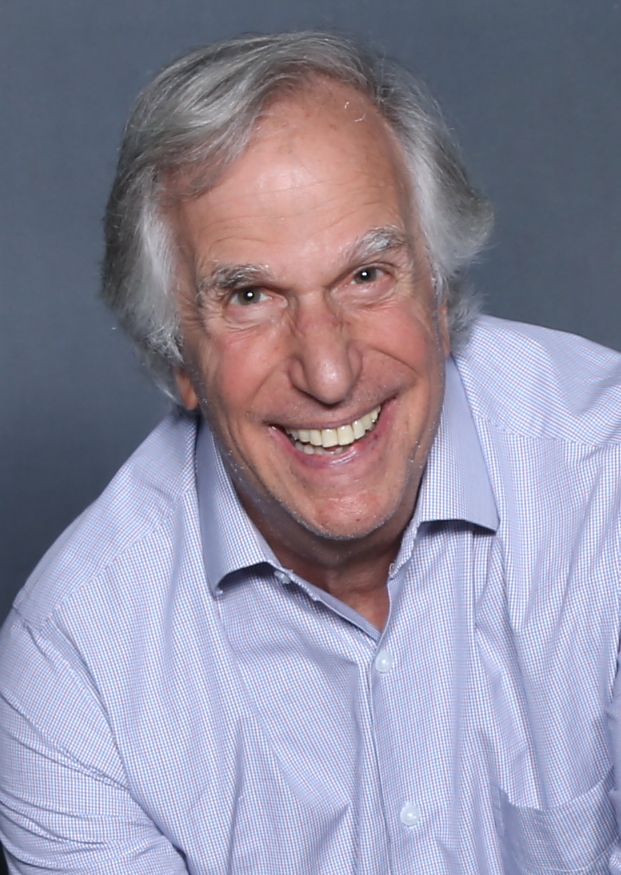
14. **Henry Winkler in Grease**Henry Winkler was the natural, almost inevitable, choice for Danny Zuko in the film adaptation of “Grease.” His portrayal of the iconic leather-jacketed greaser “Fonzie” in “Happy Days” had already made him a television sensation, leading producers directly to his door for the equally charismatic teen rebel.
However, Winkler, acutely aware of the risk of being typecast, made the difficult decision to decline the role. He sought to avoid being permanently associated with the “cool greaser” persona, prioritizing career diversification over immediate, albeit massive, success in a similar part. This opened the door for John Travolta.
Travolta, whose breakout film “Saturday Night Fever” had not yet even been released, secured the role of Danny, and “Grease” propelled him to movie legend status. While Winkler’s successful television career continued, he famously lamented being “stuck on television” during that period. Despite later triumphs like his Emmy-winning role in “Barry,” Winkler remains acutely aware of the vastly different fortunes. “I went home and had an orange juice. John Travolta said yes [to the role], and he went home and bought a plane,” he quipped to Newsweek, perfectly encapsulating the divergence.
**The Enduring Echoes of the Road Not Taken**
Read more about: Still Rocking the Fifties: Catching Up with the Major ‘Happy Days’ Stars Who Are Still With Us
The complex tapestry of Hollywood casting, as these stories vividly illustrate, is a high-stakes gamble where the right fit can launch a phenomenon, and a misstep can alter destiny. From actors driven by principle to those caught in unforeseen scheduling tangles or studio disputes, each replacement narrative unveils the intricate dance between talent, opportunity, and the unpredictable currents of the industry. These cases serve as a compelling collection of “what-ifs,” reminding us that behind every iconic performance lies a story of another actor who almost, but didn’t quite, make it to the marquee. The legacy of these casting decisions isn’t just in the stars they created, but in the echoes of careers forever reshaped, a testament to the profound, sometimes cruel, power of a single role.