The automotive world is currently undergoing a seismic shift, with electric vehicles no longer a niche luxury but rapidly becoming a mainstream necessity. As manufacturers race to meet evolving consumer demands and regulatory pressures, the battleground for market dominance is quickly moving towards affordability. For years, the conversation around EVs has often centered on premium offerings and cutting-edge performance, but the real breakthrough, the ‘holy grail’ as Wedbush analyst Dan Ives puts it, lies in bringing compelling electric mobility to the masses.
This is precisely the strategic inflection point Honda is now aggressively pursuing. Following a strong sales year and the remarkable success of its Prologue EV, the Japanese automaker is making a bold play: an electric vehicle priced under $30,000, destined for American roads as early as 2026. This isn’t just another model launch; it’s a foundational move designed to capture a significant share of the US market, which alone accounts for roughly a third of Honda’s global sales, and to solidify its position in the electrified future.
This ambitious plan, reportedly sourced from Japan’s financial news website Nikkei, signals Honda’s intent to not just catch up, but to lead in the accessible EV segment. It involves significant local investment, a brand-new vehicle series, and innovative engineering solutions to balance cost, performance, and practicality. As we delve into the intricacies of Honda’s strategy, it becomes clear that this sub-$30,000 EV could be one of the most impactful vehicles to emerge in the coming years, challenging established perceptions of electric car ownership and setting a new benchmark for value.
1. **Honda’s Sub-$30K EV Strategy: A Game-Changer on the Horizon**
Honda’s declaration of intent to launch a sub-$30,000 electric vehicle in the US by 2026 represents a pivotal moment in its electrification journey. This strategic move is not merely about adding another model to its lineup; it’s a fundamental shift aimed at addressing one of the biggest hurdles to widespread EV adoption: upfront cost. By targeting a price point competitive with many traditional internal combustion engine (ICE) vehicles, Honda is positioning itself to attract a vast segment of buyers who have, until now, found electric cars financially out of reach.
The ambition behind this entry-level EV extends beyond just a single model. It is envisioned as the cornerstone for Honda’s global expansion in the EV market, an essential component of its ‘0 Series’ lineup. This commitment is particularly significant given the fluctuating landscape of EV incentives, especially with potential changes to federal tax credits in the US. “Achieving price parity with ICE cars will be crucial for demand if Trump axes EV tax credits,” the context notes, highlighting the foresight in Honda’s pricing strategy.
This proactive approach is critical for Honda to gain a larger foothold in the burgeoning EV market. While sales of its first electric SUV, the Prologue, have surged, the brand acknowledges a slow start in the broader EV race compared to some rivals. This sub-$30,000 model is designed to accelerate its market share, proving that Honda is not just committed to electrification, but also to making it accessible, practical, and a viable option for a broader demographic of American consumers.

2. **Local Production in the US: The Ohio Hub as a Strategic Imperative**
A critical element of Honda’s strategy to achieve the sub-$30,000 price point and ensure market competitiveness is localized production. The new electric model will reportedly be built in Ohio, part of Honda’s new EV manufacturing hub in the state. This domestic manufacturing capability serves multiple strategic purposes, primarily centered around cost reduction and mitigating external economic pressures.
Building the EV in the US directly addresses the threat of tariffs. “Building the new EV in the US will ensure it is exempt from steep tariffs President Trump wants to place on imports,” the context clarifies. This foresight positions Honda advantageously against imported vehicles, especially from brands that may face significant import duties, thereby protecting its competitive pricing and profit margins. It’s a smart move in an increasingly protectionist global trade environment.
Furthermore, local production, starting with the batteries themselves, is a direct pathway to reducing overall manufacturing costs. The battery remains the single most expensive component of an electric vehicle, often comprising around 30 percent of the total production cost. By localizing battery production and vehicle assembly, Honda can streamline supply chains, reduce logistics expenses, and potentially benefit from local incentives or infrastructure. This integrated approach in Ohio is key to delivering an affordable EV without compromising on quality or sustainability.

3. **The Honda 0 Series: A New Electric Vision for the Future**
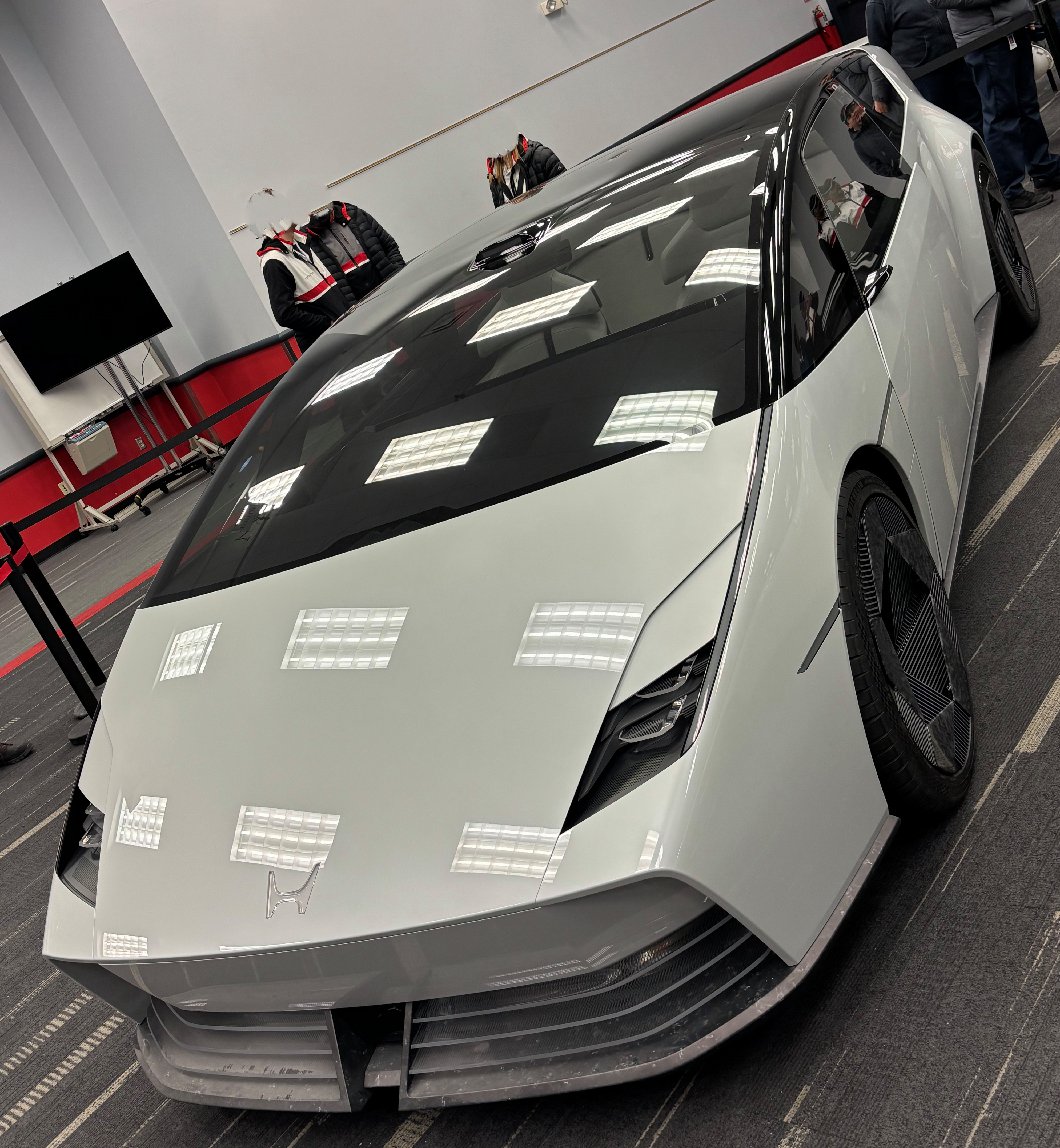
The forthcoming sub-$30,000 EV is not an isolated offering but is destined to be the entry-level model within Honda’s ambitious new ‘0 Series’ lineup. This series, which Honda showcased with futuristic concepts like the ‘0 Saloon’ and ‘0 SUV’ at the Consumer Electronics Show (CES), represents a comprehensive vision for the automaker’s electric future. The ‘0 Series’ name itself symbolizes a fresh start, emphasizing Honda’s commitment to creating new value from ‘zero’.
Underpinning the ‘0 Series’ is a new “Thin, Light, and Wise” development philosophy. While ‘Thin’ refers to “excellent aerodynamic performance,” it also speaks to a broader design ethos focused on efficiency and intelligent integration. These vehicles are engineered from the ground up to be aerodynamically optimized, maximizing range and performance despite smaller battery capacities. The concepts presented at CES offer a glimpse into this design language, promising sleek, modern aesthetics combined with practical utility.
The entire ‘0 Series’ lineup is set to launch by 2030, with the sub-$30,000 EV being one of seven new models. The first ‘0 Series’ models, an SUV and a sedan expected to cost between $50-60k, will enter production later this year, with their showroom debut by 2026. This structured rollout indicates a carefully orchestrated strategy to saturate various segments of the EV market, with the affordable entry-level model playing a crucial role in volume sales and market penetration. It’s a comprehensive approach to an electrified future.
Car Model Information: 2024 Kia Telluride SX Prestige X-Pro
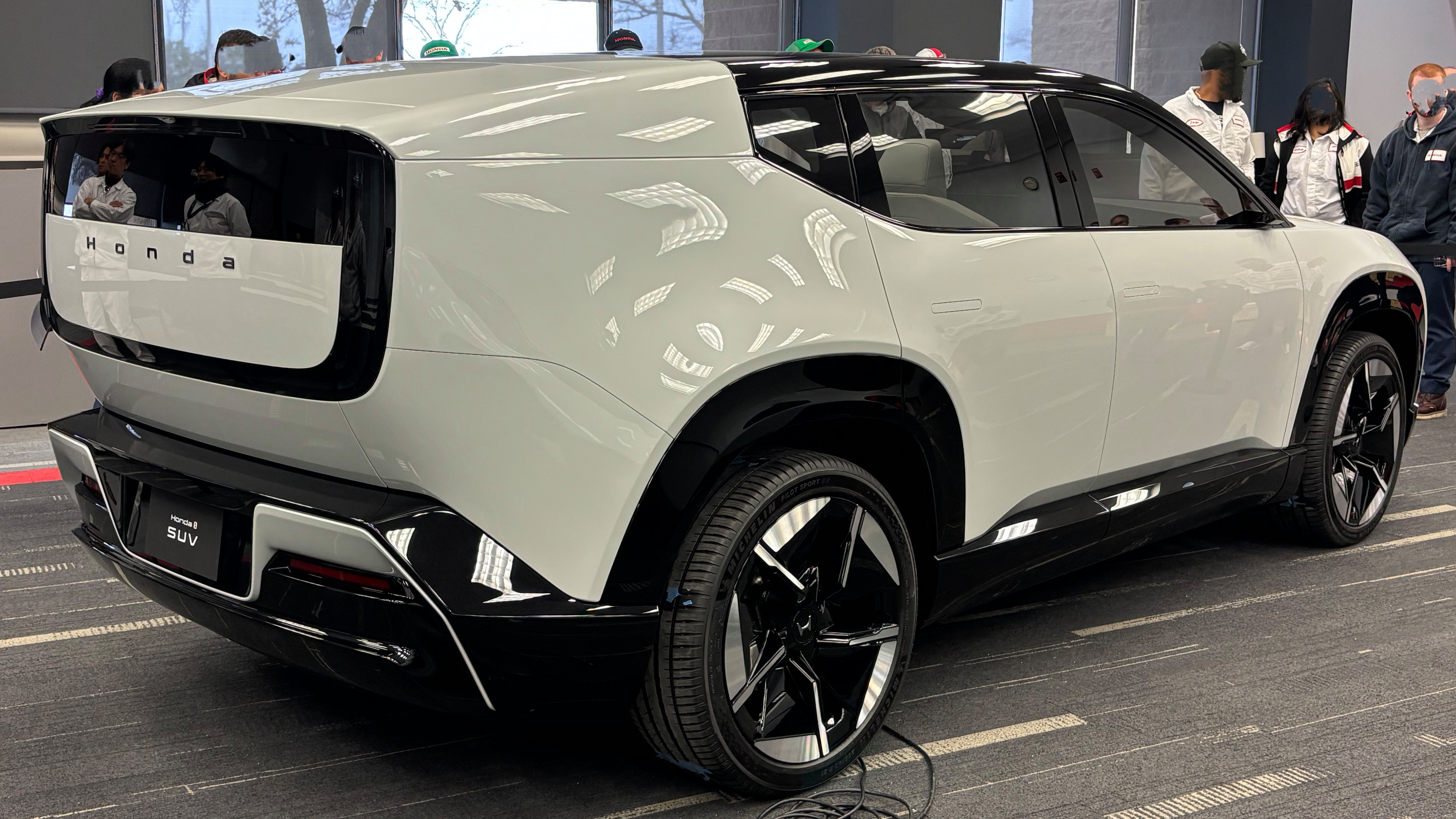
Name: Honda 0 SUV
Type: SUV
Manufacturer: Honda
Production: 2026 (to commence)
Engine: Electric Motor
Doors: 5
Alt: Honda 0 SUV at Marysville Auto Plant (Marysville, Ohio)
Caption: Honda 0 SUV at Marysville Auto Plant (Marysville, Ohio)
Categories: Articles with short description, Electric car models, Honda concept vehicles, Short description is different from Wikidata, Short description matches Wikidata
Summary: The Honda 0 SUV is an upcoming electric vehicle prototype unveiled by Honda at the Consumer Electronics Show (CES), as part of the Honda 0 Series in 2025. This mid-size SUV is part of Honda’s 0 Series, which also includes the Honda 0 Saloon, with both models expected to be released starting in 2026.
Get more information about: Honda 0 SUV
Buying a high-performing used car >>>
Brand: Honda Model: 0 Series
Price: $41,500 Mileage: 25,564 mi.
Read more about: The 11 Worst Depreciating Sedans: What Resale Charts Reveal for Savvy Investors
4. **Overcoming Range and Cost Challenges: The Battery/Weight Conundrum**
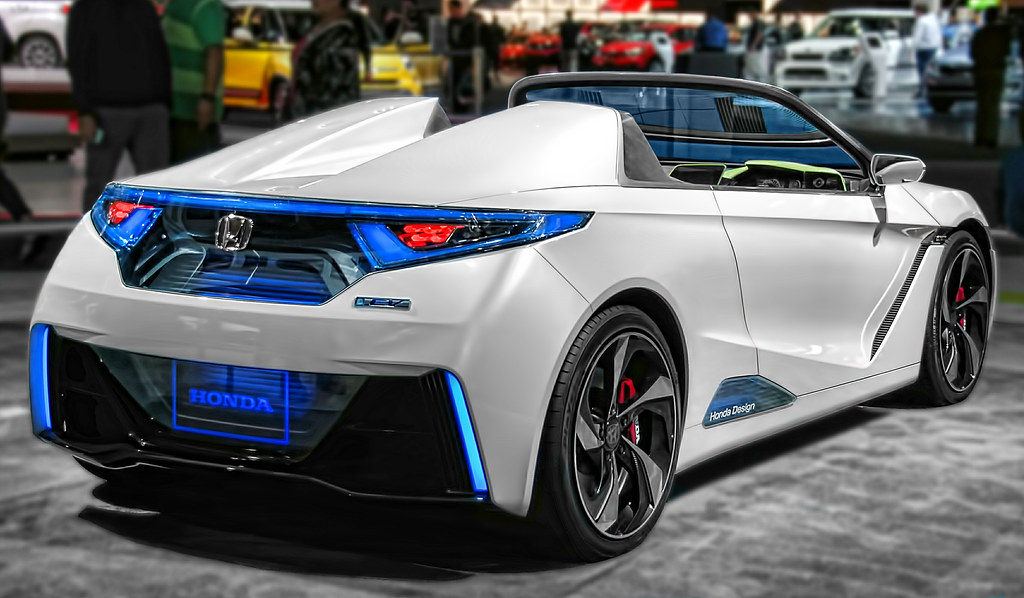
The primary challenge in delivering a sub-$30,000 EV lies in balancing battery cost with practical range, a conundrum Honda is addressing through intelligent engineering. The context explicitly states, “Achieving that low price point will reportedly come down to limiting the size of the battery, which is the most expensive part of an electric car and makes up around 30 percent of the production cost.” This pragmatic approach acknowledges the economic realities of EV manufacturing.
However, simply limiting battery size without careful design can lead to crippling range anxiety, as seen with the Honda e sold outside the US, which could only manage 140 miles (225 km) on a charge. To circumvent this, Honda engineers will intensely “focus on cutting overall weight.” A lighter vehicle requires less energy to move, thus effectively extending the usable range from a smaller, more affordable battery pack. This meticulous attention to lightweight materials and construction is a hallmark of performance-oriented automotive engineering.
This strategy aligns with Honda’s “Thin, Light, and Wise” philosophy for the 0 Series, where ‘Light’ directly contributes to efficiency. The goal is to offer a “sufficient range while minimizing the battery capacity,” providing a balance that makes the vehicle practical for daily commuting and urban use without an exorbitant price tag. It’s a clever engineering solution to a fundamental economic problem, aiming to redefine expectations for what an affordable EV can deliver in terms of usability.
5. **Leveraging GM Technology: The Prologue’s Blueprint for Success**
The Honda Prologue EV has been an undeniable success, significantly boosting Honda’s sales figures and establishing a credible presence in the electric SUV market. This success is not coincidental; the Prologue is “built around GM Ultium hardware and twinned with the Chevy Equinox EV.” This collaboration provides a valuable blueprint for Honda’s future affordable EV efforts, particularly in terms of leveraging established platforms and supply chains.
Given the triumph of the Prologue, it is highly plausible that Honda could base its upcoming baby EV on existing or next-generation GM technology. The context points to a specific possibility: “it’s possible that Honda could base its baby EV on the next Chevrolet Bolt.” The previous Bolt, while discontinued, was a sub-$30,000 EV that found considerable success, and Chevy is launching an all-new model this year also expected to cost less than $30,000. This synergy could allow Honda to tap into proven architecture and economies of scale.
Such a partnership would not only accelerate development and reduce costs for Honda but also enhance its competitive position. The ability to utilize platforms like GM’s Ultium or even a next-generation Bolt platform means Honda can focus its R&D efforts on other aspects, such as unique features, design, and market-specific tuning, rather than starting from scratch on fundamental EV architecture. This strategic collaboration is a testament to the increasingly interconnected nature of the automotive industry in the pursuit of mass-market electrification.
Car Model Information: 2024 Kia Telluride SX Prestige X-Pro
Name: Honda Prologue
Manufacturer: General Motors
Production: January 2024 – present
ModelYears: 2024–present
Assembly: Ramos Arizpe, Coahuila
Class: Mid-size crossover SUV
BodyStyle: SUV
Layout: unbulleted list
Platform: GM BEV3
Related: unbulleted list
Motor: Permanent magnet synchronous AC,Induction AC
Battery: Ultium,lithium-ion
Transmission: Single-speed reduction gear
ElectricRange: unbulleted list
Abbr: on
Charging: unbulleted list
Wheelbase: 121.8 in
Length: 192.0 in
Width: 78.3 in
Height: 64.7 in
Sp: us
Powerout: Single motor: {{convert,218,hp,kW,abbr=on
Categories: 2020s cars, All-wheel-drive vehicles, All Wikipedia articles written in American English, Articles with short description, Cars introduced in 2022
Summary: The Honda Prologue is a battery electric mid-size crossover SUV jointly developed by Honda and General Motors that is marketed in North America. Announced in October 2022 with sales starting in March 2024, it is Honda’s first major electric vehicle following a number of low volume battery electric vehicles previously sold by Honda in North America, including the Honda Clarity, Honda Fit, and the experimental Honda EV Plus. Based heavily on the Chevrolet Blazer EV, the Prologue is comparable in size with the ICE-powered Passport.
Get more information about: Honda Prologue
Buying a high-performing used car >>>
Brand: Honda Model: Prologue EV
Price: $41,500 Mileage: 25,564 mi.

6. **The Competitive Landscape: Rivals in the Budget EV Space**
Honda’s foray into the sub-$30,000 EV market is happening within an increasingly crowded and competitive arena. While the aspiration to make EVs affordable is strong, many other major automakers are also eyeing this segment, spurred by the need to capture market share and respond to the aggressive pricing of Chinese brands. “Other automakers allegedly planning EVs at that price point include Tesla and Ford, who are both concerned about the threat posed by Chinese brands,” the context highlights, underscoring the global nature of this race.
Tesla, a pioneer in the EV space, is a key competitor. Its ‘Model 2’ or ‘affordable model,’ often rumored to be a stripped-down Model Y variant, is anticipated to start between $25,000 and $30,000. “For Tesla to go mass-market, they have to have a cheaper car,” states Wedbush analyst Dan Ives, recognizing this segment as “the holy grail.” Ford is also focused on developing smaller, lower-cost EV models, signaling a broader industry shift towards accessible electrification.
Beyond these giants, GM is set to ship a sub-$30,000 Chevrolet Equinox electric SUV by fall, and the next-gen Chevy Bolt is making a comeback at a similar price point. European manufacturers like Volkswagen have already announced the sub-25,000 euro ID.2 model for the European market, while startups like Fisker plan to launch their $29,900 PEAR crossover. This intense competition means Honda’s entry will need to be compelling, well-featured, and impeccably executed to stand out in a rapidly expanding field of budget-friendly electric options.” , “_words_section1”: “1947
Read more about: The Top 10 Most Reliable Used Pickup Trucks Under $30,000: A Consumer’s Guide for 2024
7. **Crossover Body Style: The American Imperative**
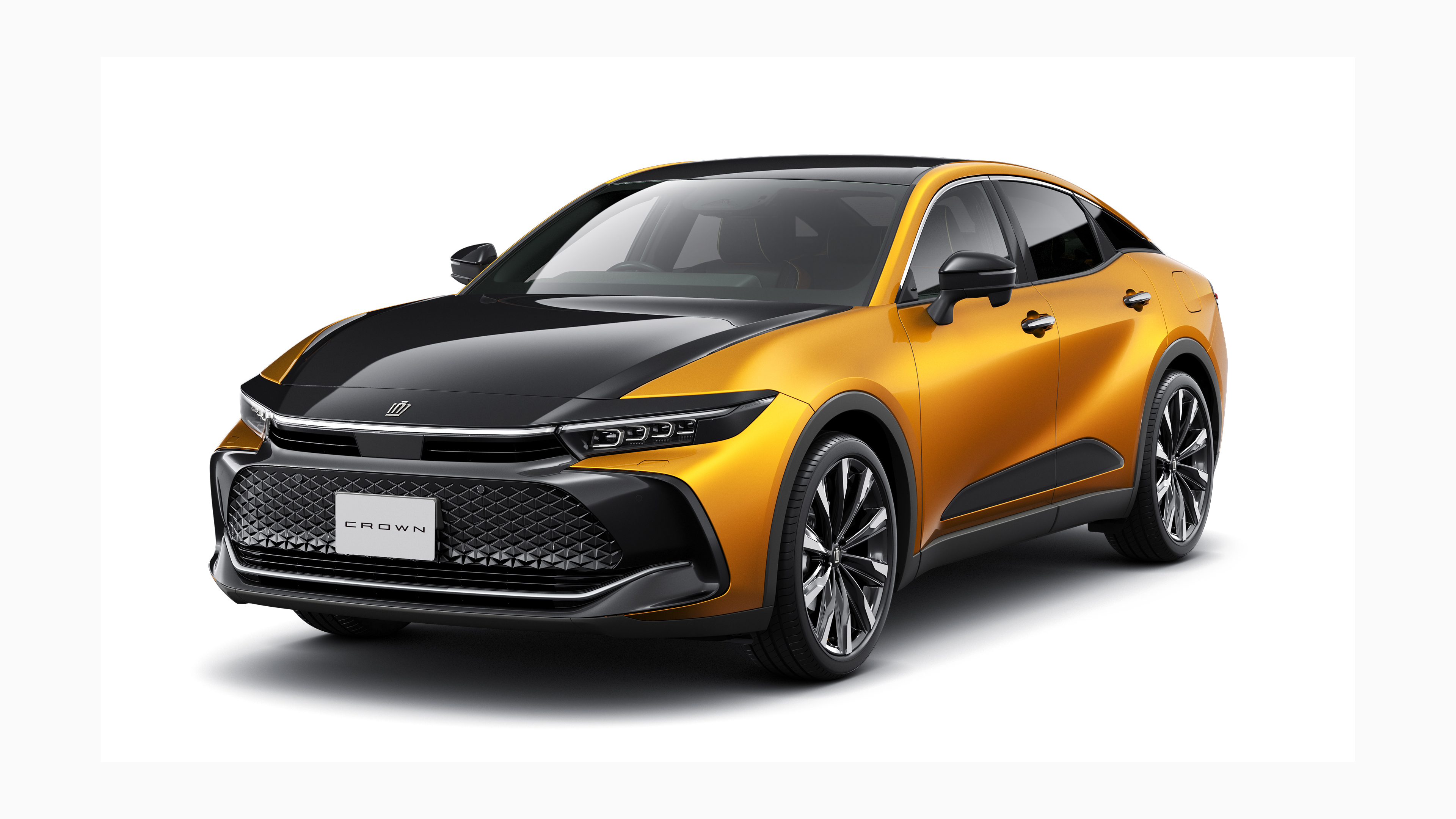
As Honda meticulously crafts its sub-$30,000 EV for the discerning American market, one feature stands paramount: its body style. The U.S. automotive landscape has unequivocally declared its preference, shifting dramatically away from sedans towards the versatility and commanding presence of crossovers and trucks. This is not merely a fleeting trend but a deeply ingrained consumer habit, evidenced by 2024 sales figures where “the Tesla Model 3 was the only sedan among the top 10 best-selling EVs,” with the rest “dominated by crossovers and trucks.” For Honda’s entry-level EV to truly resonate, it must embody this preference, leveraging the inherent appeal of a crossover form factor.
While Honda’s innovative “Thin, Light, and Wise” development philosophy for its 0 Series EVs rightly emphasizes “excellent aerodynamic performance”—a crucial factor for efficiency and range in a budget-conscious EV—this aerodynamic sleekness must not come at the expense of utility or perceived ruggedness. American buyers equate crossovers with practicality, higher driving positions, and greater cargo flexibility, attributes that often trump pure aero efficiency in their purchasing decisions. The challenge for Honda’s designers will be to strike a delicate balance, achieving streamlined aerodynamics without sacrificing the robust and chunky design language that defines successful crossovers in this market. This isn’t just about aesthetics; it’s about meeting fundamental consumer expectations for space, versatility, and capability in an everyday vehicle.
The historical success of gasoline-powered crossovers like the Honda CR-V and Toyota RAV4, consistently among the best-selling SUVs in the U.S., provides a clear roadmap. These models, selling for as low as “$27,500 for the RAV4” and “just under $30,000 for the larger CRV” in their ICE variants, demonstrate that the market values this blend of utility and affordability. While “the PEAR’s expected 177-inch length” might suggest a smaller footprint, the new Honda EV should lean towards the proportions that make its gas-powered counterparts so popular, offering a competitive and familiar silhouette.
Without a compelling crossover form factor that projects both practicality and a sense of adventure, even the most competitively priced EV risks being overlooked by the majority of American families. Honda has an opportunity here to directly challenge rivals like the forthcoming Chevrolet Equinox EV and potentially even a compact Tesla “Model 2” hatchback by delivering a vehicle that seamlessly integrates EV technology with the body style consumers already demand and trust for their diverse daily needs. This strategic alignment is critical for market penetration and long-term success.
Read more about: Beyond the Hype: 14 Notorious Electric Car Failures, Battery Blunders, and Range Misses That Hindered EV Adoption
8. **250 Miles Of Range: Dispelling Range Anxiety**
Perhaps no single specification looms larger in the minds of prospective EV buyers than range, and for Honda’s sub-$30,000 offering, a “sufficient range” is not just desirable but imperative for widespread adoption. While the ‘0 Series’ development philosophy wisely prioritizes “minimizing the battery capacity” to keep costs down—given the battery’s significant contribution to overall vehicle price, often “around 30 percent of the production cost”—the line between cost-effectiveness and usability must be carefully drawn. To be truly competitive in the U.S. market by its projected 2026 launch, Honda’s entry-level EV “is imperative that it offers at least 250 miles of range in the EPA test cycle.” This figure is quickly becoming the benchmark for mass-market acceptance.
The rationale behind this benchmark is rooted in practicality and consumer confidence. For many American households, an entry-level EV might serve as an ideal second vehicle for daily commutes or city driving. However, the omnipresent “concern of range anxiety” remains a significant barrier for drivers considering a switch from familiar gasoline cars like the Honda HR-V. A 250-mile EPA rating provides a crucial psychological buffer, assuring drivers that the vehicle can comfortably handle most daily tasks, unexpected detours, and even occasional longer trips without constant worry about finding a charging station. This is particularly crucial in regions where “limited charging infrastructure” is still a reality, making a robust range a non-negotiable feature for peace of mind.
Looking at the current market, this 250-mile threshold is already seen as a baseline for acceptable performance in more affordable EVs. The now-discontinued Chevrolet Bolt, for example, offered similar range figures, which contributed to its popularity as a budget-friendly option. Similarly, the “existing $28,000 Nissan Leaf and cars like Hyundai’s Kona that sell in the mid-$30,000-range now” often hover around or exceed this figure. Honda’s unfortunate experience with the “Honda e sold outside of the US,” which “could only manage 140 miles (225 km) on a charge,” serves as a stark reminder of what happens when range falls significantly short of expectations, severely limiting market appeal.
Even with advanced “Thin, Light, and Wise” engineering focusing on cutting overall weight to maximize efficiency from a smaller battery, falling significantly below this range could put Honda at a disadvantage against rivals. As S&PGlobal Mobility’s Stephanie Brinley notes, “consumers are unlikely to accept less than that.” Therefore, achieving at least 250 miles of EPA-rated range is not just a target; it’s a critical component of market viability and consumer acceptance for this pivotal new model, providing the necessary assurance for drivers making the transition to electric mobility.
9. **Wireless Apple CarPlay & Android Auto: Seamless Integration**
In today’s hyper-connected automotive world, the infotainment experience can be as crucial as driving dynamics for many buyers, and for Honda’s upcoming entry-level EV, offering “Wireless Apple CarPlay and Android Auto” is not just a convenience, but an absolute necessity for seamless user integration. While Honda is developing its advanced ‘ASIMO OS’ as the core software platform for its 0 Series EVs, the ubiquity of smartphone integration means that familiar, reliable mirroring services are non-negotiable for the mass market. The ability to easily connect one’s personal device, carrying all their preferred apps and settings, transforms a car’s interior into a personalized hub.
The power of these systems lies in their ability to make any vehicle feel immediately familiar and user-friendly, regardless of the underlying native operating system. For drivers “switching from other models,” especially those transitioning from traditional internal combustion engine vehicles, the ability to instantly connect their smartphone wirelessly for navigation, music, and communication significantly lowers the learning curve and enhances the overall ownership experience. It provides a sense of continuity and comfort, mitigating any apprehension associated with adopting a new electric vehicle platform. As the context notes, these “two ubiquitous features will help the car stay familiar to drivers,” bridging the gap between their digital lives and their driving experience.
Furthermore, given the increasingly competitive landscape where rivals like the forthcoming Chevrolet Bolt and other budget EVs are almost certainly going to offer similar advanced connectivity, omitting wireless CarPlay and Android Auto would represent a significant competitive disadvantage. Modern drivers expect these functionalities as standard, perceiving their absence as a clear sign of cost-cutting or outdated technology. Honda’s ‘ASIMO OS’ may promise innovation, but the market demands established, user-centric solutions that simply work.
Honda should therefore consider these features not just as optional extras, but as fundamental components of its “entry-level electric car,” potentially as standard equipment or at least readily available options, to ensure its vehicle remains highly attractive and relatable to a broad spectrum of American consumers. Beyond just mirroring, the inclusion of “over-the-air (OTA) updates” will further ensure the system remains current and functional, enhancing long-term value and keeping the vehicle’s tech suite fresh against rapid industry advancements. This comprehensive approach to connectivity is vital for appealing to a tech-savvy generation of buyers.
Car Model Information: 2024 Kia Telluride SX Prestige X-Pro
Name: Honda 0 Saloon
Caption: Honda 0 Series Saloon at Honda Marysville Auto Plant (Marysville, Ohio)
Type: Saloon, electric vehicle
Manufacturer: Honda
Production: Est 2026
BodyStyle: Saloon
Engine: Electric Motor
Doors: 5
ElectricRange: Est. 300 miles
Categories: Articles with short description, Electric car models, Honda concept vehicles, Short description is different from Wikidata, Short description matches Wikidata
Summary: The Honda 0 Saloon is a concept electric vehicle developed by Honda, introduced as part of the Honda 0 Series at the 2025 Consumer Electronics Show. It is expected to enter production in 2026, initially launching in North America, followed by other global markets.
Get more information about: Honda 0 Saloon
Buying a high-performing used car >>>
Brand: Honda Model: 0 Series EV
Price: $41,500 Mileage: 25,564 mi.
10. **150-200 kW DC Fast Charging: Efficiency in Every Stop**
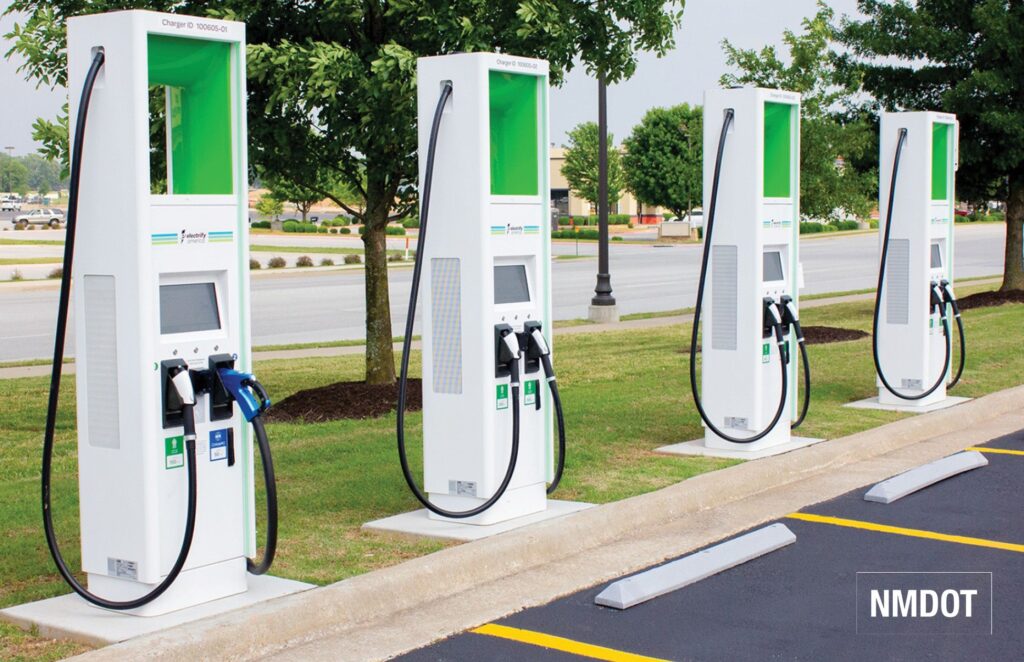
For an EV designed to be a practical, everyday vehicle, efficient charging is almost as important as its range, especially when considering longer journeys. Honda’s stated goal for its 0 Series EVs to achieve “fast-charging 15% to 80% in about 10-15 minutes” sets a high bar for charging speed, showcasing impressive engineering ambition for its higher-tier models. However, for the more budget-focused entry-level model, which inherently prioritizes affordability, it “is unclear whether the entry-level model… will offer this capability.” Regardless of whether it matches the flagship 0 Series models, a robust DC fast-charging capability is non-negotiable for consumer satisfaction and market competitiveness.
Therefore, “Honda engineers should design the EV to have 150-200 kW of DC fast-charging capability.” This power level strikes an optimal balance between cost-effectiveness—as higher charging rates often demand more complex and expensive battery thermal management systems—and practical utility for a vehicle with a “smaller battery capacity.” With such a specification, the “entry-level Honda EV would take about 25 minutes to go from 20% to 80% SoC.” This is a highly respectable charging time, particularly during “long-distance travel,” minimizing downtime and improving overall convenience. This speed means less time tethered to a charger, making road trips far more viable for budget EV owners.
The importance of this capability cannot be overstated. A car might have a decent range, but if it takes hours to recoup a substantial charge at a public fast charger, it negates much of the practicality. Buyers are increasingly discerning about charging speeds, recognizing that quicker turnarounds mean less disruption to their schedules. Comparative models in the budget EV segment may offer varying speeds, but positioning Honda’s offering with this 150-200 kW standard would make it highly competitive and desirable, especially as charging infrastructure continues to expand and improve.
Moreover, adequate home charging infrastructure is equally vital for daily usability. For regular charging, an “11 kW AC wallbox should fully recharge the battery overnight,” ensuring the vehicle is always “ready for daily use.” This combination of accessible overnight Level 2 charging and reasonably quick DC fast-charging provides a comprehensive solution for diverse driver needs. It assures potential buyers that while the battery may be smaller to meet the sub-$30,000 price point, the charging experience won’t be a compromise, making the vehicle a truly practical alternative to gasoline cars for all aspects of daily life, from city commutes to occasional road trips.
Car Model Information: 2024 Kia Telluride SX Prestige X-Pro
Name: Honda 0 Saloon
Caption: Honda 0 Series Saloon at Honda Marysville Auto Plant (Marysville, Ohio)
Type: Saloon, electric vehicle
Manufacturer: Honda
Production: Est 2026
BodyStyle: Saloon
Engine: Electric Motor
Doors: 5
ElectricRange: Est. 300 miles
Categories: Articles with short description, Electric car models, Honda concept vehicles, Short description is different from Wikidata, Short description matches Wikidata
Summary: The Honda 0 Saloon is a concept electric vehicle developed by Honda, introduced as part of the Honda 0 Series at the 2025 Consumer Electronics Show. It is expected to enter production in 2026, initially launching in North America, followed by other global markets.
Get more information about: Honda 0 Saloon
Buying a high-performing used car >>>
Brand: Honda Model: 0 Series EVs
Price: $41,500 Mileage: 25,564 mi.

11. **200 hp with Optional AWD: Performance and Practicality**
Achieving a sub-$30,000 price point for an EV typically necessitates some strategic compromises, and in terms of powertrain, “Honda would have to plan the entry-level EV with a single-motor front-wheel drive configuration.” This is a standard approach to keeping manufacturing costs and complexity at bay. However, even within these cost constraints, performance cannot be neglected. American drivers expect their vehicles to be capable of confident highway merging and sustained cruising speeds without feeling underpowered. Therefore, it is anticipated that “the basic EX trim level [should] generate at least 200 hp,” providing “the required usability on the highways.” This ensures that affordability doesn’t translate into a sluggish or uninspiring driving experience, which would be a significant deterrent for many buyers in a market accustomed to robust gasoline engine performance.
Crucially, while front-wheel drive (FWD) might be the standard to keep initial costs down and maximize efficiency, offering “optional all-wheel drive (AWD) would make Honda’s affordable EV more appealing, especially in snowbelt states and regions with rough terrain.” This is where Honda can carve out a significant competitive differentiator. Many budget EVs currently on the market, such as the Hyundai Kona EV and Nissan Leaf, are exclusively FWD, which severely limits their appeal and practicality in challenging weather conditions or for drivers who regularly encounter varied road surfaces. The context specifically notes that “Many Bolt EUV owners have criticized the lack of AWD, as it limits traction in winter,” highlighting a key unmet need in the affordable EV segment that Honda can strategically address.
Introducing a “dual-motor AWD option with around 250 hp” would not only address this crucial practical concern but also significantly elevate the vehicle’s perceived value and driving dynamics. Such a configuration would vastly “improve stability, acceleration, and confidence in slippery conditions,” making Honda’s entry-level EV a far more versatile and attractive proposition for a broader demographic. This enhanced performance and capability would allow it to compete more effectively against not just other budget EVs, but also against entry-level gasoline-powered crossovers that often offer AWD as an option.
This strategic offering would firmly position Honda’s budget EV as a practical, capable, and desirable choice, distinguishing it from competitors and further cementing its potential for widespread success across various U.S. climates and terrains. It speaks directly to the performance-oriented analysis critical for enthusiasts, demonstrating that Honda is not just building a cheap EV, but a well-engineered one that respects driver needs and expectations for robust capability, even at an accessible price point. The ability to handle varied conditions with confidence is a strong selling point that resonates deeply with practical buyers.
Car Model Information: 2024 Honda Prologue Touring
Name: Honda EV Plus (ZA1)
Manufacturer: Honda
Production: 1997–1999,about 300 produced
Assembly: Mooka, Tochigi
Successor: Honda Insight
Class: Subcompact car
BodyStyle: hatchback
Motor: brushless DC
Battery: 28.7 kWh, 288 V (12 V×24) NiMH
Range: convert
Charging: Avcon
Length: 159.3 in
Abbr: on
Width: 68.9 in
Height: 64.2 in
Wheelbase: 99.6 in
Weight: 3590 lb
Related: Honda Logo
Categories: Articles with short description, Commons category link is on Wikidata, Electric vehicles introduced in the 20th century, Honda vehicles, Production electric cars
Summary: The Honda EV Plus was an experimental electric vehicle which was the first battery electric vehicle from a major automaker that did not use lead–acid batteries. Roughly 340 EV Plus models were produced and released. Production of the EV Plus was discontinued in 1999 after Honda announced the release of its first hybrid electric vehicle, the Honda Insight.
The EV Plus served to test advanced battery chemistry in an electric car and also met California Air Resources Board requirements for zero-emission vehicles, like the General Motors EV1. It also tested the pancake-style motor, electronic control unit, power control unit and the Nickel–metal hydride battery (NiMH) later used in Honda hybrids and developed further in the first Honda FCX Fuel Cell Vehicles, which were rebuilt from returned (decommissioned) EV Plus chassis.
Get more information about: Honda EV Plus
Buying a high-performing used car >>>
Brand: Honda Model: EV
Price: $27,999 Mileage: 18,192 mi.

12. **Heat Pump: The Cold-Weather Imperative**
No feature is arguably more critical for an EV’s year-round usability in diverse climates, particularly in colder regions, than a highly efficient “heat pump.” This technology, often overlooked by consumers but profoundly impactful on real-world performance, directly addresses “a major complaint from entry-level EV owners: severe winter range loss.” The operational inefficiency of traditional resistive heaters in EVs, starkly exemplified by the Chevrolet Bolt’s experience, where it “relied on an inefficient resistive heater, causing 25-40% range drops in cold weather,” underscores the absolute necessity of a heat pump in Honda’s new affordable EV if it intends to truly serve the entire North American market.
The contrast in performance is startling and directly impacts consumer satisfaction: a Bolt with a 259-mile EPA range “felt like just 150 miles for many owners in freezing conditions” due to the excessive energy drain required for cabin and battery heating. This dramatic reduction in usable range can render an otherwise practical vehicle frustrating and impractical for many drivers in colder states or Canada, leading to genuine range anxiety in the very conditions where reliability is most paramount. A heat pump, by contrast, operates far more efficiently, using ambient heat and waste heat from the powertrain to warm the cabin and condition the battery, rather than generating heat directly from electricity. This superior efficiency directly translates into significantly better “winter performance and energy efficiency,” preserving vital range when temperatures drop.
Implementing a heat pump as a standard feature, rather than an expensive option, would make Honda’s entry-level EV “more competitive and practical in northern U.S. markets and in Canada.” It demonstrates a deep understanding of the practical realities of EV ownership across North America and a commitment to delivering a vehicle that performs reliably in all seasons, not just fair weather. This critical piece of engineering differentiates a truly usable EV from one that struggles in real-world conditions. It’s a key factor in converting hesitant buyers who may have heard negative anecdotes about EV performance in winter.
Without this crucial technology, even a well-priced EV risks alienating a substantial portion of the market, particularly those who live in climates where winter range degradation is a constant concern. Many modern EVs, including more premium offerings, already include a heat pump as standard, setting a consumer expectation that Honda would do well to meet. For Honda to truly succeed with its sub-$30,000 EV and establish itself as a leader in accessible, practical electrification, the heat pump is not a luxury; it is an absolute must-have that ensures consistent performance and consumer confidence year-round.
Car Model Information: 2023 Chevrolet Bolt EUV FWD Premier
Name: Chevrolet Bolt EV
Caption: 2022 Chevrolet Bolt EV
Manufacturer: General Motors
Production: unbulleted list
ModelYears: unbulleted list
Class: Subcompact car
BodyStyle: hatchback
Layout: Front-engine, front-wheel-drive layout
Predecessor: Chevrolet Spark EV
Categories: 2020s cars, All Wikipedia articles in need of updating, All articles containing potentially dated statements, All articles with unsourced statements, Articles containing potentially dated statements from February 2018
Summary: The Chevrolet Bolt EV (marketed in Europe as Opel Ampera-e) is a battery electric subcompact hatchback manufactured and marketed by General Motors under its Chevrolet brand from late 2016 until late 2023, with a brief hiatus between mid-2021 and early 2022.
The first-generation Bolt was developed and manufactured with LG Corporation. Sales of the 2017 Bolt began in California in December 2016; it was released nationwide and international markets release in 2017. A rebadged European variant was marketed as the Opel Ampera-e in mainland Europe. In 2017, the Bolt was the second-best-selling plug-in car in the United States. It was named the 2017 Motor Trend Car of the Year, the 2017 North American Car of the Year, an Automobile magazine 2017 All Star, and was listed in Time magazine’s Best 25 Inventions of 2016. The Ampera-e was discontinued after 2018. By the end of 2020, GM had sold 112,000 Bolt and Ampera-e cars worldwide. The first-generation Bolt had been subject to at least three recalls due to battery fire risks.
In mid-2023, GM officials said they would discontinue the Bolt; after outcry, they announced plans for a next-generation model, which is expected to be revealed in 2025 for model year 2026.
Get more information about: Chevrolet Bolt
Buying a high-performing used car >>>
Brand: Chevrolet Model: Bolt
Price: $23,888 Mileage: 20,251 mi.
Honda’s journey into the sub-$30,000 EV segment is an ambitious yet critical endeavor. By meticulously integrating these six essential features—a practical crossover body style, a robust 250-mile range, seamless wireless smartphone connectivity, efficient DC fast charging, capable performance with optional AWD, and the indispensable heat pump—Honda isn’t just launching another electric vehicle. It’s engineering a mass-market solution designed to dismantle barriers to EV adoption, delivering not just affordability, but also usability, reliability, and genuine appeal. This strategic blend of thoughtful design and core functionality could truly make Honda’s entry-level EV the watershed moment the industry has been anticipating, solidifying its place as a leader in the electrified future and proving that an accessible EV doesn’t have to mean compromise.