There’s a unique kind of frustration that washes over you when you hit the horn button, expecting that familiar “BEEP!” and instead, you’re met with… silence. Whether you’re trying to politely signal your arrival, alert a fellow driver to a potential hazard, or just express a little road rage (we’ve all been there!), a non-functional car horn can leave you feeling utterly muted and, more importantly, unsafe. It’s an essential safety feature, not just a tool for expressing impatience.
Most of us probably assume a broken horn means, well, the horn itself is simply broken. But like many things in our increasingly complex vehicles, the reality is far more nuanced, and often, a lot weirder than you’d expect. The car horn system, seemingly straightforward, is a delicate dance of electrical components, switches, and connections, all vulnerable to a surprising array of issues. It’s not always a dramatic failure; sometimes, it’s a tiny, overlooked detail that brings the whole show to a halt.
So, if you’ve ever found yourself wondering why your car horn suddenly decided to take a vow of silence, you’ve come to the right place. We’re about to dive deep into the unexpected and sometimes quirky reasons behind a muted honk, exploring not just the obvious culprits but also the subtle mechanical and electrical breakdowns that can leave you speechless on the road. Get ready to uncover the mysteries behind your car’s quietest rebellion!
1. A Blown Fuse Due to Circuit Overload
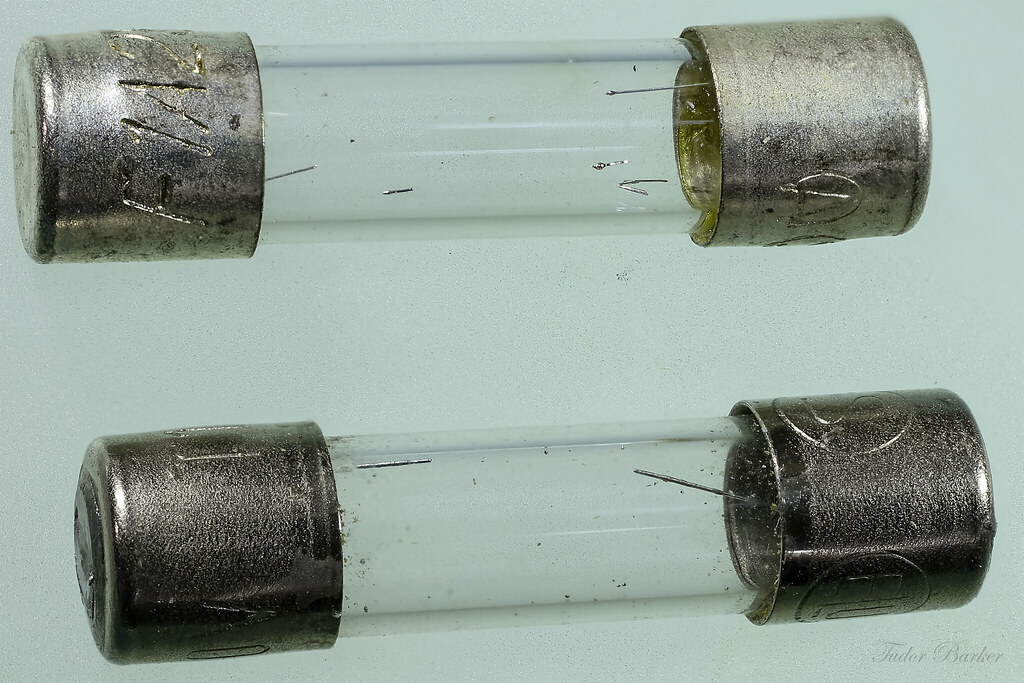
Imagine your car’s electrical system as a vast network of tiny highways, and a fuse is essentially a carefully designed traffic cop for a specific lane. Its job is crucial: to prevent too much electrical current from flowing through a circuit, which could cause significant damage to the components it protects. When that current becomes excessive, often due to an unexpected surge or a component drawing more power than it should, the fuse steps in to save the day.
In the context of your horn, an overload means the horn’s circuit, for whatever reason, temporarily experienced an electrical demand beyond its safe limits. This isn’t always the horn’s fault; sometimes, it can be an external factor causing a momentary spike in current. The fuse, being the dedicated protector it is, will then melt and break the circuit. It’s a rapid, automatic response designed to be a sacrifice.
The beauty of the fuse system is its simplicity and effectiveness. Instead of your horn unit getting fried or your wiring overheating, the inexpensive fuse blows, acting as a “sacrificial lamb” to protect the more valuable parts of your vehicle’s electrical system. This immediate cutoff safeguards the horn and its associated wiring from potentially irreversible damage, turning what could be a costly repair into a quick and cheap fix.
However, it’s vital to replace a blown fuse with one of the *exact* same amperage rating. Using a fuse with a higher rating is like telling that traffic cop to ignore the excessive current; it bypasses the safety mechanism, allowing the overload to damage the actual horn or wiring in the future. Always refer to your owner’s manual for the correct fuse specifications to ensure your horn circuit remains properly protected and functions reliably after replacement.
Read more about: The Car Modifications Dealers Say Can Instantly Void Your Warranty: A Comprehensive Consumer Guide
2. A Blown Fuse from an Electrical Short
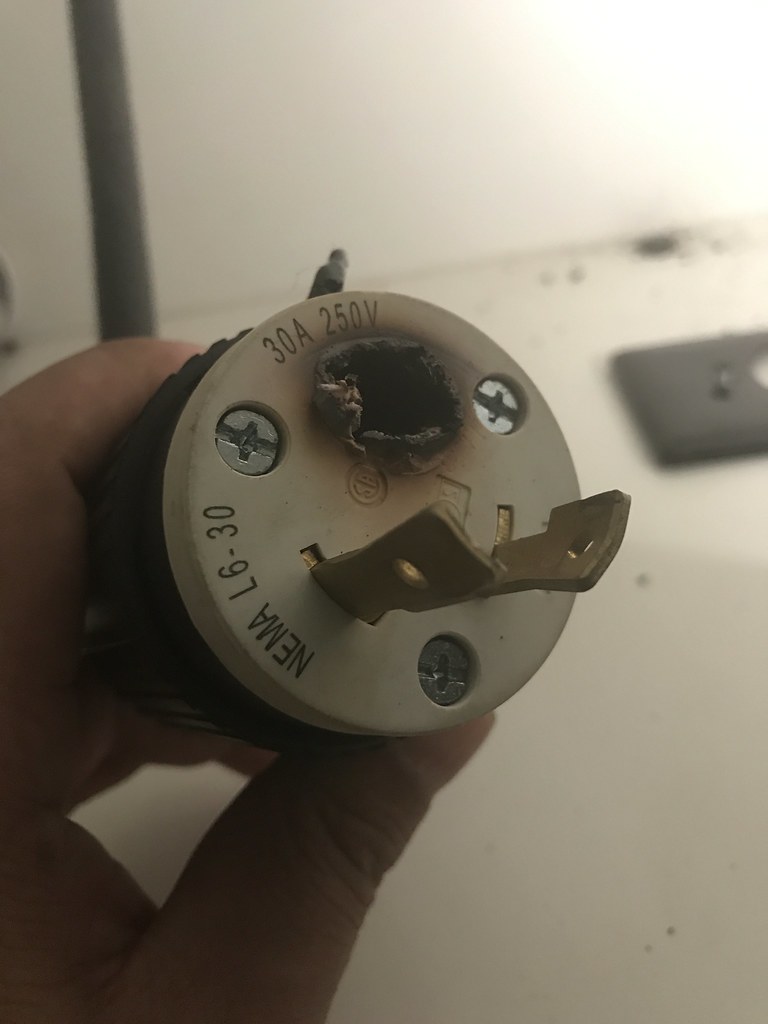
While an overload occurs when too much current tries to pass through a circuit, an electrical short happens when current takes an unintended, low-resistance path. Think of it as water suddenly finding a direct, uncontrolled path around its intended pipe. In a car’s electrical system, this means electricity bypasses its normal circuit and often flows directly to the ground or another conductor, creating an immediate and dangerous surge.
Within the horn system, a short circuit can occur in various places. For instance, if the horn unit itself or its wiring is exposed to moisture or corrosive elements, these external factors can create an unintended path for electricity. A damaged wire where its insulation has worn away and it touches the car’s metal chassis is a classic example of a short, instantly sending a burst of current.
When a short circuit happens, the electrical current spikes dramatically and almost instantaneously. This sudden, uncontrolled flow of electricity is extremely hazardous to the circuit’s components. To prevent fires, severe damage to the horn, or other electrical systems, the fuse is designed to blow immediately. It’s a critical safety mechanism, acting as an emergency shut-off valve to contain the electrical chaos.
If you replace a blown fuse and it immediately blows again the moment you try to use the horn, it’s a strong indicator that you have an active short circuit somewhere in the horn’s wiring or within the horn unit itself. This isn’t just an inconvenience; it’s a sign of a deeper electrical issue that needs professional diagnosis and repair. Ignoring it can lead to repeated fuse failures and potentially more serious electrical problems down the line.
Read more about: Beyond the Showroom Shine: 14 Automotive Design Fails That Rocked the Industry
3. Physical Damage to the Horn Unit from Environmental Exposure
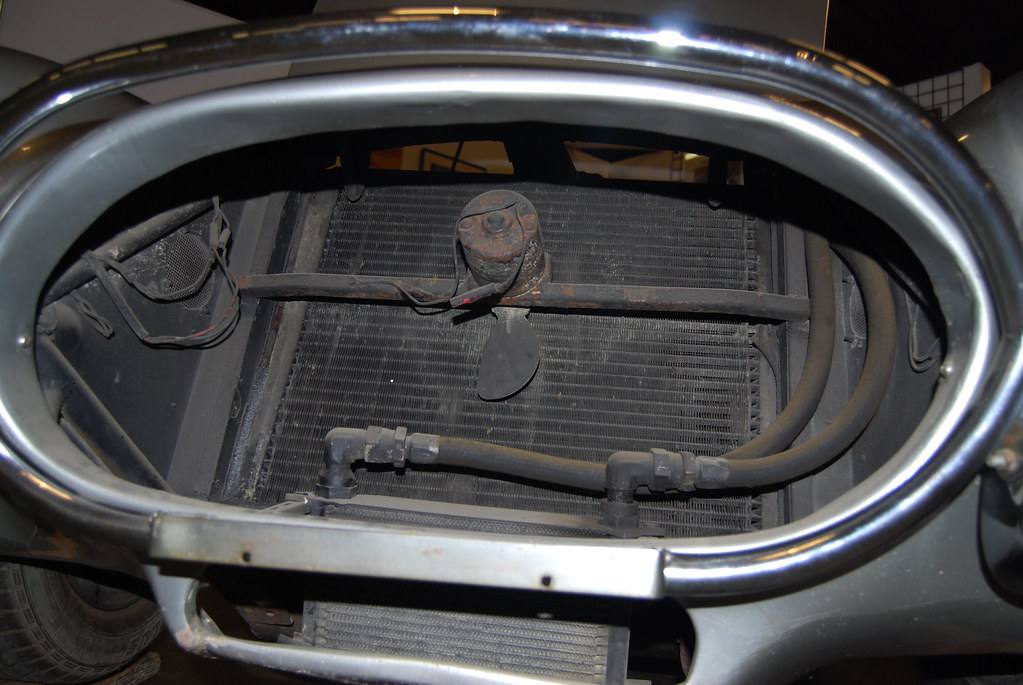
Your car’s horn isn’t tucked away in a pristine, climate-controlled environment. More often than not, it’s mounted near the front of your vehicle, behind the grille or bumper, making it a prime target for whatever the road throws its way. This exposed location means it’s constantly battling the elements and road hazards, which can lead to direct physical damage over time, turning its loud honk into a silent whisper.
Think about the daily abuse your horn withstands: the relentless spray of water from puddles during heavy rain, the corrosive assault of road salt during winter, and the impacts from stones, dirt, and other debris kicked up by your own tires and those around you. These environmental factors aren’t just cosmetic threats; they can directly compromise the physical integrity of the horn casing and its internal components, leading to malfunctions.
Over time, these impacts and corrosive agents can lead to various forms of damage. The horn’s outer casing might crack or warp, allowing moisture and dirt to infiltrate its delicate inner workings. Connectors can become loose or corroded due to water exposure, disrupting the electrical flow. Even subtle physical impacts, like a stone hitting it at high speed, can deform internal parts, preventing the necessary vibrations for sound production.
When the horn suffers such physical trauma or gradual degradation from the environment, it ceases to function as intended. Whether it’s a compromised casing, a bent internal component, or a completely clogged opening, the result is the same: no sound. In these scenarios, the horn unit itself is compromised, and typically, it’s not repairable. A replacement is often the only effective solution to restore its voice.
Read more about: More Than Just Weight: Unpacking ‘Heavy’ for the 500,000-Mile Heavy-Duty Truck Journey

4.Internal Corrosion or Swelling of the Horn’s Disc.
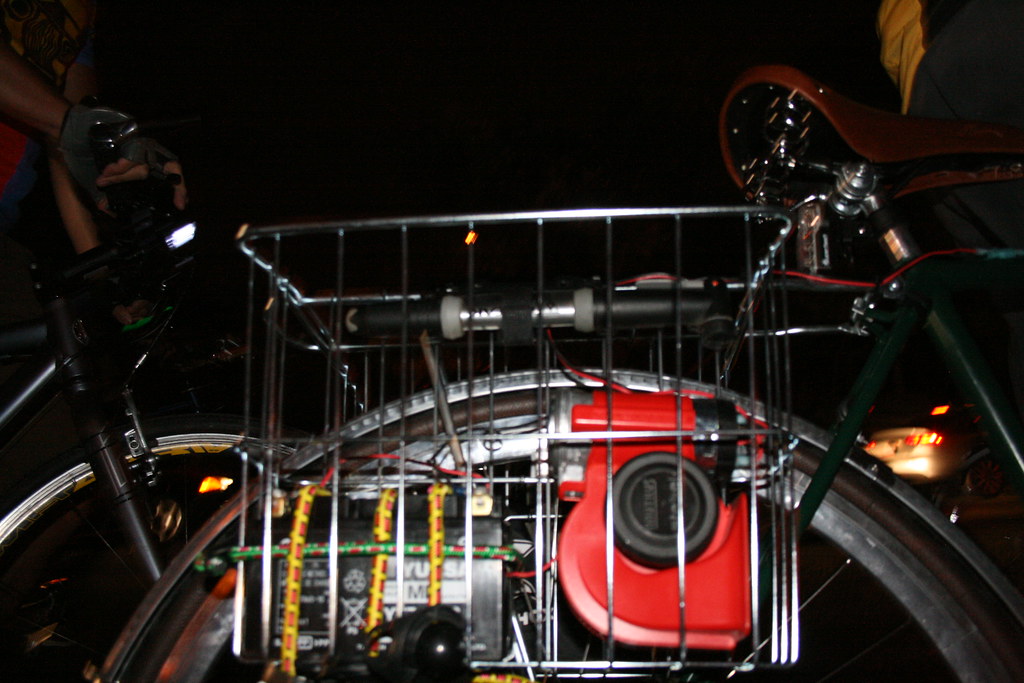
To understand this weird reason, it helps to know how a car horn actually creates that familiar sound. At its core, the horn contains an electromagnet and a metal spring disc. When power flows to the horn, the electromagnet activates, pulling on this disc. This movement momentarily disconnects power to the electromagnet, causing the disc to spring back into place, reconnecting the circuit and re-energizing the electromagnet. This rapid, repeated cycle of pulling and releasing causes the disc to vibrate many times per second, producing the loud tone we recognize.
However, the horn’s design, often featuring a “snail” shape to amplify sound, inherently leaves it open to the environment. This means that despite being somewhat sealed, it’s susceptible to infiltrations from water, road salt, mud, and other contaminants. These unwelcome guests can slowly but surely make their way into the horn’s delicate innards, particularly affecting the vibrating disc and its associated electrical contacts.
Once inside, these corrosive elements begin their destructive work. Road salt and moisture are particularly insidious, causing the metal disc to corrode, rust, and potentially swell. As the disc corrodes, its ability to move freely and vibrate rapidly is severely impaired. The smooth, instantaneous pull and release action necessary for sound production becomes sluggish or completely halted, leading to a weak, intermittent, or entirely silent horn.
When the disc can no longer move freely due to corrosion or swelling, the entire mechanism seizes up. This not only silences the horn but also creates a cascade of other problems, often culminating in the next “weird reason” we’ll discuss. The horn’s intricate internal dance depends entirely on the disc’s unhindered movement, making internal corrosion a surprisingly common and frustrating culprit.
5. Electromagnet Burnout Within the Horn Assembly
Continuing our journey into the horn’s inner workings, the electromagnet is the muscle that drives the vibrating disc, creating the sound. It requires a precise, intermittent flow of power to repeatedly pull and release the disc. But what happens if that delicate cycle gets interrupted, especially if the disc becomes immobile due to issues like corrosion or swelling, as we just discussed? That’s when electromagnet burnout can occur.
If the metal disc inside the horn can no longer move freely – perhaps it’s rusted stuck or physically obstructed – the electromagnet will remain continuously engaged when the horn button is pressed. Instead of rapidly cycling on and off, it stays energized, trying to pull a disc that simply won’t budge. This constant engagement forces the electromagnet to draw a continuous current, leading to a significant buildup of heat.
This sustained overheating is incredibly damaging to the electromagnet’s coil windings. The insulation protecting these fine wires is designed to withstand normal operating temperatures, but continuous high heat will literally burn it off. Once the insulation is compromised, the closely wound wires can touch each other directly, creating a “dead short” within the horn unit itself.
This dead short is a serious electrical fault. It provides an unimpeded path for current, causing a massive surge that will inevitably blow the horn’s fuse. This is why a blown fuse often accompanies a truly “dead” horn unit – the fuse acted as a final protector against a greater electrical catastrophe initiated by the electromagnet’s burnout. Unfortunately, once an electromagnet has burned out in this manner, the horn unit is effectively irreparable and must be replaced entirely.

6. Failure of the Clock Spring’s Internal Wire Coil
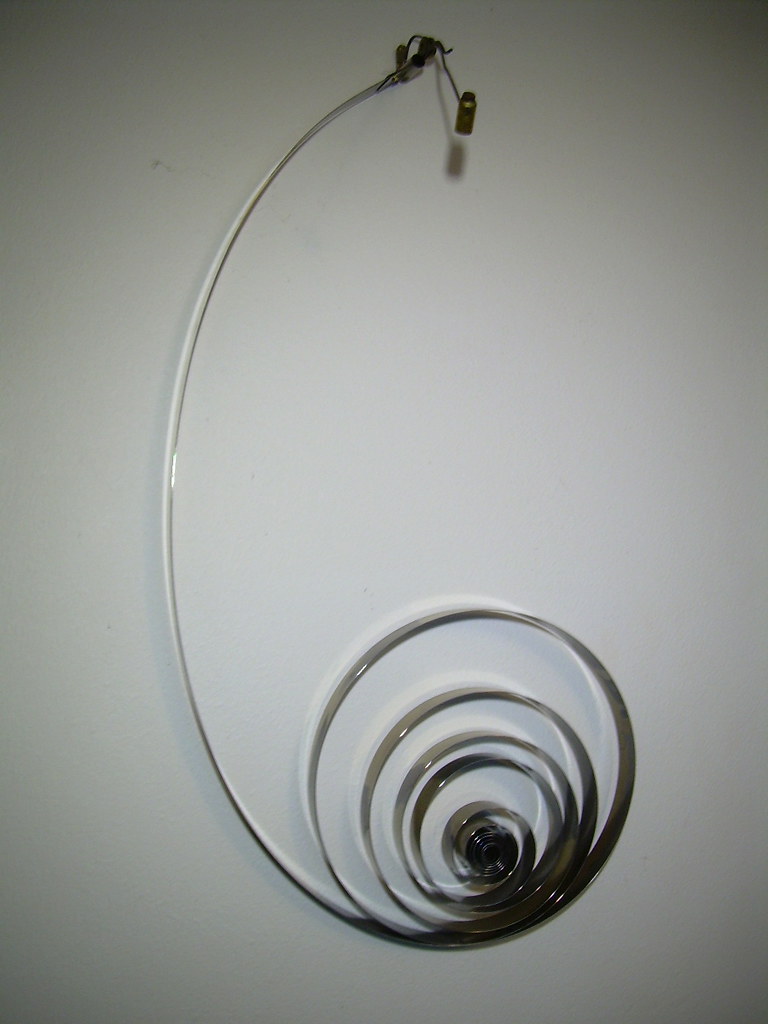
Ever wondered how your horn, along with your airbag and other steering wheel controls, remains connected to the car’s electrical system even as you spin the wheel in countless directions? The unsung hero behind this marvel of engineering is the clock spring, a component so vital yet often overlooked until it fails. It’s essentially a sophisticated “wind-up ribbon cable” containing a series of coiled wires.
These wires are carefully wound into a coil, allowing them to expand and contract as the steering wheel turns. This ingenious design ensures a continuous, solid electrical connection between the moving steering wheel and the stationary components in the steering column and the rest of the car’s electrical system. Without it, the constant twisting would quickly fray and break standard wires, leading to a cascade of electrical failures.
However, like any component with moving parts, the internal wire coil of the clock spring is subject to wear and tear. Over many years of use, the repeated winding and unwinding motions can cause the delicate wires within the ribbon cable to fatigue, crack, or even break. Once these internal wires fail, the electrical pathway for the horn – and often other steering wheel functions – is severed, resulting in a sudden and frustrating silence.
Perhaps the most concerning aspect of a clock spring failure is its direct link to your vehicle’s safety systems. Not only does it interrupt the horn circuit, but the clock spring is also crucially responsible for maintaining the electrical connection to the driver’s side airbag. Therefore, if your clock spring fails, you might not just lose your horn, but you could also see your airbag warning light illuminate on the dash, signaling a potentially serious safety compromise.
7. An Interrupted Electrical Connection from a Worn Clock Spring
Building on the previous point, a faulty clock spring doesn’t always mean a complete internal wire coil failure. Sometimes, the problem manifests as an intermittent or partial interruption of the electrical connection, often due to general wear and tear on the clock spring mechanism itself. This wear can lead to subtle yet frustrating failures that are harder to diagnose than a complete break.
The clock spring is designed to provide a consistent electrical pathway regardless of the steering wheel’s position. However, as the components age and wear, the physical integrity of the ribbon cable can degrade, or the points of contact within the mechanism can become less reliable. This means the connection that once flowed smoothly can become tenuous, fluctuating with the movement of your steering wheel.
A classic symptom of this type of clock spring issue is when your horn works in some steering wheel positions but not in others. You might be able to honk when the wheel is perfectly straight, but turn it slightly left or right, and the horn goes silent. This intermittent functionality is a tell-tale sign that the electrical connection is being made and broken depending on how the clock spring is wound or unwound at that particular moment, indicating internal wear or damage.
Addressing a worn clock spring is crucial not just for your horn’s functionality but, as previously mentioned, also for the operational integrity of your driver’s side airbag. Due to its location within the steering column and its connection to critical safety systems, replacing a clock spring is generally not a DIY job for the average car owner. It often requires specialized tools and knowledge, and working near airbags carries significant safety risks, making professional mechanic intervention highly advisable.
Navigating the complexities of a non-functional car horn can feel like trying to solve a cryptic puzzle, especially when the usual suspects have been ruled out. In this second half of our guide, we’re peeling back another layer of mystery, delving into the less obvious, yet equally frustrating, reasons why your car’s vital voice might go quiet. From the unsung hero of the electrical system to the subtle glitches in modern vehicle architecture, get ready to explore the remaining baffling causes of a muted honk.

8. A Faulty Horn Relay Failing to Engage
The horn relay is an unsung hero in your car’s electrical system, acting as a remote switch for the horn. While the horn button sends a thin, low-current signal, it’s the relay that steps in to handle the heavier electrical load, closing the main circuit to power the horn. This ingenious design prevents high amperage from running through delicate cabin switches.
However, like any component with moving parts, the horn relay isn’t immune to failure. Inside, it contains tiny, fragile parts that operate using heat or electromagnets. Over time, these internal mechanisms can wear out, losing their ability to properly close the circuit. When this happens, the horn’s power supply is interrupted, leading to its sudden silence.
A common tell-tale sign of a failing relay is an audible clicking sound emanating from the fuse box area when you attempt to honk. This click indicates the relay is trying to activate, but its internal contacts aren’t quite making the connection needed to send power to the horn. It’s a frustrating symptom that points directly to the relay itself as the culprit.
Replacing a faulty relay is usually straightforward and inexpensive, often costing between $5 and $10. Found in the engine bay fuse box, you can typically locate it using your vehicle’s diagram and simply pull out the old one to install a new, correctly specified replacement. It’s a quick fix that can restore your horn’s voice in a flash.
Read more about: Beyond the Hype: 14 Notorious Electric Car Failures, Battery Blunders, and Range Misses That Hindered EV Adoption
9. Widespread Wiring Issues Beyond Simple Shorts
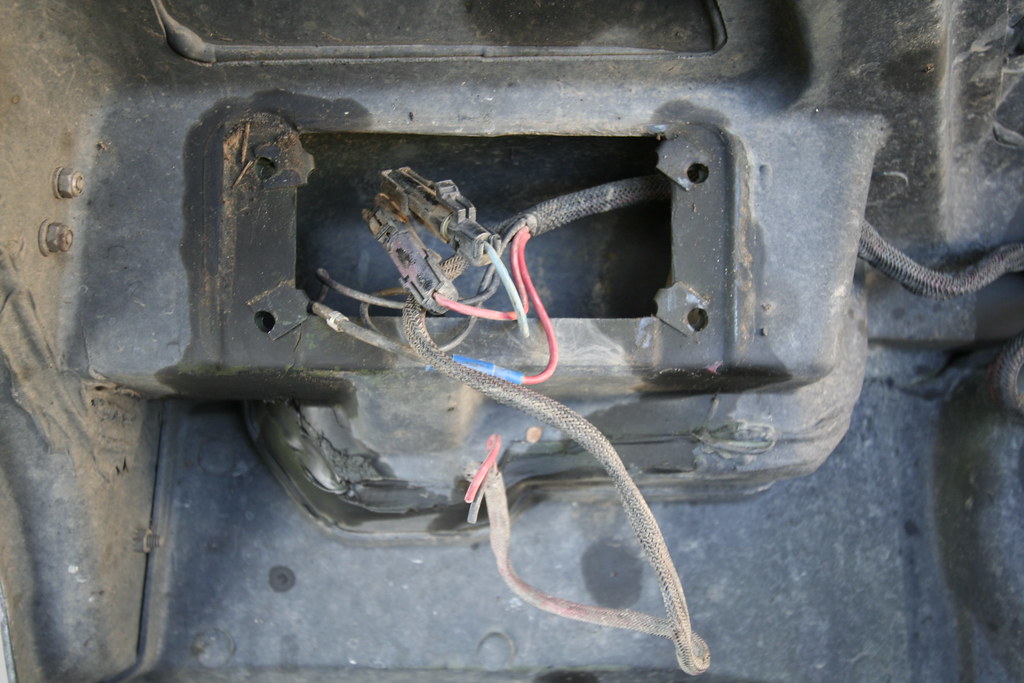
While we’ve touched on electrical shorts causing blown fuses, the broader landscape of wiring issues presents its own unique set of problems. Your horn’s entire journey from the battery to the steering wheel, and then to the horn unit, is a network of electrical wires. Over time, these wires are subject to wear and tear, especially in a car environment.
Years of vibration, heat cycles, and exposure to moisture can cause wires to fray, crack, or even break inside their insulation. Additionally, electrical connections throughout the system can corrode, increasing resistance and hindering the flow of power. Even a connection coming slightly loose can disrupt the circuit and silence your horn.
Inspecting the wiring involves tracing the path from the horn back to the relay and fuse box, looking for obvious signs of damage like cuts or severe corrosion. If you find significant corrosion inside a connector, contact cleaner spray might help, but sometimes the damage runs deeper, requiring sections of wire to be cut out and replaced.
Diagnosing and repairing these broader wiring issues can be one of the more cumbersome causes to address. It often requires meticulous inspection and testing with a multimeter to check for continuity, pinpointing exactly where the electrical pathway has been compromised. Though not as common as a blown fuse, wiring woes can certainly be a baffling reason for a silent honk.
Read more about: Buyer Beware: 15 Vintage Coupes That Rarely Make It Past 120,000 Miles Without Major Overhauls

10. A Bad Horn Switch in the Steering Wheel
The very point of contact between you and your car’s voice – the horn switch – can sometimes be the source of silence. In modern vehicles, this switch is often integrated into the center pad of the steering wheel. When pressed, it closes the horn circuit, sending power to the horn to create that familiar sound.
Despite being protected from external elements, horn switches aren’t indestructible. Drivers, in moments of urgency or frustration, can sometimes press the horn with considerable force. While manufacturers design for durability, these internal button mechanisms can wear out or become damaged over time from repeated forceful engagement.
For older cars with separate, distinct horn buttons (rather than the entire steering wheel center acting as a switch), these individual buttons are also susceptible to wear or internal damage. If the switch fails to make proper contact when pressed, the signal simply won’t reach the rest of the horn system, leaving you speechless.
Due to the horn switch’s close proximity to the driver’s side airbag, troubleshooting or replacing it is often a task best left to professional mechanics. Working around airbags carries significant safety risks, and what might seem like a simple button replacement can quickly become a complex, and potentially dangerous, repair for the average car owner.
Read more about: The 2025 Lemon List: 14 Cars to Avoid That Mechanics Already Dread Seeing

11. A Compromised or Corroded Ground Connection
Electrical circuits rely on a complete loop for power to flow correctly, and a good ground connection is just as vital as the positive power supply. For your car horn, this means having a clean, secure connection to the vehicle’s metal chassis, which acts as the ground. A poor or corroded ground can effectively cut off the horn’s ability to complete its circuit.
Road grime, moisture, and general corrosion are relentless enemies of electrical connections, and the horn’s ground point is no exception. Over time, rust or dirt can build up around the horn’s mounting point or its dedicated ground wire connection, creating resistance that impedes the flow of electricity. This effectively starves the horn of the necessary return path for current.
When the horn attempts to draw power, but the ground connection is weak, the circuit becomes incomplete or highly resistive. This can manifest as a completely silent horn or, in some cases, a faint clicking sound from the horn unit itself. The clicking indicates that the horn is receiving *some* power but not enough to fully vibrate its disc and produce a loud sound.
Diagnosing a poor ground often involves using a multimeter to check the resistance between the horn’s ground terminal and a known good chassis ground point. Cleaning the horn’s ground connection – by unscrewing, scraping away any rust or paint, and reattaching it securely – can sometimes be an immediate and surprisingly simple fix for a silent horn.
Read more about: Beyond the Rattle: Your $5 DIY Guide to Sealing a Rusty Exhaust Pipe Leak Permanently

12. Degraded or Loose Electrical Connectors and Terminals
Beyond the general wear of wires, the specific points where wires connect to components – the electrical connectors and terminals – are prime locations for trouble. These junctions are designed to provide a secure and efficient transfer of power, but they are also vulnerable to a host of environmental and physical stresses.
Road salt, water infiltration, mud, and continuous vibration can cause these terminals to corrode, loosen, or degrade over time. A corroded terminal acts like a bottleneck, restricting the flow of electricity, while a loose connection can intermittently break the circuit depending on bumps or steering wheel movement.
The effect of these compromised connections can range from a completely dead horn to an unreliable, intermittent honk that only works when the stars align, or you hit a specific bump in the road. Even slight wiggling or pulling on wires during other under-the-hood work can inadvertently loosen a critical horn connection, leading to an unexpected silence.
Inspecting these connections requires a keen eye for signs of rust, fraying wires at the terminal crimps, or obvious looseness. Sometimes, simply disconnecting, cleaning with contact cleaner, and firmly reattaching a connector can solve the problem. However, severely corroded or damaged connectors may need to be replaced entirely to restore a reliable electrical pathway.
Read more about: High-Mileage Havoc: The Crippling Electrical & Mechanical Nightmares Haunting Your Sports Car – A Deep Dive into the Ford S197 Mustang

13. Clock Spring Failure Affecting Multiple Steering Wheel Controls and Airbag Safety
While we’ve touched upon the clock spring’s role in connecting the horn, its failure can be a far more complex and alarming issue than just a silent honk. This coiled ribbon cable is the lifeline for *all* electrical signals passing between your steering wheel and the rest of the car, including crucial safety and convenience features.
When the internal wires within the clock spring degrade or break, it doesn’t just cut off power to your horn. It can also interrupt the electrical connections for other vital steering wheel-mounted controls, such as your cruise control settings, radio volume buttons, and even the paddle shifters in some performance vehicles. A non-responsive horn often comes with these other symptoms.
Perhaps most critically, the clock spring is also responsible for maintaining the electrical connection to the driver’s side airbag. A failing clock spring can therefore trigger the airbag warning light on your dashboard, signaling a potentially serious safety compromise. This makes a seemingly minor horn issue a much more urgent and concerning repair.
The interconnectedness of these systems means that if your horn goes silent and you also notice other steering wheel functions acting erratically or your airbag light illuminated, the clock spring is a very strong suspect. Due to the involvement of the airbag, replacing a clock spring is typically a job for a qualified professional, ensuring both horn function and paramount safety.

14. Body Control Module (BCM) or Totally Integrated Power Module (TIPM) Malfunction
In modern vehicles, the humble car horn has evolved beyond a simple direct electrical circuit. Carmakers have integrated sophisticated electronic control units into the system, such as the Body Control Module (BCM) or, in some designs, a Totally Integrated Power Module (TIPM) or Smart Junction Box. This adds a layer of digital complexity to the honking process.
Instead of the horn button directly switching power to the horn, it often acts as an input to the BCM. The BCM then interprets this signal and, depending on the vehicle’s design, either activates an internal relay to power the horn or communicates digitally with another module like the TIPM, instructing it to provide the necessary power.
When these highly integrated electronic modules malfunction, they can completely disrupt the horn’s operation, even if all the traditional components like the fuse, relay, and horn unit itself are in perfect working order. A glitch or failure within the BCM or TIPM can simply prevent the command to honk from ever reaching the horn.
Diagnosing a BCM or TIPM issue is far beyond the scope of a DIY repair. It typically requires specialized diagnostic equipment and software to read fault codes and test the module’s functionality. While less common, a failure in these central control units can be a truly baffling and expensive reason for a car horn that stubbornly refuses to speak.

15. Partial Failure in Vehicles with Multiple Horns
While most cars feature a single horn, some vehicles are equipped with multiple horns, often to produce a richer, more powerful sound (a high note and a low note). This setup introduces a unique scenario where your car’s horn might not be entirely silent but merely diminished or “ofey.”
If you have a multi-horn system and one of the horns fails, you won’t experience complete silence. Instead, the remaining functional horn(s) will continue to produce sound, but it will be noticeably less powerful, perhaps a single tone where there once was a harmonious duet. This can be a particularly weird experience for drivers accustomed to a robust honk.
In some instances of partial failure, you might hear a clicking sound accompanying the weaker honk. This click could indicate that one of the horn units is attempting to function but is internally compromised, or it could point to a relay that’s struggling to activate both horns simultaneously. It’s a subtle symptom that hints at a localized issue within the horn assembly itself.
Diagnosing this requires checking each horn unit individually, often by direct power testing, to identify the specific one that has gone quiet. Replacing the faulty unit will restore the full, intended volume and tone of your car’s horn, bringing back its complete expressive capability on the road.
Read more about: The Mechanic’s Nightmare: 14 Cars They Wish You’d Just Get Rid Of (And Why!)
Navigating the labyrinth of car horn malfunctions can feel like a daunting task, but with a systematic approach and an understanding of these diverse, and sometimes weird, reasons, you’re well on your way to restoring your vehicle’s voice. From the subtle corrosion of a ground connection to the sophisticated digital dance of a Body Control Module, each potential culprit holds a clue. Remember, a functional horn isn’t just about expressing impatience; it’s a critical safety feature that keeps you and others safe on the road. So, armed with this knowledge, go forth and conquer that silent honk – your car (and fellow drivers!) will thank you.