The automotive world isn’t just about horsepower and torque; it’s a fascinating, often brutal, ecosystem where some vehicles defy gravity and soar in value, while others nosedive into the abyss of instant depreciation. We’ve all seen those unicorn cars—the ones that become more than just transportation, evolving into rolling art, cultural icons, or shrewd financial investments. Yet, for every appreciating classic, there’s a multitude of metal that sheds value faster than a drag car on nitrous. Understanding this wild divergence is critical, whether you’re a seasoned collector hunting the next blue-chip asset or a savvy buyer trying to dodge a financial black hole.
This isn’t just about statistics; it’s about the soul of car culture. It’s about what makes a vehicle resonate deeply enough to become a legend, versus what makes it a footnote in automotive history, destined for the bargain bin. Factors like design excellence, engineering prowess, historical importance, and cultural impact are the alchemical ingredients that transform mere machines into coveted assets. Conversely, a cocktail of poor build quality, questionable reliability, unappealing styling, or weak brand perception can condemn a car to a swift and brutal loss of value.
Today, we’re diving deep into this high-stakes game. We’ll explore ten fascinating examples from both sides of the spectrum—five machines that have defied the odds and become appreciating treasures, and five that serve as stark reminders of how quickly a car’s worth can evaporate. Buckle up, because we’re about to dissect the winners and losers in the automotive value lottery, offering crucial insights for anyone who cares about cars, and perhaps more importantly, their money.
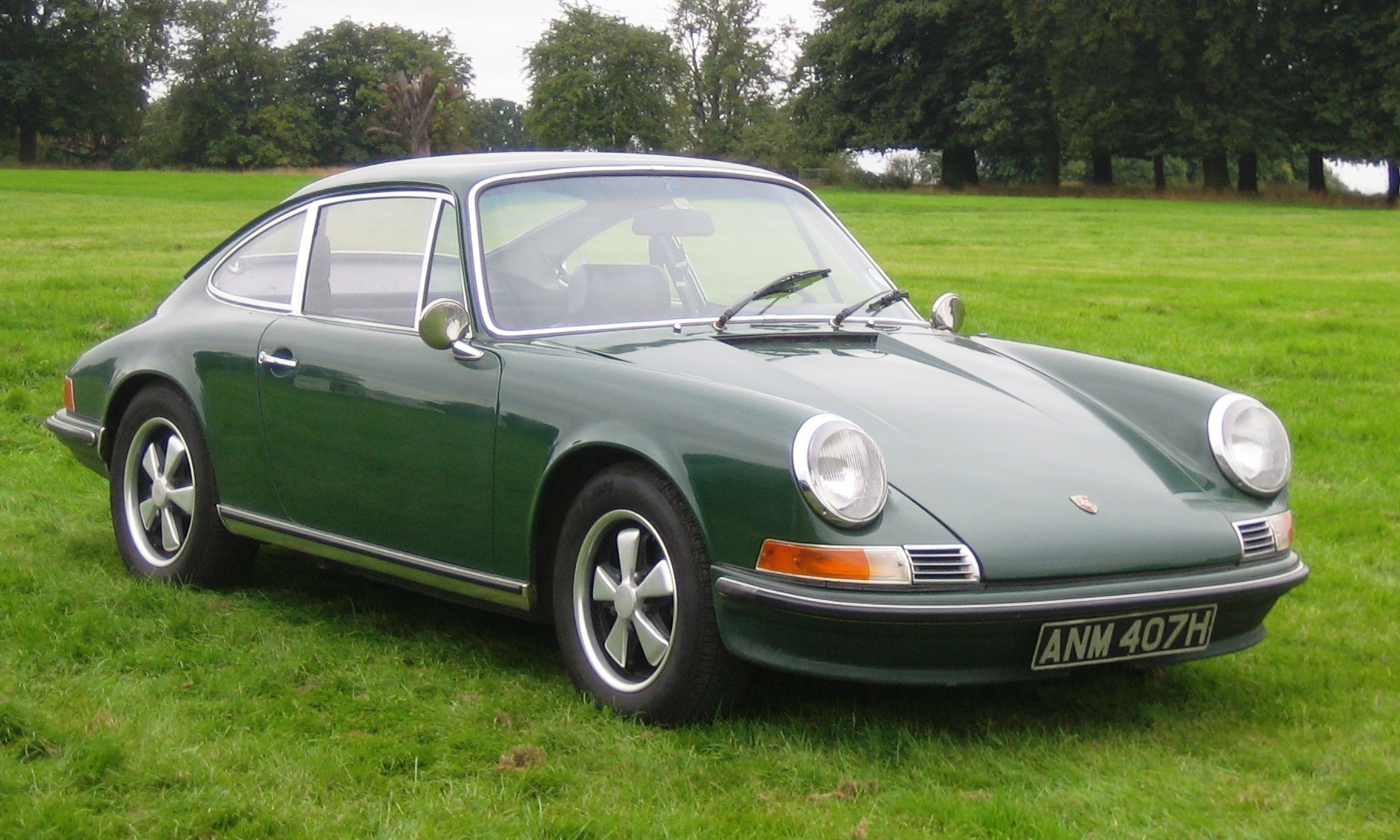
1. **Porsche 911 (Classic Models)**The Porsche 911 is arguably one of the most iconic sports cars in automotive history, a vehicle whose value not only resists depreciation but often appreciates dramatically over time. The 911’s classic air-cooled models, produced from the early 1960s through the late 1980s, embody a unique blend of engineering excellence, racing pedigree, and timeless design that has captivated collectors and enthusiasts for decades. Its rear-engine layout, distinctive silhouette, and minimalist, driver-focused interior have created a character that transcends mere transportation, becoming a symbol of precision and driving purity.
The early Carrera RS 2.7, for instance, is revered not only for its lightweight construction and blistering performance but also for its rarity, with only a few hundred units ever produced, which adds to its mystique and market demand. Porsche’s commitment to evolving the 911 without losing its core identity has cultivated an unbroken lineage that resonates strongly with purists. This delicate balance has allowed the 911 to maintain a loyal fan base and a vibrant collector market, unlike many classic cars that fall victim to outdated technology or styling.
Furthermore, the company’s involvement in motorsport—from Le Mans victories to rally championships—has imbued the 911 with a racing heritage that heightens its allure. For collectors, the 911 is more than just a car; it’s a rolling piece of automotive history. Its design language is instantly recognizable and widely appreciated, ensuring consistent desirability across generations.
Another significant driver of the 911’s appreciation is its build quality and mechanical robustness. These cars were engineered to be both fast and durable, allowing many early models to survive in excellent condition despite decades of use. This durability, combined with the relatively low production numbers of the earlier variants, means that well-preserved examples have become increasingly scarce. When these cars come up for auction or sale, demand frequently outstrips supply, pushing prices upward.
Adding to this, the strong aftermarket support, with numerous specialists capable of restoring and maintaining these cars to factory standards, ensures that the 911 remains accessible to collectors looking for authenticity. This robust ecosystem supports sustained value appreciation and collector confidence. Consequently, classic 911s continue to see robust price increases, with some models appreciating by more than 10% annually, defying the usual depreciation trends that plague most cars.
Car Model Information: 2020 Porsche 911 Carrera
Name: Porsche 911
Caption: The 1 millionth 911 produced on display at Volkswagen Group Forum, Berlin
Designer: Ferdinand Alexander Porsche
Manufacturer: Porsche
Production: September 1964 – present
Assembly: Stuttgart,Baden-Württemberg
Class: Sports car
BodyStyle: unbulleted list
Related: unbulleted list
Layout: Rear-engine design,rear-wheel drive
Predecessor: Porsche 356
Categories: 1970s cars, 1980s cars, 1990s cars, 2+2 coupés, 2000s cars
Summary: The Porsche 911 model series (pronounced Nine Eleven or in German: Neunelf) is a family of German two-door, high performance rear-engine sports cars, introduced in September 1964 by Porsche AG of Stuttgart, Germany, and now in its eighth generation. All 911s have a rear-mounted flat-six engine, and usually 2+2 seating, except for special 2-seater variants. Originally, 911s had air-cooled engines, and torsion bar suspension, but the 911 has been continuously enhanced, and evolved across generations. Though the 911 core concept has remained largely unchanged, water-cooled engines were introduced with the 996 series in 1998, and front and rear suspension have been replaced by Porsche-specific MacPherson suspension up front, and independent multi-link rear suspension.
The 911 has been raced extensively by private and factory teams, in a variety of classes. It is among the most successful competition cars. In the mid-1970s, the naturally aspirated 911 Carrera RSR won world championship races including Targa Florio and the 24 Hours of Daytona. The 911-derived 935 turbo also won the 24 Hours of Le Mans in 1979. Porsche won the World Championship for Makes in 1976, 1977, 1978, and 1979 with 911-derived models.
In a 1999 poll to determine the Car of the Century, the 911 ranked fifth — one of two in the top five that had remained continuously in production (the original Beetle remained in production until 2003). The one millionth example was manufactured in May 2017 and is in the company’s permanent collection.
Get more information about: Porsche 911
Buying a high-performing used car >>>
Brand: Porsche Model: 911
Price: $119,980 Mileage: 8,387 mi.
Read more about: Unlocking Automotive Excellence: Your Expert Guide to 8 Top Used Porsche Models
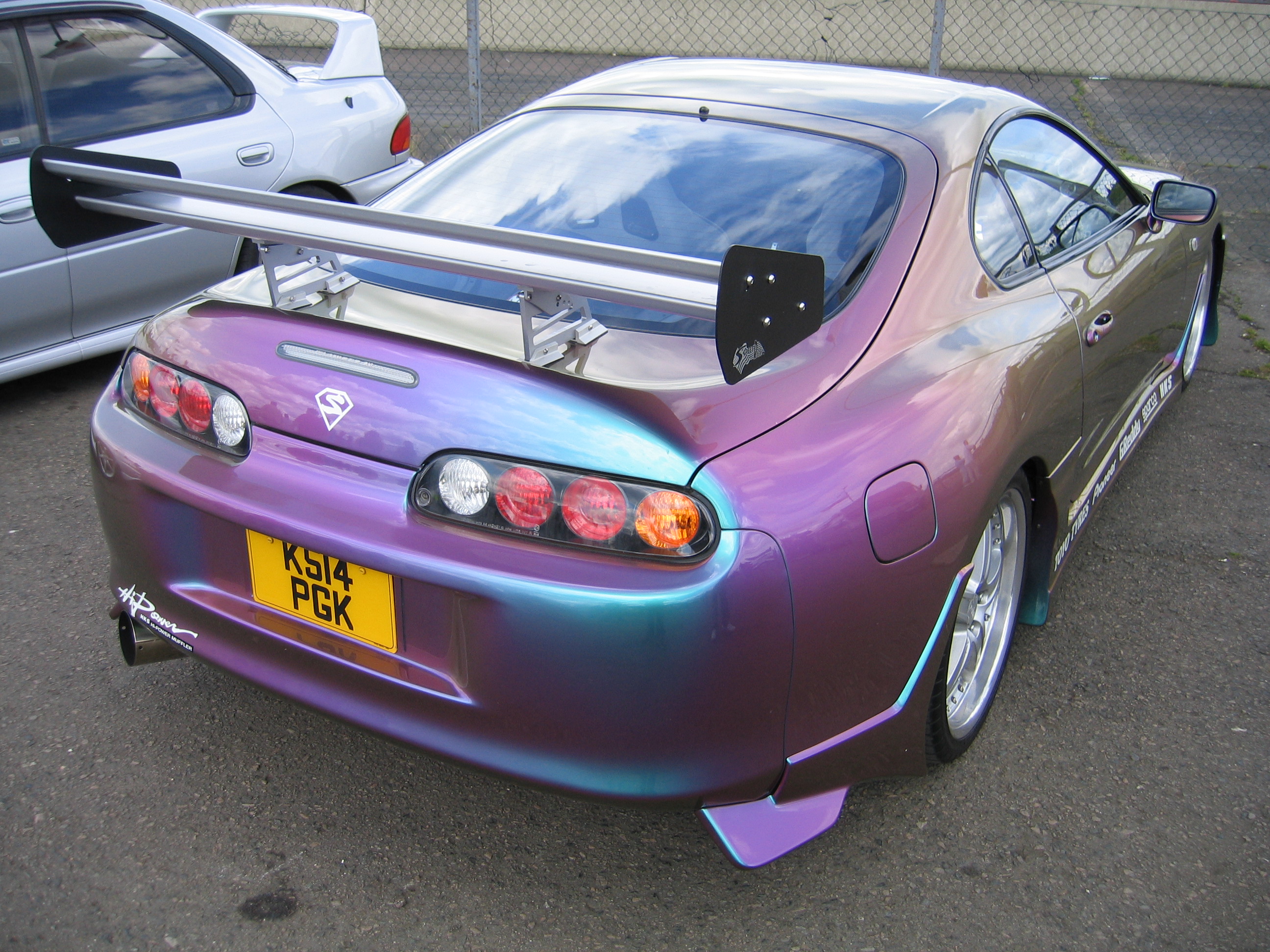
2. **Toyota Supra (Mark IV, 1993–2002)**The Toyota Supra Mark IV, produced from 1993 to 2002, has emerged as one of the most sought-after Japanese sports cars of its era, enjoying a meteoric rise in value and appreciation over the last decade. Its legendary 2JZ-GTE inline-six engine, renowned for its extraordinary strength and tuning potential, has earned it a cult following among car enthusiasts worldwide. The Mark IV Supra was initially celebrated for its blend of reliable engineering, high performance, and a relatively affordable price point.
However, its true legendary status only blossomed with time, as the car’s potential became widely recognized and its scarcity increased. Today, well-maintained and unmodified examples command prices that rival those of some European supercars. A significant factor driving the Supra’s appreciation is its tunability; the 2JZ engine is known for its robustness, capable of handling substantial horsepower increases with basic modifications. This reputation has made the Supra a favorite for aftermarket tuning and motorsports, especially in drag racing and drifting communities.
The car’s presence in popular media—most notably the “Fast & Furious” franchise—helped cement its iconic status, further driving up demand. Enthusiasts see the Mark IV Supra as one of the last great Japanese sports cars that marries factory refinement with extreme performance potential, a combination that is rare in today’s automotive landscape. This cult status has fueled collector interest and a robust market for pristine, original cars.
The Supra’s rarity and condition are key to its appreciating value. Since many Supras were heavily modified, raced, or poorly maintained, clean, low-mileage, and original cars are scarce. Collectors actively seek out these unmodified examples as they represent the true spirit and capability of the model. Furthermore, Toyota’s discontinuation of the Supra nameplate for many years and its relatively low production numbers in certain markets have further limited supply, a scarcity exacerbated by increasing interest from international buyers.
Car Model Information: 2024 Toyota Supra 3.0 Premium
Name: Toyota Supra
Caption: Toyota GR Supra (J29/DB)
Manufacturer: Toyota
Aka: unbulleted list
Production: unbulleted list
Class: Sports car
BodyStyle: fastback,coupé
Layout: Front-engine, rear-wheel-drive layout
Predecessor: Toyota Celica (A20)
Categories: 1980s cars, 1990s cars, 2000s cars, 2010s cars, 2020s cars
Summary: The Toyota Supra (Japanese: トヨタ・スープラ, Hepburn: Toyota Sūpura) is a sports car and grand tourer manufactured and developed by the Toyota Motor Corporation beginning in 1978. The name “supra” is a definition from the Latin prefix, meaning “above”, “to surpass” or “go beyond”.
The initial four generations of the Supra were produced from 1978 to 2002. The fifth generation has been produced since March 2019 and later went on sale in May 2019. The styling of the original Supra was derived from the Toyota Celica, but it was longer. Starting in mid-1986, the A70 Supra became a separate model from the Celica. In turn, Toyota also stopped using the prefix Celica and named the car Supra. Owing to the similarity and past of the Celica’s name, it is frequently mistaken for the Supra, and vice versa. The first, second and third generations of the Supra were assembled at the Tahara plant in Tahara, Aichi, while the fourth generation was assembled at the Motomachi plant in Toyota City. The 5th generation of the Supra is assembled alongside the G29 BMW Z4 in Graz, Austria by Magna Steyr.
The Supra traces much of its roots back to the 2000GT owing to an inline-6 layout. The first three generations were offered with a direct descendant to the Crown’s and 2000GT’s M engine. Interior aspects were also similar, as was the chassis code “A”. Along with this name, Toyota also included its own logo for the Supra. It was derived from the original Celica logo, being blue instead of orange. This logo was used until January 1986, when the A70 Supra was introduced. The new logo was similar in size, with orange writing on a red background, but without the dragon design. That logo, in turn, was on Supras until 1991 when Toyota switched to its current oval company logo. The dragon logo was a Celica logo regardless of what colour it was. It appeared on the first two generations of the Supra because they were officially Toyota Celicas. The dragon logo was used for the Celica line until it was also discontinued.
In 1998, Toyota ceased sales of the fourth-generation Supra in the United States. Production of the fourth-generation Supra for worldwide markets ended in 2002. In January 2019, the fifth-generation Supra, which was co-developed with the G29 BMW Z4, was introduced.
Get more information about: Toyota Supra
Buying a high-performing used car >>>
Brand: Toyota Model: Supra
Price: $66,688 Mileage: 4,663 mi.
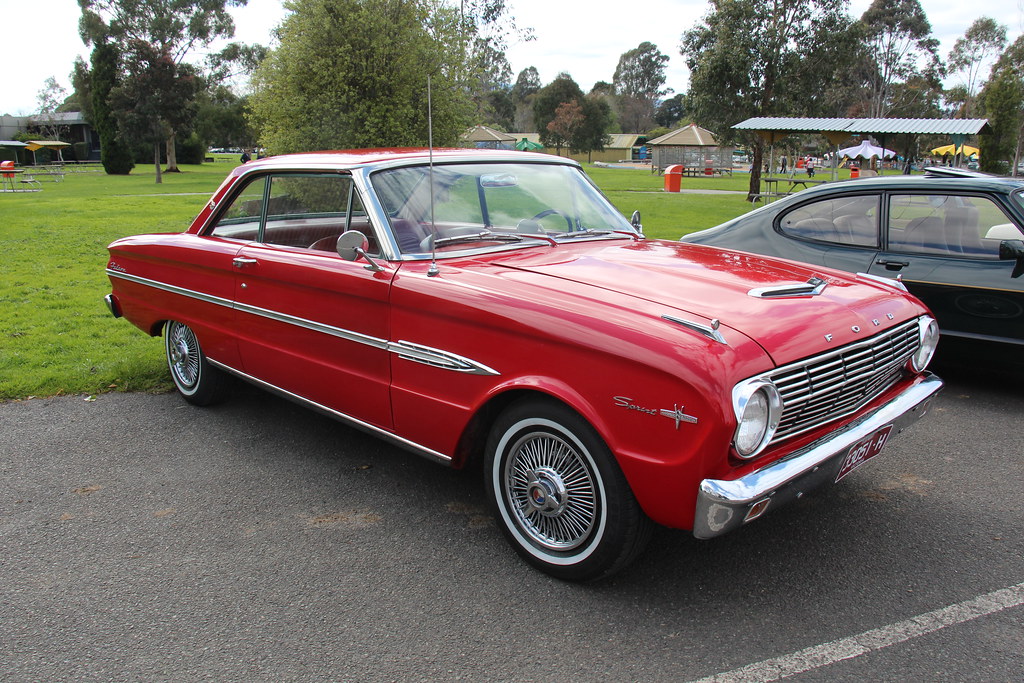
3. **Ford Mustang (1960s Models)**The Ford Mustang of the 1960s is undoubtedly one of the most iconic muscle cars ever produced, representing not only a vehicle but a cultural movement that revolutionized American automotive design and consumer tastes. Introduced in 1964 as a “pony car,” the Mustang combined an affordable price, sporty looks, and powerful performance, quickly capturing the imagination of the public. Early Mustangs, particularly rare variants such as the Shelby GT350 and GT500, have become highly collectible and steadily appreciate due to their profound cultural significance and impressive performance credentials. These cars are more than just transport; they embody the spirit of rebellion, freedom, and the golden age of muscle cars in the United States.
One of the primary reasons 1960s Mustangs are appreciated is their historical importance. The Mustang essentially created a new vehicle segment and sparked a muscle car arms race that defined the automotive industry during that era. Its instantly recognizable design—long hood, short deck, and aggressive stance—became a template emulated by many competitors. Owning a classic Mustang is often seen as owning a piece of Americana, making it deeply appealing to collectors who value both style and history, with the limited production of certain high-performance trims further boosting their market value.
The Mustang’s performance pedigree also contributes significantly to its appreciation. The Shelby Mustangs, developed in collaboration with racing legend Carroll Shelby, introduced high-performance engines, superior handling, and track-ready components that transformed the Mustang into a formidable competitor on both street and track. These performance models are highly sought after by enthusiasts who appreciate their racing heritage and engineering excellence. Even non-Shelby Mustangs with big-block V8s have a loyal following, contributing to a robust collector market that keeps prices strong.
Finally, Ford’s commitment to preserving and celebrating the Mustang’s heritage has helped maintain its relevance and desirability. The Mustang remains in continuous production, and recent retro-inspired models echo the styling cues of the 1960s classics, reinforcing the model’s iconic status. Classic Mustangs are regularly showcased at car shows, auctions, and museums, keeping them in the public eye and strengthening demand. Their blend of affordability, classic styling, and performance makes 1960s Mustangs an accessible entry point into the collector car market, with values steadily increasing as interest in muscle cars remains strong.
Read more about: Death Traps on Wheels: 10 Iconic American Cars Too Dangerous for Today’s Roads
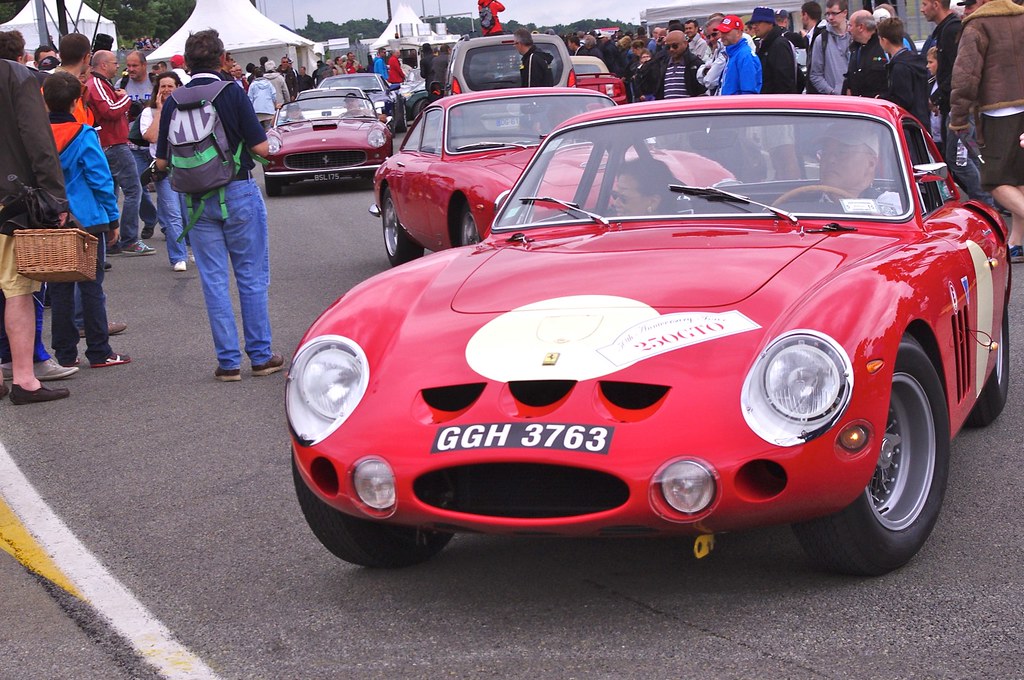
4. **Ferrari 250 GTO (1962–1964)**The Ferrari 250 GTO is widely regarded as the most valuable and collectible car in the world, with individual examples fetching astronomical prices at auctions and private sales. Built in extremely limited numbers—only 36 units were produced between 1962 and 1964—the 250 GTO is a paragon of automotive artistry, performance, and racing heritage. Its design, created by the legendary Sergio Scaglietti, is both elegant and aggressive, balancing aerodynamic efficiency with timeless beauty. The 250 GTO was designed as a homologation special for GT racing and excelled in competition, winning numerous prestigious races and cementing Ferrari’s dominance in the 1960s.
One of the primary reasons for the 250 GTO’s value appreciation is its unmatched rarity. With so few ever made, and even fewer surviving in original or restored condition, each example is effectively irreplaceable. The car’s provenance is meticulously documented, and collectors prize models with racing history or ownership by notable individuals. This exclusivity creates a market dynamic where demand far exceeds supply, driving prices to unprecedented heights. The 250 GTO is not just a car; it’s an artifact of automotive history, a masterpiece that transcends time.
The car’s racing pedigree adds immensely to its desirability. The 250 GTO was built to compete in the FIA’s Group 3 Grand Touring category and quickly established itself as one of the most successful race cars of its era. Victories at the Tour de France, Nürburgring, and other major events elevated the car’s status among racers and collectors alike. This motorsport success, combined with Ferrari’s brand prestige, imbues the 250 GTO with an aura of performance excellence and exclusivity that few other cars can match.
Finally, the 250 GTO’s appreciation has created a self-reinforcing market. Its rarity and legendary status attract ultra-wealthy collectors and investors who view the car as both a passion project and a financial asset. The skyrocketing values have transformed the 250 GTO into the ultimate benchmark for appreciating classic cars, often used as a measure against which other collector cars are compared. The car’s mystique, combined with its stunning aesthetics and racing history, ensures it remains the crown jewel of automotive collecting, commanding respect and admiration across generations.
Car Model Information: 2021 RAM 2500 Big Horn
Name: Ferrari 250 GTO
Caption: 1963 Ferrari 250 GTO (chassis 4153GT)
Manufacturer: Ferrari
Production: 1962–1964,(36 produced)
Designer: Giotto Bizzarrini,Scaglietti
Class: Sports car
BodyStyle: berlinetta
Related: Ferrari 330#330 LMB,Ferrari P#250 LM
Layout: FR layout
Engine: 2,953 cc,Ferrari Colombo engine#250,Overhead camshaft#Single Overhead camshatf,Weber carburetor,Compression ratio
Powerout: 300 PS
Abbr: on
Order: flip @ 5500 rpm
Transmission: Manual transmission
Wheelbase: 2400 mm
Length: 4325 mm
Width: 1600 mm
Height: 1210 mm
Weight: convert
Predecessor: Ferrari 250 GT SWB
Successor: Ferrari 250 LM,Ferrari 288 GTO
Categories: All articles lacking reliable references, All articles needing additional references, All articles with bare URLs for citations, All articles with unsourced statements, Articles lacking reliable references from March 2022
Summary: The Ferrari 250 GTO is a grand tourer produced by Ferrari from 1962 to 1964 for homologation into the FIA’s Group 3 Grand Touring Car category. It was powered by Ferrari’s Tipo 168/62 Colombo V12 engine. The “250” in its name denotes the displacement in cubic centimeters of each of its cylinders; “GTO” stands for Gran Turismo Omologato, Italian for “Grand Touring Homologated”.
Just 36 of the 250 GTOs were manufactured between 1962 and 1964. This includes 33 cars with 1962–63 bodywork (Series I) and three with 1964 (Series II) bodywork similar to the Ferrari 250 LM. Four of the older 1962–1963 (Series I) cars were updated in 1964 with Series II bodies.
When new, the 250 GTO cost $18,000 in the United States, with buyers personally approved by Enzo Ferrari and his dealer for North America, Luigi Chinetti. This model has since become highly desired by automobile collectors and sales have repeatedly set price records. The current record for world’s most expensive Ferrari was set in June 2018 when a 1963 250 GTO (chassis 4153GT) was sold in a private sale for $70 million.
In 2004, Sports Car International placed the 250 GTO eighth on their list of Top Sports Cars of the 1960s, and nominated it the top sports car of all time. Similarly, Motor Trend Classic placed the 250 GTO first on a list of the “Greatest Ferraris of All Time”. Popular Mechanics named it the “Hottest Car of All Time”.
Get more information about: Ferrari 250 GTO
Buying a high-performing used car >>>
Brand: Ferrari Model: 250 GTO
Price: $33,564 Mileage: 45,952 mi.
Read more about: Unleashed Legends: The 14 Most Stylish 60s and 70s Cars That Still Command Respect and Turn Heads Today!

5. **Land Rover Defender (Classic Models)**The Land Rover Defender is a legendary off-road vehicle whose reputation for ruggedness, simplicity, and timeless design has propelled it into classic status, resulting in steadily appreciating values for pre-2016 models. Originally designed as a utilitarian workhorse for farmers, military personnel, and explorers, the Defender’s durable chassis, boxy shape, and functional interior have become symbolic of adventure and resilience. Unlike many modern SUVs that prioritize comfort and technology, the Defender remains beloved for its straightforward mechanical setup and go-anywhere capability. These qualities, coupled with a growing collector community, have driven demand and prices upward.
A significant factor behind the Defender’s appreciation is its unique character and cultural symbolism. The vehicle has been a companion on countless expeditions, humanitarian missions, and military operations around the world, contributing to its legendary status. It represents a lifestyle of exploration and self-reliance, attracting buyers who value authenticity and practicality over luxury. This cultural resonance has fostered a passionate fan base that actively preserves and restores these vehicles, ensuring their survival and desirability in the classic car market.
The Defender’s rarity also plays a key role. Production ceased in 2016 for the traditional Defender models, and the newer generation introduced modern technology and refined design, which alienated some purists. As a result, original Defenders in good condition have become increasingly scarce, especially models with low mileage and original parts. The difficulty of finding well-maintained examples drives prices up, and the vehicle’s reputation for durability means that many surviving Defenders remain operational and desirable.
Finally, the rise of vintage and off-road vehicle collecting has boosted the Defender’s status. Enthusiasts appreciate its mechanical simplicity, ease of modification, and iconic aesthetics. The Defender has become a symbol of rugged elegance, blending functionality with classic style. Its ability to function as both a daily driver and a recreational vehicle broadens its appeal, making it a valuable asset for collectors and adventurers alike. As urbanization increases, the Defender’s status as an emblem of freedom and ruggedness ensures its continued appreciation as a classic vehicle.
Alright, gearheads, if the first half of this deep dive showed us the shiny side of the automotive value coin—those glorious machines that appreciate faster than a teenager’s TikTok followers—then this next segment is where we strip away the gloss and stare directly into the abyss. We’re talking about the flip side: the cars that, despite all the hype, lost their shirts faster than you can say ‘trade-in value.’ These aren’t just cars; they’re cautionary tales, stark reminders that even the most ambitious vehicles can crash and burn on the market, leaving owners with little more than a pile of depreciated metal.
Understanding what makes a car a financial black hole is just as important as knowing what makes one a gold mine. It’s about spotting the red flags—design choices that age like milk, mechanical woes that become legendary (for all the wrong reasons), or simply a brand failing to read the room. So, buckle up, because we’re about to dissect five highly touted machines that served as brutal lessons in instant depreciation.
Car Model Information: 2021 RAM 2500 Big Horn
Caption: 2015 Land Rover Defender 90 (Australia)
Name: Land Rover Defender
Manufacturer: ubl
Class: Small offroader
Aka: Land Rover 90, Ninety, 110, One Ten, One Two Seven (1983–1990)
Production: ubl
Predecessor: Land Rover Series III
Successor: Land Rover Defender (L663)
Assembly: Shah Alam,Kulim
Layout: Front-engine, four-wheel-drive layout,four-wheel drive
Categories: 1990s cars, 2000s cars, 2010s cars, All-wheel-drive vehicles, All Wikipedia articles written in British English
Summary: The Land Rover Defender (introduced as the Land Rover One Ten, joined in 1984 by the Land Rover Ninety, plus the extra-length Land Rover One Two Seven in 1985) is a series of British off-road cars and pickup trucks. They have four-wheel drive, and were developed in the 1980s from the Land Rover series which was launched at the Amsterdam Motor Show in April 1948. Following the 1989 introduction of the Land Rover Discovery, the term ‘Land Rover’ became the name of a broader marque, no longer the name of a specific model; thus in 1990 Land Rover renamed them as Defender 90 and Defender 110 and Defender 130 respectively.
The vehicle, a British equivalent of the Second World War derived (Willys) Jeep, gained a worldwide reputation for ruggedness and versatility. With a steel ladder chassis and an aluminium alloy bodywork, the Land Rover originally used detuned versions of Rover engines.
Though the Defender was not a new generation design, it incorporated significant changes compared to the Land Rover series, such as adopting coil springs front and rear. Coil springs offered both better ride quality and improved axle articulation. The addition of a centre differential to the transfer case gave the Defender permanent four-wheel-drive capability. Both changes were derived from the original Range Rover, and the interiors were also modernised. Whilst the engines were carried over from the Series III, a new series of modern and more powerful engines was progressively introduced.
Even when ignoring the series Land Rovers and perhaps ongoing licence products, the 90/110 and Defender models’ 33-year production run were ranked as the sixteenth longest single-generation car in history in 2020.
In 2020, Jaguar Land Rover introduced an all new generation of Land Rover Defender Land Rover Defender (L663) switching from body on chassis to integrated bodywork and from live, rigid axles to all around independent suspension.
Get more information about: Land Rover Defender
Buying a high-performing used car >>>
Brand: Land Rover Model: Defender
Price: $33,564 Mileage: 45,952 mi.
Read more about: Unmasking the Hype: 14 Overrated Trucks & SUVs That Fall Short for Tough Jobs, According to Engineers and Towing Tests
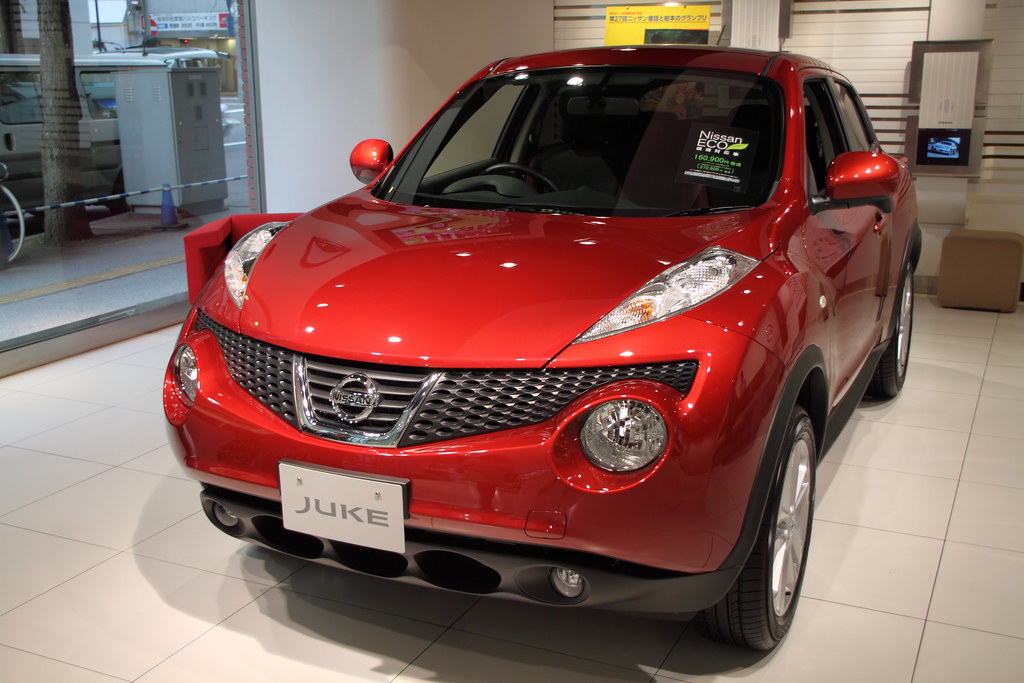
6. **Nissan Juke**When the Nissan Juke first roared onto the scene in the early 2010s, it certainly wasn’t shy. This compact crossover was a bold, quirky statement, a design gamble that aimed squarely at a younger, style-conscious crowd. It blended sporty lines with crossover practicality, giving it a distinctive look that you either loved or… well, you really didn’t. Nissan was clearly aiming for personality, but personality, as it turns out, can be a double-edged sword when it comes to resale value.
The Juke’s biggest hurdle, without a doubt, was its polarizing exterior design. What some hailed as unique and playful, others saw as an awkward, almost cartoonish misfire. This wasn’t a car that gracefully aged; its look became a liability, severely limiting its appeal on the used market. When a car’s styling alienates a significant chunk of potential buyers, it’s a fast track to depreciation doom, no matter how clever the engineering underneath.
But the Juke’s struggles weren’t just skin deep. Owners and reviewers often pointed to its interior, which, despite some innovative touches, suffered from cheap materials, a notably cramped rear seat, and cargo space that made rival crossovers laugh. The ride quality was another sore point; that ‘sporty’ suspension often translated into a bumpy, noisy experience, especially on anything longer than a grocery run. The engines were adequate, sure, but they lacked the punch that its aggressive styling seemed to promise, leaving many enthusiasts feeling a bit let down. Without a strong enthusiast base or widespread mainstream appeal, sustained value becomes a pipe dream.
Its market entry was a tough one, landing in a segment already overflowing with more refined and practical competitors like the Honda HR-V or Mazda CX-3. The Juke’s unique characteristics, instead of being differentiators, often highlighted where it fell short in performance, quality, or cutting-edge technology. That quirky styling, which was supposed to be its strength, instead became a weakness as tastes shifted towards more conventional, practical crossovers. Even Nissan’s generally solid reputation for reliability couldn’t save the Juke from shedding value at an alarming rate once it left the dealership.
What really sealed the Juke’s depreciating fate was a combination of low demand in the used market and a limited aftermarket. Buyers of used cars want a safe bet, a vehicle with a proven track record, good service support, and perceived longevity. The Juke, with its love-it-or-hate-it design and mixed reviews, just didn’t cut it. Even meticulously maintained examples saw their values plummet, proving that sometimes, being ‘different’ doesn’t pay off in the long run. It’s a textbook example of how a car’s overall package—or lack thereof—can send its value spiraling downwards.
Car Model Information: 2013 Nissan Juke SL
Name: Nissan Juke
Caption: Nissan Juke (F16)
Manufacturer: Nissan
Production: 2010–present
Class: Subcompact crossover SUV
BodyStyle: Sport utility vehicle
Layout: Front-engine, front-wheel-drive layout,Front-engine, four-wheel-drive layout
Categories: 2020s cars, All-wheel-drive vehicles, All Wikipedia articles written in British English, All articles with unsourced statements, Articles containing Japanese-language text
Summary: The Nissan Juke (Japanese: 日産・ジューク, Hepburn: Nissan Jūku) is a subcompact crossover SUV (B-segment) produced by the Japanese car manufacturer Nissan since 2010. Debuted as a production vehicle at the 2010 Geneva Motor Show in March, it was introduced to North America at the 2010 New York International Auto Show to be sold for the 2011 model year as the smallest crossover in Nissan’s lineup prior to the introduction of the Nissan Magnite in 2020.
The second-generation model was revealed for the European market in September 2019, offering larger dimensions by utilising the newer Renault–Nissan CMF-B platform. The second generation marks the withdrawal of the model from most markets outside Europe and Australasia to make way for the Nissan Kicks.
The name “juke” means to “dance or change directions demonstrating agility”, and is also derived from the word “jukebox”.
Get more information about: Nissan Juke
Buying a high-performing used car >>>
Brand: Nissan Model: Juke
Price: $6,936 Mileage: 119,970 mi.
Read more about: Driving Off Into The Sunset: Why These 9 Iconic Cars Won’t Make It To 2025 – A Deep Dive for Enthusiasts

7. **Cadillac CTS (Third Generation)**The third-generation Cadillac CTS, produced from 2014 to 2019, was supposed to be Cadillac’s knockout punch in the luxury sedan arena. It was an ambitious, no-holds-barred attempt to go toe-to-toe with the titans: the BMW 3 Series, the Mercedes-Benz C-Class. On paper, it had the goods—sharp styling, impressive technology, and performance that could genuinely challenge its European rivals. Yet, for all its potential, the CTS ultimately failed to captivate the luxury market, leading to a surprisingly rapid depreciation that baffled some and confirmed the skepticism of others.
Part of Cadillac’s problem, and by extension the CTS’s, was a stubborn brand image issue. Despite a concerted effort to modernize and appeal to a younger, more dynamic demographic, Cadillac just couldn’t shake its lingering association with an “older generation.” While the CTS looked the part of a modern, aggressive luxury sport sedan, many younger buyers still gravitated towards the established prestige and perceived quality of their European and Japanese competitors. It’s hard to win a perception battle when your rivals have decades of consistent brand messaging.
Beyond the brand, the CTS faced an uphill battle against fierce, well-entrenched competition. BMW and Mercedes-Benz weren’t just selling cars; they were selling an experience refined over generations, with an emphasis on precise engineering, dynamic handling, and impeccably finished interiors. While the CTS offered genuinely potent engines and striking aesthetics, it often fell short in the tactile experience—interior materials, the user-friendliness of its infotainment, and overall refinement sometimes missed the mark. In a market where every detail matters, these shortcomings, however minor, chipped away at its desirability and ultimately, its value.
Then came the SUV tsunami. The market shifted, and luxury buyers, like everyone else, began ditching sedans for taller, more versatile crossovers. Cadillac itself contributed to this trend, pivoting hard towards SUVs like the XT5 and Escalade, acknowledging where the money was. This broader market contraction for traditional sedans amplified the CTS’s resale woes, making it feel less relevant in Cadillac’s own lineup and among the car-buying public. When even the manufacturer starts moving on, what hope does a sedan have for holding its value?
Finally, the ownership experience played its part in the CTS’s rapid financial decline. Cadillac, being a luxury marque, often came with higher maintenance and repair costs than mainstream brands. This proved a significant deterrent for budget-conscious buyers in the secondary market. Factor in diminishing dealer networks in some regions and concerns about parts availability, and the CTS became a less practical choice. These economic realities, coupled with brand perception and market trends, ensured that the third-generation CTS, for all its ambition, became a prime example of a luxury car that just couldn’t hold its worth.
Car Model Information: 2012 Cadillac CTS Luxury
Name: Cadillac CTS
Caption: Second-generation CTS
Manufacturer: General Motors
Production: 2002–2019
ModelYears: 2003–2019
Class: Mid-size,luxury car
Predecessor: Cadillac Catera
Successor: Cadillac CT5
Categories: 2010s cars, All-wheel-drive vehicles, All Wikipedia articles written in American English, All articles with dead external links, All articles with unsourced statements
Summary: The Cadillac CTS is a luxury car, manufactured and marketed by General Motors from 2003 until 2019 across three generations.
Initially available as a 4-door sedan using the GM Sigma platform, GM offered the second generation CTS in 4-door sedan, 2-door coupe, and 5-door sport wagon, and the third generation as a sedan, using a stretched version of the GM Alpha platform. High performance sedan variants were offered for each generation, as the CTS-V—with wagon and coupe variants offered for the second generation.
In a 2003 report titled The 90 days that shaped Cadillac, Automotive News noted that the first generation CTS marked a $4B investment by General Motors to set a new course for Cadillac styling, introduce a new rear-drive platform, and importantly, re-establish the brand’s relevancy.
Wayne Cherry and Kip Wasenko designed the exterior of the first generation CTS, marking the production debut of a design language marketed as “Art and Science,” first used on the Evoq concept car. John Manoogian II directed the second generation CTS design, as initially conceived by Robert Munson. Bob Boniface and Robin Krieg designed the exterior of the third generation CTS.
The CTS ended production in 2019 and was replaced by the CT5, which shared its platform with the third and final generation of the CTS in addition to the smaller CT4.
Get more information about: Cadillac CTS
Buying a high-performing used car >>>
Brand: Cadillac Model: CTS
Price: $6,985 Mileage: 136,629 mi.
Read more about: Built to Outlast: 14 Ultra-Durable SUVs That Mechanics Rarely See in 2025 and Beyond
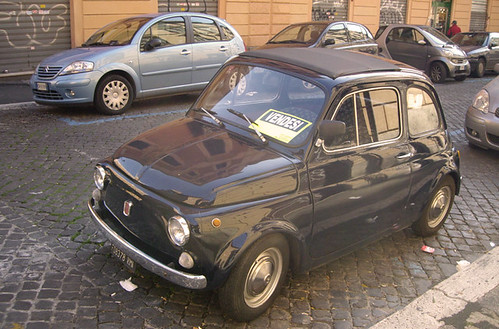
8. **Fiat 500 (Modern Versions)**Ah, the modern Fiat 500. It arrived with so much promise, a retro-chic darling meant to capture the charm of its 1950s predecessor while delivering a dose of European flair to city streets worldwide. Compact, undeniably cute, and brimming with personality, it initially grabbed attention, especially among urbanites and those looking for something distinct. Yet, its journey was a swift descent into the abyss of rapid depreciation, largely thanks to a trifecta of reliability woes, limited practicality, and a struggle to find its place in the market.
The mechanical reliability of the modern Fiat 500 became legendary, but not in a good way. A quick scroll through owner forums or consumer reports reveals a litany of complaints, from persistent electrical glitches to frustrating transmission faults. These weren’t isolated incidents; they were recurring issues that severely dented consumer confidence and made potential used buyers extremely wary. When a small, affordable car starts racking up expensive repair bills, its resale value quickly goes south. Reliability, for a car like the 500, isn’t just a bonus; it’s a make-or-break deal.
Beyond its mechanical Achilles’ heel, the 500’s compact dimensions, while perfect for squeezing into tight city parking spots, translated into an unapologetically cramped cabin and laughably minimal cargo space. For a single urban dweller, maybe. For anyone else, especially those with families or needing even a modicum of versatility, the 500 simply didn’t cut it. In a fiercely competitive segment packed with small hatchbacks offering far more interior room, refinement, and features, the Fiat 500 struggled to justify its compromises, further accelerating its decline in value.
Market perception of the Fiat brand, particularly in North America, also played a crucial role in the 500’s struggles. While Fiat enjoys a stronger, more established presence in Europe, in places like the U.S., it fought an uphill battle against a reputation for questionable reliability and, crucially, low resale values. This perception, combined with the 500’s niche styling and a relatively sparse dealer and service network, made it a tough sell on the used market. Even aggressive new car pricing couldn’t prevent the bleeding.
Ultimately, the Fiat 500’s story is a clear lesson in how a car’s aesthetic appeal, while initially charming, can’t overcome fundamental flaws in reliability, practicality, and brand perception. It’s a car that, for all its visual pop, simply didn’t make financial sense for many buyers, losing value almost as fast as it gained attention on a busy city street.
Car Model Information: 2013 FIAT 500 Abarth
Name: Fiat 500
Caption: 1970 Fiat 500 L
Aka: Puch 500
Manufacturer: Fiat Automobiles
Production: 1957–1975,3,893,294 units
Assembly: Turin,Desio
Designer: Dante Giacosa
Class: City car
BodyStyle: ubl
Layout: Rear-engine, rear-wheel drive layout
Doors: Suicide door,Car door#Conventional
Related: Autobianchi Bianchina,NSU/Fiat Weinsberg 500,Vignale Gamine,Autobianchi Giardiniera
Engine: Cubic centimetre,499 cc I2,594 cc I2
Transmission: Manual transmission
Wheelbase: {{convert,1840,mm,in,1,abbr=on
Abbr: on
Length: 2970 mm
Width: 1320 mm
Height: 1320 mm
Weight: 499 kg
Predecessor: Fiat 500 “Topolino”
Successor: Fiat 126,Fiat 500 (2007)
Sp: uk
Categories: 1960s cars, 1970s cars, All Wikipedia articles written in British English, All articles with unsourced statements, Articles containing Italian-language text
Summary: The Fiat 500 (Italian: Cinquecento, pronounced [ˌtʃiŋkweˈtʃɛnto]) is an economy / city car that was manufactured and marketed by Fiat Automobiles from 1957 until 1975. It was sold as a two-door semi-convertible or saloon car and as a three-door panel van or estate car.
Launched as the Nuova (new) 500 in July 1957, as a successor to the 500 “Topolino”, it was an inexpensive and practical small car. Measuring 2.97 metres (9 feet 9 inches) long, and originally powered by a rear-mounted 479 cc two-cylinder, air-cooled engine, the 500 was 24.5 centimetres (9.6 inches) smaller than Fiat’s 600, launched two years earlier, and is considered one of the first purpose-designed city cars.
In 1959, Dante Giacosa received a Compasso d’Oro industrial design prize for the Fiat 500. This marked the first time a Compasso d’Oro was awarded to an automotive manufacturer.
Get more information about: Fiat 500
Buying a high-performing used car >>>
Brand: Fiat Model: 500
Price: $11,995 Mileage: 35,154 mi.

9. **Ford Focus (Third Generation)**The third-generation Ford Focus, rolled out globally around 2012, was supposed to be a triumph of international engineering: a compact car that offered advanced tech and a genuinely enjoyable driving experience. It garnered initial praise for its sharp handling and contemporary styling, positioning itself as a serious contender in the compact segment. However, despite its global aspirations, the Focus quickly succumbed to rapid depreciation, a fate sealed by a problematic transmission, relentless competition, and a drastic shift in consumer tastes.
The elephant in the room, the single biggest culprit for the Focus’s value freefall, was its notoriously problematic PowerShift dual-clutch transmission. This wasn’t just a minor hiccup; it was a widespread, persistent issue characterized by juddering, slipping, and premature wear. These transmission woes led to countless repair visits, an avalanche of customer dissatisfaction, and even class-action lawsuits, absolutely decimating confidence in the car’s reliability. For potential used buyers, the specter of expensive, recurring transmission repairs was a monumental red flag that was virtually impossible to ignore. This technical flaw became an albatross, dragging down the entire model regardless of its other qualities.
The Focus also faced a gauntlet of incredibly strong competition. It was squaring off against segment stalwarts like the Honda Civic and Toyota Corolla, vehicles that had built decades of sterling reputations for durability, efficiency, and—critically—unbeatable resale values. Even contenders like the Mazda3 and Hyundai Elantra offered compelling packages, often with better reliability records and similar or superior features. In such a cutthroat environment, the Focus had little breathing room to maintain its value, especially once its transmission issues became public knowledge.
Compounding these challenges was a seismic shift in the automotive landscape. The compact car market, once a bustling hub, began to shrink dramatically as buyers flocked en masse to crossovers and SUVs. Consumer preferences decisively moved towards taller, more versatile vehicles, leaving traditional compact sedans and hatchbacks struggling for relevance. This macro trend was a huge blow to the Focus, accelerating its depreciation irrespective of its individual merits.
Finally, Ford’s own strategic decisions delivered a knockout blow to the Focus’s resale prospects. The company announced its intention to largely abandon the sedan market in North America, doubling down instead on trucks and SUVs. This sent an unmistakable signal to buyers: the Focus, and cars like it, were no longer a priority. Reduced marketing, waning dealer enthusiasm, and concerns about future parts availability made the Focus an increasingly unappealing long-term proposition. All these factors combined to ensure the third-gen Focus became one of the fastest depreciating vehicles of its time, a stark lesson in market dynamics and the perils of a fatal flaw.
Car Model Information: 2017 Ford Focus ST Base
Name: Ford Focus
Caption: 2018 Ford Focus ST-Line X
Manufacturer: Ford Motor Company
Production: 1998–2025
Class: Small family car
BodyStyle: hatchback
Layout: Front-engine, front-wheel drive,Front-engine, four-wheel-drive
Predecessor: Ford Escort (Europe)
ModelYears: 2000–2018 (North America)
Categories: 2000s cars, 2010s cars, 2020s cars, All articles with specifically marked weasel-worded phrases, All articles with unsourced statements
Summary: The Ford Focus is a compact car (C-segment in Europe) manufactured by the Ford Motor Company from 1998 until 2025. It was created under Alexander Trotman’s Ford 2000 plan, which aimed to globalize model development and sell one compact vehicle worldwide. The original Focus was primarily designed by Ford of Europe’s German and British teams. Production of the fourth generation Focus began in 2018 in Germany and China. In 2025, Ford announced that the Focus will no longer be built, in line with an announcement made in 2022.
Get more information about: Ford Focus
Buying a high-performing used car >>>
Brand: Ford Model: Focus
Price: $15,645 Mileage: 97,277 mi.
Read more about: Classic Cars That Looked Fast But Weren’t: The Ultimate Guide to Automotive Style Over Speed

10. **Jeep Compass (First Generation)**When the first-generation Jeep Compass debuted in 2007, it represented a bold, if ultimately misguided, attempt by Jeep to broaden its appeal. The idea was to attract a more urban, style-conscious audience—people who wanted the rugged mystique of a Jeep but in a smaller, more city-friendly package. Sounds reasonable, right? Except the execution was… less than stellar. The first-gen Compass quickly earned a reputation for not living up to Jeep’s legendary off-road heritage, and its questionable build quality became a significant liability, leading to immediate and severe depreciation.
At its core, the Compass was plagued by glaring quality and reliability issues. Early models were notorious for a litany of mechanical problems, including persistent transmission woes, maddening electrical gremlins, and interior trim that seemed to disintegrate faster than a cheap fast-food burger. These issues didn’t just annoy owners; they drove up ownership costs and severely eroded confidence in the vehicle’s long-term durability. For an SUV, where buyers expect robust, long-lasting performance, the Compass’s failure in this fundamental area was a death knell for its resale value. When a vehicle can’t deliver on basic reliability, its market value is doomed.
Perhaps even more damaging was the Compass’s failure to embody the very essence of the Jeep brand: off-road capability. Jeep is synonymous with rugged, trail-blazing vehicles, but the first-gen Compass was frequently lambasted for its lackluster off-road prowess, leaving enthusiasts and even casual buyers feeling thoroughly underwhelmed. This glaring disconnect between brand promise and product reality meant the Compass was often outshone by more capable and reliable competitors in the burgeoning subcompact SUV segment, including offerings from Toyota, Honda, and Subaru. As the market gravitated toward vehicles with proven capability, the Compass struggled desperately to maintain relevance.
To add insult to injury, Jeep’s own strategy further hammered the first-generation’s value. The introduction of a significantly improved, more refined, and genuinely capable second-generation Compass in 2017 immediately rendered its predecessor obsolete. The newer models fixed many of the original’s flaws, making the older versions look dated, underperforming, and frankly, undesirable by comparison. This accelerated obsolescence, combined with a fiercely crowded SUV market and Jeep’s evolving product strategy, ensured that the first-generation Compass remains a stark example of a vehicle that depreciates swiftly, caught between unmet expectations and overwhelming market shifts.
Car Model Information: 2020 Jeep Cherokee Latitude Plus
Name: Jeep Compass
Caption: 2019 Jeep Compass
Manufacturer: Jeep
Production: 2006–present
ModelYears: 2007–present
Class: Compact crossover SUV
BodyStyle: SUV
Layout: Front-engine, front-wheel-drive layout
Chassis: Unibody
Categories: 2010s cars, 2020s cars, All-wheel-drive vehicles, All Wikipedia articles written in American English, Articles with short description
Summary: The Jeep Compass is a compact crossover SUV, introduced in 2006 for the 2007 model year. The first generation Compass and Patriot, its rebadged variant, were among Jeep’s first crossover SUVs. The second-generation Compass debuted in September 2016 in Brazil and at the Los Angeles International Auto Show in November 2016, sharing a modified platform with the Renegade. It is positioned between the smaller Renegade and the larger Cherokee globally or the Commander in South America. The third-generation Compass debuted in May 2025, built on the STLA Medium by Stellantis, shared with other PSA Groupe vehicles.
Get more information about: Jeep Compass
Buying a high-performing used car >>>
Brand: Jeep Model: Compass
Price: $15,877 Mileage: 96,780 mi.
Read more about: Built to Outlast: 14 Ultra-Durable SUVs That Mechanics Rarely See in 2025 and Beyond
The world of collector cars isn’t just about what’s pretty or powerful; it’s a high-stakes gamble where true connoisseurs and savvy investors look for more than just a joyride. It’s clear that while some cars defy gravity, becoming cherished assets that offer both passion and profit, others simply crumble under the weight of market realities. Whether it’s timeless design, bulletproof engineering, undeniable cultural impact, or simply knowing when a car’s inherent flaws will become its financial undoing, the lessons from these appreciating titans and depreciating duds are invaluable. So, next time you’re eyeing that dream ride, remember: a car’s true value isn’t just in its horsepower, but in its ability to defy time—or, in some cases, its unfortunate tendency to lose its shirt faster than you can say ‘lemon.’ Choose wisely, and your garage might just hold a piece of history that pays you back, rather than a money pit that drains your wallet faster than a flat tire on the freeway. Good luck out there, and happy hunting for those automotive treasures!