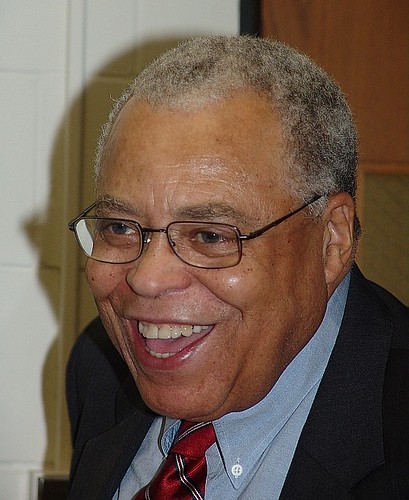
The world recently marked the passing of James Earl Jones, a titan of stage and screen whose distinctive, gravelly voice became one of the most recognizable and revered in modern history. Mr. Jones, who died at the age of 93 on September 9, 2024, left an indelible mark on cinema, theater, and popular culture, his booming bass conveying everything from profound wisdom to chilling menace. His career, spanning decades, was a testament to resilience, immense talent, and a deep commitment to the craft of acting. Even as tributes poured in from across the globe, acknowledging an “acting giant” and a “master of our craft,” the sheer breadth of his contributions highlighted a legacy that truly stood on shoulders of excellence.
Mr. Jones’s journey was remarkable, not least because the instrument that would define his public persona—his voice—was once a source of deep personal struggle. From humble beginnings in rural Mississippi, he navigated profound childhood challenges, including family abandonment and a severe stutter that rendered him virtually mute for years. Yet, through perseverance and the timely intervention of a compassionate teacher, he not only found his voice but cultivated it into one of the most powerful and emotive instruments in the acting world. His story is one of transformation, demonstrating how early adversity can, with the right determination, forge an unparalleled artistic force.
This article delves into the extraordinary life and career of James Earl Jones, exploring the pivotal moments and roles that cemented his status as a legendary performer. From his early struggles and foundational stage work to his iconic voice roles and celebrated performances across all mediums, we examine the path of a man who, despite facing numerous obstacles, rose to become a cherished figure whose impact will resonate for generations. His professional life was a continuous exploration of narrative, driven by a profound understanding that art can indeed “change the way they feel.”

1. **Early Life and Overcoming a Childhood Stutter**James Earl Jones was born on January 17, 1931, in Arkabutla, Mississippi. His early life was marked by considerable upheaval and hardship, beginning before his birth when his father, Robert Earl Jones, deserted his wife. Later, when James was just six years old, his mother also abandoned him, leaving him to be raised by her parents on a farm in Michigan. This dramatic shift from the South to the Midwest was a deeply unsettling experience for the young boy, whom he later recounted in his autobiography, “Voices and Silences,” as the moment “a world ended for me, the safe world of childhood.” He vividly described the move as “a heartbreak.”
Following this traumatic period, James Earl Jones developed a severe stutter, which led him to become virtually mute for nearly eight years. During this time, he communicated with his teachers and fellow students primarily through handwritten notes, retreating into a world of silence that was both embarrassing and painful, as he told CBS News’ “Sunday Morning” in 2008. His speech impediment significantly impacted his ability to interact, shaping much of his early adolescence in a profound way.
The turning point came when he was 14, thanks to his high school English teacher, Donald Crouch. Discovering that Jones secretly wrote poetry, Mr. Crouch challenged him to read one of his poems aloud in class. This pivotal moment allowed Jones to rediscover his voice, marking the beginning of his journey to overcome the stutter. He credited Mr. Crouch, telling the Daily Mail in 2010, “He got me engaged in the debating class, the dramatic reading class and so on.” Jones added, “He got me talking, and reading poetry — Edgar Allan Poe was my favorite.” This experience not only restored his power of speech but also ignited a passion for words and performance.
Read more about: James Earl Jones, a Titan of Stage and Screen, Whose Voice Defined Generations, Dies at 93

2. **University and Army Service**Following his high school years, James Earl Jones enrolled at the University of Michigan, initially pursuing a pre-medical course of study. However, his burgeoning interest in the arts, sparked by his experience with poetry and public speaking, soon led him to a significant change in academic direction. He found himself increasingly drawn to the world of performance, leading him to switch his major to drama during his junior year. This decision marked a crucial step away from a conventional career path and towards what would become his life’s calling, showcasing an early recognition of his profound connection to storytelling.
After his time at the University of Michigan, Mr. Jones fulfilled his ROTC obligations by serving in the United States Army. He enlisted in 1953, undergoing training at Fort Benning in Georgia before being assigned to Camp Hale near Leadville, Colorado. His military career saw him rise to the rank of first lieutenant, having started as a second lieutenant. This period of service provided him with a unique set of experiences, contributing to his disciplined approach to his craft and preparing him for the rigorous demands of a professional acting career.
His military service concluded in 1955, after which he dedicated himself fully to his artistic aspirations. The transition from Army officer to aspiring actor highlights the dedication and singular focus Mr. Jones brought to his chosen profession. It was a testament to his determination that, despite the significant life changes, he remained committed to pursuing acting, laying the groundwork for his eventual move to the heart of the American theater scene.
Read more about: Beyond the Lens: A Vulture’s Guide to the Multifaceted World of Filmmaking, From Concept to Cinema
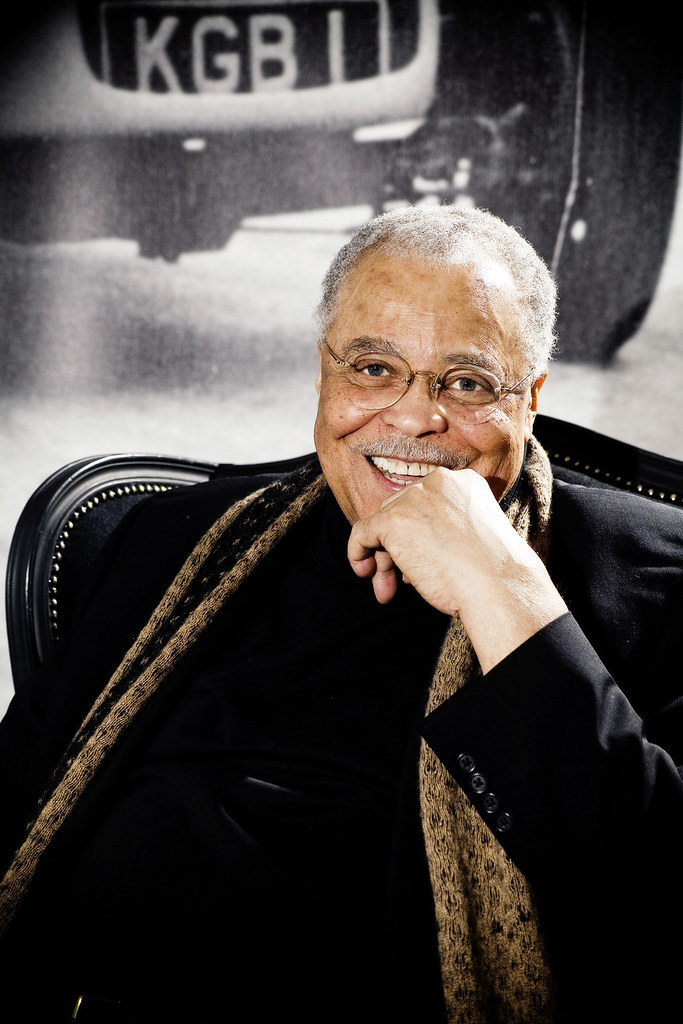
3. **New York Beginnings and Early Stage Career**Upon completing his military service, James Earl Jones moved to New York City to immerse himself in the vibrant world of professional acting. He enrolled at the American Theatre Wing, where he studied with renowned figures such as Lee Strasberg, honing his craft and developing the skills that would define his illustrious career. During this formative period, financial challenges were a constant companion; he resided in an apartment that cost a mere $19 per month and took on various chores, including scrubbing floors, to sustain himself while pursuing his artistic dreams, according to the Academy of Achievement.
His dedication soon bore fruit. In 1957, Mr. Jones made his debut in an Off-Broadway production, signaling his entry into the competitive New York theater scene. The following year, 1958, he achieved a significant milestone by performing his first Broadway role in “Sunrise at Campobello.” This was a particularly meaningful event, as it was on that very stage, the Cort Theatre on West 48th Street, where he would later reflect on his journey. He recounted to the Shubert Organization in 2022 that he had stuttered on his one and only line during that first Broadway performance, dedicating a year to practicing the sentence every night, a clear demonstration of his early commitment to mastering his speech.
Throughout the 1960s, Mr. Jones solidified his presence in the theater, becoming a versatile and respected performer. He appeared in experimental plays Off-Broadway and became a key figure with the New York Shakespeare Festival from 1961 to 1973, tackling numerous iconic Shakespearean roles, including Othello, Macbeth, Coriolanus, and King Lear. In 1961, he performed in the American premiere of “The Blacks,” a play by Jean Genet that explored themes of race and identity, further showcasing his range and willingness to engage with challenging material. These early stage experiences laid a robust foundation for the monumental career that lay ahead.
Read more about: Beyond the Screen Name: Uncovering the Shocking True Identities of Your Favorite Celebrities
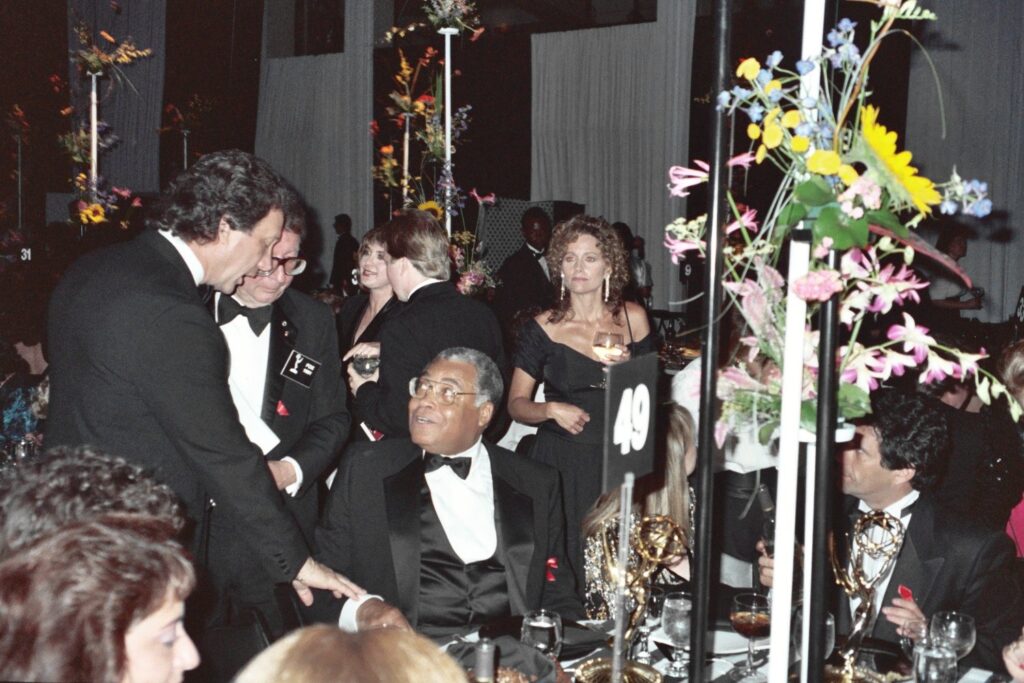
4. **Breakthrough in “The Great White Hope”**James Earl Jones achieved a significant career breakthrough with his portrayal of Jack Jefferson in Howard Sackler’s play “The Great White Hope.” This drama, which was loosely based on the life of Jack Johnson, the first Black heavyweight boxing champion, delved into the struggles and racism faced by a Black boxer in early 20th-century America. Mr. Jones’s powerful and nuanced performance as Jefferson captivated audiences and critics alike, establishing him as a commanding theatrical presence. The Arena Stage in Washington, D.C., first reached out to Jones, then working in Europe, to star in the production, asking him to get into shape for the physically demanding role, as he recalled to Smithsonian Magazine.
The play’s success led to its transfer to Broadway, where Mr. Jones continued to deliver an acclaimed performance. His compelling interpretation of Jack Jefferson earned him widespread recognition and numerous accolades. In 1969, he was honored with a Tony Award for Best Actor in a Play, a testament to his exceptional talent and the profound impact of his work on the Broadway stage. This award solidified his status as a major force in American theater and brought him national prominence, setting the stage for his expansion into film.
Following its theatrical triumph, “The Great White Hope” was adapted into a film in 1970, with James Earl Jones reprising his iconic role. His transition from stage to screen was seamless, and his performance in the cinematic version garnered him an Academy Award nomination for Best Actor. He became only the second Black man to be nominated for an Academy Award in this category, following Sidney Poitier. This nomination marked a pivotal moment in his career, showcasing his ability to command both live audiences and the camera, and cemented his reputation as one of the most talented actors of his generation.

5. **The Iconic Voice of Darth Vader**Perhaps the role that brought James Earl Jones the most widespread notoriety, and one that etched his voice into the collective consciousness of millions, was his uncredited performance as the voice of Darth Vader in the original 1977 “Star Wars” film. His deep, resonant voice perfectly embodied the menacing presence of the masked villain, transforming the character into an instantly recognizable and unforgettable figure in cinematic history. Mr. Jones reprised this iconic voice role in subsequent films, including “The Empire Strikes Back” and “Return of the Jedi,” and later in “Rogue One” and “Star Wars: The Rise of Skywalker,” maintaining consistency across decades.
Interestingly, Mr. Jones initially regarded the Darth Vader part as merely a “special effects job.” He received a modest salary, reportedly $7,000 for the first film (or $9,000 according to another source), and, at his own insistence, was not given a credit for his performance, out of deference to David Prowse, the British actor-bodybuilder who physically portrayed Vader behind the mask. The distinct breathing effect, created by sound effects artist Ben Burtt using a microphone inside a scuba regulator, further enhanced the character’s less-than-human persona. It was only later, after the films broke box office records, that he was persuaded to rethink his no-credit stance, eventually being credited in “Return of the Jedi.”
The most famous line associated with his character, “Luke, I am your father,” became a cultural touchstone. Mr. Jones humorously recounted his initial reaction to the dialogue in a 2004 documentary, “Empire of Dreams: The Story of the Star Wars Trilogy,” saying, “When I first saw the dialogue that said, ‘Luke, I am your father,’ I said to myself, ‘He’s lying. I wonder how they are going to play that lie out?’” Despite his initial skepticism about the truth of the line, he fully embraced the role’s impact, stating in a 2012 BBC interview, “I love being part of that whole myth, of that whole cult.” He was always glad to oblige fans who requested a command recital of the famous phrase, underscoring his appreciation for the character’s profound cultural resonance.
Read more about: The Enduring Power of a Name: Unveiling the Lives and Latest Chapters of Notable Williams, from Royalty to Hollywood’s Beloved Icon
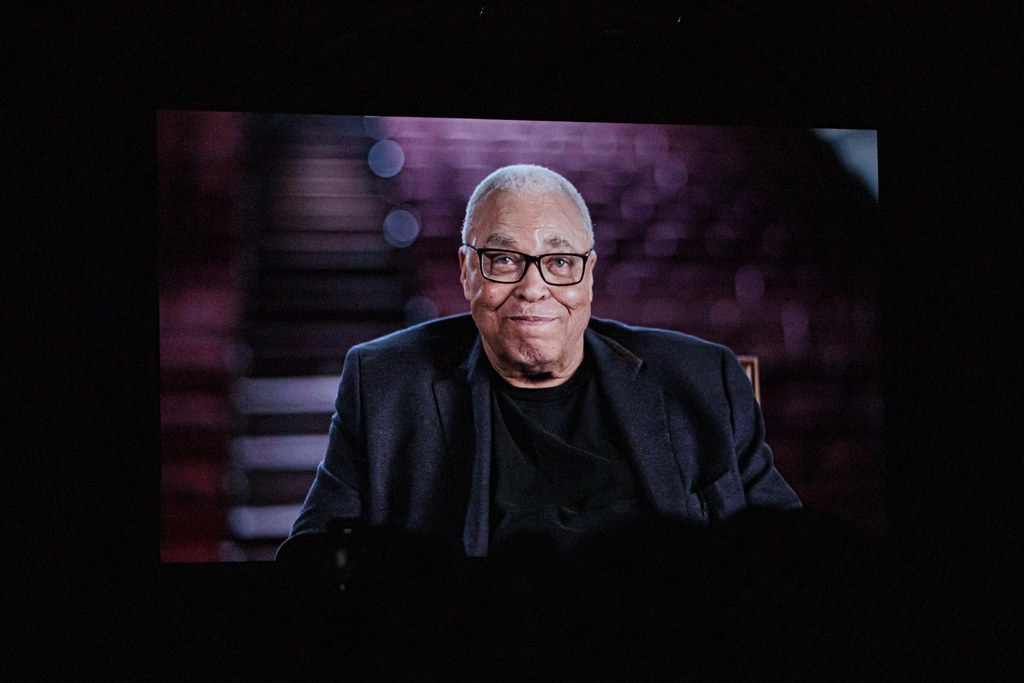
6. **Extensive Filmography (Non-Voice Roles)**While his voice work as Darth Vader garnered immense recognition, James Earl Jones’s filmography extends far beyond vocal performances, showcasing his remarkable versatility and talent as a screen actor. His prolific career in pictures began auspiciously with a part in Stanley Kubrick’s seminal 1964 film, “Dr. Strangelove or: How I Learned to Stop Worrying and Love the Bomb,” an early testament to his ability to work with visionary directors. This was followed by a variety of roles across different genres, demonstrating his range and depth as a performer.
Mr. Jones delivered memorable performances in numerous films throughout his career. He appeared in the 1974 romantic comedy “Claudine,” sharing an onscreen love affair with Diahann Carroll. He also played an evil ruler in the fantasy film “Conan the Barbarian” in 1982. Later, he showcased his dramatic prowess as a coal miner fighting for union rights in John Sayles’s 1987 film “Matewan.” His range was further evidenced by his role as King Jaffe Joffer in the 1988 hit comedy “Coming to America,” and its 2021 sequel, where he played the regal father of Eddie Murphy’s character, blending gravitas with comedic timing.
His impressive filmography also includes a significant presence in high-stakes thrillers, where he portrayed Adm. James Greer in three film adaptations of Tom Clancy’s novels: “The Hunt for Red October” (1990), “Patriot Games” (1992), and “Clear and Present Danger” (1994). He also played the reclusive writer Terence Mann in the beloved 1989 film “Field of Dreams,” and the Rev. Stephen Kumalo in the 1995 film version of Alan Paton’s classic novel “Cry, the Beloved Country.” These roles, among many others, highlight his ability to embody diverse characters with authority, warmth, and an undeniable screen presence, cementing his legacy as a commanding actor who could excel in any genre.
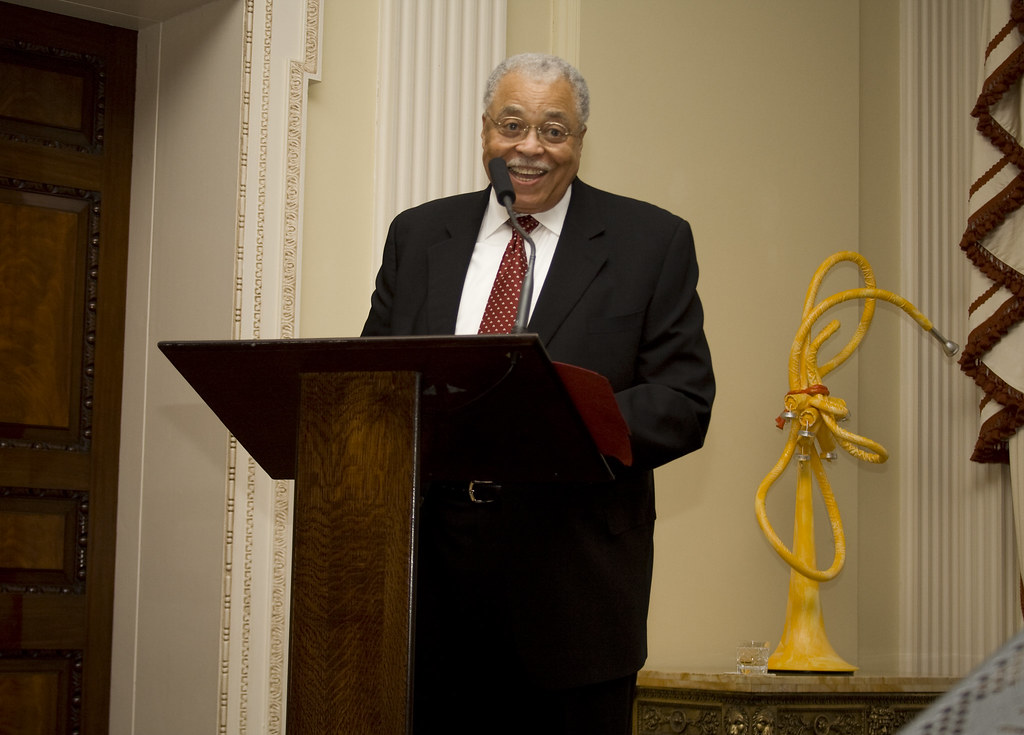
7. **Significant Television Roles and Emmy Recognition**James Earl Jones’s extensive career also saw him make significant contributions to television, where he earned critical acclaim and multiple awards for his powerful performances. He was a pioneering figure, becoming one of the first African American actors to hold a continuing role on a daytime drama, appearing on CBS’s “As the World Turns” and “Guiding Light” early in his career. These roles helped to break barriers and pave the way for greater representation in broadcast media.
One of his most notable television roles was playing the older Alex Haley in the groundbreaking miniseries “Roots: The Next Generation,” where he contributed to the powerful narrative of African American history. His ability to convey depth and emotion was consistently recognized, leading to significant accolades. In 1991, Mr. Jones won two Primetime Emmy Awards, a testament to his exceptional talent. One Emmy was for Outstanding Lead Actor in a Drama Series for his lead role in the US drama “Gabriel’s Fire” (1990–91), a series that was later retitled “Pros and Cons.”
The second Emmy he received in 1991 was for Outstanding Supporting Actor in a Miniseries or Special, earned for his part in “Heat Wave” (1990), a TV movie that explored the Watts Riots of 1965. Beyond these dramatic roles, his unmistakable voice also graced animated television, including an appearance on “The Simpsons,” and he delighted younger audiences in early episodes of “Sesame Street.” These diverse television engagements showcased his ability to move effortlessly between serious drama and more lighthearted fare, leaving an indelible mark on the small screen.
Read more about: Academy’s Crossroads: Unpacking the Oscar Eligibility Debates and Rule Evolutions for the Modern Film Era
8. **The Beloved Voice of Mufasa in “The Lion King”**While James Earl Jones’s voice often commanded fear as Darth Vader, it also imbued profound warmth and wisdom into another indelible character: Mufasa, the regal father of Simba in Disney’s 1994 animated classic, “The Lion King.” This role showcased a different facet of his vocal range, bringing gravitas and a deeply paternal affection that resonated with millions of viewers across generations. His portrayal of the wise and noble king quickly became a beloved benchmark in animated film history.
Mr. Jones’s distinctive bass, familiar from its menacing resonance, here conveyed a comforting authority that guided Simba and taught timeless lessons about responsibility and the circle of life. He was the only cast member to reprise his role in the 2019 remake, a testament to the irreplaceable quality of his performance. This dual capacity to evoke both fear and profound love through his voice underscored his unparalleled versatility as an actor, a skill few could match.
The character of Mufasa garnered immense affection, particularly among younger audiences, further solidifying Mr. Jones’s place in popular culture beyond the realm of science fiction. Crystal Minkoff, whose husband Rob Minkoff co-directed “The Lion King,” shared a poignant tribute: “Rest in Power, Mr Jones. You made a young animator’s dream come true when you accepted the role of Mufasa. Thank you for all you have done for Rob. Your memory will live on.” This role, alongside his voice work as the Voice Box at a Hardware Store in 2005’s “Robots” and the Giant in the 2009 movie retelling of “Jack and the Beanstalk,” demonstrated his enduring appeal across diverse narrative landscapes.
Read more about: Unraveling the Magic: The Most Unbelievable Plot Holes in Classic Disney Films That Still Bother Us
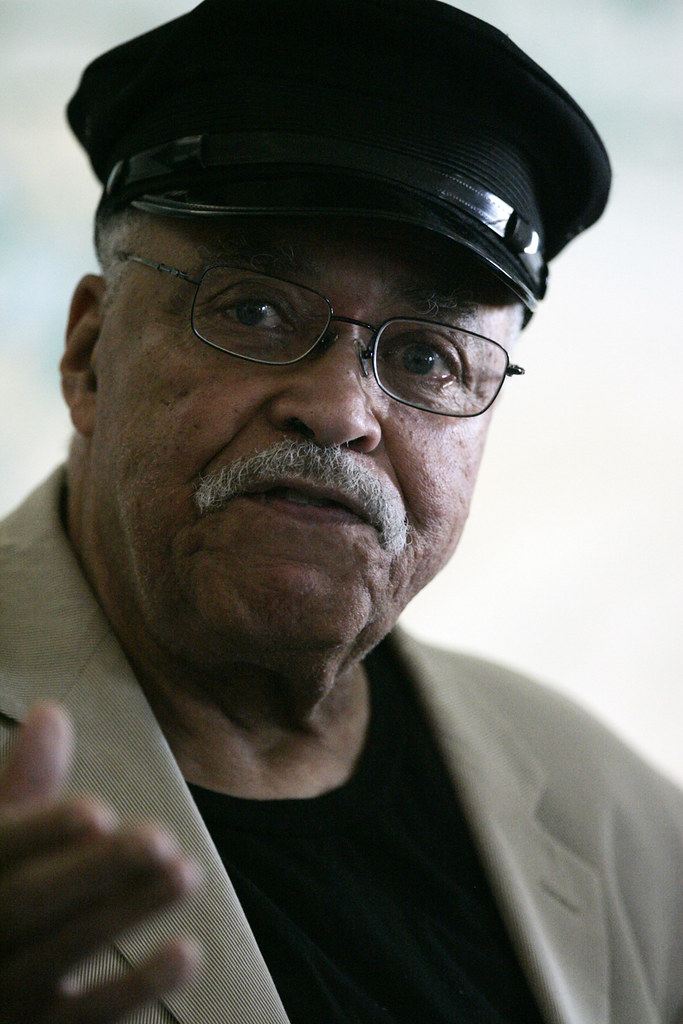
9. **Continued Theatrical Acclaim and Broadway Legacy**Even as his film and voice work propelled him to global recognition, James Earl Jones maintained a profound connection to the stage, where he continued to deliver acclaimed performances throughout his career. His dedication to theater was recognized with another Tony Award in 1987 for his powerful portrayal of Troy Maxson in August Wilson’s “Fences.” In this role, he inhabited the character of a former baseball star grappling with life as a garbageman in 1957 Pittsburgh, bringing immense depth to the struggles of an embittered yet loving patriarch.
Mr. Jones’s later Broadway credits included a celebrated return to “Othello,” as well as roles in “Master Harold … and the Boys,” and a 2005 revival of “On Golden Pond,” for which he received a Tony nomination. In 2008, he starred in an all-Black cast production of Tennessee Williams’s “Cat on a Hot Tin Roof,” further showcasing his willingness to explore diverse theatrical experiences. He continued to grace the stage with appearances in “Driving Miss Daisy” (2010–11), Gore Vidal’s “The Best Man” (2012), George S. Kaufman and Moss Hart’s “You Can’t Take It with You” (2014–15), and “The Gin Game” (2015–16), arriving at rehearsals for the latter with the play memorized and notebooks filled with creative notes, a testament to his ferocious work ethic.
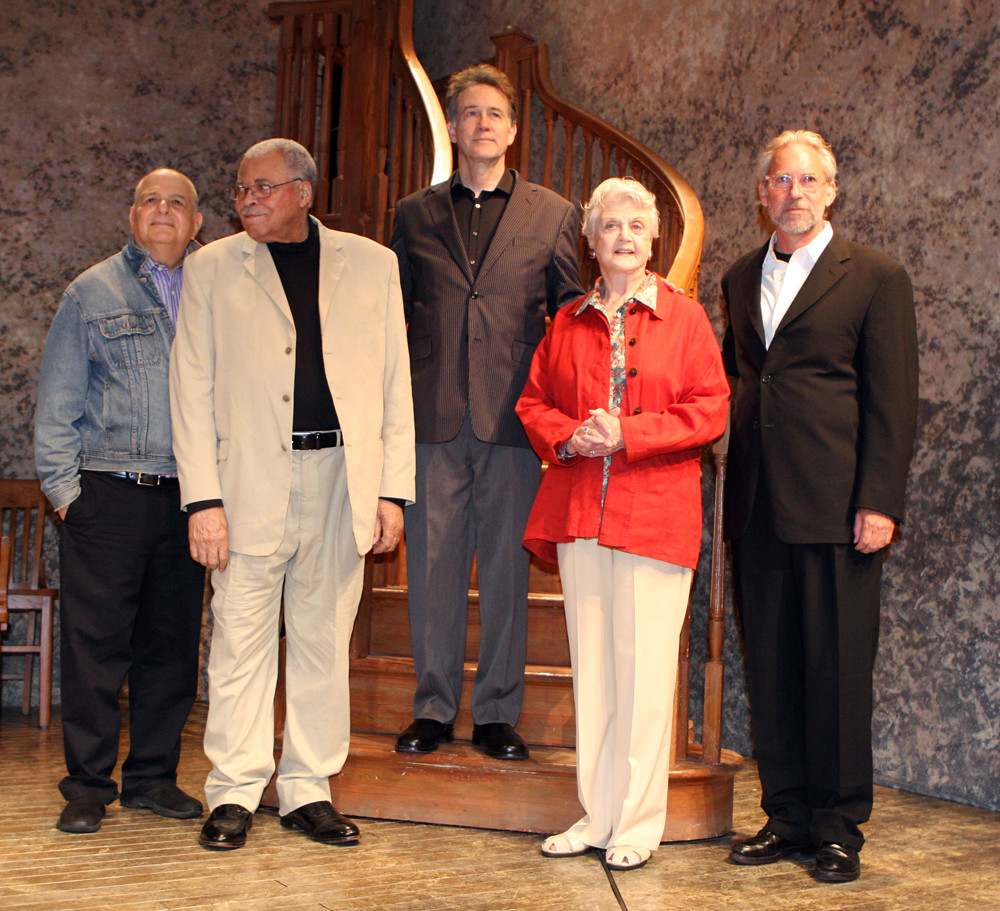
In a profound testament to his enduring impact on American theater, Manhattan’s Cort Theatre on West 48th Street was renamed the James Earl Jones Theatre in 2022. This was particularly significant as it was the very stage where he made his first Broadway appearance in “Sunrise at Campobello” in 1958. During a tour of the newly renamed theater, Mr. Jones reflected on his journey, stating, “I gained my voice, I found my voice,” recalling how he had stuttered on his one and only line during that initial performance, dedicating a year to practicing the sentence every night until he mastered it.
The renaming of the theater was more than a gesture; it was an acknowledgment of a monumental career that served as a beacon for many. Director Kenny Leon remarked that Mr. Jones “served America more” through his art, describing the theater as “something we can look up and see that’s tangible.” This honor solidified his legacy not just as a performer, but as a foundational pillar of the performing arts, symbolizing his unwavering commitment to his craft and his extraordinary journey from silence to a voice that resonated across the globe.
Read more about: From Child Star to Industry Powerhouse: JoJo’s Unstoppable Evolution in Music and Beyond
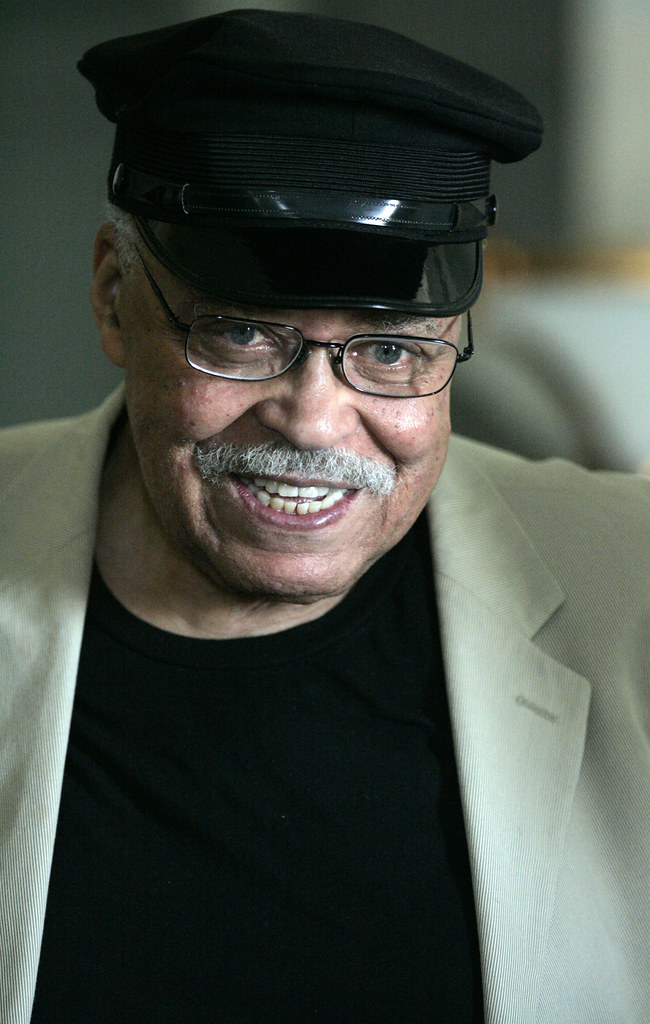
10. **A Plethora of Accolades: EGOT Status and Other Honors**James Earl Jones’s illustrious career was marked by an extraordinary collection of accolades, culminating in his achievement of non-competitive EGOT status – an Emmy, a Grammy, an Oscar, and a Tony Award. This rare honor underscored the breadth of his talent and his significant contributions across all major entertainment mediums, distinguishing him as one of the most celebrated artists of his time. His awards were not merely trophies, but reflections of a career devoted to excellence in acting and storytelling.
Among his most cherished honors was the Academy Honorary Award, which he received in 2011 for lifetime achievement. Rather than interrupting his performance run in the play “Driving Miss Daisy” in London, Mr. Jones accepted the Oscar via video feed, displaying his characteristic wit. He famously joked, “If an actor’s nightmare is being onstage buck and not knowing his lines, what the heck do you call this?” He added, “I’m more than flabbergasted, there’s a word I’ve learned here in Britain, they’d say ‘I’m gobsmacked.’ That’s the only word I can think of that’s appropriate for this improbable moment in my life.”
Beyond his EGOT achievements, Mr. Jones was recognized with numerous other prestigious awards. He was a Kennedy Center honoree in 2002, a recipient of a lifetime achievement Screen Actors Guild Award in 2009, and received a special Tony Award for lifetime achievement in 2017. He also won a Grammy Award for Best Spoken Word Album for Children for his work on “The Christmas Miracle Of Jonathan Toomey” in 2001, in addition to his 1977 Grammy for the spoken word recording of “Great American Documents.” These honors painted a vivid picture of a career defined by consistent brilliance and an unwavering dedication to his art.

11. **The Distinctive Voice of CNN and Other Narration**Beyond his iconic character portrayals, James Earl Jones’s voice became synonymous with authority and gravitas as the long-standing narrator for various institutional and entertainment endeavors. For many decades, his deep, resonant tones introduced news reports with the signature phrase, “This is CNN.” The broadcaster itself acknowledged his profound impact, telling the Hollywood Reporter that he was “the voice of CNN and our brand for many decades, uniquely conveying through speech instant authority, grace, and decorum.” His voice imbued the network with an unmistakable sense of reliability and importance.
His distinctive voice was also sought after for countless other narration projects, demonstrating its versatile appeal. He lent his voice to commercial pitchmen and animated television, including an appearance on “The Simpsons.” Younger audiences also heard him in early episodes of “Sesame Street,” showcasing his ability to connect with diverse demographics. Furthermore, his vocal talents were utilized for recordings of literary works by authors such as Lewis Carroll and the King James Bible, further solidifying his reputation as a master orator.
The pervasive presence of his voice in such varied capacities presented a compelling irony, considering his early life struggles with a severe stutter that rendered him virtually mute for years. Mr. Jones himself reflected on this paradox, stating, “That’s the best irony – I am an irony. Therefore, I can’t take any credit or any pride. Pats on the shoulder don’t count. I’m just happy to be able to talk, but the irony is just wonderful and I can smile and say, ‘Oh, the Voice. The Voice of the Century, the Voice of God, the Voice of blah-blah-blah.’ It’s just irony!” His journey from silence to becoming one of the most recognizable voices in the world remains a powerful testament to human resilience and artistic transformation.

12. **Insights into His Personal Life**While James Earl Jones maintained a public persona defined by his commanding artistic presence, glimpses into his personal life revealed a man shaped by both early hardship and enduring love. His childhood was marked by considerable upheaval, as his father, Robert Earl Jones, deserted the family before his birth. Later, at the tender age of six, his mother also abandoned him, leading to him being raised by his maternal grandparents on a farm in Michigan.
Mr. Jones candidly described this traumatic period in his autobiography, “Voices and Silences,” recounting that “a world ended for me, the safe world of childhood.” He vividly characterized the move from Mississippi to Michigan as “a heartbreak,” an event that he believed contributed to the onset of his debilitating stutter. These formative experiences undoubtedly forged the resilience and inner strength that would define his later career, though he remained largely private about these profound challenges.
His personal life also included two marriages. He married actress Julienne Marie in 1968, a union that concluded in divorce in 1972. A decade later, in 1982, he married his late wife, Cecilia Hart, with whom he shared a son, Flynn. Cecilia Hart passed away in 2016 following a yearlong battle with ovarian cancer. In a rare public disclosure regarding his health, Mr. Jones revealed in 2016 that he had been diagnosed with Type 2 diabetes in the 1990s, an insight he shared during an appearance on Rachael Ray’s show. He also cited his stutter as a reason for not becoming a political activist, noting his belief that he could not change minds through activism, but through art, he could “change the way they feel.”
Read more about: The Controversial Laws Forbidding At-Home Car Washes: A Comprehensive Consumer Reports Guide

13. **Retirement from Darth Vader and AI Voice Continuation**In 2022, at the venerable age of 91, James Earl Jones made the significant decision to retire from his role as the iconic voice of Darth Vader, a character he had brought to life for nearly five decades. This announcement marked the end of a remarkable chapter in cinematic history, as his voice had become an inseparable element of the Sith Lord’s menacing presence across multiple generations of “Star Wars” films and series.
However, Mr. Jones’s distinctive vocal legacy will continue to resonate through an innovative arrangement that speaks to the intersection of art and technology. He signed off on allowing an artificial intelligence program to re-create his voice for future use, ensuring that Darth Vader’s signature cadence would persist even after his retirement. This pioneering agreement saw his AI-recreated voice utilized in the 2022 “Obi-Wan Kenobi” miniseries, demonstrating the potential for technological preservation of artistic contributions.
This decision not only highlights Mr. Jones’s forward-thinking approach but also raises intriguing questions about the future of voice acting and celebrity legacies in an increasingly digital age. By embracing AI, he secured the continuity of one of cinema’s most recognizable voices, ensuring that new audiences would continue to experience the authentic sound of Darth Vader, a testament to his lasting impact and willingness to adapt to evolving technological landscapes.
Read more about: 13 Unassuming American Classics That Secretly Packed Absolute Monsters Under the Hood
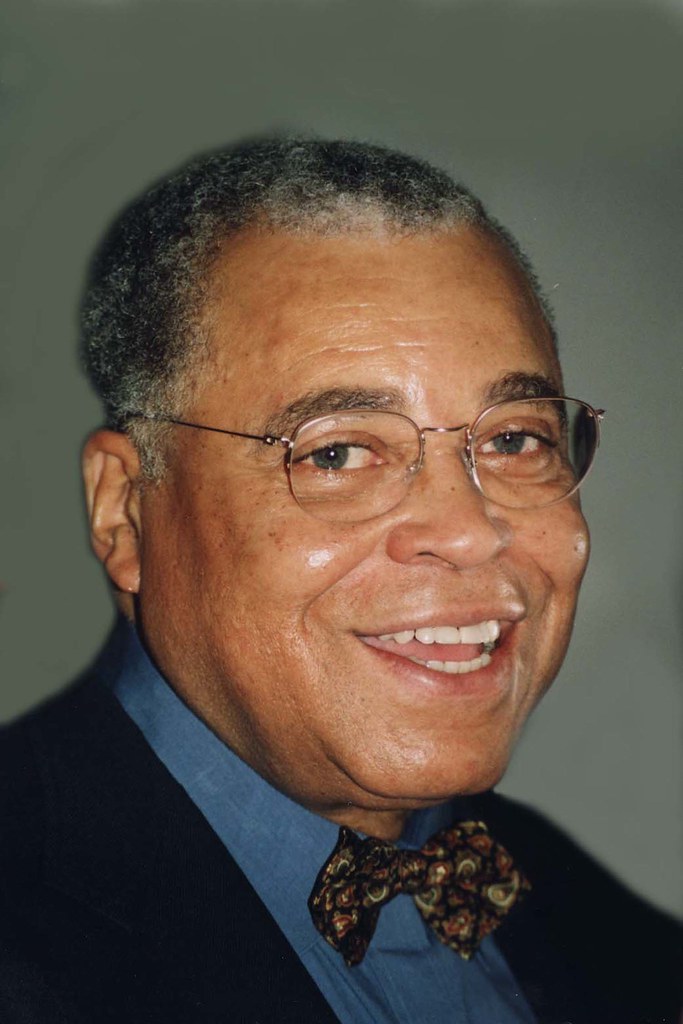
14. **Enduring Impact and Legacy on Acting and Storytelling**James Earl Jones departed at 93, leaving an artistic footprint that transcends the conventional boundaries of acting, cementing his legacy as a titan of stage and screen. His passing prompted a global outpouring of tributes from peers and admirers, all acknowledging an “acting giant” and a “master of our craft.” Mark Hamill, his on-screen son Luke Skywalker, succinctly conveyed the sentiment with “#RIP Dad,” while LeVar Burton noted, “there will never be another of his particular combination of graces.” Colman Domingo added, “Thank you dear James Earl Jones for everything. A master of our craft. We stand on your shoulders. Rest now. You gave us your best.”
Mr. Jones’s philosophy on art’s power was deeply personal and profoundly influential. He once told The Associated Press, “I realized early on, from people like Athol Fugard, that you cannot change anybody’s mind, no matter what you do. As a preacher, as a scholar, you cannot change their mind. But you can change the way they feel.” This belief guided his performances, allowing him to connect with audiences on an emotional level, fostering empathy and understanding through the stories he helped tell.
His lasting influence is echoed in the words of Hollywood colleagues. Kevin Costner, who co-starred with Jones in “Field of Dreams,” remembered “That booming voice. That quiet strength. The kindness that he radiated. So much can be said about his legacy, so I’ll just say how thankful I am that part of it includes Field of Dreams.” Oscar-winning actress Octavia Spencer declared his “voice and talent will be remembered always” and that “legendary doesn’t even begin to describe his iconic roles and impact on cinema forever.” Samuel L. Jackson encapsulated the aspirational quality of Jones’s career, stating, “If you were an actor or aspired to be an actor, if you pounded the pavement in these streets looking for jobs, one of the standards we always had was to be a James Earl Jones.”
Read more about: Nicole Kidman’s Unflinching Quest: Unpacking the Extreme Roles That Define Her Enduring Legacy
From overcoming a debilitating stutter to commanding the stage as Shakespearean royalty and giving voice to cinematic villains and beloved animated kings, James Earl Jones’s journey was a powerful narrative in itself. His extraordinary career, spanning seven decades, redefined what it meant to be a commanding presence, not just through sound, but through the profound depth of character he brought to every role. He believed in taking “one step at a time,” finding “great treasures” with each stride, and indeed, the world is immeasurably richer for the treasures he left behind.