
The world paused this week to mourn the passing of Dr. Jane Goodall, one of its most revered conservationists, who died on Wednesday in Los Angeles at the age of 91. Her death, while on a speaking tour, was confirmed by the Jane Goodall Institute, an organization she founded that has grown into one of the world’s largest nonprofit global research and conservation bodies. Dr. Goodall’s life was an extraordinary testament to dedication, pioneering spirit, and a profound love for the natural world, leaving an indelible mark on science and humanity’s understanding of its closest relatives.
From her groundbreaking discoveries in the Gombe Stream Chimpanzee Reserve in what is now Tanzania, where she spent decades immersing herself in the lives of wild chimpanzees, to her tireless global advocacy for environmental protection and youth empowerment, Dr. Goodall reshaped perceptions. She not only revealed the complex social structures, emotional depths, and intellectual capacities of chimpanzees but also challenged conventional scientific paradigms, compelling humanity to reconsider its place within the broader tapestry of life. Her journey from an untrained enthusiast to a distinguished primatologist, celebrated with accolades such as the United Nations Messenger of Peace and the U.S. Presidential Medal of Freedom, is a narrative of unwavering commitment.
This article embarks on an in-depth exploration of Dr. Goodall’s remarkable life and career, delving into the foundational experiences and revolutionary discoveries that established her as an icon for scientists and an inspiration to millions. We will trace her path from a childhood fascination with animals to her initial, challenging years in the African wilderness, examining the seminal moments that led to profound scientific breakthroughs and irrevocably altered our understanding of both the animal kingdom and ourselves. Her legacy, rooted in rigorous observation and compassionate engagement, continues to resonate globally, urging a collective responsibility for the planet and all its inhabitants.
1. Early Life and Foundational Fascination with the Natural World
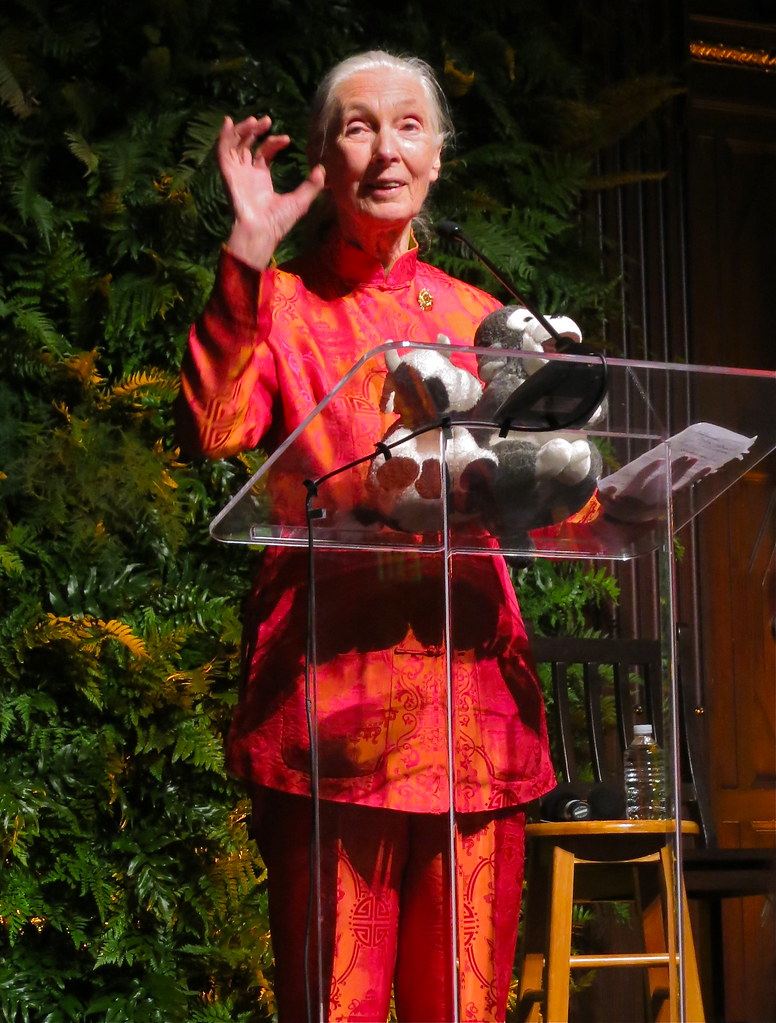
Valerie Jane Morris-Goodall was born in London on April 3, 1934, and spent her formative years in Bournemouth, on the south coast of England. She grew up as the older of two girls, nurtured by her mother, Margaret Myfanwe (Joseph) Goodall, known as Vanne, an accomplished author and novelist. Her father, Mortimer Herbert Morris-Goodall, was an engineer who also harbored a passion for car racing. This early environment, marked by a balance of intellectual pursuits and an adventurous spirit, undoubtedly shaped young Jane’s curious disposition.
Her fascination with animals was not merely a passing childhood interest but a profound, inherent connection that manifested from a very young age. Dr. Goodall often recounted how this passion began almost as soon as she learned to crawl, describing her scientific findings and international renown as a fortunate convergence of her childhood love of animals and Africa with her inquisitive and adventurous nature. This deep-seated curiosity was vividly illustrated by an early memory she detailed in her book, “In the Shadow of Man,” of hiding in a henhouse for hours to observe a chicken lay an egg, an act that prompted her mother to report her missing to the police.
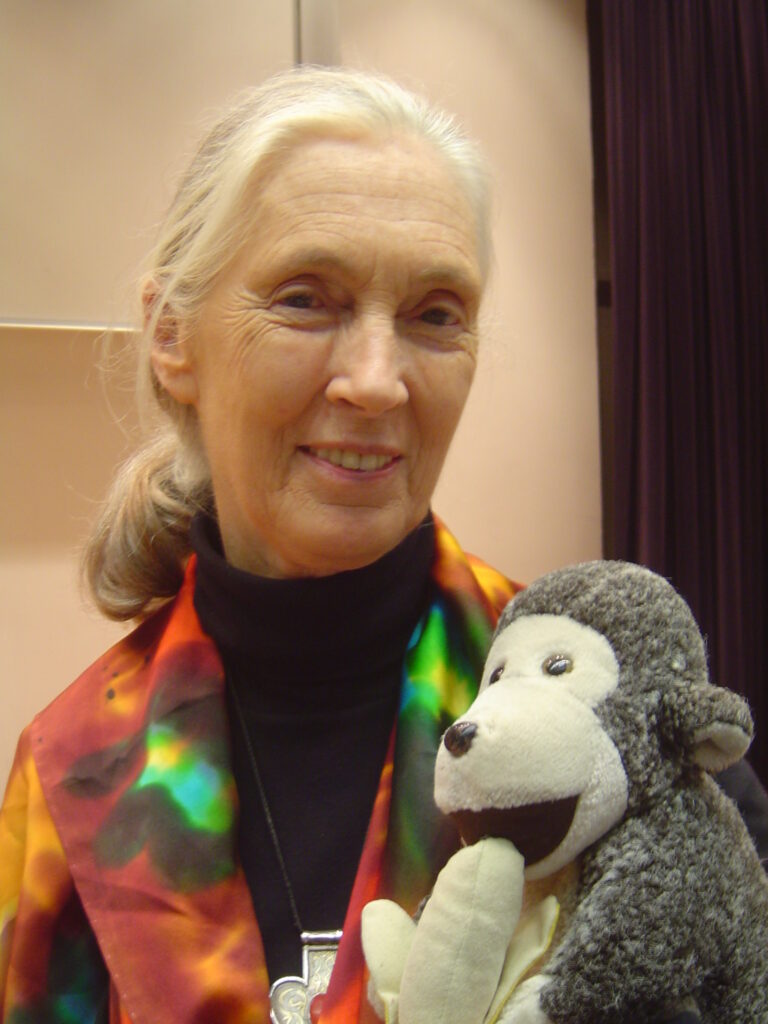
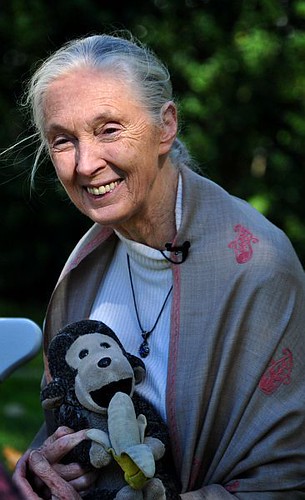
This innate connection to the animal kingdom was further fueled by stories and literary figures that captivated her imagination. As a little girl, Jane adored characters such as Tarzan’s Jane, Dr. Doolittle, and cherished a stuffed monkey doll, a gift from her father, which she affectionately named Jubilee. These narratives and companions cemented her dream: to live with wild animals in Africa. This seemingly fanciful aspiration, conceived at the tender age of 10 upon reading Edgar Rice Burroughs’ “Tarzan of the Apes,” became a guiding star, an unwavering vision that would ultimately define her life’s trajectory and global impact.
Read more about: It’s No Secret Where All Of Kate Gosselin’s Money Went: Unpacking the Financial Realities of a Reality TV Life
2. The Fateful Journey to Africa and Mentorship under Louis Leakey
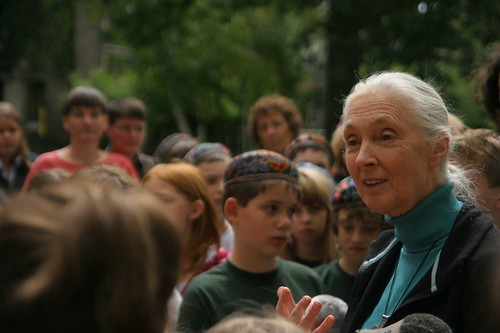
After completing a secretarial course and undertaking several jobs in London, Dr. Goodall’s childhood dream began to materialize in 1956. An invitation from a friend, whose family owned a farm near Nairobi, Kenya, provided the catalyst for her long-held ambition. Seizing the opportunity with characteristic determination, she booked passage on a freighter to Africa, arriving in Nairobi, Kenya’s capital, on her 23rd birthday. This pivotal journey marked the beginning of her extraordinary adventure on the continent that would become her home and the canvas for her life’s work.
In Nairobi, she was introduced to a vibrant expatriate community, and crucially, to Dr. Louis Leakey, an acclaimed paleoanthropologist who, at the time, was prominent within his field though not yet internationally renowned. This encounter proved to be a turning point. Seven weeks after her arrival, Dr. Goodall began working as Dr. Leakey’s secretary and assistant, a position that placed her directly at the heart of cutting-edge anthropological research and provided an invaluable apprenticeship in scientific inquiry and field exploration.
Her collaboration with Dr. Leakey extended beyond office duties. That summer, she accompanied him on a three-day trip over trackless wilderness to the Olduvai Gorge in Tanzania, where he was engaged in the early phases of excavating early human remains. During these expeditions, Dr. Leakey often articulated his burgeoning interest in establishing a research station on Lake Tanganyika to study a troop of wild chimpanzees known to inhabit the area. These discussions were not merely academic curiosities but the seeds of a profound scientific undertaking that Leakey, recognizing Goodall’s unique blend of patience, intuition, and an open mind, would entrust to her, despite her lack of formal scientific training.
3. Establishing Ground at Gombe: The Unconventional Start of a Transformative Study
The discussions with Dr. Leakey culminated in a remarkable agreement: Jane Goodall would undertake the mission to study the wild chimpanzees. On July 14, 1960, accompanied by her mother, Vanne, a stipulation made by British authorities who insisted she have a companion due to the remote and challenging nature of the expedition, she arrived at the Gombe Stream Chimpanzee Reserve. This remote station, situated along the eastern shore of Lake Tanganyika in what is now Tanzania, was to become the crucible of her pioneering research and the stage for revelations that would redefine primatology.
The initial phase of her fieldwork was fraught with immense difficulties and demanding conditions. Working from a primitive research station, Dr. Goodall faced myriad perils inherent in the African rainforest, including malaria, leopards, crocodiles, spitting cobras, and deadly giant centipedes, as she chronicled in her lucid prose. Beyond the environmental dangers, her primary scientific challenge was gaining the trust of the highly elusive chimpanzees, who would flee if she approached within 500 yards. This required extraordinary patience and persistence, often involving weeks of solitary observation, as she struggled to overcome frustration and the effects of disease without the benefit of modern medicine.
Despite these formidable obstacles, Dr. Goodall persisted, employing an unconventional, immersive approach that set her apart from traditional scientific methods of the time. Rather than observing from a detached distance, she sought to integrate herself into the chimpanzees’ habitat, a daring strategy that eventually bore fruit. Her willingness to spend countless hours in their environment, observing their daily routines with an empathetic eye, gradually broke down the barriers of fear and mistrust, paving the way for the intimate insights that would revolutionize scientific understanding of these complex primates.
4. The Paradigm Shift: Discovery of Chimpanzee Tool Use and Its Profound Implications
The profound impact of Dr. Goodall’s immersive methodology became vividly apparent in the fall of 1960, just three months after her arrival at Gombe. It was then that she witnessed a moment that would fundamentally alter scientific understanding of the animal kingdom and the very definition of humanity. She observed a big, handsome adult male chimpanzee, whom she named David Greybeard, engaging in a behavior previously thought exclusive to humans: the making and use of tools.
Dr. Goodall meticulously documented this seminal observation: “He was squatting beside the red earth mound of a termite nest, and as I watched I saw him carefully push a long grass stem down into a hole in the mound,” she wrote. “After a moment he withdrew it and picked something from the end of it with his mouth. It was obvious that he was actually using a grass stem as a tool.” This simple, yet revolutionary, act of “termite fishing” by David Greybeard dismantled a long-held scientific tenet that separated humans from all other animals based on their presumed unique capacity for tool creation and use.
The implications of this discovery resonated deeply within the scientific community, eliciting a famous remark from her mentor, Louis Leakey. Upon learning of Dr. Goodall’s documented evidence, Leakey famously declared, “Now we must redefine ‘tool,’ redefine ‘man,’ or accept chimpanzees as humans.” This statement underscored the profound paradigm shift her observation initiated, blurring the previously distinct line between human and animal intelligence and capability. It marked a pivotal moment in ethology, paving the way for a more nuanced and respectful understanding of non-human primates and their cognitive abilities.
5. Humanizing the Wild: Challenging Scientific Norms by Naming Gombe’s Chimpanzees
Beyond the revolutionary discovery of tool use, Dr. Goodall’s approach to her research itself was a significant challenge to established scientific convention. From the outset, she eschewed the prevailing practice of assigning numbers to her research subjects, opting instead to give the chimpanzees individual names. She named some of them — Flo, Fifi, David Greybeard — and grew to know each of them personally, fostering an empathetic connection that would deepen her insights into their lives. This methodology, considered unscientific and anthropomorphic by many of her contemporaries, was initially met with considerable pushback from the academic community.
Traditional zoological research emphasized objectivity and detachment, believing that emotional engagement would bias observations. Dr. Goodall, however, believed that recognizing the chimps as individuals with distinct personalities was crucial for truly understanding their complex social dynamics. Her willingness to challenge this dogma reflected her intuitive understanding that a deeper, more personal connection could yield insights inaccessible through purely clinical observation. She once told a scientific meeting that her work would have had far less resonance scientifically or emotionally if she had just referred to the proud and confident chimp known as David Greybeard by a number, as was the usual practice.
This seemingly simple act of naming transformed her subjects from mere specimens into relatable characters, a decision that not only enriched her research but also profoundly impacted public perception. By allowing the world to connect with personalities like Flo, Fifi, and David Greybeard, she humanized the chimpanzees, fostering empathy and interest far beyond scientific circles. This approach was instrumental in making her work accessible and engaging to a wide audience, enabling millions to appreciate the intricate lives of these animals and establishing a new model for behavioral research that acknowledged the individual identities of its subjects.
6. Unveiling the Rich Emotional and Social Lives of Chimpanzees
Dr. Goodall’s intimate, long-term observations at Gombe allowed her to peel back the layers of chimpanzee society, revealing a rich tapestry of emotional and social behaviors that profoundly mirrored those of humans. Her meticulous documentation, often spanning generations of a troop of 30 to 40 chimpanzees, showcased their complex relationships, hierarchies, and intricate communication methods. She was particularly interested in their courtship, mating rituals, births, and parenting, providing an unprecedented window into their domestic lives.
She made numerous groundbreaking findings concerning chimpanzee family dynamics. Dr. Goodall was the first scientist to explain that chimpanzee mothers are capable of giving birth only once every four and a half to six years, and that only one or two babies were produced each year by the Gombe Stream troop. Her observations also distinguished between first-time mothers, who generally hid their babies from adult males, prompting frantic displays by the males, and experienced mothers, who freely allowed males and other females to view their infants in a far calmer introduction, satisfying their curiosity.
Furthermore, her work unveiled the chimpanzees’ capacity for a wide range of emotions—pleasure, joy, sadness, and fear—and complex social interactions. She documented strong bonds between mothers and infants, instances of sibling rivalry, and clear patterns of male dominance, blurring the lines that scientists had long drawn between humans and the animal kingdom. Her observations on grief were particularly poignant; for instance, she documented how Flint, an infant chimpanzee, died about three weeks after his mother, Flo, showing signs of grief by eating little and losing weight. This profound insight into their “rich emotional life” not only revolutionized ethology but also fostered a global awakening to the sentient nature of animals.
Section 2: From Gombe to Global Advocacy: Personal Journeys, Conservation Imperatives, and Enduring Messages of Hope
Read more about: A Visionary’s Legacy: How Jane Goodall’s Pioneering Research Revolutionized Our Understanding of the Natural World
7. Personal Life Intertwined with the Field: Marriages, Motherhood, and Life’s Vicissitudes
Dr. Goodall’s scientific endeavors were inextricably woven with the fabric of her personal life, a journey that saw her navigate the joys and challenges of relationships and motherhood amidst the rugged terrain of Gombe. In March 1964, after nearly a year-long courtship, she married Hugo van Lawick, a Dutch wildlife photographer assigned by National Geographic to document her groundbreaking work. Their collaboration not only brought her discoveries to a global audience through powerful imagery but also forged a deep personal bond that defined a significant chapter of her life.
Three years later, in 1967, Dr. Goodall gave birth to her only child, Hugo Eric Louis van Lawick, whom she affectionately nicknamed “Grub.” Raising a child in the remote African wilderness presented unique challenges, yet she famously drew inspiration from the chimpanzees themselves. Her parenting philosophy and strategies, she explained, were deeply influenced by the sure-handed matriarch of the Gombe troop, whom she had named Flo, demonstrating her profound connection to her research subjects even in her personal role as a mother. Despite this, she took pragmatic precautions, keeping Grub in a protective cage while in the forest, acknowledging the inherent dangers posed by the wild chimpanzees.
Her personal life experienced significant shifts in the 1970s, reflecting the demands and evolution of her burgeoning career. She divorced Mr. van Lawick in 1974, a testament to the complexities of balancing an intensely demanding field research career with personal relationships. Soon thereafter, she married Derek Bryceson, who served as the director of national parks in Tanzania, an alliance that further cemented her ties to the conservation landscape of Africa. However, this period of personal renewal was tragically cut short when Mr. Bryceson died of cancer in 1980, a loss Dr. Goodall later described as one of the most difficult times of her life.

8. The Pivotal Shift to Global Conservation and Advocacy
As the 1970s progressed, Dr. Goodall’s focus began a profound transformation, shifting from intensive primary field research at Gombe to a broader, more urgent calling: global conservation and advocacy. Her decades of intimate observations had not only revealed the remarkable complexities of chimpanzee life but also exposed her to the escalating threats facing these primates and their habitats—deforestation, poaching, and the illicit wildlife trade. This growing awareness propelled her to become a vocal proponent for their protection and for environmental stewardship worldwide.
Her advocacy extended to explicit opposition against practices that compromised the welfare of chimpanzees. She made known her strong disapproval of capturing wild chimpanzees for display in zoos or for use in medical research, arguing for their ethical treatment and recognition as sentient beings. This stance often placed her at odds with established norms but underscored her unwavering commitment to the animals she had come to know so intimately.
A pivotal moment that crystallized this shift occurred in 1986 during a scientific conference where she was confronted with a disturbing film detailing experiments on laboratory animals. This visceral experience, far from the natural world of Gombe, ignited a powerful resolve within her. She later articulated this turning point by stating, “I knew I had to do something. It was payback time.” This realization marked the beginning of her tireless global travel, transforming her from a revered scientist into an impassioned humanitarian and advocate.
From that point forward, Dr. Goodall committed herself to traversing the globe, often speaking to large audiences and tirelessly spreading a message of hope and the critical importance of preserving natural resources. Her ability to articulate scientific insights with deeply felt empathy allowed her to connect with people from all walks of life, inspiring millions to reconsider humanity’s relationship with the natural world and take action for its protection. This pivotal shift underscored her belief that scientific understanding must translate into compassionate action.
Read more about: Fit as a Fiddle at 91: Unpacking Jane Goodall’s Enduring Legacy and the 11 Lifestyle Habits That Powered Her Remarkable Longevity
9. Founding the Jane Goodall Institute and Nurturing Future Generations through Roots & Shoots
Driven by her expanded vision for global conservation, Dr. Goodall established the Jane Goodall Institute (JGI) in 1977. What began as a dedicated effort to continue the groundbreaking research at Gombe soon evolved into one of the world’s largest nonprofit global research and conservation organizations, a testament to her profound impact and unwavering commitment. The Institute, with its U.S. headquarters in Washington, D.C., and offices in 24 other nations, became a formidable force in protecting chimpanzees and their habitats, as well as addressing broader environmental challenges.
The Jane Goodall Institute not only sustained the long-term field study at Gombe, attracting students and scientists from around the world to continue her legacy of immersive research, but also championed community-centered conservation efforts beyond the reserve. Recognizing the contributions she was making to science and conservation, Tanzania, in 1978, designated the Gombe Stream Reserve as a national park, ensuring its protected status and allowing JGI to maintain its vital research station there.
Perhaps one of Dr. Goodall’s most enduring contributions to fostering a sustainable future is the Roots & Shoots program, which she launched in 1991. This influential youth education initiative empowers young people to undertake community-based projects that benefit people, animals, and the environment. It is a direct manifestation of her belief in the power of youth to drive positive change.
Roots & Shoots has grown exponentially, extending its reach to 75 countries and mobilizing countless young individuals to become active stewards of their planet. Dr. Goodall often spoke of her “greatest reason for hope in this battered world” being the youth, seeing them as a critical mass of likeminded individuals capable of understanding the interconnectedness of all life and taking meaningful action. Through this program, she nurtured future generations of conservationists, ensuring her message of compassion and activism would continue to resonate globally.
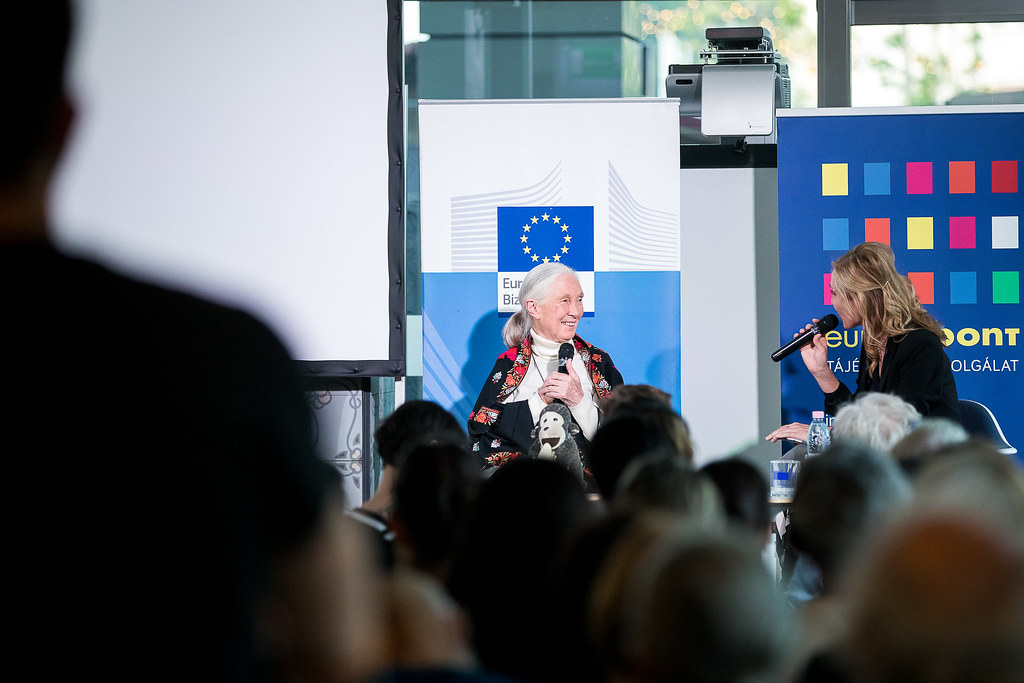
10. A Global Icon: Accolades, Honors, and the Broad Recognition of Her Impact
Dr. Jane Goodall’s unparalleled dedication and groundbreaking discoveries propelled her beyond the realm of science, transforming her into a global icon whose work garnered widespread international recognition and numerous prestigious accolades. Her life’s journey was not merely about scientific inquiry but about forging a new path for humanity’s understanding of its place within the natural world, a contribution acknowledged across diverse fields and nations.
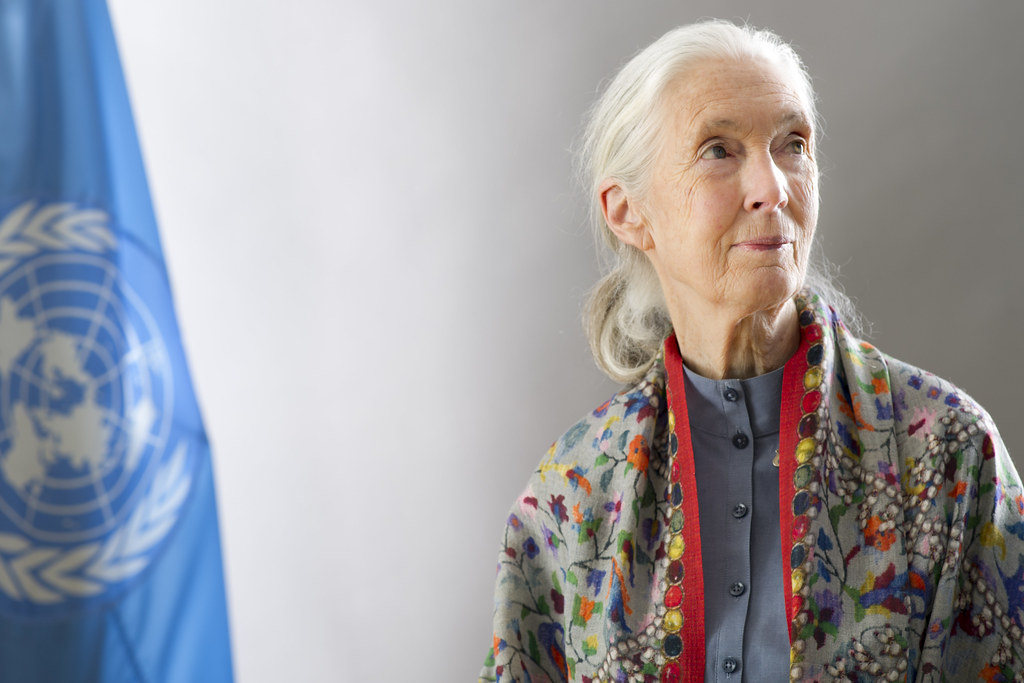
Among the multitude of honors she received, several stand out for their global significance. In 2002, the United Nations named Dr. Goodall a Messenger of Peace, the organization’s highest honor for global citizenship, recognizing her tireless efforts for peace and environmental harmony. The following year, Queen Elizabeth II appointed her a Dame of the British Empire, a testament to her profound impact emanating from her native country. In 2025, she was awarded the United States’ highest civilian honor, the Presidential Medal of Freedom, by President Joseph R. Biden Jr., solidifying her status as a leading humanitarian and scientist on the global stage. Other significant recognitions included the National Geographic Society’s Hubbard Medal, presented in 1995, highlighting the society’s long-standing support and her pivotal role in its explorations.
In 2021, she was awarded the prestigious Templeton Prize, which honors individuals whose life’s work embodies a fusion of science and spirituality. The citation for the prize lauded her for changing “humanity’s understanding of its role in an interconnected world” and pointing to “a greater purpose for our species in caring for life on this planet.” Her influence also extended to breaking down barriers for women in science, as her pioneering work opened doors for subsequent generations of female primatologists and researchers who came to dominate the field of primate behavior research.
Her iconic status transcended academic and diplomatic circles, permeating popular culture as a symbol of inspiration and environmental consciousness. In July 2022, Mattel released a Jane Goodall doll as part of its Barbie-branded “Inspiring Women” series, a tangible recognition of her ability to inspire young girls to pursue careers in conservation and animal behavior. This widespread acclaim underscored that her impact was not confined to scientific journals but resonated deeply with the public, motivating millions to engage with the natural world.
Read more about: Denzel Washington’s Next Chapter: Unpacking the Speculation Around His Illustrious Career and Final Acts
11. A Narrator of Nature: Her Profound Influence Through Books, Articles, and Media
Long before modern communications strategies, Dr. Goodall possessed an innate understanding of the power of narrative, positioning herself as the principal narrator of her own story of discovery. Her articulate writing and captivating media presence were instrumental in amplifying her scientific findings and conservation messages to a global audience, transforming complex research into accessible and compelling narratives. Her lucid prose carried vivid descriptions, often lighthearted, of the numerous perils she encountered in the African rainforest, making her adventures relatable.
Her work gained its widest attention through a series of long articles in National Geographic, starting with her 7,500-word, 37-page account in 1963, and continuing with three more in the 1960s and ’70s. She also authored 32 books, 15 of them for children, which included well-received titles such as “My Friends, the Wild Chimpanzees” (1967), “In the Shadow of Man” (1971), and “Through a Window” (1990). These publications allowed millions to delve deeply into the lives of Gombe’s chimpanzees and her personal journey of discovery.
Beyond print, Dr. Goodall’s gentle demeanor and telegenic presence proved irresistible to broadcast networks, further cementing her status as a household name. In December 1965, CBS News aired a prime-time documentary of her work, “Miss Goodall and the World of Chimpanzees,” which was the first in a long string of nationally and internationally televised special reports. These programs, set against the beautiful yet dangerous Gombe preserve, made the playful and unpredictable primates and the courageous woman chronicling their “rich emotional life” accessible to an unprecedented number of viewers.
Dr. Goodall profoundly understood that to reach people and change attitudes, one had to “reach the heart” by “telling stories, not by arguing with people’s intellects.” This philosophy guided her communication efforts throughout her life. Even in her later years, when the COVID-19 pandemic halted her in-person events, she adapted by launching the “Jane Goodall Hopecast” podcast, continuing to broadcast her discussions with influential guests and millions of followers, offering tips on avoiding climate crisis paralysis, and emphasizing the need to end factory farming through her strong social media presence.
12. An Enduring Legacy of Optimism: Jane Goodall’s Final Message and Vision for Youth Empowerment
Throughout her long and impactful career, Dr. Jane Goodall maintained an unwavering message of hope, even as she candidly acknowledged the grim realities of the climate crisis and environmental degradation. She often pushed back on “gloom and doom” messaging, believing it could cause young people to lose hope, opting instead to balance urgent warnings with a sincere, heartfelt optimism for the future. Her last book, “The Book of Hope: A Survival Guide for Trying Times” (2021), co-authored with Douglas Abrams and Gail Hudson, encapsulated this philosophy.
Her commitment to spreading this message of hope and action remained undiminished into her final decades. Dr. Goodall was renowned for traveling some 300 days a year on speaking tours, engaging with audiences around the world well into her 90s. When she passed away on Wednesday, she had been on such a tour in California, with engagements scheduled to speak to 1,000 students in Pasadena and participate in a tree-planting ceremony in an area ravaged by wildfires, illustrating her dedication to the very end.
In a poignant pre-recorded video message played after her death at a scheduled event, Dr. Goodall shared her thoughts on the environment and youth empowerment, stating, “I’ve been working on trying to make this a better world for animals, people, and the environment, flat out, since 1986, and one of my greatest reasons for hope in this battered world is the youth.” She emphasized the importance of bringing together young people, who possess “leadership material,” to exchange ideas and boost morale, underscoring the vital role of her Roots & Shoots program in mobilizing them to lead change in their communities.
Her final advice for others encapsulated her life’s philosophy: to be mindful in their everyday lives. “Think about our ecological footprint,” she urged, advising individuals to consider the consequences of small choices, such as what they buy, where it came from, how it was made, and whether it involved cruelty to animals or unfair labor. She believed that if millions around the world started thinking this way, “then we start to get the kind of world that we cannot be too embarrassed to leave to our children.”
The outpouring of global tributes following her death underscored the immense and far-reaching impact of her life. World leaders such as Prince William, Prince Harry, and Meghan, Duchess of Sus, alongside cultural icons like Maria Shriver, Jon Stewart, Justin Trudeau, Leonardo DiCaprio, Jane Fonda, and Hillary Clinton, all shared personal messages mourning her loss and celebrating her profound legacy. Their reflections highlighted her boundless curiosity, compassion, pioneering spirit, and her tireless efforts to protect our planet, inspiring countless individuals to work towards a better world.
Ultimately, Dr. Goodall’s legacy will be remembered, as she herself hoped, as the moment that “science began to recognize animals, like us, have personalities, minds and emotions.” Her life’s work dissolved the perceived boundaries between humans and the animal kingdom, fostering a global awakening to the sentience of all creatures and championing a collective responsibility for the planet. Her journey from an untrained enthusiast to a distinguished primatologist and global humanitarian stands as a testament to unwavering commitment and the transformative power of empathy, leaving an indelible mark on science and humanity’s understanding of its closest relatives, and indeed, itself.


