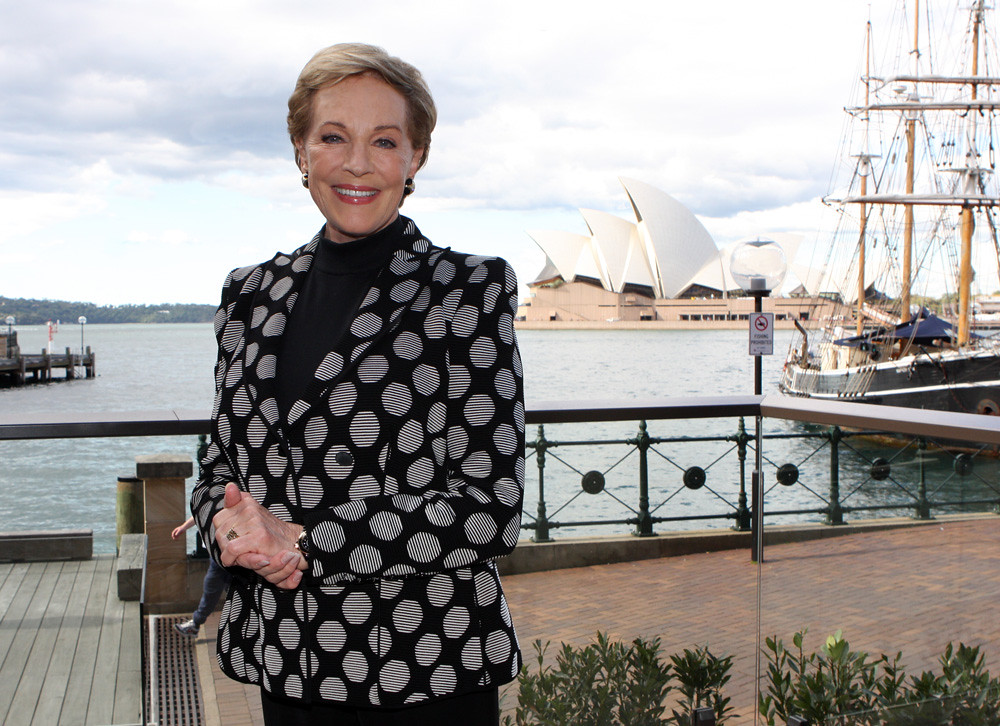
As Dame Julie Andrews approaches her 90th birthday, her incredible life story continues to captivate, a narrative woven with remarkable achievements, enduring grace, and a personal journey marked by a deeply blended and often challenging family history. This beloved actress, singer, and author, celebrated for her iconic roles and unwavering talent, has navigated a complex personal landscape that shaped the resilient spirit we admire today.
Her path to global stardom was paved not just by prodigious talent but also by the foundational experiences within her family – a mosaic of relationships, revelations, and transformations. From her intricate beginnings to the significant figures who guided and challenged her, Julie’s family life offers a compelling look at the forces that molded one of the entertainment world’s most cherished figures. It’s a testament to her strength that she transformed early adversity into a bedrock of character and compassion.
Join us as we take an intimate look at the family tapestry of Julie Andrews, exploring the pivotal moments and personal connections that define her journey. This in-depth exploration reveals the human story behind the legendary star, underscoring how her blended family experiences were integral to the remarkable woman she became, a true icon turning 90 with a lifetime of stories to tell.
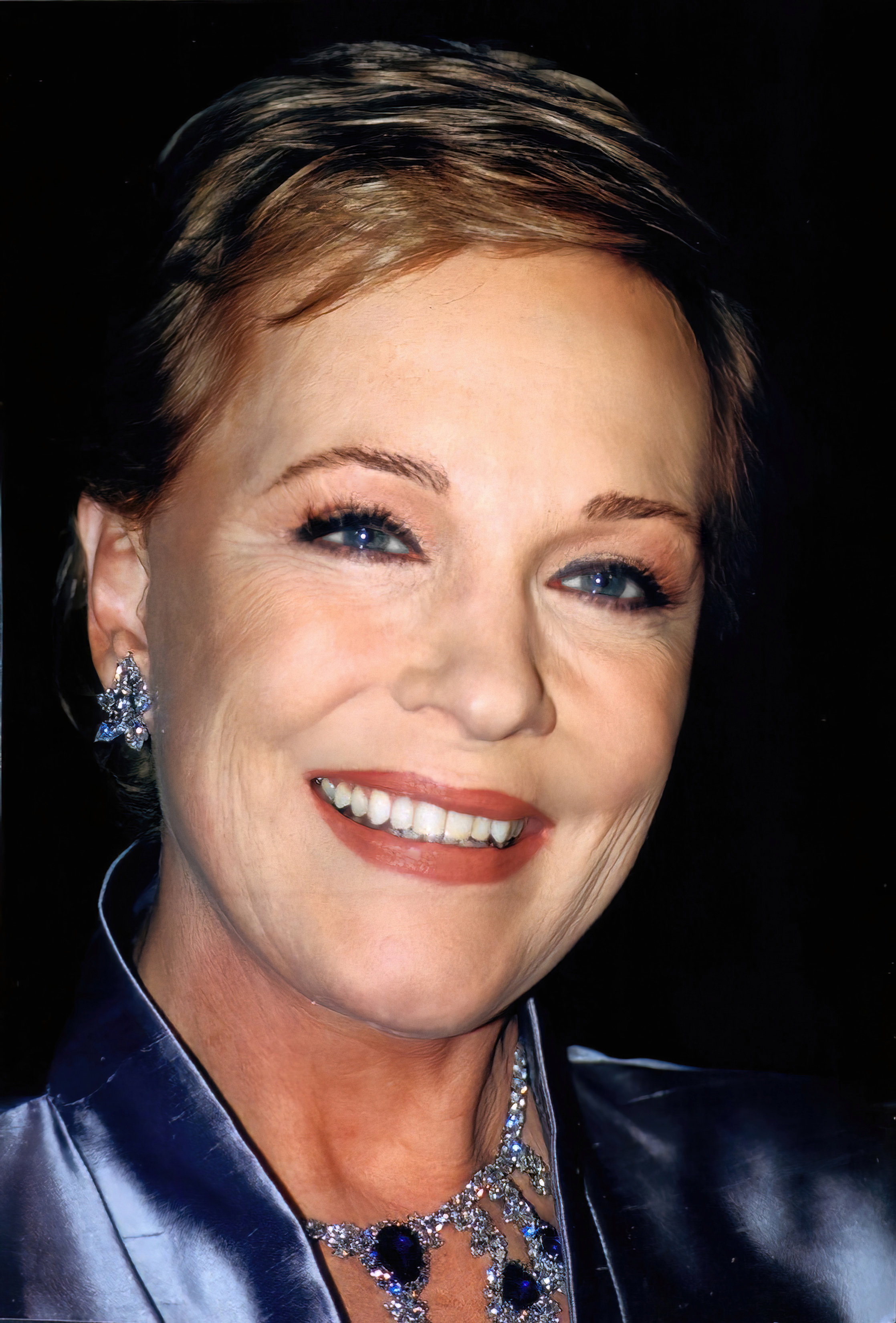
1. **Unveiling the Truth: Julie’s Birth and Her Hidden Parentage**Julie Andrews, born Julia Elizabeth Wells on October 1, 1935, in Walton-on-Thames, Surrey, England, entered the world under circumstances more intricate than her public persona initially revealed. Her early life carried a significant secret, one that would deeply inform her sense of self and family. The context surrounding her birth was a private matter for many years, highlighting a complex beginning that she would later bravely share with the world.
The truth of her parentage, a deeply personal discovery, came to light when Andrews was just 15 years old. In 1950, her mother disclosed that Julie was conceived as a result of an affair with a family friend. This revelation, kept within the family for decades, eventually found its way into the public domain through her 2008 autobiography, Home: A Memoir of My Early Years. It was a courageous act of transparency, offering fans a deeper understanding of the foundations upon which her identity was built.
Understanding her true parentage undoubtedly added layers of complexity to her understanding of family and belonging. It placed her early life within a unique narrative, where the bonds of kinship extended beyond conventional definitions. This personal story of discovery and acceptance speaks volumes about her inner strength and her journey toward self-awareness, underscoring that even stars grapple with profound personal histories.
2. **Barbara and Ted Wells: The First Chapter of Family Life**Julie’s biological parents were Barbara Ward Wells (née Morris) and Edward Charles “Ted” Wells. Barbara, born in Chertsey in 1910, and Ted, a dedicated teacher of metalwork and woodwork, married in 1932. Their union marked the beginning of Julie’s initial family unit, a structure that would soon face the immense pressures of global conflict and personal change.
Ted Wells, a man of practical skills and a stable profession, provided a grounding presence in Julie’s nascent years. His role as a teacher hints at a man of discipline and dedication, qualities that might have subtly influenced Julie’s own meticulous approach to her craft. The early family life, while perhaps appearing traditional on the surface, carried the unspoken complexities that would later emerge.
Their shared history, however brief as a nuclear unit, laid the groundwork for Julie’s earliest experiences of love and family. It was from this initial partnership that Julie herself emerged, carrying the genetic and early environmental influences of both Barbara and Ted. The story of her parents is the essential first act in the unfolding drama of Julie Andrews’ life and family.
3. **A World War Divides: The Pain of Parental Separation and Remarriage**The outbreak of World War II cast a long shadow over countless families, and Julie Andrews’ was no exception. The immense societal upheaval and personal strains of wartime led to her parents, Barbara and Ted Wells, going their separate ways. This separation culminated in their divorce, a poignant consequence of a world in turmoil, and a deeply formative experience for a young Julie.
Following their divorce, both parents embarked on new chapters, seeking stability and companionship amidst the ongoing challenges of life. Barbara remarried in 1943, choosing Ted Andrews as her new partner. Meanwhile, Ted Wells also found love again, marrying Winifred Maud (Hyde) Birkhead in 1944. Winifred was a war widow and former hairstylist, whom Ted met at a war work factory where they both were employed in Hinchley Wood, Surrey.
These swift remarriages introduced new figures into Julie’s life, instantly creating a more intricate family structure. The presence of step-parents on both sides marked the genuine beginning of a ‘blended’ family for Julie, long before she would form her own. This period underscored the fluidity of family during a time of global crisis, forcing young Julie to adapt to shifting parental figures and living arrangements.
4. **Life with ‘Pop’: Navigating a Challenging Stepfather Relationship**In 1940, with the war intensifying and her father, Ted Wells, assisting with evacuating children, young Julie was sent to live with her mother and stepfather, Ted Andrews. Her father believed that her mother and stepfather would be better able to provide for his talented daughter’s artistic training, recognizing her burgeoning potential. However, this new living situation brought its own set of profound challenges for Julie.
Initially, Julie had been accustomed to referring to her stepfather as “Uncle Ted.” Her mother, however, suggested a change, encouraging her to call him “Pop,” while her biological father remained “Dad” or “Daddy.” This shift, though seemingly minor, was one that Julie deeply disliked, signaling an early discomfort and tension within her new blended household. It was a subtle indicator of the emotional complexities she faced.
The family’s financial situation was dire; Andrews recalled that they were “very poor” and “lived in a bad slum area of London” during this period, describing the war as “a very black period in my life.” Adding to the hardship, her stepfather was an alcoholic and exhibited violent behavior. Disturbingly, he twice tried to get into bed with his stepdaughter while drunk, leading a young Julie to take drastic measures: she fitted a lock on her door to ensure her safety. These experiences, though harrowing, forged an incredible resilience within her, even as they marked a deeply painful part of her family narrative.
5. **The Brotherly Bond: Shared Childhood with John Wells**Amidst the backdrop of parental separation and the upheaval of wartime, Julie Andrews also shared a brief but significant period of her early life with her brother, John. The context reveals that during the initial phase of her parents’ divorce, Julie lived briefly with her father, Ted Wells, and her brother, John, in Surrey. This shared time, though perhaps fleeting, represents another thread in her intricate family tapestry.
Having a sibling during such tumultuous times can provide a unique form of companionship and shared understanding. While the specific details of their bond are not elaborated upon in the context, the mere mention of John’s presence underscores that Julie was not entirely alone in navigating the complexities of her changing family structure. Siblings often become confidantes and allies, especially when the adult world around them is unstable.
This early connection with John, her paternal half-brother, adds another dimension to the concept of her “blended family.” It illustrates that family connections extended across the new household arrangements, forming a network of relationships that shaped her childhood. Even as new step-parents entered her life, these original sibling ties remained a part of her foundational story.
6. **From Hardship to Harmony: The Role of Artistic Mentorship in Her Blended Childhood**Despite the considerable hardships and the traumatic experiences with her stepfather, Ted Andrews eventually played a crucial role in fostering Julie’s extraordinary talent. As his and her mother’s stage careers began to improve, they gained the financial means to move to better surroundings, first to Beckenham and then back to Hersham. This improved stability allowed them to invest in Julie’s burgeoning artistic gifts, demonstrating a complex mix of neglect and support within the stepfather-stepdaughter relationship.
It was Ted Andrews who sponsored her lessons, first at the independent arts educational school Cone-Ripman School (now Tring Park School for the Performing Arts) and subsequently with the esteemed concert soprano and voice instructor, Madame Lilian Stiles-Allen. This pivotal investment in her training profoundly shaped her future. Julie herself spoke of Stiles-Allen’s immense influence, calling her “my third mother,” and stating, “I’ve got more mothers and fathers than anyone in the world,” a poignant reflection on her intricate family lineage.
Madame Stiles-Allen recognized Julie’s exceptional abilities, recording in her memoir, Julie Andrews – My Star Pupil, that “The range, accuracy and tone of Julie’s voice amazed me … she had possessed the rare gift of absolute pitch.” While Julie modestly refuted the absolute pitch claim, she acknowledged Madame’s belief in her ability to perform Mozart and Rossini. Her description of her own voice – “a very pure, white, thin voice, a four-octave range – dogs would come from miles around” – perfectly captures the blend of talent and humor that would define her career, all nurtured through this crucial mentorship in her blended, evolving family context.
7. **Building a Foundation: Academic and Dance Training Alongside Her Musical Gifts**Beyond her exceptional vocal training, Julie Andrews’ early education encompassed a broader spectrum of artistic and academic development, laying a robust foundation for her multifaceted career. After her time at the Cone-Ripman School, where her vocal talents were first seriously cultivated, she continued her academic studies at Woodbrook School, a local state school in Beckenham. This commitment to traditional education, alongside her specialized artistic pursuits, speaks to a well-rounded upbringing designed to equip her for life’s many pathways.
Her dedication to the performing arts extended beyond singing, as she also received comprehensive dance training. The context reveals that she learned from both a professional studio and her aunt’s school, where she immersed herself in ballet, ballroom, and tap. This diverse dance background proved invaluable, providing her with strong stage movement and rhythm—essential qualities that would later become hallmarks of her legendary performances in musical theatre and film. Her ability to move with grace and precision, often alongside complex vocal demands, was a direct result of this early, extensive training.
These foundational years, marked by rigorous training in multiple disciplines, demonstrate the concerted effort, supported by her family, to nurture every aspect of her talent. Even amidst the personal challenges of her blended family life, the commitment to her development as a performer was unwavering. This holistic approach to her education ensured that when her career began, Julie Andrews possessed not just a golden voice, but also the comprehensive stage presence and discipline necessary to become the enduring star she is today.
As Julie Andrews navigated the complexities of her early, blended family life, these foundational experiences undeniably equipped her with a profound understanding of human relationships and an unyielding spirit. This inner strength became particularly evident as she embarked on her own adult life, creating her own family, building lasting partnerships, and continuing to evolve as an artist. Her journey from the disciplined child prodigy to the global icon reflects a remarkable capacity for love, collaboration, and unwavering determination.
Her personal relationships, much like her childhood, would weave a rich tapestry of connections, revealing the heart of the woman behind the legend. These next chapters in her life story illuminate how she built upon her unique family foundations, embracing the roles of wife, mother, and steadfast collaborator, all while leaving an indelible mark on the world of entertainment. Through triumphs and unexpected challenges, Julie Andrews continually showcased the resilience that makes her an enduring figure, particularly as she gracefully approaches her 90th year.
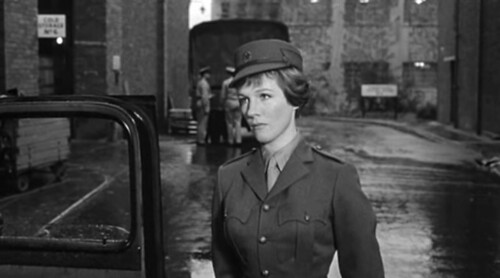
8. **A First Love and a Daughter: The Marriage to Tony Walton**Julie Andrews’ personal life took a significant turn when she entered her first marriage to Tony Walton. While the context doesn’t explicitly state the year of their marriage, it reveals that their union was a foundational part of her early adult life and marked the beginning of her own immediate family. This was a period of intense professional growth for Andrews, as she was transitioning from her Broadway successes to the burgeoning world of Hollywood.
It was during this time that Julie became a mother, welcoming a daughter into her life. The arrival of her daughter occurred around the time of her groundbreaking role in *Mary Poppins* in 1964. Walt Disney himself delayed production to accommodate her pregnancy, firmly insisting, “We’ll wait for you.” This speaks volumes about her indispensable talent and the importance of her growing family.
However, the demands of a soaring career and personal life can be immense. The context mentions her divorce from Tony Walton in 1968, during the production of *Star!*. This personal upheaval undoubtedly added another layer of emotional complexity during a physically and mentally grueling professional period, yet Andrews continued to navigate these challenges with the same fortitude that defined her early years.
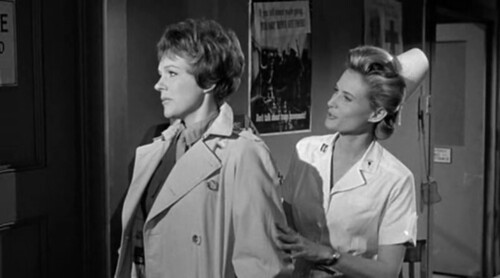
9. **Finding Her Soulmate: Blake Edwards and a Creative Partnership**A pivotal new chapter in Julie Andrews’ life began with her marriage to acclaimed director Blake Edwards, a union that blossomed into one of Hollywood’s most celebrated partnerships, both personally and professionally. Edwards approached Andrews with the concept for *Darling Lili* two years before its 1968 production, indicating that their creative and personal bond was forming around this time, ultimately leading to their marriage and a lifetime of shared experiences.
Their collaboration brought forth some of Andrews’ most memorable and challenging roles, showcasing her versatility beyond the wholesome image. Edwards directed her in films such as *Darling Lili* (1970), which, despite commercial struggles, earned praise for Andrews’ performance, with *The New York Times* calling her an “unmitigated delight.” This artistic trust and mutual respect formed the bedrock of their working relationship.
Their partnership truly shined in films like *S.O.B.* (1981), where Andrews bravely took on a role that defied her established persona by agreeing to “show my boobies” in a scene, and especially in *Victor/Victoria* (1982). This dual role earned her a Golden Globe for Best Actress and her third Academy Award nomination, cementing their legacy as a powerhouse creative duo whose shared vision pushed boundaries and created cinematic magic. Their marriage was a true testament to the power of shared passion and deep personal connection.
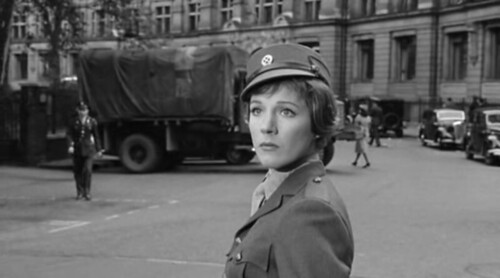
10. **The Heart of a Mother: Nurturing and Inspiring Through Life**Julie Andrews embraced motherhood, adding another beautiful dimension to her already rich life. While the details provided in the context about her children are intimate and focused, it’s clear that her role as a mother has been profoundly meaningful, extending beyond the traditional confines of family. Her experience of giving birth to a daughter in the early 1960s, a moment Walt Disney graciously accommodated, highlights the beginning of her own journey in nurturing the next generation.
Her commitment to fostering young minds and spirits, possibly inspired by her own complex childhood and the positive mentorship she received, has found a remarkable outlet in her literary endeavors. Andrews has co-authored numerous children’s books, often collaborating with her daughter. This partnership is a touching testament to the continuation of creativity and storytelling within her family, allowing her to share wisdom and joy with countless young readers.
Beyond writing, her dedication to children’s entertainment expanded significantly later in her career. She co-created and hosted *Julie’s Greenroom* (2008, 2017), a show designed to introduce performing arts to preschoolers. This reflects a consistent thread in her life: using her talents not only for personal achievement but also to inspire, educate, and connect with children, carrying forward a legacy of imagination and wonder that truly defines her spirit.
Read more about: Beyond the Glitz: 15 Celebrities Who Get Real About Their Mental Health Journeys
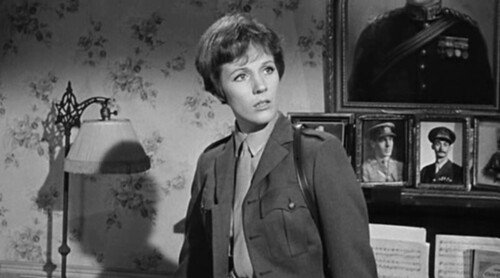
11. **A Circle of Trust: Enduring Friendships and Creative Collaborations**Throughout her illustrious career, Julie Andrews cultivated a remarkable network of enduring friendships and professional collaborations, demonstrating her innate ability to connect deeply with others. Among these, her bond with Carol Burnett stands out as one of the most celebrated. Their dynamic chemistry graced television screens in three memorable specials across decades: *Julie and Carol at Carnegie Hall* (1962), *Julie and Carol At Lincoln Center* (1971), and a third variety special in 1989. These collaborations highlight a mutual admiration and comedic synergy that captivated audiences.
Beyond her work with Burnett, Andrews collaborated with an impressive array of talent, underscoring her versatility and collaborative spirit. She worked with legendary composers Richard Rodgers, Alan Jay Lerner, and Frederick Loewe, who recognized her exceptional vocal and acting prowess. Directors like George Roy Hill and the master of suspense, Alfred Hitchcock, also guided her performances, with Hitchcock even teaching her extensively about lenses and camera-work, enriching her understanding of filmmaking.
Her openness to diverse projects is evident in her guest appearances with musical artists like Harry Belafonte and comedic icons like The Muppets, and even her own variety special, *The Julie Andrews Hour*, which garnered seven Emmy Awards. These partnerships, whether in music, comedy, or drama, speak to her ability to adapt, learn, and contribute meaningfully to any creative endeavor, solidifying her reputation as a cherished colleague and friend.
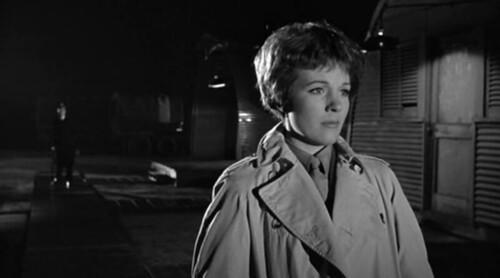
12. **The Unforeseen Challenge: Resilience in the Face of Vocal Loss**Perhaps one of the most profound personal and professional challenges Julie Andrews faced was the unexpected loss of her singing voice following a botched vocal surgery in 1997. For a performer whose iconic voice had enchanted millions across generations, this was a devastating blow, leading her to refuse to sing on camera for several years. It was a test of resilience that could have ended many careers, but for Andrews, it became a catalyst for reinvention.
True to her indomitable spirit, Andrews did not let this setback define her. “Despite this, Andrews kept busy with many projects,” demonstrating a remarkable ability to adapt and continue her artistic contributions. A poignant example is her role in a 1998 stage production of *Dr. Dolittle* in London, where, though unable to sing, she voiced Polynesia the parrot, recording some 700 sentences and sounds. This innovative approach allowed her to remain part of the musical world she loved, showcasing her unwavering dedication to performing.
This period marked a significant shift in her career, emphasizing her talents as an actress and voice artist. She lent her distinctive voice to beloved animated characters, becoming the regal Queen Lillian in the *Shrek* franchise (2001–2010) and the matriarch Marlena Gru in the *Despicable Me* franchise (2010–present). Most recently, her voice has captivated a new generation as the anonymous narrator Lady Whistledown in the hit Netflix series *Bridgerton* (2020–present). These roles are a testament to her enduring artistry and her profound resilience in transforming adversity into new avenues of expression.
Read more about: Cadillac’s Golden Age: Unpacking the Sumptuous Success of the De Ville, A True Icon of 1970s American Luxury
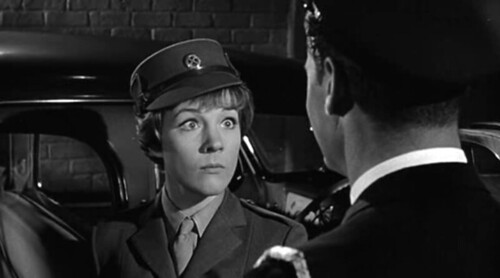
13. **An Enduring Legacy: Author, Voice Artist, and Revered Icon**Julie Andrews’ post-singing career has blossomed into an multifaceted legacy, cementing her status as a revered icon across various domains. Her journey as an author has been particularly impactful; she has not only co-authored numerous children’s books with her daughter, enchanting young readers, but also offered profound insights into her own life through two critically acclaimed autobiographies: *Home: A Memoir of My Early Years* (2008) and *Home Work: A Memoir of My Hollywood Years* (2019). These memoirs provide a candid look at the experiences that shaped her, offering a deeper understanding of the woman behind the legend.
Her remarkable adaptability also saw her embrace new creative ventures, particularly in children’s educational entertainment. Beyond her work on *Julie’s Greenroom*, she continued to captivate audiences with her voice acting, becoming a beloved presence in major animated franchises. This period showcased her ability to connect with audiences of all ages, proving that her artistic contributions extend far beyond her original stage and screen roles.
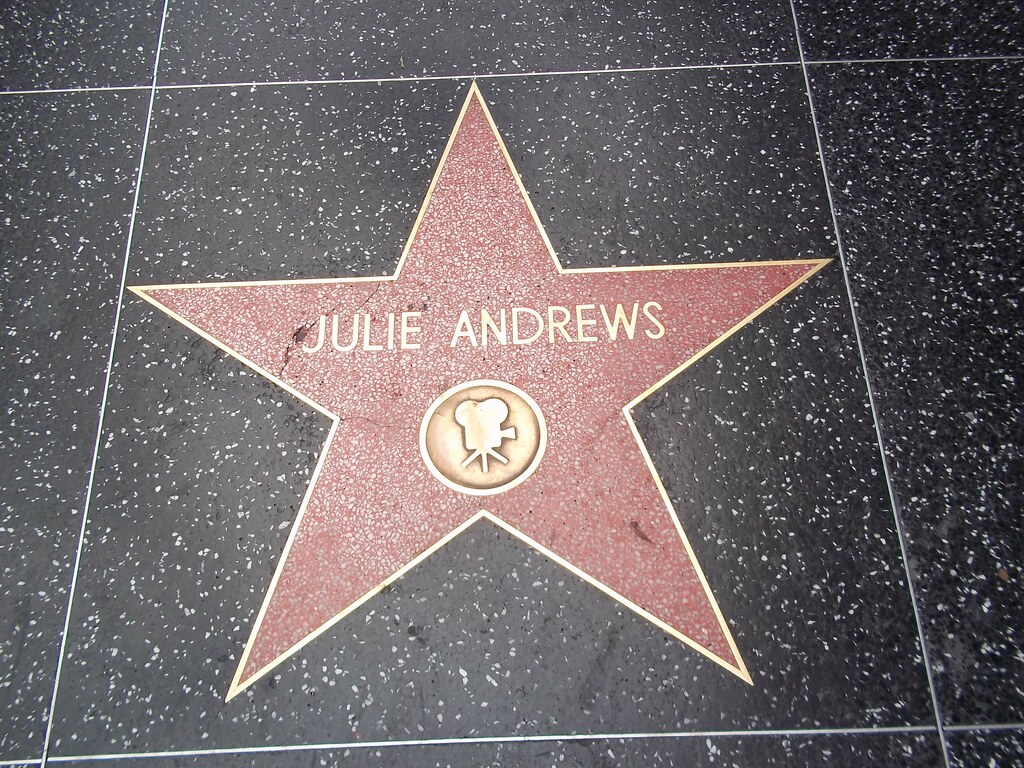
Andrews’ lifetime of achievement has been widely recognized with numerous prestigious accolades. She was honored with the Kennedy Center Honors in 2001, the Screen Actors Guild Life Achievement Award in 2007, and the AFI Life Achievement Award in 2022. Moreover, her profound impact on British culture and the arts was formally acknowledged when she was made a Dame (DBE) by Queen Elizabeth II in the 2000 New Year Honours. These awards reflect a career of sustained excellence and a deep, lasting influence.
Read more about: Joan Jett at 67: The Unyielding Power of a Rock & Roll Goddess Who Only Gets Cooler With Age
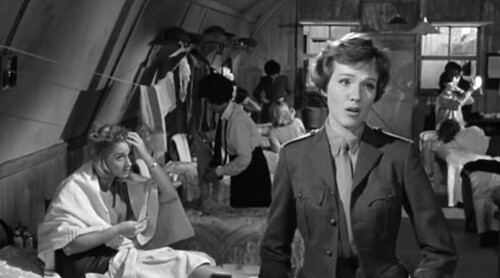
14. **A Life Well-Lived: Approaching 90 with Grace and an Unwavering Spirit**As Dame Julie Andrews approaches her 90th birthday, her extraordinary life stands as a testament to not only remarkable talent but also an unparalleled strength forged through a lifetime of unique family experiences and challenges. From the early revelations of her parentage and the hardships of wartime London with an abusive stepfather, to the joys of her own family and the professional pivot after vocal surgery, each chapter has built upon the resilience instilled in her from a young age.
Her journey, intricately woven through the narrative of her blended family and the personal adversities she faced, demonstrates how profound experiences can shape an individual of remarkable character. The challenges of her early years, rather than breaking her spirit, seemed to fortify it, allowing her to approach her career and personal life with grace, dedication, and an enduring sense of purpose. Her ability to transform setbacks into new opportunities is a hallmark of her unwavering spirit.
Today, as she celebrates this significant milestone, Julie Andrews remains an icon—not just for her iconic roles, but for the inspiring human story she embodies. Her life is a powerful illustration of how the diverse tapestry of family, blended or otherwise, along with the sheer will to persevere, can create a legacy of joy, creativity, and steadfastness that continues to captivate and uplift millions around the world. Hers is a story that truly sings, even without a voice, echoing the profound lessons of a life well and bravely lived.