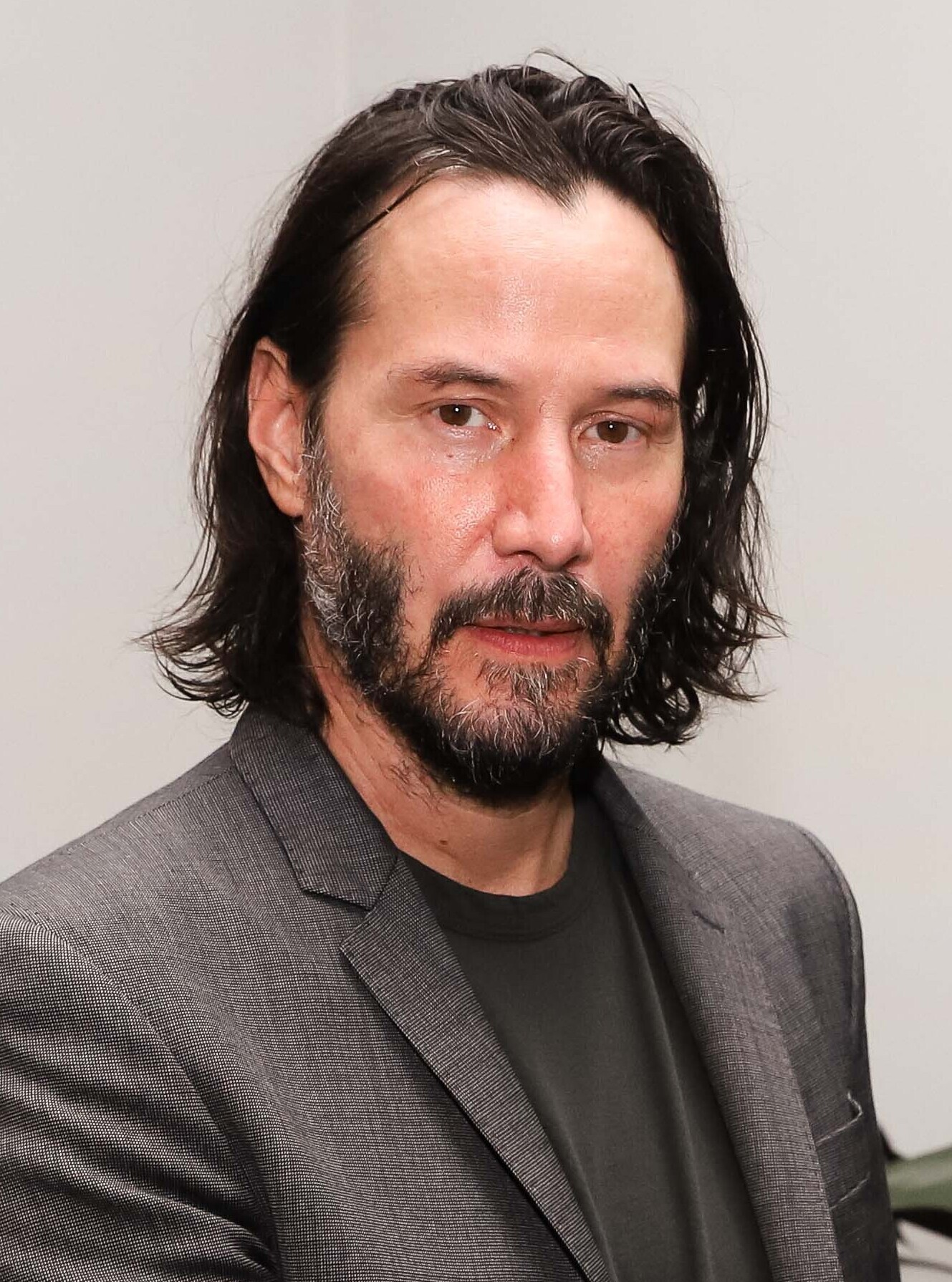
In the ever-churning world of celebrity gossip and public fascination, few figures command as much intrigue and respect as Keanu Reeves. Known for his captivating performances and famously private demeanor, Reeves has consistently navigated the spotlight on his own terms, allowing his remarkable body of work to speak volumes. His presence in Hollywood has been a steady, compelling force for decades, marked by iconic roles, innovative projects, and an unwavering commitment to his craft.
While the personal lives of stars often become fodder for widespread speculation, Keanu Reeves has always maintained a graceful distance. He offers glimpses into his world primarily through his artistic endeavors and the profound impact he has had on popular culture. This unique approach has only deepened the public’s appreciation for the enigmatic actor, whose journey from humble beginnings to global phenomenon is as captivating as any storyline he’s portrayed on screen.
Today, as discussions around his life continue to swirl, it’s a perfect moment to reflect on the incredible trajectory of a man who has indelibly shaped the entertainment landscape. Join us as we explore the formative experiences and pivotal moments that have defined Keanu Reeves’ extraordinary path, diving into the career milestones and personal ventures that paint a comprehensive picture of one of the 21st century’s most influential figures.

1. **Early Life and Formative Years**Keanu Charles Reeves, born in Beirut, Lebanon, on September 2, 1964, embarked on a life journey marked by diverse origins and early transitions. His mother, Patricia Taylor, was an English costume designer and performer, while his American father, Samuel Nowlin Reeves Jr., hailed from Hawaii and carried a rich heritage of Native Hawaiian, Chinese, English, and Portuguese descent. This multicultural background set the stage for a unique upbringing.
His early years were shaped by significant family changes; his father abandoned the family when Reeves was just three. He last saw him at the age of thirteen on Kaua’i. Following his parents’ divorce in 1966, his mother moved the family, first to Sydney, Australia, then to New York City, where she married Broadway and Hollywood director Paul Aaron in 1970. This period of frequent relocation and adaptation was a defining aspect of his childhood.
After his mother’s marriage to Aaron ended, she remarried rock music promoter Robert Miller, and Reeves and his sisters primarily grew up in Toronto’s Yorkville neighbourhood. Reeves described himself as a “private kid” during these years, attending four different high schools, including the Etobicoke School of the Arts, from which he was expelled. He candidly shared he was expelled because he was “just a little too rambunctious and shot my mouth off once too often.” He also grappled with dyslexia, stating, “Because I had trouble reading, I wasn’t a good student.”
Interestingly, Reeves was a successful ice hockey goalkeeper at De La Salle College, nurturing aspirations to play for the Canadian Olympic team. However, an injury brought an end to this potential sports career. It was at the age of fifteen that he definitively decided he wanted to become an actor. Obtaining a green card through his American stepfather, he moved to Los Angeles three years later, ready to begin his professional journey, though he maintains only Canadian citizenship.
Read more about: Unseen: The Uncredited Architects and Cast Sparks Behind The Godfather’s Enduring Script

2. **Early Career Beginnings (1984-1990)**Reeves’ professional foray into the entertainment world began in 1984 as a correspondent for the Canadian Broadcasting Corporation (CBC) youth television program “Going Great.” That same year, he made his official acting debut in an episode of the television series, “Hangin’ In,” setting the stage for a career spanning four decades. His early dedication was evident through stage appearances, notably playing Mercutio in a 1985 production of “Romeo and Juliet.”
Before his major screen roles, Reeves also appeared in a Coca-Cola commercial in 1983 and a National Film Board of Canada short film, “One Step Away.” A telling anecdote from this period reveals a moment where agents, in the mid-1980s, advised him to adopt a different name because his first name was “too ethnic.” He briefly experimented with “K. C.” or “Casey” Reeves for auditions before returning to his birth name.
The year 1986 saw Reeves making his mark in television films, including NBC’s “Babes in Toyland,” alongside his feature-film debut in Peter Markle’s “Youngblood,” where he played a goalkeeper. However, it was his role as Matt in “River’s Edge,” a crime drama loosely based on a real murder case, that garnered him early critical notice. The New York Times praised the young cast’s “natural and credible” performances, describing Reeves as “affecting and sympathetic.”
His career took a significant turn in 1989 with “Bill & Ted’s Excellent Adventure,” where his portrayal of a slacker traveling through time became a breakthrough. The film was generally well received and grossed $40.5 million worldwide. Rotten Tomatoes gave the film a 79% approval rating, noting, “Keanu Reeves and Alex Winter are just charming, goofy, and silly enough to make this fluffy time-travel Adventure work.” This foundational period laid the groundwork for the diverse and celebrated career that was to come.

3. **Transition to Mature Roles (1991-1994)**The early 1990s marked a pivotal transformation in Keanu Reeves’ career, as he deliberately moved towards more adult and challenging roles. The year 1991 was particularly significant, beginning with “Bill & Ted’s Bogus Journey,” a sequel that Michael Wilmington of the Los Angeles Times lauded as “more imaginative, more opulent, wilder and freer,” praising the actors for their “fuller” performances. Film critic Roger Ebert thought it was “a riot of visual invention and weird humour that works on its chosen sub-moronic level.”
However, it was his next project that signaled a profound shift. Co-starring with River Phoenix in Gus Van Sant’s independent drama “My Own Private Idaho,” Reeves played a street hustler on a journey of personal discovery. Loosely based on Shakespeare’s Henry IV plays, the film premiered to critical acclaim at the 48th Venice International Film Festival. The New York Times complimented Reeves and Phoenix for their “insightful performances,” cementing his credibility in more serious cinema.
The same year, Reeves solidified his status as an action hero with “Point Break,” directed by Kathryn Bigelow. He starred as an undercover FBI agent investigating a group of bank robbers. To prepare for the physically demanding role, Reeves and his co-stars underwent surfing lessons in Hawaii. The film was a commercial success, earning $83.5 million. The New York Times praised Reeves for “considerable discipline and range,” adding, “He moves easily between the buttoned-down demeanour… and the loose-jointed manner of his comic roles.” He won the Most Desirable Male award at the 1992 MTV Movie Awards.
His collaborative spirit extended beyond acting, as in 1991, he also developed an interest in music, forming the alternative rock band Dogstar. A year later, he embraced a Gothic horror role, playing Jonathan Harker in Francis Ford Coppola’s “Bram Stoker’s Dracula.” Despite the film’s critical and commercial success, grossing $215.8 million worldwide, Reeves’ attempt at an English accent drew some ridicule. Coppola later noted, “[Reeves] tried so hard […] in trying to do it perfectly it came off as stilted.”
The year 1994 brought another career-defining role in the action thriller “Speed,” alongside Sandra Bullock and Dennis Hopper. Reeves played police officer Jack Traven, tasked with preventing a bus from exploding. “Speed” was a critical and commercial triumph, grossing $350 million from a $30 million budget. Gene Siskel of the Chicago Tribune lauded Reeves, calling him “absolutely charismatic,” and David Ansen of Newsweek summarized “Speed” as “a friendly juggernaut.” The film also earned two Academy Awards, solidifying Reeves’ place as a bankable action star.
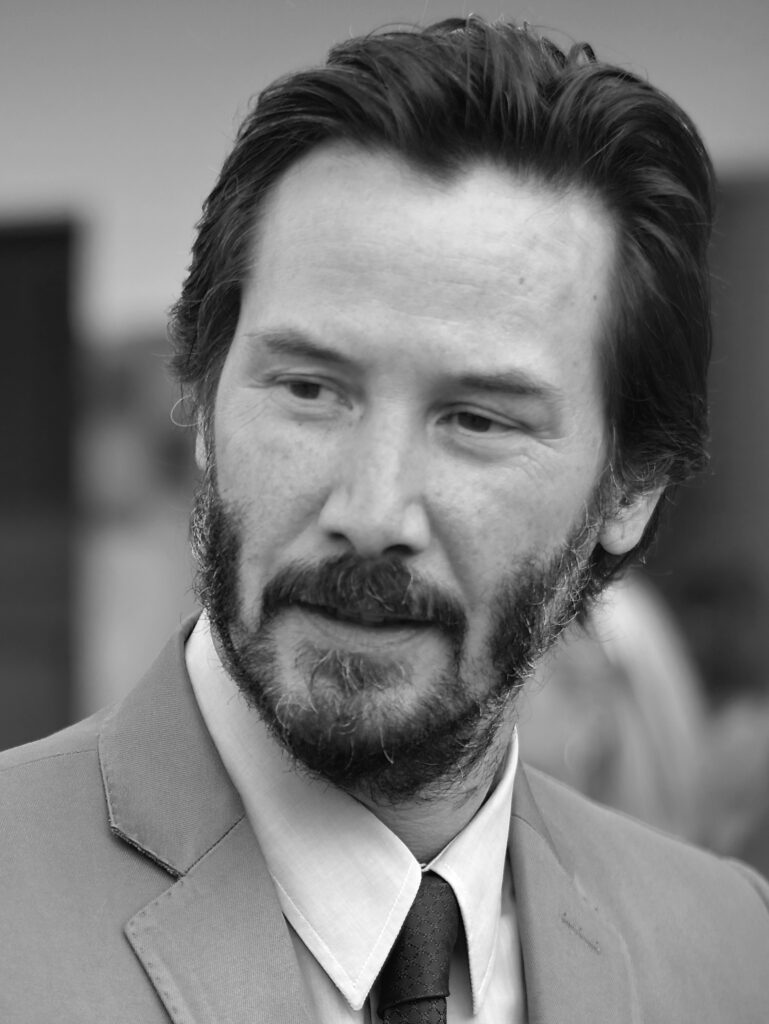
4. **The Rise of a Musician: Dogstar**While Keanu Reeves’ acting career was rapidly gaining momentum in the early 1990s, another passion also took root: music. His interest in a music career blossomed around 1991, leading to the formation of the alternative rock band Dogstar. This venture allowed Reeves to explore a different creative outlet, stepping onto stages not as a cinematic hero, but as a bass guitarist. The band’s lineup included Robert Mailhouse, Gregg Miller, and Bret Domrose, offering fans a glimpse into yet another facet of the multi-talented artist.
Dogstar wasn’t just a fleeting hobby; it was a serious commitment that saw Reeves dedicate significant time and effort. The band released their debut album, “Our Little Visionary,” in 1996, which served as an introduction to their sound and songwriting. This period showcased Reeves’ genuine enthusiasm for music, demonstrating a willingness to pursue artistic endeavors outside the familiar confines of Hollywood, often touring with the band during breaks from filming.
The band continued to evolve, releasing their second album, “Happy Ending,” in 2000. This offering further cemented their presence in the alternative rock scene, showcasing their growth as a musical unit. For a decade, Dogstar provided Reeves with an important creative counterpoint to his burgeoning acting career, a space where he could collaborate with friends and experience the raw energy of live performance.
Ultimately, Dogstar disbanded by 2002, bringing an end to their decade-long journey together. While his professional music career with Dogstar concluded, Reeves briefly continued to perform, joining the band Becky for a year, founded by his former Dogstar bandmate Mailhouse, but quit in 2005. He cited a “lack of interest in a serious music career” as his reason for stepping away, indicating his ultimate calling remained in acting.
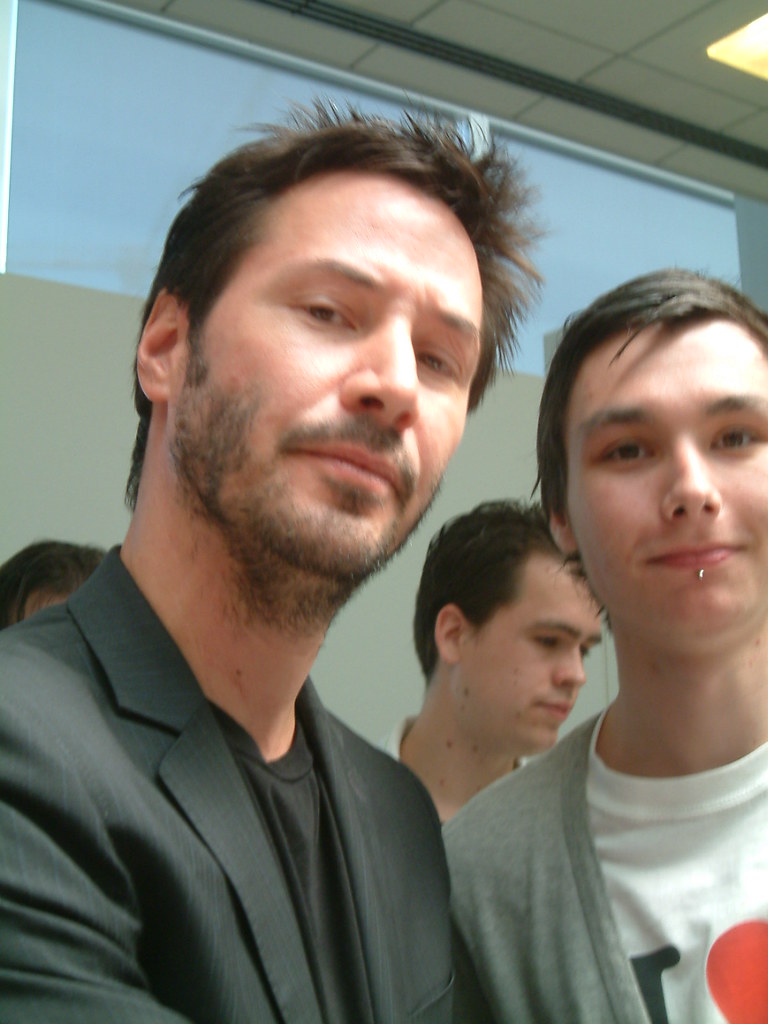
5. **Navigating Career Fluctuations (1995-1998)**Following the immense success of “Speed,” Keanu Reeves entered a period in the mid-1990s characterized by varied critical reception and box office results. His next leading role came in the 1995 cyberpunk action thriller “Johnny Mnemonic,” based on a William Gibson short story. Despite its futuristic premise, the film received mainly negative reviews, with critics often feeling Reeves was “woefully miscast.” Roger Ebert, though critical, found a certain “idiotic grandeur” in the film.
He then appeared in the romantic drama “A Walk in the Clouds,” which also garnered mixed-to-negative reviews. While some critics praised it as a “beautiful, well-acted and emotionally rich picture,” others found it “syrupy” and lacking substance. These roles, though not always commercially triumphant, showcased Reeves’ willingness to experiment with different genres and challenge audience expectations, rather than sticking to a safe formula.
Amidst his film work, Reeves briefly returned to the theatre in 1995, undertaking the demanding role of Prince Hamlet in a Manitoba Theatre Centre production. This stage performance proved to be a critical triumph, with The Sunday Times critic Roger Lewis calling him “one of the top three Hamlets I have seen,” praising his ability to embody “the innocence, the splendid fury, the animal grace… the emotional violence.” This acclaimed theatrical turn underscored his versatility and dedication.
Reeves notably turned down a lucrative $12 million offer for “Speed 2: Cruise Control” in 1997, a decision that reportedly caused 20th Century Fox to “sever ties with him for a decade.” Instead, he toured with Dogstar. However, his fortunes shifted dramatically with “The Devil’s Advocate” (1997), a supernatural horror film co-starring Al Pacino and Charlize Theron. Reeves even took a pay cut to ensure Pacino could be cast. The film attracted positive reviews, with James Berardinelli calling it “highly enjoyable” and commending Reeves for a “solid job.”
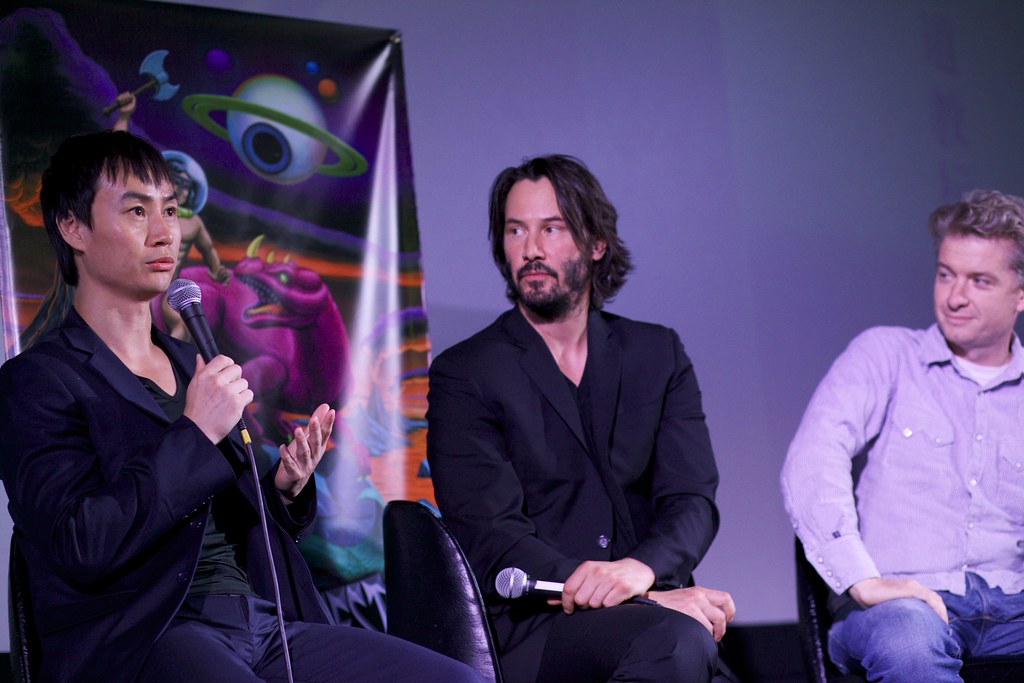
6. **The Phenomenon of The Matrix (1999)**The year 1999 brought about a monumental shift in Keanu Reeves’ career, solidifying his status as a global icon and forever etching his name into the annals of science fiction cinema with “The Matrix.” This critically acclaimed film, the inaugural installment of what would become a hugely influential franchise, cast Reeves in the iconic role of Thomas Anderson, a computer programmer and hacker known as “Neo.” His journey from a mundane reality to uncovering humanity’s enslavement within a simulated world captivated audiences worldwide.
To embody the complex character of Neo, Reeves immersed himself in the philosophical and theoretical underpinnings of the film. He famously read Kevin Kelly’s “Out of Control: The New Biology of Machines, Social Systems, and the Economic World” and delved into Dylan Evans’ ideas on evolutionary psychology. This deep preparation, combined with months of intense martial arts training under choreographer Yuen Woo-ping, ensured he was physically and mentally ready for the demanding and groundbreaking action sequences.
Upon its release, “The Matrix” was not just a box office success; it was a cultural phenomenon. Many critics hailed it as one of the greatest science fiction films of all time, praising its innovative visual effects, philosophical depth, and groundbreaking action choreography. Kenneth Turan of the Los Angeles Times described it as a “wildly cinematic futuristic thriller that is determined to overpower the imagination.” Its impact was profound, influencing countless films, video games, and cultural narratives.
Reeves’ portrayal of Neo was central to the film’s success. Janet Maslin of The New York Times lauded him as a “strikingly chic Prada model of an action hero,” recognizing his ability to embody a new kind of action star – one who combined intellectual gravitas with sleek, balletic combat. The film’s accolades included four Academy Awards for Best Film Editing, Best Sound Editing, Best Visual Effects, and Best Sound, testament to its overall excellence.
Read more about: 14 Cinematic Clashes: Where On-Screen Tension Was Palpable and Stakes Were Sky-High

7. **Post-Matrix Diversification and Challenges (2000-2004)**The enormous success of “The Matrix” in 1999 opened new doors for Keanu Reeves, yet he deliberately chose a path of diversification rather than immediately capitalizing on blockbuster momentum. In 2000, he opted for the sports comedy “The Replacements,” even taking a pay cut to enable Gene Hackman to co-star, demonstrating his commitment to collaboration and the quality of the ensemble. This move highlighted his artistic independence and desire to explore different facets of storytelling.
However, this period also brought unforeseen professional challenges. Reeves found himself in the thriller “The Watcher” against his wishes, playing a serial killer. He later revealed that a friend had forged his signature on a contract, and he appeared in the film to avoid legal action. The film was critically panned upon its release, a regrettable entry in his filmography but one that underscored his integrity in fulfilling obligations.
That same year, Reeves took on a supporting role in Sam Raimi’s thriller “The Gift,” a supernatural drama starring Cate Blanchett. While not a lead, this film allowed him to work with a celebrated director and a strong cast, further diversifying his experience. Paul Clinton of CNN found the film compelling and noted that Raimi “managed to get a performance out of Reeves that only occasionally sounds like he’s reading his lines from the back of a cereal box.”
In 2001, Reeves continued his exploration of diverse genres, starring in the romantic drama “Sweet November,” a remake that reunited him with Charlize Theron. Despite its generally negative reception, Desson Thompson of The Washington Post acknowledged Reeves’ inherent likability. Later that year, he ventured into another sports comedy, “Hardball,” where he played a troubled young man coaching a Little League team from a Chicago housing project. Roger Ebert, while appreciating the film’s ambition, found Reeves’ performance “glum and distant.”
After a brief absence from the screen in 2002, Reeves made his much-anticipated return to “The Matrix” franchise in 2003 with “The Matrix Reloaded” and “The Matrix Revolutions.” “Reloaded” garnered mostly favorable reviews, praised for its “dazzling pyrotechnics” and visual spectacle. “Revolutions,” the concluding installment, received a mixed reception, with critics often noting that “characters and ideas take a back seat to the special effects,” though it still grossed a substantial $427 million worldwide. His year concluded with the romantic comedy “Something’s Gotta Give,” co-starring Jack Nicholson and Diane Keaton, which received generally favorable reviews.

8. **Thrillers, Documentaries, and Directorial Debut (2005-2013)**Following his immense success with “The Matrix” franchise, Keanu Reeves deliberately sought diverse roles, venturing into different genres and even directing. In 2005, he starred as John Constantine in the occult detective film “Constantine.” Despite mixed-to-positive reviews, it became a respectable box office hit, pulling in $230 million worldwide. This showcased his ability to draw audiences even in critically divisive projects.
He then explored independent cinema with “Thumbsucker,” a comedy-drama that premiered to positive reviews at the Sundance Film Festival, praised as “a gently stirring symphony about emotional transition.” Reeves continued genre exploration in Richard Linklater’s animated sci-fi thriller “A Scanner Darkly” (2006). Though a box office failure, its unique visual style earned favorable reviews. However, his reunion with Sandra Bullock in the romantic drama “The Lake House” (2006) was a commercial success but critically panned, with one critic famously stating, “This should have been entitled Stop.”
The late 2000s and early 2010s brought more varied projects. These included the 2008 crime thriller “Street Kings” and the sci-fi remake “The Day the Earth Stood Still,” which disappointed critics with its heavy reliance on effects and a “sub-Al-Gore environment lecture.” Reeves also lent his voice to “The Great Warming” documentary and acted in romantic comedies like “The Private Lives of Pippa Lee” (2009) and “Henry’s Crime” (2010), demonstrating his continuous pursuit of varied cinematic experiences.
Beyond acting, Reeves’s creativity blossomed further. In 2011, he co-authored the adult picture book “Ode to Happiness” and co-produced the 2012 documentary “Side by Side,” exploring the shift in film production. His directorial debut, the martial arts film “Man of Tai Chi” (2013), received critical praise for its “beautifully assembled” fights but faced commercial disappointment. That same year, he starred in the fantasy “47 Ronin,” a costly box office flop, underscoring the challenges of this experimental period.
Read more about: Keanu Reeves: Unpacking the Enduring Appeal of a Hollywood Enigma Across Four Decades
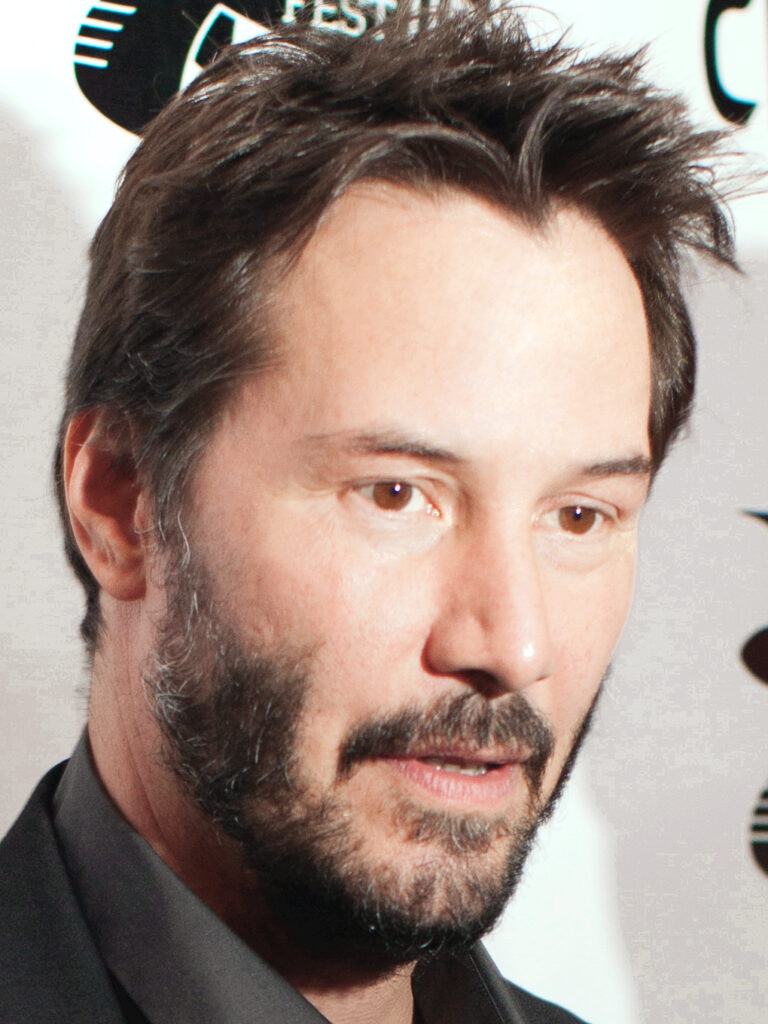
9. **The John Wick Phenomenon: A Career Resurgence (2014-2019)**After a series of commercial disappointments, Keanu Reeves ignited a phenomenal career resurgence in 2014 with the action thriller “John Wick.” Playing a retired hitman seeking vengeance, Reeves was deeply involved in the story’s development, aiming to bring “the whole story, the whole ensemble to come to life.” The film garnered immediate critical acclaim, with The Hollywood Reporter praising its “confident, muscular action debut” and Reeves’s “effortless” return to the action genre.
“John Wick” proved a significant box office success, grossing $86 million worldwide and establishing a new, iconic character. Jeannette Catsoulis of The New York Times lauded Reeves’s unique screen presence, noting he’s “always more comfortable in roles that demand cool over hot.” The film’s triumph swiftly led to a highly anticipated franchise.
The saga continued with “John Wick: Chapter 2” in 2017, expanding the narrative and delivering even more explosive action. This sequel surpassed its predecessor both critically and commercially, earning $171.5 million worldwide. Critics celebrated Reeves’s performance, seeing it as a natural evolution from his past action roles. The Los Angeles Times described it as “a down-and-dirty B-picture with a lustrous A-picture soul,” acknowledging its blend of gritty action and cinematic artistry.
The franchise’s momentum peaked with “John Wick: Chapter 3 – Parabellum” in 2019, another massive box office hit, pulling in over $171 million domestically. Despite some critical notes about “franchise bloat,” the film received positive reviews for its innovative fight choreography. Reeves’s enduring popularity and the series’ impact were recognized with his nomination for Favorite Male Movie Star of 2019, cementing “John Wick” as a defining, triumphant chapter in his celebrated career.
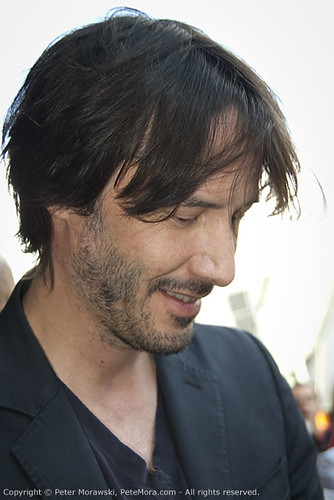
10. **Expanding Horizons: Eclectic Roles and Genre Exploration (2015-2018)**Alongside his “John Wick” success, Keanu Reeves consistently pursued diverse acting roles, showcasing his broad range. In 2015, he appeared in the horror film “Knock Knock,” described as “over-the-top destruction.” He also narrated documentaries like “Deep Web” and “Mifune: The Last Samurai,” highlighting his interest in non-fictional and intellectual subjects.
A particularly busy year, 2016, saw Reeves appear in five films. These included the critically panned crime thriller “Exposed” and lending his voice to the titular kitten in the comedy “Keanu.” He also took on a minor role in Nicolas Winding Refn’s psychological horror “The Neon Demon” and played a charismatic leader in “The Bad Batch.” His work in “The Whole Truth” was a “moderately clever, reasonably entertaining courtroom drama,” and he featured in the web series “Swedish Dicks.”
In 2017, between “John Wick” installments, Reeves embraced dramatic territory with “To the Bone.” Playing a doctor helping a young woman with anorexia, the Netflix-distributed film earned positive reviews for its realistic portrayal of the condition. He also made cameo appearances in “A Happening of Monumental Proportions” and “SPF-18,” underscoring his varied cinematic engagements.
The year 2018 brought a reunion with Winona Ryder in the comedy “Destination Wedding.” However, two thrillers he co-produced and starred in, “Siberia” and “Replicas,” both suffered severe critical panning and commercial failure. Critics labeled “Siberia” nonsensical and “Replicas” “garbage.” Despite these setbacks, Reeves’s willingness to engage with such a wide array of projects, regardless of commercial prospects, consistently highlighted his dedication to the craft.
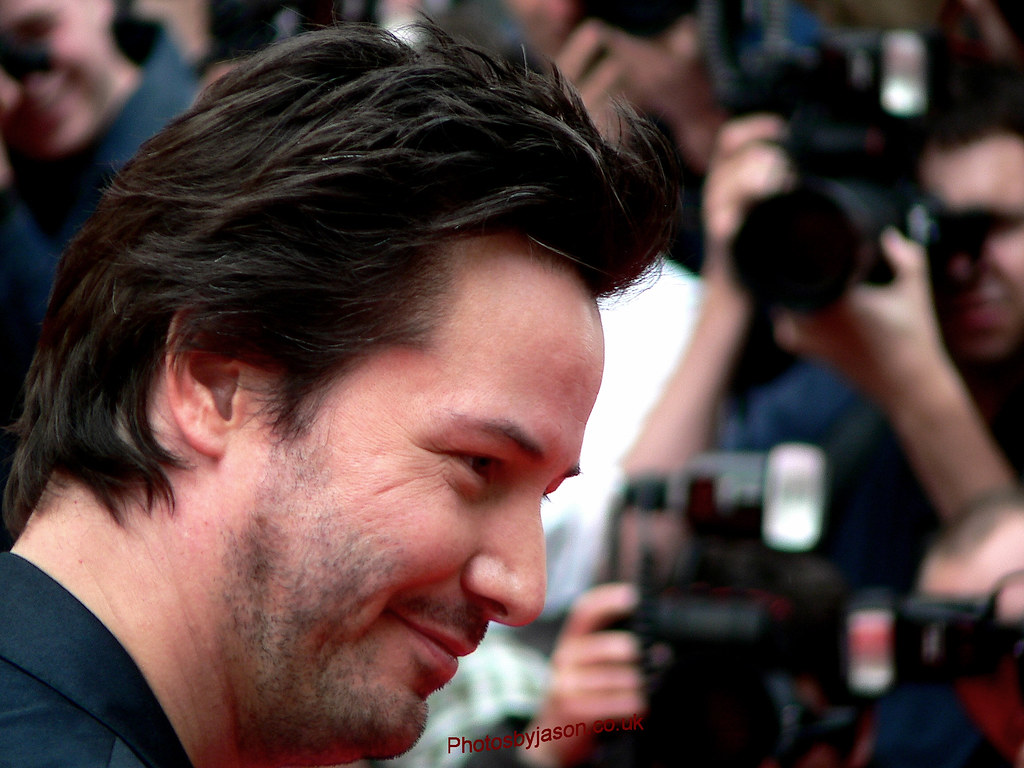
11. **Return to Iconic Characters and New Frontiers (2019-2021)**As his career flourished, Keanu Reeves made impactful returns to iconic characters and ventured into new entertainment realms like animation and video games. In 2019, he charmingly voiced Duke Caboom, a Canadian stuntman toy, in Disney Pixar’s critically acclaimed “Toy Story 4,” further solidifying his versatility as a voice actor and adding a beloved character to his filmography.
His foray into the video game world proved equally significant. In 2020, he brought Johnny Silverhand to life in the highly anticipated “Cyberpunk 2077” and its expansion. Reeves’s involvement added a unique celebrity draw and depth to the character, resonating deeply with gamers and cementing his presence across contemporary pop culture media beyond traditional cinema.
The year 2020 also featured a nostalgic return to one of his most iconic early roles: Ted Logan, in “Bill & Ted Face the Music.” Reuniting with Alex Winter, the film delighted long-time fans and introduced a new generation to the time-traveling duo. This return powerfully underscored the enduring appeal of the “Bill & Ted” franchise and Reeves’s comfort in revisiting the roles that helped define his career path.
In 2021, Reeves once again reprised his pivotal role as Neo in “The Matrix: Resurrections.” His return to the groundbreaking science fiction saga, many years after the initial trilogy, generated immense anticipation, highlighting the lasting cultural significance of the franchise and his central part within it. Looking ahead, his voice work as Shadow the Hedgehog in “Sonic the Hedgehog 3” in 2024 promises to continue his engagement with beloved animated characters, ensuring his vibrant presence across diverse entertainment landscapes.
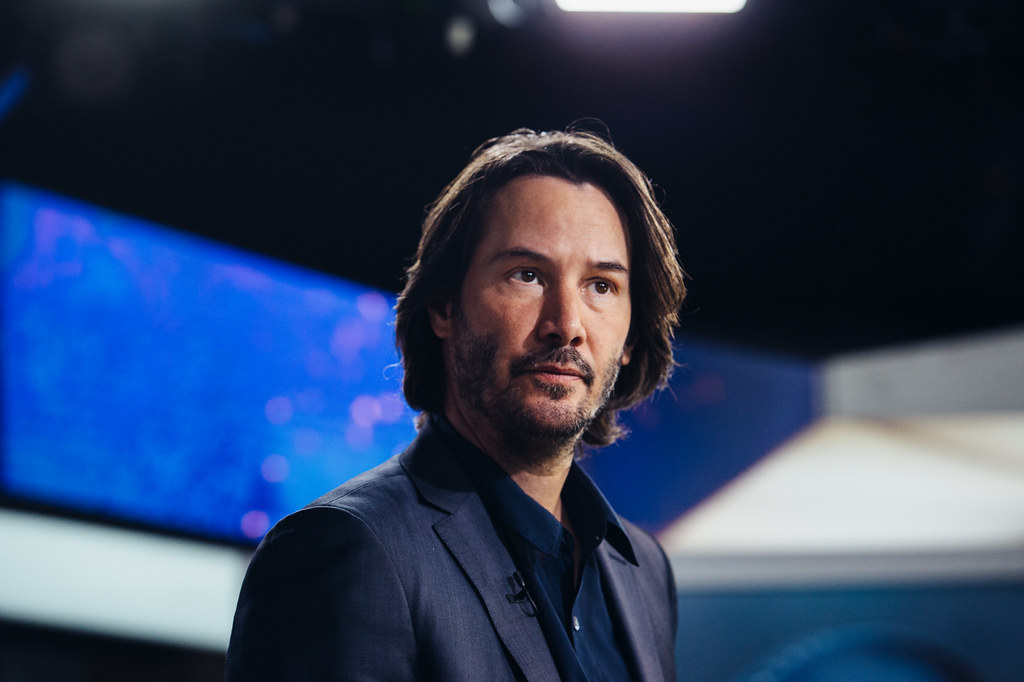
12. **Beyond Acting: Creative Endeavors and Entrepreneurship (2021-Present)**Keanu Reeves’s creative contributions extend significantly beyond his acting, encompassing successful ventures as a writer, musician, and entrepreneur. In 2021, he embarked on a new creative path as the co-writer and creator of the “BRZRKR” franchise, an original comic book series. This acclaimed, dark, action-packed narrative quickly garnered a dedicated readership, exploring the story of an immortal warrior.
The “BRZRKR” universe has since expanded to include numerous spin-offs, such as “The Book of Elsewhere” in 2024. This demonstrates Reeves’s vision for a multimedia narrative experience and his profound commitment to creative world-building, allowing him to explore complex themes and characters in an expansive format beyond traditional filmmaking. It highlights his multifaceted artistic interests.
Adding another chapter to his musical journey, Reeves’s band Dogstar, which had disbanded in 2002, made a highly anticipated return with a new album, “Somewhere Between the Power Lines and Palm Trees,” released in 2023. This reunion offered a fresh opportunity for Reeves to reconnect with his passion for music, once again performing as a bass guitarist alongside his bandmates, a welcomed return for fans of his earlier musical pursuits.
Beyond the arts, Reeves is also a notable entrepreneur. As an avid motorcyclist, he co-founded ARCH Motorcycle, a custom motorcycle manufacturing company. This venture directly reflects his personal passion, successfully merging his interests with a business acumen that delivers high-quality, bespoke vehicles. Furthermore, he is a co-founder of Company Films, a production company, signifying his strategic involvement in developing cinematic projects from behind the scenes, further solidifying his lasting influence in the entertainment industry.
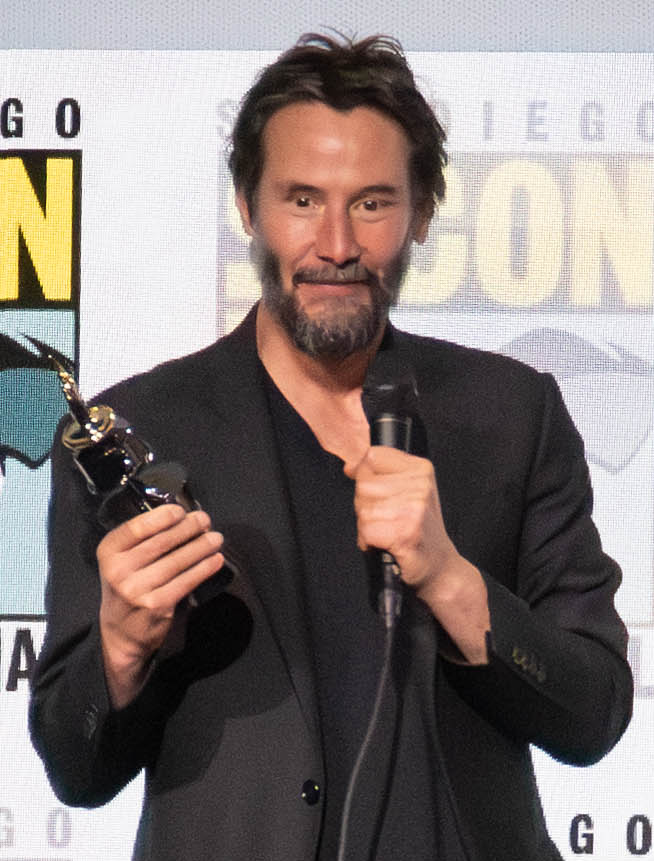
13. **A Lasting Legacy: Influence, Philanthropy, and Public Image**Keanu Reeves has cultivated an enduring legacy that extends far beyond his filmography, defined equally by his profound influence on popular culture, his genuine personal integrity, and his discreet philanthropic efforts. His amiable public image, characterized by humility and kindness, has made him one of Hollywood’s most beloved figures, often earning admiration for his relatable and down-to-earth demeanor despite global superstardom.
This widespread appreciation is reflected in significant cultural recognition. In 2020, The New York Times notably ranked him as the fourth-greatest actor of the 21st century, a testament to the depth and impact of his performances across four decades. Just two years later, in 2022, Time magazine further underscored his global reach and influence by naming him one of the 100 most influential people in the world, acknowledging his contributions well beyond the silver screen.
Beyond the accolades and iconic roles, Reeves is also renowned for his quiet, yet impactful, philanthropic endeavors. While he rarely publicizes his charitable work, numerous reports and anecdotes highlight his generosity towards film crews, hospitals, and various causes. His commitment to treating everyone with respect, from fellow superstars to crew members, has become a hallmark of his character, fostering a reputation for genuine humanity within the often-superficial entertainment industry.
As Keanu Reeves continues to evolve as an artist, musician, writer, and entrepreneur, his legacy is firmly cemented as more than just an actor. He stands as a symbol of enduring appeal, artistic integrity, and a rare blend of superstardom with approachable authenticity. His journey, marked by both personal challenges and extraordinary achievements, continues to inspire and captivate audiences worldwide, proving that a true icon can be both an enigma and one of the most relatable figures in the public eye.
Read more about: Beyond the Headlines: Unpacking Catherine, Princess of Wales’s Strategic Blueprint for a Modern Monarchy’s Future
From his multicultural roots and humble beginnings to becoming a global icon celebrated for both his cinematic triumphs and his unwavering humanity, Keanu Reeves’s journey is a testament to resilience, passion, and an authentic spirit. He has not only captivated audiences on screen but has also redefined what it means to be a Hollywood star, balancing unparalleled success with a grounded, empathetic approach to life. His story is a powerful reminder that true influence stems not just from fame, but from character.