
Alright, let’s be real: who hasn’t daydreamed about becoming a YouTube sensation? For a growing number of kids, that dream isn’t just a fantasy; it’s a multi-million-dollar reality. Gone are the days when child stars were solely confined to Hollywood sets and TV screens. Today, the digital playground of YouTube offers an unprecedented stage for young creators to shine, captivating global audiences and, yes, raking in serious cash. It’s a fascinating shift, and honestly, it makes you wonder how these pint-sized moguls are doing it!
But here’s the kicker: while the dazzling success of a few top child creators on YouTube certainly grabs headlines, the reality for the vast majority of kid-focused channels is far more modest. The platform is a true wild west of earning potential, where some channels barely eke out minimal income, while others ascend to multi-million-dollar revenues, becoming global sensations. So, how do you even begin to understand this incredible spectrum, and what sets the ultra-successful apart from the rest?
This article is your backstage pass to understanding the incredible world of child influencers on YouTube. We’re going to dive deep into the real earning potential, unmask the crucial factors that truly drive income beyond simple view counts, and peel back the layers on the diverse and often surprising monetization methods these young stars (and their savvy adult teams!) employ. Get ready to discover how today’s child stars are not just playing online; they’re building empires.

1. **The Variable Earning Potential for Kids’ Channels**
When we talk about kids on YouTube making money, it’s easy to picture instant riches, but the truth is a little more nuanced. The dazzling success of child stars on YouTube often prompts the question: what is the actual earning potential for children’s content on the platform? While a few top creators achieve extraordinary financial success, fueled by immense viewership and diversified revenue streams, the reality for the vast majority of kid-focused channels is far more modest.
Seriously, the earning potential for YouTube channels targeting kids is highly variable. We’re talking everything from minimal income for small channels to multi-million-dollar revenues for global sensations. This significant disparity, as you might guess, is largely influenced by audience size, engagement levels, and the critical impact of regulatory requirements like COPPA on advertising revenue.
Understanding the nuances of monetization models is absolutely essential for setting realistic expectations in this space. While it’s inspiring to see the incredible success stories, it’s crucial to remember that these are extreme outliers. For most channels, the path to substantial earnings is long and requires a deep understanding of the platform’s unique dynamics.
Read more about: I Compared 8 Budget TVs — Only a Few Truly Delivered Value in 2025
2. **The Impact of COPPA on Ad Revenue for “Made for Kids” Content**Here’s where things get really interesting, and a bit challenging for creators. For content classified as “Made for Kids,” the revenue generated per thousand views (RPM) is significantly lower than for general audience videos. This stems directly from COPPA regulations, which prohibit personalized advertising on kids’ content. Basically, YouTube can’t track kids’ data to show them super targeted ads, and that dramatically changes the game for ad revenue.
Here’s where things get really interesting, and a bit challenging for creators. For content classified as “Made for Kids,” the revenue generated per thousand views (RPM) is significantly lower than for general audience videos. This stems directly from COPPA regulations, which prohibit personalized advertising on kids’ content. Basically, YouTube can’t track kids’ data to show them super targeted ads, and that dramatically changes the game for ad revenue.
Based on creator experiences, the monetization reality for “Made for Kids” content includes a pretty low CPM range. These rates for specific children’s content typically fall within a low range, often cited as $0.25 to $0.35. Contrast that with general content, where some sources indicate average CPMs ranging from $1 to $5 per thousand views for children’s media overall. The “Made for Kids” designation on YouTube appears to result in the lower figures ($0.25-$0.35) due to advertising limitations.
What does this mean for creators? A significant revenue drop, that’s what. Creators note that when their videos are flagged as “Made for Kids,” revenue can drop by more than 95% compared to if the same content were not classified this way. To put it in perspective, a million views on such content might generate only around $350 in ad revenue. Though this can increase with longer videos, allowing for more ad placements throughout the duration.
This lower monetization rate highlights the primary challenge of relying solely on advertising for income from kids’ content. It’s why successful channels have to get super creative and look far beyond just ads to build their empires. This limitation pushes creators to explore alternative avenues, shaping the entire monetization landscape for children’s content.

3. **Critical Factors Influencing Channel Income Beyond Views**
So, if view count isn’t the only golden ticket, what else really matters? Several critical factors shape a channel’s income beyond just view count, and understanding them is like having a secret playbook. First up: Watch time and Retention Rate. The longer viewers, particularly children, engage with a video, the better it performs algorithmically and potentially in terms of ad views. Higher retention signals valuable content to YouTube’s algorithm, boosting its visibility.
Then there’s Geographic Audience Distribution, which is a massive differentiator. Seriously, viewers from regions like the USA, Canada, and the UK, generally generate significantly higher ad revenue (reportedly around ten times more) than audiences from countries like India or the Philippines. This means where your audience is located can literally multiply your earnings, even with the same number of views. It’s a geographical goldmine!
Content Length also plays a surprisingly important role. Longer videos are often recommended, especially since children may watch content in the background, potentially leading to more ad impressions over time. Successful creators note that longer formats can help boost watch hours, which is a key metric for both algorithmic performance and monetization. More watch time equals more opportunities to engage.
And let’s not forget Upload Timing and Content Quality. Posting videos when the target audience is most likely to be online, such as after school hours or on weekends, can maximize initial viewership and engagement. Beyond timing, higher quality videos can attract larger audiences and appeal more to potential brand sponsors, indirectly boosting earnings. Professional equipment and editing contribute to a polished look that draws in both viewers and advertisers.
Read more about: Strategic Foundations: Understanding the U.S. Military’s Global Power and Operational Framework

4. **Brand Sponsorships and Partnerships as a Key Revenue Stream**
Given the limitations on ad revenue for children’s content, successful YouTube channels often employ a range of direct and indirect monetization strategies beyond standard AdSense earnings. And let me tell you, brand sponsorships are a game-changer! They are a significant source of income for established channels targeting children. Companies producing relevant products actively seek partnerships with popular kid channels that have an engaged audience.
These aren’t just one-off shout-outs; deals can involve integrated product mentions, dedicated review segments, or longer-term ambassador agreements. Here’s the kicker: these partnerships often provide substantially higher revenue than ad views alone, especially for channels impacted by COPPA. For top creators, these sponsorships can constitute the vast majority of their income, far outstripping what basic ad revenue can provide.
Brands look for authenticity, high viewership, and professional presentation, so building strong relationships with relevant brands is absolutely key. It’s a win-win: brands reach their target audience, and creators secure a lucrative income stream that isn’t dependent on fluctuating ad rates. This strategic shift is vital for building a sustainable and profitable channel in the kids’ content space.
Read more about: Beyond the Red Carpet: How A-Listers Master the Art of Celebrity Branding in the Digital Age

5. **From Screen to Shelf: Merchandising and Toy Sales as Empire Builders**
If you want to talk about building a true empire, you’ve got to talk about merchandising and toy sales! Creating and selling branded merchandise is a common and incredibly effective strategy for capitalizing on channel popularity. Think about it: this can include everything from clothing and accessories to products directly related to the channel’s content or beloved characters.
Need a prime example? Look no further than Ryan’s World. This channel leveraged its YouTube popularity into massive merchandise empires sold through major retailers. The context literally says, “Ryan’s World shows how playtime becomes a monetized global media brand.” It’s a testament to how a strong YouTube presence can translate into tangible products that fans adore and parents eagerly buy.
For channels specifically focused on toys, developing and selling their own line presents another fantastic avenue. Beyond that, licensing characters and concepts from popular videos for external media also provides significant revenue potential. This often includes books, games, or even TV shows, and it’s typically overseen by the adults managing the channel. This strategy allows creators to build a brand that lives both on and off the screen, creating multiple income streams.
6. **The Art of the Binge: How Animations and Short Cartoons Dominate Watch Time**
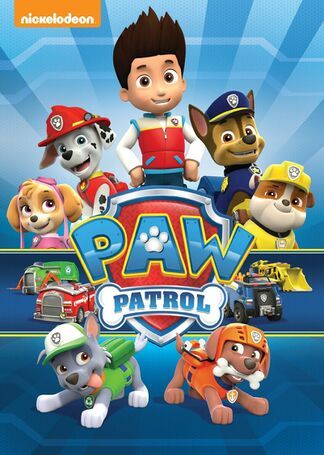
Now, let’s talk content! Certain types of content consistently perform exceptionally well among kids on YouTube, and animations and short cartoons are definitely at the top of that list. They are incredibly popular among young viewers globally, offering a versatile medium for imaginative storytelling and educational content. This format allows for creating distinct characters and worlds that resonate deeply with children, making them instant fan favorites.
While the initial production costs for high-quality animation can be substantial, a successful series can yield significant returns through several avenues. One of the biggest advantages is consistent watch time: engaging animated narratives encourage children to watch entire videos and return for future episodes, contributing to high watch time and viewer retention. Plus, animation transcends language barriers, offering immense potential for global viewership and licensing across different markets. It’s truly a universal language for kids!
But the real magic often lies in lucrative licensing deals. The potential for licensing characters, concepts, and storylines for merchandise, media spin-offs (like books or games), and other products is particularly high, often becoming a primary revenue driver beyond ad revenue. We’re talking about characters becoming household names, fueling entire product lines. Key metrics indicating strong engagement include average view duration and episode completion rates, showing just how captivating these animated worlds are.
Ultimately, developing a successful series requires creative vision, skilled production, and, most importantly, understanding a child’s imagination. When done right, animation isn’t just content; it’s a gateway to a broader, highly profitable media franchise. It’s a powerful testament to how a compelling narrative and visual appeal can capture young hearts and minds, leading to incredible financial success.
Alright, if you thought the world of kid YouTubers was fascinating so far, buckle up! We’re about to dive even deeper into the specific types of content that explode in popularity, unveil the mind-blowing earnings of the platform’s biggest young stars, and uncover the crucial legal safeguards ensuring these pint-sized moguls are protected. It’s a journey from playtime to paycheck, and honestly, it’s pretty incredible to see how these young creators (and their teams) navigate this digital frontier.
7. **Toy Unboxing and Reviews: The Evergreen Craze**
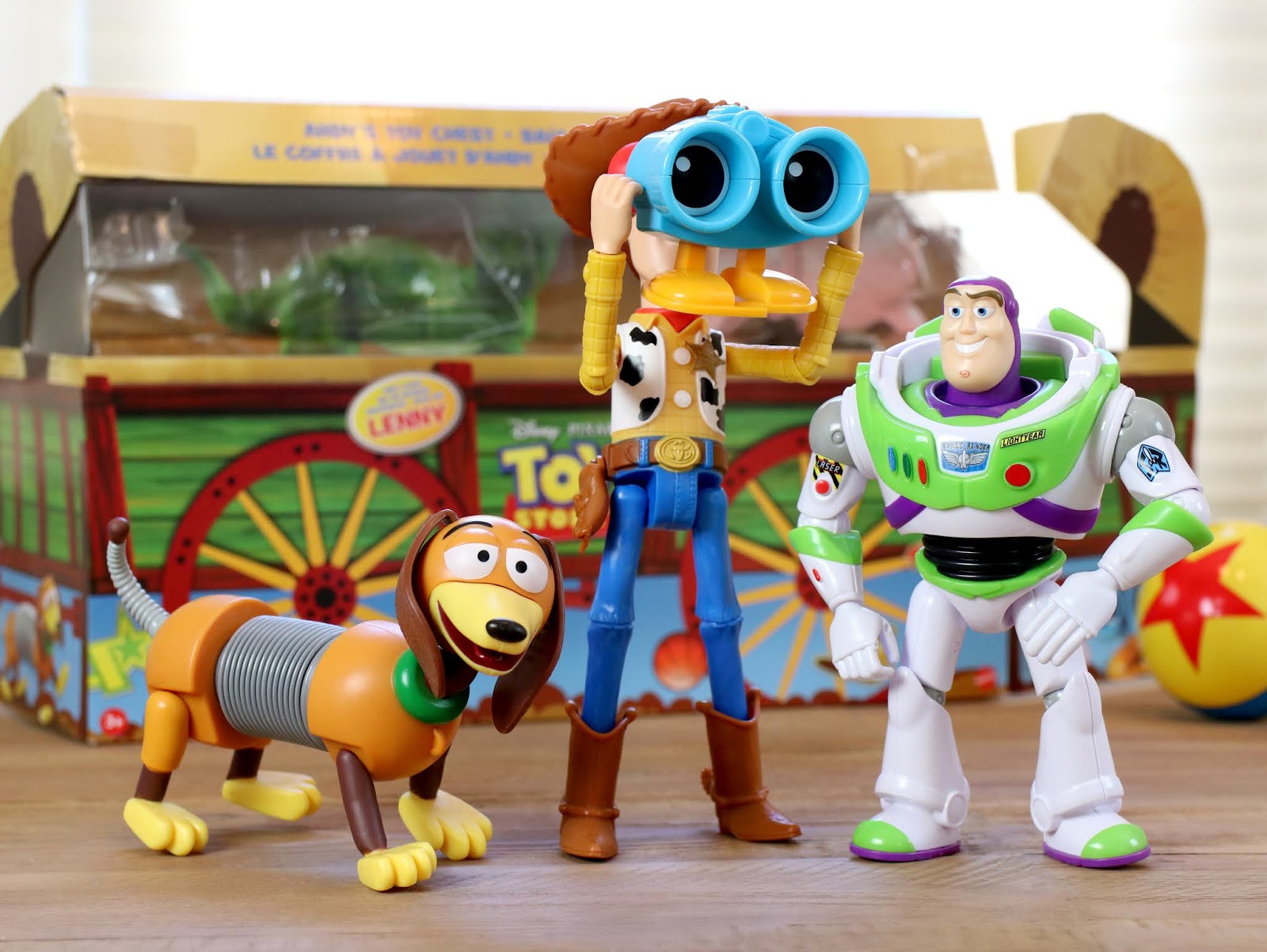
You know what kids absolutely adore? New toys! And seeing other kids unbox, review, and play with them is pure magic. Videos featuring toy unboxings, reviews, and demonstrations remain an absolute dominant force in the kids’ content space on YouTube, and it’s easy to see why. The enduring appeal lies in the sheer excitement children feel watching new products being revealed and explored. It’s like getting a sneak peek at Christmas morning all year round!
But here’s the interesting part: the earning model for channels in this niche usually relies super heavily on income sources *beyond* direct ad revenue. Remember those COPPA limitations we talked about? They mean ad revenue for kids’ content is typically limited, so creators have to get strategic. This is where alternative monetization streams really shine and become the bread and butter for many successful channels.
Think about it: these streams include product placement, where channels receive free products from manufacturers just for featuring them in a video. Then there are direct sponsorships, where toy manufacturers partner for dedicated sponsored videos or integrated promotions. These deals are often *significantly* more lucrative than what direct ad revenue could ever bring in, offering a robust financial backbone for creators.
And let’s not forget about affiliate marketing links! Creators can include unique links in their video descriptions for parents or guardians to purchase the showcased toys, earning a small commission on sales. Channels in this niche thrive on showcasing the latest products and generating that undeniable excitement, making them incredibly attractive partners for major toy companies eager to reach their target audience. It’s a smart, multi-pronged approach that really pays off!
8. **Educational Journeys and Catchy Tunes: Learning and Laughter**
Who says learning can’t be fun *and* profitable? Content focused on education and training for children, spanning everything from basic concepts to STEM (science, technology, engineering, and mathematics) and social skills, directly appeals to parents and educators seeking enriching videos. While, yes, direct ad revenue remains limited for these channels, they build something incredibly valuable: a dedicated audience genuinely interested in learning and growth.
This passionate audience opens up a whole world of diversified monetization opportunities. We’re talking about selling supplementary educational materials, like digital or physical products such as worksheets, guides, or even apps that perfectly complement the video content. Channels can also partner with educational organizations or platforms, collaborating on sponsored content, curriculum development, or promotional campaigns that benefit everyone involved.
Some advanced creators even offer premium learning content, crafting in-depth courses or exclusive series available for a fee through a dedicated website or alternative paid platforms. And for those with a truly engaged community, crowdfunding and donation platforms like Patreon allow parents to offer recurring financial support in exchange for exclusive perks, fostering a direct connection and sustained income.
Now, let’s switch gears to the power of rhythm! Nursery rhymes, original children’s songs, sing-alongs, and simple dance videos boast massive global reach and the potential for extraordinarily high view counts on YouTube. The simple, repetitive nature of these videos makes them incredibly rewatchable, often leading to kids wanting to watch them again and again and again! This makes music and dance content a potentially very profitable format.
Monetization here primarily comes from two key sources. First, the sheer volume of consistently high view counts can result in substantial ad revenue, even with the lower “Made for Kids” CPMs. Second, and this is huge, music royalties can be earned if original compositions are used and properly registered with performance rights organizations, collecting royalties from global views. It’s a harmonious blend of creativity and cash!

9. **Gaming Gurus: Kids Conquering Virtual Worlds**
Level up! Streaming or creating videos focused on child-friendly video games like Minecraft, Roblox, or other age-appropriate titles is another wildly popular and potentially lucrative format. This content often involves showcasing incredible creative builds, offering helpful tutorials, or simply sharing entertaining gameplay in a child-friendly manner. It’s an opportunity for young gamers to connect and explore virtual worlds together.
When it comes to monetization, these channels tap into several exciting sources. Standard YouTube Ads are a foundational income stream, though they’re still subject to those lower “Made for Kids” rates. But here’s where it gets interesting: during live streams, parents and adults can make direct donations through features like Super Chat and Super Stickers, adding another layer of direct support for creators.
Just like with toy channels, brand sponsorships are a massive player here. Partnerships with game developers, peripheral companies, or related brands looking to reach a young gaming audience can offer significantly higher revenue than ad views alone. And of course, creating and selling branded merchandise related to the channel or the games (all managed by the adult, naturally) is another fantastic avenue for income. Maintaining a safe, positive, and age-appropriate environment is absolutely crucial not just for the well-being of the audience, but also for attracting these valuable partnerships and adhering to platform policies.

10. **The Multi-Million Dollar Club: Unveiling Top Kid YouTuber Earnings**
Ready for some truly eye-popping numbers? Examining the earnings of the most successful kid creators offers a thrilling glimpse into the extraordinary potential at the very top of the YouTube ecosystem. Keep in mind, these figures represent the extreme outliers, and they’re often estimates rather than precise, verified numbers, but they certainly paint a picture of massive success.
As of recent estimates (around April 2025), channels like Kids Diana Show, Vlad and Niki, and Like Nastya are pulling in absolutely staggering figures. For instance, Kids Diana Show had an estimated monthly ad revenue of around $955,000, with a total monthly revenue range of $601,000 to $1.29 Million, and an estimated net worth between $42.8 Million and $257 Million! Vlad and Niki and Like Nastya show similar colossal earnings, placing them among the highest-paid content creators globally. These truly are exceptional cases, demonstrating what’s possible with immense scale and smart strategy.
The journey to these incredible heights involved consistent, high-volume production of engaging content. Their strategies included identifying unique niches, developing strong on-screen appeal (which is always expertly managed by adults), optimizing videos for discovery, and critically, diversifying revenue through massive licensing and merchandise deals. Building enormous subscriber bases—like Kids Diana Show with 81.5 million, Like Nastya with 75.6 million, and Vlad and Niki maintaining 70.2 million—was absolutely key, contributing to their immense viewership and brand attractiveness.
For these elite kid YouTube channels, direct YouTube ad revenue is often just a tiny fraction of their total income, precisely because of those “Made for Kids” limitations. The vast majority of their multi-million dollar earnings come from a diverse portfolio of sources. This includes licensing and royalties, allowing their brand or characters on various products, and merchandise sales, where direct sales of branded goods, exemplified by Ryan Kaji’s massive success, are huge. Sponsorships and brand deals for integrated promotions or ambassadorships also contribute significantly, as do external ventures like TV shows, movies, books, or apps that stem from their YouTube fame. This diverse portfolio isn’t just a strategy; it’s the secret sauce to their monumental financial success.
11. **The Rulebook: Navigating Legalities and Parental Responsibilities**
With great success comes great responsibility—and a whole lot of rules! Operating a YouTube channel with content for children demands strict adherence to legal regulations and platform policies, all designed to protect young audiences and their privacy. Trust us, non-compliance isn’t just a minor oversight; it carries significant risks and can lead to serious consequences.
At the top of the list is compliance with COPPA (Children’s Online Privacy Protection Act) and similar international child privacy laws. These are mandatory regulations governing online data collection from children. Failing to comply can result in severe financial penalties from bodies like the FTC, potentially running into tens of thousands per violation, alongside significant sanctions from YouTube, including demonetization or even channel termination. COPPA mandates strict restrictions on data collection for kids’ content, disabling personalized ads, removing interactive features like comments, and limiting tracking, all of which directly impact monetization and user engagement.
YouTube’s mandatory “Made for Kids” classification is the primary mechanism for enforcing these vital regulations. Accurately designating content as “Made for Kids” during the upload process is absolutely critical, as this setting automatically triggers the appropriate privacy and feature restrictions. This classification directly impacts monetization by limiting ad types, which, as we’ve discussed, results in lower ad revenue compared to general content. Creators simply *must* understand and apply this classification correctly to avoid penalties and ensure a safe, compliant viewing experience for their young audience.
And here’s a fundamental legal truth: minors cannot enter binding contracts or manage finances independently. This means that all aspects of running a YouTube channel for a child, from account creation and agreeing to terms to signing up for monetization programs like AdSense and entering sponsorship or licensing agreements, must be handled exclusively by a parent or legal guardian. This adult oversight isn’t just good practice; it’s a legal requirement, essential for managing finances responsibly, safeguarding the child’s privacy, and navigating the complexities of commercial activities. The adult is the legally responsible entity, ensuring everything runs above board and the child’s interests are protected.

12. **Building a Lasting Empire: Growth, Safety, and Realistic Views**
So, you’re dreaming of building the next big kids’ channel? Sustaining growth and maximizing earning potential involves strategic optimization that goes far beyond just hitting record. Consistency, a deep understanding of platform dynamics, and smart audience engagement (always within policy limits!) are your golden tickets to success. Let’s explore how to truly build something that lasts.
Even though direct interaction like comments is often disabled on “Made for Kids” content, creators can still foster incredible engagement and loyalty. Think creatively! This means asking questions verbally within the video to encourage discussion with supervising adults, or creating a comforting sense of routine through consistent formats, beloved characters, and predictable segments—all carefully managed by adults. Building anticipation for future uploads via sneak peeks or mentions keeps viewers coming back, and utilizing safely managed parent social media accounts allows for connecting and gathering feedback directly from parents. Even incorporating interactive elements *within* the video content itself can make a huge difference.
Beyond content, optimizing how your videos are presented is crucial. Compelling thumbnails and clear, catchy titles are essential for driving clicks. For kids’ content, thumbnails should be visually appealing, simple, colorful, and accurately represent the video’s fun. Titles should be easy for parents and older children to read and understand, using relevant search terms to help discovery. Effective design here significantly influences the Click-Through Rate (CTR), which is a key algorithmic factor for getting your content seen. And don’t forget upload consistency and scheduling! Maintaining a regular upload schedule is vital for keeping your audience engaged and signaling activity to the YouTube algorithm, building viewer expectations and encouraging repeat visits.
Crucially, ensuring content adheres to YouTube’s guidelines and is suitable for the YouTube Kids app is critical for safety, discoverability, and avoiding penalties. This means content must meet stringent criteria for age-appropriateness and safety, steering clear of anything violent, scary, suggestive, discriminatory, or promoting dangerous behavior. The focus should always be on positive, enriching, or entertaining content designed for young audiences, with educational value and positive messaging being highly favored. And always, always accurately classify your video as “Made for Kids” during upload; misrepresenting your audience can lead to severe penalties.
For parents considering starting a YouTube channel with their children, setting realistic income expectations is absolutely crucial. New children’s channels should anticipate earning minimal revenue in their first year, potentially less than $100 monthly, even with thousands of subscribers. With those low CPMs ($0.25-$0.35), 100,000 views might generate only $25-$35 in ad revenue. Building a financially viable channel takes years of consistent effort, high-quality content, and dedicated audience building, not just a few months. Remember, the multi-million-dollar successes are extreme outliers, not the norm. Parents should primarily view starting a channel as a creative outlet for their children, offering opportunities for learning and self-expression, with potential earnings being a secondary, often unlikely, outcome at a significant scale.
Ultimately, while the potential for multi-million dollar empires exists for a select few, driven by massive scale and strategic revenue diversification beyond traditional ads, the vast majority of children’s content faces significant monetization limitations due to COPPA and lower ad rates. Success in this unique space demands not just creativity and engaging content, but also a sharp understanding of the legal landscape, a commitment to ethical practices, and above all, setting realistic expectations. The real win isn’t just about the money; it’s about creating high-quality, safe, and genuinely engaging content that kids and their parents will love, making the digital world a brighter, more imaginative place for our youngest viewers. It’s a challenging, yet incredibly rewarding, adventure!