Alright, gearheads and daily commuters, let’s talk about something that sends shivers down every car enthusiast’s spine: the dreaded ‘lemon.’ In the wild, unpredictable world of used cars, a lemon isn’t just a sour fruit; it’s a vehicle that looks perfectly fine on the surface but harbors major hidden problems. These aren’t minor inconveniences; we’re talking about issues that can make a car unsafe, astronomically costly, or just plain hard to drive. For 2025, knowing how to spot these automotive nightmares is absolutely crucial for any savvy buyer, especially when the stakes are high, like in places with demanding climates such as Tempe, Mesa, Gilbert, or Chandler, where a car needs to handle scorching heat, endless traffic, and relentless daily use.
The used-car lemon list for 2025 isn’t just some arbitrary ranking; it’s a critical compilation highlighting vehicles with a documented history of serious, persistent issues. These aren’t problems that develop over decades; they often rear their ugly heads soon after purchase, sometimes even after the car has supposedly passed a basic inspection. Imagine thinking you’ve snagged a deal, only to find yourself wrestling with a bad engine, a weak gearbox, or a faulty electrical system weeks or months down the line. It’s a recipe for stress, high bills, and countless lost hours that no one wants to endure.
So, prepare yourselves, because we’re about to take a deep dive into some of the most infamous offenders that have earned a notorious spot on the 2025 lemon list. These are the models that have consistently left owners scratching their heads, emptying their wallets, and ultimately, trying to offload their problematic rides as quickly as possible. We’ll be pulling no punches, dissecting the specific problems that plague these vehicles, and revealing why they’re best approached with extreme caution, or perhaps, avoided altogether. Let’s peel back the layers and expose these automotive lemons.
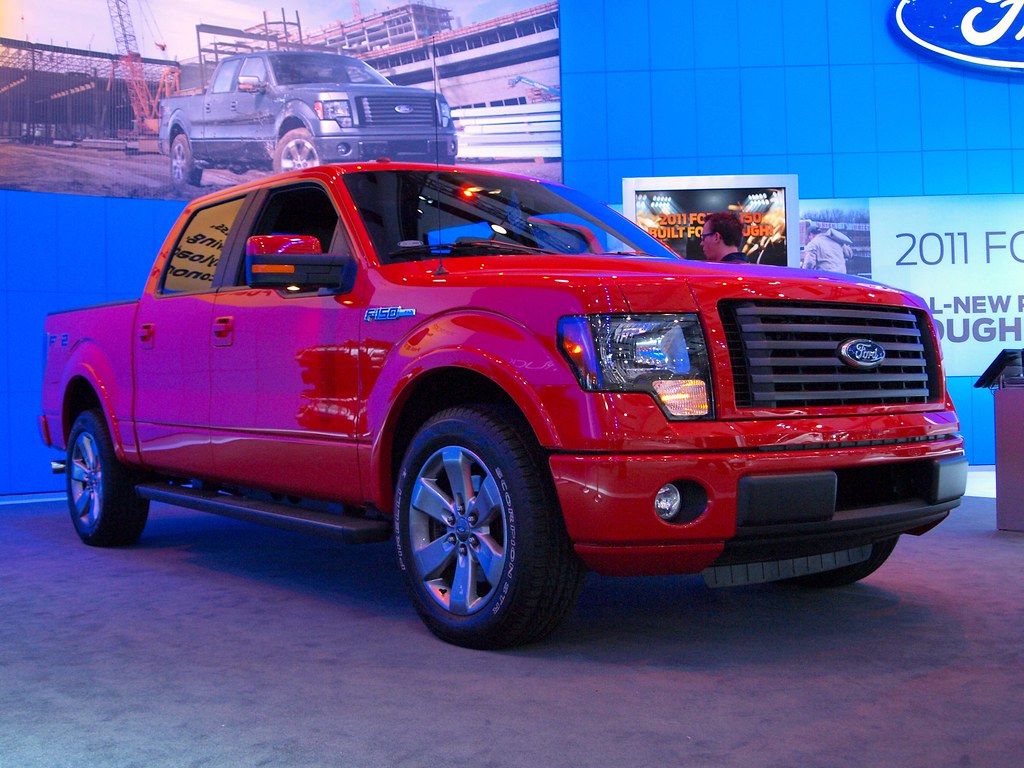
1. **Ford F-150 (2021–2023): The Unreliable Workhorse**The Ford F-150. Just saying the name conjures images of rugged capability, unwavering reliability, and America’s favorite pickup truck. It’s supposed to be the backbone of countless businesses and families, a vehicle you can trust to haul, tow, and tackle any challenge. But for owners of the 2021-2023 models, that trust has, unfortunately, been thoroughly shaken, as these popular pickups have found themselves squarely on the lemon list due to some seriously frustrating and potentially dangerous issues.
One of the most concerning problems reported by F-150 owners revolves around its transmission. Imagine trying to get a heavy load moving or navigating challenging terrain, only to feel the transmission slip under heavy load. This isn’t just an inconvenience; it can be a critical failure point for a truck designed for serious work, compromising both performance and safety. A truck that can’t reliably put power to the ground is, frankly, just a really big, expensive paperweight.
Beyond the powertrain woes, the 2021-2023 F-150 also earned its lemon stripes thanks to widespread tailgate malfunctions. What seems like a minor issue can quickly become a major headache, especially for those who rely on their truck beds for daily tasks. A malfunctioning tailgate not only impacts the utility of the vehicle but can also pose a safety risk, as items in the bed might not be securely contained. It’s an oversight that’s particularly galling on a vehicle renowned for its practicality.
These issues—transmission slips and tailgate malfunctions—aren’t isolated incidents. They represent patterns of problems that have led to significant consumer complaints and have landed these recent F-150 models on the list of vehicles to approach with extreme caution. For a vehicle that prides itself on being ‘Built Ford Tough,’ these kinds of foundational defects are a bitter pill to swallow for owners who expected nothing less than unwavering dependability.
Car Model Information: 2024 Ford F-150 XLT
Name: Ford F-Series
Caption: 2022 Ford F-150 Lariat Luxury
Manufacturer: Ford Motor Company
Aka: Ford Lobo (Mexico, 1992–present)
Production: 1948–present
Class: Pickup truck#Full-size pickup truck
Layout: Front-engine, rear-wheel-drive layout,rear-wheel drive
Predecessor: 1941 Ford
Categories: All-wheel-drive vehicles, All Wikipedia articles written in American English, All articles that may contain original research, All articles with unsourced statements, Articles that may contain original research from September 2020
Summary: The Ford F-Series is a series of light-duty trucks marketed and manufactured by the Ford Motor Company since model year 1948 as a range of full-sized pickup trucks — positioned between Ford’s Ranger and Super Duty pickup trucks. Alongside the F-150 (introduced in 1975), the F-Series also includes the Super Duty series (introduced in 1999), which includes the heavier-duty F-250 through F-450 pickups, F-450/F-550 chassis cabs, and F-600/F-650/F-750 Class 6–8 commercial trucks.
Get more information about: Ford F-Series
Buying a high-performing used car >>>
Brand: Ford Model: F-150
Price: $40,999 Mileage: 45,515 mi.

2. **Ford Explorer (2020–2022): Adventure Interrupted**The Ford Explorer has long been a staple of suburban life, a go-to choice for families needing space, versatility, and a touch of adventure. It’s the kind of SUV you buy expecting years of reliable service, tackling school runs, road trips, and everything in between. However, the 2020-2022 models have been plagued by significant issues, effectively turning those anticipated adventures into frustrating detours to the repair shop, cementing their place on the lemon list.
Central to the Explorer’s woes are its transmission and electrical system issues. When a vehicle’s transmission, the very heart of its propulsion, starts acting up, it spells trouble. Owners have reported a range of problems, from hesitant shifts to outright failures, echoing the general “Weak or failing transmissions” and “Poor response when you drive” warnings associated with lemons. This isn’t just about smooth acceleration; it’s about the fundamental ability of the vehicle to operate reliably and safely.
Compounding these transmission headaches are the pervasive electrical system problems. Modern vehicles are essentially computers on wheels, and when the electrical brain starts to glitch, chaos ensues. Faulty electrical systems can manifest in countless ways, from non-functioning infotainment to critical safety systems failing, aligning perfectly with the “Electrical system faults” and “Warning lights that stay on” red flags. These aren’t minor annoyances; they can severely impact the vehicle’s functionality and your peace of mind.
The combination of these critical system failures means that many 2020-2022 Ford Explorers have fallen far short of consumer expectations. For a brand that touts reliability and quality, these issues represent a significant blow, forcing owners into repeated, often unresolved, repair cycles. It’s a harsh reminder that even popular models can harbor deep-seated problems that spoil the ownership experience entirely.
Car Model Information: 2022 Ford Explorer Platinum
Name: Ford Explorer
Caption: Sixth-generation Ford Explorer
Manufacturer: Ford Motor Company
Production: 1990–present
ModelYears: 1991–present
Class: unbulleted list
Chassis: unbulleted list
Predecessor: Ford Bronco II
Successor: Ford Territory (Australia)
Categories: 2000s cars, 2010s cars, 2020s cars, All-wheel-drive vehicles, All Wikipedia articles in need of updating
Summary: The Ford Explorer is a range of SUVs manufactured by the Ford Motor Company since the 1991 model year. The first five-door SUV produced by Ford, the Explorer, was introduced as a replacement for the three-door Bronco II. As with the Ford Ranger, the model line derives its name from a trim package previously offered on Ford F-Series pickup trucks. As of 2020, the Explorer became the best-selling SUV in the American market.
Currently in its sixth generation, the Explorer has featured a five-door wagon body style since its 1991 introduction. During the first two generations, the model line included a three-door wagon (directly replacing the Bronco II). The Ford Explorer Sport Trac is a crew-cab mid-size pickup derived from the second-generation Explorer. The fifth and sixth generations of the Explorer have been produced as the Ford Police Interceptor Utility (replacing both the Ford Crown Victoria Police Interceptor and the Ford Police Interceptor Sedan).
The Explorer is slotted between the Ford Edge and Ford Expedition within North America’s current Ford SUV range. The model line has undergone rebadging several times, with Mazda, Mercury, and Lincoln each selling derivative variants. Currently, Lincoln markets a luxury version of the Explorer as the Lincoln Aviator.
For the North American market, the first four generations of the Explorer were produced by Ford at its Louisville Assembly Plant (Louisville, Kentucky) and its now-closed St. Louis Assembly Plant (Hazelwood, Missouri). Ford currently assembles the Explorer alongside the Lincoln Aviator and the Police Interceptor Utility at its Chicago Assembly Plant (Chicago, Illinois).
Get more information about: Ford Explorer
Buying a high-performing used car >>>
Brand: Ford Model: Explorer
Price: $33,399 Mileage: 35,792 mi.
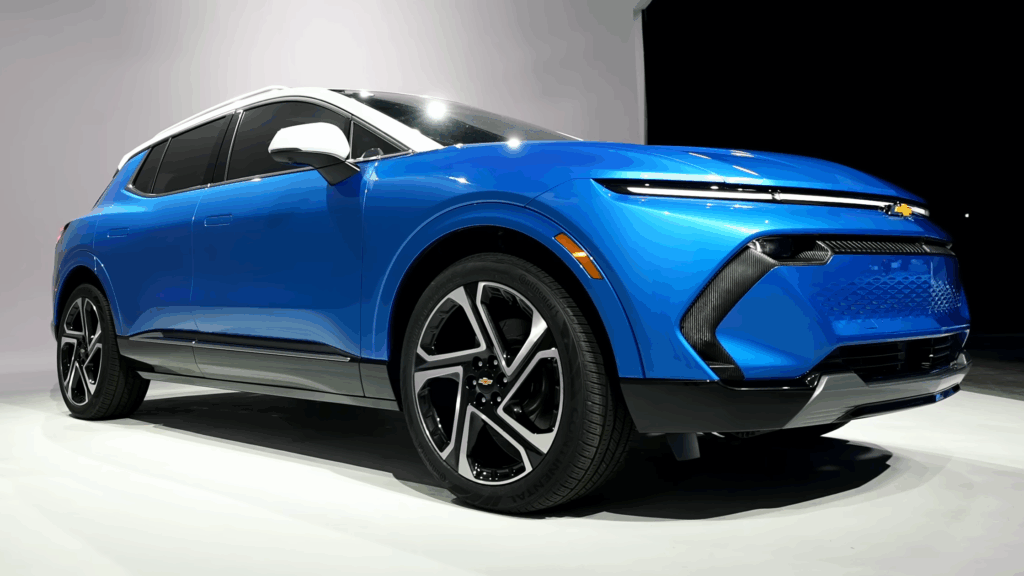
3. **Chevrolet Equinox (2010–2022, 2.4L Ecotec): The Oil Guzzler**The Chevrolet Equinox, particularly models equipped with the 2.4L Ecotec engine from 2010 to 2022, has earned a particularly ignominious spot on our lemon list. This isn’t just a minor design flaw; it’s a persistent, well-documented issue that has left countless owners frustrated and out of pocket. The core problem? Excessive oil consumption – a flaw so pronounced that it became a defining characteristic of these otherwise innocuous family crossovers.
Excessive oil consumption isn’t merely about topping off your fluids more often; it’s a symptom of a deeper, more sinister engine problem. These engines were notorious for burning through oil at an alarming rate, often leading to low oil levels between scheduled changes, which can then cause premature engine wear, damage, and ultimately, catastrophic failure. This directly aligns with the “Frequent engine breakdowns” and “Excessive oil or fluid leaks” mentioned as common reasons for a model to make the lemon list.
What makes this issue particularly damning is that, despite numerous owner complaints and a wide span of model years affected, the company often failed to provide a lasting repair. Owners found themselves on a frustrating merry-go-round of dealership visits, topping off oil, and eventually, facing the grim reality of an engine that was inherently flawed. This ongoing saga perfectly illustrates the “Repeated trips to the shop for the same repair” lemon characteristic, turning routine maintenance into an endless battle.
The widespread and unaddressed nature of the 2.4L Ecotec engine’s oil consumption problems means that many Equinox models from this era were, effectively, ticking time bombs. Buyers of these vehicles often ended up with a car that required constant vigilance, was prone to unexpected breakdowns, and suffered from diminished resale value due to its well-known Achilles’ heel. It’s a prime example of a design flaw that turned a popular vehicle into a notorious lemon.
Car Model Information: 2020 Chevrolet Equinox 1LT
Name: Chevrolet Equinox
Manufacturer: General Motors
Aka: ubl
Production: 2004–present
ModelYears: 2005–present
Class: Mid-size crossover SUV
BodyStyle: Sport utility vehicle
Layout: Transverse engine,Front-engine, front-wheel-drive layout
Predecessor: ubl
Categories: 2000s cars, 2010s cars, 2020s cars, All-wheel-drive vehicles, All Wikipedia articles written in American English
Summary: The Chevrolet Equinox is a crossover SUV introduced by Chevrolet in 2004 for the 2005 model year. It was intended to replace the North American Chevrolet Tracker and Chevrolet S-10 Blazer. The third-generation Equinox also replaced the first-generation Chevrolet Captiva.
An all-electric battery-powered (BEV) version called the Equinox EV was introduced in 2022 with sales starting in 2023 for the 2024 model year. It adopts a separate design and underpinnings from the internal combustion engine powered Equinox.
Get more information about: Chevrolet Equinox
Buying a high-performing used car >>>
Brand: Chevrolet Model: Equinox
Price: $14,899 Mileage: 71,085 mi.
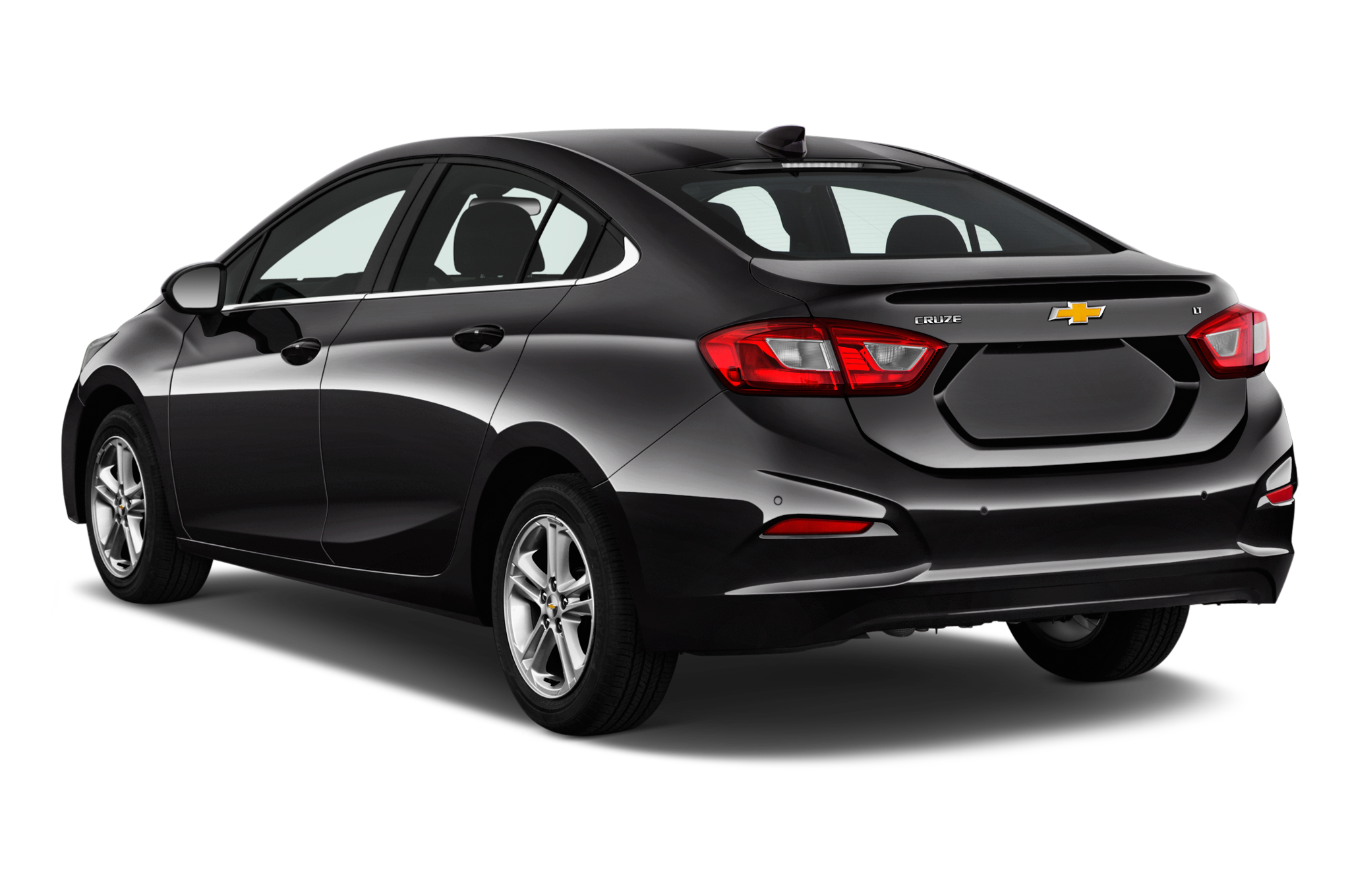
4. **Chevrolet Silverado (2017–2019): Rough Rides and Electrical Gremlins**Chevrolet Silverado. Another titan of the truck world, a formidable competitor to the F-150, and a beloved choice for those needing robust capability. However, the 2017-2019 Silverado models have demonstrated that even the mightiest trucks can have their weaknesses, experiencing a barrage of issues that have landed them firmly on the lemon list. These aren’t just minor kinks; they’re fundamental problems that compromise the driving experience and reliability of a vehicle meant for the toughest jobs.
One of the most frequently cited complaints among Silverado owners of this vintage is rough shifting and shuddering. This sensation, often felt during acceleration or gear changes, points directly to underlying transmission problems. A truck that shudders or shifts erratically not only feels uncomfortable but also indicates that its powertrain is under undue stress, potentially leading to premature wear and expensive repairs. This clearly falls under “Weak or failing transmissions” and “Rough gear shifts or hesitation” as key lemon indicators.
Adding to the misery, these Silverados also faced significant problems with engine overheating and electrical faults. Engine overheating, especially in hot climates like Arizona, can rapidly exacerbate wear on parts and lead to catastrophic engine failure, tying into the “Frequent engine breakdowns” category. Meanwhile, electrical faults can be a bewildering array of issues, from infotainment glitches to critical sensor failures, leading to those ominous “Warning lights that stay on” that every driver dreads.
These combined issues paint a clear picture of a truck that, for a few unfortunate model years, struggled significantly with fundamental reliability. For owners, it meant constant worry about breakdowns, costly repair bills, and the sheer inconvenience of a vehicle that couldn’t be trusted to perform its duties consistently. It’s a harsh lesson that even a renowned nameplate isn’t immune to becoming a lemon.
Car Model Information: 1998 Chevrolet 1500 Fleetside
Name: Chevrolet Silverado/GMC Sierra
Caption: 2022 Silverado 2500HD High Country
Manufacturer: General Motors
Aka: unbulleted list
Production: 1998–present
Assembly: unbulleted list
Class: unbulleted list
BodyStyle: unbulleted list
Layout: unbulleted list
Predecessor: unbulleted list
Categories: 2000s cars, 2010s cars, 2020s cars, All-wheel-drive vehicles, All Wikipedia articles written in American English
Summary: The Chevrolet Silverado is a range of trucks manufactured by General Motors under the Chevrolet brand. Introduced for the 1999 model year, the Silverado is the successor to the long-running Chevrolet C/K model line. Taking its name from the top trim level from the Chevrolet C/K series, the Silverado is offered as a series of full-size pickup trucks, chassis cab trucks, and medium-duty trucks. The fourth generation of the model line was introduced for the 2019 model year.
The Chevrolet Silverado shares mechanical commonality with the identically related GMC Sierra; GMC ended the use of the C/K nomenclature a model generation prior to Chevrolet. In Mexico, high-trim level versions of the Silverado use the Chevrolet Cheyenne name (not to be confused with the 2003 concept). Competing against the Ford F-Series, Ram pickup, Toyota Tundra, and Nissan Titan, the Silverado is among the best-selling vehicles in the United States, having sold over 12 million trucks since its introduction in 1998 as a 1999 model year.
Get more information about: Chevrolet Silverado
Buying a high-performing used car >>>
Brand: Chevrolet Model: Silverado
Price: $2,989 Mileage: 271,709 mi.

5. **Cadillac Escalade (2015–2023): Luxury Undermined by Transmission Woes**The Cadillac Escalade. It’s the embodiment of American luxury and presence, a full-size SUV designed to exude confidence and provide a plush, commanding ride. Owners expect nothing less than perfection from such a premium vehicle, making the widespread transmission problems in 2015-2023 models all the more disappointing and, frankly, unacceptable. When a luxury vehicle struggles with its most basic function, it’s a clear sign that something is fundamentally amiss, earning it a place on our infamous list.
The primary culprit here has been the eight- and ten-speed automatic transmissions, which have garnered a reputation for hesitation and rough shifting. Imagine driving a vehicle of this caliber, expecting seamless power delivery, only to experience jarring shifts or a noticeable delay in acceleration. This ‘Poor response when you drive’ not only diminishes the luxury experience but also signals a deeper mechanical issue that can compromise long-term durability. It’s a frustrating juxtaposition: opulent comfort with a clunky, unreliable drivetrain.
Cadillac, unfortunately, holds the unenviable title of GM’s top lemon producer, with a staggering one in every 103,167 Cadillacs reportedly being a lemon. This statistic isn’t just a number; it reflects a pattern of manufacturing woes that extends beyond just the Escalade’s transmission. While our focus here is on the Escalade’s specific issues, this broader context suggests systemic challenges within the brand’s production and quality control, making the Escalade’s transmission troubles part of a larger, concerning narrative for the brand.
For Escalade owners, the recurring transmission problems translate to unexpected trips to the shop, significant repair costs, and a loss of confidence in their high-end investment. The expectation of flawless performance in a luxury SUV clashes sharply with the reality of a hesitant gearbox, transforming what should be a proud ownership experience into a constant source of irritation. This is a clear case where a premium price tag simply didn’t guarantee premium reliability, making these Escalades a clear-cut lemon.
Car Model Information: 2021 Cadillac Escalade Sport
Name: Cadillac Escalade
Caption: Fifth generation Cadillac Escalade
Manufacturer: Cadillac
Production: 1998–present,2002–present (ESV),2001–2013 (EXT),2008–2013 (Hybrid)
ModelYears: 1999–2000,2002–present
Class: Full-size,luxury car,sport utility vehicle
Related: ubl
Layout: Front-engine, rear-wheel drive layout,Front-engine, four-wheel drive layout
Categories: 2000s cars, 2010s cars, 2020s cars, All-wheel-drive vehicles, All Wikipedia articles in need of updating
Summary: The Cadillac Escalade is a full-size luxury SUV manufactured by General Motors and marketed by Cadillac as its first major entry into the SUV market. The Escalade was introduced for the 1999 model year in response to an influx of new luxury SUVs in the late 1990s including the Mercedes-Benz M-Class, Range Rover, Lexus LX, and Ford’s 1998 debut of the Lincoln Navigator. The Escalade project went into production only ten months after it was approved. The Escalade is built in Arlington, Texas.
The term “escalade” refers to a siege warfare tactic of scaling defensive walls or ramparts with the aid of ladders or siege towers. More generally, it is a French word which is the noun-equivalent form of the French verb escalader, which means “to climb or scale”.
The Escalade is currently sold in North America and select international markets (Europe and Asia) where Cadillac has official sales channels. The Escalade ESV (Escalade Stretch Vehicle) is sold in North America, Russia, and the Middle East, but is only available by special order in some international markets. The right-hand-drive Escalade and Escalade ESV are available through third-party conversion specialists without official agreement with Cadillac in Australian, Oceanic, and Japanese markets.
On August 8, 2023, GM presented the Escalade IQ, an all-electric version of the Escalade, and the third model in Cadillac’s EV line, after the Celestiq, and Lyriq. It is expected to go on sale in late 2024 for the 2025 model year, with a starting price of $130,000.
The Escalade has gone through five generations, the most recent (the fifth) prsented in 2021, noted for its technology and self-driving capability. The fifth generation Escalade is nearly two metres high, and was criticized by The Verge for its excessive size and hazard to pedestrians.
Get more information about: Cadillac Escalade
Buying a high-performing used car >>>
Brand: Cadillac Model: Escalade
Price: $62,850 Mileage: 58,494 mi.
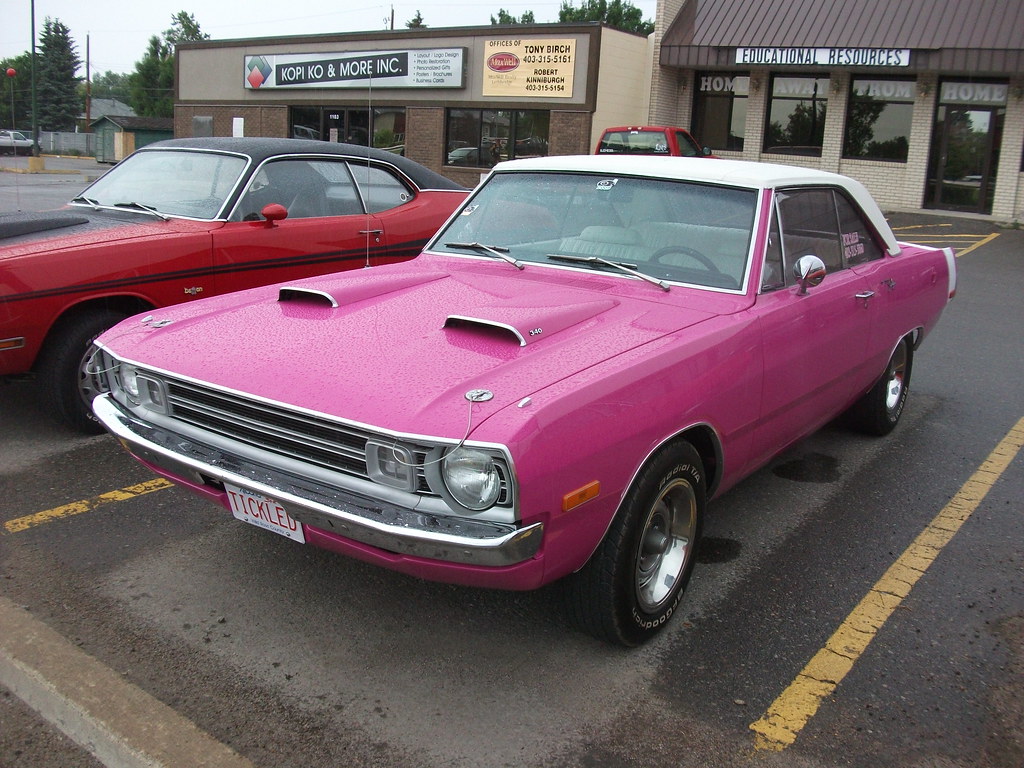
6. **Dodge Dart (2013–2016): The Compact Car That Couldn’t**The Dodge Dart was introduced with the ambitious goal of making a splash in the competitive compact sedan market. It promised a blend of European flair (thanks to its Fiat underpinnings) and American sensibility. Unfortunately, for models produced between 2013 and 2016, those aspirations quickly dissolved into a cascade of mechanical and electrical failures, earning the Dart a notorious reputation as a definitive lemon. It failed to impress drivers, and more importantly, it failed to be reliable.
Owners of the Dodge Dart frequently reported a litany of powertrain and electrical problems. Chief among these were clutch failures, engine malfunctions, and unnerving engine stalling. A car that stalls unexpectedly, particularly in traffic, isn’t just an inconvenience; it’s a serious safety hazard. These issues directly contribute to the “Frequent engine breakdowns” and “Poor response when you drive” warnings that are hallmarks of a lemon vehicle, highlighting profound engineering missteps that compromised basic functionality.
Adding to the frustration were pervasive electrical system issues and an alarming rate of fast battery depletion. In a modern car, a faulty electrical system can lead to a bewildering array of malfunctions, from non-working accessories to critical sensor failures. A battery that drains quickly only exacerbates these problems, leading to unreliable starting and further diminishing trust in the vehicle’s integrity. These problems collectively rendered the Dart an unreliable daily driver, aligning with the general “Electrical system faults” and “Warning lights that stay on” red flags.
The Dodge Dart’s story is a classic example of a vehicle that, despite its potential, was simply not fit for purpose due to chronic manufacturing defects. Its well-known issues, from clutch and engine failures to electrical woes and excessive oil consumption (yes, that too!), ensured that many owners were left with no option but to seek redress under lemon laws or simply try to get rid of their problematic compact car as quickly as humanly possible. It’s a stark reminder that ambition needs to be backed by solid engineering, or you end up with a lemon.
Alright, if you thought the first half of our lemon list was a bumpy ride, buckle up, because we’re not done exposing the automotive underbelly. The issues we’ve seen so far are just a fraction of the headaches that countless drivers have endured. As we continue to peel back the layers of frustration, prepare to encounter more vehicles that, despite their initial promise or popular appeal, consistently failed to deliver on the fundamental expectation of reliability.
We’re talking about models that didn’t just have a bad day at the factory; they had entire model years marred by persistent flaws, turning what should have been a trusty ride into a money pit and a source of constant stress. This isn’t just about saving a buck; it’s about saving yourself from the sheer misery of owning a vehicle that constantly demands more from your wallet and your patience. Let’s not waste any more time; here are the next six contenders on our notorious 2025 Lemon List.
Car Model Information: 2015 Dodge Dart SXT
Name: Dodge Dart
Caption: 1966 Dodge Dart GT 2-door hardtop
Manufacturer: Dodge
Production: 1959–1976 (US market)
ModelYears: 1960–1976 (US market)
Class: Full-size
Layout: FR layout
Predecessor: Dodge Coronet#Fourth generation (1957–1959)
Related: Plymouth Valiant,Chrysler Valiant,Dodge Phoenix
Successor: Dodge Aspen,Dodge Diplomat,Talbot Tagora
Categories: 1970s cars, All articles with unsourced statements, Articles with short description, Articles with unsourced statements from December 2023, Articles with unsourced statements from May 2025
Summary: The Dodge Dart is a line of passenger cars produced by Dodge from the 1959 to 1976 model years in North America, with production extended to later years in various other markets.
The production Dodge Dart was introduced as a lower-priced full-size model in 1960 and 1961, but became a mid-size car for one model year for 1962, and was then reduced to a compact for two generations, from 1963 to 1976.
Chrysler had first used ‘Dart’ name plates on two Italian styled show cars, in 1956 and 1957, before it became a Dodge model name. The Dart nameplate was resurrected for a Fiat-derived compact car that was introduced in 2012.
Get more information about: Dodge Dart
Buying a high-performing used car >>>
Brand: Dodge Model: Dart
Price: $9,995 Mileage: 143,082 mi.
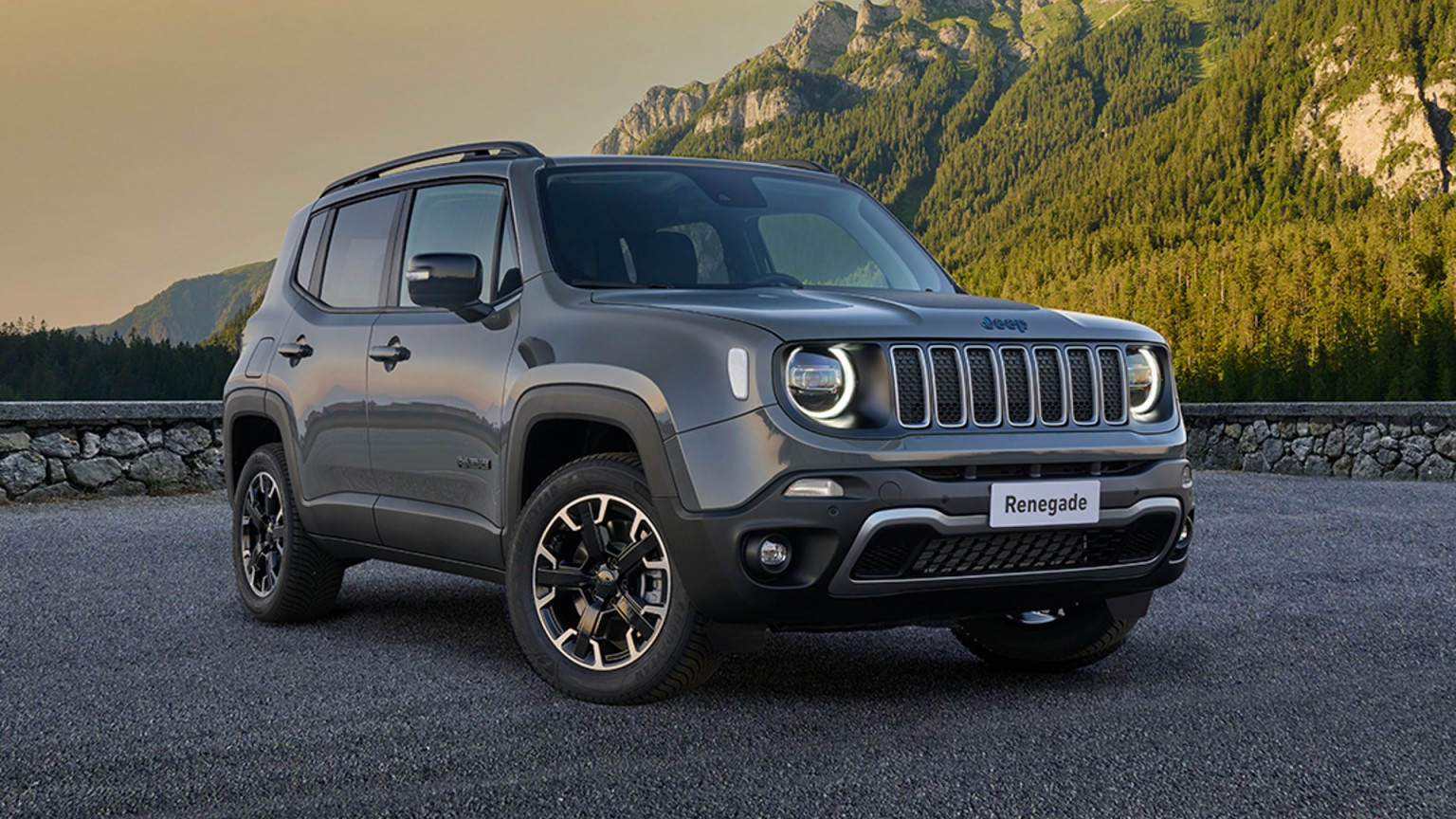
7. **Jeep Grand Cherokee (Electrical System Failures & Suspension Issues)**The Jeep Grand Cherokee is supposed to be the quintessential American SUV, combining rugged capability with everyday comfort. It’s a vehicle that many trust for both their daily commute and weekend adventures, a stalwart of the SUV segment. However, models of the Grand Cherokee have unfortunately landed themselves on the lemon list due to persistent and frustrating issues, primarily revolving around its electrical system and suspension.
Electrical system failures in a modern vehicle are a nightmare, akin to a computer suffering from a constant virus. Owners have reported a myriad of bewildering glitches, from non-functioning infotainment screens to critical safety systems suddenly going offline. This aligns perfectly with the “Electrical system faults” and “Warning lights that stay on” red flags that we always warn buyers about. Such faults don’t just diminish the driving experience; they can create unpredictable and potentially dangerous situations on the road.
Compounding these electrical woes are issues with the suspension system. Imagine driving an SUV, expecting a smooth, composed ride, only to feel every bump and groan from a prematurely worn-out suspension. This directly speaks to the “Suspension parts that wear out too soon” criterion that often lands vehicles on our lemon list. A compromised suspension not only makes for an uncomfortable ride but also impacts the vehicle’s handling and stability, which are crucial for a large SUV, especially when navigating diverse terrains or carrying precious cargo.
Jeep, as part of the Stellantis group, has unfortunately seen its fair share of lemon law claims, with approximately one lemon produced for every 100,000 vehicles. While the Wrangler 4xe made headlines for a lawsuit regarding defective electrical systems, it’s clear that these issues weren’t isolated to just one model. Owners of other Jeep models, including the Cherokee, have also filed claims related to powertrain issues, transmission problems, and engines failing to start. This pattern suggests a broader challenge within the brand’s quality control that potential buyers simply cannot afford to ignore.
Car Model Information: 2018 Toyota Camry SE
Name: Jeep Grand Cherokee
Manufacturer: Jeep
Production: 1992–present
ModelYears: 1993–present
Class: unbulleted list
BodyStyle: sport utility vehicle
Layout: unbulleted list
Chassis: Vehicle_frame#Uniframe
Categories: 2000s cars, 2010s cars, 2020s cars, All-wheel-drive vehicles, All Wikipedia articles written in American English
Summary: The Jeep Grand Cherokee is a range of mid-sized sport utility vehicles produced by American manufacturer Jeep. At its introduction, while most SUVs were still manufactured with body-on-frame construction, the Grand Cherokee has used a unibody chassis from the start.
Get more information about: Jeep Grand Cherokee
Buying a high-performing used car >>>
Brand: Jeep Model: Grand Cherokee
Price: $17,412 Mileage: 86,724 mi.

8. **Nissan Altima (Brake System Problems & CVT Transmission Failures)**The Nissan Altima has long been a popular choice for those seeking a reliable and economical mid-size sedan. It’s often seen as a sensible commuter car, but for several model years, the Altima has proven to be anything but reliable, earning a firm spot on our lemon list thanks to critical problems with its brake system and, notoriously, its Continuously Variable Transmission (CVT). These are fundamental components, and when they falter, the entire ownership experience sours fast.
The issues with the Altima’s brake system aren’t just about squeaky pads; they often involve more serious defects that compromise the vehicle’s stopping power and overall safety. Imagine being in traffic, needing to stop quickly, and experiencing compromised braking performance—it’s a truly terrifying thought. Any problem with a vehicle’s brakes constitutes a severe safety concern, aligning with the “unrepairable safety concern” aspect that can quickly escalate a car to lemon status, often requiring just two repair attempts to qualify.
Then there’s the CVT. Nissan has heavily relied on these transmissions, promising smooth, efficient power delivery. However, in the Altima, these promises often fell flat. Owners have reported a range of problems from hesitant acceleration to outright transmission failures. This kind of “Poor response when you drive” or “Weak or failing transmissions” is a classic lemon characteristic. It’s not just an inconvenience; a failing CVT can lead to expensive repairs and leave drivers stranded, turning a seemingly affordable car into a massive financial drain.
The combination of significant brake system problems and chronic CVT transmission failures means that many Nissan Altimas from these problematic years became a constant source of frustration for their owners. Instead of a dependable daily driver, buyers often found themselves with a car that required repeated, costly repairs for fundamental issues. It’s a stark reminder that even a mainstream sedan can harbor deep-seated defects that make it a hazardous and financially draining purchase.
Car Model Information: 2025 Nissan Altima S
Name: Nissan Altima
Caption: 2024 Nissan Altima SR (L34; US)
Manufacturer: Nissan
Aka: Nissan Bluebird
Production: 1992–present
Class: Compact car
Predecessor: Nissan Bluebird,Nissan Stanza
ModelYears: 1993–present
Categories: 2000s cars, 2010s cars, 2020s cars, All-wheel-drive vehicles, All Wikipedia articles written in American English
Summary: The Nissan Altima is a mid-size car manufactured by Nissan since 1992. It is a continuation of the Nissan Bluebird line, which began in 1955.
The Altima has historically been larger, more powerful, and more luxurious than the Nissan Sentra but less so than the Nissan Maxima. The first through fourth-generation cars were manufactured exclusively in the United States and officially sold in North and South America, along with the Middle East and Australia. For other markets, Nissan sold a related mid-size sedan called the Nissan Teana which was between the Altima and Maxima in terms of size. In 2013, the Teana became a rebadged version of the fifth-generation Altima.
The name “Altima” was originally applied to a top trim line of the Nissan Leopard for the Japanese market in 1986, and then to the Nissan Laurel Altima mid-size car sold in Central America and the Caribbean before 1992. In 1992, Nissan discontinued the Stanza which was a Nissan Bluebird clone, replacing it with the US-built Altima, while remaining a compact car. The first Altima was produced in June 1992, as a 1993 model. All Altima models for the North American market were built in Smyrna, Tennessee, until June 2004, when Nissan’s Canton, Mississippi plant also began producing the model to meet high demand.
Get more information about: Nissan Altima
Buying a high-performing used car >>>
Brand: Nissan Model: Altima
Price: $26,490 Mileage: 11 mi.
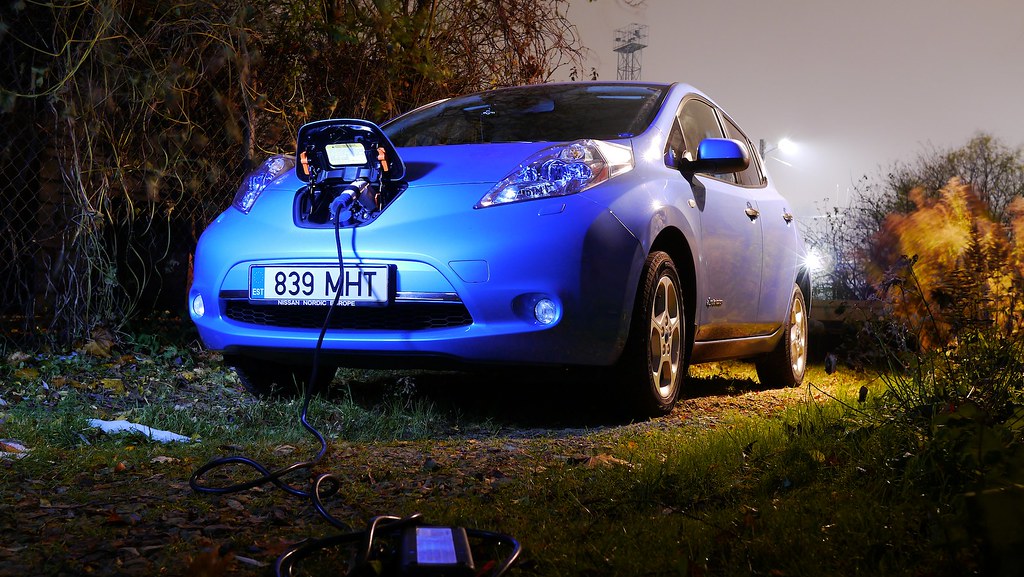
9. **Nissan Leaf (Rapid Battery Degradation, Especially in Heat)**The Nissan Leaf was an early pioneer in the mass-market electric vehicle segment, offering an accessible entry point into EV ownership. The promise was clean, efficient, and low-maintenance driving. However, for many owners, especially those in warmer climates like Tempe, Mesa, Gilbert, or Chandler, that promise rapidly evaporated as their Leaf models suffered from alarming rates of battery capacity degradation, cementing its place on the 2025 lemon list for used EVs.
The core issue here is the battery’s susceptibility to heat. Unlike some newer EVs, earlier Leaf models often lacked active battery thermal management systems. In hot climates, this meant the battery pack would overheat, leading to accelerated chemical degradation and a significant, permanent reduction in its capacity. Owners quickly noticed a “Poor battery range or slow charging” that was far below the advertised figures, making long commutes or even daily tasks a source of range anxiety.
This rapid decline in battery health isn’t just an inconvenience; it can be an enormously expensive problem, fitting the description of issues that “can cost thousands to fix.” For a used EV, a severely degraded battery effectively cripples the vehicle’s utility and value. The “Faster wear on batteries in used EVs due to heat” is a critical red flag for anyone considering a used Leaf in a sunny locale, transforming a supposedly eco-friendly choice into a costly liability.
The implications for owners are severe: a vehicle that steadily loses its usable range, necessitating more frequent charging and severely limiting its practicality. This directly speaks to the “Problems common in Arizona’s climate” warning, where heat can “speed up wear on parts” and make EV battery problems “worse over time.” The Nissan Leaf, particularly older models in hot regions, serves as a cautionary tale that pioneering technology, without robust engineering, can quickly become a lemon.
Car Model Information: 2018 Nissan Titan SV
Name: Nissan Leaf
Caption: A second generation Nissan Leaf
Manufacturer: Nissan
Production: October 2010 – present
ModelYears: 2011–present
Class: Unbulleted list
BodyStyle: Unbulleted list
Layout: Front-engine, front-wheel-drive layout
Predecessor: Unbulleted list
Categories: 2020s cars, All articles containing potentially dated statements, All articles with dead external links, Articles containing Japanese-language text, Articles containing potentially dated statements from December 2015
Summary: The Nissan Leaf (Japanese: 日産・リーフ, Hepburn: Nissan Rīfu; stylized as LEAF) is a battery-electric car manufactured by Nissan, produced since 2010. It was offered exclusively as a 5-door hatchback until 2025, which since then has become a crossover SUV model. The term “LEAF” serves as a backronym to leading environmentally-friendly affordable family car.
The Leaf was unveiled on 1 August 2009 as the world’s first mass market electric and zero-emission vehicle. Among other awards and recognition, it received the 2010 Green Car Vision Award, the 2011 European Car of the Year, the 2011 World Car of the Year, and the 2011–2012 Car of the Year Japan. The Leaf’s range on a full charge has been steadily increased from 117 km (73 miles) to 364 km (226 miles) (EPA rated) by the use of larger battery packs and several minor improvements.
As of September 2021, European sales totalled more than 208,000, and as of December 2021, over 165,000 had been sold in the U.S., and 157,000 in Japan. Global sales across both generations totalled 577,000 by February 2022. The Leaf was the world’s all-time top selling plug-in electric car until it was surpassed in early 2020 by the Tesla Model 3.
Get more information about: Nissan Leaf
Buying a high-performing used car >>>
Brand: Nissan Model: Leaf
Price: $21,685 Mileage: 89,835 mi.

10. **Subaru (Early–Mid 2010s Impreza, Outback, Legacy & Forester CVT/Engine Failures)**Subaru has built a formidable reputation on the back of its all-wheel-drive prowess and perceived reliability. Yet, for a period spanning the early to mid-2010s, several of their popular models, including the Impreza, Outback, Legacy, and Forester, were plagued by transmission and engine issues that thrust the brand into the unwelcome glare of the lemon list. It’s a sobering reminder that even highly regarded brands can stumble significantly.
The primary culprit for many Subaru lemons during this era was the Continuously Variable Transmission (CVT). Owners reported “rough shifting complaints” and, more critically, that these transmissions were “prone to fail prematurely.” This isn’t just about a lack of smoothness; it’s a foundational flaw that impacts the vehicle’s drivability and longevity, directly aligning with the “Weak or failing transmissions” and “Frequent engine breakdowns” characteristics of a lemon. Imagine buying a car known for its adventurous spirit, only to have its powertrain give up the ghost prematurely.
Beyond the widespread CVT woes affecting models like the Impreza, Outback, and Legacy, the Forester also faced its own transmission challenges, specifically with its four-speed automatic. This indicates a broader issue with Subaru’s powertrain components during this period, reinforcing the pattern of systemic failures that define a lemon. When multiple transmission types in different popular models are failing, it’s not bad luck; it’s a design or manufacturing problem.
Even newer models like the Ascent haven’t escaped scrutiny. The Ascent, Subaru’s latest offering, quickly landed on Consumer Reports’ list of the 10 least reliable cars of 2021 with a dismal reliability score of just 18/100. Recalls on the 2019 Ascent due to transmission problems and defective components causing engine failure, along with issues like malfunctioning fuel pumps and failure to start, paint a worrying picture. For a brand where reliability is a cornerstone, these issues are a bitter pill, making certain Subaru models from these years a high-risk proposition for used car buyers.
Car Model Information: 2018 Subaru Impreza 2.0i Premium
Name: Subaru Impreza
Caption: 2024 Subaru Impreza hatchback (GU)
Manufacturer: Subaru
Production: 1992–present
Predecessor: Subaru Leone
Successor: Subaru WRX
Class: Compact car
BodyStyle: coupe
Layout: Front-engine, front-wheel drive layout
Categories: 2000s cars, 2010s cars, 2020s cars, All-wheel-drive vehicles, All Wikipedia articles written in American English
Summary: The Subaru Impreza (Japanese: スバル・インプレッサ, Hepburn: Subaru Inpuressa) is a compact car that has been manufactured by the Japanese automaker Subaru since 1992. It was introduced as a replacement for the Leone, with the predecessor’s EA series engines replaced by the new EJ series. It is now in its sixth generation.
Subaru has offered a 5-door hatchback body variant since 2008. The firm also offered a coupé from 1995 until 2001, a 4-door sedan up to the fifth generation, and a 5-door wagon from the Impreza’s introduction which was replaced by a hatchback with the third generation in 2008. Mainstream versions have received “boxer” flat-four engines ranging from 1.5- to 2.5-liters, with the performance-oriented Impreza WRX and WRX STI models upgraded with the addition of turbochargers. Since the third generation series, some markets have adopted the abbreviated Subaru WRX name for these high-performance variants. The first three generations of Impreza were also available with an off-road appearance non-SUV package called the Outback Sport, exclusive to the North American market. For the fourth generation, this appearance package was raised up to be subcompact crossover SUV and renamed the XV (Crosstrek in North America), and is sold internationally. Colloquially, the car is sometimes referred to as Scooby.
Subaru has offered front- and all-wheel drive layouts for the Impreza. Since the late-1990s, some markets have restricted sales to the all-wheel drive model, putting the Impreza in a unique selling proposition in the global compact class, which is usually characterized by front-wheel drive. Japanese models remain available in both configurations.
A 2019 iSeeCars study named the Impreza as the lowest-depreciating sedan in the United States after five years.
Get more information about: Subaru Impreza
Buying a high-performing used car >>>
Brand: Subaru Model: Impreza
Price: $11,500 Mileage: 96,373 mi.
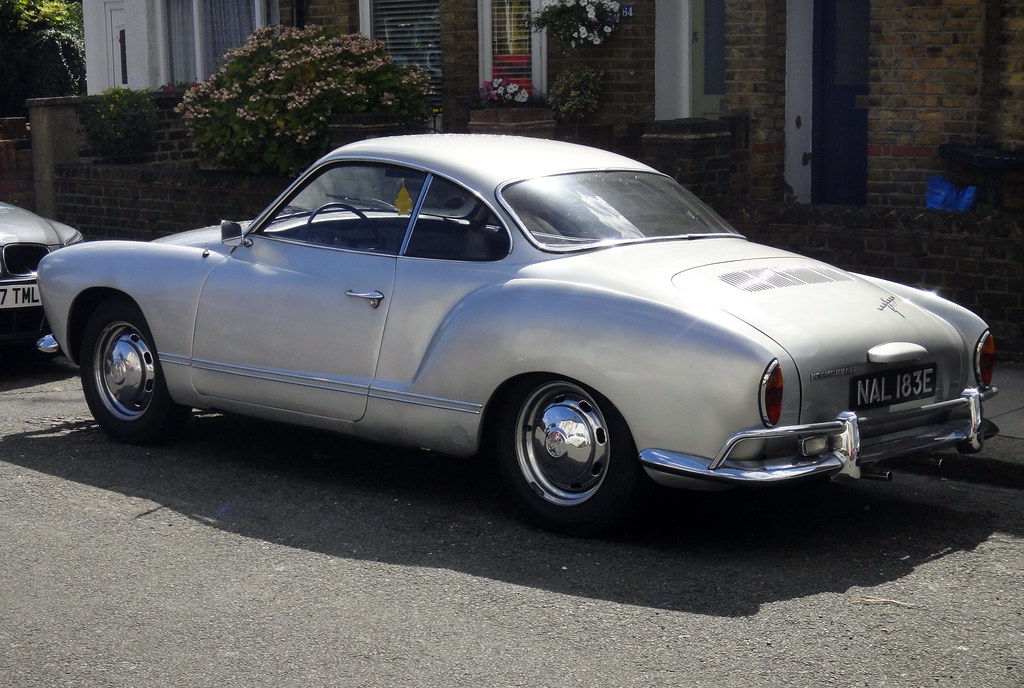
11. **Volkswagen & Porsche (Transmission & Infotainment Glitches)**The Volkswagen Group, a colossal automotive empire, encompasses brands lauded for their engineering and luxury, including Volkswagen and Porsche. Yet, even these German powerhouses have not been immune to the lemon curse, with specific models earning their stripes on our list due to persistent transmission complaints and frustrating infotainment system glitches. It’s a testament to the fact that complexity doesn’t always translate to reliability.
For Volkswagen, the 2019–2021 Jetta stands out with its 8-speed automatic transmission often earning complaints for not being smooth. Imagine expecting precise German engineering only to experience jarring shifts and hesitant acceleration in a relatively new sedan. This “Rough gear shifts or hesitation” is exactly the kind of powertrain issue that sours the ownership experience. Compounding this, the Jetta’s infotainment system is “known for freezing up,” a minor annoyance that quickly escalates to a major frustration in our tech-dependent world, making basic functions inaccessible.
Moving up the luxury scale to Porsche, another jewel in the VW Group’s crown, models like the 2020–2022 Macan have experienced “similar transmission complaints and the same issue with the infotainment system.” When you pay a premium for a performance SUV, you expect flawless operation from every component. Transmission woes and freezing infotainment systems are simply unacceptable at this price point, especially when Porsche is noted for producing one defective vehicle for every 126,000 units sold, placing it right behind Fiat and Cadillac on the lemon scale.
Beyond these specific models, Volkswagen also faced a significant recall for over 50,000 Atlas vehicles due to “inadvertent airbag deployment caused by water leaks,” marking its 10th recall for the midsize SUV. Such pervasive issues, from fundamental transmission problems to critical safety recalls and persistent tech glitches, underscore a pattern where ambitious engineering sometimes outpaces consistent quality control. For discerning buyers, these Volkswagen and Porsche models represent a high-stakes gamble that often doesn’t pay off.
---Front-3869660-2560x1440.jpg)
12. **Mercedes-Benz (Luxury’s Lighting & Electrical Faults)**Mercedes-Benz. The very name evokes images of unparalleled luxury, cutting-edge technology, and legendary German engineering. Owners buy into a promise of refined performance and impeccable quality. However, for certain models and years, even this esteemed brand has stumbled, with vehicles like the 2016–2020 GLC and the 2019–2020 A-Class, CLA, and GLA finding themselves on the lemon list due to a surprisingly common litany of issues, including critical electrical system failures.
The 2016–2020 Mercedes-Benz GLC, a popular luxury SUV, has been plagued by problems with its “lighting system and a malfunctioning infotainment system.” While a glitchy infotainment might seem like a minor inconvenience, it significantly detracts from the luxury experience. More concerning are the reports of “trouble with the air suspension, leading to a rough ride.” When a luxury vehicle fails to deliver on its core promise of comfort and smooth driving, it’s a profound disappointment and a clear sign of underlying defects.
Perhaps most alarming for the brand, more than one million 2019–2020 A-Class, CLA, and GLA models were subject to a “massive recall due to a software issue that can cause electrical system failure.” This isn’t a minor glitch; this recall concerned issues that could affect the “braking system, power steering, and airbag deployment, putting the vehicle’s passengers at risk for injury.” These are not just inconvenient “Electrical system faults”; they are life-threatening malfunctions that strike at the very heart of vehicle safety, demanding immediate attention and highlighting severe manufacturing oversights.
For Mercedes-Benz owners, these issues transform the pride of owning a luxury vehicle into a frustrating and potentially dangerous ordeal. The expectation of flawless performance in a premium car clashes sharply with the reality of recurring electrical system failures, rough rides, and critical safety recalls. These cases serve as a stark reminder that even the most prestigious badges can occasionally churn out lemons, proving that a high price tag does not always guarantee immunity from fundamental flaws.
So, there you have it—our comprehensive, unvarnished look at 12 vehicles that have earned their notorious spots on the 2025 Lemon List. From transmission troubles that bring powerful trucks to their knees to electrical gremlins that haunt luxury SUVs, these models represent the worst of the worst when it comes to reliability and owner satisfaction. Each one is a cautionary tale, a testament to the fact that even the most appealing vehicles can harbor insidious flaws that transform them from dream cars into financial and emotional drains.
The takeaway from this deep dive isn’t just a list of cars to avoid; it’s a vital lesson in the art of smart used-car buying. In a market where every dollar counts and trust is hard-earned, knowledge is your most powerful tool. Always remember to do your homework, scrutinize vehicle history reports, insist on a thorough pre-purchase inspection, and never let a shiny exterior blind you to the potential for hidden mechanical horrors. Drive smart, stay vigilant, and for the love of all things automotive, steer clear of these notorious lemons. Your wallet, and your sanity, will thank you.