Few figures in human history have captured the imagination and admiration of generations quite like Leonardo da Vinci. An Italian polymath of the High Renaissance, Leonardo’s life (1452–1519) spanned a remarkable breadth of disciplines, cementing his legacy not merely as an artist, but as a visionary who profoundly influenced painting, draughtsmanship, engineering, science, theory, sculpture, and architecture. His name has become synonymous with genius, reflecting an unparalleled capacity for innovation and a relentless curiosity about the natural world.
While his initial renown was primarily built upon his groundbreaking achievements as a painter, his enduring fame has also been significantly shaped by the meticulous records contained within his notebooks. These extensive volumes document an astonishing array of subjects, from anatomy and astronomy to botany, cartography, painting, and palaeontology. They serve as a testament to his empirical thinking and diverse interests, revealing a mind constantly at work, questioning, observing, and theorizing.
Leonardo is widely regarded as an individual who epitomized the Renaissance humanist ideal, a period characterized by a renewed interest in classical culture and a focus on human potential and achievement. His collective works represent a contribution to the arts and sciences that has rarely been matched, rivaled perhaps only by his younger contemporary, Michelangelo. This article will embark on an in-depth journey through his extraordinary life, exploring the pivotal moments, key relationships, and seminal works that define his monumental impact on Western civilization.
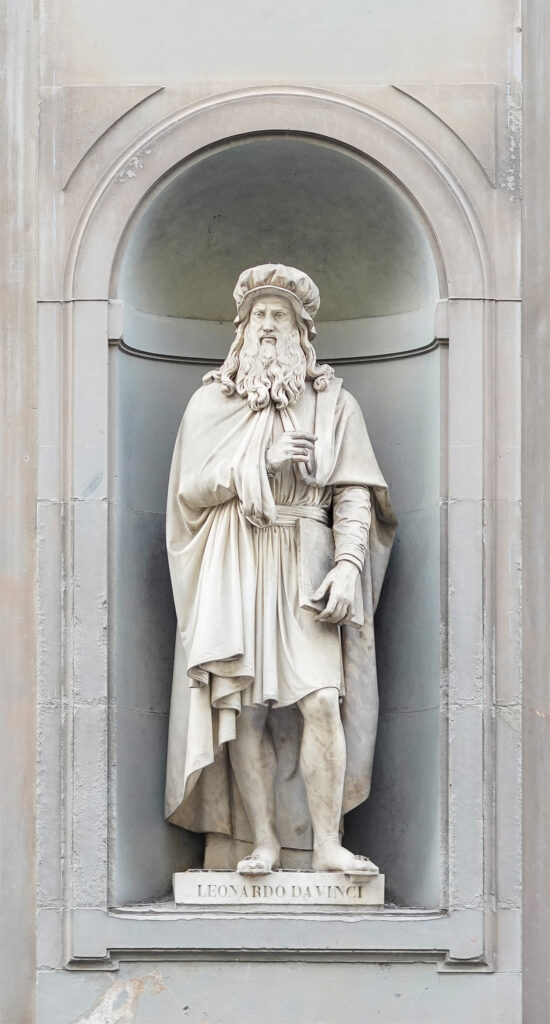
1. **A Polymathic Genius Emerges**Leonardo di ser Piero da Vinci, commonly known as Leonardo, was an Italian polymath active throughout the High Renaissance, from 1452 to 1519. His prodigious talents manifested across an extraordinary range of fields, establishing him as a painter, draughtsman, engineer, scientist, theorist, sculptor, and architect. While his early recognition largely stemmed from his formidable skills as a painter, his broader genius became increasingly apparent through the vast collection of his notebooks.
These notebooks, a treasure trove of intellectual exploration, contain intricate drawings and detailed notes on a multitude of subjects. His inquiries delved into human anatomy, astronomical observations, the intricacies of botany, cartographic representations, the science of painting, and even early concepts related to palaeontology. Such comprehensive documentation underscored his unique approach to knowledge and discovery, blending artistic expression with rigorous scientific inquiry.
Leonardo’s status as a genius who epitomized the Renaissance humanist ideal is undisputed. His collective achievements have left an indelible mark on subsequent generations of artists and thinkers. Indeed, the scope and depth of his contributions are considered to be rivaled only by Michelangelo, highlighting the profound and lasting impact he had on the cultural and intellectual landscape of his time and beyond.
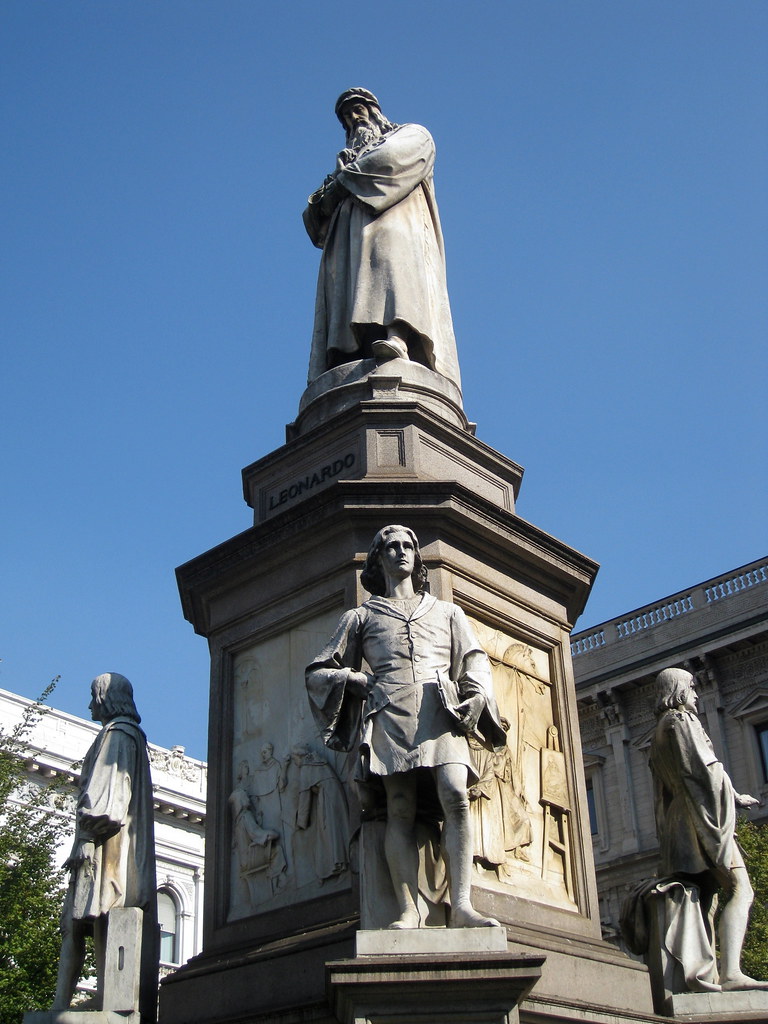
2. **Early Life and Formative Years in Vinci**Leonardo da Vinci, properly identified as Leonardo di ser Piero da Vinci, which translates to “Leonardo, son of ser Piero from Vinci,” was born on April 15, 1452. His birthplace was in, or very close to, the Tuscan hill town of Vinci, Italy, approximately 20 miles from Florence. His birth occurred out of wedlock, to Piero da Vinci, a Florentine legal notary, and Caterina di Meo Lippi, a woman from the lower class. It is important to note that “da Vinci” is an indicator of his birthplace, not a family name.
There remains some uncertainty regarding Leonardo’s exact place of birth. Traditional accounts, stemming from local oral tradition, suggest Anchiano, a country hamlet offering privacy for an illegitimate birth. However, it is also plausible he was born in a house in Florence that Ser Piero almost certainly owned. Both of Leonardo’s parents married separately in the year following his birth. Caterina, identified in Leonardo’s notes simply as “Caterina” or “Catelina,” is thought to be Caterina Buti del Vacca, who married a local artisan.
His father, Ser Piero, married Albiera Amadori and, after her death, had three subsequent marriages. From these unions, Leonardo gained 16 half-siblings, 11 of whom survived infancy. These siblings were considerably younger than him, with the last born when Leonardo was 46, and he had very little contact with them. Tax records from 1457 indicate he lived in the household of his paternal grandfather, Antonio da Vinci, though he might have spent earlier years with his mother in Vinci.
Leonardo’s childhood is largely shrouded in myth, partly due to Giorgio Vasari’s 16th-century biography, which often includes apocryphal stories. Despite his family’s long line of notaries, Leonardo received only a basic and informal education in vernacular writing, reading, and mathematics. This limited formal schooling may have been a conscious decision, as his artistic talents were recognized early, leading his family to focus on their development.
Read more about: Unmasking the Glaring Gaps: 10 Major Marvel Movie Plot Holes Fans Can’t Ignore
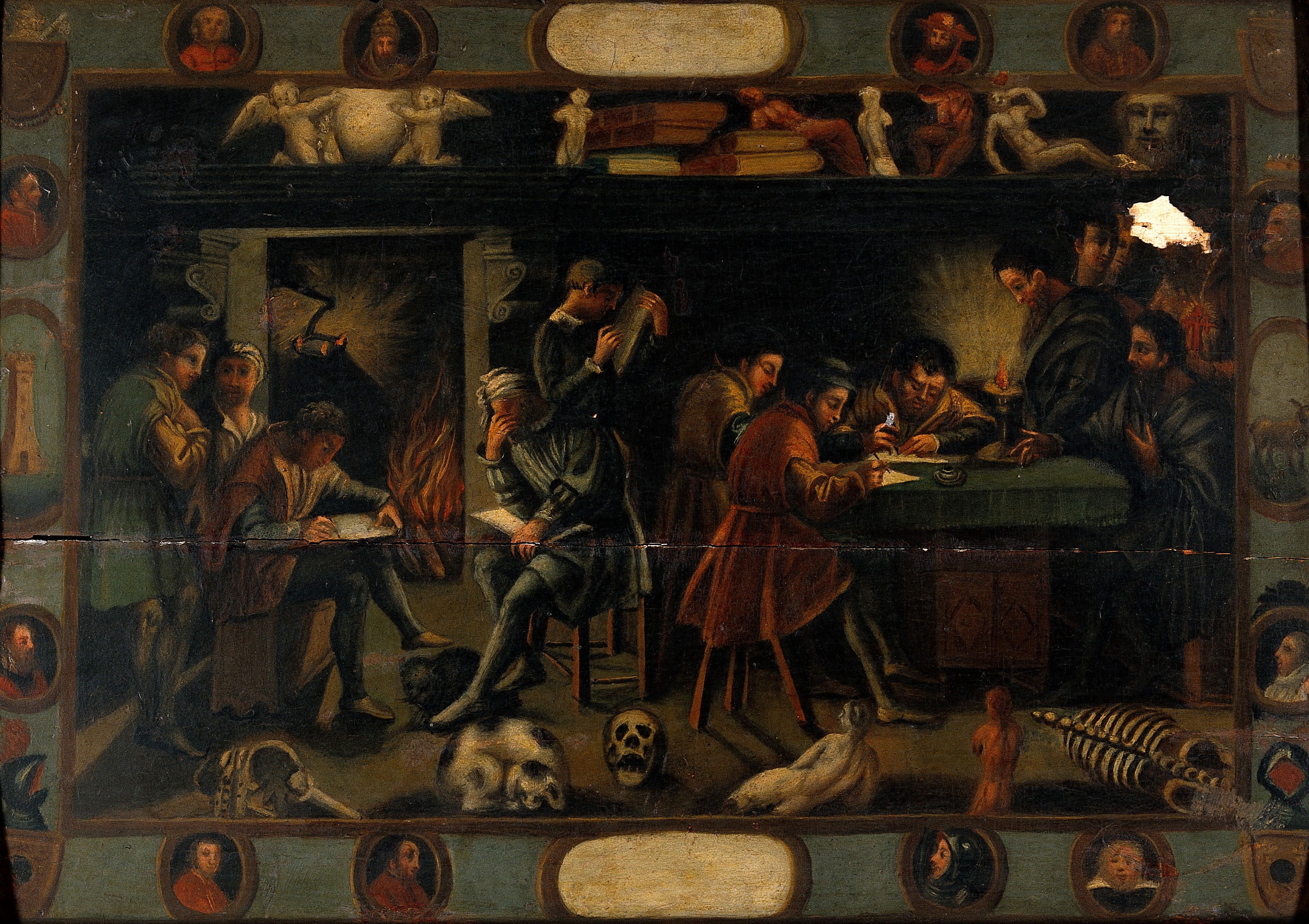
3. **Apprenticeship Under Andrea del Verrocchio**In the mid-1460s, a pivotal move brought Leonardo’s family to Florence, a city then serving as the vibrant epicenter of Christian Humanist thought and culture. Around the age of 14, Leonardo began his artistic journey as a ‘garzone,’ or studio boy, in the esteemed workshop of Andrea del Verrocchio. Verrocchio was widely regarded as the leading Florentine painter and sculptor of his era, and this period coincided with the death of his own master, the renowned sculptor Donatello.
Leonardo transitioned to an apprentice at the age of 17, embarking on an intensive seven-year training period. The workshop was a crucible of talent, housing or associating with other future luminaries of the art world, including Ghirlandaio, Perugino, Botticelli, and Lorenzo di Credi. This environment exposed Leonardo to an extensive curriculum, encompassing both theoretical artistic principles and a wide array of technical skills essential to the crafts of the time.
His training spanned drafting, chemistry, metallurgy, metal working, plaster casting, leather working, mechanics, and woodwork. Alongside these technical disciplines, he honed his core artistic abilities in drawing, painting, sculpting, and modelling. This comprehensive education provided him with a foundational understanding of materials, processes, and artistic expression that would later define his polymathic approach.
One notable early collaboration was on Verrocchio’s *The Baptism of Christ*, painted between approximately 1472 and 1475. Vasari’s account states that Leonardo, painting the young angel holding Jesus’s robe, demonstrated skill so superior to his master’s that Verrocchio reputedly laid down his brush and never painted again, a claim likely apocryphal. Leonardo’s distinctive hand is evident in areas where the new technique of oil paint was applied, such as the landscape, rocks, and portions of Jesus’s figure, integrated into the predominantly tempera work.
Vasari also recounts a story from Leonardo’s youth where he painted a terrifying monster, spitting fire, on a peasant’s round buckler shield, inspired by the story of Medusa. This work was so impactful that his father acquired a different shield for the peasant and sold Leonardo’s creation to a Florentine art dealer for 100 ducats, who in turn sold it to the Duke of Milan, illustrating his early artistic prowess and imaginative power.
Read more about: Beyond the Mona Lisa: Unveiling Leonardo da Vinci’s Unseen World and Untold Passions
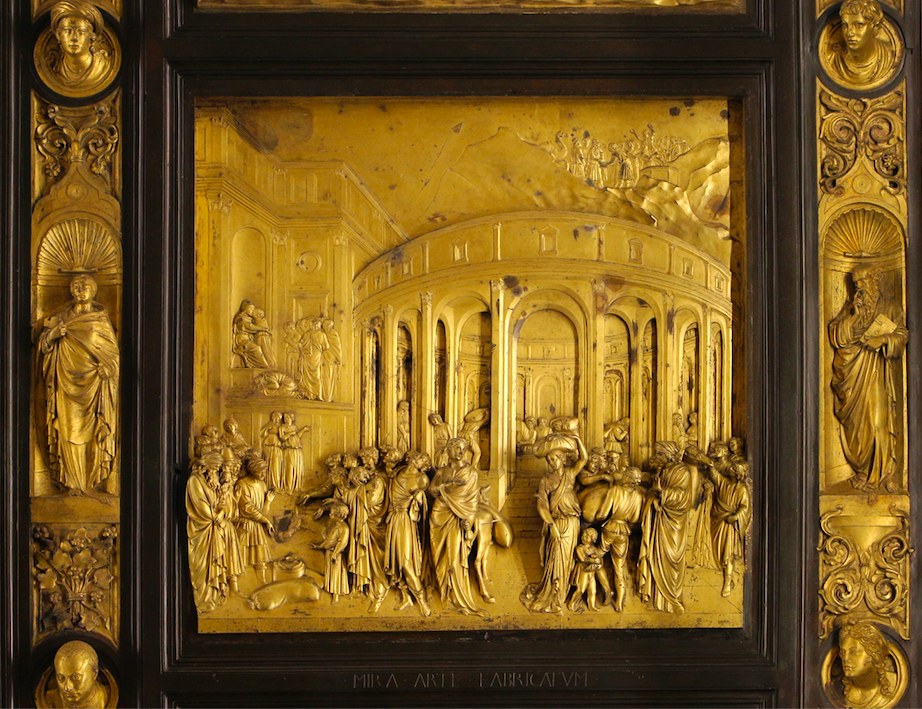
4. **The First Florentine Period: Early Commissions and Intellectual Flourishing**By 1472, at the age of 20, Leonardo had achieved the status of master in the Guild of Saint Luke, an association for artists and doctors of medicine. Even after his father established him in his own workshop, Leonardo’s profound connection to Verrocchio ensured he continued to collaborate and live with his former master. His earliest known dated work from this period is a 1473 pen-and-ink drawing depicting the Arno valley, a testament to his burgeoning talent and observational skills.
In January 1478, Leonardo received an important independent commission to paint an altarpiece for the Chapel of Saint Bernard within the Palazzo della Signoria, Florence’s town hall. This commission marked a significant step in his career, signaling his independence from Verrocchio’s studio. An anonymous early biographer, known as Anonimo Gaddiano, suggests that by 1480, Leonardo was residing with the influential Medici family and frequently worked in the garden of the Piazza San Marco in Florence, a hub where a Neoplatonic academy of artists, poets, and philosophers, organized by the Medici, regularly convened.
His creative momentum continued in March 1481 when he secured a commission from the monks of San Donato in Scopeto for *The Adoration of the Magi*. However, neither of these significant initial commissions were brought to completion. They were abandoned when Leonardo decided to offer his services to Ludovico Sforza, the Duke of Milan. In a letter to Sforza, he meticulously detailed his diverse capabilities across engineering and weapon design, modestly mentioning his painting skills. For his presentation, he brought with him a silver string instrument, either a lute or lyre, uniquely crafted in the form of a horse’s head.
During his time with the Medici, Leonardo was exposed to a rich intellectual environment. He came to know prominent Humanist philosophers, including Marsiglio Ficino, a leading proponent of Neoplatonism; Cristoforo Landino, celebrated for his commentaries on Classical writings; and John Argyropoulos, a distinguished teacher of Greek and translator of Aristotle. Also connected with the Platonic Academy of the Medici was Leonardo’s brilliant contemporary, the young poet and philosopher Pico della Mirandola. In 1482, further underscoring his growing diplomatic and artistic stature, Leonardo was dispatched as an ambassador by Lorenzo de’ Medici to Ludovico il Moro, who governed Milan from 1479 to 1499.
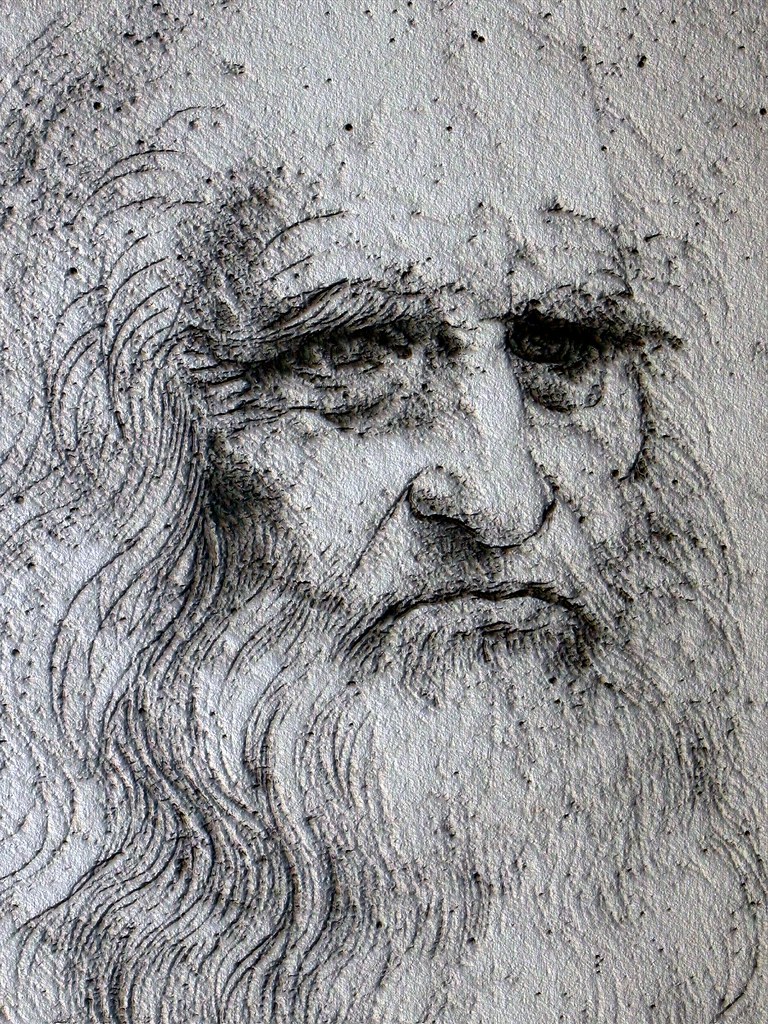
5. **The First Milanese Period: Art, Engineering, and the Gran Cavallo**Leonardo’s career entered a new and incredibly productive phase in Milan, where he resided and worked from 1482 until 1499. During this period, he received two of his most significant artistic commissions: *The Virgin of the Rocks* for the Confraternity of the Immaculate Conception and *The Last Supper* for the refectory of the monastery of Santa Maria delle Grazie. These works would demonstrate his evolving mastery of composition and psychological depth in painting.
Beyond his painting commissions, Leonardo was extensively employed by Ludovico Sforza, the Duke of Milan, on a myriad of projects. His responsibilities included the elaborate preparation of floats and pageants for special occasions, showcasing his ingenuity in design and theatrical presentation. He also contributed a drawing and a wooden model for a competition to design the cupola for Milan Cathedral, demonstrating his architectural ambition and engineering prowess.
Perhaps his most ambitious engineering project for Sforza was the model for a colossal equestrian monument dedicated to Ludovico’s predecessor, Francesco Sforza. This magnificent undertaking, known as the *Gran Cavallo*, was conceived to surpass in scale the two largest equestrian statues of the Renaissance: Donatello’s *Gattamelata* in Padua and Verrocchio’s *Bartolomeo Colleoni* in Venice. Leonardo meticulously completed a model for the horse and developed detailed plans for its intricate casting.
However, the grand vision for the *Gran Cavallo* was never realized in its intended bronze form. In November 1494, Ludovico made the pragmatic decision to allocate the metal that would have been used for the statue to his brother-in-law, intended for the production of a cannon. This military necessity arose from the need to defend the city against the encroaching forces of Charles VIII of France, sacrificing an artistic masterpiece for strategic defense.
Contemporary records indicate that around 1498, Leonardo and his assistants were commissioned by the Duke of Milan to undertake a significant decorative project for the Sala delle Asse in the Sforza Castle. This ambitious endeavor resulted in a spectacular trompe-l’œil decoration, transforming the great hall into an illusionistic pergola. The design featured the interwoven limbs of sixteen mulberry trees, whose expansive canopy included an intricate labyrinth of leaves and knots painted across the ceiling, creating a breathtaking and immersive environment.
Read more about: A Journey Through Genius: Unveiling the Life, Art, and Enduring Legacy of Leonardo da Vinci
6. **The Second Florentine Period: Mona Lisa and Borgia’s Service**The year 1500 marked a turning point for Leonardo when Ludovico Sforza was overthrown by France. Leonardo fled Milan, seeking refuge in Venice, accompanied by his faithful assistant Salaì and his intellectual companion, the mathematician Luca Pacioli. During his time in Venice, he applied his extraordinary talents as a military architect and engineer, devising crucial methods to bolster the city’s defenses against potential naval attacks, showcasing his practical application of scientific knowledge.
Upon his return to Florence in 1500, Leonardo and his household were hosted by the Servite monks at the monastery of Santissima Annunziata. There, he was provided with a workshop where, according to Vasari, he created the cartoon of *The Virgin and Child with Saint Anne and Saint John the Baptist*. This work garnered immense public acclaim, drawing crowds of “men [and] women, young and old” who flocked to see it “as if they were going to a solemn festival,” demonstrating the immediate impact of his artistic genius.
In 1502, Leonardo entered the service of Cesare Borgia, the formidable son of Pope Alexander VI. As Borgia’s chief military engineer and architect, Leonardo traveled extensively throughout Italy with his patron, engaging in significant strategic work. He produced a detailed map of Borgia’s stronghold, a town plan of Imola, to secure his patronage. Impressed by Leonardo’s skill, Cesare formalized his employment.
Later that year, Leonardo created another crucial map for Borgia, depicting the Chiana Valley in Tuscany. This map provided his patron with a superior overlay of the land and enhanced strategic positioning, aiding Borgia’s military and administrative objectives. Concurrently, Leonardo was involved in a project to construct a dam from the sea to Florence, an ambitious civil engineering endeavor designed to ensure a consistent water supply for a canal throughout all seasons.
By early 1503, Leonardo had departed Borgia’s service and returned to Florence, where he rejoined the Guild of Saint Luke on October 18. It was in this very month that he began working on the portrait of Lisa del Giocondo, famously known today as the *Mona Lisa*, a masterpiece he would continue to refine until his final years. In January 1504, he participated in a committee tasked with determining the optimal placement for Michelangelo’s monumental statue of David. He then devoted two years in Florence to designing and painting a grand mural of *The Battle of Anghiari* for the Signoria, a project intended to be a companion piece to Michelangelo’s *The Battle of Cascina*.
Read more about: A Journey Through Genius: Unveiling the Life, Art, and Enduring Legacy of Leonardo da Vinci
7. **The Second Milanese Period and Rome: Continued Artistic Pursuits and Scientific Endeavors**In 1506, Leonardo was summoned back to Milan by Charles II d’Amboise, who served as the acting French governor of the city. During this period, Leonardo welcomed a new pupil, Count Francesco Melzi, the son of a Lombard aristocrat, who would become widely regarded as his favorite and most devoted student. Despite the Council of Florence’s desire for Leonardo to return promptly to complete *The Battle of Anghiari*, he was granted leave at the specific request of King Louis XII, who was considering commissioning the artist for several portraits.
During this time, Leonardo was largely at liberty to pursue his wide-ranging scientific interests. His presence in Milan attracted a notable following of prominent pupils and associates, including Bernardino Luini, Giovanni Antonio Boltraffio, and Marco d’Oggiono, who either knew or worked with him. In 1507, Leonardo found himself in Florence once more, this time to resolve a dispute with his brothers concerning the estate of his father, who had passed away in 1504, a testament to the practicalities that occasionally drew him away from his artistic and scientific pursuits.
By 1508, Leonardo had returned to Milan, establishing his residence in his own house located in Porta Orientale, within the parish of Santa Babila. His work continued, and in 1512, he was actively engaged in developing plans for an equestrian monument dedicated to Gian Giacomo Trivulzio. However, this project, like the earlier *Gran Cavallo*, was ultimately thwarted by external events: an invasion orchestrated by a confederation of Swiss, Spanish, and Venetian forces successfully drove the French from Milan.
Despite the political upheaval, Leonardo remained in the city, spending several months in 1513 at the Medici’s Vaprio d’Adda villa. This period of transition soon led to another significant relocation, as his connections with the powerful Medici family opened new doors for his work and research.
In September 1513, Leonardo journeyed to Rome, where he was formally received by Giuliano de’ Medici, the brother of the recently elected Pope Leo X (Giovanni de’ Medici, who assumed the papacy in March 1513). From September 1513 to 1516, Leonardo spent a considerable amount of his time residing in the Belvedere Courtyard within the Apostolic Palace, a prestigious location where both Michelangelo and Raphael were also actively working. He received a generous allowance of 33 ducats a month, and Vasari records a curious anecdote of Leonardo decorating a lizard with scales dipped in quicksilver.
The Pope initially granted Leonardo a painting commission of an unspecified subject, but controversially cancelled it when the artist diverted his efforts to developing a new kind of varnish, highlighting the Pope’s impatience with Leonardo’s experimental nature. During this Roman period, Leonardo also experienced illness, which may have been the first of multiple strokes that would eventually lead to his death. He diligently practiced botany in the Vatican Gardens and was commissioned to draw up plans for the Pope’s proposed draining of the Pontine Marshes. Additionally, he undertook the dissection of cadavers, creating notes for a treatise on vocal cords, which he hoped would regain papal favor, though his efforts were ultimately unsuccessful.
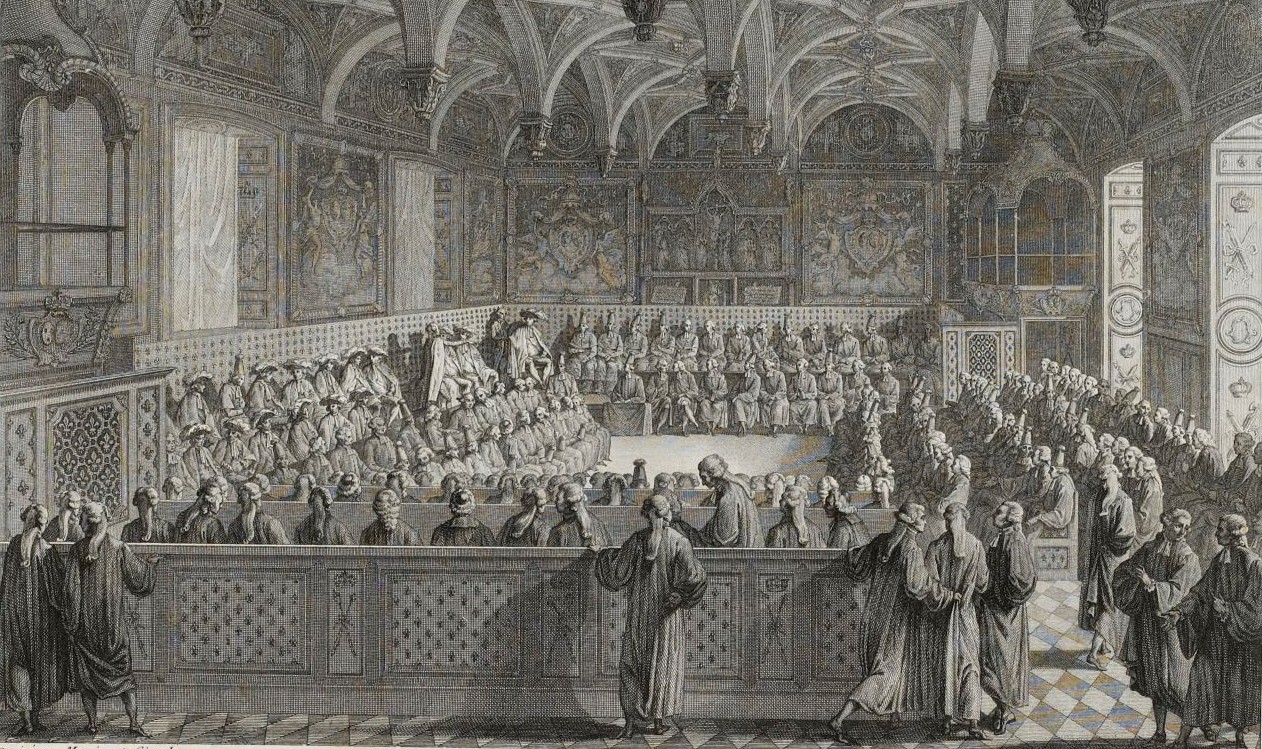
8. **Royal Patronage in France: The Final Years**Leonardo da Vinci’s journey led him to France in October 1515, following King Francis I’s recapture of Milan. Upon the King’s invitation, a formal instruction was sent to the French ambassador to the Holy See to assist Leonardo in his relocation. The King and his mother, Louise of Savoy, eagerly anticipated his arrival, assuring the artist of a warm reception at court.
Leonardo entered Francis I’s service shortly thereafter, settling into the comfortable manor house of Clos Lucé, conveniently located near the royal Château d’Amboise. Here, he continued his work under the direct patronage of the King, who frequently visited him. Among his notable projects during this time were detailed plans for an immense castle town that Francis I intended to construct at Romorantin, showcasing Leonardo’s enduring architectural ambition.
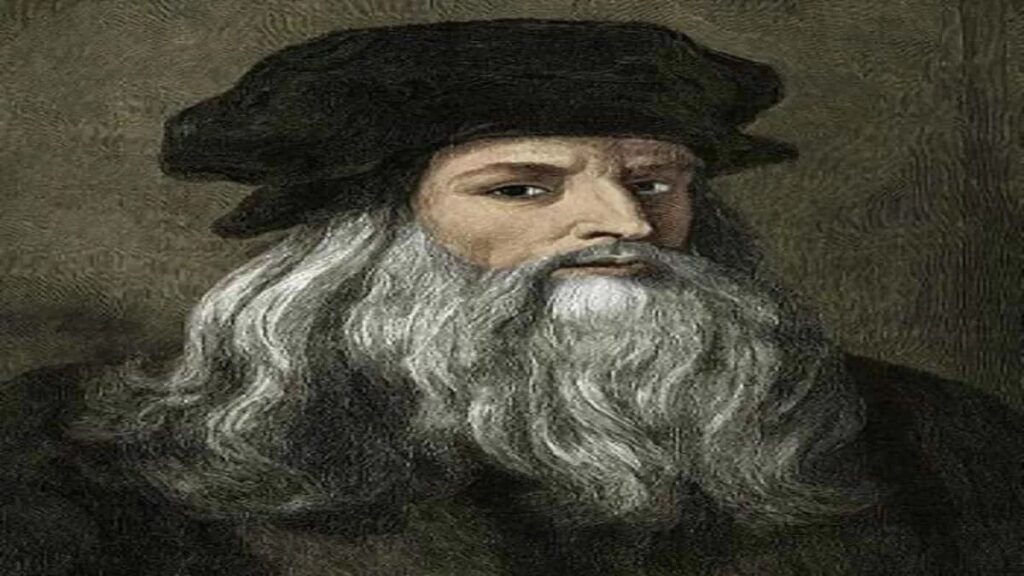
In a display of his inventive genius and theatrical flair, Leonardo also crafted a mechanical lion for a royal pageant. This marvel of engineering was designed to walk towards the King and, upon being struck by a wand, open its chest to reveal a cluster of lilies, a symbol of the French monarchy. This period saw Leonardo accompanied by his loyal friend and apprentice, Francesco Melzi, who would later draw one of the few known portraits of Leonardo from his lifetime.
However, these final years were also marked by declining health. Records from an October 1517 visit by Louis d’Aragon and a drawing by Giovanni Ambrogio Figino depicted an elderly Leonardo with his right arm wrapped in clothing. This visual evidence confirmed accounts that Leonardo’s right hand had become paralytic by the age of 65, possibly due to a series of strokes. Despite this physical limitation, he continued to work to some capacity until he eventually became ill and bedridden for several months.
Read more about: A Journey Through Genius: Unveiling the Life, Art, and Enduring Legacy of Leonardo da Vinci
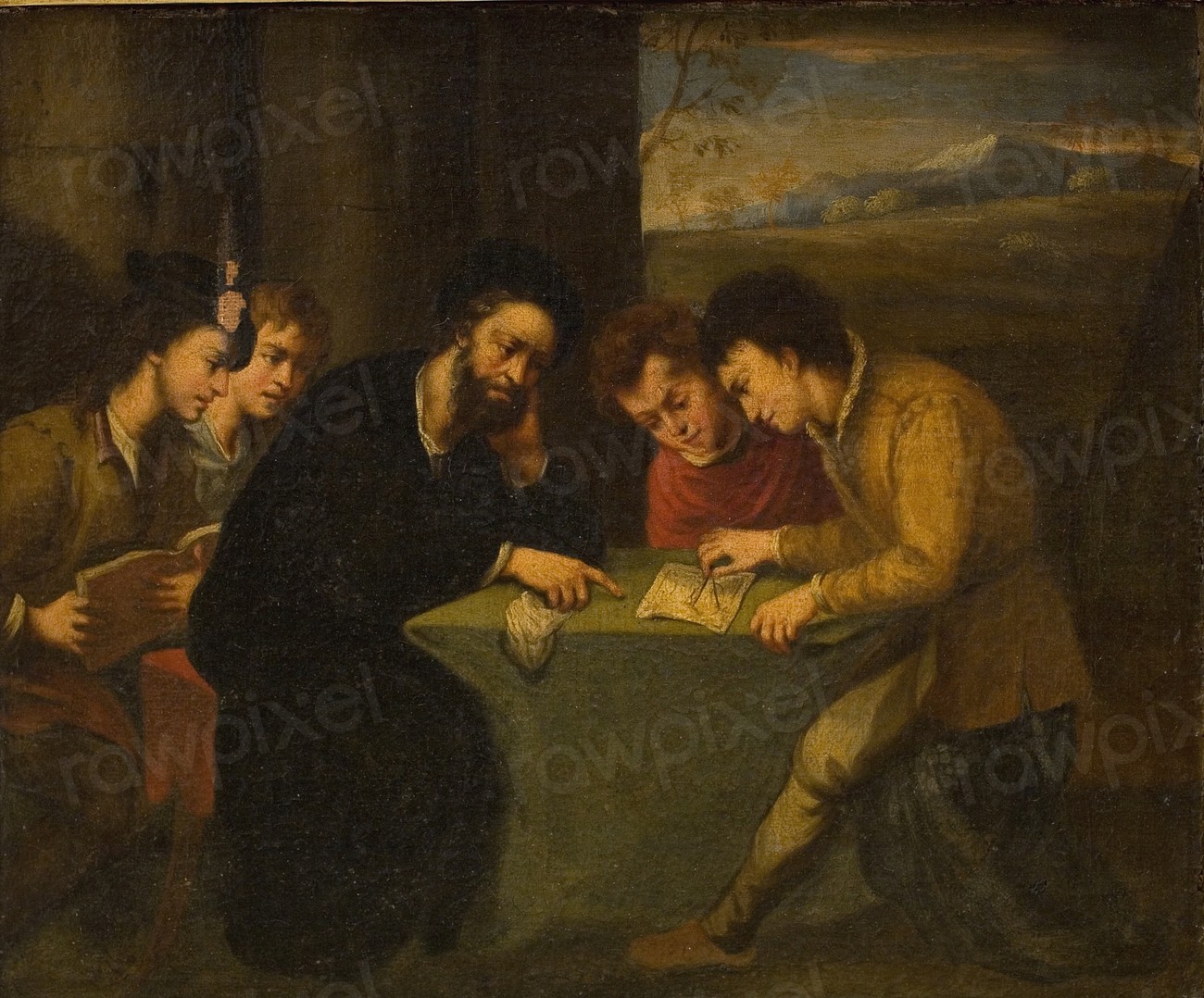
9. **The End of an Era: Leonardo’s Death and Legacy**Leonardo da Vinci passed away at Clos Lucé on May 2, 1519, at the age of 67, with a stroke being the suspected cause. King Francis I, who had cultivated a close friendship with the artist, was said to have been profoundly affected by his loss. Giorgio Vasari, in his 16th-century biography, recounted Leonardo lamenting on his deathbed that “he had offended against God and men by failing to practice his art as he should have done,” and that he sought a priest to make his confession and receive the Holy Sacrament.
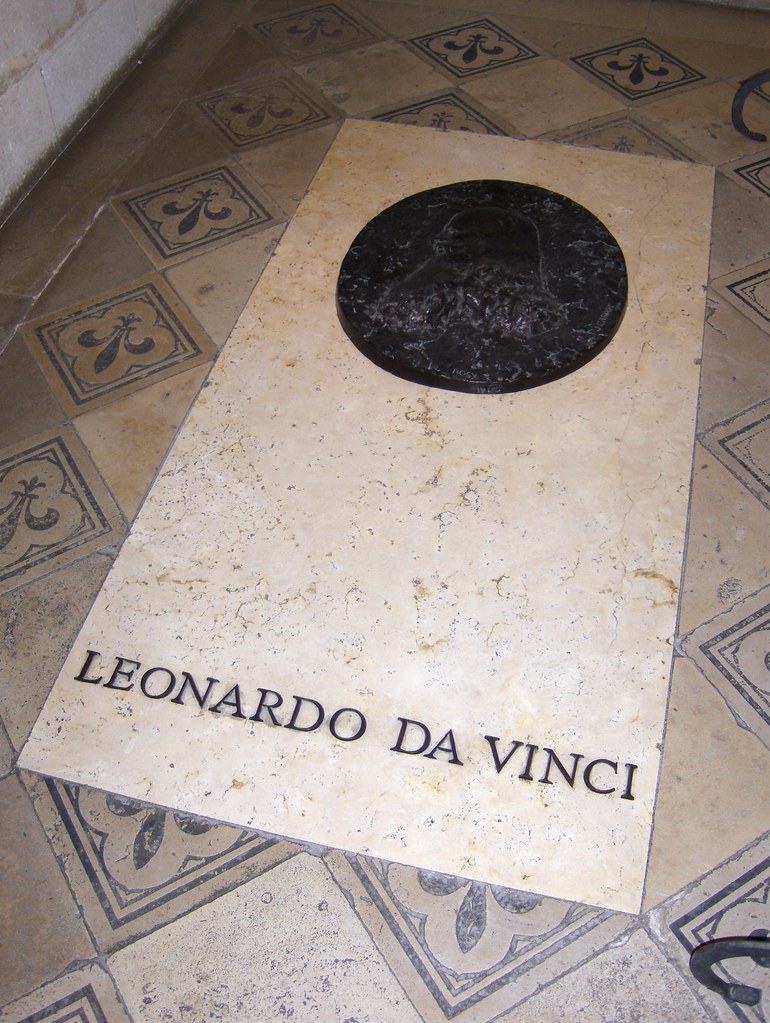
Vasari further describes a poignant scene, possibly apocryphal, where the King held Leonardo’s head in his arms as the artist breathed his last. In accordance with his last will, a procession of sixty beggars, each carrying tapers, followed Leonardo’s casket. His remains were subsequently interred on August 12, 1519, in the Collegiate Church of Saint Florentin at the Château d’Amboise.
Francesco Melzi, Leonardo’s devoted student and companion, was named the principal heir and executor of his estate. Melzi inherited a significant portion of Leonardo’s possessions, including his precious paintings, tools, extensive library, and personal effects. This transfer ensured the preservation of much of Leonardo’s intellectual and artistic output.
Other beneficiaries of Leonardo’s will included Salaì, his long-time pupil and companion, and his servant Baptista de Vilanis, both of whom received half of Leonardo’s vineyards. His brothers were bequeathed land, and his serving woman received a fur-lined cloak. The goldsmith and sculptor Benvenuto Cellini later reported that some 20 years after Leonardo’s death, Francis I declared: “There had never been another man born in the world who knew as much as Leonardo, not so much about painting, sculpture and architecture, as that he was a very great philosopher.”
Salaì, whose real name was Gian Giacomo Caprotti, had entered Leonardo’s household in 1490. Despite Leonardo’s written list of his “misdemeanours,” including calling him “a thief, a liar, stubborn, and a glutton,” Salaì remained with him for thirty years. Although Vasari noted Leonardo “taught him many things about painting,” Salaì’s work is generally considered to be of lesser artistic merit than other pupils. Interestingly, at Salaì’s death in 1524, his inventory included a painting referred to as *Joconda*, valued at an exceptionally high 505 lire for a small panel portrait, hinting at its potential significance.
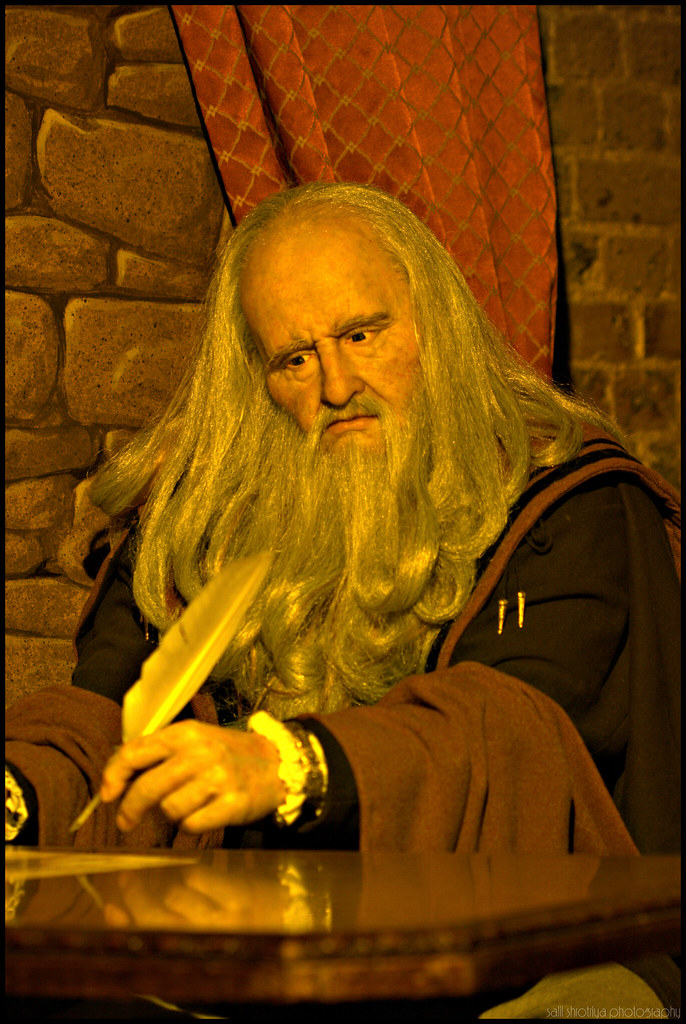
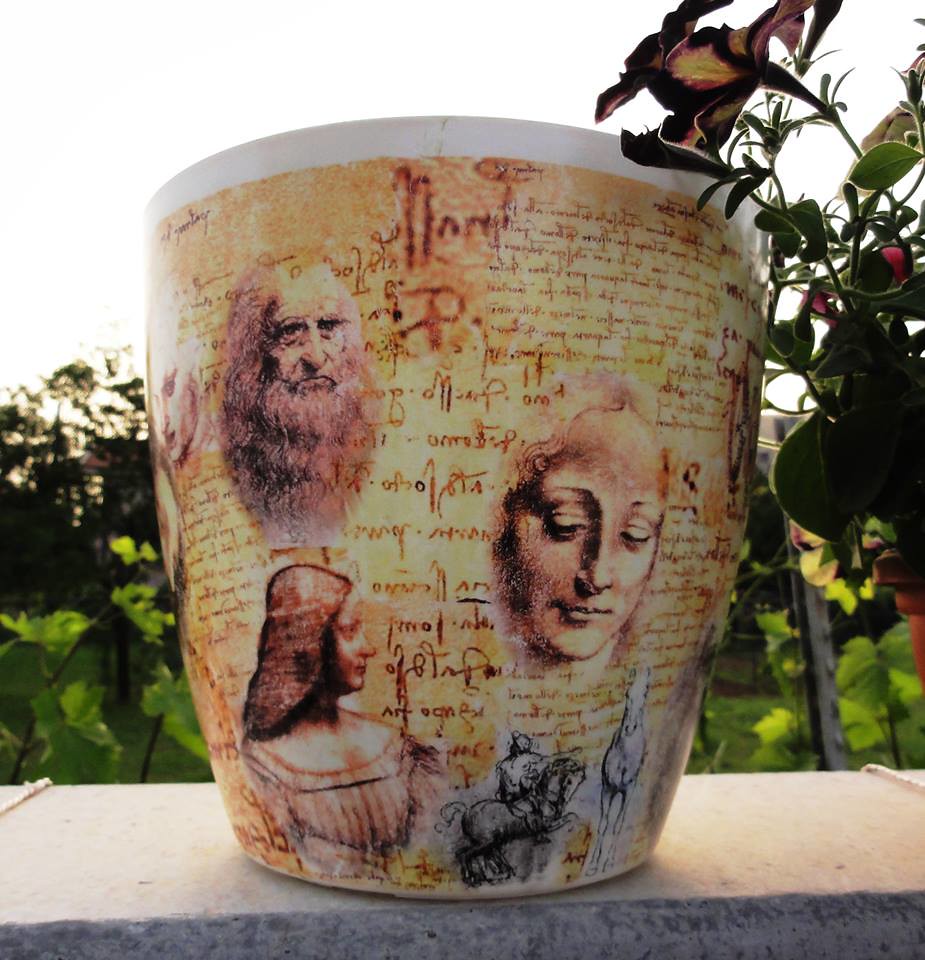
10. **Unlocking a Mind: The Enduring Power of Leonardo’s Notebooks**While Leonardo’s fame initially rested on his achievements as a painter, his enduring legacy has been profoundly shaped by the meticulous records contained within his vast collection of notebooks. These volumes, often characterized as a treasure trove of intellectual exploration, provide an unparalleled glimpse into the empirical thinking and diverse interests of a truly polymathic mind.
These extensive notebooks document an astonishing array of subjects, transcending the conventional boundaries of art and science. His inquiries delved deeply into human anatomy, astronomical observations, the intricate details of botany, precise cartographic representations, the scientific principles underlying painting, and even early concepts related to palaeontology. They are filled with intricate drawings and detailed notes, revealing a relentless curiosity about the natural world.
More than just a collection of observations, these notebooks serve as a powerful testament to Leonardo’s scientific methodology. They reveal a mind constantly at work, perpetually questioning, meticulously observing, and systematically theorizing about the phenomena around him. Despite their profound intellectual content, the fact that Leonardo did not publish these findings during his lifetime meant they had little to no direct influence on subsequent scientific developments, a poignant aspect of his unshared genius.
11. **A Visionary Engineer: Leonardo’s Technological Foresight**Leonardo da Vinci was revered for his extraordinary technological ingenuity, a facet of his genius that often projected far beyond the capabilities of his own era. His notebooks contain conceptual designs for innovations that would not become practical realities for centuries, underscoring his remarkable foresight in engineering.
Among his more ambitious concepts were designs for flying machines, a rudimentary type of armored fighting vehicle, schemes for concentrated solar power, a ratio machine that could be integrated into an adding machine, and even the innovative double hull for ships. These groundbreaking ideas, while brilliant, were largely unfeasible during his lifetime. The scientific approaches to metallurgy and engineering were still in their infancy during the Renaissance, lacking the material science and manufacturing techniques necessary to bring his grand visions to fruition.
Yet, not all of Leonardo’s engineering contributions remained in the realm of theory. Some of his smaller, more practical inventions quietly entered the world of manufacturing, often without widespread fanfare. Examples include an automated bobbin winder, which would have significantly streamlined textile production, and a machine designed for testing the tensile strength of wire, indicating his practical approach to industrial challenges. These modest but effective inventions highlight a different dimension of his inventive spirit, one focused on immediate utility.
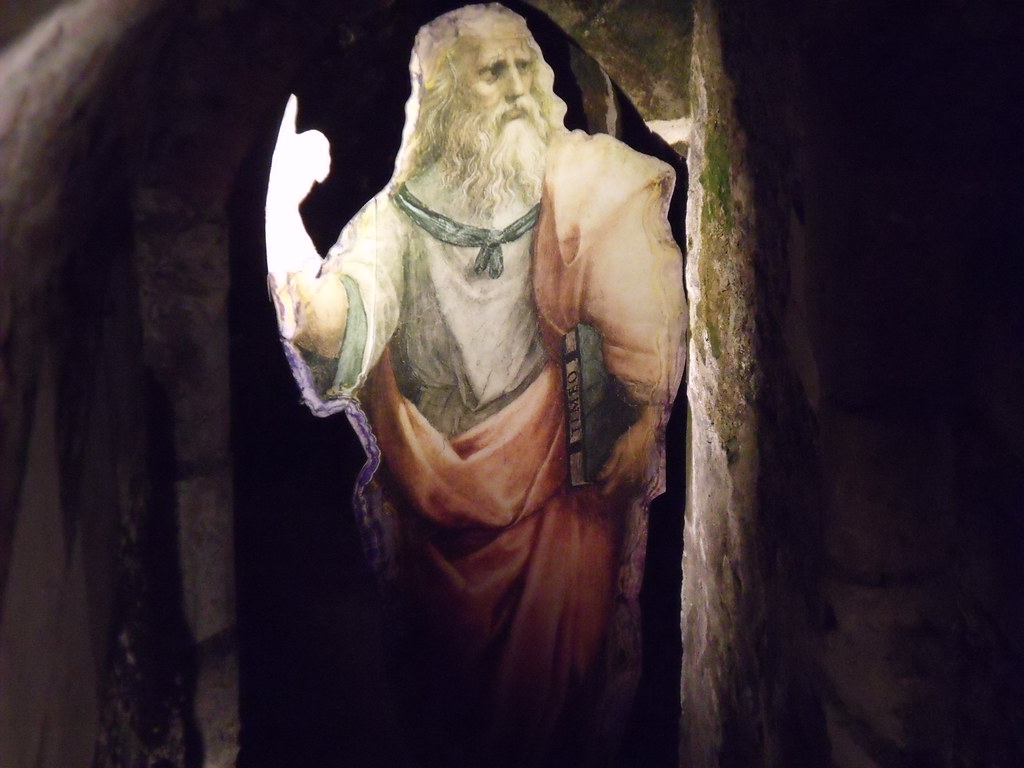
12. **The Unseen Body: Leonardo’s Anatomical Breakthroughs**Leonardo da Vinci undertook profound anatomical studies that were revolutionary for his time, making substantial discoveries in the structure and function of the human body. His investigations extended beyond anatomy into other scientific disciplines, including civil engineering, hydrodynamics, geology, optics, and tribology, demonstrating his holistic approach to understanding the world.
His method involved the direct dissection of cadavers, a practice that was both challenging and often controversial in the 16th century. Through this rigorous hands-on approach, Leonardo meticulously documented his observations with intricate drawings and detailed notes. During his Roman period, he undertook dissections specifically for a treatise on vocal cords, which he hoped would help him regain papal favor after an earlier commission was canceled due to his experimental diversions.
Despite the groundbreaking nature of his anatomical insights and the sheer volume of his observations, Leonardo notably did not publish his findings. This decision, or perhaps lack of opportunity, meant that his substantial discoveries had little to no direct influence on subsequent scientific or medical developments during his own era. His work remained largely unknown to the wider scientific community until much later, a testament to the fact that not all genius finds immediate dissemination.
13. **Pioneering Artistic Vision: Techniques and Influences**Leonardo da Vinci is widely identified as one of the greatest painters in Western art history, often credited as a founder of the High Renaissance. Despite a relatively small number of attributed major works, many of which are unfinished or lost, he created some of the most influential paintings in the Western canon. His artistic innovations were a synthesis of his diverse knowledge and meticulous observation.
His work is characterized by several unique qualities, including groundbreaking techniques for laying on paint. Leonardo’s detailed knowledge of anatomy, light, botany, and geology profoundly informed his artistic output, allowing him to render subjects with an unprecedented level of realism and naturalism. He possessed a keen interest in physiognomy, expertly capturing the nuances of human emotion through expression and gesture, giving his figures a remarkable psychological depth.
Furthermore, Leonardo was an innovator in the use of the human form within figurative compositions, creating dynamic and harmonious arrangements that engaged the viewer. A hallmark of his style was his subtle gradation of tone, famously known as *sfumato*, or “Leonardo’s smoke.” This technique involved soft, almost imperceptible transitions between colors and tones, producing a hazy, dreamlike quality that lent an air of mystery and depth to his paintings. These combined qualities led to his description as a “Divine” painter by the 1490s, recognizing his unparalleled mastery and profound impact on the art world.
Read more about: Flashback to the Fifties: 12 Icons Who Ruled the Charts and Revolutionized Music Forever
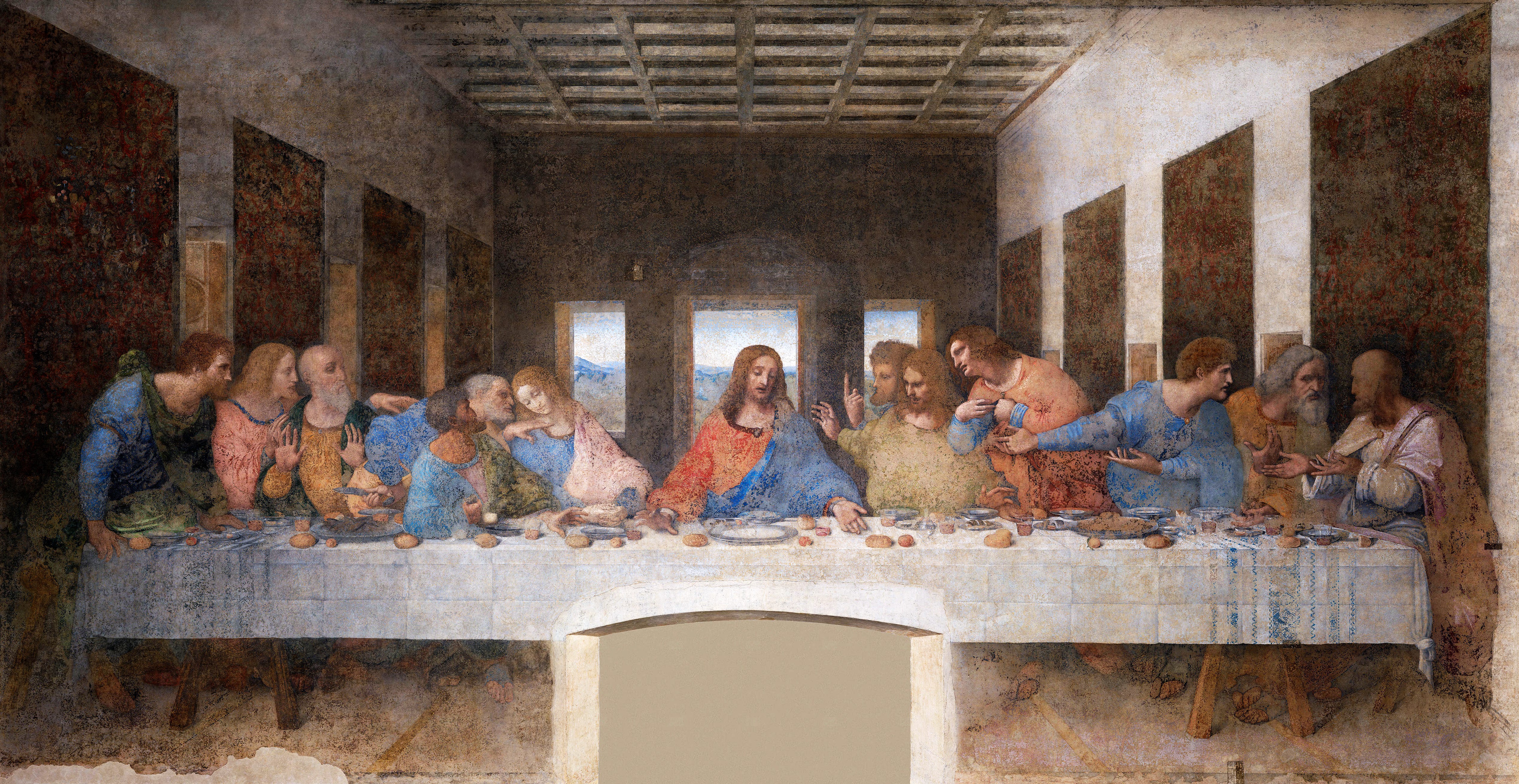
14. **The Drama Unfolds: Revisiting *The Last Supper***Among Leonardo’s most famous and influential paintings is *The Last Supper*, commissioned for the refectory of the Convent of Santa Maria delle Grazie in Milan. This monumental mural depicts the final meal shared by Jesus with his disciples, specifically capturing the electrifying moment when Jesus has just declared, “one of you will betray me,” and the subsequent wave of consternation and varied emotional responses this statement provoked among his followers.
Contemporary accounts shed light on Leonardo’s unconventional working methods for this masterpiece. The writer Matteo Bandello observed that Leonardo would sometimes paint intensely from dawn till dusk without eating, only to then leave the work untouched for three or four days at a time. This erratic pace frustrated the convent’s prior, who hounded Leonardo for its completion until Ludovico Sforza, the Duke of Milan, intervened. Vasari recounts that Leonardo, troubled by the challenge of adequately depicting the faces of Christ and the traitor Judas, humorously suggested he might be obliged to use the prior as his model for the latter.
The painting was immediately acclaimed as a masterpiece of design and characterization, celebrated for its innovative composition and profound psychological insight into each apostle. However, its triumph was shadowed by an unfortunate technical choice. Instead of employing the reliable fresco technique, Leonardo experimented with tempera over a ground primarily composed of gesso, a method that proved highly unstable. This experimental approach resulted in a surface prone to mold and flaking, leading to its rapid deterioration; within a hundred years, it was described by one viewer as “completely ruined.” Despite its physical fragility, *The Last Supper* remains one of the most reproduced works of art, its impact enduring through countless copies across various mediums.

15. **The Enigmatic Gaze: The Immortal *Mona Lisa***Arguably the most famous painting in the world, the small portrait known as the *Mona Lisa*, or *La Gioconda*, stands as a defining masterpiece of Leonardo da Vinci’s career. Its unparalleled fame largely rests on the enigmatic, elusive smile that graces the woman’s face, a quality that has captivated and mystified viewers for centuries. This mysterious effect is often attributed to the subtly shadowed corners of her mouth and eyes, which create an ambiguity that prevents the exact nature of the smile from being definitively determined.
The shadowy quality that imbues the *Mona Lisa* with its renown came to be known as *sfumato*, or “Leonardo’s smoke,” a technique he perfected to create soft, almost imperceptible transitions between tones and colors. Giorgio Vasari, in his enthusiastic appraisal, wrote that the smile was “so pleasing that it seems more divine than human, and it was considered a wondrous thing that it was as lively as the smile of the living original,” highlighting the painting’s extraordinary lifelike quality.
Beyond the celebrated smile, other characteristics contribute to the painting’s unique allure. The subject’s unadorned dress ensures that the viewer’s attention remains fixed on her eyes and hands, free from the distraction of extraneous details. The dramatic landscape background, depicted as if in a state of flux, adds to the painting’s atmospheric depth. Furthermore, the subdued coloring and the exceedingly smooth nature of the painterly technique, achieved by applying oils much like tempera and blending them meticulously on the surface, render the brushstrokes virtually indistinguishable. Vasari, deeply impressed, expressed that the painting’s quality was so profound it would make even “the most confident master … despair and lose heart.” The *Mona Lisa*’s remarkably perfect state of preservation, with no discernible signs of repair or overpainting, is a rarity for a panel painting of its antiquity, further contributing to its timeless appeal.
Leonardo da Vinci’s life was a testament to boundless curiosity and unparalleled genius, a journey that began in a small Tuscan town and ended as a cherished guest of a king. From his visionary engineering designs that predated technology to his profound anatomical dissections that pushed the boundaries of scientific understanding, and ultimately, to his artistic masterpieces that redefined human expression, Leonardo left an indelible mark on every field he touched. His unique synthesis of art and science, observation and imagination, continues to inspire awe and study, cementing his status as one of history’s most extraordinary figures whose impact resonates to this day, a truly immortal intellect. His legacy is not merely in the works he completed, but in the enduring spirit of inquiry and creativity he embodied, reminding us of the infinite possibilities of the human mind.