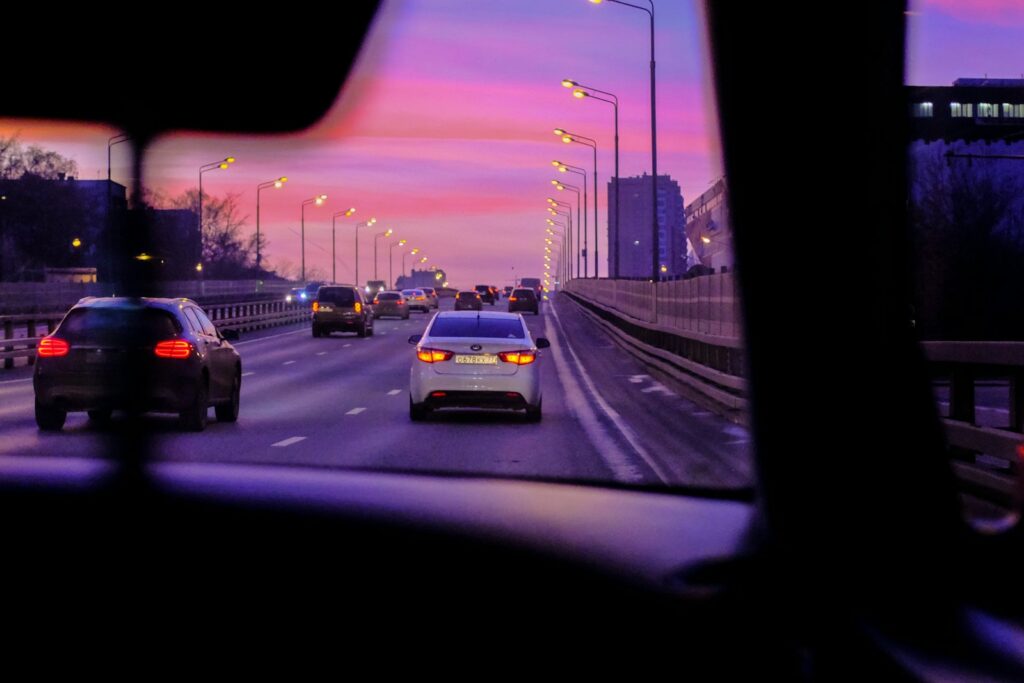
Ever found yourself silently judging someone’s driving based on the badge on their car? We’ve all been there, trust us. It’s like a universal unspoken rule of the road: certain cars just *scream* ‘terrible driver’ before you even see the person behind the wheel. And while we love a good stereotype, sometimes, the data actually backs up those gut feelings!
Well, buckle up, buttercup, because we’re about to dive deep into a recent study by LendingTree (using data from QuoteWizard) that spills the tea on which car brands are statistically linked to the highest rates of driving incidents. We’re talking accidents, DUIs, speeding tickets, and other citations – the whole shebang! It’s not always the flashy sports cars, nor the oldest models causing the most trouble; prepare for some surprises.
Before we hit the gas, remember this golden rule: correlation doesn’t always equal causation. Just because a brand has a higher incident rate doesn’t mean the car itself is inherently dangerous, or that *all* its drivers are reckless speed demons. Many factors like driver demographics, vehicle type and usage, and even regional variations play a massive role. But hey, it’s still fascinating to see which brands land at the top of the ‘oops!’ list, right? Let’s peel back the layers and see if your ride made the cut!

1. **Tesla Drivers: Leading the Charge… into Incidents? ⚡️**Ah, Tesla. The brand synonymous with innovation, electric dreams, and let’s be real, a bit of a cult following. But according to the LendingTree study, Tesla drivers are leading the pack, taking the checkered flag for the highest overall incident rate with a whopping 36.94 incidents per 1,000 drivers. They even ranked worst in nine states in 2024, though that’s actually down from 11 states in 2023. Talk about a plot twist in the electric vehicle narrative!
So, why exactly are Tesla drivers racking up these stats? It’s not just about speed, although some early adopters might love to push the limits of their vehicles’ performance. A huge factor is the tech distraction. Teslas are absolutely packed with cutting-edge technology, from those massive touchscreens that could rival your home TV to advanced Autopilot features. While impressive, these bells and whistles can pull a driver’s focus away from the road faster than you can say ‘software update.’
Then there’s the infamous ‘Autopilot Overconfidence.’ While Tesla’s Autopilot is genuinely advanced, it’s crucial to remember it’s not fully autonomous driving. It requires drivers to remain attentive and ready to take control at any moment. However, some Tesla drivers might overestimate Autopilot’s capabilities, leading to complacency and potentially dangerous situations. It’s like having a co-pilot who occasionally checks out for a snack break – you still need to be 100% on it!
It’s a unique cocktail of factors that puts Tesla drivers at the top. The ‘early adopter syndrome’ also plays a role; many Tesla owners are enthusiastic tech lovers who might be more inclined to test the boundaries of their futuristic rides. It’s not about being inherently bad drivers; it’s about navigating a new frontier of automotive technology where the line between assistance and distraction can sometimes get a little blurry.

2. **Ram Drivers: Are They the “Rough Riders” of Reckless Roads? 🐏**Hot on Tesla’s heels, we have Ram drivers, coming in at second place with 33.92 incidents per 1,000 drivers. Ram also holds the dubious distinction of having the ‘worst drivers’ across 16 states, with New Jersey drivers leading the charge in incidents. If you’ve ever seen a Ram truck, you know they’re built for power and durability. But does that automatically translate to a wild ride on the incident charts?
It’s not necessarily about reckless driving; sometimes, it’s just the nature of the beast. Ram trucks are often used for some serious tasks: towing, hauling, and off-road adventures. These kinds of activities inherently come with their own set of risks and can certainly contribute to a higher incident rate. It’s a bit like judging a hammer for being used in construction – it’s just doing its job, but that job can be a bit… rugged.
Driver demographics also play a significant role here. Pickup trucks, generally speaking, tend to attract a certain demographic. These drivers often have occupations or lifestyles that involve more driving in rural areas or on work sites, where road conditions might be less forgiving, and traffic laws might be perceived (or enforced) differently. It’s a different kind of daily commute than, say, a city-dwelling compact car.
Then there’s the regional prevalence factor. Ram trucks are super popular in certain parts of the United States, especially in the South and Midwest. These regions can have varying weather conditions, road infrastructures, and even unique driving cultures that might influence accident rates. So, while Ram drivers are indeed racking up incidents, it’s a multi-layered story of vehicle purpose, driver lifestyle, and geographical context, not just pure ‘bad driving.’
Car Model Information: 2018 RAM 1500 Limited
Categories: All article disambiguation pages, All disambiguation pages, Disambiguation pages, Place name disambiguation pages, Short description is different from Wikidata
Summary: Ram, ram, or RAM most commonly refers to:
A male sheep
Random-access memory, computer memory
Ram Trucks, US, since 2009
List of vehicles named Dodge Ram, trucks and vans
Ram Pickup, produced by Ram Trucks
Ram, ram, or RAM may also refer to:
Get more information about: Ram
Buying a high-performing used car >>>
Brand: Ram Model: Ram
Price: $25,902 Mileage: 107,471 mi.
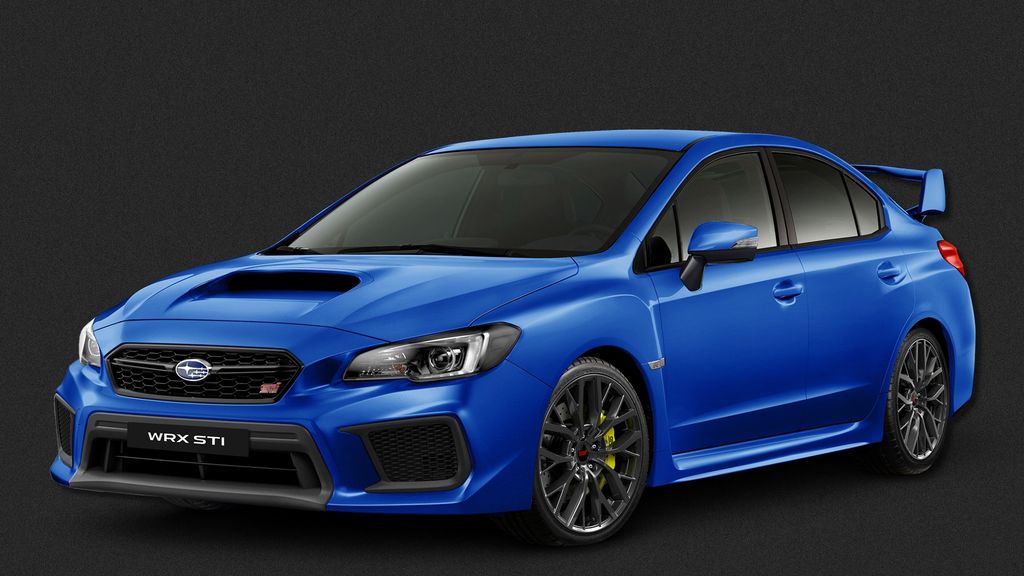
3. **Subaru Drivers: Speed Demons in Disguise? 🏎️💨**Now for a truly surprising addition to our list: Subaru. With 32.85 incidents per 1,000 drivers, it lands firmly in third place. For many, Subaru evokes images of sensible, outdoorsy types, maybe even folks with a ‘Love. It’s what makes a Subaru, a Subaru’ bumper sticker. So, how did this seemingly wholesome brand end up so high on the incident list? It’s a head-scratcher, right?
The secret might lie in some of its more performance-oriented models. While many Subarus are known for their reliability and all-wheel-drive capability, certain models, like the WRX, are absolute speed demons. These cars attract racing enthusiasts who love to modify them for peak performance. When a car is designed with rally-inspired roots and then tweaked for even more power, it naturally invites a more… *spirited* driving style.
This isn’t to say every Subaru driver is secretly a race car driver in training. But the presence of these high-performance variants, and the community that embraces them, can definitely skew the overall incident data for the brand. It’s a classic case of a few bad apples (or in this case, a few fast WRXs) influencing the perception of the whole barrel. When you’re dealing with advanced modifications and competitive driving, incident rates can climb.
So next time you see a Subaru, you might want to consider if it’s a family-friendly Forester or a modded WRX lurking beneath that wholesome exterior. It’s a reminder that even brands with a generally safe image can have segments of their market that lean into more aggressive driving behaviors. It seems even ‘love’ sometimes comes with a side of speeding tickets!
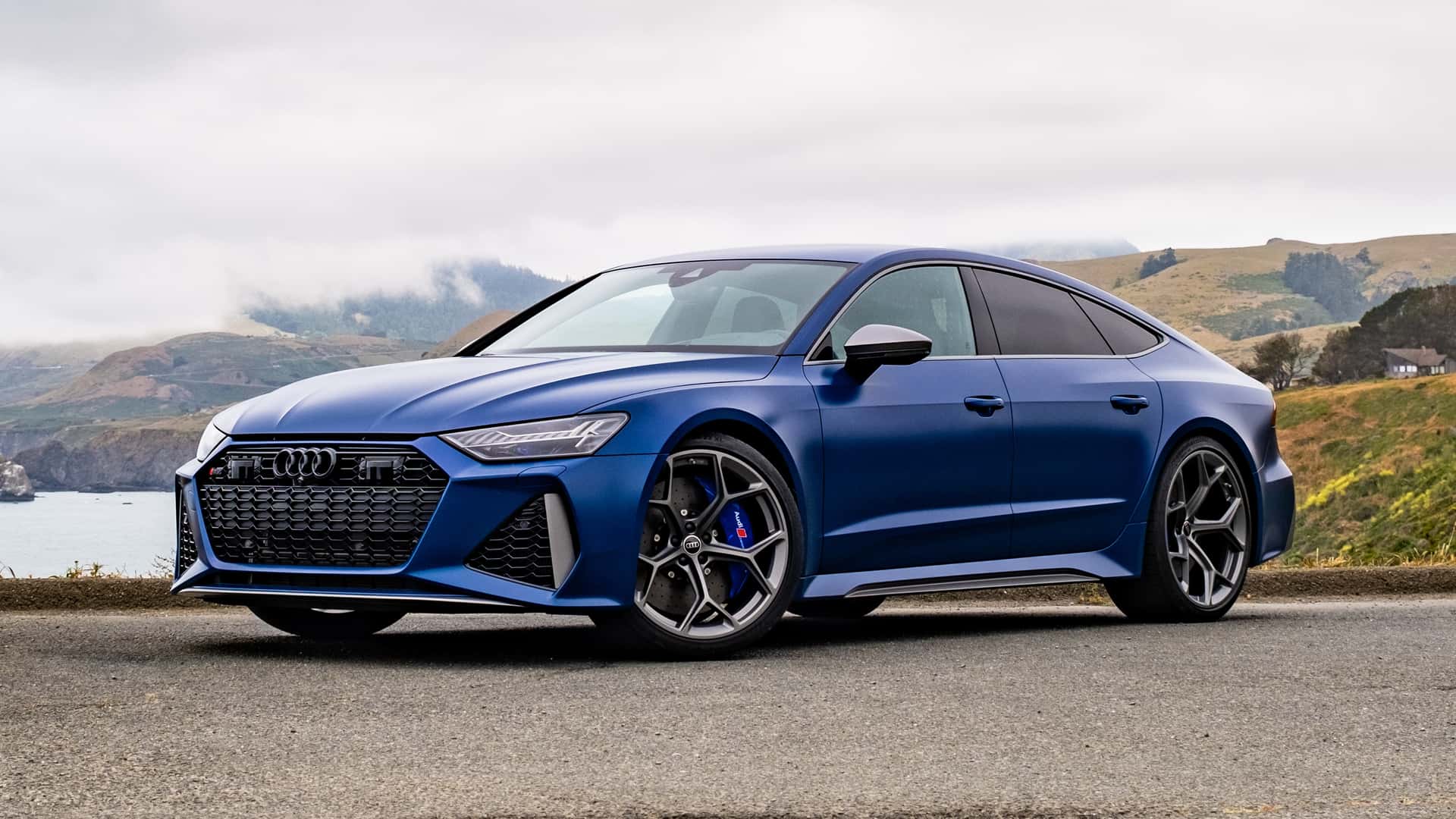
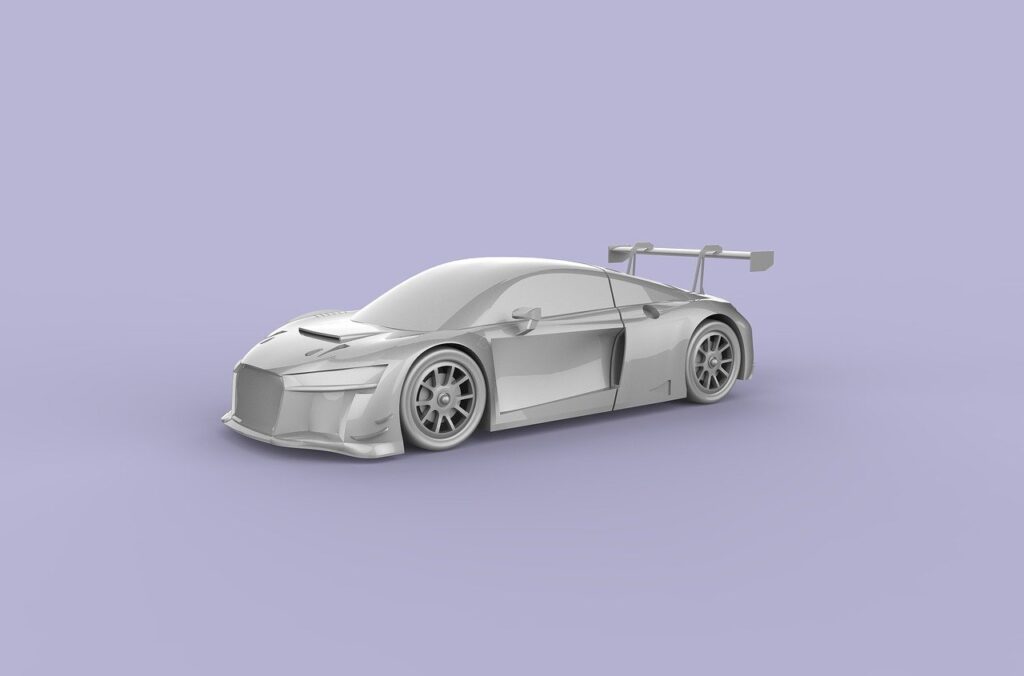
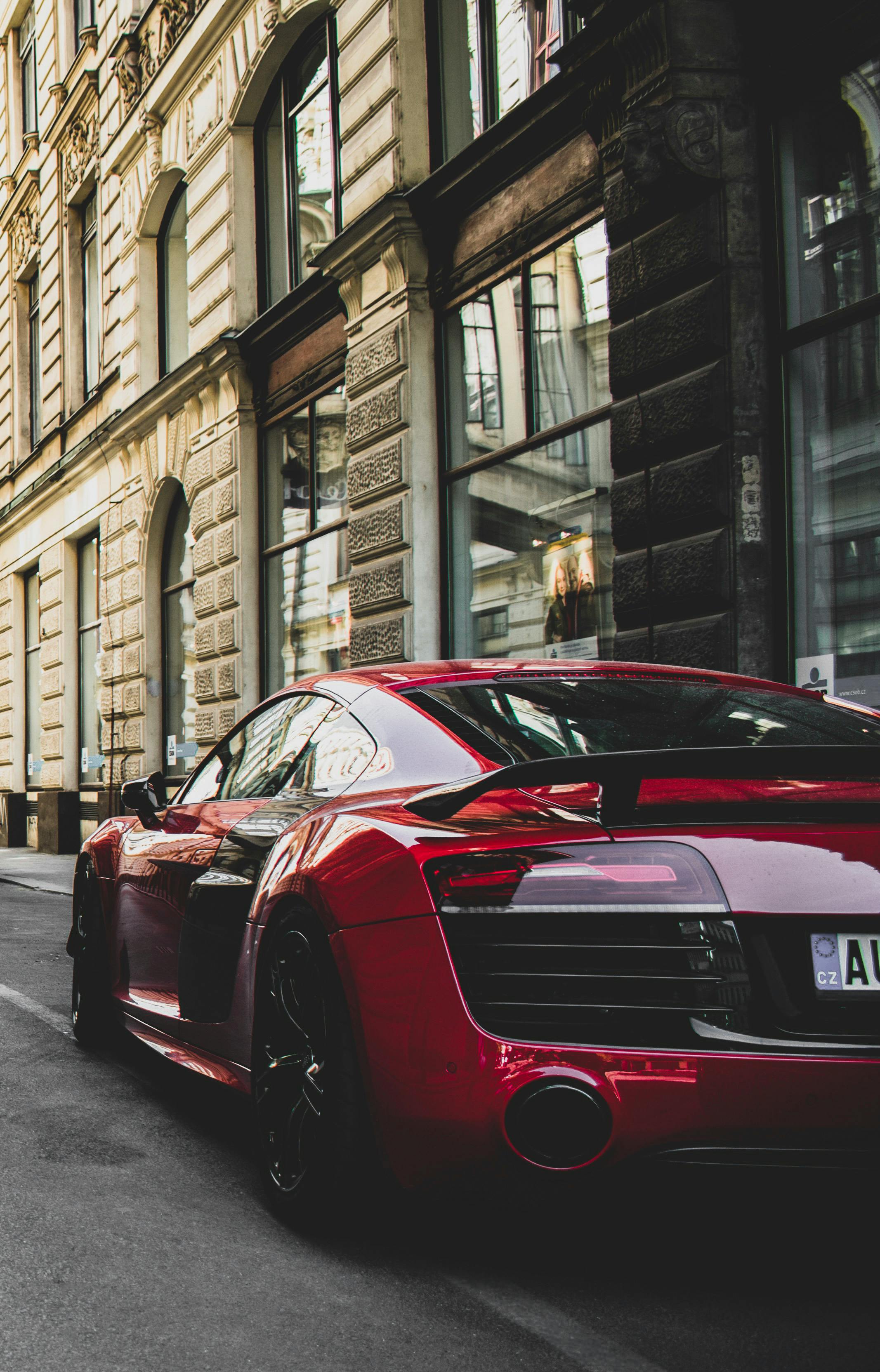
4. **Audi Drivers: The Luxury Lane’s Newest Reckless Entrants? 🎩**Making a fresh entrance to our list for 2024 is Audi, sliding into fourth place with a 32.23 rate of incident for every 1,000 drivers. Audi vehicles are synonymous with sleek design, German engineering, and a certain level of luxury. So, what’s causing these sophisticated machines to show up on the wrong side of the incident report?
Luxury cars often come with a perception of confidence, both on and off the road. Drivers of brands like Audi might feel a sense of empowerment or a desire to fully experience the performance capabilities that their vehicles offer. This isn’t inherently bad, but it can sometimes translate into a more assertive or aggressive driving style, leading to higher rates of speeding or other citations.
The allure of advanced technology in luxury vehicles, much like in Teslas, can also contribute. While Audi’s MMI infotainment system and driver-assistance features are top-notch, any advanced system requires a driver’s full attention to operate safely. Distraction, even from sophisticated tech, remains a universal culprit in driving incidents across all segments, including the luxury market.
It’s a complex mix, but the emergence of Audi on this list reminds us that no brand is immune. The driving habits associated with luxury brands can sometimes lean towards faster speeds and more assertive maneuvers. It goes to show that even when you’re wrapped in leather and surrounded by premium sound, vigilance behind the wheel is always the ultimate luxury.

5. **Mazda Drivers: Zoom-Zooming into Trouble? 💥**Rounding out our top five, we have Mazda, clocking in with a 31.86 incident rate per 1,000 drivers. What’s more, Mazda drivers also carry the unfortunate distinction of having the fourth-highest accident rate among all brands studied. This might come as a surprise to some, as Mazda often gets props for its fun-to-drive nature and stylish designs, not for being a troublemaker on the road.
Mazda’s ‘Zoom-Zoom’ philosophy emphasizes driving enjoyment, and their cars often deliver a more engaging experience behind the wheel. While this is great for enthusiasts, it could subtly encourage a more dynamic, and sometimes less cautious, driving style. When you’re having that much fun, it’s easy to push the limits a little further, sometimes unintentionally.
The data shows a clear link to accident rates, which is a serious concern. It suggests that perhaps the engaging driving experience, combined with driver demographics or specific models, leads to more instances of collisions. Factors like reaction time, situational awareness, and adherence to safe following distances become even more critical when driving a car that inspires a more ‘active’ approach to the road.
So, while Mazda excels at making cars that are a joy to drive, the numbers suggest that drivers might need to dial back the ‘Zoom-Zoom’ a notch or two. It’s a crucial reminder that even with a car that handles like a dream, the fundamentals of safe driving remain paramount. A thrilling ride should never come at the expense of road safety, for yourself or for others.
Alright, buckle up, because we’ve zipped through the top five, and now we’re hitting the road to uncover the rest of the crew making waves (and sometimes fender benders) on the incident charts. If you thought the first half was full of surprises, just wait until you see who else made the cut. We’re talking about brands that might seem like your sensible, everyday ride, but apparently, their drivers are out there proving that stereotypes can be delightfully shattered!
Let’s not forget, the story behind these stats is always more complex than just a badge on the grille. But hey, it’s still fascinating to peek behind the curtain and see which brands round out our list of notorious road warriors. Prepare for more revelations, some head-scratchers, and perhaps a moment of ‘aha!’ as we delve into the next five brands statistically linked to those ‘oops!’ moments on the asphalt.
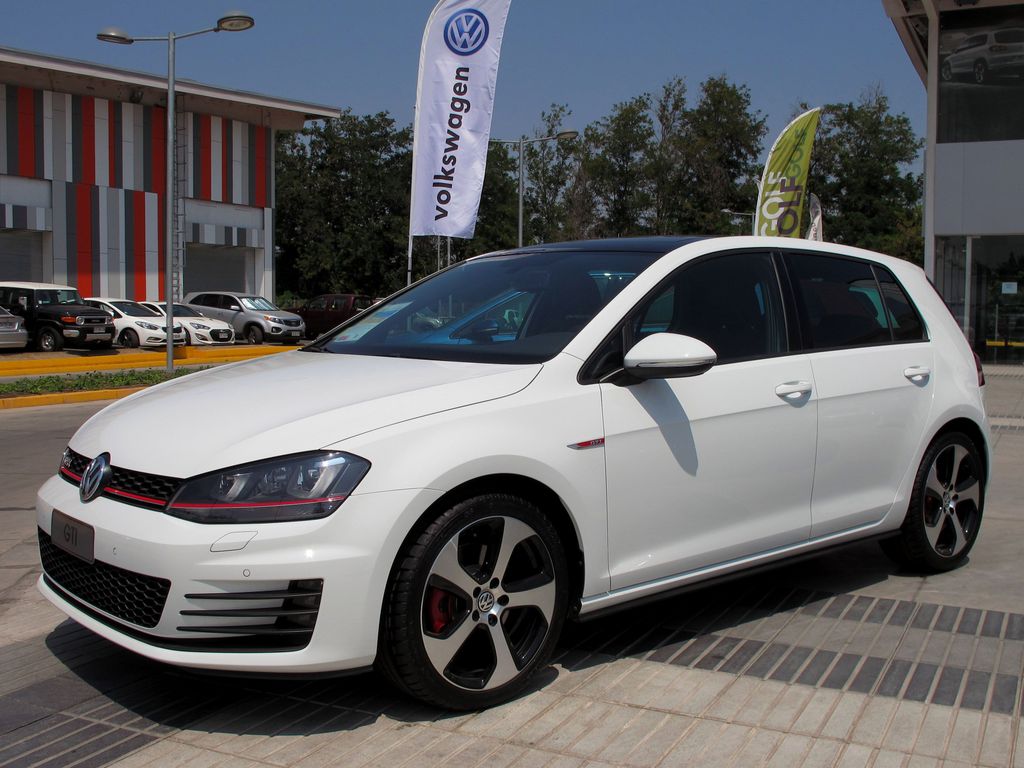
6. **Volkswagen Drivers: The Undercover Incident Generators? 🇩🇪**Next up on our grand tour of incident-prone wheels, we have Volkswagen, cruising in with 31.56 incidents per 1,000 drivers. Now, for many, Volkswagen conjures images of reliable, understated German engineering – practical sedans, iconic hatches, and generally sensible rides. So, to see them this high on a list of ‘terrible drivers’ might just make you do a double-take! What’s the deal, Vee-Dub?
While Volkswagen isn’t typically associated with the kind of aggressive performance that might put a Subaru WRX on the fast lane to trouble, the data tells a compelling story. What’s particularly interesting is how these numbers spike in specific regions, with Alaska and Idaho showing significantly higher incident rates. This geographical variation points to a blend of local driving conditions, perhaps different enforcement styles, and the specific ways these vehicles are used in those states. Think challenging terrains and vast stretches of open road that might subtly encourage a heavier foot on the gas.
It’s possible that the widespread popularity of Volkswagen models means there are simply more of them on the road, increasing the statistical likelihood of incidents. Or perhaps the ‘sensible’ image can lead to a touch of complacency behind the wheel – a false sense of security that sometimes turns into a lapse in focus. Even the most practical car can become a hazard when the driver isn’t fully engaged, proving that even a Golf or a Passat can be driven into a sticky situation.
So, while your trusty Volkswagen might feel like the epitome of reliability, it seems some drivers are putting that reputation to the test. It’s a prime example of how driver behavior often trumps brand perception. Even a car designed for everyday practicality can become a part of the incident statistics when the person holding the steering wheel gets a little too comfortable or complacent.

7. **BMW Drivers: Blinker-Averse, Incident-Heavy? 🔵⚪**Ah, BMW. The brand that often sparks a lively debate about blinker usage (or lack thereof!). Sliding onto our list with 26.82 incidents per 1,000 drivers, BMW maintains its luxury-performance image, but also, apparently, its penchant for making the incident report. What’s surprisingly good news, though, is that BMW drivers actually *improved* their DUI rates in 2024, dropping from 3.13 in 2023 to 2.57. Progress, people, progress!
But let’s be real, the stereotype of the BMW driver who sees turn signals as optional extras persists for a reason. This perception often links to a driving style that prioritizes assertive maneuvering and performance. When you’re behind the wheel of a car engineered for precision and speed, it can be tempting to push the limits, sometimes at the expense of courtesy or even basic road rules. The allure of that German engineering might just make drivers feel a bit invincible.
The data suggests that while the brand is associated with a certain kind of aggressive driving, the drop in DUI rates is a notable positive. Perhaps drivers are becoming more aware, or maybe the demographics are shifting. This improvement hints that even brands with a reputation for spirited driving can see a positive shift in certain behaviors, showing that conscious choices can indeed make a difference on the road.
Ultimately, whether it’s the thrill of acceleration or the perceived status, BMW drivers are clearly having an impact on the incident charts. While the improvement in DUI rates is a cheer-worthy moment, it’s a friendly reminder that even in a high-performance luxury machine, road etiquette and defensive driving are always in style. And seriously, those blinkers? They’re there for a reason!
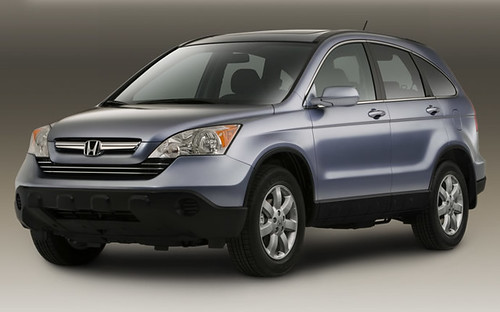
8. **Honda Drivers: Unexpected Entrants to the ‘Worst’ List? 🚗**Hold the phone, because we’ve got a new face on the scene! Honda, a brand long celebrated for its reliability, fuel efficiency, and generally sensible approach to motoring, makes its debut on the list for 2024 with a 29.89 incident rate per 1,000 drivers. Yes, you read that right – even your neighbor’s dependable Civic or CR-V is part of the conversation about risky drivers. It’s truly a plot twist in our automotive saga!
For many, Honda evokes images of cautious commuters and family-friendly adventures. So, what gives? One reader comment even highlighted the Honda CR-V as the car most likely to be holding up traffic, blissfully unaware of its surroundings. This observation hints at a different kind of ‘bad driving’ – not necessarily reckless speeding, but perhaps overly cautious or inattentive driving that can also lead to incidents, such as impeding traffic flow or sudden, unpredictable maneuvers.
The sheer ubiquity of Hondas on the road might also play a role. When a brand sells millions of vehicles worldwide, the sheer volume can lead to a higher overall number of incidents, even if the individual driver risk isn’t as high as, say, a Tesla. It means that while the average Honda driver might be perfectly safe, the vast population of Honda owners ensures enough ‘oops’ moments to land the brand on this list.
So, while Honda’s reputation for reliability is well-earned, it appears that some of its drivers might be taking that reliability for granted. Whether it’s due to a lack of situational awareness or simply the statistical consequence of their immense popularity, Honda drivers are now part of this fascinating (and slightly unsettling) conversation. Time to double-check those mirrors, Honda fam!
Car Model Information: 2017 Honda Civic Si
Caption: 2024 Honda Civic liftback
Manufacturer: Honda
Aka: ubl
Production: 1972–present
Class: Subcompact car
BodyStyle: fastback,Sedan (automobile)
Layout: Front-engine, front-wheel-drive layout,Front-engine, four-wheel-drive layout
Predecessor: Honda N600,Honda Z600
Categories: 1980s cars, 1990s cars, 2000s cars, 2010s cars, 2020s cars
Summary: The Honda Civic is a series of automobiles manufactured by Honda since 1972. As of 2023, the Civic is positioned between the Honda Fit/City and Honda Accord in Honda’s global passenger car line-up. It is one of the best-selling automobiles in history, with over 27 million units sold through 2021. The first-generation Civic was introduced in July 1972 as a two-door fastback sedan, followed by a three-door hatchback that September. With a 1,169 cc transverse engine and front-wheel drive, the car provided good interior space despite its small overall dimensions. Initially gaining a reputation for being fuel-efficient, reliable and environmentally friendly, later iterations have become known for performance and sportiness, especially the Civic Si, SiR, and Type R versions. It is currently in its eleventh generation, which has been produced since 2021. The Civic has often been rebadged for international markets, and it served as the basis for the Honda CR-X, the Honda CR-X del Sol, the Concerto, the first generation Prelude, the Civic Shuttle (which later became the Orthia) and the CR-V (which in turn was used as the basis for the Honda FR-V).
Get more information about: Honda Civic
Buying a high-performing used car >>>
Brand: Honda Model: Civic
Price: $19,965 Mileage: 52,299 mi.
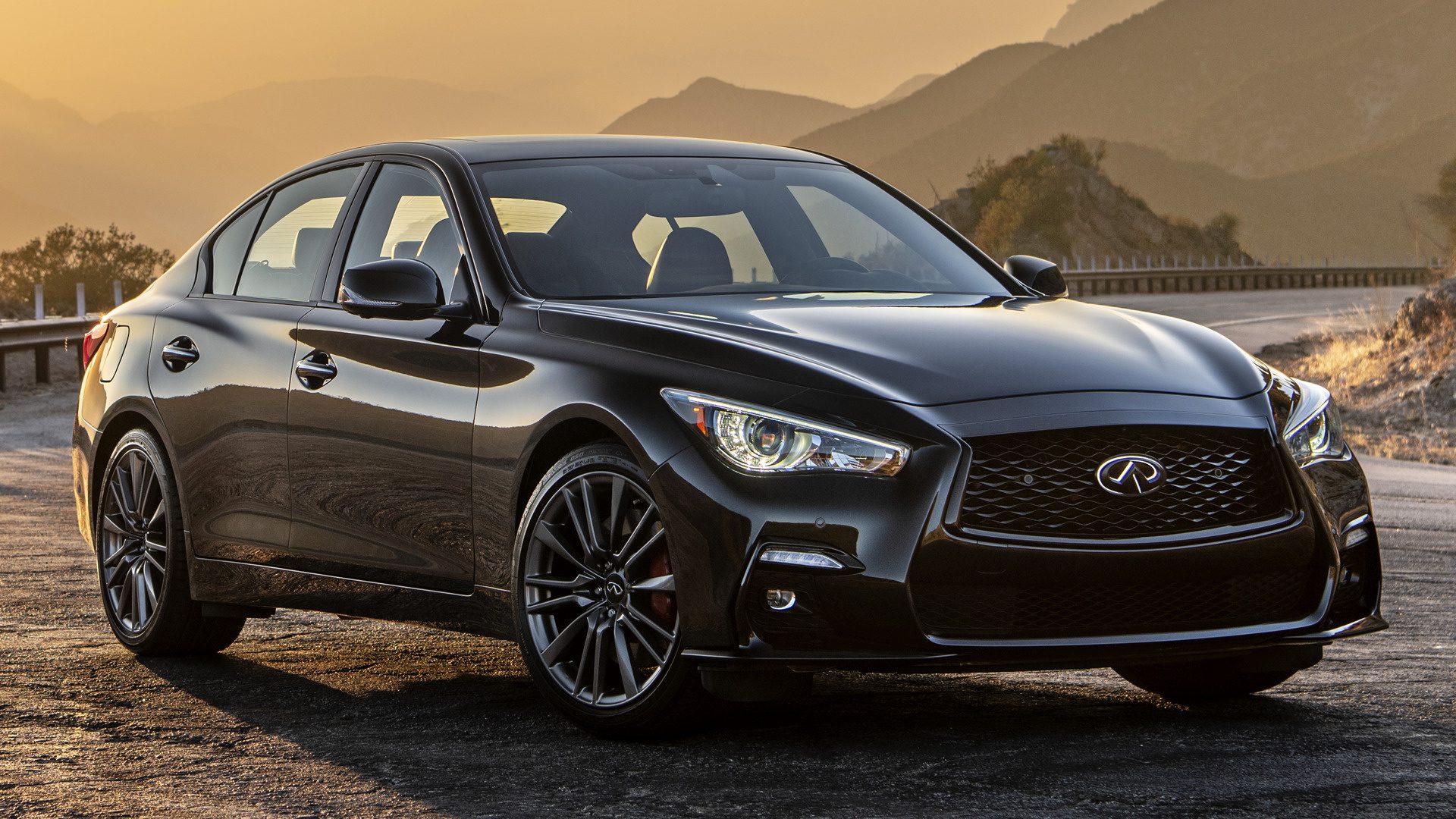
9. **Infiniti Drivers: Luxury, Performance, and Regional Risktakers 🌟**Rolling in with a blend of luxury and sporty performance, Infiniti drivers clock in with 29.37 incidents per 1,000 drivers. As a premium Japanese brand, Infiniti cars often appeal to those who appreciate a dynamic driving experience without necessarily going full-throttle into German luxury territory. But it seems some of these drivers are pushing more than just the limits of their engines!
Much like our earlier discussion with Audi, the premium segment often attracts drivers who enjoy testing the performance capabilities of their vehicles. Infiniti models, with their powerful engines and responsive handling, can certainly encourage a more assertive driving style. This can sometimes lead to increased speeds or more aggressive lane changes, contributing to a higher likelihood of citations or minor incidents. It’s the thrill of the drive, but with a side of caution, please!
What really catches the eye for Infiniti is the specific geographical hotspots: Hawaii, Rhode Island, and Vermont. These are incredibly diverse regions! In Hawaii, it could be a mix of tourist drivers unfamiliar with roads and locals navigating unique island traffic. For Rhode Island and Vermont, it might stem from varying road conditions, seasonal weather challenges, or distinct regional driving cultures that influence behavior. It’s a vivid illustration of how ‘geography matters’ when it comes to driving records.
These regional patterns underscore that driving behavior is a complex tapestry woven from vehicle characteristics, driver mindset, and local context. Even in a sleek Infiniti, the roads of Honolulu or the highways of Vermont demand constant vigilance. It’s a clear signal that regardless of how premium your ride feels, the fundamentals of safe and respectful driving are non-negotiable.

10. **Toyota Drivers: The Unassuming Road Hazard? 🌾**And finally, bringing up the rear (or rather, rounding out our top 10), we have Toyota, with 29.09 incidents per 1,000 drivers. This is perhaps the biggest head-scratcher of them all! Toyota is the gold standard for reliability and longevity, a brand synonymous with sensible choices and bulletproof engineering. Yet, their drivers hold the eighth-highest accident rate and the fourteenth-highest DUI rate. Cue the dramatic music!
One of our readers hilariously pointed out the ‘beige Camry’ as the quintessential car for people who *don’t* want to drive but *need* a car. This might actually hit close to home. If drivers view their vehicle purely as a utility, they might be less engaged with the act of driving itself. This could translate into a lack of attention, slower reaction times, or a general indifference to aggressive maneuvers that, ironically, can lead to more accidents. It’s not about being reckless; it’s about being *disengaged*.
The sheer volume of Toyota vehicles on the road cannot be overstated. With so many Camrys, Corollas, and RAV4s populating our highways, even if a small percentage of drivers exhibit risky behavior or fall prey to distraction, the sheer numbers would make a statistical splash. It’s a reminder that popularity can sometimes come with an unexpected side effect on the incident charts.
So, while your Toyota might last forever, the numbers suggest that some of its drivers might not always be driving with the utmost care. The high accident and DUI rates are a stark contrast to the brand’s image, proving that no matter how dependable your car, it’s the person behind the wheel who truly determines road safety. It’s a powerful reminder to stay present, even in the most mundane of commutes.
***
Whew! We’ve journeyed through ten car brands and the fascinating, sometimes surprising, stories behind their driving records. From Tesla’s tech-induced distractions to Toyota’s quiet complacency, it’s clear that the badge on your grille is only part of the equation. What truly matters? The person holding the wheel, folks!
Remember those key takeaways we talked about? Your driving behavior, demographics, and even where you live often have a bigger impact than the car itself. While some brands might attract a certain type of driver, and cutting-edge tech can certainly be a double-edged sword, it all boils down to conscious choices behind the wheel. The good news is, automakers are constantly upping their game with advanced safety features, and a little defensive driving goes a long way.
And speaking of smart choices, let’s talk insurance. Yep, your ride’s risk profile can totally affect your premiums. Brands with higher incident rates might mean a fatter bill, so shopping around and snagging those discounts for safe driving? Absolute genius moves. Installing safety features or opting for usage-based insurance can also be your secret weapons.
So, whether you’re cruising in a high-tech Tesla, a rugged Ram, or a trusty Toyota, remember to stay focused, obey those traffic laws, maintain a safe following distance, and always drive defensively. Because at the end of the day, the safest car on the road isn’t about the brand; it’s the one you drive responsibly. Stay savvy, stay safe, and let’s all make the roads a little less wild out there!”
, “_words_section2”: “1945