Owning a luxury car is often seen as the pinnacle of automotive dreams, a symbol of success and a testament to refined engineering. The allure of unparalleled performance, sumptuous comfort, and prestigious branding makes these vehicles highly desirable. However, beneath the gleaming exteriors and advanced features lies a financial reality that can quickly turn a dream into a significant burden, particularly when it comes to long-term maintenance and unexpected repairs.
While the initial purchase price of a high-end vehicle is substantial, it’s crucial to understand that this is merely the beginning of the financial commitment. The true cost of luxury ownership extends far beyond the showroom floor, encompassing everything from insurance premiums to, most notably, the often-astronomical bills for servicing and repairs. Many buyers, especially those venturing into the used luxury car market, are caught off guard by these hidden expenses.
This article aims to provide a data-driven, unbiased look at 14 luxury sedans that, according to repair bills and reliability data, you should seriously consider avoiding when service time rolls around in 2026. We will delve into the specific reasons why these vehicles are notorious money pits, highlighting the specialized parts, skilled labor, and complex technology that contribute to their steep upkeep costs. Our goal is to equip you with practical, actionable insights to help you make informed decisions and steer clear of financial surprises.
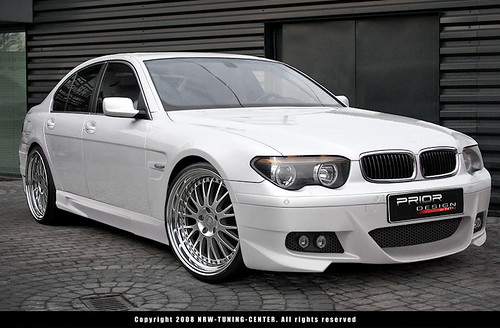
1. **BMW 7 Series**The BMW 7 Series, a flagship sedan renowned for its supreme luxury and cutting-edge technology, frequently tops lists of cars with high repair costs. While it delivers an exceptional driving experience, its sophistication comes with a significant price tag when repairs are needed. Owners often face substantial labor costs, largely due to the proprietary equipment and specialized software necessary for even routine diagnostics, let alone complex fixes.
Repairpal’s methodology, which factors in average annual repair costs, unscheduled major repairs, and severity, highlights the inherent risk. Electrical issues or transmission failures, for instance, are not uncommon in the 7 Series, and these types of repairs can easily exceed $5,000. This is a stark reminder that the blend of high-end materials and intricate design, while enhancing performance and comfort, also necessitates expert mechanics and expensive manufacturer-approved replacements.
The context explicitly mentions the BMW 7 Series (2009–2015 F01/F02) as one of the “5 Used Luxury Cars That Bankrupt You in Repairs.” This particular generation is cited for its potential to become a financial trap for unwary buyers. The blend of advanced features and complex engineering, while appealing, means that components inevitably wear out, and the costs to rectify them can quickly erode any initial savings made on the purchase price.
Furthermore, the sheer complexity of the vehicle’s systems means that standard repair shops might not be equipped to handle its intricacies, forcing owners to specialized facilities where labor rates are significantly higher. The example of a colleague having his BMW 7 Series serviced for a suspension issue illustrates this perfectly, where an initial unsuccessful attempt at a local garage led to a specialist visit with a significant increase in the repair bill.
Car Model Information: 2022 Mitsubishi Outlander
Name: BMW 7 Series
Caption: BMW 7 Series (G11)
Manufacturer: BMW
Production: 1977–present
Class: Full-size car,luxury car
BodyStyle: sedan (car)
Predecessor: BMW New Six
Categories: All articles with dead external links, Articles with dead external links from July 2021, Articles with short description, BMW vehicle series, CS1 Chinese-language sources (zh)
Summary: The BMW 7 Series is a full-size luxury sedan manufactured and marketed by the German automaker BMW since 1977. It is the successor to the BMW E3 “New Six” sedan and is now in its seventh generation.
The 7 Series is BMW’s flagship car and is only available in a sedan bodystyle (including long wheelbase and limousine models). It traditionally introduces technologies and exterior design themes before other models in BMW’s lineup.
The first generation of the 7 Series was powered by straight-6 petrol engines, and following generations have been powered by inline-4, straight-6, V8 and V12 engines with both natural aspiration and turbocharging. Since 1995, diesel engines have been optional in the 7 Series.
Unlike the BMW 3 Series and BMW 5 Series sedans, BMW does not offer a full M model, but once offered an M performance variant, the BMW M760 with its 6.6L V12 (at the time the most powerful BMW ever made, not to be confused with BMW 760 6.6 V12 which does not offer the same performance). The Alpina B7 served as the high-performance variant of the 7 Series.
Get more information about: BMW 7 Series
Buying a high-performing used car >>>
Brand: BMW Model: 7 Series
Price: $21,595 Mileage: 44,296 mi.
Read more about: Go Green, Save Green: 14 Gas-Guzzlers You Absolutely Should Not Keep in 2025, According to Emissions Data and Auto Experts
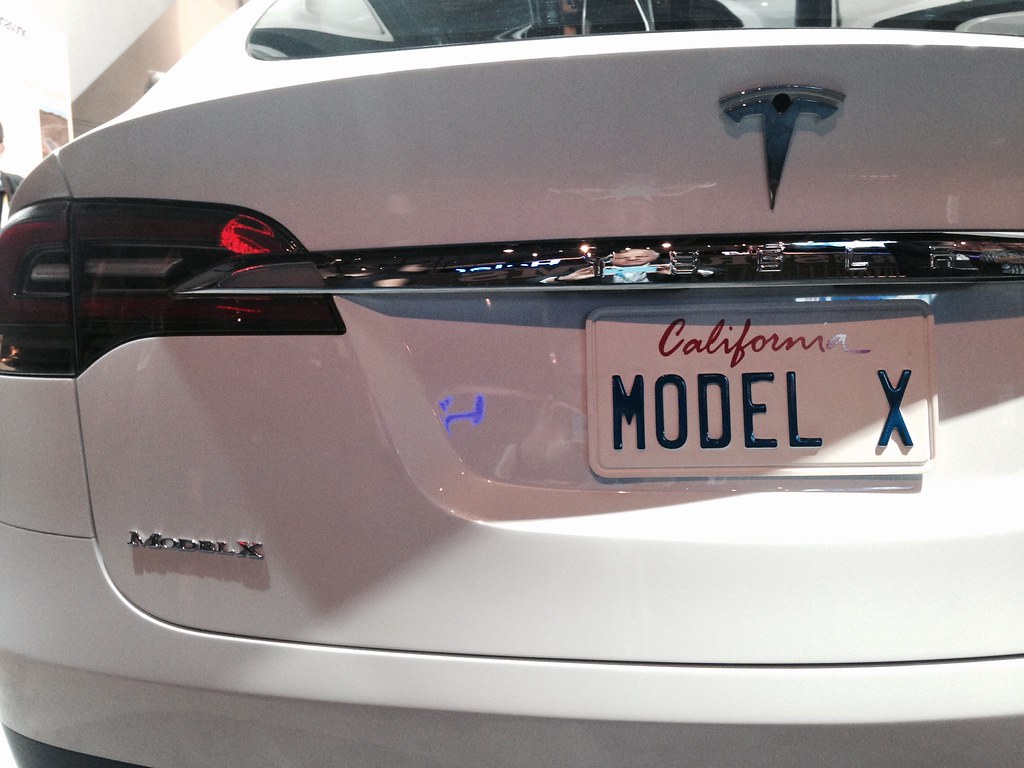
2. **Tesla Model S**The Tesla Model S stands at the forefront of the electric vehicle market, celebrated for its innovation and performance. However, its state-of-the-art nature also translates into notoriously high repair costs. The context highlights that battery replacements alone can be astronomically expensive, potentially costing upwards of $20,000. This is a crucial factor for prospective owners, as battery degradation is a natural part of an EV’s lifecycle.
Beyond the battery, the Model S’s heavy reliance on software and its integrated central operating system means that even seemingly minor tech updates or malfunctions can necessitate professional recalibration. For instance, replacing the large touchscreen console, which acts as the car’s central command unit, is far from a simple fix. This repair can cost upwards of $1,500 due to its deep integration with the vehicle’s core functions.
The advanced technology, while providing an incredible driving experience, adds to the complexity and cost of repairs. The context mentions a friend’s Tesla Model S experiencing astronomical repair costs when something went wrong with the electronics, partly because only a few places were qualified to service such advanced systems. This limited availability of specialized service centers further drives up the expense and inconvenience for owners.
The Model S exemplifies how innovation has its price, not just in the initial purchase but throughout its ownership. The cutting-edge systems, while enhancing safety, performance, and convenience, introduce repair challenges that traditional combustion engine vehicles do not. Owners must be prepared for these potential costs, understanding that the benefits of advanced technology come with a premium on maintenance and repair.
Car Model Information: 2022 Mitsubishi Outlander
Name: Tesla Model S
ModelYears: 2013–present
Alt: A front-three quarter view of a gray Model S
Caption: #2016–2019: First major update
Designer: Franz von Holzhausen
Weight: cvt
Height: cvt
Width: cvt
Length: cvt
Wheelbase: cvt
ElectricRange: cvt
Battery: kWh,lithium-ion battery
Motor: Unbulleted list
Transmission: Reduction drive
Related: Tesla Model X
Layout: Rear-motor, rear-wheel drive,Dual-motor, all-wheel-drive,Tri-motor, all-wheel-drive layout
BodyStyle: liftback,sedan (automobile)
Class: Full-size car
Assembly: Unbulleted list
Production: June 2012 – present
Manufacturer: Tesla, Inc.
Sp: us
Chassis: Unibody
Categories: 2020s cars, All-wheel-drive vehicles, All Wikipedia articles written in American English, All articles containing potentially dated statements, Articles containing potentially dated statements from 2025
Summary: The Tesla Model S is a battery-electric, four-door full-size car produced by the American automaker Tesla since 2012. The automaker’s second vehicle and longest-produced model, the Model S has been described as one of the most influential electric cars in the industry. Car and Driver named it one of the best cars of the year in 2015 and 2016. Its various accolades include the Motor Trend Car of the Year Award in 2013.
Tesla started developing the Model S around 2007 under the codename WhiteStar, with Henrik Fisker appointed as lead designer for the project. After a dispute with Elon Musk, Tesla’s CEO, Fisker was replaced by Franz von Holzhausen who, by 2008, had designed the production Model S’s exterior. Tesla unveiled a prototype of the vehicle in March 2009 in Hawthorne, California. In 2010, Tesla acquired a facility in Fremont, California, to produce the Model S, which was previously owned by General Motors and Toyota. Series manufacture of the car officially began at the Tesla Fremont Factory in June 2012. Tesla carried out the final assembly for European markets at its facilities in Tilburg, Netherlands, between 2013 and 2021.
Constructed mostly of aluminum, the Model S shares 30 percent of its components with the Model X—a crossover SUV that was introduced in 2015. The Model S has undergone several updates during its production, the most prominent ones occurring in 2016 and 2021. These updates have usually included modifications to the motor, such as changes to power or torque, revised exterior elements, and refreshed interior features. One such change included the 2015 introduction of Tesla Autopilot—a partial vehicle automation advanced driver-assistance system. The 2021 update led to the introduction of the high-performance, three-motor Plaid—Tesla’s most powerful model.
In 2015, the Model S was the world’s best-selling plug-in electric vehicle. In 2012, it was included on Time’s list of the Best Inventions of the Year, and the magazine later included it on its list of the 10 Best Gadgets of the 2010s in 2019. In 2014, The Daily Telegraph described the Model S as a “car that changed the world”. Road & Track argued that, with the introduction of the Plaid and features such as the yoke steering wheel, Tesla managed to turn the Model S into “perhaps one of the worst [cars in the world]”.
Get more information about: Tesla Model S
Buying a high-performing used car >>>
Brand: Tesla Model: Model S
Price: $21,595 Mileage: 44,296 mi.
Read more about: Unlocking Savings: Your Definitive Guide to State-Level Tax Credits and Rebates for Used Electric Vehicles
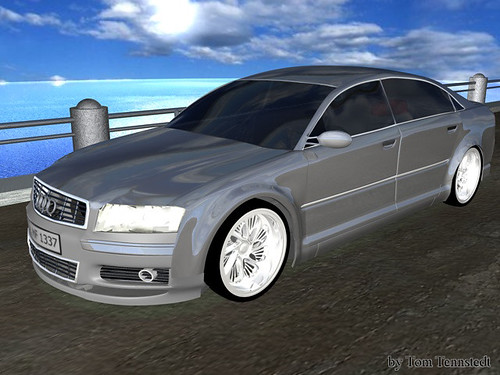
3. **Audi A8**The Audi A8, another distinguished luxury sedan, is consistently recognized for its advanced features and high-performance engine, which unfortunately contribute to complex and pricey repairs. It is specifically listed among the “Top 5 Most Expensive Cars to Repair” and the “5 Used Luxury Cars That Bankrupt You in Repairs,” signifying its reputation as a significant financial commitment beyond its sticker price.
One of the particularly costly components highlighted in the context is the Audi A8’s advanced suspension system. A repair or full replacement of this sophisticated system can easily exceed $3,500. This issue is not isolated, as an explicit case study within the context describes a faulty air suspension system costing one owner nearly $4,000 to fix, identifying it as a common problem in luxury sedans of this caliber.
Routine maintenance for the Audi A8 also comes with a hefty price tag. The car’s intricate engineering demands specialized knowledge and tools, which translates into higher labor costs at service centers. The combination of expensive parts, the need for expert mechanics, and the complexity of its systems ensures that even non-major issues can result in substantial repair bills, making ongoing ownership far from cheap.
The D4 generation (2009–2015) of the Audi A8 is specifically called out for its propensity to bankrupt owners through repairs. This points to a consistent historical trend where the model’s design philosophy—pushing the boundaries of technology and performance—also incurs a penalty in the form of expensive and frequent repairs. Prospective owners should be aware that initial savings on a used model can quickly be offset by these inevitable maintenance demands.
Car Model Information: 2025 Audi A8 L 55
Name: Audi A8
Manufacturer: Audi AG
Assembly: Neckarsulm
Production: #D2
Class: Full-size,luxury car
BodyStyle: sedan (automobile)
Platform: List of Volkswagen Group platforms
Layout: FF layout
Related: Audi S8
Predecessor: Audi V8
Categories: 2000s cars, 2010s cars, 2020s cars, All-wheel-drive vehicles, All articles lacking reliable references
Summary: The Audi A8 is a full-size luxury sedan manufactured and marketed by the German automaker Audi since 1994. Succeeding the Audi V8, and now in its fourth generation, the A8 has been offered with either front- or permanent all-wheel drive and in short- and long-wheelbase variants. The first two generations employed the Volkswagen Group D platform, with the current generation deriving from the MLB platform. After the original model’s 1994 release, Audi released the second generation in late 2002, the third in late 2009, and the fourth and current iteration in 2017. Noted as the first mass-market car with an aluminium chassis, all A8 models have used this construction method co-developed with Alcoa and marketed as the Audi Space Frame.
A mechanically upgraded, high-performance version of the A8 debuted in 1996 as the Audi S8. Produced exclusively at Audi’s Neckarsulm plant, the S8 is fitted standard with Audi’s quattro all-wheel drive system. The S8 was only offered with a short-wheelbase for the first three generations, being joined by a long-wheelbase variant for the fourth generation.
Get more information about: Audi A8
Buying a high-performing used car >>>
Brand: Audi Model: A8
Price: $76,711 Mileage: 935 mi.
Read more about: Unlocking Savings: Your Definitive Guide to State-Level Tax Credits and Rebates for Used Electric Vehicles
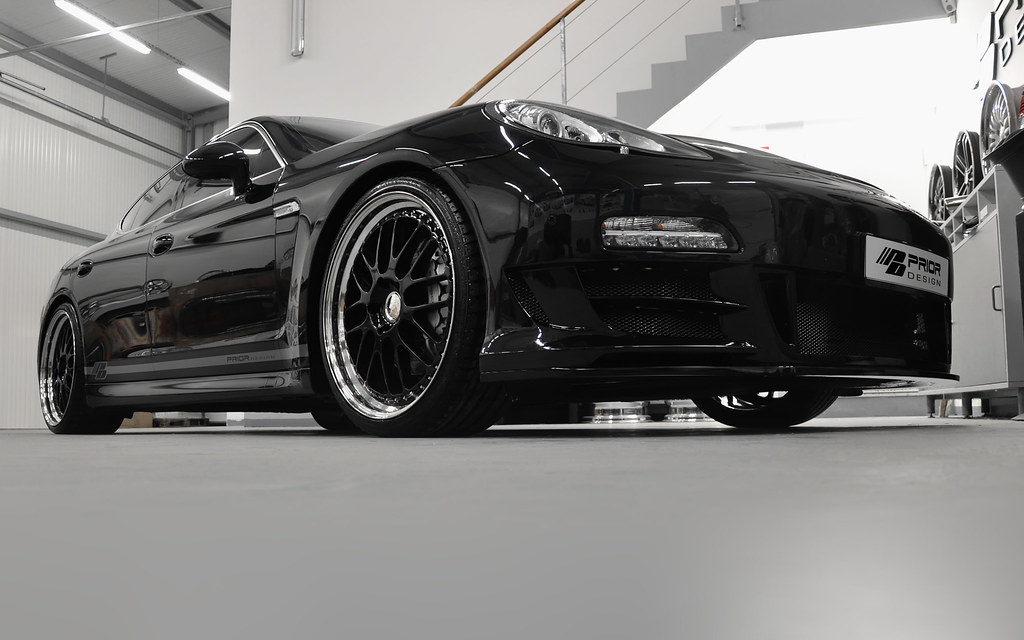
4. **Porsche Panamera**Porsche is synonymous with precision engineering and high-performance, but maintaining a Porsche Panamera is far from economical. This luxury sports sedan consistently demands steep repair costs, placing it firmly among the “Top 5 Most Expensive Cars to Repair.” The context highlights that major component repairs, such as those involving the Panamera’s turbo systems or drivetrain, can set owners back by $10,000 or more.
These significant repair costs are a direct consequence of the Panamera’s high-performance design, which utilizes specialized parts and intricate systems. Such components are often unique to the brand and model, requiring proprietary manufacturing processes that are inherently costly to reproduce or replace. This exclusivity contributes significantly to the overall expense of maintaining the vehicle.
Even basic service appointments for the Panamera tend to be two or three times costlier than those for standard cars. This indicates that the premium pricing extends beyond just major repairs to cover routine maintenance, reflecting the specialized labor and high-quality materials involved in every aspect of its upkeep. Owners should anticipate consistently higher operational costs throughout their ownership period.
The context underscores that many luxury vehicles, including the Panamera, come with complex engineering and advanced electronics that necessitate specialized tools, expertise, and parts. When these sophisticated components inevitably wear out, the costs for repair and upkeep can quickly overshadow any perceived initial savings on a used model, solidifying its reputation as a potential financial pitfall.
Car Model Information: 2018 Porsche Panamera Base
Name: Porsche Panamera
Caption: 2024 Porsche Panamera (976)
Manufacturer: Porsche
Production: 2009–present
Assembly: Leipzig
Class: Luxury car
Layout: Front-engine, rear-wheel-drive layout
Predecessor: Porsche 989
Sp: uk
Categories: 2010s cars, 2020s cars, All-wheel-drive vehicles, All articles containing potentially dated statements, All articles with unsourced statements
Summary: The Porsche Panamera is a mid- to full-sized luxury car (E-segment or F-segment for LWB in Europe) manufactured and marketed by German automobile manufacturer Porsche. It currently spans across three generations, using a front-engine and rear- or all-wheel drive configuration.
The Panamera debuted at the 13th Auto Shanghai International Automobile Show in April 2009, later launching hybrid and diesel versions in 2011. In April 2013, the company introduced a facelifted model, again at the Shanghai Auto Show, followed by the US introduction of a plug-in hybrid version, the Panamera S E-Hybrid, in November 2013. Porsche launched the second-generation Panamera in 2016, and in November 2023, the third generation was introduced.
The Panamera name, as with the Carrera name, is derived from the Carrera Panamericana race.
Get more information about: Porsche Panamera
Buying a high-performing used car >>>
Brand: Porsche Model: Panamera
Price: $39,880 Mileage: 56,253 mi.
Read more about: The Pinnacle of Comfort and Performance: 14 Elite Luxury Cars for Discerning Wealthy Retirees

5. **Jaguar XF / XJ**The Jaguar XF and XJ models (specifically the 2009–2015 generation) have earned a place on the list of “5 Used Luxury Cars That Bankrupt You in Repairs.” While these British luxury sedans offer distinct style and performance, their sophisticated design and reliance on unique components can lead to formidable repair bills. The context points to a pattern where certain marques, despite their allure, are prone to high costs due to their inherent complexity and potential fragility.
These models, like many European luxury vehicles, often feature intricate electronic systems and bespoke mechanical layouts. When issues arise with these specialized components, parts can be difficult and expensive to source, often requiring direct imports from manufacturers overseas. This scarcity not only inflates the cost of the parts themselves but can also result in extended repair times, leaving owners without their vehicles for prolonged periods.
The need for highly specific training for mechanics to properly diagnose and repair these vehicles further drives up labor costs. Jaguar’s advanced systems mean that not every general repair shop is equipped with the necessary diagnostic tools or expertise. Owners are often compelled to seek out factory-trained technicians, whose rates are typically higher than those at standard repair facilities, adding another layer to the financial commitment.
Prospective buyers of these Jaguar models should exercise caution, understanding that the initial attractiveness of a depreciated luxury vehicle can mask significant long-term expenses. The article emphasizes that choosing a used luxury car is a long-term financial commitment, and models like the XF and XJ demand a deep understanding of the true costs involved in maintaining their sophisticated nature, often leading to unexpected and costly surprises.
Read more about: Fake It Till You Make It: 14 Epic Kit Cars That Deliver Supercar Thrills on a Budget
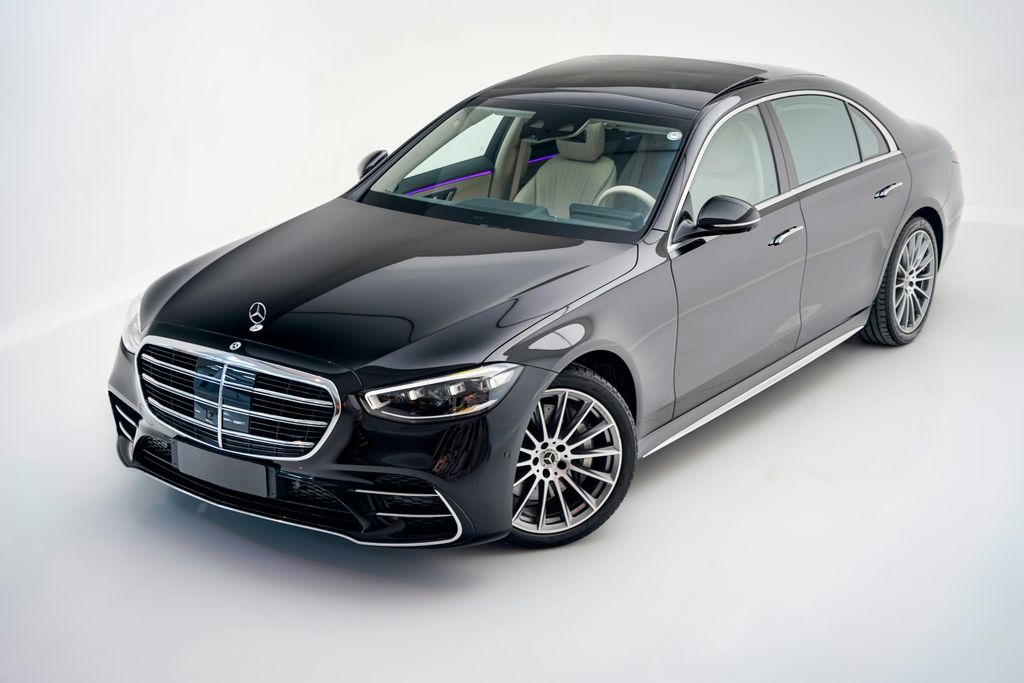
6. **Mercedes-Benz S-Class**Recognized as a benchmark for luxury sedans, the Mercedes-Benz S-Class (specifically the 2007–2014 W221 generation) is another vehicle listed among those that “bankrupt you in repairs.” While offering unparalleled comfort and prestige, the S-Class embodies the very essence of advanced automotive engineering, which, unfortunately, translates into specialized and costly maintenance requirements. The allure of a finely crafted vehicle often overlooks the ongoing expenses that accompany such sophistication.
One of the primary reasons for the high cost of repairs in the S-Class, as in many luxury vehicles, is the requirement for specialized parts. These are not mass-produced components; rather, they are often bespoke, premium materials integrated with advanced engineering. An anecdote from the context vividly illustrates this: replacing a Mercedes-Benz S-Class headlight, seemingly a simple task, turned into a hefty bill because it was an entire unit with sensors and adaptive technology, not just a bulb.
Furthermore, the S-Class is packed with cutting-edge technology and complex systems, from its advanced infotainment to its sophisticated adaptive features. Repairing or replacing these components requires highly skilled labor. Not every mechanic is equipped to handle the intricacies of a Mercedes-Benz, necessitating certified technicians with specialized training. This expertise comes at a cost, significantly inflating labor charges compared to mainstream vehicles.
The limited availability of parts for specific S-Class models, especially older generations, adds another layer of financial strain. Because these vehicles are often produced in smaller quantities, sourcing the exact right component can be difficult and time-consuming. This scarcity contributes to higher part prices and can lead to inconveniently long repair times, emphasizing that with luxury, even the smallest components can carry a big price tag.
Read more about: Go Green, Save Green: 14 Gas-Guzzlers You Absolutely Should Not Keep in 2025, According to Emissions Data and Auto Experts

7. **Porsche 911**The vaunted Porsche 911, an icon of performance and driving pleasure, is also explicitly identified as a “costly car to own” according to the provided data. While it falls under the “luxury midsize car classification” in the context’s repair cost listings, its annual repair costs average $1,072, which is well above the general $739 average for its class. This immediately signals a significant ongoing financial commitment for owners.
Beyond the annual average, the context highlights a particularly concerning metric: when a Porsche 911 does need unscheduled repairs, it is “more likely than average to be for a serious problem — a whopping 22% of the time.” This high probability of severe issues means that owners are not only facing higher repair frequencies (roughly 0.5 times per year, above the average for all cars) but also a greater chance of these visits resulting in a substantial bill.
The specialized nature of the Porsche 911’s engineering and performance components contributes heavily to these costs. Its intricate mechanical layout, high-performance engine, and advanced systems demand specific expertise and specialized parts. Repairs for exotic cars, like Porsche, often require importing parts directly from manufacturers overseas, significantly driving up both costs and wait times.
Prospective 911 owners must internalize that the thrill of driving this precision-engineered machine comes with a financial reality where even minor issues can escalate quickly. The high severity rate, coupled with above-average repair frequency and substantial annual costs, positions the Porsche 911 as a luxury sedan that, while a pleasure to drive, can be a considerable burden on the wallet when it comes to long-term service and unexpected fixes.
Continuing our deep dive into luxury vehicles that can quickly deplete your savings with their repair demands, we now turn our attention to the remaining seven models that consistently challenge owners with hefty service bills. These vehicles, while offering undeniable prestige and performance, illustrate the critical importance of understanding long-term costs before making a purchase decision.
Car Model Information: 2020 Porsche 911 Carrera
Name: Porsche 911
Caption: The 1 millionth 911 produced on display at Volkswagen Group Forum, Berlin
Designer: Ferdinand Alexander Porsche
Manufacturer: Porsche
Production: September 1964 – present
Assembly: Stuttgart,Baden-Württemberg
Class: Sports car
BodyStyle: unbulleted list
Related: unbulleted list
Layout: Rear-engine design,rear-wheel drive
Predecessor: Porsche 356
Categories: 1970s cars, 1980s cars, 1990s cars, 2+2 coupés, 2000s cars
Summary: The Porsche 911 model series (pronounced Nine Eleven or in German: Neunelf) is a family of German two-door, high performance rear-engine sports cars, introduced in September 1964 by Porsche AG of Stuttgart, Germany, and now in its eighth generation. All 911s have a rear-mounted flat-six engine, and usually 2+2 seating, except for special 2-seater variants. Originally, 911s had air-cooled engines, and torsion bar suspension, but the 911 has been continuously enhanced, and evolved across generations. Though the 911 core concept has remained largely unchanged, water-cooled engines were introduced with the 996 series in 1998, and front and rear suspension have been replaced by Porsche-specific MacPherson suspension up front, and independent multi-link rear suspension.
The 911 has been raced extensively by private and factory teams, in a variety of classes. It is among the most successful competition cars. In the mid-1970s, the naturally aspirated 911 Carrera RSR won world championship races including Targa Florio and the 24 Hours of Daytona. The 911-derived 935 turbo also won the 24 Hours of Le Mans in 1979. Porsche won the World Championship for Makes in 1976, 1977, 1978, and 1979 with 911-derived models.
In a 1999 poll to determine the Car of the Century, the 911 ranked fifth — one of two in the top five that had remained continuously in production (the original Beetle remained in production until 2003). The one millionth example was manufactured in May 2017 and is in the company’s permanent collection.
Get more information about: Porsche 911
Buying a high-performing used car >>>
Brand: Porsche Model: 911
Price: $119,980 Mileage: 8,387 mi.
Read more about: Go Green, Save Green: 14 Gas-Guzzlers You Absolutely Should Not Keep in 2025, According to Emissions Data and Auto Experts
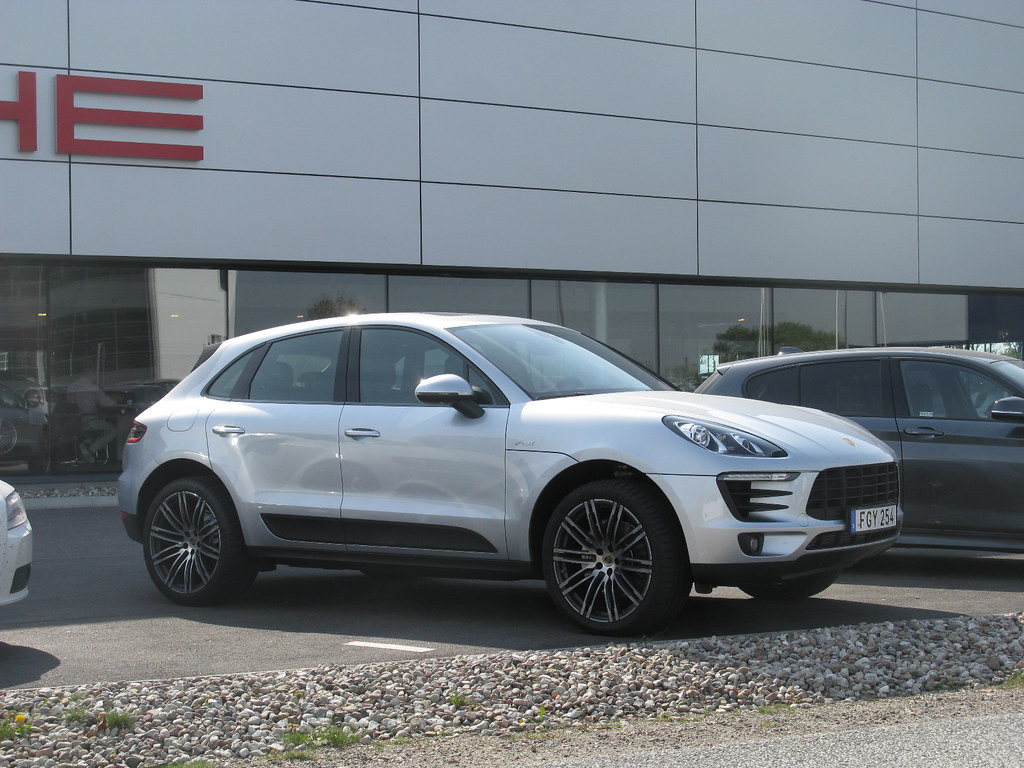
8. **Porsche Macan**The Porsche Macan, a luxury compact SUV, stands out at the very top of our list for highest annual repair costs in the luxury car market, with an average of $1,265. This figure is a clear indicator that while the Macan delivers on performance and brand cachet, it demands a significant financial commitment when it comes to maintenance and unexpected fixes.
Beyond the raw cost, the Macan also exhibits a concerning frequency of unscheduled repairs. Owners can expect to take their vehicle to the shop approximately 1.3 times per year. This rate is more than three times the average for all vehicles and more than double that of others in its specific segment, underscoring a persistent need for professional attention.
When these repairs occur, there’s a substantial likelihood of them being significant. The Macan is prone to having a major repair about 20% of the time, further compounding the financial burden on owners. Its reliability rating, a dismal 1.5, places it dead last among the 11 entries in the compact SUV class, signaling fundamental concerns about its long-term dependability.
Prospective buyers of a used Porsche Macan must approach with caution. The initial allure of a premium SUV at a reduced price can quickly be overshadowed by these consistently high and frequent repair expenses, turning a dream car into an ongoing financial strain.
Car Model Information: 2020 Porsche Macan Base
Name: Porsche Macan
Manufacturer: Porsche AG
Production: February 2014 – present
ModelYears: 2015–present
Class: Compact luxury crossover SUV
BodyStyle: SUV
Caption: 2024 Porsche Macan 4 Electric
Categories: All-wheel-drive vehicles, All Wikipedia articles written in British English, All articles needing additional references, All articles with unsourced statements, Articles needing additional references from September 2025
Summary: The Porsche Macan is a compact luxury crossover SUV (D-segment) produced by German manufacturer Porsche since 2014. It is the smaller SUV from Porsche below the Cayenne. The first-generation Macan entered production from February 2014 with petrol and diesel engine options. In 2024, Porsche released the second-generation Macan which is a battery electric vehicle built on the dedicated Premium Platform Electric (PPE) EV platform. The first-generation and second-generation Macan will be marketed side-by-side, providing multiple powertrain options for consumers.
Since 2015, its first full year in the market, the Macan has been the best-selling Porsche model globally ahead of the larger Cayenne.
Get more information about: Porsche Macan
Buying a high-performing used car >>>
Brand: Porsche Model: Macan
Price: $34,950 Mileage: 30,566 mi.
Read more about: The Torque Test: Unveiling the Towing Prowess of 15 Top Electric Trucks and SUVs – From Mighty Haulers to Range Considerations

9. **Land Rover Range Rover**Another luxury full-size SUV that consistently ranks among the most expensive to maintain is the Land Rover Range Rover, with an average annual repair cost of $1,258. This model, known for its blend of off-road prowess and opulent interiors, unfortunately also earns a reputation for high ownership costs, ranking 15th out of 19 entries in its class by RepairPal.
While its frequency of unscheduled repairs may not be explicitly detailed as excessively high in comparison to all vehicles, the context indicates that its repair costs are significantly higher than average for its segment. This means that even standard issues can result in substantial bills, reflecting the specialized parts and labor required for these sophisticated vehicles.
Compounding the cost factor, the probability of a serious issue with a Land Rover Range Rover matches the segment average at 19%. This suggests that when repairs are needed, they are often not minor, contributing to the elevated overall expenditure. The complexity of its various systems, from air suspension to intricate electronics, frequently leads to costly rectifications that few general mechanics can handle.
Considering its inclusion in lists of “5 Used Luxury Cars That Bankrupt You in Repairs,” the Range Rover’s luxurious appeal masks a financial reality that demands careful consideration. Owners should be prepared for substantial repair bills, which are a characteristic feature of maintaining such a high-end, complex vehicle.
Car Model Information: 2022 Mitsubishi Outlander
Caption: 2022 Range Rover SE P440e (L460, fifth generation, United Kingdom)
Aka: unbulleted list
Name: Range Rover
Manufacturer: unbulleted list
Production: 1969–present
Assembly: unbulleted list
Class: unbulleted list
Layout: Front-engine, four-wheel-drive layout
Sp: uk
Categories: 1980s cars, 1990s cars, 2000s cars, 2010s cars, 2020s cars
Summary: The Land Rover Range Rover, generally shortened to Range Rover, is a 4WD luxury mid to full size crossover marque and sub-brand of Jaguar Land Rover, owned by India-based Tata Motors. The Range Rover line was launched in 1970 by British Leyland and since 2022 is in its fifth generation.
Additional models have been launched under the Range Rover name, including the Range Rover Sport, Range Rover Evoque, and Range Rover Velar.
Get more information about: Range Rover
Buying a high-performing used car >>>
Brand: Land Rover Model: Range Rover
Price: $21,595 Mileage: 44,296 mi.
Read more about: Unlocking Savings: Your Definitive Guide to State-Level Tax Credits and Rebates for Used Electric Vehicles
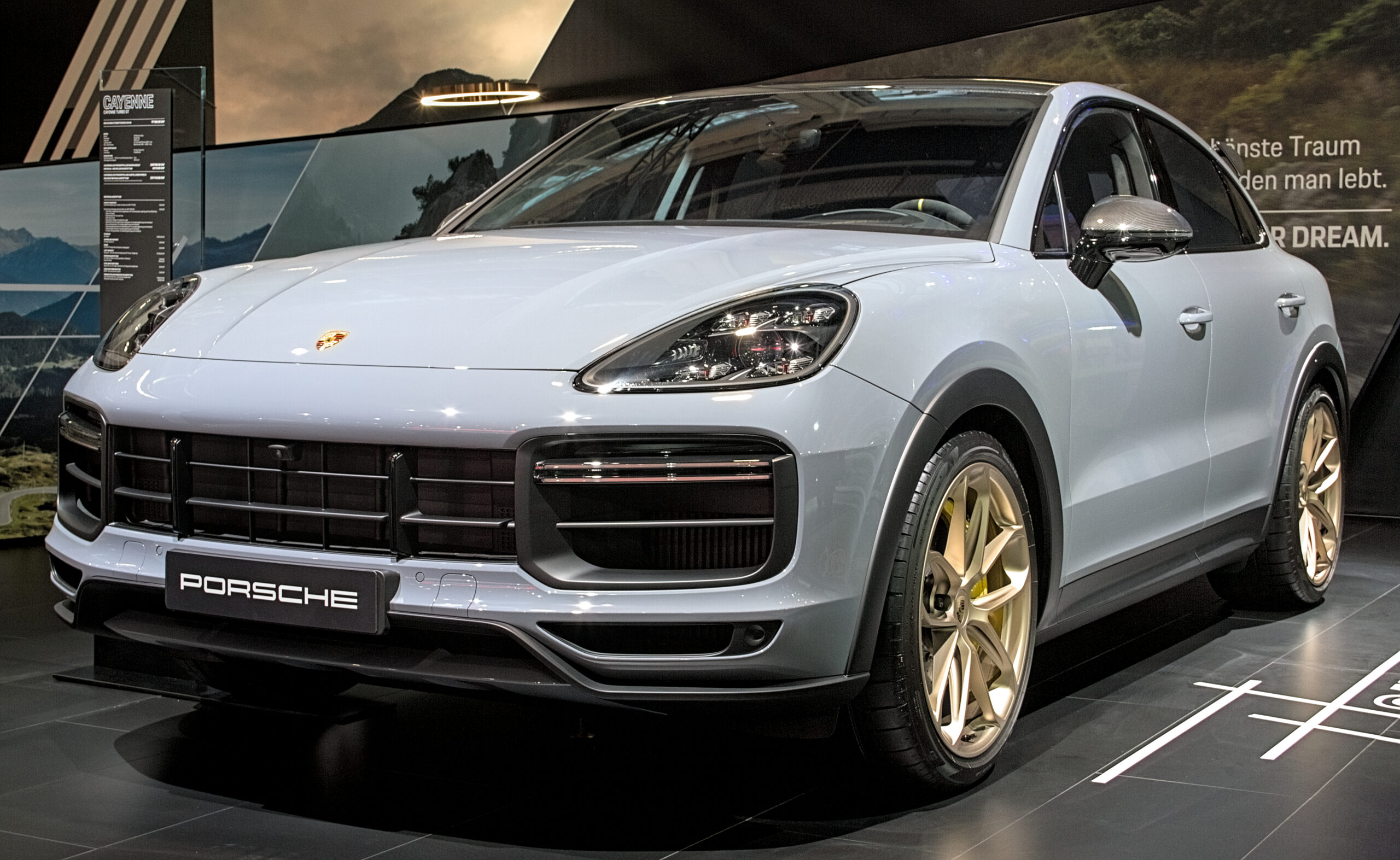
10. **Porsche Cayenne**The Porsche Cayenne, a midsize luxury SUV, presents a challenging ownership proposition from a repair cost perspective. With an annual average repair cost of approximately $1,231, it significantly exceeds the $807 average cost for its segment. This makes the Cayenne one of the most expensive vehicles to maintain within its class.
Its reliability rating is particularly concerning, scoring just 1.5 on RepairPal’s list, which places it last among the 14 midsize luxury SUVs evaluated. This low score reflects a consistent pattern of issues that contribute to its high operating costs and frequent need for professional intervention.
Adding to the financial burden, the Porsche Cayenne is explicitly identified as one of three vehicles in the study that not only winds up in the shop unexpectedly at least once a year but also carries a probability over 20% of there being a major issue. This combination of high frequency and high severity of repairs positions the Cayenne as a model with considerable financial risk for owners.
Prospective buyers attracted to the Cayenne’s performance and luxury should be fully aware of these data points. The high repair frequency, the elevated likelihood of serious problems, and its position at the bottom of reliability rankings mean that this vehicle is a consistent drain on owners’ wallets, transforming the dream of Porsche ownership into a costly reality.
Car Model Information: 2016 Porsche Cayenne Turbo S
Name: Porsche Cayenne
Manufacturer: Porsche
Production: August 2002–present
ModelYears: 2003–present
Class: crossover SUV
Layout: Front-engine, four-wheel-drive
Categories: 2010s cars, 2020s cars, All-wheel-drive vehicles, All articles needing additional references, All articles with dead external links
Summary: The Porsche Cayenne is a series of automobiles manufactured by the German company Porsche since 2002. It is a luxury crossover SUV, and has been described as both a full-sized and a mid-sized vehicle. The first generation was known within Porsche as the Type 9PA (955/957) or E1. It was the first V8-engined vehicle built by Porsche since 1995, when the Porsche 928 was discontinued. It is also Porsche’s first off-road variant vehicle since its Super and Junior tractors of the 1950s, as well as the first production Porsche with four doors. Since 2014, the Cayenne has been sold alongside a smaller Porsche SUV, the Macan.
The second-generation Cayenne (Type 92A or E2) was unveiled at the 2010 Geneva Motor Show in March. The Cayenne shares its platform, body frame, doors, and electronics with the Volkswagen Touareg and Audi Q7. It received a facelift in 2014 with minor external changes, and introduced a new plug-in E-Hybrid version with its public launch at the Paris Motor Show. Since 2008, all engines have featured direct injection technology. The third generation (Type 9YA or E3) was unveiled in 2017 in the German city of Stuttgart.
Get more information about: Porsche Cayenne
Buying a high-performing used car >>>
Brand: Porsche Model: Cayenne
Price: $44,365 Mileage: 81,796 mi.
Read more about: The Torque Test: Unveiling the Towing Prowess of 15 Top Electric Trucks and SUVs – From Mighty Haulers to Range Considerations
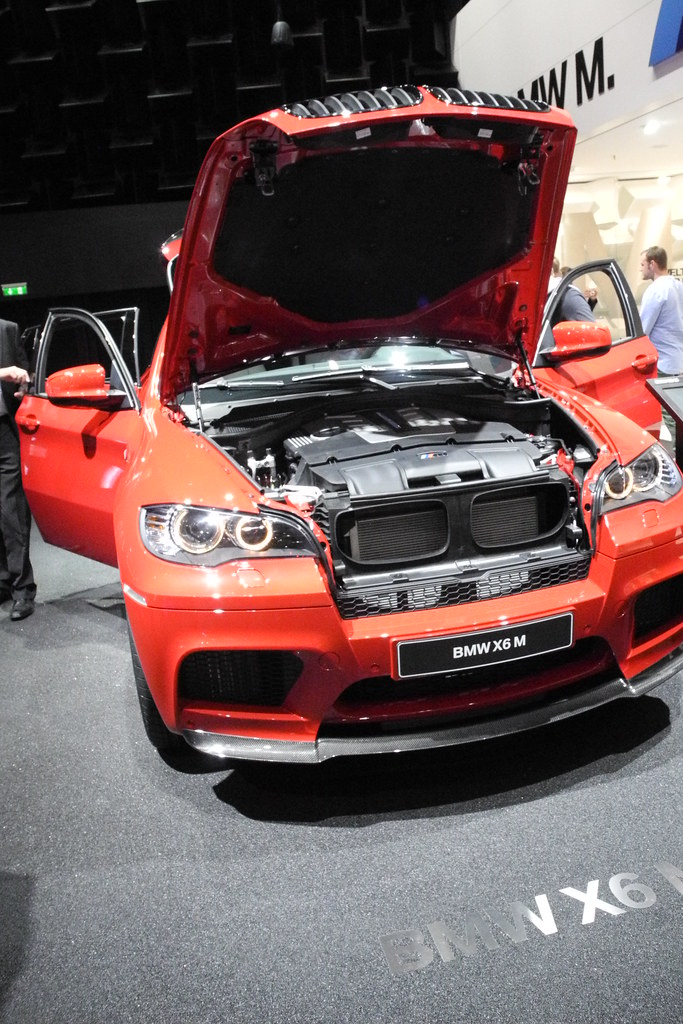
11. **BMW X6**The BMW X6, another full-size luxury SUV from the renowned German manufacturer, is recognized for being expensive both to purchase and to maintain. Its annual repair costs, at $1,206, are slightly above the average for its segment. However, it is the frequency and severity of its repairs that truly distinguish it as a high-cost vehicle to own.
Owners of the BMW X6 can expect their vehicle to require unscheduled repairs approximately once per year. This frequency is higher than the average for its class, indicating a more regular need for professional servicing. Such frequent trips to the workshop can quickly accumulate significant expenses, even if individual repairs are not always catastrophic.
Moreover, the probability of a repair being severe for the BMW X6 is 21%, which is noticeably higher compared to the 19% average for its segment. This suggests that when an issue arises, it is more likely to be a complex and expensive problem. The combination of above-average frequency and higher-than-average severity translates directly into substantially increased long-term ownership costs.
For those considering a BMW X6, these figures underscore the importance of budgeting not just for the purchase price but also for substantial ongoing maintenance and repair expenditures. The X6 exemplifies how cutting-edge luxury and performance can come with a premium on upkeep, making it a financial commitment that extends well beyond the initial acquisition.
Car Model Information: 2023 BMW X6 xDrive40i
Name: BMW X6
Caption: BMW X6 (G06)
Manufacturer: BMW
Production: December 2007 – present
ModelYears: 2008–present
Class: Executive car,crossover SUV
BodyStyle: coupé SUV
Layout: Front-engine, four-wheel-drive
Related: BMW X5
Categories: 2000s cars, 2010s cars, 2020s cars, All-wheel-drive vehicles, All Wikipedia articles written in British English
Summary: The BMW X6 is a mid-size luxury crossover SUV by German automaker BMW. The BMW X6 is the originator of the sports activity coupé (SAC), referencing its sloping rear roof design. It combines the attributes of an SUV (high ground clearance, all-wheel drive and all-weather ability, large wheels and tires) with the stance of a coupé (styling featuring a sloping roof). It is built in BMW’s North American plant in Greer, South Carolina alongside the BMW X5, whose platform it shares. Prior to the release of the X7, the X6 was considered a flagship SUV for BMW.
The first generation (E71) was released for sale in April 2008 for the 2008 model year, while the second-generation X6 (F16) was launched at the Paris Motor Show in 2014. The third-generation X6 was revealed in July 2019.
Get more information about: BMW X6
Buying a high-performing used car >>>
Brand: BMW Model: X6
Price: $63,487 Mileage: 13,679 mi.
Read more about: Go Green, Save Green: 14 Gas-Guzzlers You Absolutely Should Not Keep in 2025, According to Emissions Data and Auto Experts
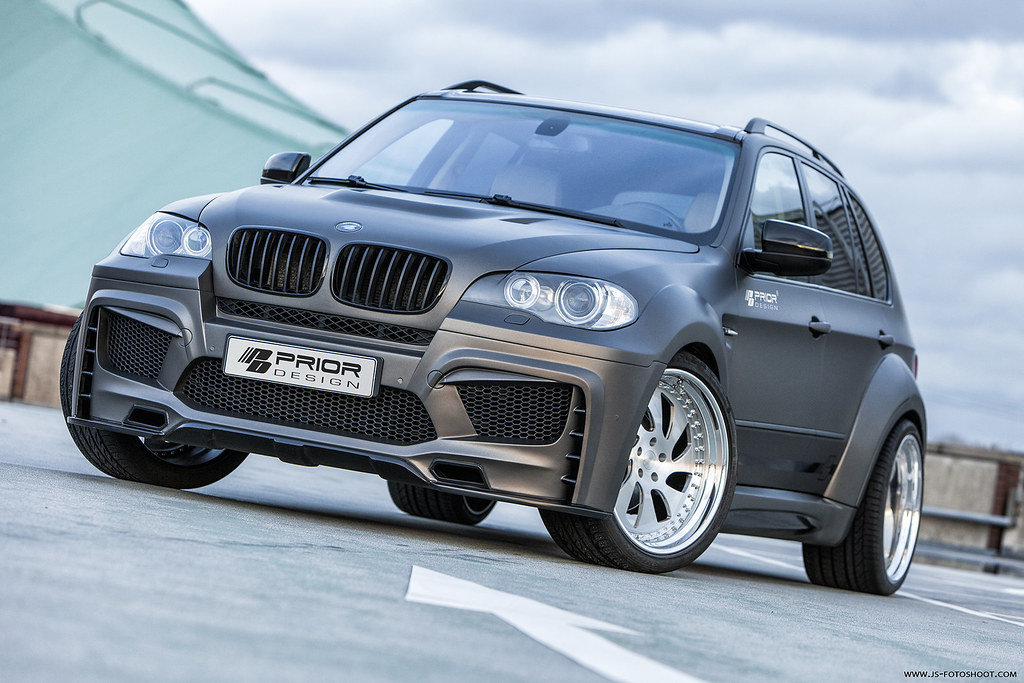
12. **BMW X5**The BMW X5, a luxury full-size SUV, also demonstrates a pattern of high repair costs that warrants close attention from potential owners. With an average annual repair cost of $1,166, it is significantly more expensive to maintain annually compared to the average for its compact SUV counterparts. This indicates a consistent need for higher budgetary allocation for its upkeep.
Its reliability rating, assessed at two out of five, places it 13th out of 19 vehicles in the luxury full-size SUV category according to RepairPal. This below-average reliability score suggests that the X5 is more prone to issues than many of its competitors, contributing to more frequent unscheduled visits to the repair shop.
Owners of the BMW X5 are also more likely to face unexpected repairs compared to those with other SUVs in the segment. While the context notes that the repairs themselves are slightly less likely to be serious, the higher frequency of these occurrences, combined with the elevated annual costs, results in a substantial overall financial burden. This makes predicting and budgeting for maintenance more challenging.
Therefore, while the BMW X5 offers a luxurious driving experience, its propensity for higher annual repair costs and more frequent unexpected repairs means that the true cost of ownership extends significantly beyond the sticker price. Buyers should factor these potential expenses into their decision-making process to avoid unwelcome financial surprises.
Car Model Information: 2015 BMW X5 xDrive35i
Name: BMW X5
Manufacturer: BMW
Class: Mid-size,luxury vehicle,crossover SUV
BodyStyle: SUV
Production: 1999–present
Layout: Front-engine, four-wheel-drive layout,Front-engine, rear-wheel-drive layout
Categories: 2000s cars, 2010s cars, All-wheel-drive vehicles, All articles with unsourced statements, Articles with short description
Summary: The BMW X5 is a mid-size luxury crossover SUV produced by BMW. The X5 made its debut in 1999 as the E53 model. It was BMW’s first SUV. At launch, it featured all-wheel drive and was available with either a manual or automatic gearbox. The second generation was launched in 2006, and was known internally as the E70. The E70 featured the torque-split capable xDrive all-wheel drive system mated to an automatic gearbox. In 2009, the X5 M performance variant was released as a 2010 model.
BMW marketed the X5 officially as a “Sports Activity Vehicle” (SAV), rather than an SUV, to indicate its on-road handling capability despite its large dimensions. The X5 signaled a shift away from the utilisation of body-on-frame construction, in favour of more modern monocoque chassis construction. Although the Mercedes-Benz M-Class was introduced more than a year prior to the X5, the X5 was the first to utilise a monocoque chassis. The M-Class used body-on-frame construction until its second generation.
The X5 is primarily manufactured in North America, at BMW Group Plant Spartanburg. Assembly operations also took place in Russia by Avtotor until February 2022, along with operations in India, Indonesia, Malaysia, and Thailand. The X5 is also modified for armoured security versions, at the BMW de México Toluca plant.
The automaker’s SAV series, which was started by the X5, has expanded with derivations of other number-series BMWs. This began in 2003 with the X3, and continued in 2008 with the X6 (which shares its platform with the X5).
Get more information about: BMW X5
Buying a high-performing used car >>>
Brand: BMW Model: X5
Price: $11,998 Mileage: 139,385 mi.
Read more about: Go Green, Save Green: 14 Gas-Guzzlers You Absolutely Should Not Keep in 2025, According to Emissions Data and Auto Experts
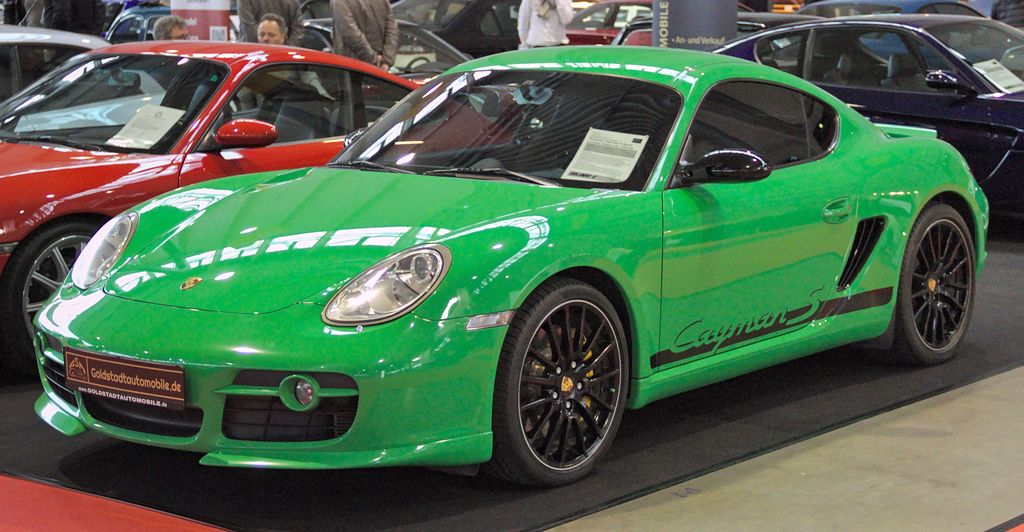
13. **Porsche Cayman**The speedy Porsche Cayman, classified as a luxury compact car, ranks as one of the priciest options for annual repairs in its segment, with an average cost of $1,135. This figure places it well above the average for other luxury compact cars, signaling that its performance-oriented design and specialized components contribute to higher maintenance expenditures.
While the Cayman tends to visit the shop for unscheduled repairs an average amount of times compared to its segment competitors, the nature of these repairs is a significant concern. The context highlights that these repairs are far more likely to be serious—a substantial 19% probability compared to just 11% for the average luxury compact vehicle.
This disproportionately high probability of serious issues means that even an average frequency of repairs will translate into much higher bills. The specialized engineering, high-performance parts, and intricate systems inherent to a Porsche mean that even minor-sounding issues can quickly escalate into expensive fixes requiring expert attention and often costly, brand-specific components.
For enthusiasts drawn to the Porsche Cayman’s thrilling driving dynamics, it is crucial to understand that this performance comes with a considerable financial reality concerning repairs. The combination of high annual costs and a significantly elevated risk of severe problems makes the Cayman a luxury compact car that demands a robust maintenance budget.
Car Model Information: 2016 Porsche Cayman GTS
Name: unbulleted list
Caption: Porsche Boxster Spyder (718)
Manufacturer: Porsche
Aka: unbulleted list
Production: unbulleted list
Assembly: unbulleted list
Class: Sports car
BodyStyle: unbulleted list
Related: unbulleted list
Layout: Rear mid-engine, rear-wheel drive layout
Predecessor: Porsche 968
Categories: All Wikipedia articles written in British English, All articles needing additional references, All articles with dead external links, All articles with unsourced statements, Articles needing additional references from August 2025
Summary: The Porsche Boxster and Cayman are mid-engine two-seater sports cars manufactured and marketed by German automobile manufacturer Porsche across four generations—as a two-door, two-seater roadster (Boxster) and a three-door, two-seater fastback coupé (Cayman).
The first generation Boxster was introduced in 1996; the second generation Boxster and the Cayman arrived in late 2005; and the third generation launched in 2012. Since the introduction of the fourth generation in 2016, the two models have been marketed as the Porsche 718 Boxster and Porsche 718 Cayman.
The nameplate Boxster is a portmanteau of boxer, a reference to its flat or boxer engine, and Speedster, a nod to the original Porsche Speedster of the 1950’s. The nameplate Cayman is an alternative spelling of caiman, a member of the alligator family.
In May 2025 Porsche North America confirmed the rumours that global “production for all current 718 Boxster and 718 Cayman variants, including RS models, is scheduled to end in October of” 2025. Porsche CEO Oliver Blume has confirmed future production of full-electric replacements but said they will arrive in the “medium term.”
Get more information about: Porsche Boxster and Cayman
Buying a high-performing used car >>>
Brand: Porsche Model: Cayman
Price: $79,980 Mileage: 16,833 mi.
Read more about: The Ultimate Transmission Tease: Scoring 10 Iconic Cars from Satisfying Throws to Grind City
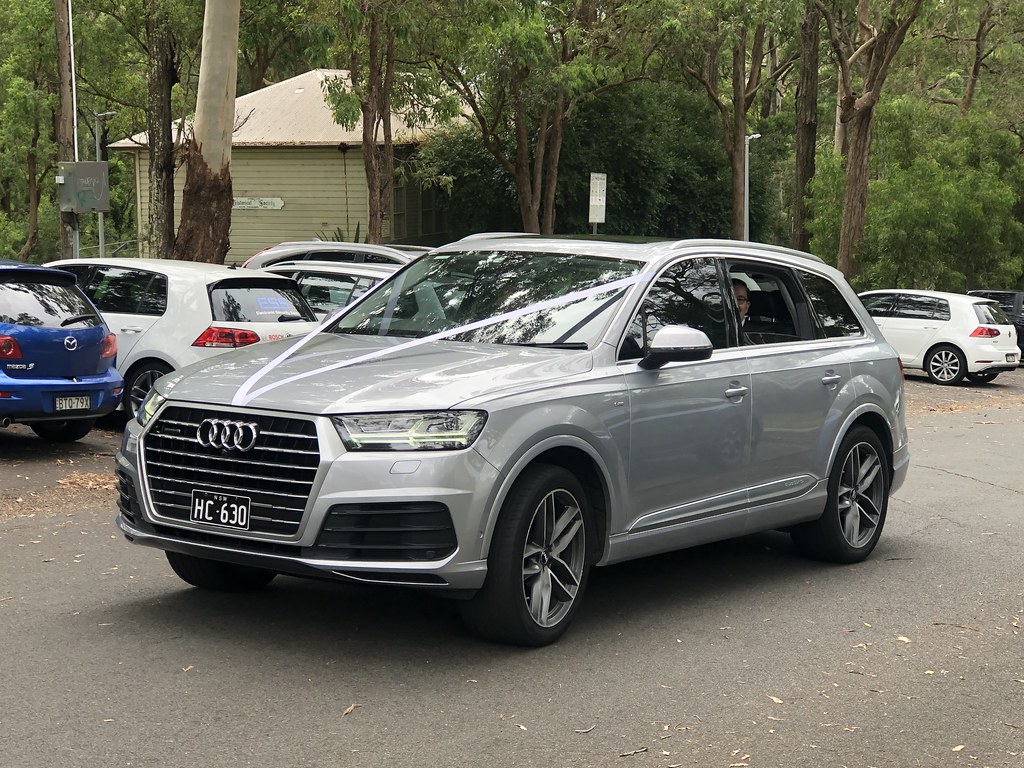
14. **Audi Q7**The Audi Q7, a full-size luxury SUV, also warrants attention for its repair costs, which are notably higher than the segment average. Owners can expect an average annual repair cost of $1,185. This elevated cost indicates that maintaining a Q7 involves a premium, reflecting the vehicle’s sophisticated engineering and advanced features.
Furthermore, the frequency of unscheduled fixes for the Audi Q7 is slightly higher than the average for full-size luxury SUVs. While this might not be as extreme as some other vehicles on our list, it still points to a greater likelihood of needing professional attention outside of routine service intervals, adding to the overall cost and inconvenience of ownership.
Interestingly, the probability of needing major repairs for the Audi Q7 is lower than average for its segment, at 13% compared to the segment average of 19%. While this might offer some relief regarding the severity of individual incidents, it does not fully offset the impact of higher annual costs and more frequent repair visits.
Despite the comparatively lower likelihood of a major repair, the Audi Q7’s overall higher annual repair costs and increased frequency of unscheduled visits mean it remains a vehicle that requires a significant financial commitment to keep on the road. Prospective buyers should weigh these ongoing expenses against the allure of its luxury and performance.
**Conclusion: Driving Away from Financial Pitfalls**
As we have thoroughly explored throughout this in-depth analysis, the dream of owning a luxury car often comes with a hidden financial reality that extends far beyond the initial purchase price. The 14 models discussed—ranging from flagship sedans to high-performance SUVs—demonstrate a consistent trend: specialized parts, advanced technology, skilled labor requirements, and limited parts availability converge to create astronomical repair bills.
Our data-driven insights highlight that while prestige and performance are undeniable draws, the ongoing costs of maintenance and unexpected repairs can quickly transform a symbol of success into a significant financial burden. Whether it’s the six-figure battery replacement for a Tesla Model S or the complex suspension system of an Audi A8, these vehicles demand a deep understanding of their long-term financial implications.
Car Model Information: 2021 Audi Q7 55 Premium Plus
Name: Audi Q7
Manufacturer: Audi AG
Production: November 2005–present
ModelYears: 2006–present
Class: Full-size,luxury SUV
BodyStyle: SUV
Layout: Longitudinal engine,front-engine, four-wheel-drive
Sp: uk
Categories: 2010s cars, 2020s cars, All-wheel-drive vehicles, All Wikipedia articles written in British English, All articles with dead external links
Summary: The Audi Q7 is a crossover SUV made by the German manufacturer Audi, unveiled in September 2005 at the Frankfurt Motor Show. Production of this seven-seater SUV began in November 2005 at the Volkswagen Bratislava Plant in Bratislava, Slovakia.
The Q7 was the first SUV sold by Audi and went on sale in 2006. Later, Audi’s second SUV, the Q5, was unveiled as a 2009 model. Audi has since unveiled a third SUV model, the Q3, which went on sale in the third quarter of 2011, and a fourth SUV model, the Q2, which went on sale in November 2016. The Q7 shares a Volkswagen Group MLB platform and chassis with the Bentley Bentayga, Lamborghini Urus, Porsche Cayenne and the Volkswagen Touareg.
The Q7 is the second largest vehicle from Audi, being surpassed by the Q6 since 2022. While the Q7 has been the flagship SUV in Audi’s product portfolio, a top-of-the-line model with a lower roof, called the Audi Q8, was released in 2018.
It was one of the vehicles involved in the Volkswagen emissions scandal, with the company ordered to buy back some of the affected cars manufactured between 2009 and 2012. The Q7 is also subject to hundreds of NTSB complaints with many relating to potentially catastrophic engine failure issues, and a class-action lawsuit related to squealing brakes.
Get more information about: Audi Q7
Buying a high-performing used car >>>
Brand: Audi Model: Q7
Price: $28,991 Mileage: 52,765 mi.
Read more about: The Torque Test: Unveiling the Towing Prowess of 15 Top Electric Trucks and SUVs – From Mighty Haulers to Range Considerations
For any consumer considering a luxury vehicle, especially on the used market, the message is clear: research is paramount. Arming yourself with objective information about reliability ratings, average annual repair costs, and the probability of severe issues is the most effective way to make an informed decision. By carefully evaluating these factors, you can steer clear of the notorious money pits and ensure your luxury car ownership experience remains a pleasure, not a financial nightmare. Make informed choices, and drive confidently into 2026, free from unexpected repair bill shocks.