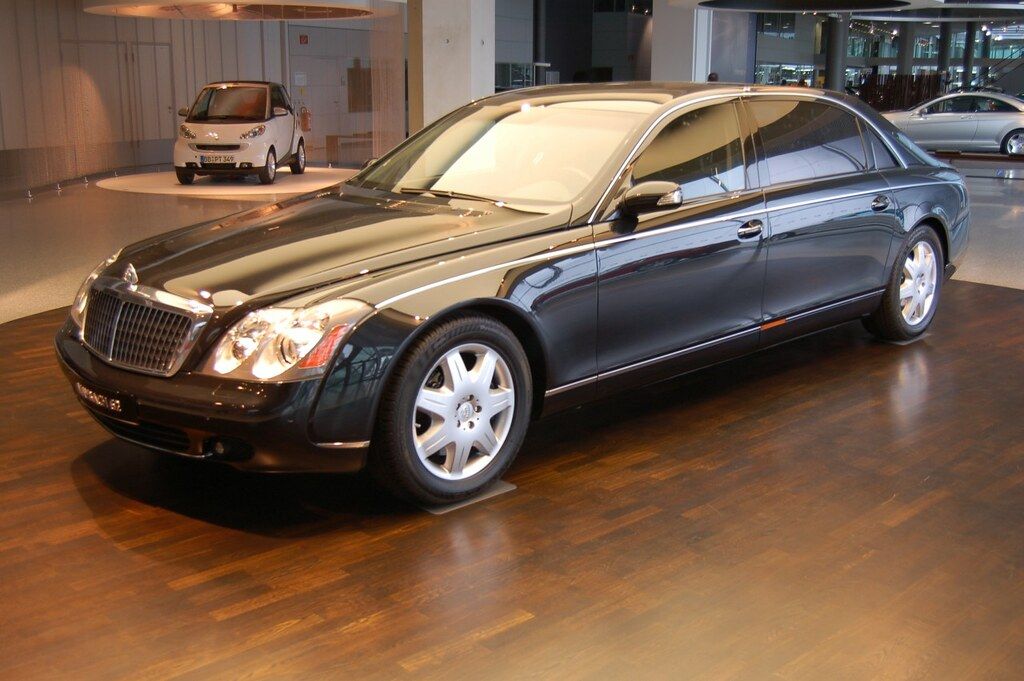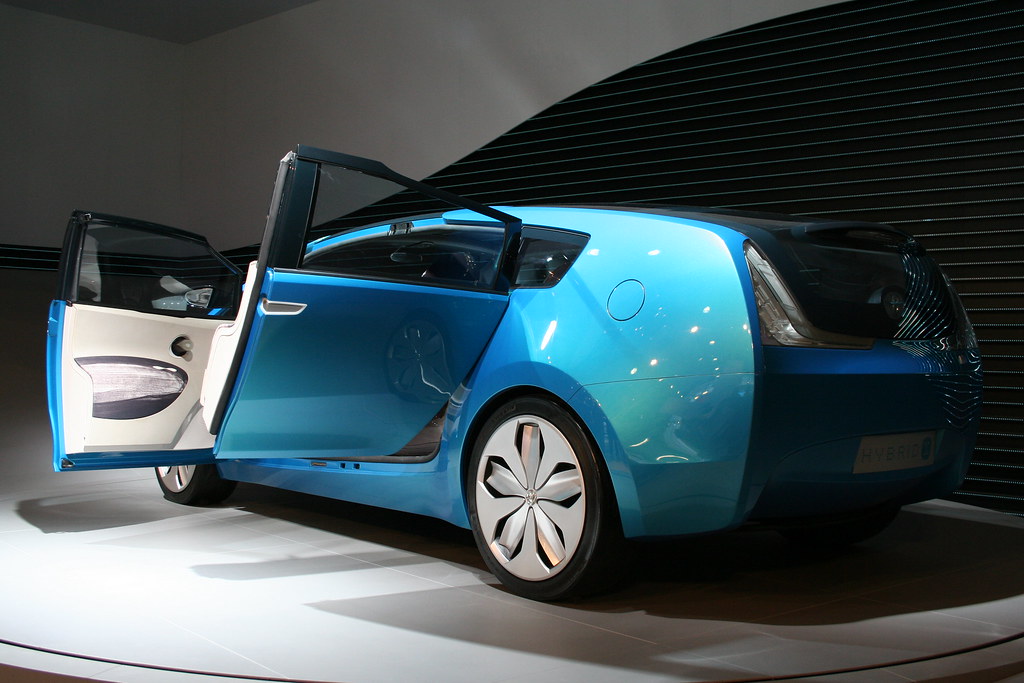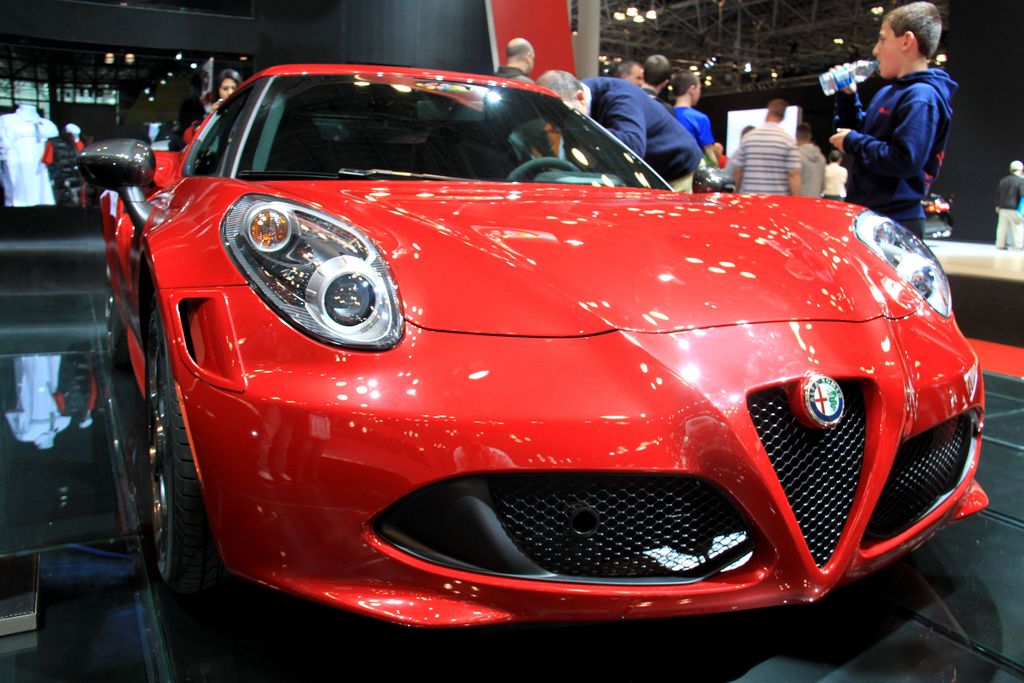
The allure of an Italian sports car is undeniable. From the sculpted lines of a Maserati MC12 to the groundbreaking hybrid power of a Ferrari LaFerrari, these machines represent the pinnacle of automotive artistry, engineering prowess, and sheer driving exhilaration. They embody speed, style, and a heritage of racing dominance, captivating enthusiasts and collectors worldwide.
Yet, beneath the glossy paintwork and the symphony of a race-bred V12 engine lies a reality that discerning owners and aspiring enthusiasts must confront: the considerable financial investment required for their upkeep. Luxury car brands, particularly those with unique designs and limited production like Rolls-Royce, Bentley, Bugatti, and indeed, Italy’s finest, are synonymous with astronomically priced replacement parts. This isn’t just about premium materials; it’s about bespoke engineering, specialized craftsmanship, and the inherent exclusivity of their components.
For those who appreciate the intricacies of automotive engineering and the unparalleled experience of owning a high-performance vehicle, understanding the potential costs of maintaining such a masterpiece is not merely practical—it’s part of the ownership journey. This deep dive will pull back the curtain on 14 of the most expensive parts to replace, offering a “Road & Track” perspective on why these components command such hefty price tags and what it means for the custodians of these magnificent Italian automotive icons.

1. **Engine: The Undisputed Heart of the Expense**Without question, the engine is the single most critical and financially demanding component to consider in any vehicle, especially in an Italian sports car. Whether you are a guru or merely a “driver” when it comes to cars, a damaged engine spells serious, wallet-draining trouble. Its function is primary: converting fuel into the raw power that propels these marvels of engineering forward, often with breathtaking speed and an intoxicating soundtrack.
Replacing an entire engine is not a simple task; it is a monumental undertaking that commands significant sums. The context states that for a typical car, the cost can range between $3,000 to $10,000. For an Italian sports car, with its meticulously crafted V8, V10, or V12 powerplant, often featuring bespoke designs, exotic alloys, and hand-assembly, this figure would easily soar into the tens of thousands, if not more, depending on the model and its rarity.
This is why the engine is consistently cited as the priciest part to replace, a reflection of its crucial role in power generation and the intricate network of systems it encompasses. The complexity of these high-performance engines means that even minor internal issues can necessitate extensive, specialized repairs, often requiring factory-trained technicians and proprietary diagnostic equipment, further inflating costs.
Read more about: The Million-Dollar Memories: Unveiling 15 Legendary Movie Props That Sold for Unbelievable Fortunes

2. **Engine Cylinders Block: The Core Structural Integrity**Integral to the engine’s operation is the cylinder block, the very foundation where combustion occurs. This robust structure encases the pistons, which move with incredible speed during the engine’s operation, facilitating the power strokes that define its performance. When this foundational component suffers damage, the consequences are immediate and often catastrophic, rendering the vehicle immobile.
Damages involving the car cylinders are noted as among the most expensive engine failures because the car simply won’t be able to drive, even to the repair station. This necessitates specialized towing and recovery, adding another layer to the already substantial repair bill. The precision engineering required to manufacture and machine these blocks for high-performance applications is immense.
Replacing an engine cylinder block can reach up to $8,000 in a standard vehicle, but for an Italian exotic, where lightweight alloys, precision tolerances, and intricate cooling passages are paramount, the expense is significantly higher. Such a repair is often not merely a replacement but an entire engine overhaul or even a complete engine swap, making it a pivotal factor in the overall cost of ownership.
Read more about: Toyota’s Hypothetical ‘Water Engine’: Unpacking Hydrogen’s Disruptive Potential and the Future of Mobility Beyond EVs
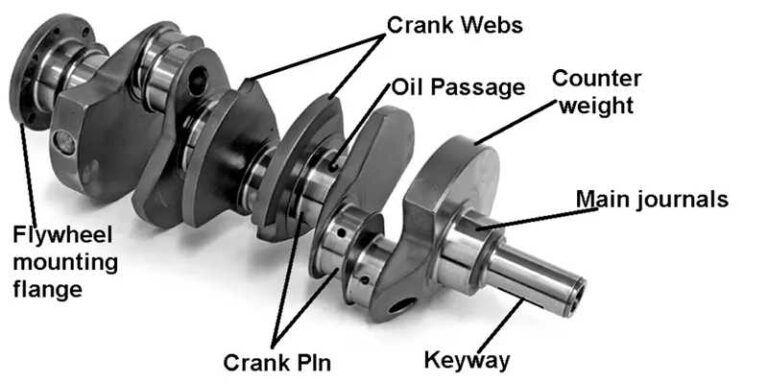
3. **Crankshaft: The Backbone of Power Delivery**The crankshaft serves as the indispensable link in the engine, translating the linear up-and-down motion of the pistons into rotational energy that ultimately drives the wheels. While the context suggests it “appears cheaper than the camshaft,” it remains a component of significant value and expense, especially given its crucial role in the engine’s mechanical operation.
Damage to the crankshaft is particularly problematic because it often doesn’t occur in isolation. Being central to the engine’s rotating assembly, a faulty crankshaft can quickly propagate further issues to other connected components, such as connecting rods, bearings, and even the engine block itself. This cascading effect underscores the urgency and importance of its prompt replacement.
Prices for a suitable replacement crankshaft can vary, generally falling between $500 to $800 for more common vehicles. However, in the realm of Italian sports cars, which demand extreme durability and precision under high-stress conditions, these components are often forged from specialized materials and balanced to incredibly fine tolerances. Expect the cost for a genuine OEM crankshaft for a Ferrari or Maserati to be multiples of this figure, reflecting its sophisticated design and manufacturing.
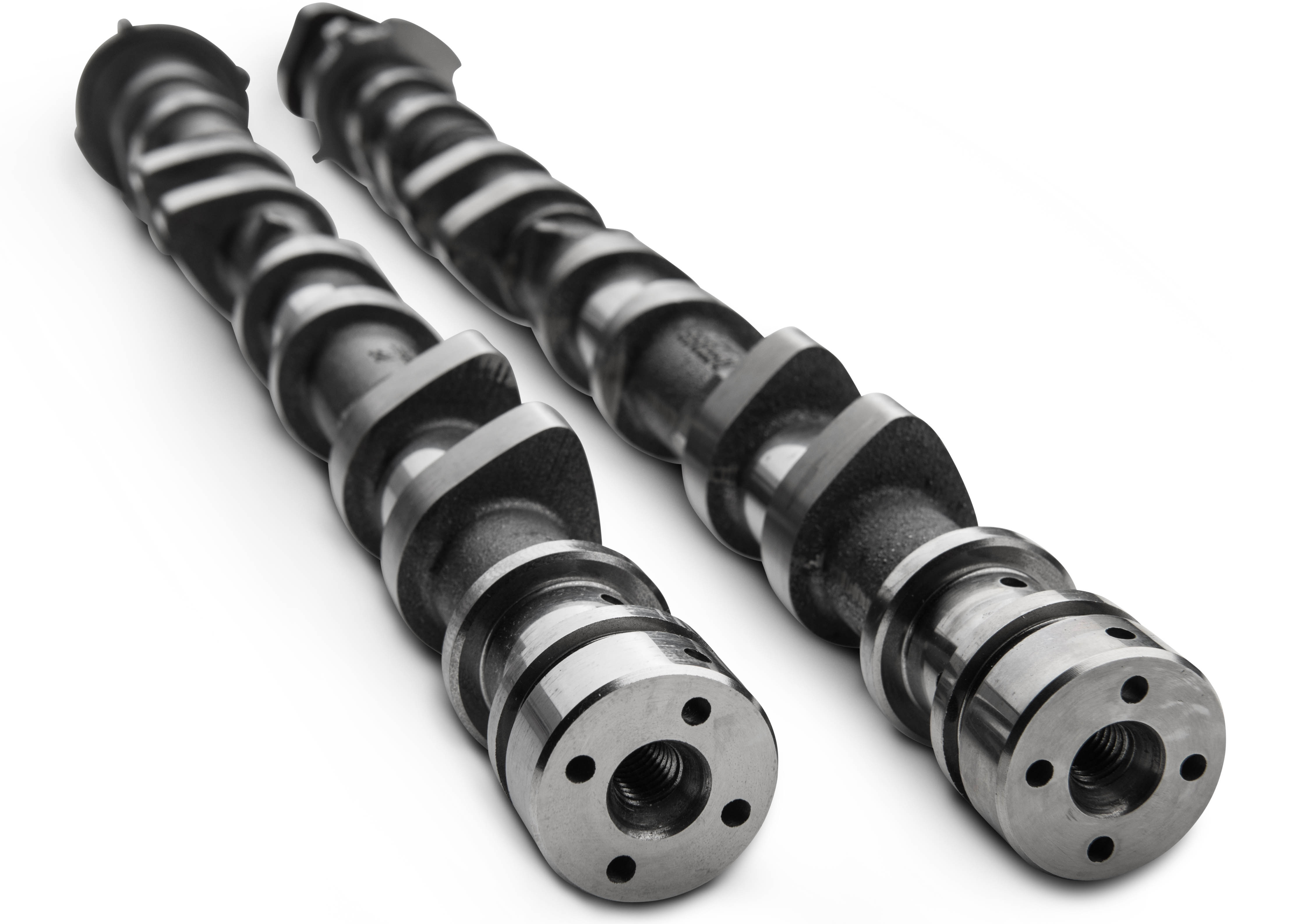
4. **Camshaft: Precision Timing and Sophisticated Control**The camshaft is a master orchestrator within the engine, meticulously controlling the opening and closing of the engine’s intake and exhaust valves. This precise timing is absolutely crucial for optimal engine breathing, power production, and efficiency. As the context rightly states, a broken camshaft, which can stem from poor maintenance, irregular engine oil changes, or simply prolonged use, can lead to noticeable signs of malfunction.
Given its direct control over the engine’s air intake, any fault in the camshaft necessitates immediate attention. Delaying repair can lead to further, more extensive engine damage, impacting overall performance and potentially causing catastrophic failure. The intricate relationship between the camshaft and valve timing is a testament to the engineering precision required in high-performance engines.
Replacement costs for a camshaft typically start around $2,000 and can easily go above that mark. For the multi-valve, often dual-overhead-cam (DOHC) configurations found in Italian V8, V10, and V12 engines, replacing a camshaft involves not just the part itself but also intricate labor for disassembly, precise timing adjustments, and reassembly. This makes it a significantly costly component, vital for maintaining the vehicle’s intended power output and smooth operation.

5. **Vehicle Transmission: Complexities of Power Transfer**Alongside the suspension, the vehicle transmission is one of the most significant systems responsible for a car’s movement, transferring power from the engine to the drive wheels. It is a marvel of mechanical engineering, precisely managing gear ratios to optimize acceleration and efficiency. Consequently, a faulty transmission is often cited as one of the most expensive car parts to replace, presenting a substantial financial hurdle for owners.
Replacing a transmission can range from $1,000 to $5,000 or even more, with age and complexity of the car being primary factors. For the sophisticated, often bespoke transmissions found in Italian sports cars – whether a lightning-fast dual-clutch unit or a robust manual derived from racing heritage – these costs will predictably fall at the very top end of this scale, or exceed it significantly. These transmissions are engineered to handle immense power and deliver instantaneous shifts, making them intrinsically complex and costly to repair.
The context highlights a stark reality: replacing a transmission in a used car can amount to as much as 50% of the vehicle’s purchase price, underscoring the necessity for thorough inspection before buying. For Italian sports cars, where the initial purchase price is already stratospheric, a transmission replacement represents a colossal investment, a true testament to the intricate and proprietary nature of these high-performance gearboxes.
Read more about: Revving Up Your Portfolio: 15 Classic Cars That Could Drive Exponential Returns
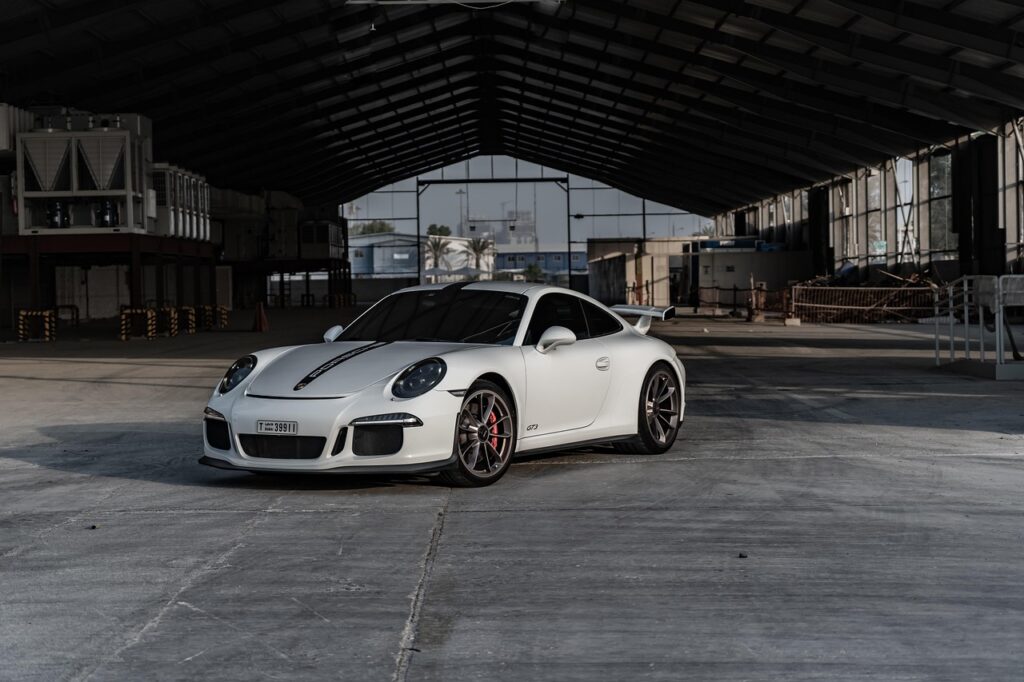
6. **The Engine Alternator: Powering the Elaborate Electrical Demands**In modern vehicles, and especially in feature-rich Italian sports cars, the engine alternator plays an absolutely vital role as the heart of the electrical system. It is responsible for continuously charging the car’s battery and supplying power to all the myriad electrical components when the engine is running. Consequently, issues associated with the alternator are often feared by car owners due to their widespread impact.
When the alternator becomes faulty, it poses a direct risk to the sensitive electrical system of the entire vehicle. Without a consistent and adequate power supply, everything from the infotainment system to crucial engine management electronics can malfunction or incur damage. Modern Italian sports cars are bristling with advanced electronics, making a healthy alternator even more paramount.
Despite its seemingly humble function compared to the engine block, the engine alternator is nonetheless considered one of the most expensive car parts globally to replace. A suitable replacement, including installation, can cost up to $1,000. For Italian exotics, with potentially specialized alternators designed for high-load, high-RPM applications, this cost could escalate further, reflecting the demands placed on every component in such a vehicle.

7. **The Engine Control Unit (ECU): The Brain of Modern Performance**The Engine Control Unit, commonly referred to as the ECU or the car’s computer, is arguably the most essential electronic component in modern vehicles. It functions as the central nervous system, constantly interpreting data from a vast array of sensors throughout the car. Based on these inputs, the ECU meticulously controls various vehicle electronics, precisely managing ignition timing, fuel injection, and many other critical engine parameters.
Given its indispensable role as the “brain,” the ECU stands out as one of the most expensive parts in existence within vehicles. Car owners may face replacement costs ranging from $500 to $1,500, with the price highly dependent on the car’s make and model. In the case of Italian sports cars, these ECUs are often proprietary, programmed with complex algorithms optimized for extreme performance, and designed to manage sophisticated systems, pushing replacement costs towards the higher end of this spectrum, or even beyond.
Its failure can lead to a host of performance issues, from reduced power and fuel efficiency to outright engine immobility. The sophisticated nature of modern performance engines, particularly those found in iconic Italian machines, relies heavily on a perfectly functioning ECU for optimal output, efficiency, and the precise, exhilarating driving experience that owners expect. Repair or replacement often requires specialized diagnostic tools and programming, further adding to the expense.” , “_words_section1”: “1948
Navigating the complexities and costs of maintaining an Italian sports car extends far beyond the engine bay. These automotive masterpieces, renowned for their exhilarating performance and exquisite design, incorporate a myriad of advanced systems, each a testament to meticulous engineering. Understanding the financial implications of replacing components in these vital auxiliary and chassis systems is crucial for any owner or enthusiast.
Our journey into the substantial expenses of Italian sports car ownership continues, moving beyond the core powertrain to explore additional vital systems that contribute significantly to the vehicle’s character, safety, and overall cost of upkeep. These components, while sometimes less overtly dramatic than a V12 engine, are equally critical to the car’s performance envelope and the refined experience it offers. As we delve into the next seven items, we continue to uncover why these parts command premium prices, reflecting their advanced technology and integration into some of the world’s most desired automobiles.

8. **Catalytic Converter: Guardians of Clean Exhaust**Tucked away between the engine and the muffler, the catalytic converter plays an indispensable role in ensuring that the exhilarating performance of an Italian sports car doesn’t come at an undue environmental cost. Its primary function is the conversion of the car’s harmful byproducts from combustion into less toxic emissions. This complex chemical process is vital for keeping the environment safe from the toxic gases produced by internal combustion engines, making it a critical component in modern automotive design.
Unlike many other components that might be repaired, a bad catalytic converter has fewer chances of being salvageable. When it fails, replacement is almost always the only viable solution to restore proper emissions control. This necessity for full replacement, rather than repair, immediately elevates the cost, with prices typically starting around $1,500 and frequently climbing higher. For the advanced, high-performance Italian machines, the specific design and materials required for their sophisticated emissions systems mean that these costs are invariably at the higher end of the spectrum, if not exceeding it considerably.
Moreover, the intricate design of these converters often involves rare precious metals, which are essential for their catalytic function, further contributing to their substantial cost. Ensuring that this component functions optimally is not just about environmental responsibility; it’s also about maintaining the car’s peak performance and compliance with stringent regulations, reflecting the holistic engineering approach taken by Italian manufacturers.

9. **Electric or Hybrid Car Battery: The Power Source of Innovation**In the vanguard of automotive innovation, hybrid and electric Italian sports cars introduce a new dimension of performance and efficiency, largely powered by their advanced battery packs. These sophisticated units are the very heart of the vehicle’s electric propulsion system, though, with constant use, they will eventually reach a point where they can no longer hold a charge effectively. Fortunately, these high-tech batteries come with a commendable life expectancy, often reaching up to 100,000 miles or eight years with proper maintenance.
However, the surprising reality for many owners is the profound cost associated with replacing these critical energy reservoirs. As the “heart of hybrid or electric vehicles,” these battery packs are inherently pricey, reflecting the cutting-edge technology and specialized design embedded within them. The cost for a suitable battery replacement for a hybrid vehicle can range significantly, typically falling between $1,000 and $4,000, and for a high-performance Italian exotic, this figure can often reach the upper echelons or surpass it.
The heightened price tag of hybrid batteries stems from their advanced technology, intricate internal architecture, and the specialized materials used to achieve the demanding power output and longevity required by such vehicles. This makes hybrid battery replacement a significant financial factor for owners, emphasizing the “price of innovation” that comes with embracing these eco-conscious yet ferociously powerful machines.
Read more about: Beyond the Hype: 14 Notorious Electric Car Failures, Battery Blunders, and Range Misses That Hindered EV Adoption
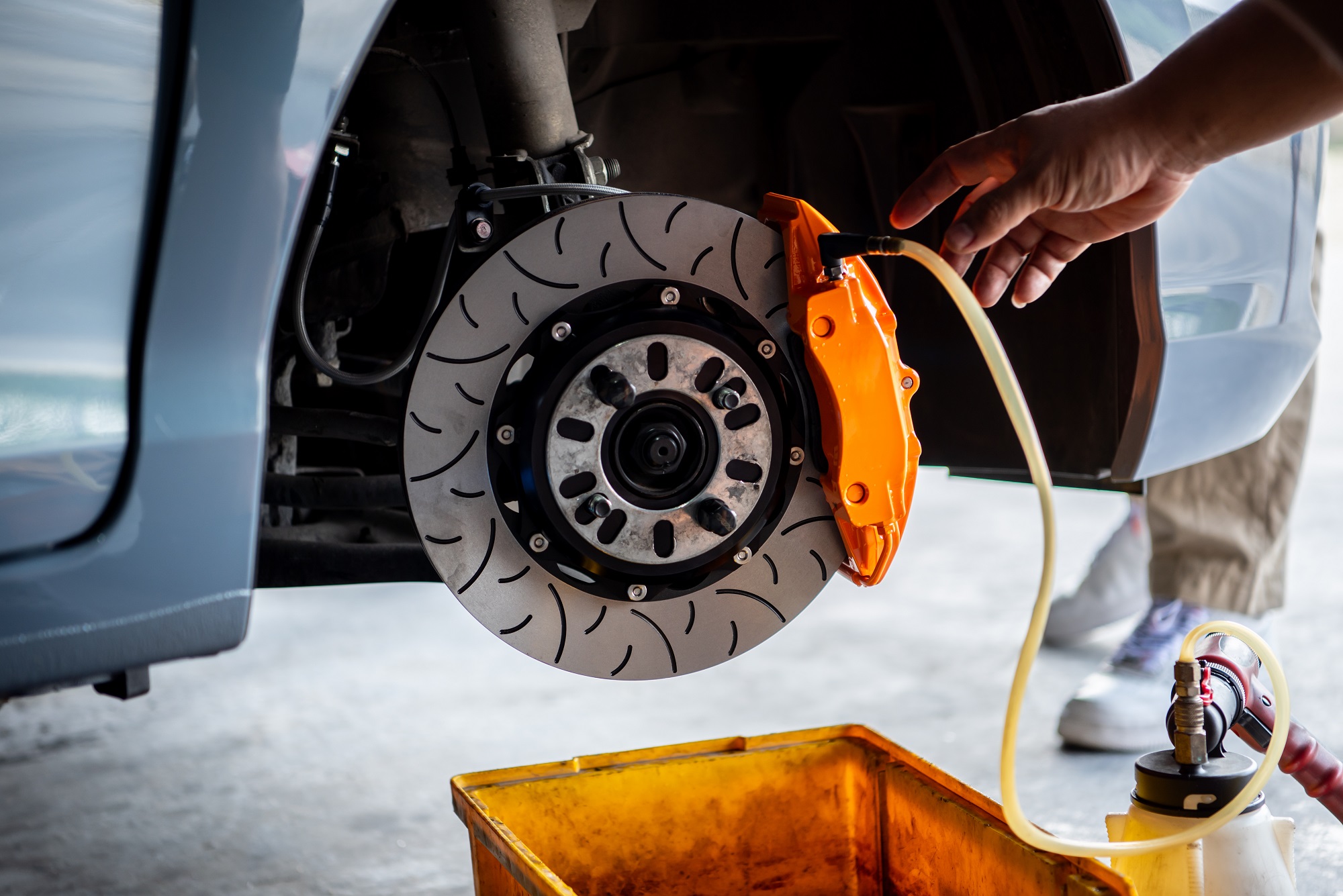
10. **The Brake Line: Ensuring Uncompromised Safety and Control**The braking system of any vehicle is paramount, acting as the ultimate arbiter of safety, and within this critical network, the brake lines play an essential role. These robust conduits are responsible for transmitting the hydraulic force from the brake pedal directly to the brake pads or shoes, inhibiting motion through the absorption of energy. For an Italian sports car, where speeds are breathtaking and demands on deceleration are extreme, the integrity of the brake line is absolutely non-negotiable for safe and confident driving.
The unfortunate reality is that brake lines, over time, can succumb to corrosion, develop leaks, or suffer damage, necessitating immediate attention. Driving with compromised brake lines is an unequivocal safety hazard, and car experts universally advise against it. If disintegration of the brake line occurs, the financial outlay for repair can be substantial. Rather than attempting a localized repair, the common and recommended practice is to replace the entire brake line assembly to prevent further, potentially catastrophic, failures.
The average cost for such a replacement hovers around $1,000 but can easily escalate higher depending on the specific make and model of the car. For Italian sports cars, these components are engineered for extreme performance, high temperatures, and immense pressure. The use of specialized materials, often lighter and more durable, coupled with intricate routing within a sophisticated chassis, means that genuine OEM brake lines for a Ferrari, Lamborghini, or Maserati will invariably command a premium price, ensuring that the car’s unparalleled stopping power remains uncompromised.

11. **Air Conditioning Compressor: Maintaining Cabin Serenity**While often overshadowed by discussions of engine output or chassis dynamics, the air conditioning system plays a crucial role in the overall driving experience, especially in a high-performance Italian sports car where comfort complements exhilaration. The air conditioning compressor, in particular, is a vital component, separating low and high air pressure to ensure that Freon gas effectively cools the vehicle’s interior. In regions prone to heat, a functioning A/C system becomes not just a luxury but a necessity, making its components among the most expensive car parts globally to replace when they falter.
Over time and with constant use, this intricate compressor, like any mechanical part, can develop faults. Whether it’s a refrigerant leak, an electrical malfunction, or a complete compressor failure, any issue necessitates prompt attention. The complexities involved in diagnosing and repairing these systems, especially in the tightly packaged engine bays of Italian exotics, contribute significantly to the overall expense.
A suitable replacement for an A/C compressor, including installation, can typically cost up to $500. However, for an Italian luxury sports car, where the climate control system is often highly integrated, electronically controlled, and designed for optimal performance even under extreme driving conditions, the specific components and the specialized labor required can push this cost higher. Ensuring a cool and comfortable cabin is an integral part of the refined ownership experience these vehicles promise.
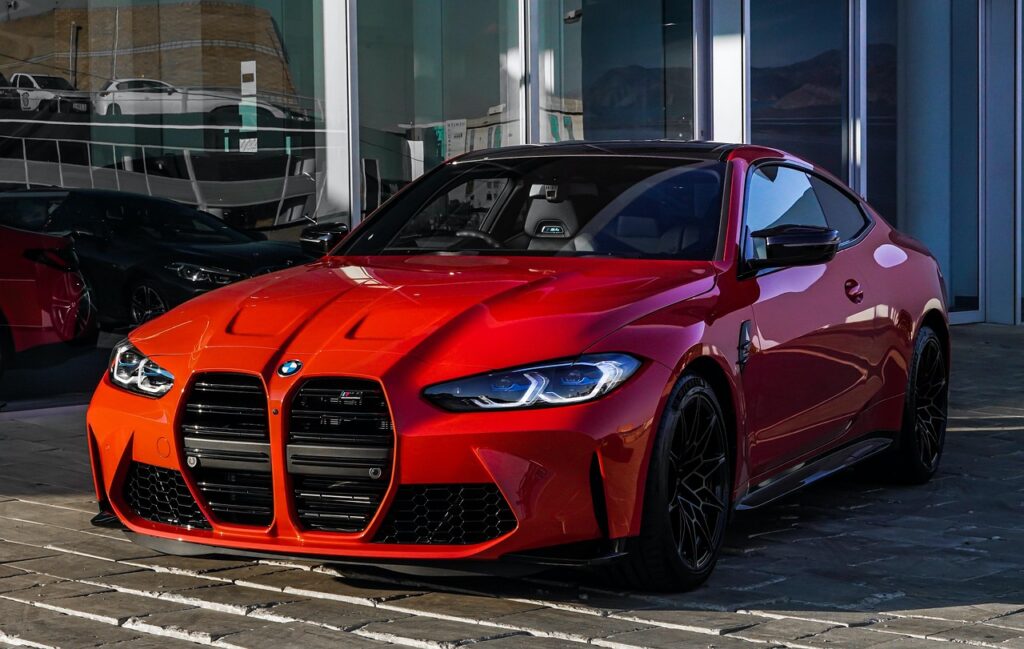
12. **The Fuel Pump: Precision Fuel Delivery for Performance**The fuel pump is an unsung hero within the elaborate symphony of an Italian sports car’s engine, yet its essential function makes it one of the more expensive and critical components to maintain. Tasked with supplying the precise amount of fuel at the correct pressure to be injected into the combustion cylinders, it directly impacts the engine’s ability to generate its legendary power. A properly functioning fuel pump is fundamental to consistent, high-performance operation and the exhilarating driving dynamics these cars are celebrated for.
When a fuel pump begins to falter, the repercussions can be immediately noticeable and significantly detrimental to the vehicle’s performance. Symptoms can range from compromised fuel efficiency and a noticeable loss of power to the severe inconvenience of the car simply refusing to start. Given that fuel pumps typically endure between 100,000 to 200,000 miles before needing replacement, diligent owners plan for this eventual expenditure.
A suitable replacement fuel pump generally falls within a price range of $400 to $800. However, in the realm of Italian sports cars, where engines demand high-volume, high-pressure fuel delivery to sustain immense power outputs, fuel pumps are often bespoke, engineered with exacting tolerances and premium materials. These specialized requirements easily push the cost of a genuine OEM replacement beyond the typical figures, reflecting their crucial role in the vehicle’s ultimate performance and responsiveness.
Read more about: Edmunds’ Top Picks for 2025: Discover the Vehicles Setting New Standards in Automotive Excellence

13. **Steering Box: Directing Power with Precision**The steering box is a fundamental component of a vehicle’s steering system, directly translating the driver’s input from the steering wheel into the motion that directs the car’s wheels. In an Italian sports car, where precise handling and immediate responsiveness are cornerstones of the driving experience, the integrity and perfect operation of the steering box are absolutely paramount. A perfectly functioning steering system offers that intuitive connection between driver and road, a hallmark of these iconic machines.
Should the steering box begin to fail, often due to extended use and the gradual wear and tear inherent in any mechanical component, the symptoms can be distinctly unsettling. Drivers might experience a tightened steering wheel, making the vehicle difficult to handle, or notice excessive play that compromises the car’s celebrated agility. These issues not only detract from the driving pleasure but can also pose significant safety concerns, demanding prompt professional attention.
Given its vital role in vehicle control, replacing a faulty steering box is a non-negotiable expense. While prices for this part can range from $470 to $630 for more conventional vehicles, the sophisticated engineering and high-quality materials demanded by an Italian sports car’s steering system mean that a genuine OEM steering box will inevitably fall at the upper end of this scale, or exceed it. This cost reflects the precision manufacturing required to deliver the responsive, communicative steering feel that enthusiasts cherish.
14. **Suspension Parts: Taming the Road, Defining the Ride**The suspension system is intrinsically linked to a vehicle’s handling, comfort, and, most importantly, safety, ensuring that the tires maintain optimal contact with the road. For Italian sports cars, renowned globally for their peerless ride and handling balance, the suspension parts—including crucial components like shocks and struts—are meticulously engineered masterpieces. A good suspension system is not merely about dampening bumps; it is about finely tuning the car’s dynamic capabilities, whether on a winding mountain pass or a high-speed track.
The costs associated with replacing suspension components can vary dramatically. While average costs might range from $200 to $1,500, for some of the most sophisticated and high-performance vehicles, particularly Italian exotics, these expenses can soar up to $5,000 or even higher. This significant price differential is a direct reflection of the advanced technology, lightweight materials, and often adaptive or active damping systems integrated into these world-class machines.
Neglecting suspension damage, unfortunately, initiates a costly domino effect. A worn-out suspension can lead to uneven tire wear, compromised vehicle alignment, and a detrimental impact on steering and overall handling dynamics. Furthermore, deferring repairs can propagate damage to other critical components, including the steering system or even the vehicle’s structural frame, significantly amplifying repair bills. Investing in the health of these components is investing in the very essence of an Italian sports car’s performance and safety.
The allure of owning an Italian sports car is a powerful magnet, drawing in those who appreciate the zenith of automotive artistry and engineering. Yet, beneath the breathtaking aesthetics and electrifying performance lies a profound commitment to maintenance, a financial reality that is as much a part of the ownership experience as the thrill of the drive. The high costs associated with replacing vital components, from emissions control to sophisticated suspension systems, are a direct testament to the bespoke design, advanced materials, and meticulous craftsmanship that define these vehicles. Understanding these potential expenses, leveraging warranty wisdom, and committing to diligent maintenance are not merely practical steps; they are an act of reverence for these magnificent machines, ensuring they continue to deliver unparalleled driving pleasure for years to come. Ultimately, the cost is not just for parts; it’s for the privilege of stewardship over a legend.” , “_words_section2”: “1997