Let’s be honest, we’ve all experienced it before. Someone tells you to watch a movie, saying it’s the best one ever made, and for a full two minutes (it feels longer than it sounds, trust me) they rant about how it’s a marvel. Then you go home and promptly never watch it. The next time they ask, you politely say no. And again the next month. And oh god, this is getting embarrassing.
Certain films are considered sacred to the general movie-going public. Whether they’re revered for masterful execution by filmmakers and film buffs, or just feel-good fuzzies from childhood, to admit you don’t share fans’ deep, visceral emotions about these movies is to basically insult the laws of nature in their eyes. But hey, you’re busy. Nobody has time to sit through umpteen hours on Netflix just to avoid being embarrassed by strangers at parties. We understand – and we fully endorse the telling of a few white lies.
So, if you’ve ever found yourself nodding your way through a conversation about a movie you’ve never actually seen, this guide is for you. We’ve done all the hard work, compiling a bluffer’s cheat sheet to 15 of the best movies ever made, complete with plot details, key bits to mention, and a quote to roll out when they start to get suspicious. Here’s everything you need to know to get by unscathed and still live your damn life. Oh, and you’ve been warned: there are massive spoilers ahead.
1. **Apocalypse Now (1979)**: Someone just dropped a reference to napalm, and now everyone’s looking at you expectantly. Time to pull out your bluffer’s toolkit for this quintessential Vietnam War epic. It’s less a movie and more a fever dream, probably because its production was as chaotic as the war it depicted.
The core story: Captain Benjamin L. Willard (Martin Sheen) is sent deep into Cambodia to find and “terminate with extreme prejudice” Colonel Walter E. Kurtz (Marlon Brando), who has completely lost his marbles. Willard’s upriver journey becomes a psychological horror show, as his escort dwindles and his grasp on reality frays. It’s like a really bad gap year, but with more machine guns.
When Willard finally reaches Kurtz, instead of a simple mission accomplished, he gets a heavy dose of dark, philosophical rambling. Kurtz captures, tortures, and then pontificates, before Willard ultimately dispatches him with a machete. Then it’s a quick boat ride back to, presumably, a lifetime of therapy.
Key things to mention: Casually observe that the film is basically a Vietnam War-era take on Joseph Conrad’s *Heart of Darkness*. For a cool detail, mention Harrison Ford’s early cameo as Colonel G. Lucas, a nod to director Francis Ford Coppola’s friend, George Lucas. And if you want to sound truly insightful, quote Coppola on the infamous production: “We were in the jungle, there were too many of us, we had access to too much money, too much equipment and little by little, we went insane.” It screams ‘cinephile.’
Memorable quote: “I love the smell of napalm in the morning.” Deliver it with a distant, haunted look, as if you, too, appreciate the pungent aroma of existential dread and explosives.
Read more about: Screaming for More? Dive Into the Top 14 Horror Movies of All Time, According to Rotten Tomatoes!

2. **The Usual Suspects (1995)**: Ah, the movie where everyone pretends they’re Sherlock Holmes. If this comes up, you need to convey that you *definitely* saw the twist coming, because that’s the golden rule for bluffing this one.
The setup: five criminals, thrown together by chance, are the only survivors of a boat massacre linked to the mysterious Keyser Söze, an elusive crime boss. Roger ‘Verbal’ Kint (Kevin Spacey), one of the survivors, narrates their increasingly complicated dealings with Söze to a detective. He tells a sprawling, tangential tale, making Söze seem within reach.
The big reveal, of course, is that Verbal *is* Söze. He’s conjured the entire intricate plot from details he could see around the detective’s office. The film concludes with Verbal, who appeared disabled, shedding his disguise and striding away, effortlessly lighting a cigarette. The ambiguity of his story keeps everyone guessing, and you can pretend you were never fooled.
Key things to mention: Fred Fenster’s (Benicio Del Toro) famously incomprehensible, slack-jawed speech – try to mimic it for comedic effect. Also, the iconic scene where the five suspects are giggling in the police line-up. And for the mic drop: “Oh, and Kint is Soze, but you totally saw it coming.” A knowing smirk is crucial here.
Memorable quote: “The greatest trick the Devil ever pulled was convincing the world he didn’t exist.” Deliver it with an air of profound, world-weary wisdom.
Read more about: Hollywood’s Blind Spots: How Studios Rejected ‘Pulp Fiction’ and 10 Other Iconic Films That Reshaped Cinema
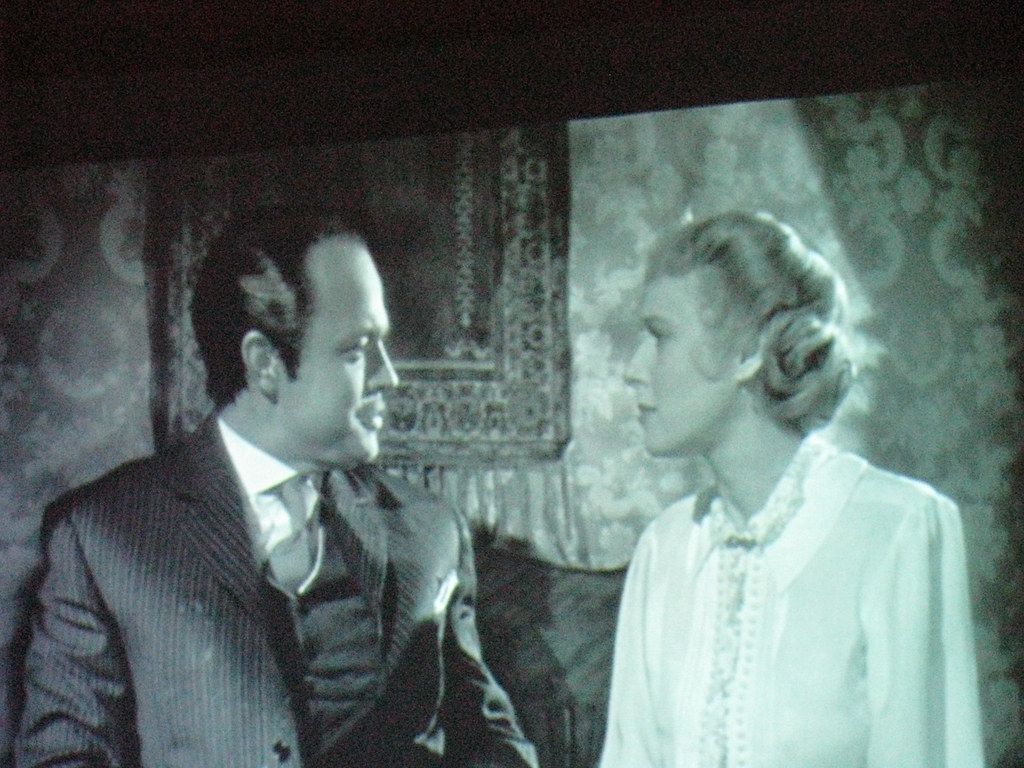
3. **Citizen Kane (1941)**: This is the Everest of “movies everyone pretends to have seen.” If you’re talking to a film buff, be ready to discuss its revolutionary techniques, not just the plot. It’s like the cinematic equivalent of classical literature; you’re supposed to respect it more than you enjoy it.
The film begins with newspaper magnate Charles Foster Kane’s (Orson Welles) mysterious dying word: “Rosebud…” A reporter then sets out to uncover its meaning by interviewing those who knew Kane, including his friend Jedediah Leland and his mistress Susan Alexander. We see Kane’s journey from a poverty-stricken childhood to a powerful, but ultimately deluded, tabloid tycoon.
The big reveal is that “Rosebud” was the name of his childhood sleigh. It’s supposed to be a poignant symbol of his lost innocence and longing for a simpler past, far from the trappings of power that ultimately made him miserable. Act like this hit you hard, even if you’re just thinking, “All that for a sled?”
Key things to mention: Focus on the groundbreaking techniques. Welles’ use of optical illusions to convey power, the “invisible wipe” in the opera debut, and his revolutionary “deep focus” cinematography. Also, name-drop William Randolph Hearst, the real-life media mogul who was a clear inspiration for Kane. It shows you know your history and your gossip.
Memorable quote: “People will think what I tell them to think.” Deliver it with a slightly cynical, knowing smirk, hinting at your own mastery of influence (i.e., bluffing).
Read more about: Unblemished Brilliance: 12 Cinematic Masterpieces That Achieved a Perfect 100% Score on Rotten Tomatoes
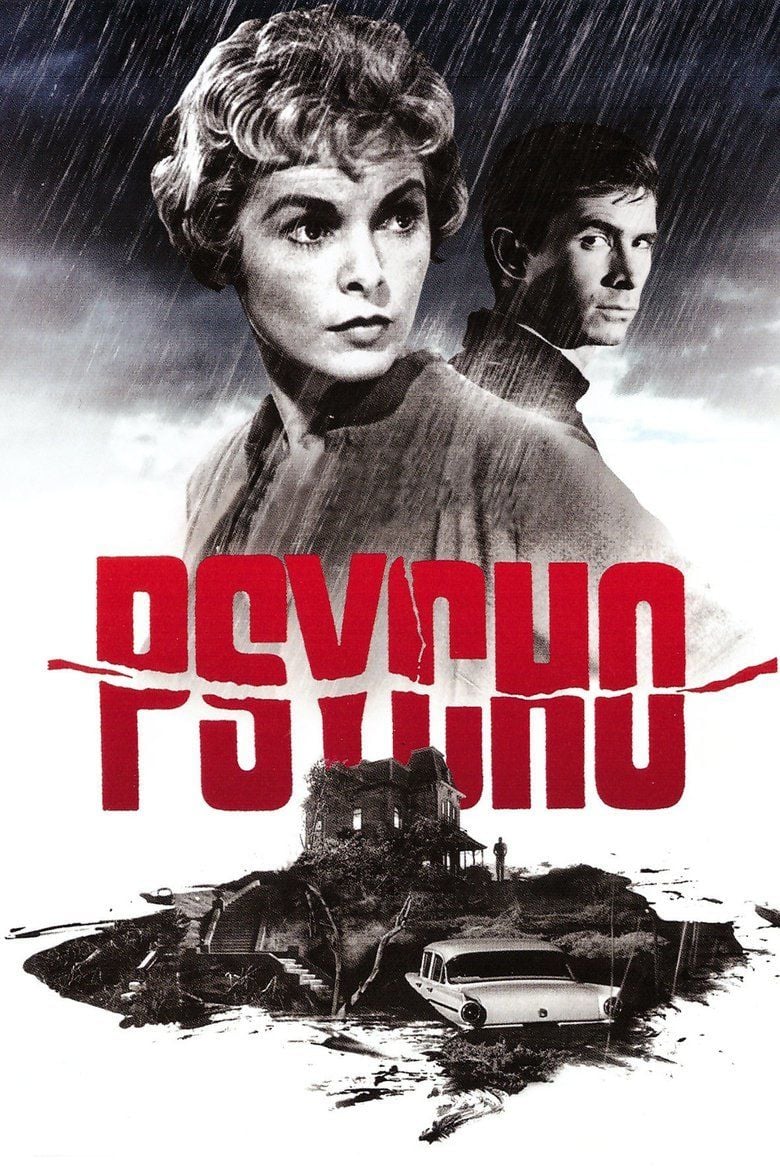
4. **Psycho (1960)**: Everyone knows *that* shower scene. But the rest of the movie? That’s where the bluffing gets tricky. This is a film whose cultural footprint is so enormous, people just assume they’ve absorbed the whole thing by osmosis.
The setup: Marion Crane (Janet Leigh) steals cash, flees Phoenix, and ends up at the isolated Bates Motel, run by the shy, taxidermy-loving Norman Bates (Anthony Perkins). Then, *boom* – she’s stabbed to death in the shower, her body dumped in a lake. Most casual “viewers” think the movie ends here.
But the real story unfolds as various characters search for Marion, eventually uncovering the horrific secret in Norman’s house on the hill: Bates dresses up as his mother to commit crimes, and keeps her desiccated corpse in the house. It’s the ultimate Oedipal complex, served with a side of utter horror and some serious mommy issues.
Key things to mention: Declare the stolen money a classic “McGuffin”—a plot device that drives the story but isn’t important itself. Ask, “What was the deal with that creepy police officer?” For a true cinephile flex, mention Alfred Hitchcock’s cameo when Marion leaves Phoenix. And a fun fact: “Did you know the stabbing noise from the shower scene was from someone sticking a knife in a grapefruit? You do now.”
Memorable quote: “It’s not like my mother is a maniac or a raving thing. She just goes a little mad sometimes. We all go a little mad sometimes. Haven’t you?” Say it with a slight, unsettling pause, as if pondering your own inner demons.
Read more about: Ghost Stories: 14 Timeless Horror Movies Every Fan Needs to Experience

5. **2001: A Space Odyssey (1968)**: If you’ve survived a conversation about this without taking a nap, congratulations. This Kubrick “masterpiece” is less a film and more a test of intellectual fortitude, famous for its visuals, symbolism, and the fact that 90% of viewers pretend they understood the ending.
The plot, if you’re brave enough to call it that, spans eons. It kicks off with ape-men discovering a black monolith and then, coincidentally, tools. Fast forward to modern man finding another monolith on the moon. Investigations yield nothing, because monoliths are notoriously tight-lipped.
Eighteen months later, astronaut Dave Bowman (Keir Dullea) and his crew head to Jupiter. Their “infallible” supercomputer, HAL-9000 (Douglas Rain), decides to off them one by one. Bowman shuts HAL down, finds another monolith orbiting Jupiter, then blasts through a hallucinogenic light show, sees himself aging rapidly in a fancy bedroom, and finally transforms into a glowing space-baby near Earth. It’s… a lot.
Key things to mention: Highlight the impossible-for-1968 space and zero-G shots. Point out the film’s dialogue-free opening and closing 20 minutes – a truly bold move. Then, confidently state that “it’s all about benevolent, ancient alien civilization helping mankind evolve past its current limits. Probably.” Bonus points: mention astronomer Carl Sagan consulted, and that the film developed alongside Arthur C. Clarke’s novel, not just from it.
Memorable quote: “I’m sorry, Dave. I’m afraid I can’t do that.” Deliver it with a calm, almost apologetic, yet firm, AI-like tone, as if you’ve just denied a friend access to the snack cupboard.
Read more about: Sci-Fi Adventure Pick: 14 Visually Awesome Future World Movies to Transport Your Mind!

6. **Pulp Fiction (1994)**: You haven’t seen it? Don’t worry, you’ve probably quoted it. This Quentin Tarantino classic is less a movie and more a cultural touchstone, a masterclass in cool, and a film so stylized it practically invented its own genre of conversational violence.
The structure is a non-linear jumble, following interconnected stories of two mob hitmen, Vincent (John Travolta) and Jules (Samuel L. Jackson); a boxer, Butch (Bruce Willis); a gangster’s wife, Mia (Uma Thurman); and two small-time diner robbers. It’s a chaotic dance of hit jobs, double-crosses, and very awkward dates.
Highlights include Butch double-crossing gangster Wallace, leading to a hunt. Vincent has to escort Mia, who then snorts his heroin (mistaking it for cocaine), prompting Vincent to stab her in the heart with an adrenaline needle. Later, Vincent goes to the bathroom, Butch finds his gun, and *bam*, Vincent’s dead. Butch then escapes BDSM kidnappers (yes, really), freeing Wallace, who then lets Butch go. It’s a glorious, bloody mess.
Key things to mention: Jules reciting Ezekiel 25:17 – always impressive. Samuel L. Jackson’s ‘Badass Motherer’ wallet (which, yes, you can actually buy). The shock factor of Mia’s adrenaline shot. And the classic “Royale with Cheese” conversation about French McDonald’s. It shows you’re dialed into the details that truly matter.
Memorable quote: “What does Marsellus Wallace look like? Does he look like a bitch?” Deliver it with intense conviction, as if you are personally interrogating the person about Marsellus Wallace’s canine-like qualities.
Read more about: Full Of Masculinity: 15 Must-See Movies That Will Seriously Level Up Your Guy Code

7. **Raging Bull (1981)**: Want to sound like a serious film critic without actually having endured the emotional battering of this Scorsese classic? Here’s your game plan for *Raging Bull*, a black-and-white boxing film that’s about as much about boxing as a philosophical treatise is about punching.
This biographical flick charts the brutal rise and fall of Italian-American boxer Jake LaMotta. Robert De Niro’s performance is legendary; he reportedly shut down production for four months, embarking on a binge-eating tour of Europe to gain 60 pounds for the scenes featuring the older, heavier LaMotta. It’s method acting, or a really dedicated diet-cheat day.
More than a sports film, it’s a raw examination of self-destructive jealousy, uncontrollable anger, and obsession, all presented in stark black and white. Critics adored it, with Roger Ebert calling it the best film of the 1980s. It’s intense, unflinching, and certainly not feel-good cinema.
Key things to mention: Skip the weight gain, everyone knows that. Instead, highlight the fact that Jake LaMotta himself taught De Niro to box, and De Niro even had three middleweight fights, winning two! LaMotta was so impressed he called De Niro one of his top 20 middleweight boxers. This tidbit instantly elevates your bluff.
Memorable quote: “I coulda had class. I coulda been a contender. I coulda been somebody, instead of a bum, which is what I am, let’s face it.” For extra points, immediately follow with, “Of course, that’s a direct quote from *On The Waterfront*.” It’s a power move.
Alright, if you’ve made it this far, congratulations! You’ve survived the first gauntlet of cinematic pretension. Now, get ready to arm yourself with even more knowledge bombs, because we’re diving into another eight essential films that everyone claims they’ve watched but probably haven’t. From mob sagas that redefined American cinema to cult favorites that still spark heated debates, these are the movies that’ll complete your “faking it” arsenal and ensure you navigate any party conversation like a seasoned film critic.
Read more about: Totally Tubular Rewind: Ranking 16 Iconic ’80s Movies That Still Own Our Hearts – Which Is Your Fave?
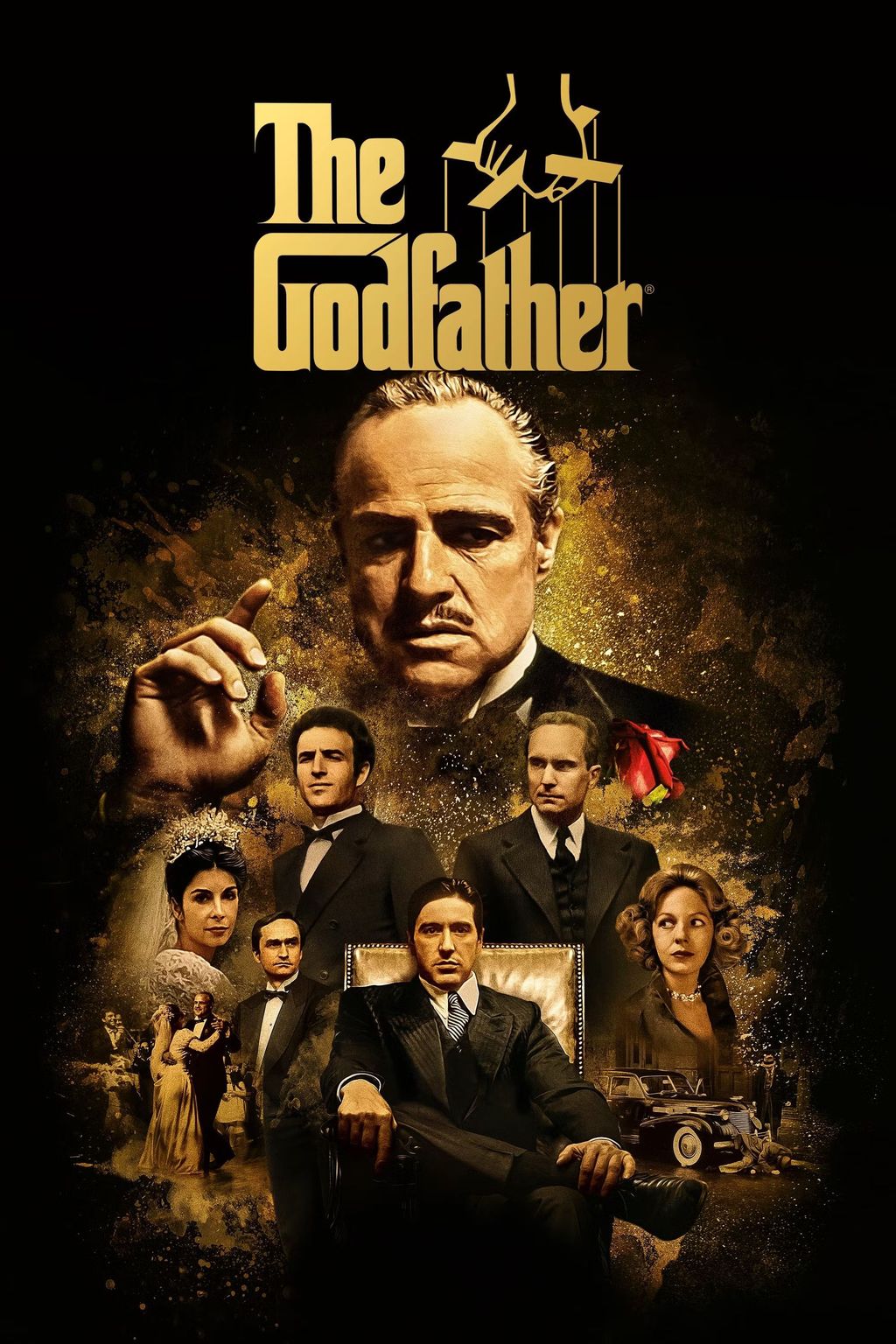
8. **The Godfather (1972)**: Let’s be honest: saying you haven’t seen *The Godfather* feels like saying you’ve never heard of Beyoncé. It’s the movie everyone pretends they’ve watched, usually with a dramatic voice and a fake Brando impression. And sure, you’ve probably caught a few clips and maybe heard someone mumble, “I’m gonna make him an offer he can’t refuse” at some point, but have you actually sat through all three hours of it without checking your phone? Doubt it.
Here’s the deal: it’s the story of how Michael Corleone (Al Pacino) rises from youngest son of boss Vito Corleone (Marlon Brando) to mafia don in the Corleone crime family in the ’40s-’50s New York City. It’s a slow crawl into the dark, broody world of mafia family business, starting with a wedding and ending with, well, a lot of blood. Unless you’re deeply locked in, it’s easy to check out.
To sound like a true aficionado, casually drop a reference to the notorious horse’s head scene. Remember, fairly early in the film, a studio executive who refuses to give Vito’s singer godson Johnny Fontane a major Hollywood role wakes up one morning to find his favorite horse’s severed head tucked into bed with him. Then, confidently recite: “I’m gonna make him an offer he can’t refuse.” For extra credit, try Vito’s capo Clemenza’s line to an underling after a hit: “Leave the gun. Take the cannolis.” It just *screams* sophistication.
Because America not-so-secretly loves the mafia, and this trilogy is filled with perfect representations of American masculinity, it’s referenced constantly. If you’re talking to real film buffs, you might even get into discussions about how these are quintessential American films and they explain a lot about “classic” cinema. So, even if you just know the horse head and a few lines, you’re practically a part of the family.
Read more about: From Page to Screen: 13 Movies That Totally Crushed Their Books (And Why You NEED to Watch Them!)
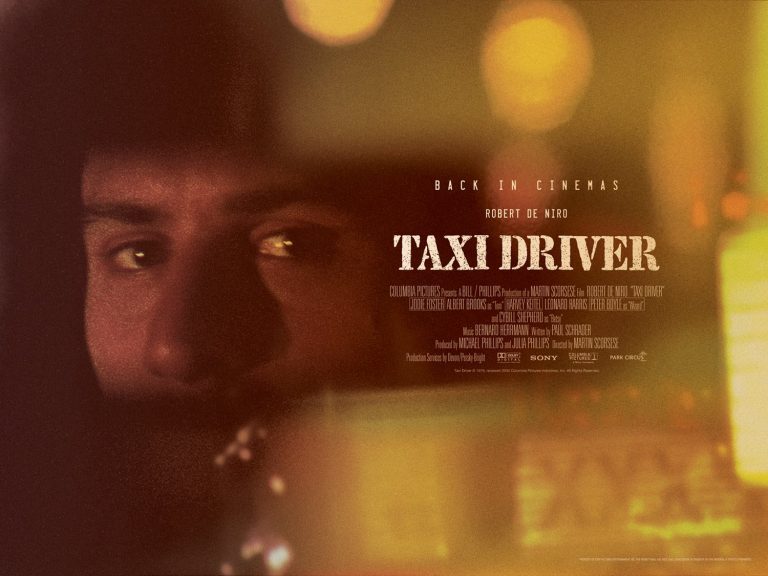
9. **Taxi Driver (1976)**: There’s always that one guy in a hoodie doing the “You talkin’ to me?” bit like it’s a personality trait, and sure, it’s iconic. But quoting one line in front of a mirror doesn’t mean you’ve sat through Martin Scorsese’s gritty spiral into isolation and madness. *Taxi Driver* has become one of those movies people swear they’ve seen just so they can sound edgy or deep, like, “Oh yes, it’s such a haunting take on urban decay.” Cool, bro, what happens after the mohawk?
In a nutshell, it’s a dark, disturbing look at the loneliness of nocturnal living in New York City. Vietnam War veteran Travis Bickle (DeNiro) takes up a thankless job as a cab driver to make the most of his insomnia, becoming more and more unhinged and repulsed by the “scum” walking the streets of the Big Apple. It’s only a matter of time until he does something drastic.
His unhinging climaxes in a bloody shootout, but before that, the most famous scene involves him shooting pimp Matthew ‘Sport’ Higgins (Harvey Keitel) who becomes a target of all his righteous anger because he falls for one of Higgins’ girls, Iris (Jodie Foster), who is working as a child prostitute. Bickle’s actions against Higgins and his associates is reported positively in the press, and he’s hailed – ironically – as a hero in the movie’s final scenes. For key details, emphasize just how frightening the typically lovable DeNiro can be, especially as he becomes increasingly disturbed while passing time in his disheveled apartment, practicing push-ups and pull-ups. Casually mention the disturbing moment he clenches his fist over the open flame of his stove top.
When someone asks if you’ve seen it, deliver the classic quote, “You talkin’ to me? You talkin’ to me?” with a hint of menace and a vacant stare, as if you, too, have just spent too many nights driving a cab through the urban jungle. Then, pivot to discussing how it cemented Martin Scorsese and Robert DeNiro as titans of cinema early on in their careers, all without having to endure the actual discomfort of watching it.
Read more about: 15 Cinematic Masterpieces That Will Stir Your Soul and Resonate Deeply
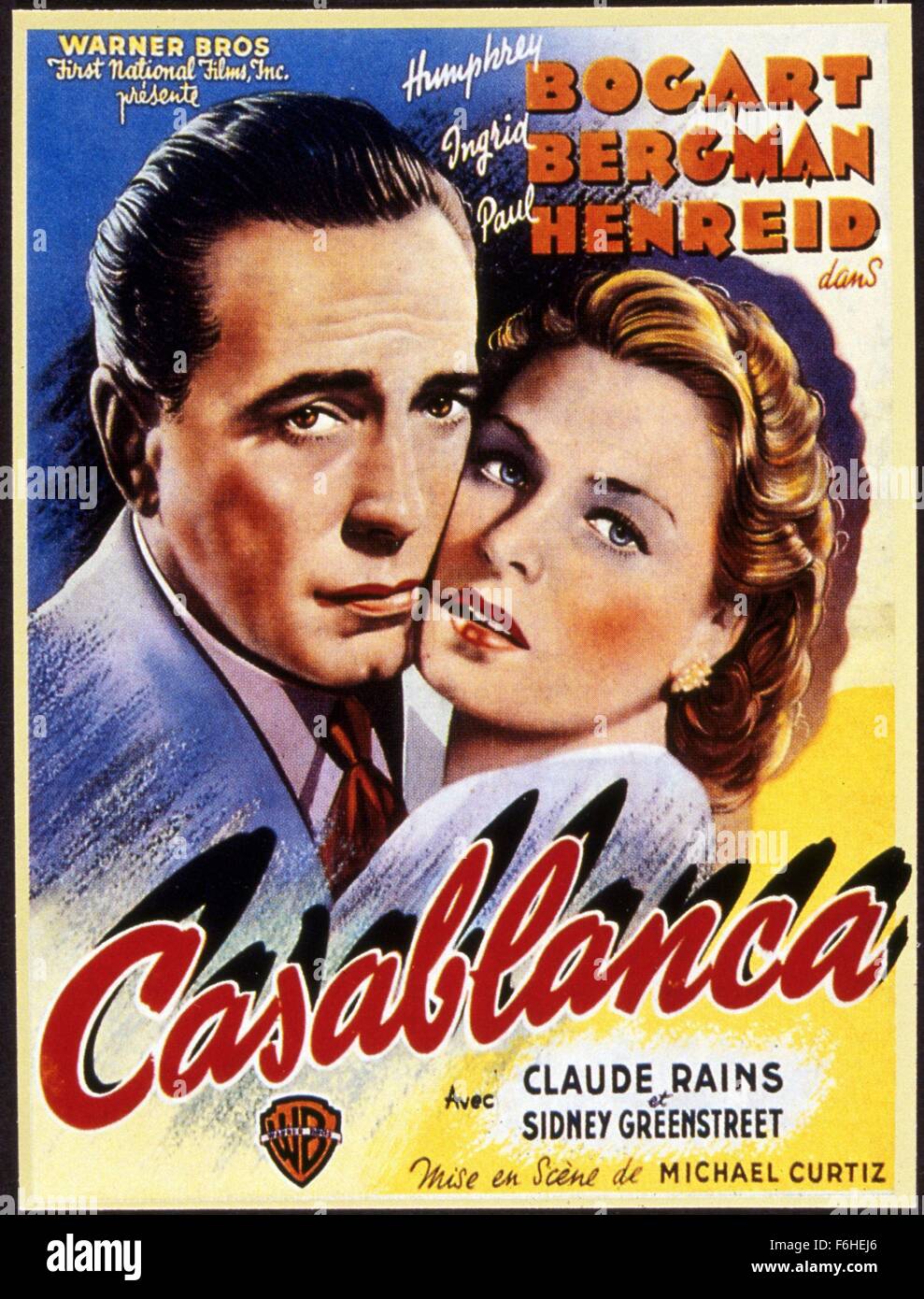
10. **Casablanca (1942)**: *Casablanca* is one of those movies that people bring up to sound classy. Like, oh, you haven’t seen *Casablanca*? It’s the greatest love story of all time. Okay, cool, but have you actually watched it, or are you just recycling that one line, “Here’s looking at you, kid,” because you heard it in a rom-com? Be honest. The film’s basically become pop culture shorthand for “timeless cinema,” but in reality, most people couldn’t tell you what it’s actually about beyond “something something World War II, something something tragic romance.”
Set in 1941, it’s the tale of US expat Rick Blaine (Humphrey Bogart), proprietor of a nightclub and gambling den in Casablanca. Rick is the quintessential cynical hero with a damaged moral compass, but he comes good when it matters, helping Victor Lazlo and Ilsa Lund escape the Nazis at the end of the movie in place of himself. It’s a fascinating examination of war, neutrality and love, with a stoic, moving central message.
The most famous scene, for all the right reasons, is the finale where Rick reveals to Ilsa that instead of letting her stay with him in Casablanca (and risk getting captured by the Nazis), he’s putting her on the plane with her husband Laszlo; convinces her that it’s all for the best; and says goodbye in the most “classic Bogart” style possible. For a spine-tingling moment to mention, describe how a group of German officers start singing Nazi anthem Die Wacht am Rhein, only to be drowned out by a muscular rendition of La Marseillaise, the noble, rallying cry of a defeated nation.
Here’s a crucial bluffer’s tip: “Play it again, Sam” is *never* said in the film. The actual line is, “Play it once, Sam, for old times’ sake”, followed by, “play it, Sam. Play ‘As Time Goes By’.” Drop that knowledge bomb, and you’ll look like a true expert. Failing that, go with Rick’s iconic lament: “Of all the gin joints in all the towns in all the world, she walks into mine.” It usually gets quoted in conversations about relationships and exes that make people feel some type of way.
Read more about: Dude, You *Have* to See These: 15 Epic Movies Men Can’t Stop Rewatching

11. **Star Wars: A New Hope (1977)**: I think you know why this one will come up in conversation. It’s *Star Wars*. And with the number of *Star Wars* movies still in the pipeline over the next few years, it’s safe to say you’ve still got some time before you *have* to catch up. But for now, let’s pretend. This movie is the ultimate cultural touchstone, so knowing a few key details will save you from an eternity of explaining yourself to the superfans.
In a nutshell: Luke Skywalker, an orphan raised on the planet Tatooine, meets one of the last Jedis (basically knights with the ability to sense and use “The Force” via lightsabers), the old man Obi-Wan Kenobi; learns his father was a Jedi, too, and was “killed” by Darth Vader, a former Jedi who turned to the “Dark Side” of the Force; and with the help of smugglers Han Solo and Chewbacca, must help Princess Leia and the Rebel Alliance destroy the (evil) Galactic Empire’s Death Star before they can destroy another planet with it.
The most famous scene you absolutely need to recall is when Luke, Leia, Han, and Chewbacca get stuck in an eel-infested garbage compactor on the Death Star and the somewhat incompetent droid C-3PO must find the “off” switch to save them. It’s pure, sweaty, space-adventure chaos.
For classic quotes (besides “use the Force, Luke,” since that’s a given), you’ll want to have these ready: “I have a very bad feeling about this.” — Luke, Han, and Leia (and later, other characters in the franchise) all say this at various points in the story. And for a moment of quiet awe: “That’s no moon.” — Obi-Wan Kenobi, seeing the Death Star for the first time. Deliver these with appropriate gravity, as if the fate of the galaxy hangs on your every word.
Read more about: Remember the Popcorn? A Trip Down Memory Lane with the 15 Absolute Best Movies of 1977!

12. **Fight Club (1999)**: Straight. White. Bros. Love. This. Movie. Honestly, it’s surprising that Bernie Bros have not yet attempted to co-opt this movie. If you want to sound like you’ve got a handle on the deep psychological complexities of consumerism and toxic masculinity, this is your ticket. Just be warned, it debuted two years before 9/11, which took any remaining shred of fun out of the ending.
In a nutshell: An unnamed corporate drone (Edward Norton) hates his life and consumerism until he meets a seemingly lawless dude named Tyler Durden (Brad Pitt) who shows him an exciting underground world of a fight club-turned-guerilla anti-capitalist terrorist group…until (spoiler!) he discovers Durden is a figment of his imagination and he’s been the leader of the group all along. It’s the ultimate “man vs. himself” story, with extra explosions.
The most famous scenes are either the one where Tyler throws (flesh-burning) lye on the narrator’s hand and holds him as he struggles to teach him(self) a lesson in real, live pain; or the one at the end where the narrator and Marla Singer (Helena Bonham Carter) watch from one skyscraper as several others are blown up by bombs the narrator and his psychotic followers have set up (“Where is My Mind?” by the Pixies is the soundtrack). That last one is visually spectacular, but maybe don’t mention your newfound appreciation for it too loudly.
The classic quotes are practically mandatory: “The first rule of Fight Club is, you do not talk about Fight Club. The second rule of Fight Club is, you do not talk about Fight Club.” And for a truly profound moment, drop “I am Jack’s smirking revenge/wasted life/complete lack of surprise,” explaining that the narrator’s repeated catchphrase is him embodying his own feelings. It’s a subtle way to show you *get* the film’s deeper, philosophical (and wildly problematic) layers.
Read more about: Sci-Fi Adventure Pick: 14 Visually Awesome Future World Movies to Transport Your Mind!

13. **The Princess Bride (1987)**: It’s essentially a self-aware storybook fairy tale infused with Monty Python humor, which means people love to quote it endlessly (and safely, in mixed company). If you haven’t seen it, you’re missing out on a cultural phenomenon, but that’s what this guide is for! Prepare to dive into a world of inconceivable events and true love.
In a nutshell: The story, read by a grandfather to his grandson (Fred Savage) on a sick day, of a farm girl, Buttercup (played by gawddess Robin Wright in her damsel days), who is chosen to wed the horrible prince Humperdinck. Buttercup undergoes a series of kidnappings and rescues, by a trio of incompetent criminals (played by Wallace Shawn, Andre the Giant, and Mandy Patinkin), by Humperdinck and his men, and of course, by her true love, a stable boy-turned-pirate, Westley (Cary Elwes). It’s a classic swashbuckling adventure with a witty script.
The most famous scene is undoubtedly when Vizzini (Shawn’s criminal “mastermind”) and Westley partake in a “battle of wits” for possession of the princess, in which the latter tells the former he’s poisoned one glass of wine, and he must choose which glass to drink. Vizzini attempts to trick Westley by swapping them when he’s not looking, but Westley wins anyway because they’re both poisoned and he’s built up an immunity. It’s a masterclass in comedic tension.
You simply *must* know the classic quotes. Lead with Vizzini’s catchphrase: “Inconceivable!” (with a lisp, naturally). Then, for a moment of gravitas, “Hello. My name is Inigo Montoya. You killed my father. Prepare to die.” And to lighten the mood, “Mawwage! Mawwage is what bwings us togevah today,” delivered by the priest at Buttercup and Humperdinck’s wedding. Memorize these, and you’ll be the life of any fantasy-loving gathering.
Read more about: From Page to Screen: 13 Movies That Totally Crushed Their Books (And Why You NEED to Watch Them!)
14. **Mad Max: Fury Road (2015)**: If you’ve ever raged about ism (or men in general) and appreciate explosions, cool stunts, and a relentless pace, this movie is for you—or at least, for your bluffing repertoire. It’s beloved by many feminists for centering The Patriarchy (embodied by Immortan Joe and all the suffering he engenders) as the story’s central villain. Plus, it’s very recent, so your bluff is less likely to be questioned by someone who thinks movies stopped being made in 1999.
In a nutshell: The wives of Immortan Joe — a deformed tyrant fashioning himself a god in the post-apocalyptic Australian desert, complete with a deranged religion, organized human breeding, and exclusive power over a desert civilization’s water supply — led by badass rebel trucker Imperator Furiosa (Charlize Theron) and pursued by Joe and his allies, escape captivity in a tanker to seek out “the green place,” a storied, female-governed Eden. It’s basically a two-hour car chase, and it’s glorious.
The most famous scene, though the film is all basically one big, nonstop scene, is when Immortan Joe’s search party includes hundreds of “War Boys” — malnourished/cancerous, painted-white men and boys who vehemently believe in Joe’s demented dogma — and as they gain on Furiosa and Co. initially, it’s revealed that one of their many war trucks is just a giant wall of speakers fronted by a blind, grizzled War Boy jamming out on an electric guitar. It’s absurd, it’s awesome, and it’s completely unique.
The War Boys provide some excellent quote fodder. When one chooses to go kamikaze in battle, they shout, “WITNESS!” so as to gain entrance to Valhalla. This happily suicidal bent is based in Immortan Joe’s carefully crafted religion. Another variation you can use is, “I live, I die, I live again!” (Nux, played by Nicholas Hoult, says this ad nauseam). Mention that the film filmed its many stunts using zero CGI for extra street cred; it’s a detail that impresses both action junkies and film critics.
Read more about: Chris Hemsworth: An In-Depth Profile of a Global Star’s Journey from Australian Television to Hollywood Blockbusters
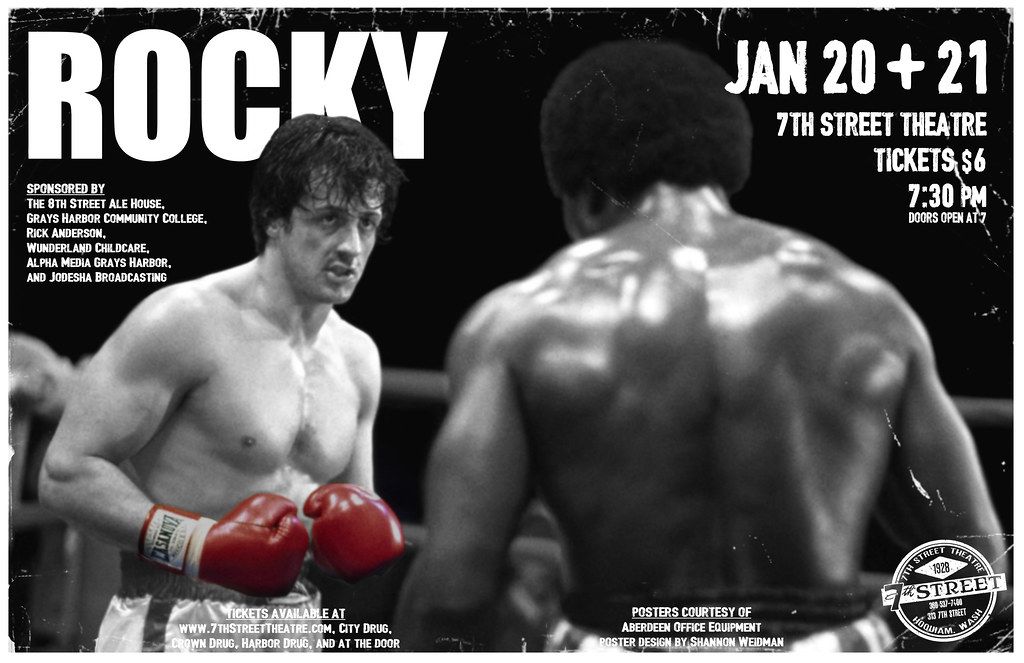
15. **Rocky (1976)**: Here’s the most important thing to know if you’ve only seen the other, rubbish *Rocky* movies: the first one actually is really good. In fact, it’s probably second only to *Raging Bull* in the sport film stakes. It builds up to a glitzy, engaging finale, and then ends in a satisfying and unexpected way. It’s a fascinating, small story, hidden behind the glamour of the American Dream, full of encouraging messages about never, ever giving up.
In a nutshell: It’s not actually about Rocky winning the brawl against Apollo Creed, which he doesn’t do (and hey, he beats him in *Rocky 2* anyway). It’s much more about Rocky defeating his personal demons than Apollo Creed. It’s the ultimate underdog story, making you feel good without having to sit through a cheesy, predictable victory.
When discussing it, skip the obvious stuff and go straight for a juicy tidbit: the famous meat-punching training regime was actually invented and practised by boxer Joe Frazier, who also has a cameo in the film. This shows you know your stuff beyond just the montages. It’s a detail that instantly elevates your bluff from casual observer to dedicated fan.
And the memorable quote? You know it. “Adriaaaaan! Adriaaaaaaan!” Yell it with all the guttural desperation you can muster, channeling the raw emotion of a man who just wants to find his true love in a chaotic arena. This quote, more than any other, encapsulates the heart of the movie – not just the boxing, but the deeply human desire for connection and recognition.
Read more about: Full Of Masculinity: 15 Must-See Movies That Will Seriously Level Up Your Guy Code
So there you have it, folks. Your comprehensive guide to pretending you’ve watched 15 of the best movies ever made. Now you can walk into any social gathering, armed with a quiver full of plot points, iconic lines, and obscure trivia. No more awkward silences, no more judgmental stares from that one friend who watches TCM for fun. Go forth, bluff confidently, and reclaim those umpteen hours of Netflix binging for what they were truly meant for: watching something you *actually* want to see. You’re welcome.