Heel-and-toe downshifting. For many, just the phrase conjures images of professional racecar drivers, deftly dancing across pedals, an intricate ballet of foot and hand that seems utterly reserved for the elite. It’s often touted as the ‘holy grail’ of driving techniques, looking cool, sounding awesome, and made famous by high-profile journalists who showcase its apparent complexity. The truth, however, is far more accessible than its intimidating reputation suggests. You certainly don’t need to be an Ayrton Senna to pull off a perfect downshift; in fact, once you’ve cracked it, it can become as simple as operating a light switch. This advanced driving technique is not just flashy footwork, but an essential skill for maintaining control and extracting maximum performance from any manual transmission vehicle.
Its core purpose is elegantly simple: to maintain balance and control, especially under heavy braking and during aggressive cornering. By synchronizing engine speed with wheel speed during a downshift, you eliminate the sudden jerks and unsettling weight transfers that can destabilize a car. This translates directly into smoother corner entries, faster lap times on the track, a more composed vehicle, and a significantly more enjoyable, connected driving experience on any road. It’s a technique that allows racecar drivers to avoid over-slowing at corner entry by getting into the lower gear at a higher speed through the blip of the throttle to increase engine revs, consistently pushing the car to its limit.
This in-depth guide is designed to transform you into a heel-and-toe master, a true Jackie Chan of downshifts, as one expert eloquently put it. We’ll meticulously break down each critical component, from understanding the fundamental benefits to perfecting your foot placement and timing, and even adapting the technique to different pedal setups. Whether you’re a seasoned enthusiast looking to refine your technique, a club racer chasing tenths, or a manual transmission lover eager to elevate your skills, consider this your definitive roadmap to achieving perfectly executed heel-and-toe downshifts, making every corner an opportunity for seamless performance.
1. **Understand the “Why”: The Core Benefits of Heel-Toe**Before diving into the intricate mechanics of the heel-and-toe downshift, it’s crucial to grasp *why* this technique is so highly regarded and indispensable for performance driving. Many aspiring drivers are drawn to it because it “looks cool” and “sounds awesome,” but its true value lies in the tangible advantages it offers both the driver and the vehicle. Understanding these benefits provides the motivation and context necessary to commit to mastering this often-misunderstood skill, elevating it beyond mere showmanship to a fundamental aspect of skilled driving.
One of the primary benefits is significantly improved vehicle stability. When you don’t rev-match during a downshift, the sudden engagement of a lower gear at a higher wheel speed forces the engine to instantly catch up, creating a sharp jolt of engine braking. This shock to the driveline can severely unsettle the car’s balance, especially when braking heavily into a corner. By matching the engine speed with the road speed through a throttle blip, the engagement of the clutch becomes buttery smooth, minimizing forward weight transfer and reducing the likelihood of lock-ups, thus keeping the car stable and predictable on corner entry.
This stability directly translates into enhanced performance, particularly in racing scenarios. Smoother transitions mean drivers can carry more speed into and through corners without upsetting the chassis, leading to quicker lap times and a greater ability to push the car to its limits consistently. Moreover, by allowing drivers to get into the optimal gear earlier and at a higher speed, heel-toe downshifting ensures that momentum is maintained, enabling powerful acceleration out of the corner and maximizing overall responsiveness when navigating complex sequences on a track or challenging backroads.
Beyond performance, the heel-and-toe technique also plays a vital role in preventing detrimental drivetrain wear. The abrupt speed mismatch between the engine and gearbox during a non-rev-matched downshift creates significant shock loads on components like the clutch, gearbox, and differential. Over time, this stress can accelerate wear and tear, leading to premature failure and costly repairs. By syncing RPMs, heel-toe downshifting drastically reduces these shock loads, extending the life of your vehicle’s critical components and ensuring your beloved manual transmission remains healthy for years to come. Ultimately, it’s a technique that makes you smoother, quicker, safer, and more connected to your car, while also offering the deeply satisfying feeling of nailing a perfectly timed downshift.
Read more about: The Unexpected Revival: Why Gen Z is Shifting Gears Back to Manual Transmissions

2. **Prerequisites for Mastery: Seating Position and Footwear**Before you even think about hitting the track or a winding road to practice your heel-and-toe technique, two foundational elements must be perfectly dialed in: your seating position and your footwear. These might seem like minor details, but they are absolutely critical for ensuring the precision, control, and comfort necessary to execute this intricate maneuver consistently and effectively. Overlooking these prerequisites can lead to frustration, inaccuracy, and even safety concerns, undermining all subsequent efforts to learn and refine the technique.
First and foremost, a proper seating position is paramount. You need to be close enough to the pedals and steering wheel to maintain precise control without stretching or straining. Brian Makse, a racing driver and performance coach, emphasizes sitting close enough to maintain a slight bend in your elbows, wrists, knees, and ankles. This ensures that you have the leverage and agility required for rapid, accurate movements on the steering wheel and, crucially, across all three pedals. If you’re too far back, your foot movements will be less controlled, making the delicate dance of heel-toe significantly more challenging to master.
Equally important is your choice of footwear. The shoes you wear can dramatically impact your ability to feel the pedals and execute the necessary footwork. While some prefer narrower racing shoes, Brian Makse, for instance, finds that a wider pedal box in his car calls for skate shoes. The key is to select shoes that provide good pedal feel without being too bulky, allowing your foot to articulate freely and precisely. Avoid overly soft soles that can dampen pedal feedback or excessively wide shoes that might snag on adjacent pedals, as these can impede the quick and accurate movements required for a smooth heel-toe downshift.
Beyond just seating and shoes, it’s also a fundamental prerequisite that you are already comfortable and proficient with driving a manual transmission. Heel-toe downshifting is an advanced technique that builds upon basic manual driving skills. If you’re still struggling with smooth clutch engagement or consistent gear changes, it’s best to solidify those fundamentals before attempting the complexities of heel-toe. Once you have a strong command of standard manual driving, these initial setup considerations will set a solid stage, allowing you to focus purely on the intricate coordination of heel-toe without being hampered by basic discomfort or imprecise control.

3. **The Knee Pivot: Optimizing Right Foot Placement**Among the many adjustments a driver can make to improve their heel-and-toe technique, one stands out for its single biggest impact: the knee pivot. This subtle yet powerful adjustment, advocated by experienced coaches like Dion von Moltke, is a game-changer for naturally positioning your right foot in the ideal configuration for simultaneous braking and throttle blipping. It transforms what can feel like an awkward contortion into a fluid, ergonomic motion, making the entire process far more intuitive and consistent for any gearhead.
As you approach a corner and enter its braking zone, the knee pivot involves subtly rotating or shifting your right knee inwards, towards the steering column, *before* you even begin to hit the brake pedal. This pre-emptive adjustment is key. To understand its effectiveness, try a simple exercise: sit in a chair, position your legs as if on pedals, and then simply shift your right knee in towards an imaginary steering column. You’ll immediately notice how this natural movement causes your toes to shift inwards and your heel to pivot outwards.
This inward knee pivot intrinsically puts your right foot into the perfect biomechanical position. The ball of your right foot will naturally align to hit the brake pedal squarely and consistently, while your heel simultaneously gains optimal leverage and proximity to blip the throttle pedal. This means less conscious effort in manipulating your foot into position, allowing for greater focus on the timing and pressure of the brake and throttle inputs. It’s about letting your body’s natural mechanics work for you, rather than against you, simplifying a crucial part of the footwork.
Furthermore, this method inherently discourages a common, yet problematic, habit: using the side of your foot to blip the throttle. While some drivers adopt this, experts strongly advise against it. Dion von Moltke highlights a core reason: “my foot slipped off the brake pedal far more often and far more easily than when I used the ball of my right foot to hit the brake pedal.” In any braking scenario, especially one involving a downshift, your absolute priority is always the braking itself. Maximizing the contact patch of your foot on the brake pedal, which the knee pivot facilitates, is vital not only from a safety perspective but also for maintaining consistent brake pressure without unintended releases while blipping the throttle.
4. **Initiating the Brake Zone: Timing Your First Downshift**The brake zone is arguably the busiest and most critical section on a racetrack for any driver, where countless actions need to happen in rapid succession. Consequently, it’s also an area where drivers often feel rushed, leading to common mistakes in heel-and-toe technique, particularly regarding the timing of downshifts. One of the most frequently observed problems by Blayze coaches is drivers starting their downshifting process too early in the braking zone, which inadvertently makes the entire heel-toe maneuver far more difficult and less efficient.
When you begin downshifting too early, you are still traveling at higher speeds. The fundamental challenge here is that the higher your speed, the greater the engine RPM disparity between gears, and consequently, the more aggressive a throttle blip you’ll need to achieve the correct rev-match for the next lower gear. This added demand for a larger blip, coupled with the inherent difficulty of precise footwork at higher initial speeds, complicates the coordination and makes smooth execution significantly harder. It’s like trying to hit a moving target that’s accelerating away from you.
The ideal place in a brake zone to initiate your first downshift, according to expert data analysis, comes right as you begin your release off of peak brake pressure. Picture a data graph of brake pressure: you want to see the most brake pressure at the very start of the braking zone, with the line almost immediately trailing off from threshold braking. This trailing-off phase, between the release from peak brake pressure and the commencement of turn-in at corner entry, is the precise window to get your downshifts done. It’s a slightly less frantic part of the braking process, allowing for more controlled and accurate movements.
To aid in mastering this timing, especially when initially learning, a practical recommendation is to slightly “back up your brake zone.” This means initiating your braking a little earlier than usual, which effectively slows down the entire sequence of events within the brake zone. By doing so, you alleviate the feeling of being rushed, giving yourself more mental and physical space to focus on the nuances of your heel-toe technique, including the critical timing of your downshifts. A key note to emphasize is to ensure all your downshifts are completed before the turn-in point, preventing any unsettling actions during the crucial phase of corner entry.
5. **Applying Consistent Brake Pressure**At the heart of a successful heel-and-toe downshift, and indeed any high-performance driving, lies the ability to apply consistent and effective brake pressure. While the throttle blip and clutch work are what make the technique unique, the foundation upon which everything else rests is the braking itself. As one expert succinctly puts it, the most important part of heel-and-toe braking is to remember your priority is always the braking. Without solid, controlled braking, the entire maneuver loses its purpose and effectiveness, compromising both speed and safety.
Proper brake application begins with precise foot placement. With your right foot positioned using the knee pivot technique, the ball of your foot should be squarely on the brake pedal. This ensures maximum contact and leverage, allowing for the precise modulation of brake pressure. You should aim to apply consistent pressure to the right side of the brake pedal, enabling the left side of your foot (or heel, depending on your chosen technique and pedal layout) to be free to blip the throttle without disturbing your primary braking input. This separation of function, even within the same foot, is critical for stability.
Expert coaches continuously observe drivers to ensure they are not inadvertently releasing significant brake pressure as they blip the throttle. Such a “big release” indicates that the driver is not slowing the car down efficiently, which can compromise corner entry speed and car balance. The goal is to maintain a steady, controlled deceleration throughout the downshifting process, allowing the blip to occur as a supplementary action rather than one that disrupts the primary braking effort. It’s a delicate balance, but one that is absolutely essential for driving at the limit.
Furthermore, consistency on the brake pedal while blipping the throttle is a hallmark of skilled drivers. Drivers who prioritize getting more of their foot on the pedal, as facilitated by the ball-of-foot braking method, tend to exhibit greater consistency. This unwavering brake control ensures that the car remains predictable and stable, avoiding any sudden weight shifts that could upset the chassis. Remember, the heel-and-toe technique is fundamentally a braking technique designed to enhance vehicle control, so the mastery of brake application forms its bedrock.
Read more about: $1000 Repair: The 1 Thing Your Mechanic Doesn’t Want You to Know About Your Brakes

6. **Depressing the Clutch with Precision**Once the foundational elements of seating, foot placement, and initial braking are in place, the next critical step in the heel-and-toe downshift sequence involves the left foot and the clutch pedal. While seemingly straightforward, the precise and smooth depression of the clutch is vital to facilitating a seamless gear change and preparing the drivetrain for the all-important throttle blip. Any sloppiness here can introduce unnecessary disruption, making the subsequent steps harder to execute flawlessly.
As you are applying consistent pressure to the brake pedal with your right foot, your left foot must fully depress the clutch pedal. This action serves a fundamental purpose: it disengages the engine from the wheels. By disconnecting the engine from the transmission, you create a momentary window where the gearbox can be shifted into a lower gear without any mechanical resistance or grinding. It’s an essential intermediary step that allows for the synchronization of engine and wheel speeds to occur without shock to the driveline.
The key here is “smoothly and with purpose.” While a quick depression is often necessary in high-performance scenarios, it should never be abrupt or jerky. An aggressive clutch depression can introduce minor weight transfers, which, though seemingly insignificant, can accumulate and destabilize the car during aggressive cornering. Practicing a fluid, full depression ensures that the engine is completely disengaged, providing ample time and opportunity for the gear lever to be moved and the throttle blip to be executed effectively.
This clutch-in phase is also the moment where the engine revs, now disconnected from the wheels, will begin to drop towards idle speed if no throttle blip is applied. This natural drop in RPM highlights the necessity of the subsequent throttle blip. By fully depressing the clutch, you are creating the necessary conditions for the engine to be rev-matched, ensuring that when the clutch is eventually released, the engine speed aligns perfectly with the higher RPM demanded by the lower gear and the car’s road speed. Thus, precision in this step sets the stage for the seamless engagement that defines a perfect heel-and-toe downshift.
Read more about: Buyer’s Remorse on the Horizon: 15 Rides Drivers Confess They’d “Unacquire” in a Heartbeat
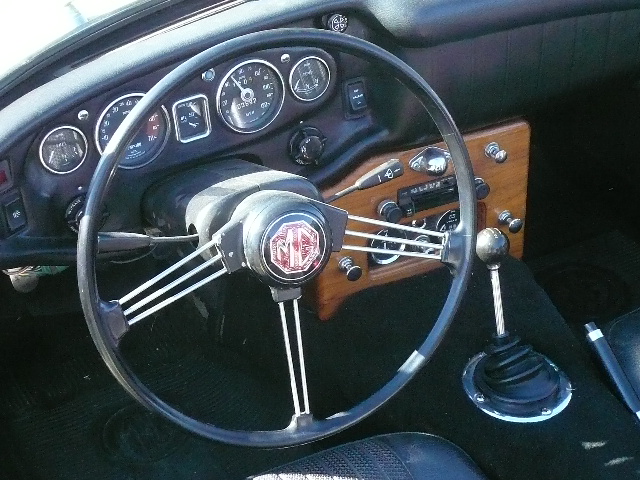
7. **Selecting the Lower Gear Smoothly**With the right foot firmly on the brake and the left foot having smoothly depressed the clutch, your right hand now takes center stage, tasked with the crucial action of selecting the desired lower gear. This step, while seemingly mechanical, requires a deliberate and smooth motion to maintain the car’s balance and ensure the entire downshift sequence progresses without interruption. A jerky or hesitant gear change can undermine the stability gained from precise braking and clutch control.
While the clutch is fully depressed, move the gear lever from its current position into the target lower gear. For example, if you are braking from fourth gear and aiming to accelerate out of a corner in second, this is the moment your hand swiftly but smoothly moves the lever from the fourth-gear gate to the second-gear gate. The exact gear selection will depend on the speed you are scrubbing off and the optimal RPM range you wish to be in for corner exit, a decision that comes with practice and understanding of your car’s powerband.
The emphasis here is on smoothness, not brute force. A delicate touch, combined with a confident movement, ensures that the gear engages cleanly without grinding or resistance. This is particularly important because, at this very moment, your right foot is also preparing to execute the throttle blip. Any struggle with the gear lever can distract from the crucial timing required for the blip, or worse, cause an unintended release of brake pressure or a delay in the entire process.
Ensuring the gear change is completed efficiently is also critical because, as the car slows, the window for an effective rev-match narrows. Hesitation in selecting the gear means that by the time you’re ready to blip and release the clutch, the engine RPMs may have dropped too far, requiring a much larger and more difficult blip. Therefore, practicing quick, precise, and smooth gear changes becomes an integral part of the overall heel-and-toe technique, allowing for a fluid progression through the subsequent critical steps and contributing significantly to the seamless feeling of a perfectly executed downshift.
Read more about: The Top 10 Most Reliable Used Pickup Trucks Under $30,000: A Consumer’s Guide for 2024

8. **The Throttle Blip: Orchestrating Engine Harmony**With your right foot expertly positioned on the brake and your left foot smoothly disengaging the clutch, it’s time for the signature move of the heel-and-toe downshift: the throttle blip. This quick, precise jab of the accelerator is what truly separates a jarring gear change from a silky-smooth transition. Its core purpose is elegantly simple yet profoundly impactful: to momentarily raise the engine’s RPMs so that they perfectly match the higher rotational speed the engine will need to be at once the lower gear is engaged and the clutch is released.
This instantaneous synchronization is critical for maintaining vehicle balance, especially under heavy braking or during aggressive cornering. Without the blip, the engine, which has naturally slowed towards idle with the clutch disengaged, would suddenly be forced to accelerate rapidly by the higher speed of the driven wheels. This dramatic mismatch creates a harsh jolt of engine braking, unsettling the chassis and potentially leading to wheel lock-up, especially in challenging conditions. The blip completely neutralizes this shock, allowing the car to remain composed and predictable.
The beauty of the throttle blip lies in its efficiency. Contrary to what its dramatic sound might suggest, a small hit of 10% throttle is often all that’s required to achieve the necessary rev-match. This minimal input underscores the precision needed for the technique; it’s about a sharp, controlled stab rather than a prolonged surge. This precise amount of throttle, when timed perfectly, is enough to momentarily elevate engine speed to the ideal range, ensuring a seamless handshake between the engine and transmission when the clutch re-engages.
The blip is not just a technical necessity; it’s a deeply satisfying auditory and tactile feedback loop that confirms you’ve executed the technique flawlessly. It’s the sound of power being readied, the tactile sensation of the engine responding instantaneously, all culminating in that signature crisp rev-match. Mastering this crucial step transforms a downshift from a mechanical necessity into a fluid, performance-enhancing maneuver that truly connects you to your machine.
9. **Pinpoint Timing for the Blip: The Moment of Truth**While the concept of the throttle blip seems straightforward, its execution is critically dependent on impeccable timing. One of the most common mistakes observed by expert coaches is drivers initiating their blip far too early in the heel-and-toe sequence. This seemingly minor misstep can drastically complicate the entire process, forcing the driver to compensate with excessive throttle input and ultimately undermining the smoothness and efficiency of the downshift.
The ideal moment for the blip is precisely timed to occur as close as possible to the step where you depress the clutch. Think of it as a rapid, almost simultaneous action that ensures the engine’s revs are peaked just as the transmission is ready to receive them. The reason for this tight timing is simple: as soon as you complete the blip, the engine’s revolutions begin to fall. If there’s too much delay between the blip and the clutch release, the engine speed will have already dropped significantly.
To illustrate this, consider two hypothetical drivers. Driver A blips the throttle, then slowly moves the gear lever out of its current gate, into the next, and finally releases the clutch. Driver B, on the other hand, moves the gear lever, blips, and immediately releases the clutch. The difference in time between Driver A’s blip and clutch release might be a few tenths of a second, which, in a performance car, can easily translate to a loss of more than 2,000 RPM.
This means Driver A would need a much larger, more aggressive throttle blip—potentially getting RPMs up to 7,400 in our example—just to account for the lost revs by the time the clutch re-engages. Driver B, with their precise timing, can achieve a perfect rev-match with a significantly smaller blip, making the entire heel-and-toe process much easier, more consistent, and less taxing. Precision in timing, therefore, directly contributes to a smaller, more effective blip and a smoother, more controlled downshift.
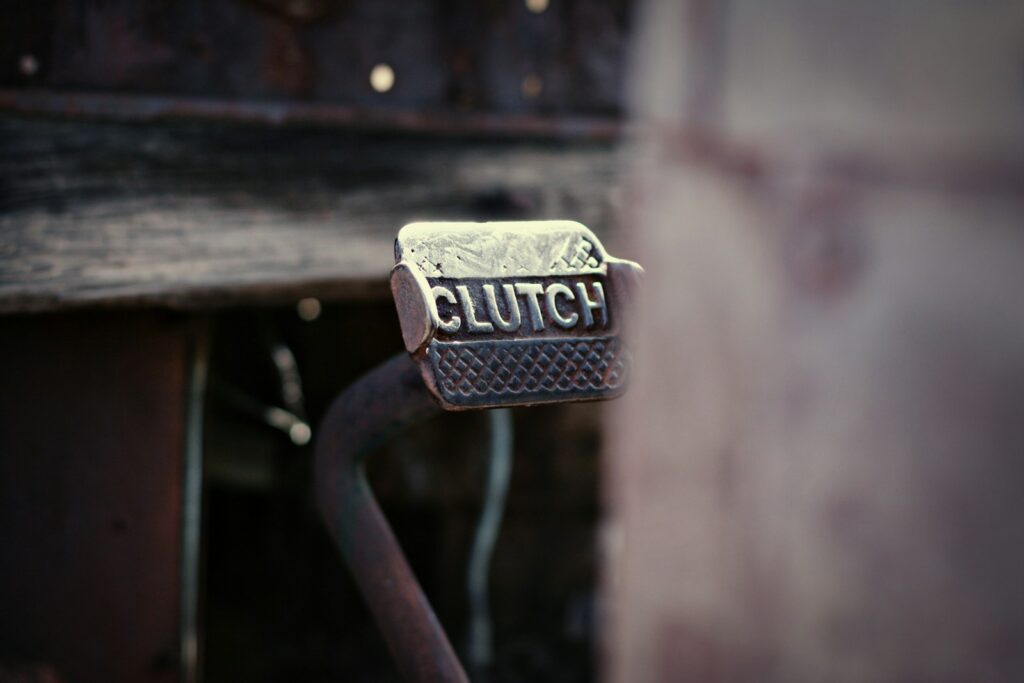
10. **Smooth Clutch Release: Connecting Power to Pavement**Once the throttle blip has successfully raised the engine’s RPMs to match the new gear, the final critical action for your left foot is the smooth and purposeful release of the clutch pedal. This step, following the blip and gear selection, is where all the preceding intricate footwork and hand movements coalesce. A perfectly executed clutch release, harmonizing engine and road speed, is the hallmark of a truly seamless heel-and-toe downshift.
When you release the clutch, the goal is to allow the engine to re-engage with the drivetrain without any discernible jolt or lurch. If you’ve managed to perfectly match the engine speed with the road speed through your throttle blip, the engagement of the clutch should feel “buttery smooth with minimal forward weight transfer.” This sensation is the ultimate validation of your technique, confirming that the vehicle’s balance remains undisturbed, allowing you to confidently carry momentum into and through the corner.
Conversely, the absence of a rev-matched blip before clutch release leads to the opposite effect. When you depress the clutch, the engine revs drop, but the wheel speed remains high. Upon releasing the clutch without an intervening blip, the severe mismatch between clutch speed and engine speed causes a violent “shock to the driveline.” This sudden, aggressive engine braking can profoundly upset the car’s balance, inducing unsettling forward weight transfer and, in extreme cases—particularly in wet or greasy conditions—can even lock the driven wheels, leading to a loss of control.
Therefore, the smooth release of the clutch, precisely after the blip has done its work, is not merely about comfort. It is fundamental to vehicle stability, control, and ultimately, safety, especially when driving at the limit. This final step seals the deal on a well-executed downshift, transforming what could be a disruptive action into a fluid, performance-enhancing moment that maintains your car’s composure and your confidence behind the wheel.
11. **Avoiding Gear Skipping: The Consistent Advantage**While the thought of rapidly dropping multiple gears might seem like an efficient way to save time in a busy brake zone, experienced coaches strongly advise against “skipping gears” during heel-and-toe downshifts. An example of this would be moving from 6th to 4th to 2nd, rather than the more methodical 6th-5th-4th-3rd-2nd sequence. This practice is often rooted in the misconception that drivers lack sufficient time to complete all downshifts, but it generally highlights an area for technique refinement rather than a necessary shortcut.
One of the primary reasons to avoid skipping gears is the introduction of significantly more variance in speed, which inherently opens drivers up to making more mistakes. When jumping from, say, 5th to 3rd gear, the speed disparity between the gears is much greater compared to a sequential downshift. This wider speed variance demands not only a more difficult and precise throttle blip to match the revs but also a much larger one, making accurate timing and execution considerably more challenging under pressure.
Furthermore, having to be “more perfect at every step in the downshift while skipping gears” places an unnecessary mental load on the driver. This increased mental fatigue can accumulate over a race or an extended spirited drive, potentially degrading overall performance and focus. Skilled driving is as much about mental endurance as it is physical precision, and adding avoidable complexity to a critical maneuver is counterproductive to maintaining peak performance.
A significant practical consequence of skipping gears is the increased risk of locking the rear tires due to incorrect timing, a problem observed about “3x more when skipping gears vs. when not skipping gears.” Locking tires leads to overheating and a loss of rear grip, compromising the car’s stability and performance. Moreover, by skipping gears, drivers miss crucial opportunities to practice and reinforce their heel-and-toe technique, hindering their ability to refine the very skill they perceive as lacking. Mastering the sequential process ensures consistency, reduces error, and builds foundational muscle memory that ultimately makes every downshift effortless and precise.
12. **Adapting to Your Pedal Box: Tailoring the Footwork**Mastering the heel-and-toe isn’t a one-size-fits-all endeavor; the specific technique you employ can, and often should, be adapted to your car’s unique pedal layout. Recognizing that “most factory pedals weren’t designed with heel-toe in mind,” experienced drivers understand that optimal execution often means tailoring foot placement to different pedal configurations. This adaptability is key to achieving consistent perfection, regardless of the vehicle you’re piloting.
For cars equipped with a “Floor-Hinged Throttle Technique”—common in many European models where pedals are usually closer—the method is often the simplest. Here, drivers typically place the “ball of my foot on the brake pedal, and use the right edge of my foot to blip the throttle pedal.” This configuration allows for minimal ankle movement and excellent control over the throttle blip size, making the maneuver feel quite natural and requiring less exaggerated motion.
In contrast, “Closely Spaced Top-Hinged Throttle Technique” setups, often found in Japanese performance cars like Hondas and Subarus, demand a different approach. Drivers typically position the “ball of my foot much higher on the brake pedal,” ensuring the toes clear the top of the pedal. This allows the ankle to swing over to the closely spaced throttle, requiring “much more ankle movement and rotation, closer to 45 degrees,” compared to the subtle edge-of-foot blip. It feels more dramatic, but with practice, it becomes fluid and effective.
Then there are cars with a “Wide Spaced Top-Hinged Throttle Technique,” typically less performance-oriented vehicles where heel-and-toe was not a design consideration. Here, the technique often genuinely involves using the “heel and toe.” Drivers place their “toes just above the center of the brake pedal, with the ball of my foot just below center,” to maximize the heel’s reach to the throttle. The focus shifts to hitting the “center-bottom of the throttle pedal with your heel,” often requiring what “feels like an unbelievably exaggerated way.” While it can feel awkward initially, it ensures that every car, even “your dad’s shopping cart,” can benefit from a smooth downshift. Each pedal setup presents its own nuances, and adapting your footwork ensures maximum control and confidence, allowing you to truly connect with any manual transmission vehicle.
13. **Deconstructing Common Mistakes for Flawless Execution**Even with a clear understanding of each step, the path to heel-and-toe mastery is often paved with common pitfalls. Being acutely aware of these frequent errors, highlighted by professional coaches, is invaluable for refining your technique and accelerating your learning curve. These aren’t just minor missteps; they can compromise stability, wear components, and ultimately detract from the driving experience, making identification and correction paramount.
One prevalent mistake is “misjudging RPMs” during the critical throttle blip. If the engine speed is too low upon clutch re-engagement, the car will inevitably jerk, creating an unsettling forward weight transfer. Conversely, if the RPMs are blipped too high, it can lead to excessive and unnecessary wear on the clutch and other drivetrain components. Learning precisely “how much throttle to apply for each gear” is a nuanced skill that only comes with dedicated practice and close attention to the car’s response.
“Poor foot placement” is another significant impediment to smooth execution. Whether it’s not having enough of your foot on the brake pedal, leading to inconsistent pressure, or having your foot slip off the brake pedal entirely—a particularly dangerous scenario—inaccurate placement undermines the foundation of the technique. Similarly, “rushing the process” in the heat of a brake zone can lead to a cascade of errors, from missed shifts to improperly timed blips. Prioritizing precision over speed, especially during the learning phase, is crucial to building solid habits.
Finally, the tendency to skip gears while downshifting, as discussed previously, or to blip the throttle “far too early,” are also frequently observed errors that complicate the maneuver unnecessarily. Each of these mistakes, while seemingly minor in isolation, can collectively disrupt the delicate balance required for a perfect heel-and-toe downshift. By consciously focusing on avoiding these common traps, drivers can progress more quickly and effectively towards achieving seamless, consistent, and ultimately more enjoyable performance.

14. **The Unyielding Power of Practice: Your Roadmap to Mastery**Ultimately, the journey to perfectly executing a heel-and-toe downshift, much like any advanced driving skill, culminates in one essential truth: practice makes perfect. There is no magic shortcut, no innate talent that bypasses the need for repetition and refinement. Even seasoned professionals continuously hone this technique, recognizing that consistent application and a keen awareness of the car’s feedback are indispensable for achieving true mastery.
For those just starting, the advice is clear: “Start at Low Speeds” in a safe, controlled environment. Begin by simply practicing the footwork of applying the brake and blipping the throttle while the car is stationary or moving at very low speeds. This foundational step helps build the crucial muscle memory and coordination without the added pressure of higher speeds. Once comfortable, you can “Gradually Increase Speed,” moving from gentle turns to more challenging scenarios.
It is imperative to “Use a Manual Transmission Vehicle” for your practice. While you can conceptualize the movements in any car, the tactile feedback and mechanical nuances of a manual are non-negotiable for genuine mastery. Brian Makse, a racing driver and coach, even offers a “game-changing hack”: practicing the brake-and-blip while standing still, aiming for a consistent “2,000 RPM bump in engine speed” to train your ankle’s quick stab.
To accelerate your progress, consider leveraging modern tools. “Record Yourself” practicing; watching your footwork and listening to the engine can reveal subtle imperfections. Even better, “Seek Professional Instruction” from qualified driving coaches. Their personalized insights and direct feedback can provide targeted guidance, helping you diagnose and correct issues far more efficiently than self-analysis alone. Embrace the challenge, be patient with yourself, and commit to consistent practice.
As you continue to practice, the car itself will become your most honest instructor. You’ll notice when a downshift is buttery smooth, devoid of any lurch or unsettle—that’s when “The car will tell you when you’re doing it right.” This symbiotic relationship, where your inputs are met with flawless execution, is the ultimate reward, transforming a complex maneuver into an intuitive, second-nature action that elevates your entire driving experience.
In the intricate dance of pedals and gears, the heel-and-toe downshift stands as a testament to the art of driving a manual transmission. It’s more than just a technique; it’s a direct conduit to a deeper connection with your vehicle, a skill that transforms mundane commutes into engaging journeys and pushes performance boundaries on the track. From the rhythmic blip of the throttle to the seamless engagement of the clutch, every perfectly executed downshift is a symphony of control and precision, a moment of pure driving satisfaction.
So, whether you’re chasing faster lap times, aiming for a smoother daily commute, or simply yearning to enhance your bond with your car, remember that the power to master this revered technique lies firmly in your hands—and feet. With dedication, consistent practice, and a keen ear for your vehicle’s feedback, you too can become a true master of the heel-and-toe downshift, unlocking a richer, more rewarding driving experience. Embrace the challenge, enjoy the process, and let every corner be an opportunity to showcase your newfound precision. Happy driving, gearheads!