Towing anything substantial behind your truck feels like a real step up in capability, but when you’re talking about loads exceeding 10,000 pounds, you’re entering a whole new league of heavy-duty responsibility. This isn’t just about raw power; it’s about a finely tuned dance between your tow vehicle, the trailer, and the laws of physics. Many new truck owners, eager to put their powerful rigs to work, often overlook crucial details that can turn a productive haul into a dangerous and costly nightmare. A single oversight can lead to damaged cargo, unsafe driving conditions, or even serious accidents.
At Patriot Hitches, the belief is that knowledge is just as important as quality equipment. This sentiment is echoed across the industry, emphasizing that confidence and control on the road stem directly from proper preparation and understanding. Whether you’re pulling a substantial utility trailer, a large camper, or heavy-duty equipment, there’s a lot riding on your setup—literally. Understanding common missteps before they become major incidents is paramount for anyone venturing into the world of heavy towing.
This in-depth guide illuminates the most frequent and impactful mistakes new truck owners make when tackling loads over 10,000 pounds. We’ll break down these critical errors, offering practical insights and actionable advice straight from the experts. By focusing on foundational aspects from vehicle limits to hitch configurations and essential pre-trip checks, you’ll gain the authoritative knowledge needed to ensure smoother, safer hauls, protecting both your investment and everyone else on the road.
1. **Ignoring Tow Vehicle’s Overall Limits (GVWR/GCWR/Towing Capacity)**This might seem obvious, but it consistently ranks as one of the most common and dangerous errors. Many new truck owners focus solely on the trailer’s weight or the hitch’s rating, completely forgetting to verify what their specific vehicle can genuinely handle. Every truck or SUV is engineered with a maximum towing capacity, a Gross Vehicle Weight Rating (GVWR), and a Gross Combined Weight Rating (GCWR). These aren’t arbitrary figures; they are meticulously calculated based on your vehicle’s brakes, suspension, transmission, and frame strength.
Exceeding any of these limits places immense, undue stress on every component of your tow vehicle. Overloading can cause the transmission to overheat, significantly increase brake wear and potentially lead to failure, and dramatically reduce fuel economy. Beyond mechanical stress, pushing past these engineered thresholds also severely compromises your truck’s steering and handling capabilities, making it far more difficult to control, especially with a heavy trailer pushing it.
Your owner’s manual is the definitive guide, containing the precise maximum weight your truck can safely handle, including passengers, cargo, and the trailer. Always check these numbers before loading up. Remember that tongue weight, how much weight the trailer puts directly on the hitch, is also critical for stability and contributes to GVWR. For heavy loads, consider using a weight-distribution hitch to help maintain balance and reduce strain on the suspension.

2. **Using the Wrong Hitch Setup or Ignoring Proper Hitching Techniques**Not all hitches are created equal, and a mismatch between your hitch, coupler, and trailer can be a recipe for disaster. Using the wrong size, class, or mount can result in a poor connection or, even worse, a catastrophic failure while on the road. This mistake includes mismatched ball sizes, non-adjustable hitches causing uneven trailer alignment, and hitch ratings lower than your trailer’s weight—all compromising handling and stability.
A properly matched hitch system is your first line of defense, ensuring a strong, reliable connection between your vehicle and trailer. Adjustable hitches, like The Major from Patriot Hitches, offer invaluable flexibility in height and ball size, allowing you to always tow level and secure. This adaptability is crucial for new owners who might tow different types of heavy equipment or trailers.
Beyond selecting the right hardware, proper hitching techniques are non-negotiable. This means making sure the hitch pin is securely latched and locked, and critically, always using safety chains. Safety chains are your essential backup plan if the coupler ever detaches. They should cross under the hitch in an X pattern, creating a protective cradle, with enough slack for turns but not so much that they drag. Double-check all components are rated for the trailer’s weight and that the trailer is level when connected.

3. **Failing to Distribute Weight Properly (Leading to Sway/Instability)**Load distribution is everything when it comes to safe heavy towing, and improper balance is a primary culprit behind dangerous trailer sway or fishtailing. If your trailer is either nose-heavy or tail-heavy, you will undoubtedly feel it while driving. This imbalance can lead to swaying, poor braking performance, and excessive stress on both your hitch and vehicle.
The general rule of thumb is that approximately 60% of the weight should be concentrated in the front half of the trailer, with the heaviest items positioned low and directly over the trailer’s axles. This arrangement helps create the necessary tongue weight without overloading it, maintaining a low center of gravity and providing stability. An imbalanced load, particularly one with too much weight at the rear, can reduce traction on the rear tires of the tow vehicle, increasing the risk of unstable handling and jackknifing.
New truck owners often underestimate the precision required here. It’s not enough to simply load everything; careful consideration of item placement is paramount. Secure your cargo with straps or ropes to prevent shifting during transit, which could instantly throw off your carefully balanced load. If in doubt, a tongue weight scale provides a precise measurement, ensuring your load is correctly balanced for a confident, stable tow.
4. **Neglecting Tire Inspection and Load Capacity**The tires on both your tow vehicle and trailer are the only points of contact with the road, making their condition and capacity absolutely critical for safe heavy towing. A common and perilous mistake is neglecting to routinely inspect these tires or, worse, ignoring their maximum load capacity. Underinflated or worn-out tires are highly susceptible to blowouts, especially when subjected to the extreme heat and pressure generated by heavy loads, leading to dangerous accidents.
Every tire has a specific maximum load capacity, and exceeding this limit by overloading the truck or trailer will inevitably increase risk. Overloaded tires generate excessive heat, weakening the tire structure and dramatically increasing the likelihood of failure. This applies to both trailer tires and your tow vehicle’s tires, which must be robust enough to handle the increased stress of hauling over 10,000 pounds.
Regularly checking tire pressure is a quick, easy, and non-negotiable pre-trip step. Ensure both vehicle and trailer tires are inflated to the appropriate pressure levels recommended by the manufacturer. Additionally, pay close attention to tread depth. For new truck owners planning frequent heavy loads, investing in heavy-duty, load-rated tires—those with a higher ply rating—can provide essential additional safety and durability, preventing costly failures and dangerous blowouts.
Read more about: Decoding Failure: 15 Critical Assembly Line Flaws That Impacted Millions of Vehicles

5. **Overlooking Proper Lighting and Signals**Visibility is absolutely essential when you are towing heavy loads, especially those that obscure your standard vehicle lights. A dangerous and surprisingly common mistake new truck owners make is failing to thoroughly check their trailer’s lighting and signal systems before each journey. Malfunctioning trailer lights are not only a significant safety hazard but can also be illegal in many jurisdictions, dramatically increasing the risk of collisions.
This oversight covers your trailer’s brake lights, turn signals, and running lights. Each plays a vital role in communicating your presence and actions to other drivers, particularly during low-light conditions, inclement weather, or when making turns and stops. Without them, you risk rear-end collisions or unsafe lane changes, especially with a massive load behind you.
Most trailers utilize a wiring harness to connect their lighting systems to your tow vehicle. This harness is a common point of failure. Before every trip, inspect the harness for damage and, more importantly, verify that all lights are functioning correctly. Have someone stand behind the trailer while you test each light. Faulty wiring or blown fuses should be fixed immediately; this small investment of time provides invaluable peace of mind and significantly enhances safety.
Read more about: The $500 Repair Trap: The One Critical Mistake You Must Avoid with Your Car’s Timing Belt
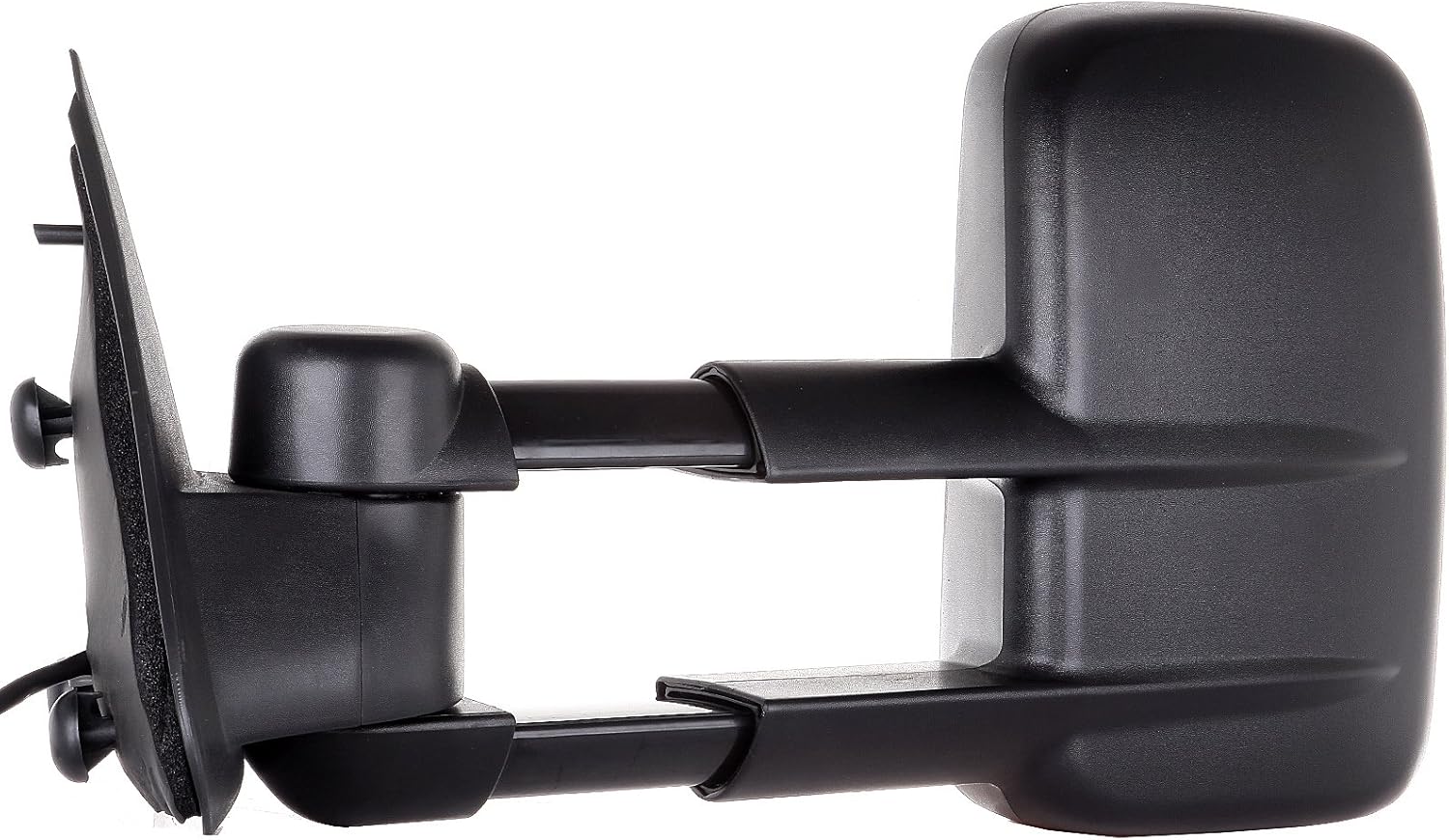
6. **Not Using Towing Mirrors**One of the most fundamental changes when towing a large trailer is the dramatic reduction in your field of vision. A prevalent mistake among new truck owners is attempting to tow substantial loads without the aid of proper towing mirrors. Standard side mirrors simply do not provide enough visibility to see beyond the width and length of a heavy-duty trailer, creating dangerously large blind spots that can lead to hazardous lane changes, turns, and parking maneuvers.
Towing mirrors are specifically designed to extend your field of vision, allowing you to clearly see down the sides of your trailer and spot vehicles that would otherwise be hidden. This extended perspective is critical for navigating traffic, especially on multi-lane highways where other vehicles might be attempting to pass or merge. Without them, you’re essentially driving partially blind, making it incredibly risky to change lanes or make wide turns.
Various types of towing mirrors are available, including extendable mirrors that slide out for increased visibility when towing, and clip-on or strap-on auxiliary mirrors. For consistent heavy towing, investing in permanently mounted extendable towing mirrors is often the best and most reliable solution. They provide a stable, clear view, enhance situational awareness around your entire rig, and significantly reduce the chances of accidents caused by obscured views.
Read more about: Mastering ‘Worse’ and ‘Worst’: Your Essential Guide to Avoiding Common Grammar Traps
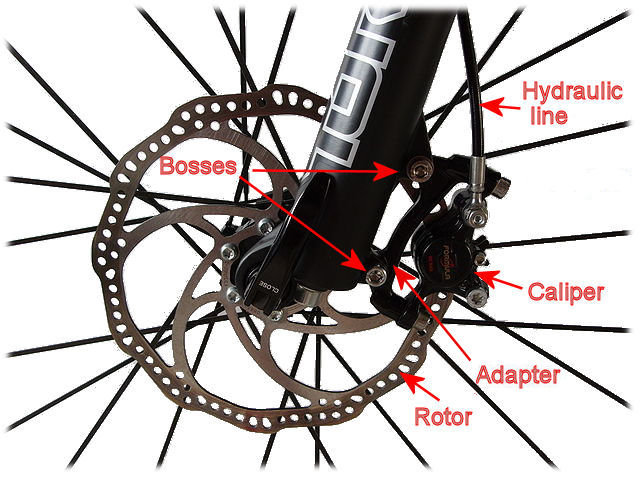
7. **Ignoring the Need for Trailer Brakes and Brake Controllers**When you’re pulling a load over 10,000 pounds, relying solely on your tow vehicle’s brakes is not just a mistake—it’s an outright gamble with severe consequences. A common and critical error new truck owners make is underestimating or completely ignoring the imperative need for trailer brakes and a synchronized brake controller. For heavy loads, trailer brakes are not merely an accessory; they are a legal requirement in many states, precisely because of the inherent dangers of unchecked momentum.
Without trailer brakes, the massive inertia of a heavy trailer pushes your tow vehicle forward during braking, dramatically increasing your stopping distance. This puts excessive strain on your truck’s braking system, leading to rapid wear, overheating, and a significant risk of brake fade or outright failure. Trying to stop quickly on a downhill slope with an unbraked 10,000-pound-plus trailer would be nearly impossible to maintain control.
A brake controller, installed in your tow vehicle, is the solution to this critical safety challenge. It synchronizes your trailer’s brakes with your vehicle’s, ensuring both systems work in harmony. This prevents the trailer from pushing your vehicle, distributes the braking workload, and allows for smoother, more controlled stops. Properly calibrated, a brake controller can significantly improve braking performance, minimize trailer sway, and mitigate wear and tear on your vehicle’s braking system, making it a vital safety investment for anyone towing substantial weight.
Towing a substantial load significantly alters your vehicle’s behavior on the road. The sheer mass behind you means that every input—from acceleration to braking to steering—has a magnified effect. One of the most critical errors new truck owners make is failing to adapt their driving style to these new dynamics, often leading to unstable situations that can quickly escalate into danger.
Accelerating and decelerating gradually is not just a suggestion; it’s a fundamental safety practice when towing. Sudden changes in speed can induce trailer sway or fishtailing, which is incredibly difficult to correct, especially with over 10,000 pounds pushing you from behind. Maintaining a consistent, steady speed helps keep the trailer aligned and reduces the forces that could lead to instability.
Beyond speed control, avoiding abrupt steering inputs is paramount. Sharp turns or sudden lane changes can easily throw off the delicate balance of your tow rig, again risking sway or loss of control. Always allow ample space for maneuvers, plan your turns well in advance, and make adjustments smoothly and deliberately. Your vehicle and trailer will thank you for the gentle approach.

8. **Neglecting Overall Vehicle Maintenance**Even the most rugged trucks and durable hitches aren’t invincible; they require consistent attention to perform optimally under the extreme demands of heavy towing. A prevalent oversight among new truck owners is neglecting the routine maintenance that keeps their entire towing setup in peak condition. This isn’t just about preserving your investment; it’s a critical safety measure.
Skipping basic upkeep, such as regularly cleaning your hitch, lubricating moving parts, or checking for rust, can lead to accelerated wear and tear. Over time, seemingly minor issues like stiff pins or corroded welds can compromise the structural integrity of your hitch system, increasing the risk of mechanical failure when it’s under the immense stress of a heavy load.
Furthermore, consistent heavy towing places extraordinary demands on vital components throughout your truck, including the engine, transmission, suspension, and brakes. Neglecting a regular maintenance schedule under these conditions dramatically accelerates wear and tear, increasing the likelihood of costly repairs and unexpected breakdowns on the road.
To avoid these pitfalls, make it a non-negotiable habit to inspect and maintain your towing equipment and tow vehicle regularly. This means following manufacturer-recommended service intervals, paying particular attention to oil changes, brake inspections, and suspension checks. A small investment of time and effort in maintenance can prevent significant headaches and enhance safety.
Read more about: Aero Disasters and Proportional Misses: Unmasking 14 of the Ugliest Styling Blunders in SUV History
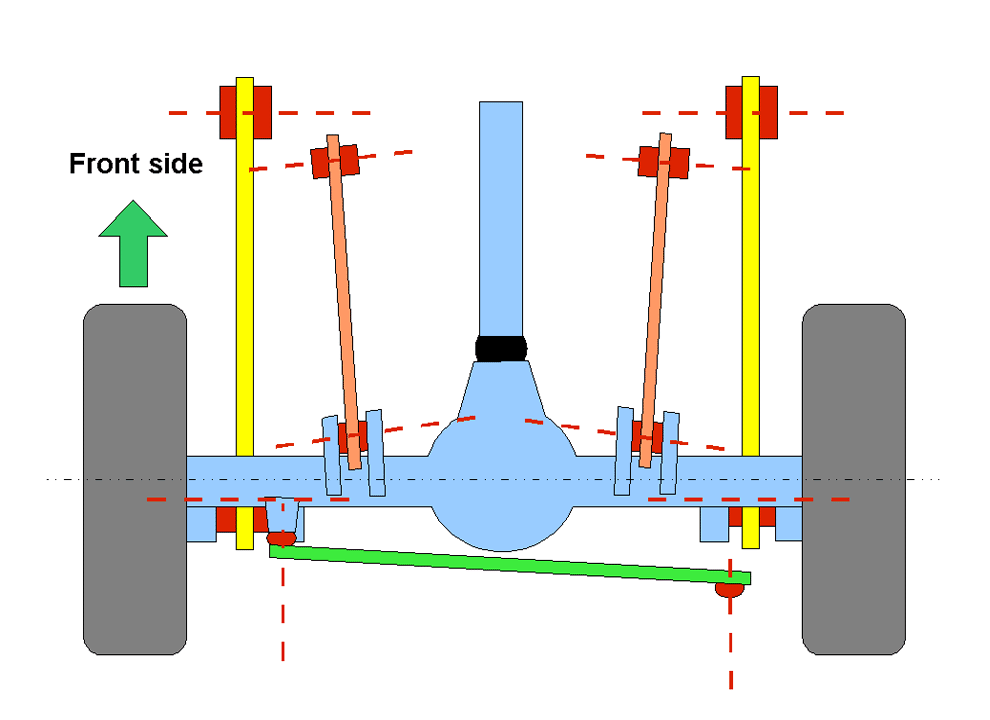
9. **Overloading the Axles and Suspension**While understanding your truck’s overall Gross Vehicle Weight Rating (GVWR) is crucial, many new owners overlook a more granular, yet equally dangerous, mistake: overloading specific axles or straining the suspension system. Improper weight distribution, even within the truck’s overall capacity, can concentrate excessive weight on one or more axles, leading to severe handling issues and component damage.
When a single axle, particularly the rear axle, carries too much weight, it can cause the truck to handle poorly, create an imbalance that exacerbates trailer sway, and put undue stress on the differential. This concentrated pressure isn’t just an inconvenience; it can lead to bent axles and premature wear on axle components, necessitating expensive repairs.
The suspension system—comprising springs, shocks, and bushings—is designed to handle a specific range of loads. Overloading, whether through improper distribution or simply carrying too much weight, causes significant wear on these components. This can result in the truck sagging, reducing ground clearance, and ultimately leading to long-term damage like broken springs or failed shocks, severely compromising ride quality and safety.
To counteract this, always ensure weight is evenly distributed across your truck’s bed and within the manufacturer’s specified front and rear axle weight limits (GAWR). For frequent heavy loads, consider upgrading your suspension to heavy-duty components, such as reinforced springs or an air suspension system, which can provide adjustable load support. Regularly inspect your suspension for signs of wear and address issues promptly to maintain stability and prevent major failures.
Read more about: Beyond the Glamour: When Film Productions Become ‘Problem Children’ and Test Every Crew’s Mettle

10. **Forgetting to Account for Longer Stopping Distances**One of the most immediate and impactful changes when towing a heavy load is the dramatic increase in your required stopping distance. This is a critical factor that new truck owners often underestimate or entirely forget, leading to dangerous situations on the road. The added momentum from over 10,000 pounds of trailer and cargo significantly prolongs the time and space needed to come to a complete stop.
Failing to adjust your driving habits to this extended stopping distance puts you and everyone else on the road at immense risk. It’s a leading cause of rear-end collisions, as your vehicle simply cannot stop as quickly as it would without the trailer. Moreover, continuously riding your truck’s brakes to compensate for this can lead to severe overheating, rapid wear, and ultimately, brake fade or catastrophic failure.
To mitigate this danger, a fundamental shift in driving behavior is necessary. Always drive slower than you normally would, especially in heavy traffic, on inclines, or in adverse weather conditions. Crucially, increase your following distance dramatically, allowing far more space between your rig and the vehicle ahead to provide adequate time for a safe, controlled stop.
Furthermore, when descending hills, resist the urge to constantly apply your brakes. Instead, utilize engine braking by shifting to a lower gear. This technique helps slow your vehicle and trailer through the resistance of the engine, preserving your service brakes for when they are truly needed and preventing dangerous overheating and fade.
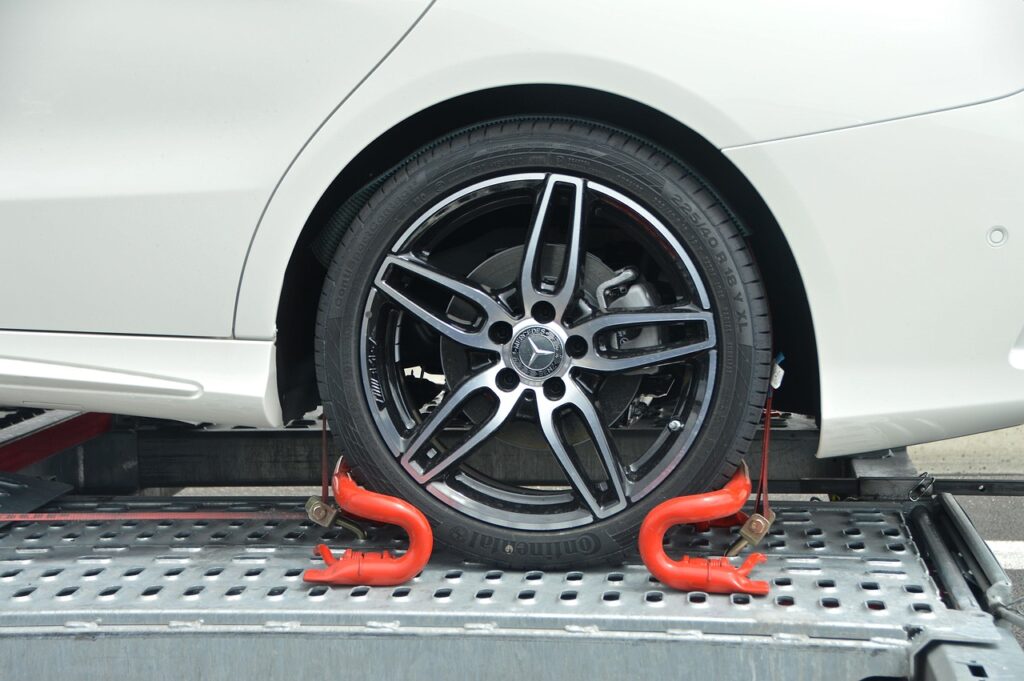
12. **Failing to Secure Cargo Properly**The importance of securing cargo properly inside your trailer or truck bed cannot be overstated when towing heavy loads. It’s a mistake that new truck owners sometimes overlook, assuming that a heavy load will naturally stay put. However, improperly secured cargo can be a major source of instability and danger, creating unexpected challenges on the road.
A load that shifts during transit can instantly throw off the carefully balanced weight distribution of your trailer, leading to sudden and uncontrollable sway. This movement strains every component of your towing setup—suspension, tires, and brakes—and can destabilize your entire vehicle. Such a shift increases the risk of tipping, rolling over, or losing control, particularly during turns or on uneven terrain.
To prevent these critical hazards, always use appropriate and robust tie-downs, straps, or cargo nets. These tools are your first line of defense against shifting loads. Ensure that the cargo is not only restrained but also distributed as evenly as possible, with heavier items placed low and centered over the trailer’s axles, even after securing.
Making sure your cargo is locked down prevents both damage to the items you’re hauling and, more importantly, keeps you and other drivers safe. It’s a quick pre-trip check that has monumental safety implications.
Read more about: Beyond the Showroom Shine: Unmasking the Controversial Seat Features Driving SUV Owners to Court
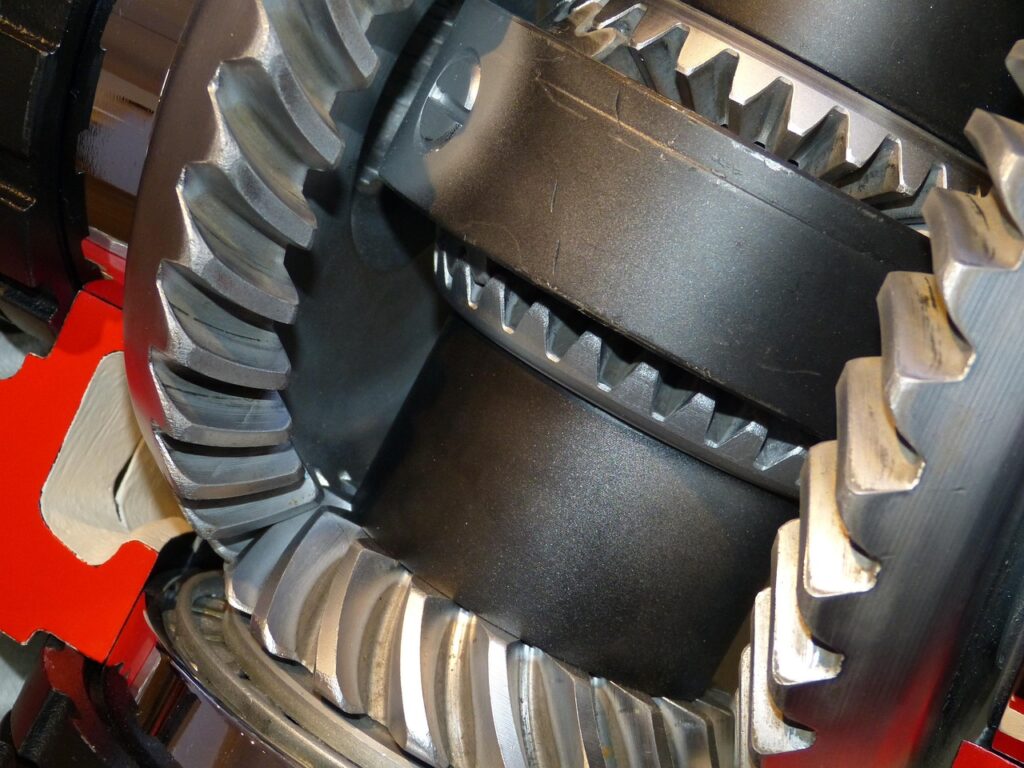
13. **Overworking the Transmission**The transmission in your truck is a powerhouse, but it’s not invincible, especially when subjected to the extreme demands of towing over 10,000 pounds. A common and costly mistake new truck owners make is overworking their transmission, often without realizing the long-term damage they are inflicting. Heavy loads, particularly when climbing steep inclines or driving in stop-and-go traffic, place immense strain on this vital component.
This excessive stress can cause the transmission fluid to overheat, which is a leading cause of transmission failure. Overheated fluid loses its lubricating properties, leading to increased friction, premature wear on internal components, and ultimately, slipping gears or complete transmission breakdown. The repair or replacement of a transmission can be one of the most expensive fixes your truck will ever need.
To prevent this critical issue, new truck owners must be mindful of their transmission’s limits and take proactive steps. Monitor your truck’s load carefully and consider installing an aftermarket transmission cooler if you frequently haul heavy loads. These coolers help maintain optimal fluid temperatures, significantly extending the life of your transmission.
Additionally, when climbing hills or facing heavy resistance, manually shift your truck into a lower gear. This reduces the strain on the transmission by allowing the engine to work within its optimal power band, rather than struggling in a higher gear. Properly managing your transmission can save you from substantial repair costs and ensure your truck remains reliable for heavy-duty tasks.
Read more about: Why Your Car’s AC Is Struggling: A Comprehensive Guide to Diagnosis and DIY Fixes
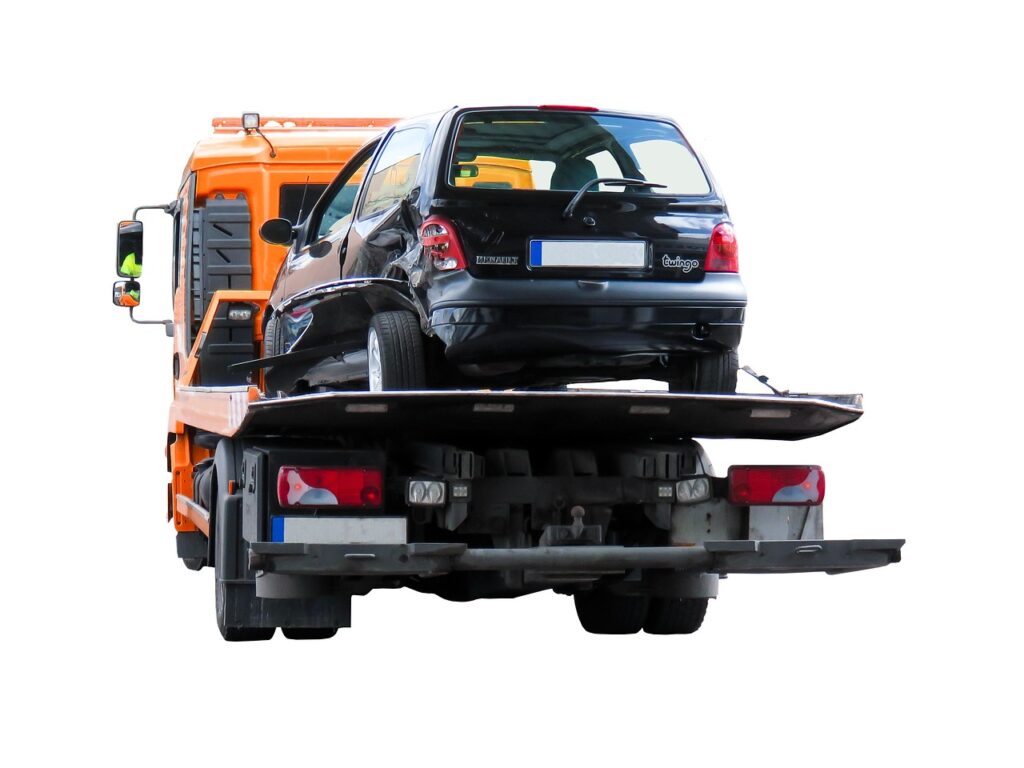
14. **Ignoring Warning Signs of Overload and Stress**Your truck is a sophisticated machine designed to provide feedback when it’s under duress. A critical mistake new truck owners make is ignoring these subtle, and sometimes not-so-subtle, warning signs that indicate their vehicle is overloaded or experiencing excessive stress. These indicators are not just minor quirks; they are calls for immediate attention that, if unheeded, can lead to severe damage or dangerous operating conditions.
Common red flags include a noticeable sagging of the rear end of your truck, which suggests the suspension is being pushed beyond its limits. Uneven tire wear, particularly on the rear tires, can signal improper load distribution or consistent overloading. Difficulty steering, a spongy brake pedal, or a general feeling of being unstable on the road are also clear indicators that your rig is struggling to cope with the weight.
Ignoring these warnings can lead to long-term damage to the suspension system, drivetrain components, and even the truck’s frame. Continuously operating an overloaded vehicle will accelerate wear and tear on nearly every component, leading to premature failures and expensive repairs that could have been avoided.
If you notice any of these warning signs, the most prudent action is to immediately reduce your load and have your truck inspected by a qualified mechanic. Regular inspections and a keen awareness of how your truck feels and performs under load are essential. Paying attention to these signals can prevent catastrophic breakdowns and ensure the longevity and safety of your valuable equipment.
Read more about: The 2025 Lemon List: 14 Cars to Avoid That Mechanics Already Dread Seeing
15. **Not Being Prepared for Emergencies**Despite taking every precaution and diligently avoiding common towing mistakes, emergencies can still arise on the road. A significant pitfall for new truck owners is failing to adequately prepare for these unexpected events, leaving them vulnerable and potentially stranded. Being prepared isn’t just a convenience; it’s a vital aspect of heavy towing safety that can make the difference between a minor inconvenience and a major ordeal.
An emergency kit is your essential lifeline. This kit should include a spare tire for both your tow vehicle and, critically, for your trailer, as trailer tire blowouts are common with heavy loads. A robust jack capable of lifting your heavy rig, a comprehensive toolbox with essential wrenches and repair items, and reflective triangles or flares for roadside visibility are also non-negotiable inclusions.
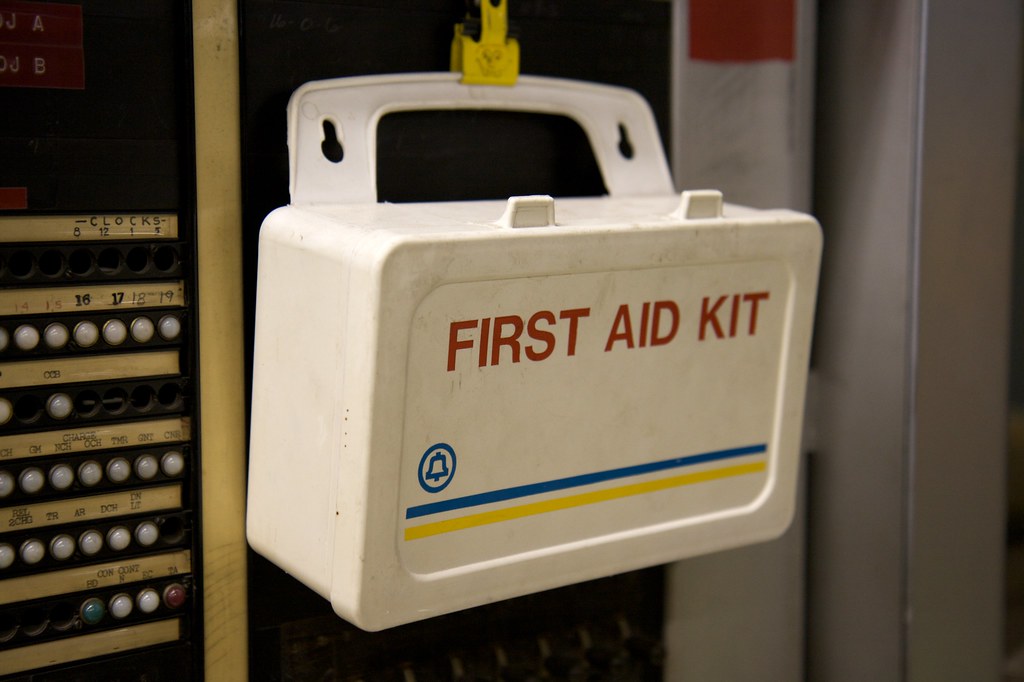
Beyond mechanical preparedness, a first-aid kit is crucial for addressing any minor injuries that might occur. Moreover, having a fully charged phone and a reliable roadside assistance plan in place can be invaluable, providing peace of mind and professional help when you need it most, especially in remote areas or challenging weather conditions.
The effort to assemble and regularly check your emergency gear is a small investment for the immense security it provides. By anticipating potential problems and having the tools and resources to address them, you significantly enhance your safety and confidence, ensuring that even unforeseen events don’t derail your journey or compromise your well-being.
Read more about: Understanding the Delays: Key Factors Behind Longer Tow Truck Wait Times
Navigating the complexities of heavy towing demands a blend of knowledge, preparation, and practical application. By meticulously addressing these common mistakes, from understanding your vehicle’s fundamental limits to adopting intelligent driving habits and maintaining vigilant oversight of your equipment, you transform potential hazards into manageable challenges. Towing over 10,000 pounds is a serious endeavor, but with the right approach, it becomes a testament to capability and confidence, ensuring every journey is as safe and smooth as possible for you, your cargo, and everyone else sharing the road. Stay safe, stay smart, and protect your gear.