Alright, buckle up history buffs and spiritual seekers, because we’re about to dive deep into a story that’s been shaping minds and hearts for over two millennia. Forget fleeting trends and viral challenges; we’re talking about an ancient figure whose life and legacy are so profound, they’re practically timeless. This isn’t just old news; it’s *the* enduring narrative of Matthew the Apostle, a man whose impact still echoes in our world today.
Seriously, before there were hashtags and ‘for you’ pages, there were apostles. And among them was Matthew, a figure whose journey from a rather unpopular profession to a pivotal role in early Christianity is nothing short of legendary. His narrative isn’t just confined to ancient texts; it’s woven into art, architecture, and the very fabric of belief systems across the globe. It’s a testament to a life that truly ‘never ages’ in its relevance and inspiration.
So, if you thought history was dull, think again! We’re peeling back the layers on twelve fascinating aspects of Matthew the Apostle’s life and the incredible Gospel attributed to him. From his personal transformation to his lasting influence on cultures and faiths, get ready to see why Matthew’s story is the ultimate viral content, standing strong for 2,000 years and counting. Let’s get into it!

1. Matthew: The Apostle and Evangelist
First up, let’s get to know the man himself. Matthew isn’t just a name; he’s a powerhouse figure known primarily in two incredibly significant roles: as one of the twelve apostles of Jesus and as one of the four Evangelists. These titles alone tell you he wasn’t just any follower; he was at the very core of Jesus’s inner circle, entrusted with spreading the message far and wide. It’s like being on the original dream team, setting the foundation for something truly monumental.
His role as an Apostle means he was an eyewitness to Jesus’s ministry, teachings, death, and resurrection. This direct connection gave his testimony immense weight and authority in the early Christian community. He was there, he saw it all, and he committed his life to sharing that extraordinary experience with others. Talk about firsthand accounts being vital for history!
Then there’s the Evangelist part of his title, which connects him to the Gospel of Matthew. This isn’t just any book; it’s one of the foundational texts of the New Testament. To be recognized as an Evangelist means being a messenger of good news, specifically the good news of Jesus Christ, and tradition credits him with penning this incredibly influential account. It’s a dual legacy of both active discipleship and profound literary contribution.
Church Fathers, like the esteemed Irenaeus and Clement of Alexandria, really highlight Matthew’s dedication. They relate that he tirelessly preached the gospel in Judea before venturing out to other countries, essentially setting the stage for global evangelization. His journey was a living embodiment of the Great Commission, taking the message far beyond its initial borders. Pretty inspiring, right?
Read more about: Unveiling the Apostle: Matthew’s Epic Journey – From Tax Collector to Evangelist – And the Gospel That Changed Everything!
2. From Tax Collector to Disciple: Matthew’s Calling
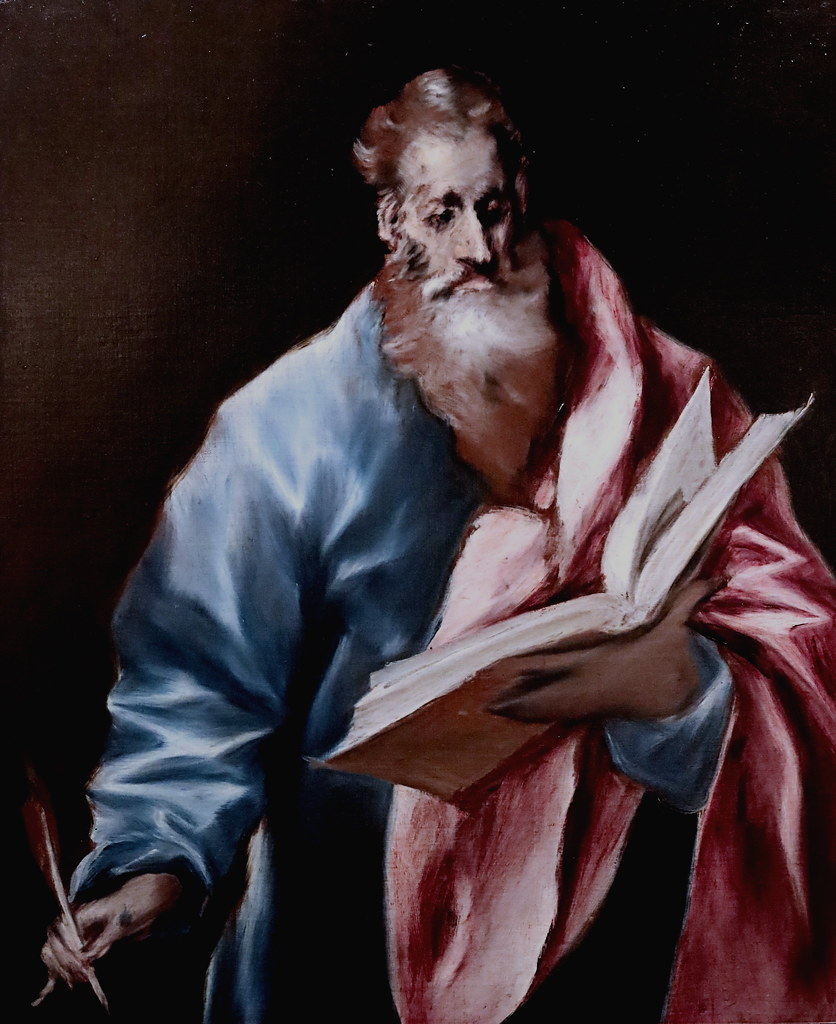
Now, here’s where Matthew’s story gets really interesting and profoundly relatable. Before he was an Apostle or an Evangelist, Matthew had a job that, let’s just say, wasn’t exactly popular: he was a tax collector. The New Testament specifically mentions him in Matthew 9:9 and Matthew 10:3 as a tax collector who, while sitting at the “receipt of custom” in Capernaum, was called to follow Jesus. This detail is crucial because tax collectors in that era were often seen as collaborators with the Roman occupiers and were widely disliked by their own people.
Imagine the scene: Jesus, walking by, sees Matthew (who is also identified as Levi, the son of Alphaeus, in parallel passages in Mark 2:14 and Luke 5:27) at his booth, probably collecting tolls or taxes, and simply says, “Follow me.” That’s it. No lengthy interviews, no background checks. Just a direct invitation that changed everything. It’s a moment that speaks volumes about Jesus’s radical approach to inclusion and grace, reaching out to someone society had largely shunned.
Matthew’s immediate response to this call is what truly stands out. He didn’t hesitate; he left his profitable (though unpopular) profession to become a disciple. This wasn’t just a career change; it was a complete life overhaul, a commitment to an entirely new path. It highlights a profound trust and a recognition of something extraordinary in Jesus that compelled him to leave everything behind. That’s some serious dedication!
This transformation from a tax collector named Levi to Matthew the Apostle is a powerful narrative about second chances and divine purpose. The fact that the Gospels record this detail not only provides historical context but also emphasizes that Jesus came for everyone, regardless of their past. It’s a beautiful example of radical acceptance and the power of a divine call to reshape a life completely. It’s truly an inspiring tale of redemption and new beginnings.
Read more about: From Publican to Prophet: Unpacking the Radical ‘New Role’ That Transformed Matthew the Apostle’s Destiny Forever!

3. Matthew’s Ministry: A Global Reach to Ethiopia
After answering Jesus’s call and witnessing His ascension, Matthew’s journey of faith was far from over; it was just beginning its next impactful phase. The New Testament records that as a disciple, he continued to follow Jesus’s teachings, and after the ascension, he joined the other disciples in an upper room in Jerusalem. They stayed in and around Jerusalem, boldly proclaiming that Jesus was the promised Messiah, setting the stage for the nascent Christian movement.
But Matthew’s ministry wasn’t destined to stay localized. Early Church Fathers like Irenaeus and Clement of Alexandria recount that Matthew initially preached the gospel to the Jewish community in Judea. This makes perfect sense given the Jewish context of Jesus’s ministry and Matthew’s own background, suggesting he was initially focused on sharing the message with his own people. It was a crucial first step in spreading the word.
However, the story doesn’t end in Judea. Ancient writers, though not always in perfect agreement on all the specific countries, almost universally mention Ethiopia as a key destination for Matthew’s later ministry. This detail paints a picture of a man dedicated to a truly global mission, willing to travel great distances to share the Christian message. Imagine the courage and conviction it would have taken to journey to such distant lands in those times!
This expansion of his ministry to Ethiopia is particularly significant, showcasing the early church’s commitment to reaching all nations. It demonstrates how the apostles understood their commission to be universal, not confined to any single geographical or ethnic group. Matthew’s willingness to go wherever the Spirit led him underscores the dynamic and expansive nature of the early Christian mission, truly a global endeavor from its earliest days.

4. The Martyr’s Crown: Matthew’s Enduring Faith
Matthew’s story, like many of the apostles, culminates in a testament of ultimate sacrifice for his faith. Both the Catholic Church and the Orthodox Church hold the strong tradition that Matthew died as a martyr. Even the Babylonian Talmud, in Sanhedrin 43a, appears to report his execution, lending ancient, albeit non-Christian, credence to the idea of his violent end. It’s a powerful and solemn reminder of the cost of conviction in the early days of Christianity.
According to revered Church tradition, while ministering in Ethiopia, Matthew achieved a remarkable spiritual feat: he converted and then consecrated Ephigenia of Ethiopia, the virgin daughter of King Egippus, to God. This act would set the stage for the dramatic confrontation that sealed his fate. It’s a narrative rich with spiritual significance, highlighting Matthew’s deep commitment to his converts and their vows.
The narrative continues with King Hirtacus, who succeeded Egippus. Hirtacus desired Ephigenia and asked Matthew to persuade her to marry him. Matthew, ever the steadfast teacher, invited King Hirtacus to liturgy the following Sunday. Instead of compliance, Matthew used the occasion to rebuke the king for his lustful intentions, reminding him that Ephigenia, as a nun, was considered the bride of Christ. This was a bold and uncompromising stand for spiritual principles.
Enraged by Matthew’s defiance and refusal to compromise, King Hirtacus ordered his bodyguard to kill the apostle. And so, Matthew met his end while standing at the altar, transforming him into a martyr for his faith. This poignant account underscores his unwavering commitment to his beliefs, even in the face of death, solidifying his legacy as one who truly laid down his life for the gospel. His enduring witness continues to inspire believers worldwide.

5. The Gospel of Matthew: Early Church Authorship Tradition
Beyond his life and ministry, Matthew’s most enduring legacy is arguably the Gospel that bears his name. Early Church tradition unanimously holds that the Gospel of Matthew was indeed written by the Apostle Matthew. This isn’t just a casual assumption; it’s a belief deeply rooted in the earliest Christian writings and testimonies, painting a clear picture of how the early community understood its sacred texts.
One of the earliest and most significant attestations comes from Papias of Hierapolis, an early Christian bishop who lived from approximately AD 60–163. He is cited by the Church historian Eusebius (AD 260–340) as stating: “Matthew collected the oracles [in Greek, logia: sayings of or about Jesus] in the Hebrew language [Hebraïdi dialektōi], and each one interpreted [hērmēneusen – perhaps ‘translated’] them as best he could.” This quote is a cornerstone of the traditional view, suggesting Matthew initially compiled Jesus’s sayings in Hebrew.
Following Papias, early Christian theologian Origen (circa 184–253) further reinforces this tradition. He indicated that the first gospel was written by Matthew and that it was composed in Hebrew near Jerusalem, specifically for Hebrew Christians. Origen believed this original Hebrew text was later translated into Greek. There’s even a fascinating detail that the Hebrew original was reputedly kept at the Library of Caesarea, adding a tangible element to this historical claim.
This persistent tradition of Matthew’s authorship in Hebrew and its subsequent translation for wider audiences highlights the importance placed on his direct apostolic witness. It speaks to a time when the immediate connection to an apostle was paramount for the authority and authenticity of a gospel account. The early Church truly saw Matthew as the voice behind this foundational narrative.
Read more about: Unveiling the Apostle: Matthew’s Epic Journey – From Tax Collector to Evangelist – And the Gospel That Changed Everything!
6. The Gospel of Matthew: Modern Scholarship’s View on Authorship
While early Church tradition strongly attributes the Gospel of Matthew to the Apostle, modern biblical scholarship offers a more nuanced and often different perspective. It’s not about discrediting ancient beliefs, but rather applying critical historical and textual analysis to the available evidence. This approach often leads to new insights and alternative understandings of how the Gospels came to be.
Most modern scholars lean towards the view that the Gospel of Matthew was actually written anonymously. This doesn’t necessarily diminish its spiritual authority or historical value, but it suggests that the identity of the direct author is not explicitly stated within the text itself. It challenges the idea of a single, named apostolic author in the way tradition had long held.
Scholars propose that the superscription “according to Matthew” – the very title we know it by – was likely added sometime in the second century, rather than being part of the original composition. This suggests it might have been an attribution given by the early Christian community to link the text to a respected apostolic figure, even if the actual penman was someone else. It’s a fascinating look at how biblical texts were compiled and disseminated.
However, it’s not a complete dismissal of Matthew’s connection to the Gospel. Many modern scholars acknowledge that it’s entirely possible that the gospel incorporates a source that was, in fact, written by the disciple Matthew. So, while he might not be the direct final editor or Greek translator, his original contributions or compilations of Jesus’s sayings (as Papias suggested) could still be embedded within the text we read today. Figures like Bart D. Ehrman and James R. Edwards are among those who have significantly explored these complex questions, adding layers to our understanding of the Gospel’s origins.
Okay, so we’ve journeyed through Matthew’s incredible personal story, from his surprising career change to his unwavering faith even unto death, and grappled with the origins of the Gospel attributed to him. But trust me, his influence doesn’t stop there! This guy’s legacy is so massive, it spills over into all sorts of unexpected places and continues to inspire millions across diverse cultures and artistic expressions. Get ready to have your mind blown by just how far Matthew’s story truly reaches!
We’re talking about a timeless narrative that keeps on giving, proving once again that some stories are just destined to go viral for millennia. Let’s dive into the next set of epic moments and lasting impacts that cement Matthew’s status as an enduring icon. This is where his legend really stretches its wings, going beyond the pages of the canonical scriptures and into the hearts and minds of different traditions. So, let’s keep this epic deep dive going and explore the rest of Matthew’s incredible journey!

7. Beyond the Canon: Apocryphal and Non-Canonical Gospels
Think of the Bible as the greatest hits album, but sometimes, there are awesome B-sides and remixes! Turns out, not everything attributed to Matthew made it into the official New Testament lineup. We’re talking about a fascinating collection of Jewish–Christian gospels that, in the 3rd century, were used by groups like the Nazarenes and Ebionites. These texts, though not widely accepted into the mainstream Christian canon, still reflect Matthew’s profound impact and the ongoing spiritual conversation surrounding his legacy.
It’s like an ancient ‘extended universe’ for Matthew’s story! Fragments of these unique gospels, such as the Gospel of the Nazarenes (with 36 surviving fragments!), the Gospel of the Ebionites (7 fragments), and the Gospel of the Hebrews (another 7 fragments), survive today primarily through quotations by early Church figures like Jerome and Epiphanius. These snippets offer us a tantalizing glimpse into how diverse early Christian communities engaged with Matthew’s narrative and teachings, often adapting them to their specific theological perspectives.
Now, here’s where it gets interesting: critical commentators generally see these texts as having been composed in Greek and connected to the canonical Greek Matthew. However, a minority of scholars suggest they might actually be fragments of a lost Aramaic- or Hebrew-language original. And then there’s the Gospel of Pseudo-Matthew, a 7th-century compilation blending elements from the Gospel of James, the Flight into Egypt, and the Infancy Gospel of Thomas, further illustrating how Matthew’s name became a magnet for spiritual narratives.
Jerome even noted that the Nazarenes believed Matthew composed their Gospel of the Hebrews, though Irenaeus and Epiphanius considered it merely a revised version of the canonical Gospel. This just goes to show you the dynamic and often complex nature of early Christian literature. These non-canonical texts, regardless of their precise origins, underscore Matthew’s monumental significance as a spiritual authority whose name carried immense weight, inspiring further stories and reflections on his teachings and life.
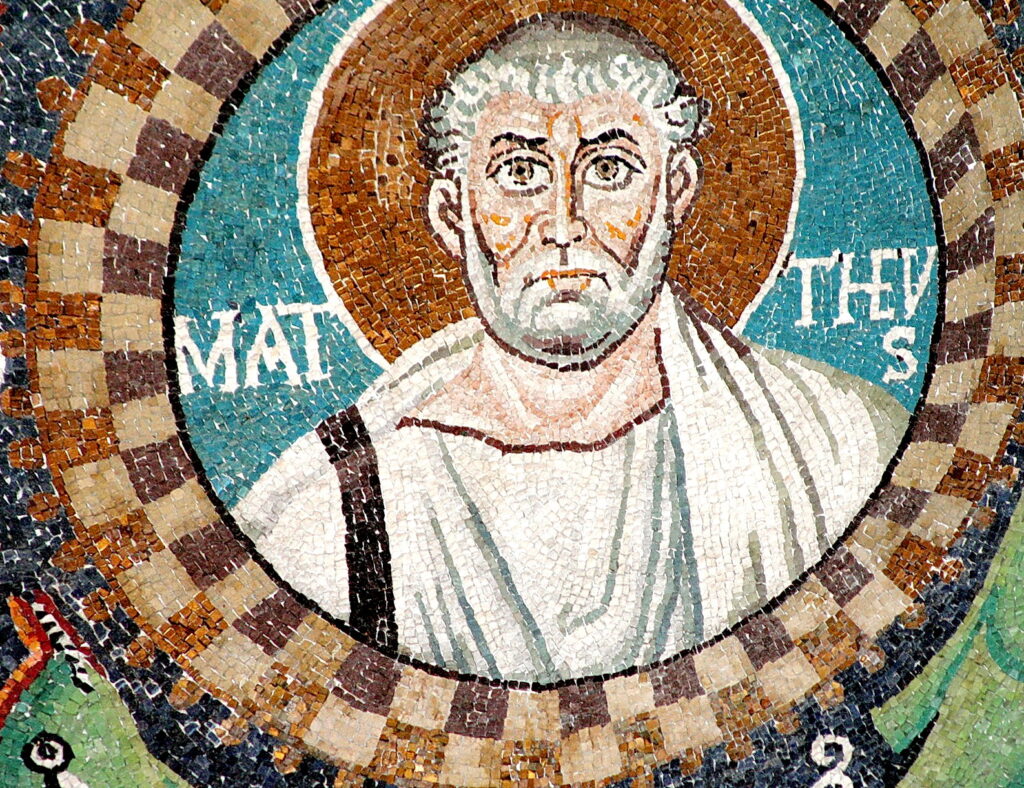
8. A Saint for All Seasons: Veneration in Christian Traditions
Beyond the debates over authorship and ancient texts, Matthew the Apostle is, unequivocally, a bona fide saint! His life and ultimate sacrifice have earned him a place of honor and veneration across the spectrum of Christian faiths. This isn’t just a historical footnote; it’s a living tradition that celebrates his enduring witness, with his tomb even located in the crypt of Salerno Cathedral in southern Italy – talk about a sacred resting place!
Seriously, Matthew’s feast day is a big deal! The Roman Catholic Church, the Evangelical Lutheran Church in America, the Lutheran Church—Missouri Synod, and the Anglican communion all remember Matthew with a special feast on September 21st. It’s a day when believers worldwide pause to reflect on his unwavering faith and incredible journey from tax collector to Apostle, drawing inspiration from his radical obedience and commitment to Christ’s message.
But wait, there’s more! The Eastern Orthodox Church, recognizing his profound spiritual contributions, venerates Matthew with multiple feast days. Besides the general Synaxis of the Twelve Apostles on June 30th (July 13th), they specifically honor him on November 16th (November 29th). These days are not just calendar entries; they are vibrant celebrations that reflect centuries of devotion and the profound impact Matthew had on the early Christian movement and continues to have on believers today. His legacy is truly a multi-denominational hit!
So, whether you’re Catholic, Lutheran, Anglican, or Orthodox, Matthew’s story resonates. He’s not just a character in a book; he’s a spiritual hero, a model of conversion and dedication, whose memory is kept alive through liturgy, prayer, and communal remembrance. His recognition as a saint across these diverse traditions underscores the universal appeal and timeless power of his journey of faith and commitment to the Gospel.
9. Matthew’s Echo in Islam: A Helper to Allah
Now, for a truly mind-bending plot twist in Matthew’s global saga: his recognition extends beyond the Christian world, making an appearance in Islamic tradition! You might not immediately connect Matthew with the Quran, but here’s the scoop: while the Quran refers to Jesus’s disciples as “helpers to the work of Allah” without listing their names, Muslim exegesis and Quran commentary actually step in to fill the blanks, and guess who’s on that list? Yep, Matthew, or “Mattā” as he’s known in this tradition.
This is seriously cool because it highlights a fascinating cross-cultural thread in religious history. It’s a testament to the shared reverence for figures associated with the major Abrahamic faiths. The naming of disciples in Islamic tradition is often based on ancient narratives and shared knowledge that existed between communities, creating these unexpected bridges across different belief systems.
What’s even more striking is that Muslim exegesis preserves a tradition that aligns beautifully with early Christian accounts. It relates that Matthew (“Mattā”) and Andrew (“Andirāwas”) were the two disciples specifically chosen to go to Ethiopia to preach the message of God. Sound familiar? It totally connects with the Christian tradition of Matthew’s ministry in Ethiopia, showcasing a remarkable convergence of narratives between Islam and Christianity regarding Matthew’s missionary zeal and reach. It’s a powerful reminder that sometimes, the most inspiring stories transcend boundaries.
This shared narrative isn’t just a historical curiosity; it underscores the universal appeal of dedicated spiritual messengers and the common human quest for divine guidance. Matthew’s presence in Islamic tradition as a dedicated preacher to Ethiopia illustrates that his story of commitment and global mission resonates deeply, symbolizing the spreading of God’s word far and wide. His legacy, truly, is a transcontinental epic!
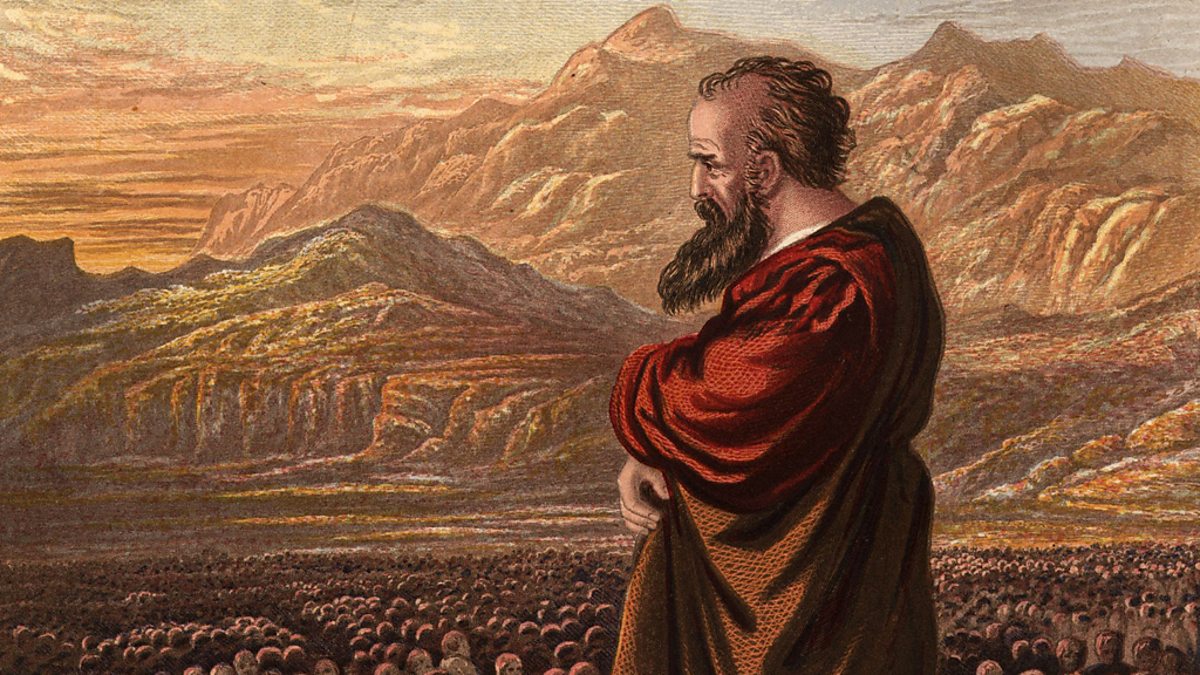
10. A Prophet Honored: Matthew in the Druze Faith
If you thought Matthew’s reach couldn’t get any wider, prepare to be amazed! His influence extends even into the Druze faith, where he is honored as a prophet. How incredible is it that a figure from early Christianity holds such a respected position in a distinct spiritual tradition? It just goes to show how truly universal some spiritual truths and influential personalities can become, connecting people across seemingly disparate theological landscapes.
Druze tradition reveres several “mentors” and “prophets,” and Matthew the Apostle clearly earned his spot among them. Druze doctrine openly teaches that Christianity is to be “esteemed and praised,” viewing the Gospel writers, including Matthew, as “carriers of wisdom.” This respectful acknowledgment is a powerful example of interfaith appreciation, recognizing the profound spiritual insights embedded within the Christian narrative and the pivotal role figures like Matthew played in conveying them.
There’s a fascinating numerical aspect to this reverence within the Druze faith: the number five holds an unstated significance. It’s believed that great prophets often appear in groups of five, embodying collective spiritual enlightenment. And guess what? Matthew is a key member of one of these sacred fivesomes!
In the first century, this profound group of five was represented by Jesus Christ, John the Baptist, Saint Matthew, Saint Mark, and Saint Luke. How cool is that to be counted among such esteemed company? Matthew’s inclusion in this elite spiritual lineup within Druze tradition highlights his exceptional standing as a beacon of spiritual knowledge and guidance, a true testament to his enduring and far-reaching legacy as a prophetic voice.

11. Painting the Apostle: Matthew in Christian Art
Step into almost any grand cathedral or art museum, and chances are, you’ll come face-to-face with Matthew the Apostle! He’s not just a figure in ancient texts; he’s a bona fide art icon, gracing canvases, frescoes, and stained-glass windows for centuries. It’s like his story was just begging to be visually represented, making his narrative tangible and resonant for generations of viewers. He’s truly one of the OG influencers in the art world!
Like the other evangelists, Matthew has a super cool visual signature in Christian art: he’s often depicted with one of the four living creatures mentioned in Revelation 4:7. His particular companion? A winged man, symbolizing the human nature of Christ emphasized in his Gospel, or perhaps the humanity of Matthew himself as he chronicles Jesus’s life. It’s his visual calling card, a symbol instantly recognizable to art lovers and believers alike.
Speaking of iconic depictions, you absolutely *have* to talk about Caravaggio’s three paintings of Matthew in the Contarelli Chapel of the Church of San Luigi dei Francesi in Rome. These aren’t just paintings; they’re landmarks of Western art! His masterpiece, “The Calling of Saint Matthew,” captures that pivotal moment when Jesus points to Matthew at his tax booth, inviting him to a new life. The dramatic chiaroscuro and raw humanity in Caravaggio’s work make Matthew’s transformation feel incredibly real and impactful, proving that a single moment can change everything.
From the Ebbo Gospels to Islamic miniatures by Kesu Das, and from Guido Reni’s Baroque intensity to August Wredow’s statues, artists have ceaselessly drawn inspiration from Matthew’s life. These artistic interpretations do more than just illustrate; they translate his story into a universal visual language, ensuring his powerful narrative of conversion, witness, and dedication continues to captivate and inspire audiences across cultures and centuries. He truly is the subject of timeless masterpieces.
Read more about: From Publican to Prophet: Unpacking the Radical ‘New Role’ That Transformed Matthew the Apostle’s Destiny Forever!

12. Stone and Story: Matthew in Architecture
Matthew’s influence isn’t just confined to manuscripts or paintings; his story is literally carved in stone, embedded in the very architecture of sacred spaces! It’s incredible to think that buildings themselves can become storytellers, preserving and proclaiming his legacy in a way that truly endures. This isn’t just about pretty decorations; it’s about embedding profound spiritual narratives into the fabric of human-made environments, making them literally part of the foundation.
A prime example? The Basilica of Annunciation in Nazareth. Inside this stunning structure, you can find a capital (that’s the top part of a column, for those keeping score!) that vividly depicts Matthew the Apostle. This capital tells a specific part of his legendary journey, focusing on his interaction with King Egippus of Aethiopia and his sons. It’s a moment frozen in time, inviting contemplation and wonder.
What’s depicted is truly fascinating: Matthew is shown leading the king and his sons away from a demon lurking in the far corner of the capital. This isn’t just a random scene; it directly references the biblical story of Matthew converting the king and his sons to Christianity. The iconography here is super rich, showcasing Matthew’s role as a spiritual liberator, guiding souls away from malevolent forces and towards faith. Talk about a powerful visual metaphor!
This architectural detail isn’t just a historical record; it also carries a poignant foreshadowing of Matthew’s eventual martyrdom. The presence of the demon, from which Matthew leads others, subtly hints at the spiritual battle and personal cost of his unwavering faith, ultimately leading to his death for his beliefs and teachings. These architectural narratives help us understand the religion of the time, showing the cross-pollination between places like Ethiopia and Nazareth, and reminding us how Matthew’s courage and conviction are literally etched into our world, proving his story is built to last!
Read more about: Unveiled: The Dramatic Highs and Lows of Saint Peter, From Fisherman to ‘Rock’ of the Early Church!
So, there you have it, folks! From a tax collector to a globe-trotting Apostle, a foundational Evangelist to a revered prophet across diverse faiths, Matthew’s story is the ultimate testament to a life that truly ‘never ages.’ He didn’t just write a Gospel; he lived a legacy that continues to resonate through centuries of art, architecture, and spiritual traditions. His journey from an ordinary man with an unpopular job to a figure honored worldwide proves that radical transformation, unwavering faith, and a commitment to spreading good news are truly timeless. Matthew’s impact isn’t just historical; it’s a living, breathing testament to the power of a life lived with purpose. Talk about going viral for 2,000 years and counting—Matthew absolutely crushed it!