
For many Americans, the question of when to claim Social Security benefits looms large as retirement approaches. It’s a pivotal decision that can significantly shape your financial well-being for decades, yet it’s often fraught with uncertainty. While the option to access the program as early as age 62 offers immediate relief, experts consistently warn that this initial inclination could be a costly mistake in the long run. The journey to maximizing these essential benefits is far from a one-size-fits-all solution; it demands a thorough, individualized analysis of numerous factors.
Indeed, making every dollar count is more crucial than ever, particularly when roughly 3 in 5 American workers admit their retirement savings are lagging, according to Bankrate’s 2025 Retirement Savings Survey. With over a third of workers believing they need $1 million or more for a comfortable retirement, and only half confident in reaching that goal, the strategic timing of Social Security becomes a cornerstone of financial security. As Mike Lynch, managing director applied insights at Hartford Funds, aptly states, “There are pros and cons to (claiming Social Security at) each age. It’s firmly individually based.”
This article aims to provide an in-depth, expert-driven guide to navigating the complexities of claiming Social Security. We will move beyond the superficial appeal of immediate access and delve into the critical financial, personal, and strategic considerations that truly define the “best” time for *you* to claim your benefits. By exploring key decision points, supported by data and expert insights, we empower you to make an informed choice that optimizes your lifetime income and supports your retirement aspirations.

1. **The Foundational Decision: Age 62, 67, or 70?**The earliest age one can claim Social Security is 62, marking a significant milestone for many contemplating retirement. However, this early access comes with a substantial trade-off: your monthly benefit will be approximately 30% smaller if claimed at 62 compared to your full retirement age (FRA). For those born in 1960 or later, 67 years old is considered the full-retirement age, a benchmark that restores your benefits to their unreduced amount.
The incentive to delay claiming doesn’t stop at FRA. Beyond age 67, your monthly benefit grows by an impressive 8% for each year you postpone claiming, up until you reach age 70. This delayed retirement credit can translate into significantly larger checks throughout your retirement. For example, a person whose FRA is 67 and who claims Social Security at 62 would have their benefits reduced by 30%, whereas waiting until 70 would result in a 24% increase compared to claiming at FRA.
On the surface, it appears logical that waiting until at least 67, if not 70, would always be the superior choice to secure the largest possible check. And indeed, statistical studies strongly support this. A 2019 report by United Income, “The Retirement Solution Hiding in Plain Sight,” concluded that retirees would collectively lose $3.4 trillion in potential income by claiming at a financially sub-optimal time. The study found that 92% of Americans would benefit from waiting until at least 65, and 71% by waiting until 70.
These findings were echoed by a more recent 2022 study from the Federal Reserve Bank of Atlanta and Boston University, published by the National Bureau of Economic Research (NBER). Researchers determined that “virtually all American workers age 45 to 62 should wait beyond age 65 to collect,” with more than 90% statistically better off waiting until age 70. The median loss from claiming before the optimal age was calculated to be a staggering $182,370, underscoring the profound financial implications of this foundational decision.
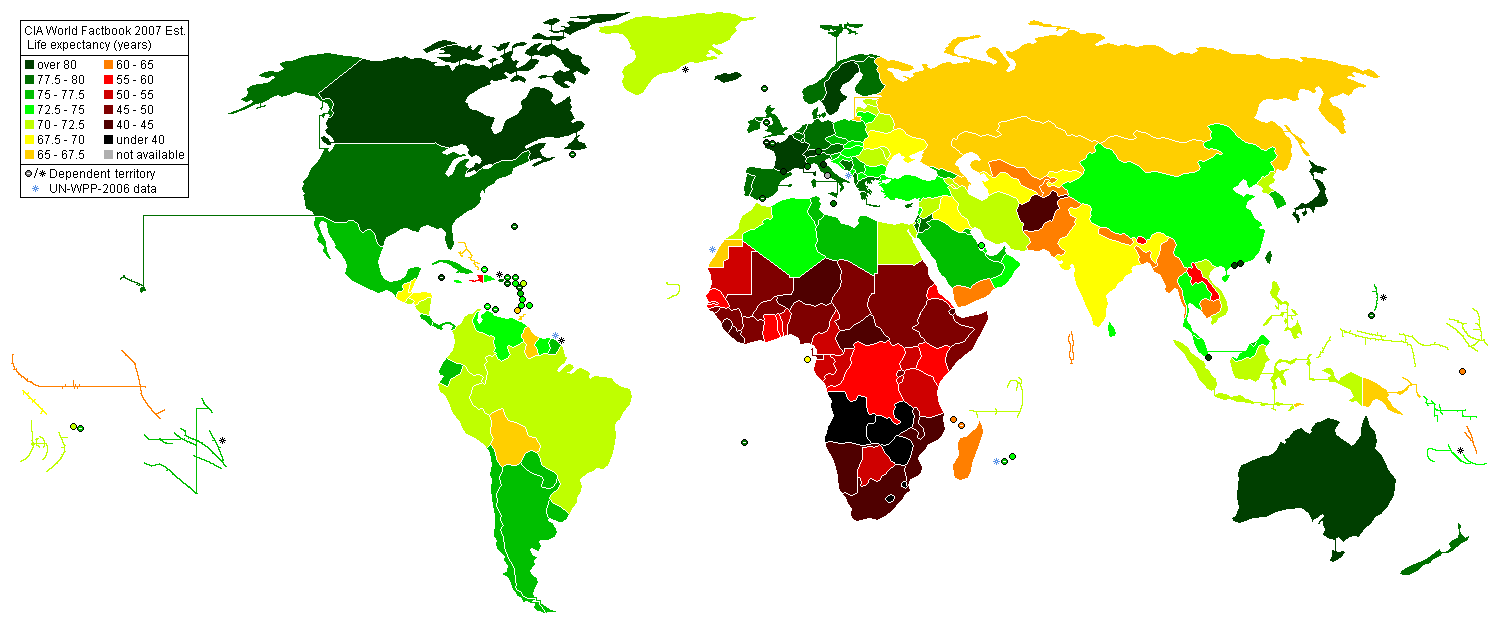
2. **Decoding Your Life Expectancy: The Breakeven Age**While delaying benefits often leads to higher lifetime payouts, this truth is profoundly shaped by an individual’s life expectancy. As Jaime Eckels, wealth management partner at Plante Moran, emphasizes, “Life expectancy makes a huge difference. The longer you wait, the longer you have to live to collect.” This crucial insight introduces the concept of the “breakeven age,” which is the point at which the cumulative higher monthly payments from delaying benefits will equal the total payments you would have received by claiming earlier.
Understanding your personal breakeven age is a cornerstone of an informed claiming strategy. The Social Security Administration website offers a breakeven calculator within your personalized profile, a valuable tool for this analysis. Generally, if you anticipate living beyond your calculated breakeven age, delaying benefits will result in a higher total lifetime payout. Conversely, if your life expectancy suggests you might not reach that milestone, claiming earlier could be more financially advantageous.
It’s important to differentiate between general life expectancy statistics and your individual reality. According to 2023 data from the Centers for Disease Control, life expectancy at birth is 78.4 years. However, many people live significantly longer, with the potential for 20+ years of retirement, especially with healthy lifestyle habits. Financial advisors refer to this as lifespan or longevity, which can be individually calculated by considering general health and family history. For instance, if you are single, healthy, and come from a family with a history of longevity, claiming earlier might allow you to collect for more years, drawing less from your own retirement funds, as Jung Seh, Financial Advisor at Bogart Wealth, points out.
However, the breakeven age should serve primarily as a guideline, not an absolute rule. Advisors caution that many other factors must be weighed in this complex decision. J.P. Morgan Asset Management’s analysis suggests claiming at age 62 if you don’t expect to live past 77, and waiting until your full retirement age if you expect to live beyond 77. For those anticipating a life beyond age 81, waiting until 70 is often recommended. Given that most Americans reaching 62 will live past 77, and many into their 80s or beyond, the statistical advantage often lies with delaying. Even if your parents had shorter lifespans, “advances in diagnosis and treatment of common diseases, along with differences in lifestyle, could enable you to live much longer than they did,” notes Niv Persaud, a CFP.

3. **Beyond Social Security: Integrating Other Income Sources**Social Security, while a vital component, is rarely the sole pillar of retirement income. A comprehensive claiming strategy necessitates a thorough assessment of all your financial resources. This includes various retirement funds such as IRAs and 401(k) plans, as well as taxable brokerage accounts and, for some fortunate individuals, defined-benefit pension plans. Understanding what buckets of money you can draw from, and crucially, the tax implications of each, is paramount, as emphasized by Jung Seh.
Integrating Social Security into your overall retirement portfolio allows for a more strategic approach to withdrawals and asset management. For example, if you find yourself forced into retirement during a year when your investment portfolio has experienced a significant downturn, say a 15% to 20% drop, and you lack other immediate income streams, claiming Social Security could be a prudent move. Andrew Herzog, a CFP with the Watchman Group, explains that this strategy could help you avoid “taking withdrawals that would lock in those losses,” potentially allowing your portfolio time to recover before you need to tap into it more deeply, even if it means a reduced Social Security benefit.
Another critical consideration involves the projected returns of your investment portfolio and the nature of your investments. Some retirees might believe their portfolio returns could outpace the guaranteed 8% annual return offered by delaying Social Security benefits. While attractive in theory, achieving such consistent returns would typically “require an aggressive investment strategy and a high tolerance for risk,” according to a paper by Wade Pfau and Steve Parrish in the Journal of Financial Planning. Historical data often suggests it is uncommon for investment returns to consistently beat the implied benefit of delaying for long-lived retirees.
Therefore, evaluating your Social Security decision in conjunction with your other assets can reveal powerful synergies. Perhaps filing for Social Security earlier could enable you to postpone converting an annuity into a guaranteed income stream, thereby securing a higher rate of return on that asset, as Ashton Lawrence, a certified financial planner, suggests. Ultimately, this holistic view ensures that your Social Security strategy complements, rather than detracts from, your broader wealth management goals.

4. **The Working Retiree: Understanding the Social Security Work Penalty**For many, retirement isn’t an abrupt cessation of work but a gradual transition, often involving part-time employment or consulting. However, those who choose to claim Social Security benefits while continuing to work before reaching their Full Retirement Age (FRA) must be acutely aware of the “work penalty.” This penalty can significantly reduce your benefits if your earnings exceed specific annual limits, adding another layer of complexity to the claiming decision.
In 2025, for individuals claiming before their FRA, benefits are reduced by $1 for every $2 earned over the annual limit of $23,400. This means that any income surpassing this threshold directly impacts the size of your Social Security checks. The rules become slightly different in the year you reach your FRA. For that specific year, $1 in benefits is deducted for every $3 you earn above a different, higher limit ($62,160 in 2025), but this only applies to earnings in the months *before* you reach your FRA. Once you hit your full retirement age, these deductions cease entirely, and you can earn as much as you like without any penalty to your Social Security benefits.
Beyond the direct work penalty, continuing to work while navigating early retirement also brings Medicare into the equation. Social Security eligibility begins at age 62, but Medicare coverage typically starts at age 65. This creates a potential three-year gap where retirees might need to cover healthcare costs independently, or through private insurance. This gap could require withdrawing a much larger percentage of your investment portfolio to cover expenses, leaving your savings vulnerable if the market experiences a downturn. Tapping into a declining portfolio by selling more investments to raise cash can drain savings more quickly and leave fewer assets to generate returns when the market eventually recovers.
Therefore, if you plan to continue working, especially before your FRA, it is crucial to calculate how your earnings will interact with Social Security’s limits. This assessment, alongside careful planning for the Medicare gap, can help you avoid unexpected reductions in your benefits and preserve your other retirement assets. Understanding these penalties is essential for any working retiree seeking to optimize their Social Security income.

5. **Crafting a Joint Strategy: Social Security for Married Couples**For married couples, the decision of when to claim Social Security benefits transcends individual preferences and becomes a strategic endeavor to maximize household lifetime income. Marriage “requires strategizing,” as Jung Seh points out, due to the various options available, including spousal and survivor benefits. A well-coordinated approach can often yield significantly more benefits than two independent claiming decisions.
One common and highly effective strategy involves having the lower-earning spouse file for benefits earlier, perhaps at their full retirement age or even as early as 62 if immediate income is needed. The income from the lower earner’s benefits, combined with other retirement funds, can then be used to cover household expenses. This allows the higher earner’s benefits, which benefit most from delayed-retirement credits, to continue growing until age 70. Ashton Lawrence notes, “It’s crucial to balance short-term financial needs with the long-term benefits of delayed claiming,” a balance that this strategy helps achieve.
This approach also plays a vital role in maximizing survivor benefits. If the higher-earning spouse delays claiming until age 70, they accumulate the largest possible benefit amount. Should that spouse pass away, the surviving spouse, once they reach their full retirement age for survivor benefits, would be eligible for up to 100% of the deceased spouse’s maximized benefit. This provides a robust financial safety net for the surviving partner. As Marguerita Cheng, a CFP with Blue Ocean Global Wealth, illustrates, one couple chose for the wife, the lower earner, to file early to assist aging parents and a disabled sibling, while the husband waited to maximize his benefits, providing them with peace of mind.
It’s important to distinguish this from spousal benefits. While delaying the higher earner’s claim boosts survivor benefits, it does not affect spousal benefits. A spouse can claim up to 50% of the higher earner’s primary insurance amount (PIA), which is the benefit amount at their FRA, not the delayed credit amount. If one spouse’s benefit is less than half of the other’s, claiming spousal benefits might be advantageous. This nuanced interplay requires careful calculation to ensure that both spouses’ benefits are optimized, securing the maximum possible income for the couple over their combined lifetimes.

6. **Navigating Loss: Strategies for Surviving Spouses and Divorced Individuals**For those facing the loss of a spouse, or navigating retirement post-divorce, Social Security offers specific, nuanced benefits that require careful strategic planning. The decisions made here are not just about personal financial stability but often about honoring a shared past or securing a future that looks different than originally planned. Understanding these rules can significantly impact a surviving spouse’s or divorced individual’s long-term financial security.
Widows and widowers can begin claiming survivor benefits as early as age 60, or even at 50 if they have a disability, provided they were married to the deceased for at least nine months. However, claiming at age 60 will result in a benefit reduction of approximately 29%. To receive 100% of the deceased spouse’s benefit, the surviving spouse must wait until their full retirement age (FRA) for survivor benefits, which can differ from the standard retirement FRA, gradually increasing to age 67 for those born in 1962 or later.
A key strategy for surviving spouses revolves around optimizing between their own earned benefits and the survivor benefits. As Michelle Gessner, a CFP with Gessner Wealth Strategies, advises, if your own Social Security benefit is less than the survivor’s benefit, it can be advantageous to claim your own benefits at age 62 and then switch to the larger survivor benefit once you reach your FRA. This is because survivor benefits are not eligible for delayed retirement credits, meaning there’s no financial upside to delaying them past your specific FRA.
Conversely, if your own earned benefit is projected to be larger than the survivor benefit, a different tactic may prove more fruitful. You might consider claiming the survivor benefits as early as age 60, allowing your own benefits – which *are* eligible for delayed credits – to continue growing until age 70. At that point, you would switch to your maximized personal benefit, effectively using the survivor benefits as a bridge to a higher future income stream, without precluding your own benefits from growing.
For divorced individuals, similar avenues exist to secure financial stability. If you were married for at least 10 years, are 62 or older, and are currently unmarried, you can claim benefits based on your ex-spouse’s earnings record. This spousal benefit can be up to 50% of your ex-spouse’s primary insurance amount, though it will be reduced if claimed before your own FRA. Notably, claiming benefits on an ex-spouse’s record does not affect their benefits or those of their current spouse, offering a vital independent financial recourse.

7. **Supporting the Next Generation: Benefits for Minor Children**Social Security isn’t solely for retirees; it extends a protective financial umbrella to families, particularly those with minor children. If you are eligible for Social Security benefits and have dependent children, they may also qualify for payments based on your earnings record. This provision can offer crucial financial support to families, underscoring the broader societal impact of Social Security beyond individual retirement planning.
Eligibility for children’s benefits is straightforward: your child must be under 18, or under 19 if they are still attending high school. For children with disabilities, these benefits can extend beyond these age limits. It’s important to note that these benefits are contingent upon the parent actually receiving their own Social Security payments. Furthermore, dependent grandchildren can also be eligible under specific circumstances, ensuring that support reaches those who truly depend on their eligible guardians.
Each eligible minor child can receive up to half of the amount the parent is entitled to at their full retirement age (FRA). However, there’s a family maximum benefit limit, typically ranging from 150% to 188% of the parent’s FRA benefit, which applies if multiple children are receiving payments. This cap ensures a fair distribution while preventing excessive payouts from a single earnings record. Importantly, the benefits paid to your minor children do not reduce the amount you, as the parent, are eligible to receive when you file for your own benefits.
However, a critical nuance exists: if a parent decides to claim their Social Security benefits early, say at age 62, specifically so their children can begin receiving payments, the parent’s own benefits will still be permanently reduced. This permanent reduction is a direct consequence of early claiming and applies regardless of the motivation behind it. As Ashton Lawrence, a certified financial planner, advises, “you should weigh your family’s immediate financial needs against the increase in your benefits you’d receive by filing later.” This highlights the need for a comprehensive financial evaluation, balancing immediate family support with the long-term maximization of the parent’s own lifetime benefits.

8. **The Solo Path: Claiming Strategies for Single Retirees**For single retirees, the landscape of Social Security claiming decisions, while less complex than for married couples, still demands careful consideration and strategic planning. Without the intricacies of spousal or survivor benefits to factor in, single individuals can focus more directly on optimizing their personal benefit based on their unique health, financial needs, and longevity expectations. This individualized approach is paramount to securing a comfortable and stable retirement.
One of the primary considerations for single individuals is their health status and projected longevity. If a single retiree is in good health with a family history of long lifespans, delaying benefits until Full Retirement Age (FRA) or even age 70 typically makes the most financial sense, capitalizing on the guaranteed delayed retirement credits. This approach can lead to a significantly larger monthly check throughout a potentially extended retirement, minimizing the risk of outliving one’s savings.
However, the decision to delay isn’t always clear-cut. As Niv Persaud, a CFP, recounted, one of her single clients opted to claim at age 67, even though waiting until 70 would have yielded an additional $100 per month. For this client, the modest increase didn’t outweigh the desire to alleviate financial stress and begin enjoying her retirement income sooner. This illustrates that while statistics often favor delaying, personal comfort, current financial stability, and emotional well-being can legitimately influence the timing of a claim, especially if chronic health issues suggest a shorter life expectancy. In such cases, claiming earlier or at FRA provides immediate income to enjoy the time remaining.
Furthermore, single individuals who are divorced may still have a powerful claiming option: benefits based on an ex-spouse’s earnings record. If you were married for at least 10 years, are 62 or older, and are currently unmarried, you can claim up to 50% of your ex-spouse’s primary insurance amount. This benefit will be reduced if you claim before your FRA. Crucially, this strategy does not impact your ex-spouse’s own benefits or the benefits of any subsequent spouse, providing a valuable, independent income stream for eligible single retirees who might otherwise have lower personal benefits.

9. **Your Portfolio’s Role: Social Security and Investment Decisions**Social Security should never be viewed in isolation; it is a critical component within a broader, holistic retirement portfolio. A truly optimized claiming strategy integrates your Social Security decision with your other financial resources, including IRAs, 401(k) plans, taxable brokerage accounts, and any pension benefits you may have. Understanding how these elements interact, and particularly their tax implications, is fundamental to a robust wealth management strategy.
In some instances, claiming Social Security earlier than might be statistically optimal can serve as a strategic financial buffer. For example, if you are forced into retirement during a year when your investment portfolio has suffered a significant downturn, perhaps a 15% to 20% drop, and you lack other immediate income streams, filing for Social Security can be a prudent move. Andrew Herzog, a CFP with the Watchman Group, explains that this strategy could prevent you from “taking withdrawals that would lock in those losses,” thereby giving your portfolio valuable time to recover before you need to tap into it more deeply. This tactical use of Social Security, even with reduced benefits, can protect your long-term investment growth.
Another significant aspect involves comparing the guaranteed returns of delayed Social Security benefits to the potential returns of your investment portfolio. Delaying Social Security benefits offers an impressive 8% annual delayed retirement credit, a high hurdle for many investment portfolios to consistently outperform. While some retirees might believe their investments could yield higher returns, achieving such consistent outperformance typically “require an aggressive investment strategy and a high tolerance for risk,” as noted in a paper by Wade Pfau and Steve Parrish in the Journal of Financial Planning. Historical data suggests it is uncommon for investment returns to consistently beat the implied benefit of delaying for long-lived retirees.
Moreover, the strategic timing of Social Security can influence other investment decisions. Ashton Lawrence, a certified financial planner, highlights that filing for Social Security earlier could enable you to postpone converting an annuity into a guaranteed income stream, potentially securing a higher rate of return on that asset. This interplay underscores the importance of viewing Social Security as a flexible tool within your broader financial plan. Ultimately, the decision isn’t always about maximizing immediate benefits, but also about supporting broader financial goals, including legacy planning. Filing for benefits earlier, by reducing the need to withdraw from savings, can increase the amount you are able to leave to your heirs, showcasing that, as Marguerita Cheng, a CFP, puts it, the decision “is as much a personal decision as a financial one.”

10. **The Unseen Influences: Why Many Claim Early Despite Optimal Advice**Despite overwhelming statistical evidence and expert advice advocating for delayed Social Security claims, a significant portion of retirees continue to file for benefits as early as possible. In 2023, the most popular age to claim was 66, followed closely by 62, with less than 10% waiting until age 70. This divergence between optimal strategy and common practice reveals a fascinating interplay of immediate financial needs, health realities, and pervasive fears about the program’s future. Understanding these underlying motivations is crucial for making an informed, rather than reactive, decision.
Several compelling reasons drive early claiming. For many, the immediate need for income is paramount, whether to pay off lingering debts, address financial emergencies, or simply maintain a necessary standard of living after an unexpected job loss or early retirement. Health issues also play a significant role; if an individual anticipates a shorter life expectancy due to chronic conditions or family history, claiming benefits sooner ensures they receive payments for more years, rather than potentially foregoing benefits they might not live long enough to fully enjoy. Additionally, a simple desire to stop working and enjoy retirement can be a powerful, albeit financially suboptimal, motivator.
Beyond personal circumstances, a widespread fear regarding the long-term solvency of the Social Security program significantly influences claiming decisions. Some older Americans, staring down potential benefit cuts, react by wanting to access their funds as soon as possible, fearing the money might not be there later. However, experts like Jaime Eckels reassure that such fears are largely unfounded. “There are always people working and paying into the system,” she states, emphasizing that while adjustments may be needed, such as raising payroll taxes, increasing the income threshold for contributions, or adjusting the full retirement age, the program is unlikely to “run out of money.”
Eckels’s warning resonates deeply: “Rash decisions because of fear lead to bad outcomes.” The popular choice, much like opting for fast food over a Michelin-starred meal, doesn’t always align with the “best” outcome. While immediate gratification or fear may prompt early claiming, the long-term financial consequences can be substantial, as highlighted by studies calculating median losses in the hundreds of thousands of dollars. The Social Security Administration itself wisely states, “there’s not a single ‘best age’ for everyone and, ultimately, it’s your choice. The most important thing is to make an informed decision.” This underscores the necessity of personalized planning over blanket statistics or fear-driven impulses.
As we have explored throughout this in-depth guide, the decision of when to claim Social Security is a profoundly personal and multifaceted one. There’s no universal “best” age, but rather a spectrum of optimal choices tailored to individual circumstances. By meticulously considering your health, family status, other income sources, and even your investment portfolio, you can forge a strategy that maximizes your lifetime benefits and ensures the financial security you deserve in retirement. Ultimately, an informed decision, grounded in data and expert advice rather than fear, is your most powerful tool in navigating this crucial chapter of your financial life.