In today’s automotive landscape, the allure of a brand-new truck can be powerful. Sleek designs, advanced technology, and powerful engines often promise an unparalleled driving experience. However, this comes at an increasingly steep price, both in terms of initial investment and the long-term costs associated with complex, often proprietary, electronic systems that can make repairs daunting and expensive. Many modern trucks, while impressive on paper, don’t always offer the straightforward durability that earlier generations perfected.
For those who understand that true value isn’t always found in the latest model year, the secondary market presents a fascinating alternative. Here, amidst the myriad options, lie vintage trucks that defy expectations, offering robust construction, proven mechanical reliability, and a significantly lower acquisition cost. These are not merely relics of the past; they are meticulously engineered workhorses that have stood the test of time, continuing to deliver faithful service long after their contemporaries have faded.
This guide, compiled from the insights of seasoned mechanics, unveils a “secret list” of 12 vintage trucks that represent superior investments compared to many of today’s overpriced new models. We’ll dive deep into the first six of these legendary vehicles, exploring what makes them such enduring performers and why they remain top recommendations for discerning buyers seeking dependability, practicality, and undeniable value. Forget the fleeting trends and disposable designs; these trucks were built to last, making them the ultimate choice for anyone prioritizing longevity and capability over needless complexity and hefty price tags.
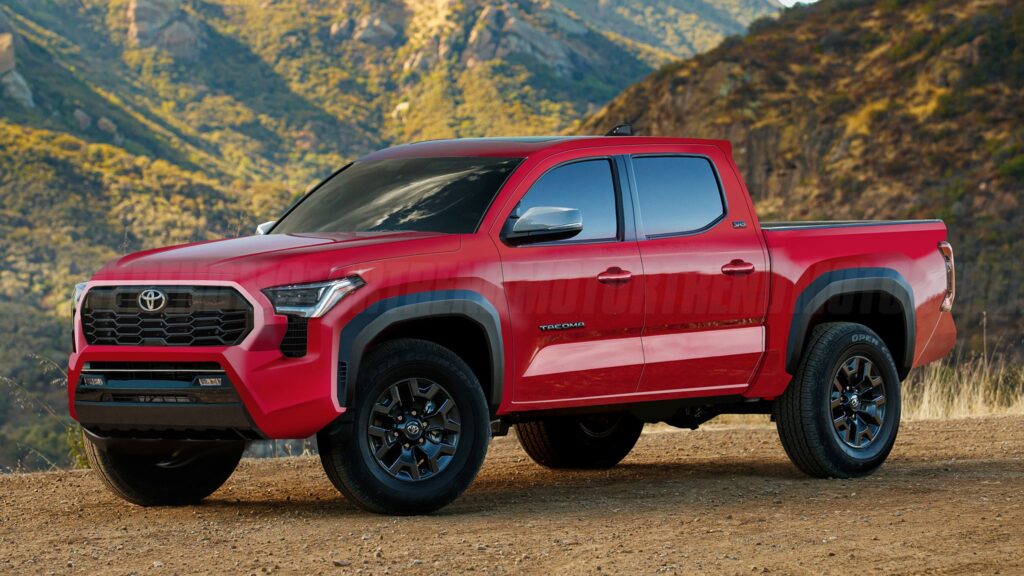
1. **Toyota Tacoma (1995-2004)**
The first-generation Toyota Tacoma stands as a testament to what a compact pickup truck can be when engineered with an uncompromising commitment to reliability. Revered as the “gold standard” in its segment, these trucks earned their legendary status through a harmonious blend of thoughtful design and the impeccable build quality that characterized Toyota during an era when durability was paramount. It’s a reputation forged in the crucible of real-world performance, where reliability wasn’t just a marketing buzzword but a core design principle.
Underneath the hood, these Tacomas offered a choice of powerplants that have become synonymous with longevity: the 2.4L 2RZ-FE and 2.7L 3RZ-FE four-cylinder engines, or the more potent optional 3.4L 5VZ-FE V6. These engines are renowned for their incredible ability to reach “astronomical mileages with minimal intervention.” It’s not uncommon to encounter examples with well over 300,000 miles still running strong with their original engines and transmissions, a feat that few modern vehicles can genuinely claim.
What truly sets the first-gen Tacoma apart from its rivals of the same era is its remarkable resilience to common truck killers. While many contemporary models often fell victim to severe rust issues and frame failures, the Tacoma’s superior build quality ensured the survival of countless units, even in harsh “salt-belt regions.” This inherent robustness, combined with a refreshingly simple design, translates to “fewer complex electrical systems,” meaning fewer potential points of failure, which is a significant advantage in any used vehicle. When components eventually do require attention, “replacements remain plentiful and relatively affordable thanks to Toyota’s commitment to parts availability and the truck’s massive aftermarket support.” This makes long-term ownership not only feasible but also financially sensible.
From a maintenance standpoint, these trucks are refreshingly straightforward. Their ample engine bay room makes routine tasks such as “oil changes, spark plug replacements, and brake service” manageable even for novice mechanics, often requiring only basic tools. This DIY-friendly nature has fostered a vibrant online community of knowledgeable owners who readily share valuable maintenance tips and troubleshooting advice, further reducing long-term ownership costs. While occasional minor issues like “timing chain tensioner problems” or stubborn rear brake drums can arise, the overall package delivers “exceptional reliability” that is hard to beat. For buyers seeking a compact truck that excels as a daily driver, handles moderate hauling, and confidently tackles off-road adventures with minimal fuss, the first-generation Tacoma sets the benchmark by which all newer trucks are often measured.
Car Model Information: 2019 Toyota Tacoma SR5
Name: Toyota Tacoma
Caption: 2020 Toyota Tacoma TRD Off-Road
Manufacturer: Toyota
Production: January 1995 – present
ModelYears: 1995–present
Class: unbulleted list
Layout: Front-engine, rear-wheel-drive layout
Predecessor: Toyota Hilux (N80)
Categories: 2000s cars, 2010s cars, 2020s cars, All-wheel-drive vehicles, All Wikipedia articles written in American English
Summary: The Toyota Tacoma is a pickup truck manufactured by Japanese automobile manufacturer Toyota since 1995. The first-generation Tacoma (model years 1995 through 2004) was classified as a compact pickup; subsequent models are classified as mid-sized pickups. The Tacoma was Motor Trend’s Truck of the Year for 2005.
As of 2015, the Tacoma was sold in the United States, Canada, Mexico, Costa Rica, Bolivia, Bermuda, and the French overseas collectivity of New Caledonia. Most markets across the world receive the Toyota Hilux in lieu of the Tacoma.
The name “Tacoma” was derived from the Coast Salish peoples’ name for Mount Rainier in the U.S. state of Washington.
Get more information about: Toyota Tacoma
Buying a high-performing used car >>>
Brand: Toyota Model: Tacoma
Price: $26,495 Mileage: 87,049 mi.
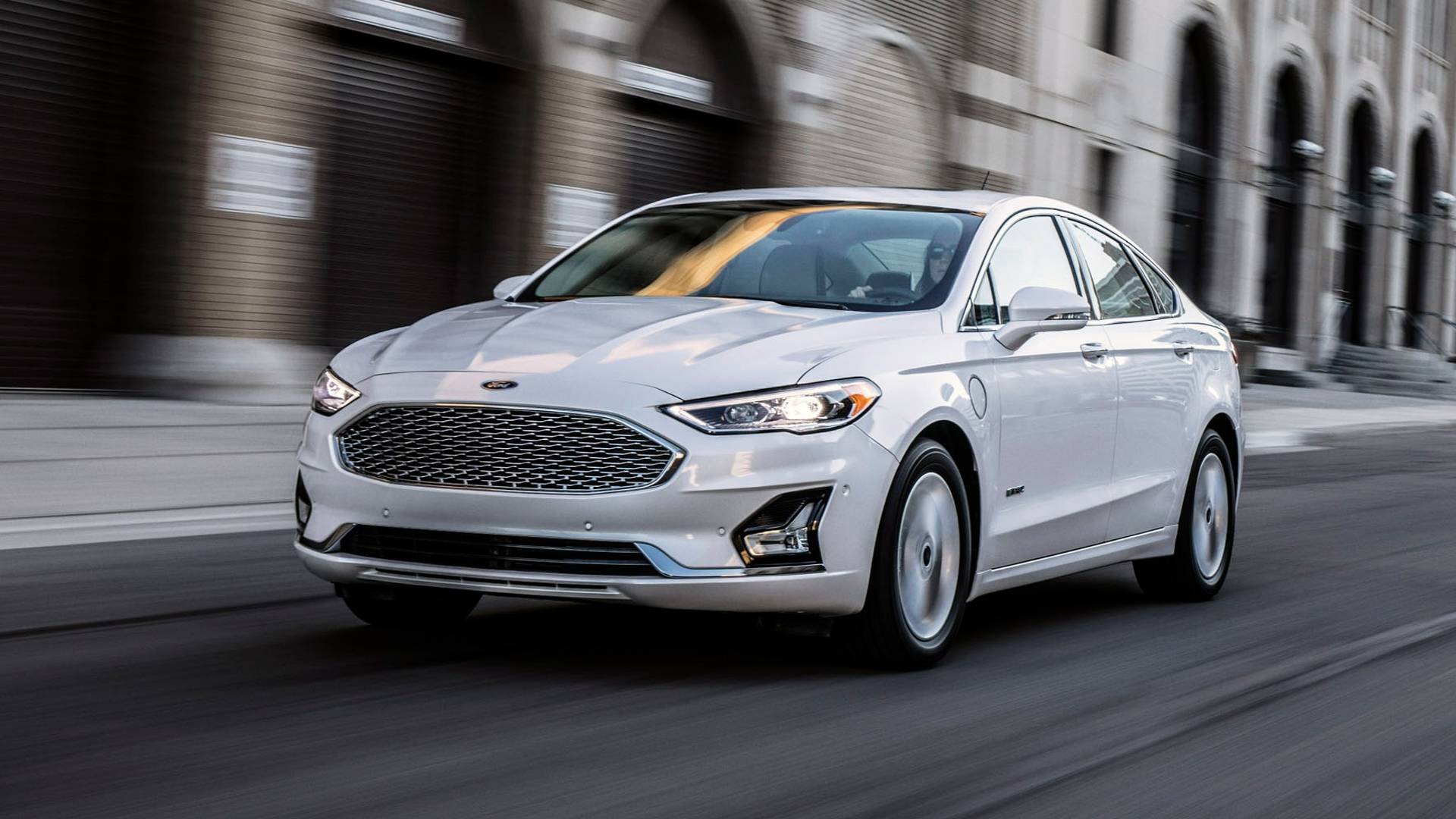
2. **Ford F-150 (1996-2003)**
The tenth-generation Ford F-150, encompassing model years 1996 through 2003, represents a pivotal moment in the evolution of America’s perennial best-selling vehicle. This iteration signaled Ford’s decisive move towards a more modern, aerodynamic design language, yet it remarkably managed to retain the “rugged capability that defined the F-Series legacy.” It struck a delicate and highly successful balance, modernizing the truck’s aesthetics without compromising its fundamental utility or durability.
What makes these F-150s particularly desirable in the used market is their masterful blend of contemporary amenities and a foundational mechanical simplicity. They were “sophisticated enough to offer comfortable daily driving,” providing a smooth and refined experience for their time, but importantly, they were “engineered before the proliferation of complex electronics that plague newer vehicles.” This sweet spot means owners get a truck that feels current enough for everyday use without the inherent vulnerabilities and expensive repair bills associated with overly complex digital systems.
Their powertrain options are a significant contributor to this generation’s sterling reputation for longevity. The 4.6L and 5.4L Triton V8 engines, members of Ford’s modular engine family, are known to “routinely surpass 250,000 miles without major internal work” when diligently maintained. The 4.6L variant, in particular, has earned a reputation for “bulletproof reliability,” with many professional mechanics considering it “among the most dependable truck engines ever produced.” The manual transmissions available during this period performed admirably, while the 4R70W automatic transmission, though requiring appropriate maintenance, generally provided “reliable service” throughout its lifespan.
Body integrity stands out as another strong suit of these F-150s. Ford implemented substantial “corrosion protection improvements” during this generation, leading to bodies that resisted rust significantly better than many of their contemporaries. Furthermore, the frame design effectively “addresses weaknesses from previous generations,” providing a solid and dependable foundation capable of withstanding heavy work without succumbing to the stress cracks that plagued some competing models. Common wear items such as “ball joints, tie rod ends, and wheel bearings were overbuilt for the truck’s typical duties,” resulting in extended service intervals and reduced maintenance headaches.
When repairs eventually become necessary, the sheer volume of these trucks produced, combined with Ford’s ongoing commitment to supporting legacy models, ensures “parts availability remains excellent.” The straightforward nature of most systems means that even repairs that might appear complex often only require “basic mechanical knowledge and standard tools,” making ownership remarkably sustainable even for those on a tight budget. These F-150s represent a smart choice for buyers seeking a full-size truck that combines modern comfort with time-tested dependability.
Car Model Information: 2018 Ford F-150 XLT
Name: Ford F-Series
Caption: 2022 Ford F-150 Lariat Luxury
Manufacturer: Ford Motor Company
Aka: Ford Lobo (Mexico, 1992–present)
Production: 1948–present
Class: Pickup truck#Full-size pickup truck
Layout: Front-engine, rear-wheel-drive layout,rear-wheel drive
Predecessor: 1941 Ford
Categories: All-wheel-drive vehicles, All Wikipedia articles written in American English, All articles that may contain original research, All articles with unsourced statements, Articles that may contain original research from September 2020
Summary: The Ford F-Series is a series of light-duty trucks marketed and manufactured by the Ford Motor Company since model year 1948 as a range of full-sized pickup trucks — positioned between Ford’s Ranger and Super Duty pickup trucks. Alongside the F-150 (introduced in 1975), the F-Series also includes the Super Duty series (introduced in 1999), which includes the heavier-duty F-250 through F-450 pickups, F-450/F-550 chassis cabs, and F-600/F-650/F-750 Class 6–8 commercial trucks.
Get more information about: Ford F-Series
Buying a high-performing used car >>>
Brand: Ford Model: F-150
Price: $22,345 Mileage: 70,866 mi.
3. **Chevrolet/GMC C/K 1500 (1988-1998)**
The GMT400 platform Chevrolet and GMC trucks, affectionately known as “OBS” (Old Body Style) trucks by a dedicated community of enthusiasts, occupy a unique and highly prized position in the pantheon of classic American pickups. Spanning the model years 1988 to 1998, these trucks perfectly encapsulate the “sweet spot between classic truck simplicity and modern driving dynamics.” Their enduring appeal lies in the way they seamlessly blend timeless styling with a foundation of remarkably durable mechanical components, earning them both cult status among truck aficionados and a practical choice for discerning buyers.
Their continued presence on American roads, where they are still frequently encountered “in daily service decades after production,” speaks volumes about their fundamental engineering excellence. This isn’t just nostalgia; it’s a testament to a design philosophy that prioritized robustness and longevity, resulting in vehicles that consistently deliver on their promise of reliable performance.
At the core of these trucks’ legendary reliability is General Motors’ revered small-block V8 engine family, specifically the 5.0L (305ci) and 5.7L (350ci) variants. These powerplants benefited from “over three decades of continuous development before their implementation in the GMT400 trucks,” meaning that most of their inherent weaknesses had been thoroughly engineered out. The TBI (Throttle Body Injection) fuel delivery system, employed on earlier models, offered a perfect marriage of “modern fuel injection dependability with carburettor-like simplicity and repairability.” Later Vortec-equipped trucks further refined this, providing enhanced power and efficiency while maintaining the outstanding longevity for which these engines are celebrated.
Transmission durability is another strong point for the OBS trucks. The 4L60 (and its later electronic variant, the 4L60E) automatic transmissions, when subjected to proper maintenance and regular fluid changes, commonly achieve mileages “200,000+ miles before requiring attention.” Manual transmission options, particularly the New Venture 3500 five-speed, are universally “renowned for their durability under heavy use.” Even the transfer cases in 4×4 models, often a notorious weak point in competing trucks, were notably “overbuilt for their typical duties,” cementing these trucks’ reputation as exceptionally reliable off-road companions.
Crucially, these GM trucks were conceived and constructed during an era when the automaker placed a high premium on both serviceability and durability. Components were thoughtfully designed with ease of repair in mind, featuring “logical layouts, accessible fasteners, and minimal specialized tool requirements.” This practical philosophy extended to the electrical system, which cleverly avoided the complex multiplexed networks prevalent in modern vehicles, instead favoring “straightforward circuits that can be diagnosed and repaired by owners with basic electrical knowledge.” Even the interior components exhibited remarkable resilience, with dashboard panels and seat upholstery frequently outlasting those found in luxury vehicles from the same period. For buyers seeking a blend of classic aesthetics, robust performance, and easy maintainability, the OBS C/K 1500 series remains an outstanding choice.
Car Model Information: 2020 Alfa Romeo Stelvio Base
Name: Chevrolet and GMC C/K
Caption: 1986 GMC C-3500 Sierra Classic 3+3
Manufacturer: General Motors
Aka: GMC C/K,Chevrolet/GMC Full-Size Pickup,Chevrolet Silverado (1975–2002),GMC Sierra (1972–2002)
Production: 1959–2002 (United States),1959–2000 (Canada),1965–2002 (Mexico),1964–2001 (Brazil),1975–1982 (Chile), 1960–1991 (Argentina)
Class: Pickup truck,Medium-duty truck
Predecessor: Chevrolet Task Force
Successor: Chevrolet Silverado
ModelYears: 1960–2000 (C/K pickup trucks)
Categories: Articles with short description, CS1 Portuguese-language sources (pt), Cars introduced in 1959, Chevrolet trucks, Commons category link is on Wikidata
Summary: The Chevrolet C/K is a series of trucks that was manufactured by General Motors from the 1960 to 2002 model years. Marketed by both the Chevrolet and GMC divisions, the C/K series encompassed a wide range of vehicles. While most commonly associated with pickup trucks, the model line also included chassis-cab trucks and medium-duty trucks and served as the basis for GM full-size SUVs. Through its entire production, the model line competed directly against the Ford F-Series and the Dodge D series (later the Dodge Ram pickup).
Used for both the model branding and the internal model code, “C” denoted two-wheel drive, while “K” denoted four-wheel drive. Four generations of the C/K series were produced, including the GM monikered second-generation “Action Line” and third-generation “Rounded Line” vehicles (colloquially aka Square-Body trucks). For the fourth-generation (colloquially also known as OBS trucks), Chevrolet kept using the C/K designation while GMC revised its branding, changing to a singular GMC Sierra nameplate (C/K remained as an internal model code).
For South America, the model line was manufactured by General Motors de Argentina from 1960 to 1978, Sevel Argentina from 1986 to 1991, and General Motors Brazil, who produced versions of the model line for Brazil, Argentina, and Chile from 1964 to 2001.
As GM entered the 1990s, the company revised its truck ranges, replacing the medium-duty C/K trucks with the Chevrolet Kodiak/GMC TopKick for 1990. For 1999, GM replaced the fourth-generation C/K pickup trucks with an all-new model line; in line with GMC, Chevrolet dropped the C/K nameplate (in favor of a singular Chevrolet Silverado nameplate). Initially marketed with its successor, the final C/K pickup trucks were produced for the 2000 model year. From 2001 to 2002, the final vehicles of the C/K model line were medium-duty chassis cab trucks.
Get more information about: Chevrolet C/K
Buying a high-performing used car >>>
Brand: Chevrolet/GMC Model: C/K 1500
Price: $16,684 Mileage: 70,086 mi.
4. **Dodge Ram 2500/3500 (1994-2002)**
The second-generation Dodge Ram heavy-duty trucks, produced between 1994 and 2002, represent a pivotal and truly iconic moment in American truck design. These vehicles were groundbreaking, successfully combining “revolutionary styling with mechanical components engineered for relentless work capacity.” While the entire Ram lineup from this era garnered significant attention, it is specifically the 2500 and 3500 models, particularly when equipped with the legendary 5.9L Cummins turbo diesel engine, that have cemented an “unshakeable reputation for extreme longevity.”
These trucks are not merely long-lasting; they are known to “routinely accumulate mileages that seem almost fictional,” with numerous examples reaching between “500,000 to 1,000,000 miles on original engines” while continuing to perform their intended functions without any noticeable compromise. Such extraordinary endurance is a testament to their robust engineering and design.
The 12-valve version of the Cummins 6BT engine, available from 1994 to 1998, is frequently hailed as “perhaps the most reliable diesel engine ever installed in a consumer pickup truck.” Its profound mechanical simplicity, featuring direct mechanical injection that eschewed complex electronics, created an “almost unstoppable powertrain that remains largely immune to the issues that typically sideline modern computerized diesel engines.” The later 24-valve variant, introduced from 1998 to 2002, incorporated electronic controls while steadfastly preserving the fundamental durability that defined its predecessor. Both iterations of this formidable engine are celebrated for producing “immense torque that seems impervious to age,” continuing to effortlessly pull massive loads hundreds of thousands of miles into their operational lives.
When considering these trucks, transmission choice significantly influences overall reliability. The NV4500 five-speed manual transmission, distinguished by its robust cast iron case and purposefully “overbuilt internals,” stands as the most durable option and is consequently “highly sought by knowledgeable buyers.” While the automatic transmissions available for these models require more diligent and vigilant maintenance, they are still capable of delivering excellent service, particularly when paired with appropriate cooling systems and subjected to regular fluid changes. This nuanced understanding of transmission strengths is crucial for prospective buyers.
The heavy-duty suspensions on these trucks were unequivocally “designed with commercial use in mind,” incorporating larger components than strictly necessary for most civilian applications. This deliberate “overbuilding” results in front-end components and robust rear leaf spring assemblies that consistently “outlast those in comparable trucks from other manufacturers.” The frame design further reinforces this commitment to durability, featuring “fully boxed sections in high-stress areas” that effectively resist the fatigue and cracking issues that have plagued some competitors. While some examples may exhibit body rust in harsh climates, and interior components might show wear sooner than desired, the fundamental mechanical architecture of these trucks, especially in the coveted Cummins-equipped configurations, represents “one of the most durable vehicle platforms ever mass-produced for the consumer market.” These Rams are true heavy-duty legends.
Car Model Information: 2020 Alfa Romeo Stelvio Base
Name: Dodge Ram / Ram pickup
Caption: 2017 Ram 1500 Express
Manufacturer: Dodge
ModelYears: 1981–present
Production: October 1980 – present
Class: Pickup truck#Full-size pickup truck,Pickup truck#Heavy-duty pickup truck
Layout: Front-engine, rear-wheel-drive layout,rear-wheel drive
Predecessor: Dodge D series
Categories: 1990s cars, 2000s cars, 2010s cars, 2020s cars, All-wheel-drive vehicles
Summary: The Ram pickup (marketed as the Dodge Ram until 2010 when Ram Trucks was spun-off from Dodge) is a full-size pickup truck manufactured by Stellantis North America (formerly Chrysler Group LLC and FCA US LLC) and marketed from 2010 onwards under the Ram Trucks brand. The current fifth-generation Ram debuted at the 2018 North American International Auto Show in Detroit, Michigan, in January of that year.
Previously, Ram was part of the Dodge line of light trucks. The Ram name was introduced in October 1980 for model year 1981, when the Dodge D series pickup trucks and B series vans were rebranded, though the company had used a ram’s-head hood ornament on some trucks as early as 1933.
Ram trucks have been named Motor Trend magazine’s Truck of the Year eight times; the second-generation Ram won the award in 1994, the third-generation Ram heavy-duty won the award in 2003, the fourth-generation Ram Heavy Duty won in 2010 and the fourth-generation Ram 1500 won in 2013 and 2014, and the current fifth-generation Ram pickup became the first truck in history to win the award four times, winning in 2019, 2020, 2021 and most recently, 2025.
Get more information about: Ram pickup
Buying a high-performing used car >>>
Brand: Dodge Model: Ram 2500/3500
Price: $16,684 Mileage: 70,086 mi.

5. **Nissan Frontier (1998-2004)**
The first-generation Nissan Frontier, spanning model years 1998 through 2004, often finds itself unjustly overshadowed by its more celebrated Toyota competitor, the Tacoma. However, for the astute and budget-conscious buyer, this truck offers “exceptional reliability in a frequently overlooked package.” It represents a “tremendous value proposition in today’s used market,” delivering comparable levels of durability to the Tacoma but typically at a significantly lower acquisition cost. This makes it a truly intelligent choice for those seeking maximum bang for their buck.
These Frontiers were conceived and constructed during what is often referred to as Nissan’s “engineering renaissance” of the late 1990s. During this period, the company underwent a renewed and intense “focus on build quality and longevity,” a commitment that is clearly reflected in the robustness of these trucks. They embody a return to fundamental engineering excellence, a characteristic that buyers can still benefit from today.
At the heart of the base models was the 2.4L KA24DE four-cylinder engine, a powerplant that is essentially “bulletproof when maintained properly.” This straightforward DOHC design, which notably evolved from Nissan’s sports car lineup, provides perfectly adequate power for a compact truck while demonstrating a “remarkable tolerance for neglect.” It is known to continue running smoothly even when maintenance intervals are stretched beyond recommended guidelines, a testament to its inherent durability. For those requiring more power, the optional 3.3L VG33E V6, though not quite achieving the legendary status of Toyota’s 3.4L counterpart, still routinely “surpasses 250,000 miles without internal repairs” when treated to regular oil changes and basic care.
Transmission options further contribute to the Frontier’s reputation for dependable service. A robust five-speed manual transmission rarely experiences issues beyond predictable clutch wear, providing a direct and reliable driving experience. The available four-speed automatic transmission, while perhaps not exhilarating, delivers consistently “dependable service” throughout its lifespan. The transfer cases in 4×4 models exhibit “excellent durability,” even when subjected to regular off-road excursions. Furthermore, the differential components were thoughtfully “overbuilt for the truck’s weight and typical duties,” contributing significantly to the Frontier’s reputation for low-drama, hassle-free ownership.
Where the first-generation Frontier truly distinguishes itself is in its outstanding electrical system reliability. Unlike many of its contemporaries that often develop frustrating electronic gremlins with age, the Frontier impressively maintains “excellent electrical integrity even into high mileages.” Similarly, the HVAC systems demonstrate remarkable longevity, with original compressors and blower motors frequently continuing to function properly “well past the 20-year mark.” Body integrity also “rivals the best in its class,” with effective corrosion protection helping these trucks maintain their structural soundness even in harsh environments. While the interior materials might not quite match Toyota’s standards for wear resistance, the overall package delivers “exceptional mechanical reliability in a competent, comfortable truck that can handle everything from daily commuting to weekend adventures without complaint.” For budget-conscious buyers prioritizing maximum reliability per dollar spent, the first-generation Frontier unequivocally represents “one of the smartest purchases in the used truck market.”
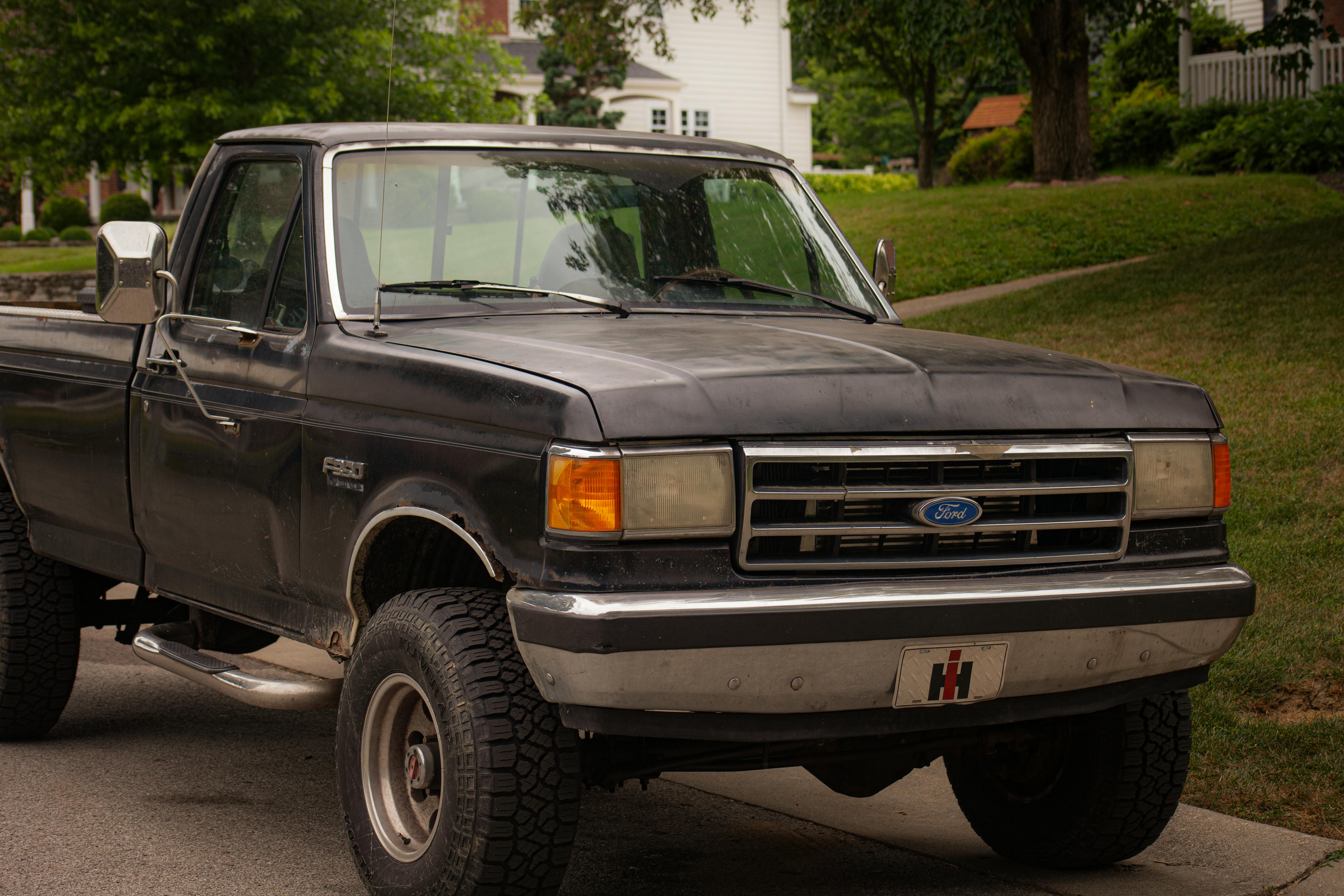
6. **Ford F-150 (1970s-1990s)**
The Ford F-150, an undisputed icon of American automotive manufacturing, has long been a powerful “symbol of rugged dependability” for many decades, particularly throughout the 1970s, 1980s, and into the 1990s. These generations of F-Series trucks became ingrained in the national consciousness as epitomes of strength and endurance, consistently proving their worth across countless applications.
Central to their lasting reputation was their “robust construction,” which featured a combination of highly “durable V8 engines and solid steel frames” that were specifically engineered to withstand heavy and continuous use. These trucks were not built for fleeting trends but for unwavering performance in demanding environments, whether on a bustling construction site or navigating the rugged trails of a rural farm.
Regardless of whether they were pressed into service for arduous work tasks or enjoyed for recreational pursuits, the F-150s from this era consistently earned a stellar “reputation for reliability and longevity.” This made them an indispensable “staple in the American automotive landscape,” becoming a trusted companion for generations of drivers who required a vehicle that could consistently deliver without complaint. Their ability to confidently “handle tough terrains and heavy loads without sacrificing performance” further solidified their esteemed place among the most profoundly durable classic trucks ever produced. These F-150s are a testament to an era when trucks were built with an unwavering focus on enduring utility and sheer mechanical fortitude.
Car Model Information: 2018 Ford F-150 XLT
Name: Ford F-Series
Caption: 2022 Ford F-150 Lariat Luxury
Manufacturer: Ford Motor Company
Aka: Ford Lobo (Mexico, 1992–present)
Production: 1948–present
Class: Pickup truck#Full-size pickup truck
Layout: Front-engine, rear-wheel-drive layout,rear-wheel drive
Predecessor: 1941 Ford
Categories: All-wheel-drive vehicles, All Wikipedia articles written in American English, All articles that may contain original research, All articles with unsourced statements, Articles that may contain original research from September 2020
Summary: The Ford F-Series is a series of light-duty trucks marketed and manufactured by the Ford Motor Company since model year 1948 as a range of full-sized pickup trucks — positioned between Ford’s Ranger and Super Duty pickup trucks. Alongside the F-150 (introduced in 1975), the F-Series also includes the Super Duty series (introduced in 1999), which includes the heavier-duty F-250 through F-450 pickups, F-450/F-550 chassis cabs, and F-600/F-650/F-750 Class 6–8 commercial trucks.
Get more information about: Ford F-Series
Buying a high-performing used car >>>
Brand: Ford Model: F-150
Price: $22,345 Mileage: 70,866 mi.

7. **Chevrolet C/K Series (1960s-1990s)**
The Chevrolet C/K Series trucks, produced from the 1960s all the way into the 1990s, are widely celebrated for their remarkable versatility and unwavering ruggedness. These iconic trucks represent an era of American automotive manufacturing where functionality and durability were paramount, shaping the expectations for what a pickup truck should be. Their enduring presence in various capacities, from daily commuters to heavy-duty workhorses, is a clear indicator of their fundamental design excellence.
These trucks were built upon a robust foundation, featuring a strong, boxy design that was explicitly engineered to withstand the test of time and demanding usage. Under the hood, they offered a comprehensive range of powerful engines, including the legendary small-block V8. This particular powerplant became synonymous with reliability and consistent performance, contributing significantly to the C/K Series’ sterling reputation for dependability across its extensive production run.
The C/K Series gained widespread acclaim for its exceptional ability to tackle demanding tasks such as heavy towing and confidently navigate challenging, rough terrains. This inherent capability made them an indispensable asset and a steadfast favorite among a diverse user base, including dedicated farmers, industrious contractors, and enthusiastic outdoor adventurers who required a vehicle that would perform without compromise, regardless of the conditions.
The sheer longevity of the C/K Series’ production run serves as a profound testament to its timeless design and its unmatched durability. Its persistent visibility on roads and worksites decades after its initial production underscores its lasting appeal and the proven mechanical fortitude that continues to deliver reliable service, solidifying its status as a true American classic.
Car Model Information: 2020 Alfa Romeo Stelvio Base
Name: Chevrolet and GMC C/K
Caption: 1986 GMC C-3500 Sierra Classic 3+3
Manufacturer: General Motors
Aka: GMC C/K,Chevrolet/GMC Full-Size Pickup,Chevrolet Silverado (1975–2002),GMC Sierra (1972–2002)
Production: 1959–2002 (United States),1959–2000 (Canada),1965–2002 (Mexico),1964–2001 (Brazil),1975–1982 (Chile), 1960–1991 (Argentina)
Class: Pickup truck,Medium-duty truck
Predecessor: Chevrolet Task Force
Successor: Chevrolet Silverado
ModelYears: 1960–2000 (C/K pickup trucks)
Categories: Articles with short description, CS1 Portuguese-language sources (pt), Cars introduced in 1959, Chevrolet trucks, Commons category link is on Wikidata
Summary: The Chevrolet C/K is a series of trucks that was manufactured by General Motors from the 1960 to 2002 model years. Marketed by both the Chevrolet and GMC divisions, the C/K series encompassed a wide range of vehicles. While most commonly associated with pickup trucks, the model line also included chassis-cab trucks and medium-duty trucks and served as the basis for GM full-size SUVs. Through its entire production, the model line competed directly against the Ford F-Series and the Dodge D series (later the Dodge Ram pickup).
Used for both the model branding and the internal model code, “C” denoted two-wheel drive, while “K” denoted four-wheel drive. Four generations of the C/K series were produced, including the GM monikered second-generation “Action Line” and third-generation “Rounded Line” vehicles (colloquially aka Square-Body trucks). For the fourth-generation (colloquially also known as OBS trucks), Chevrolet kept using the C/K designation while GMC revised its branding, changing to a singular GMC Sierra nameplate (C/K remained as an internal model code).
For South America, the model line was manufactured by General Motors de Argentina from 1960 to 1978, Sevel Argentina from 1986 to 1991, and General Motors Brazil, who produced versions of the model line for Brazil, Argentina, and Chile from 1964 to 2001.
As GM entered the 1990s, the company revised its truck ranges, replacing the medium-duty C/K trucks with the Chevrolet Kodiak/GMC TopKick for 1990. For 1999, GM replaced the fourth-generation C/K pickup trucks with an all-new model line; in line with GMC, Chevrolet dropped the C/K nameplate (in favor of a singular Chevrolet Silverado nameplate). Initially marketed with its successor, the final C/K pickup trucks were produced for the 2000 model year. From 2001 to 2002, the final vehicles of the C/K model line were medium-duty chassis cab trucks.
Get more information about: Chevrolet C/K
Buying a high-performing used car >>>
Brand: Chevrolet Model: C/K Series
Price: $16,684 Mileage: 70,086 mi.

8. **Dodge Power Wagon (1940s-1970s)**
The Dodge Power Wagon, first introduced in the 1940s, holds an almost mythical status in the realm of exceptionally durable trucks. Born out of a need for robust military vehicles, its design principles were rooted in extreme resilience and capability, which were then successfully transitioned to the civilian market. This adaptation brought unparalleled off-road capabilities and an inherently rugged build to everyday consumers and businesses.
A key factor in the Power Wagon’s formidable reputation was its range of powerful engine options, meticulously engineered to deliver sustained performance under arduous conditions. Coupled with its solid axles, these trucks were perfectly configured for heavy-duty work and navigating the most challenging terrains, making them ideal for tasks that would overwhelm lesser vehicles. Its construction was less about aesthetics and more about raw, unyielding strength.
The Power Wagon’s military-grade toughness was not merely a design feature; it was a promise of long-lasting, unwavering performance. This commitment to extreme durability quickly earned it an unshakeable reputation as one of the most robust and reliable trucks ever manufactured. For decades, it remained a go-to choice for anyone needing a vehicle that could conquer virtually any obstacle and endure continuous, strenuous use.
Its legacy continues to influence heavy-duty truck design, embodying the principle that ultimate utility is achieved through uncompromising strength and mechanical simplicity. The Power Wagon stands as a vivid reminder that some of the most enduring vehicles are those forged in the fires of practical necessity and built with an unwavering focus on raw capability.
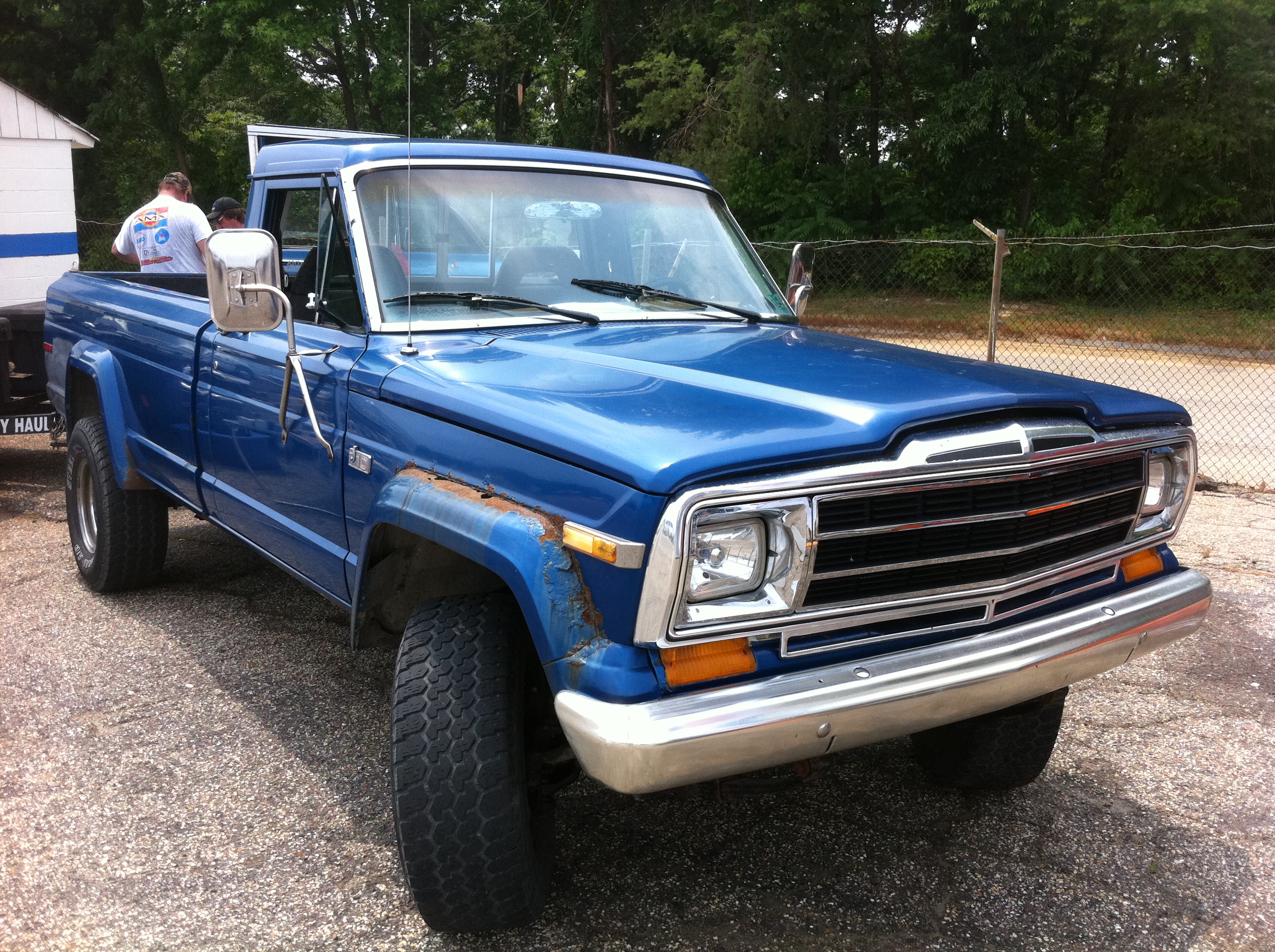
9. **Jeep Gladiator/J-Series (1960s-1980s)**
The Jeep Gladiator, later rebranded as the J-Series, distinguished itself as an authentic workhorse truck that masterfully combined Jeep’s renowned off-road prowess with the practicality of a durable, full-size pickup design. This unique blend carved out a niche for buyers who demanded both adventurous capability and serious hauling capacity, setting it apart from more conventional offerings of its era.
Engineered for unwavering performance in challenging environments, the Gladiator was built with solid front and rear axles, which provided exceptional strength and articulation. These foundational components ensured the truck was perfectly equipped to tackle the toughest terrains imaginable, while simultaneously offering impressive towing and payload capacities that met the rigorous demands of commercial and recreational users alike.
Providing the necessary grunt for its formidable capabilities, the Gladiator came with a selection of robust V8 engine options. These powerplants were chosen for their reliability and sustained output, complementing the truck’s rugged build which, in turn, ensured remarkable longevity and consistent performance over many years of arduous service. The synergy between its robust chassis and dependable engines was a hallmark of its design.
The Gladiator’s exceptional combination of durability, versatility, and off-road supremacy solidified its status as a highly sought-after vehicle. It became a firm favorite among dedicated off-road enthusiasts who relished its adventurous spirit, as well as those who simply required a reliable, all-purpose truck capable of handling a myriad of tasks without faltering, standing as a testament to Jeep’s engineering acumen.
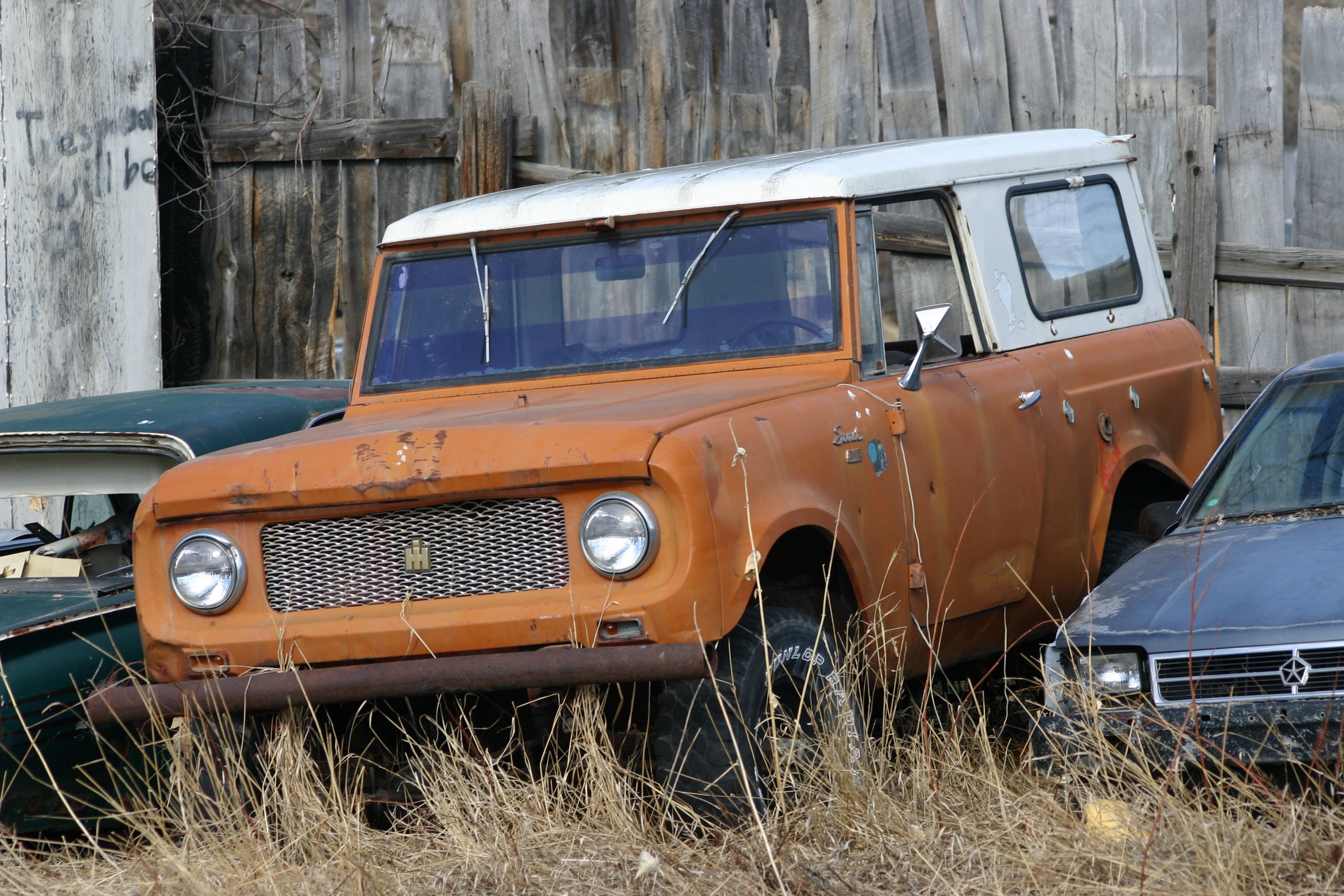
10. **International Harvester Scout (1960s-1980s)**
The International Harvester Scout emerged as a truly pioneering SUV, effectively establishing new benchmarks for both durability and off-road capability in its segment. It represented a bold vision for a versatile vehicle that could seamlessly transition from daily utility to challenging wilderness adventures, and its robust engineering ensured it met these ambitious goals with remarkable success.
At its core, the Scout was engineered with a strong, ladder-type frame, providing a rigid and incredibly resilient foundation. This robust chassis, coupled with its availability in both dependable four-cylinder and powerful V8 engine options, meant the Scout was inherently designed to handle the most demanding conditions with an impressive degree of ease and reliability. This blend of strength and adaptability was key to its widespread appeal.
The beauty of the Scout’s design lay in its profound simplicity and rugged construction, which collectively made it an unwavering favorite among outdoor enthusiasts and practical farmers alike. These users valued a vehicle that was not only straightforward to maintain but also utterly dependable, capable of performing consistently in tough environments where complex, less resilient vehicles would quickly falter.
The International Harvester Scout’s proven ability to endure harsh environments, combined with its lasting legacy of dependability, has firmly cemented its status as a durable classic. It remains a cherished example of an era when vehicles were built with an uncompromising focus on mechanical integrity and the ability to conquer whatever challenges lay ahead.
Car Model Information: 2025 Genesis GV80 2.5T
Name: International Scout
Caption: 1978 Scout II wagon
Manufacturer: International Harvester
Production: 1961–1980
Class: Full-size,SUV
Assembly: Fort Wayne, Indiana
BodyStyle: SUV
Layout: Front-engine, rear-wheel-drive layout,rear-wheel drive
Categories: 1970s cars, 1980s cars, All-wheel-drive vehicles, All articles needing additional references, All articles with dead external links
Summary: The International Scout is an off-road vehicle produced by International Harvester from 1960 to 1980. Created as a competitor for the Jeep CJ, the Scout was the precursor of more sophisticated SUVs, including the Ford Bronco, Chevrolet Blazer, and the later Jeep Cherokee.
Produced for two generations, the Scout was designed as an open-top two-door truck as a base vehicle with options to configure it as a station wagon, half-cab pickup truck, or a soft-top convertible.
International Harvester assembled the model line in its facility in Fort Wayne, Indiana.
Get more information about: International Scout
Buying a high-performing used car >>>
Brand: International Harvester Model: Scout
Price: $54,355 Mileage: 19,781 mi.

11. **Toyota Hilux (1970s-1980s)**
The Toyota Hilux, particularly its models from the 1970s and 1980s, has rightfully earned a legendary status for its almost mythical indestructibility. These trucks were not merely designed for transportation; they were engineered as monuments to resilience, built to withstand extreme conditions and relentless heavy use that would typically decimate lesser vehicles, a testament to Toyota’s commitment to uncompromising quality.
At the heart of the Hilux’s formidable reputation was its brilliantly simple yet incredibly robust design. Featuring durable four-cylinder engines that prioritized longevity over raw power, a rock-solid rear axle, and a tough, body-on-frame construction, the Hilux was a paragon of mechanical fortitude. This combination allowed it to effortlessly tackle rough terrains and haul heavy loads without ever breaking a sweat, consistently proving its mettle in the harshest of environments.
The Hilux’s ability to perform reliably and consistently under the most challenging circumstances is well-documented, from traversing vast deserts to navigating unforgiving jungles. This unparalleled capability earned it a reputation for reliability and durability that resonated globally, making it a go-to vehicle for adventurers, relief organizations, and anyone who demanded absolute dependability from their pickup truck.
Its enduring legacy as a virtually unstoppable machine has solidified the Hilux as a global icon among classic trucks. It stands as a vivid example of how meticulous engineering and an unwavering focus on fundamental strength can create a vehicle that not only lasts for decades but also inspires profound trust and admiration across generations of owners worldwide.
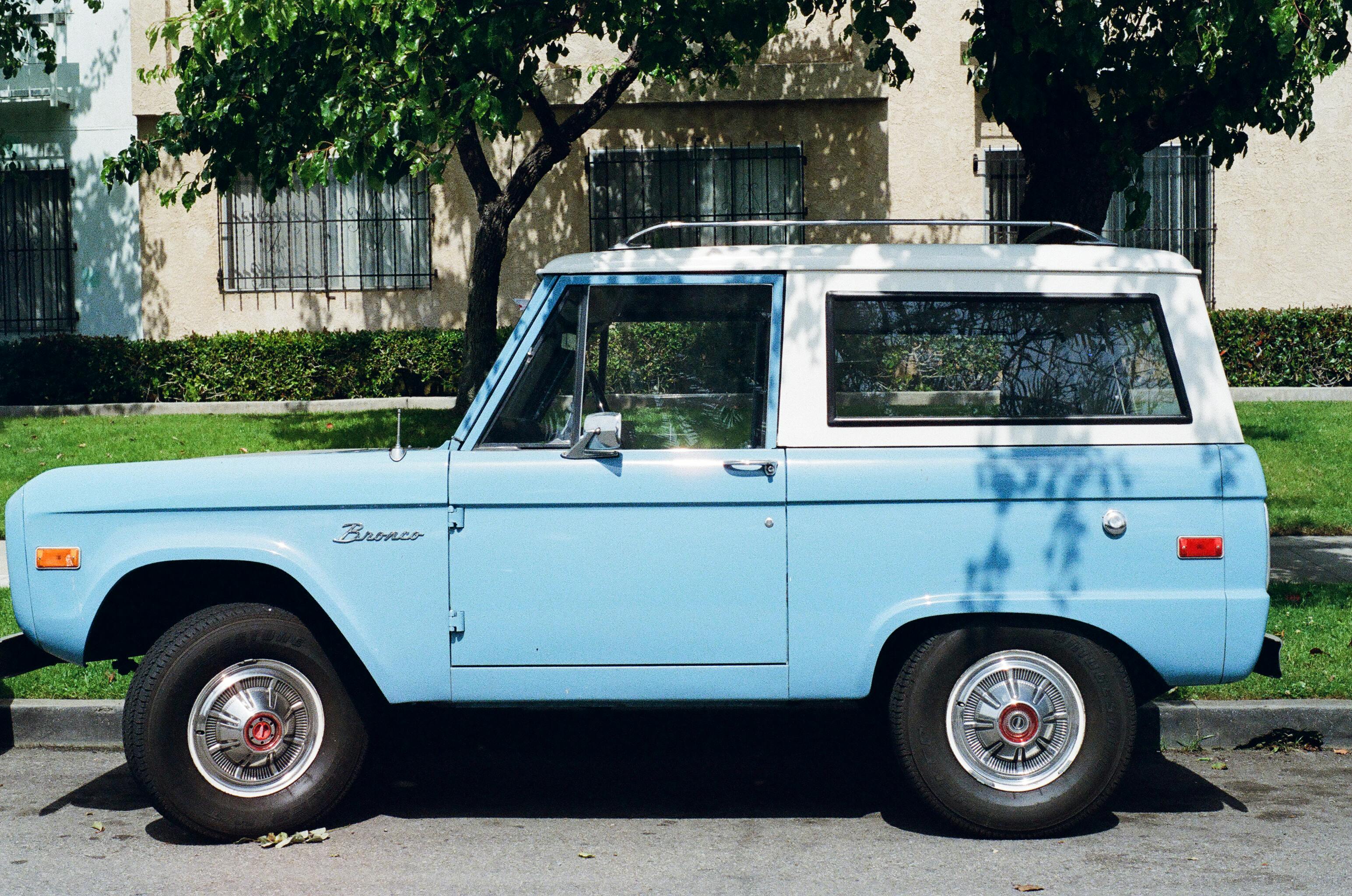
12. **Ford Bronco (1960s-1970s)**
The Ford Bronco, especially its revered first generation produced from 1966 to 1977, is an undeniable legend, celebrated for its inherent toughness and exceptional off-road capabilities. This iconic vehicle captivated a generation of adventurers and solidified Ford’s presence in the burgeoning recreational vehicle market, setting a high bar for compact, go-anywhere utility.
Originally conceived and designed as a direct competitor to the well-established Jeep CJ-5, the early Bronco featured a distinctive boxy, utilitarian design that immediately conveyed its purpose. It was built upon a strong chassis and integrated a robust four-wheel-drive system, ensuring it had the mechanical foundation to conquer challenging landscapes and provide reliable service far off the beaten path.
Underneath its classic exterior, the Bronco was powered by a selection of reliable inline-six and V8 engines. These powerplants delivered ample torque and dependable performance, perfectly complementing the vehicle’s simple, rugged construction. This engineering philosophy allowed it to handle rough terrains with impressive ease, making it a favorite for outdoor excursions and demanding recreational pursuits.
The first-generation Bronco’s unparalleled combination of durability, versatility, and iconic styling has cemented its place as a beloved classic. It continues to be highly sought after by off-road enthusiasts and collectors alike, symbolizing an era of pure, unadulterated adventure and mechanical integrity that continues to inspire reverence for its timeless appeal and formidable capabilities.
Car Model Information: 2022 Ford Bronco Base
Name: Ford Bronco
Caption: 2021 Ford Bronco Outer Banks (4-door)
Manufacturer: Ford Motor Company
Production: 1965–1996,2021–present
Class: Compact SUV
Layout: Front-engine, four-wheel-drive
BodyStyle: SUV
Successor: Ford Expedition
ModelYears: 1966–1996,2021–present
Categories: 1970s cars, 1980s cars, 1990s cars, 2020s cars, All-wheel-drive vehicles
Summary: The Ford Bronco is a model line of SUVs manufactured and marketed by Ford. The first SUV model developed by the company, five generations of the Bronco were sold from the 1966 to 1996 model years. A sixth generation of the model line was introduced for the 2021 model year. The nameplate has been used on other Ford SUVs, namely the 1984–1990 Bronco II compact SUV, the 2021 Bronco Sport compact crossover, and the China-only 2025 Bronco New Energy.
Originally developed as a compact off-road vehicle using its own chassis, the Bronco initially competed against the Jeep CJ-5 and International Scout. For 1978, Ford enlarged the Bronco, making it a short-wheelbase version of the F-Series pickup truck; the full-size Bronco now competed against the Chevrolet K5 Blazer and Dodge Ramcharger.
Following a decline in demand for large two-door SUVs, Ford discontinued the Bronco after the 1996 model year, replacing it with the four-door Ford Expedition; followed by the larger Ford Excursion. After a 25-year hiatus, the sixth-generation Bronco was reintroduced in 2021 as a mid-size two-door SUV. It is also offered as a full-size four-door SUV with a 16 in (41 cm) longer wheelbase. It competes directly with the Jeep Wrangler as both a two-door and a four-door (hardtop) convertible.
From 1965 to 1996, the Ford Bronco was manufactured by Ford at its Michigan Truck Plant in Wayne, Michigan, where it also manufactures the sixth-generation version.
Get more information about: Ford Bronco
Buying a high-performing used car >>>
Brand: Ford Model: Bronco
Price: $36,692 Mileage: 24,909 mi.
The wisdom from seasoned mechanics points to a clear trend: true enduring value in a truck often lies not in the shiny, complex new models, but in the time-tested designs of yesteryear. The vintage trucks highlighted in this guide, from the legendary Tacoma to the indomitable Power Wagon and the iconic Bronco, represent a smart investment for anyone prioritizing reliability, straightforward maintenance, and capability without the prohibitive price tag. By understanding the mechanical legacies of these workhorses, buyers can make informed decisions that deliver faithful service for years to come, proving that sometimes, the best truck isn’t the newest, but the one built to last.