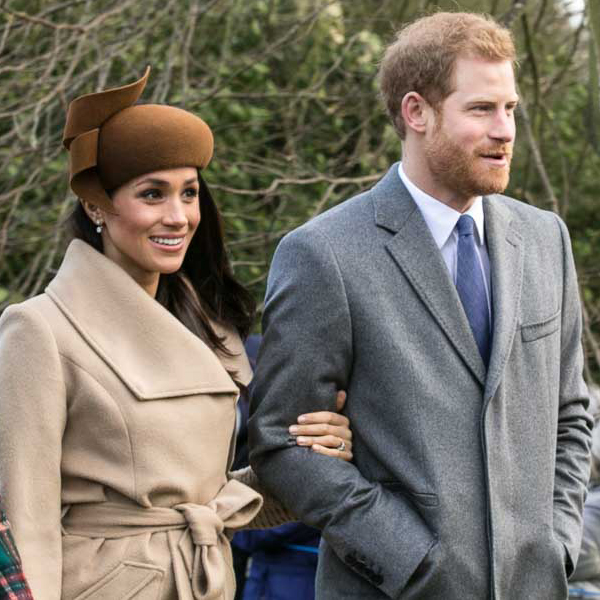
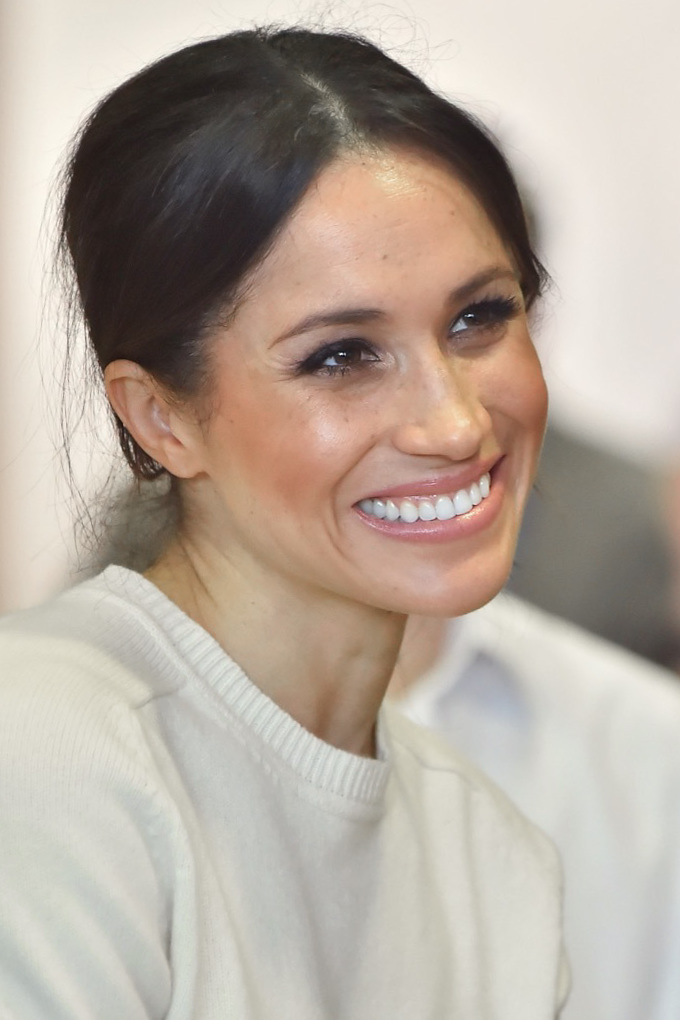
The enduring public fascination with the British Royal Family often serves as a lens through which broader societal dynamics, personal narratives, and even psychological traits are intensely scrutinized. Few figures in recent memory have ignited such fervent debate and analysis as Meghan Markle, the Duchess of Sus. From her entry into the monarchy to her subsequent departure with Prince Harry, her actions, choices, and public expressions have consistently landed her at the center of a complex cultural discourse, frequently invoking labels like ‘narcissistic playbook.’
Beyond the sensational headlines and the polarized public opinion, the narrative surrounding Meghan Markle offers a compelling opportunity to delve into the intricate interplay of historical precedent, familial tensions, and the often-unforgiving glare of celebrity. Esteemed royal biographers and commentators have weighed in, drawing striking parallels to past royal controversies and offering psychological interpretations that seek to explain the intense reactions she elicits.
This in-depth exploration will navigate the various facets of the discussion surrounding Meghan Markle, examining specific events and expert claims that have shaped public perception. We will consider the historical echoes of figures like Wallis Simpson, the ongoing royal rift, and the controversial public displays that have fueled accusations of narcissism, all while maintaining a balanced and analytical perspective crucial for understanding this multifaceted modern royal saga.
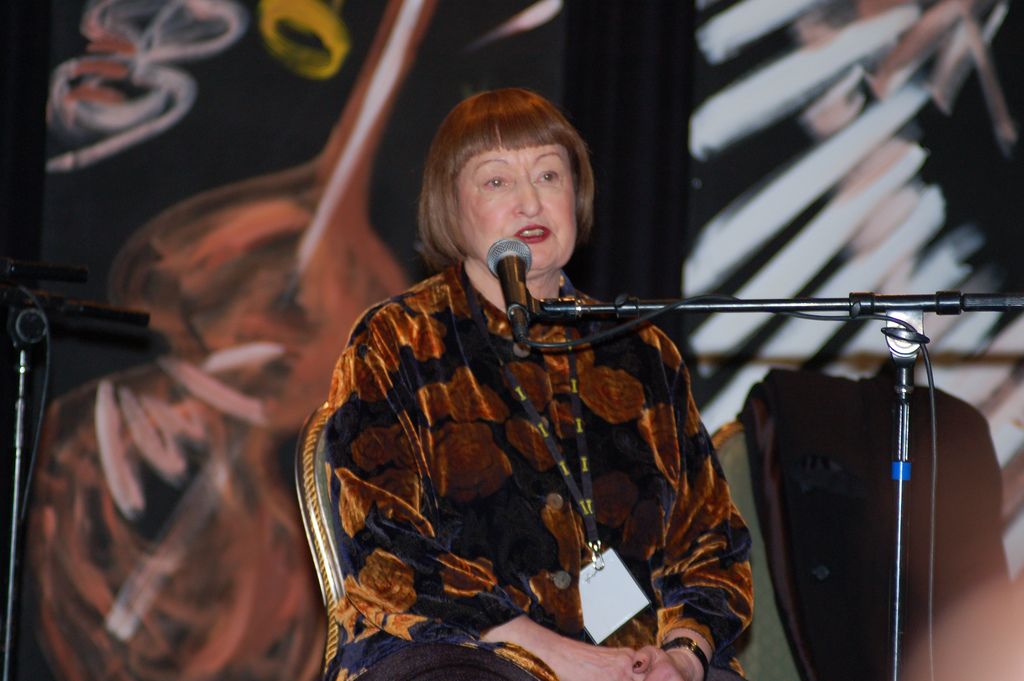
1. **The Wallis Simpson Parallel: A Historical Mirror**The most pointed comparisons regarding Meghan Markle’s influence and persona have come from Sally Bedell Smith, an ‘authorised’ Royal Family biographer. Smith has explicitly drawn parallels between Meghan and Wallis Simpson, the American socialite for whom King Edward VIII abdicated the throne in 1936. This comparison suggests a profound historical echo, positing that an American woman has once again fundamentally altered the dynamic within the British monarchy.
Smith’s assessment details that the Duchess of Sus shares ‘narcissistic and controlling’ qualities with Wallis Simpson. This observation positions Meghan as a figure whose strong personality and perceived desire for influence are not merely personal traits but historical forces at play within the royal institution. The biographer’s comments, made while promoting her book on King George VI, underscore a recurring pattern in royal history where external figures, particularly American women, catalyze significant changes.
Furthermore, Bedell Smith suggests that Prince Harry, in this parallel, embodies a ‘weakness’ akin to King Edward VIII. She stated, “And if you read [the Duke of Windsor’s] letters, you can see how weak he was and how much he needed a domineering woman, and it feels as if Harry is somewhat the same way.” This claim implies that Harry, like his great-great-uncle, is drawn to a partner who exhibits dominant traits, thereby shaping his trajectory away from traditional royal duties and expectations. The historical lens adds a layer of fatalism to the contemporary royal narrative.
The biographer also posited that Prince William would have felt a similar ‘sense of betrayal’ towards Harry as their great-grandfather felt towards the Duke of Windsor. Edward’s abdication, just months into his reign, thrust his unprepared younger brother, George VI, onto the throne. The depth of this historical resentment, as described by Smith, highlights the profound impact such departures have had on the core family unit and the monarchy itself, making the current rift not just a personal matter but a historical repetition.
2. **The Royal Rift: A Deepening Divide**The chasm between Prince William and Prince Harry, once seemingly inseparable brothers, has regrettably grown into a deeply entrenched royal rift in recent years. This widening divide has become one of the most persistent and talked-about narratives surrounding the Royal Family, overshadowing many other aspects of their public lives and raising questions about the future cohesion of the institution.
The seeds of this estrangement, by many accounts, were sown or significantly exacerbated following Harry’s 2018 marriage to Meghan Markle. What began as subtle tensions reportedly escalated into more overt disagreements, culminating in a series of highly publicized events that cemented the perception of a fractured relationship. The departure of Harry and Meghan from their roles as working royals and their move to California marked a significant turning point in this escalating conflict.
Key moments that profoundly deepened this rift include their explosive interview with Oprah Winfrey in March 2021, where they shared candid and critical perspectives on their experiences within the monarchy. This was followed by Harry’s bombshell memoir, ‘Spare,’ released last year, which provided intimate and often unflattering anecdotes about his interactions with his brother and other family members, further solidifying the separation and public animosity.
The cumulative effect of these revelations and decisions has cast a discernible shadow over the entire Royal Family, transforming what was once a close bond forged by shared trauma – the tragic loss of their mother, Princess Diana – into a palpable distance. Despite a brief glimmer of hope for reconciliation when Harry returned to Britain following news of King Charles’ cancer diagnosis, William reportedly made no plans to see his brother, indicating the profound and persistent nature of their estrangement.
Read more about: Royal Family Rift: An In-Depth Look at the Evolving Relationship Between King Charles and Prince Harry

3. **”Narcissistic and Controlling”: Meghan’s Perceived Qualities**The accusation that Meghan Markle exhibits ‘narcissistic and controlling’ qualities has become a recurring theme in public discourse and expert commentary surrounding her. Sally Bedell Smith, drawing her controversial parallel to Wallis Simpson, specifically stated, “In some respects, Meghan and the Duchess of Windsor have similar qualities: very narcissistic, very controlling, very dominating.” This assessment, coming from a respected royal biographer, lends weight to a perception that has been widely discussed and debated.
These perceived traits are often cited by critics as explanations for various actions taken by the Duchess of Sus, from her role in the couple’s decision to step back from royal duties to her curated public appearances and media narratives. The term ‘controlling’ suggests a strong desire to manage her image and circumstances, while ‘narcissistic’ implies an inflated sense of self-importance and a primary focus on her own needs and desires.
Within the broader understanding of narcissism, as detailed in expert overviews, key characteristics include grandiosity, a constant need for admiration, and a lack of empathy. While not explicitly diagnosing Meghan, commentators often interpret her behaviors through this lens. For instance, her frequent focus on personal achievements and feelings in interviews, and her ability to capture attention through emotional storytelling, are sometimes seen as aligning with an admiration-seeking trait.
However, it is crucial to consider the nuances of such psychological interpretations, particularly when applied to public figures. As clinical psychologist Dr. Ramani Durvasula suggests, while some behaviors may reflect narcissism, they can also stem from the immense societal pressures experienced by individuals in the public eye. The constant scrutiny and the need to present a consistent public persona can manifest in ways that are easily misinterpreted as narcissistic, highlighting the complexity of judging character from afar.
4. **Harry’s Role: Echoes of Edward VIII**The historical parallel drawn by Sally Bedell Smith extends beyond Meghan Markle to encompass Prince Harry himself, suggesting a disquieting echo of King Edward VIII. Smith’s claim that Harry is ‘weak’ and ‘needs a domineering woman’ mirrors the historical assessment of Edward VIII’s relationship with Wallis Simpson. This comparison casts Harry’s actions, particularly his departure from the royal fold, in a new and controversial light.
Bedell Smith explicitly articulated this viewpoint, stating, “And if you read [the Duke of Windsor’s] letters, you can see how weak he was and how much he needed a domineering woman, and it feels as if Harry is somewhat the same way.” This analysis implies that Harry’s choices are influenced, if not dictated, by a need for a strong, guiding presence in his life, reminiscent of Edward’s perceived subservience to Simpson’s desires, which ultimately led to the abdication.
Edward VIII’s abdication in 1936 was a seismic event, driven by his ‘obsession’ with Simpson and his determination to marry her despite the constitutional and social implications of her status as a divorced American socialite. Bedell Smith’s new book, ‘George VI and Elizabeth: the Marriage That Saved the Monarchy,’ chronicles how Edward’s actions led to his younger brother, George VI, ascending to the throne – a figure Bedell Smith describes as “someone more suited to the job.”
This historical context paints a picture of Edward as an ‘irresponsible King’ whose personal desires superseded his royal duties. By drawing this parallel, Smith suggests that Harry, too, might be perceived as prioritizing his personal relationship and desires over his obligations to the monarchy and the wider public. Such comparisons fuel the narrative that Harry’s decisions are not entirely his own but rather influenced by the perceived ‘domineering’ qualities of his partner.
5. **The Diana Legacy Awards: A Symbolic Separation**The recent 25th-anniversary celebration of the Diana Legacy Awards provided a poignant and stark illustration of the deepening rift between Prince William and Prince Harry. While both brothers made appearances at the event honoring their late mother, the deliberate structuring of their participation underscored the enduring and perhaps unbridgeable distance between them. It was a symbolic separation that resonated deeply with observers of the royal family.
Crucially, neither brother was present in the room at the same time, even virtually, for this milestone event. Prince William attended in person, delivering a speech and presenting awards to 20 recipients, notably appearing alone as his wife Kate continued her recovery from abdominal surgery. His presence was a clear, physical commitment to the charity founded in his mother’s name, reinforcing his role as a senior working royal.
Conversely, Prince Harry, located 5,000 miles away in California, joined the event via videolink. However, his involvement was carefully timed to occur only after William had departed the ceremony. By the time Harry’s virtual presence was broadcast, William was ‘long gone,’ having left the event at 8:15 pm. This meticulous sequencing was widely interpreted as a clear indication of their unwillingness or inability to share the same public space, even for an occasion of such profound personal and historical significance.
The symbolism of this arrangement was not lost on commentators. A royal expert had claimed that Princess Diana herself would have “insisted the brothers set their feud aside to present the award in her name,” highlighting the irony and sadness of their continued estrangement on an occasion meant to celebrate her legacy of unity and compassion. What once bound them—the shared trauma of losing their mother—now appears to be a source of further division, with the legacy award becoming a backdrop for their unresolved personal conflicts.

6. **The “Narcissistic Mood Board”: A Public Display**Meghan Markle once again found herself embroiled in controversy following a public display that royal experts promptly labeled as ‘narcissistic.’ For her seven-year wedding anniversary with Prince Harry, the Duchess of Sus shared a ‘collage of photographs showing memories’ on Instagram, a post that sparked significant debate regarding its underlying motivations and message. This act, intended to celebrate a personal milestone, instead became fodder for renewed critiques of her public persona.
Featured in the post were a collection of intimate family moments, including snaps of Archie and Lilibet during ‘happy family picnics and activities.’ One photo depicted ‘big brother Archie kissing his little sister,’ while another ‘appears to show his baby scan.’ Handwritten lyrics of Ben E. King’s ‘Stand by Me’ and what appeared to be the coat of arms approved by the late Queen when Meghan became a Duchess were also part of this curated ‘mood board.’
Royal expert Ingrid Seward offered a particularly pointed critique of the display, branding it ‘cringey’ and ‘over the top.’ Speaking on The Sun’s Royal Exclusive Show, Seward commented, “I mean I’ve never heard of someone doing a mood board for a wedding anniversary, but maybe it does happen now.” She further added, “It seems to me such a very narcissistic way of doing things to celebrate an anniversary. Showing it to the world. Surely if they really were as happy as she makes out she wouldn’t need to tell anyone. That’s what it smacks of to me.”
Fellow royal expert Hugo Vickers echoed similar sentiments, suggesting that while Meghan “obviously wants to put out the message that all is well, and that they’re a happy and united family,” the display ultimately felt staged. Vickers observed, “It doesn’t really say very much, does it? It’s sort of more of the same.” He further noted that many of the photos seemed ‘posed as opposed to wholly natural,’ implying a carefully constructed narrative rather than an authentic glimpse into their lives. This public performance of happiness, critics argue, aligns with a desire for external validation often associated with narcissistic tendencies.
Beyond the immediate controversies and historical echoes, the relentless scrutiny of Meghan Markle reveals a deeper landscape of societal and psychological phenomena. The public’s engagement with her narrative often transcends simple critique, dipping into complex currents of admiration, resentment, and even unconscious biases. Understanding these underlying dynamics is crucial for a complete picture of the duchess’s place in modern public discourse and the nature of celebrity itself.

7. **The Pedestal Effect: Admiration to Resentment**Our culture possesses a distinct penchant for elevating public figures to extraordinary heights, only to seemingly revel in their subsequent descent. Meghan Markle’s trajectory, from a successful actress to a duchess and then to one of the most intensely scrutinized women globally, serves as a quintessential illustration of this phenomenon. This dynamic, often referred to as the ‘pedestal effect,’ marks a shift where initial admiration transforms into a palpable resentment the moment a public figure deviates from predefined expectations.
This psychological process is frequently rooted in collective insecurities. Witnessing someone who appears to possess everything can inadvertently trigger feelings of inadequacy or envy within observers. When such figures then stumble, or, more provocatively, defy established norms, engaging in their public dismantling can become an indirect mechanism for some to reclaim a fleeting sense of control or perceived moral superiority.
Yet, this cycle offers only a momentary satisfaction. While the act of tearing down a public figure might provide a transient sense of validation, it ultimately reinforces negative cognitive patterns. Such behaviors not only deepen societal divisions but also contribute to a less empathetic and more judgmental public sphere, perpetuating a culture of constant critical assessment rather than nuanced understanding.
8. **The Dark Side of Online Trolling: Cyberbullying Amplified**The digital age has irrevocably amplified the ‘pedestal effect,’ providing an expansive and often anonymous platform where individuals feel emboldened to express sentiments they would never voice in a face-to-face interaction. The inherent anonymity of the internet fosters a deceptive sense of power and a detachment from the real-world consequences of one’s words, thereby fueling a relentless culture of online bullying, particularly directed at high-profile women such as Meghan Markle.
Let us be unequivocal: what is often casually termed ‘trolling’ is, in its essence, cyberbullying. The proliferation of hate-fueled comment sections, targeted harassment campaigns, and venomous social media interactions are not merely unpleasant digital noise; they inflict genuine psychological harm. Research consistently indicates that victims of such online attacks can experience increased anxiety, heightened depression, and even symptoms akin to post-traumatic stress disorder, demonstrating the profound real-world impact of virtual aggression.
For those who engage in this form of bullying, the underlying motivations are often complex and frequently indicative of their own internal struggles. Psychological studies suggest that such aggressive online behavior is often a projection of the aggressor’s insecurities and unresolved personal issues. While the internet may offer a convenient screen behind which to hide when delivering harsh criticisms, it provides no such refuge from the scrutiny of one’s own inner critic or the moral implications of their actions.
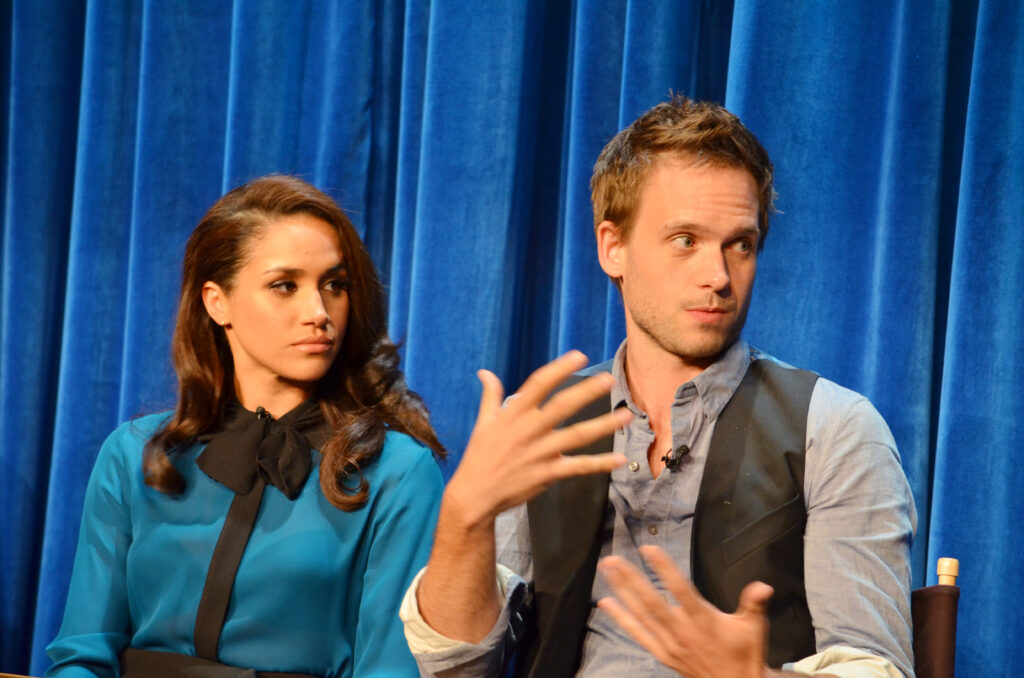
9. **The Insidious Layer of Racial Bias: Narrow Expectations of Blackness**Beneath the layers of public critique and psychological analysis, an insidious and often unacknowledged factor in the backlash against Meghan Markle is racial bias. Many within society have been subtly, or overtly, conditioned to adhere to a very narrow and prescriptive understanding of how an individual of Black ancestry is expected to present themselves and navigate the world. Those who do not conform to this rigid mold—whether in their speech, personal choices, relationships, or overall lifestyle—frequently encounter an undercurrent of suspicion and hostility.
This specific form of racial gatekeeping, while not a novel phenomenon in broader societal contexts, has manifested with particular jarring intensity in Meghan’s case. Her biracial identity, combined with her accumulated wealth and her unprecedented proximity to the British monarchy, rendered her an easily discernible target. She represents a challenge to deeply ingrained perceptions among those who, consciously or unconsciously, perceive success and privilege as domains reserved for a select, often racially homogenous, few.
Such discomfort surrounding her presence in these traditionally exclusive spaces extends beyond mere personal preference; it speaks to the pervasive influence of cultural conditioning. As Janeé Steele, a respected scholar in multicultural mental health, articulates, this dynamic encompasses two facets of internalized racism: a belief in white-centered values as the ultimate standard for achievement, and a reactive judgment among some Black individuals against those who appear to deviate from perceived Black stereotypes. This creates an impossible dilemma for individuals of mixed Black heritage, where being too polished can lead to accusations of assimilation, while being too authentic risks being labeled as reinforcing stereotypes. Meghan Markle, in her very existence, challenges these rigid, externally imposed definitions of Blackness, a reality that profoundly fuels a significant portion of the hostility directed towards her.

10. **Your Envy Is Showing: Criticism or Reflection?**At the very core of a substantial portion of the public backlash directed at figures like Meghan Markle lies a more primal emotion: envy. What often masquerades as legitimate criticism can, in many instances, function as a psychological reflection of an observer’s own unfulfilled desires, perceived shortcomings, or latent resentments. This perspective suggests that the intensity of certain condemnations may reveal more about the critic than the subject.
The human tendency to compare oneself to others is innate, yet when that comparison leads to a feeling of inadequacy, especially when confronted with someone who appears to ‘have it all,’ envy can readily take root. Seeing an individual achieve a level of status, happiness, or perceived perfection can trigger profound feelings of insufficiency, leading to a subconscious, or even overt, desire to diminish that person’s success or character. This tearing down, therefore, becomes a defensive mechanism rather than an objective assessment.
Psychological insights consistently reinforce the notion that harsh judgments of others often originate from internal insecurities. Individuals who are content and secure within themselves are less inclined to project negative traits onto others or to participate in the public vilification of public figures. The venomous nature of some critiques, therefore, can often be interpreted as a raw manifestation of personal dissatisfaction, where the public figure serves as an unwitting canvas for an individual’s own unresolved emotional landscape.
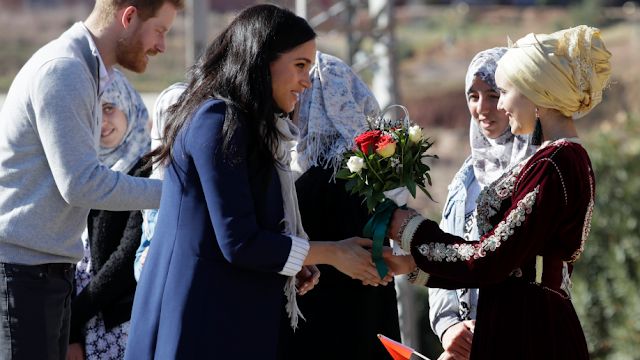
11. **Defining Narcissism: From Trait to Disorder**To thoroughly understand the discourse surrounding Meghan Markle and similar public figures, it is essential to first establish a clear, nuanced definition of narcissism. This complex personality trait is fundamentally characterized by an excessive preoccupation with oneself and a notable lack of empathy for others. Its origins are famously rooted in the ancient Greek myth of Narcissus, a figure consumed by his own reflection, symbolizing an intense self-obsession.
Crucially, it is vital to differentiate between exhibiting general narcissistic traits and meeting the criteria for a clinical diagnosis of Narcissistic Personality Disorder (NPD). While many individuals may display certain narcissistic behaviors, not all instances escalate to the threshold of a diagnosable mental health condition. This distinction underscores that the spectrum of self-centeredness is broad, ranging from healthy self-confidence to pathological self-absorption.
Narcissists typically present with several defining characteristics. These include an exaggerated sense of their own importance and abilities, often referred to as grandiosity; a constant and insatiable need for admiration and affirmation from others; and a profound difficulty in recognizing or genuinely caring about the feelings and needs of others. Additionally, they may exhibit manipulative behaviors, exploiting relationships for personal gain, and possess a strong sense of entitlement, expecting special treatment and reacting negatively to perceived slights. An undercurrent of envy towards others’ achievements is also a common manifestation, completing a constellation of traits that frequently complicate both personal and professional interactions.

12. **Expert Perspectives: Nuances of Public Behavior**In navigating the complex question of whether Meghan Markle displays narcissistic traits, mental health experts and psychologists offer valuable, often nuanced, perspectives. While observing her public behavior, such as her confident self-presentation and frequent emphasis on personal milestones in interviews, some experts acknowledge that these actions might align with certain narcissistic tendencies. However, they consistently caution against an outright diagnosis, particularly from a distance, without direct clinical assessment.
A pivotal insight, articulated by clinical psychologist Dr. Ramani Durvasula, highlights that while some behaviors may indeed reflect narcissism, they can equally stem from the extraordinary societal pressures inherent in the life of a public figure. The constant, relentless scrutiny and the overwhelming need to maintain a consistent public persona can compel individuals to act in ways that are easily misinterpreted as narcissistic, when in fact, they may be defensive or adaptive mechanisms. The pursuit of admiration, in this context, can manifest in myriad ways, not exclusively indicating a personality disorder.
Public reactions to Markle’s behaviors are strikingly polarized, underscoring the complexity of her image. Many observers laud her as a progressive role model, commending her steadfast advocacy for mental health and women’s rights, viewing her actions as genuine and impactful. Conversely, a vocal segment of critics perceives her actions as fundamentally self-absorbed, aligning with their interpretation of narcissistic characteristics. Royal commentator Angela Levin, for instance, has suggested that Markle’s perceived desire for constant attention reflects such traits. Yet, media analysts like Richard Fitzwilliams provide a counterpoint, emphasizing the disproportionate scrutiny faced by women in the public eye, often leading to skewed and overly harsh criticism. This duality in public perception complicates any singular assessment, reminding us that celebrity narratives are often as much about the audience’s projections as they are about the individual at their center.
Read more about: Susan: Unveiling the Enduring Legacy, Meanings, and Cultural Journey of a Timeless Name
In the final analysis, the public fascination with Meghan Markle offers more than just tabloid fodder; it provides a profound mirror to contemporary society. Her journey through the royal institution and into the global spotlight has inadvertently illuminated the intricate interplay of historical precedent, familial loyalties, psychological predispositions, and deeply embedded societal biases. The accusations of narcissism, while potent and widely debated, compel a broader examination of how we categorize, critique, and ultimately consume the narratives of those in the public eye. It challenges us to look beyond sensational headlines and consider the multifaceted human experience, the immense pressures of public life, and the often-unspoken biases that shape our collective judgments. Ultimately, the story of Meghan Markle is a reflection of our own evolving understanding of character, accountability, and the relentless, often unforgiving, glare of modernity.