Ah, the intoxicating allure of a classic car! We’ve all been there, gazing at a glossy photo, hearing tales of bygone eras, and picturing ourselves cruising down a sun-drenched highway in a machine that embodies pure, unadulterated automotive romance. My own uncle, a man who knows his way around a wrench and a tall tale, once spent years dreaming of a mint-condition ’64 Thunderbird. He polished it every Sunday, swore by its elegance, and talked about it like it was royalty on wheels. Then, after a short road trip, the dream crashed back to reality with a muttered, “It drives like a boat with a bad rudder.”
That sentiment, my friends, is a universal truth for many of us gearheads. The 1960s, in particular, delivered some truly unforgettable styling and bold, sometimes revolutionary, ideas. But as any seasoned enthusiast will tell you, not every head-turner held up under closer inspection. Some cars looked like absolute legends in the showroom or on the silver screen, only to reveal themselves as more of a letdown once the chrome glow wore off and you actually had to *drive* them.
We’re talking about those vehicles that promised the moon but delivered, well, a slightly dented hubcap. The ones that had us swooning over their lines, only to leave us wrestling with their steering or fumbling for a repair manual. So, buckle up, because we’re about to take a critical, no-holds-barred look at some classic cars that, despite their undeniable charm, weren’t quite as great as we remember, starting with a few infamous examples that history hasn’t been kind to.
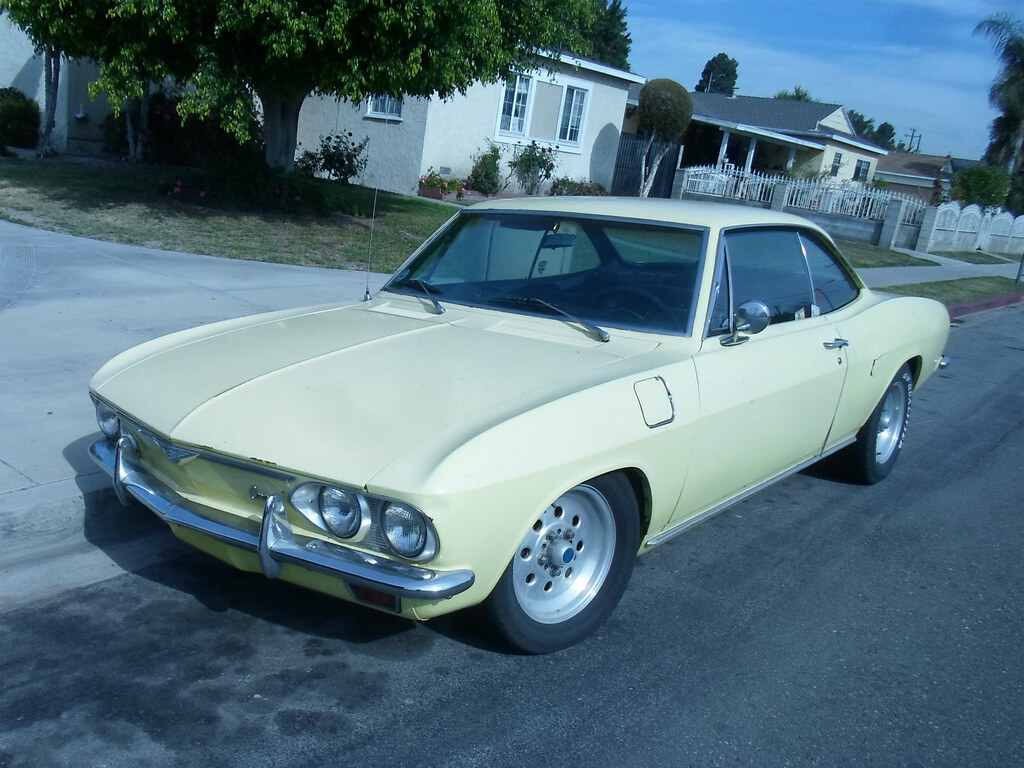
1. **Chevrolet Corvair**The Chevrolet Corvair was an ambitious machine, no doubt about it. It dared to break the mold, boasting a rear-engine design that screamed innovation in an era dominated by front-engined behemoths. From a design perspective, it was sleek, distinctive, and certainly captured attention, looking like a breath of fresh air compared to its more conventional brethren.
However, its unique engineering proved to be more of a double-edged sword than a cutting-edge advantage. The context tells us its “handling proved more unpredictable than a cat on roller skates.” That’s not exactly the kind of stability you want when you’re barreling down the highway. This inherent instability quickly became a major talking point, leading to considerable public concern.
Famously, Ralph Nader took the Corvair to task in his groundbreaking book, “Unsafe at Any Speed,” casting a harsh spotlight on its dangers. Despite its stylish appearance, drivers found themselves “wrestling with stability issues,” which is a polite way of saying it was a handful. Its “unique approach to engineering was innovative but ultimately flawed,” making it a prime example of beauty over function – a car that looked the part but struggled to perform it safely and reliably.
Car Model Information: 1964 Chevrolet Corvair Monza
Caption: 1964 Chevrolet Corvair Monza
Name: Chevrolet Corvair
Manufacturer: Chevrolet
Production: 1960–1969
Platform: GM Z platform
Chassis: Unibody
ModelYears: 1960–1969
Assembly: United States,Kansas City, Missouri,Oakland, California,Van Nuys,St. Louis,Flint, Michigan,Belgium,Canada,Mexico,South Africa,Switzerland,Venezuela
Class: Compact car
Successor: Chevrolet Vega
Layout: Rear-engine, rear-wheel-drive layout
Categories: All Wikipedia articles written in American English, All articles lacking in-text citations, All articles needing additional references, All articles with dead external links, All articles with specifically marked weasel-worded phrases
Summary: The Chevrolet Corvair is a rear-engined, air-cooled compact car manufactured and marketed by Chevrolet over two generations between 1960 and 1969. The Corvair was a response to the increasing popularity of small, fuel-efficient automobiles, particularly the imported Volkswagen Beetle and American-built compacts like the Rambler American and Studebaker Lark.
The first generation (1960–1964) was offered as a four-door sedan, two-door coupe, convertible, and four-door station wagon. A two- and four-door hardtop and a convertible were available second-generation (1965–1969) variants. The Corvair platform was also offered as a subseries known as the Corvair 95 (1961–1965), which consisted of a passenger van, commercial van, and pickup truck variant. Total production was approximately 1.8 million vehicles from 1960 until 1969.
The name “Corvair” was first applied in 1954 to a Corvette-based concept with a hardtop fastback-styled roof, part of the Motorama traveling exhibition. When applied to the production models, the “air” part referenced the engine’s cooling system.
A prominent aspect of the Corvair’s legacy derives from controversy surrounding the handling of early models equipped with rear swing axles, articulated aggressively by Ralph Nader’s Unsafe at Any Speed but tempered by a 1972 Texas A&M University safety commission report for the National Highway Traffic Safety Administration (NHTSA) which found that the 1960–1963 Corvair possessed no greater potential for loss of control in extreme situations than contemporary compacts.
To better counter popular inexpensive subcompact competitors, notably the Beetle and Japanese imports such as the Datsun 510, GM replaced the Corvair with the more conventional Chevrolet Vega in 1970.
Get more information about: Chevrolet Corvair
Buying a high-performing used car >>>
Brand: Chevrolet Model: Corvair
Price: $29,988 Mileage: 74,787 mi.
Read more about: Unsung Heroes of the Asphalt: 14 Low-Maintenance Classic Cars That Deserve a Spot in Your Garage
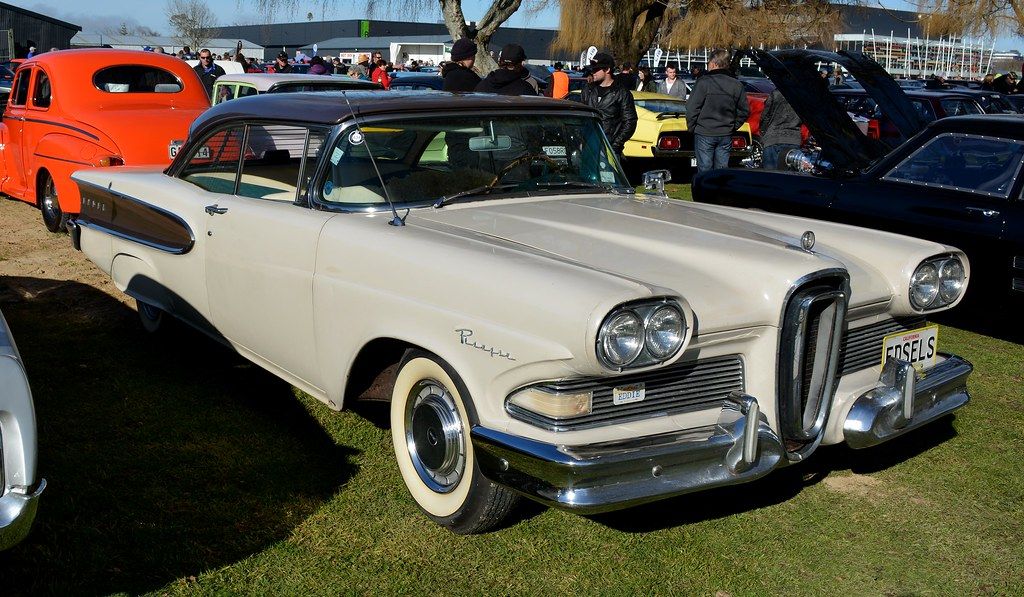
2. **Ford Edsel**Ah, the Edsel. Just uttering its name conjures images of automotive fiascos. The Ford Edsel was positioned to “herald a new era of automotive design,” a grand statement of intent from one of Detroit’s giants. It was supposed to be a game-changer, a futuristic marvel that would redefine American cars. But as history painfully records, it ended up becoming “synonymous with failure.”
What went wrong? For starters, its styling. The Edsel’s “quirky styling left consumers scratching their heads,” and that’s putting it mildly. The vertical grille, often likened to an Oldsmobile’s, or worse, less flattering things, simply didn’t resonate with the public. It was a design choice that was supposed to be distinctive but instead alienated potential buyers, proving that sometimes, being different isn’t enough; you also have to be *good*.
Introduced with considerable fanfare and an ambitious marketing campaign, the Edsel’s momentum quickly “fizzled out, unable to find its footing in the market.” Consumers just weren’t impressed, and predictably, “sales plummeted.” Today, the Edsel stands as a stark “cautionary tale of over-ambitious marketing and misunderstood design,” a powerful reminder that even the biggest automakers can miss the mark when innovation fails to meet practical needs and aesthetic appeal.
Car Model Information: 1958 Edsel Citation
BirthName: Edsel Bryant Ford
Caption: Ford in 1921
BirthDate: [object Object]
BirthPlace: Detroit, Michigan
DeathDate: [object Object]
DeathPlace: Grosse Pointe Shores, Michigan
Occupation: Automobile executive
Title: Ford Motor Company
Spouse: [object Object]
Parents: Henry Ford,Clara Bryant Ford
Relations: Edsel Ford II
Children: Henry Ford II,Benson Ford,Josephine Ford,William Clay Ford Sr.
Categories: 1893 births, 1943 deaths, 20th-century American businesspeople, All Wikipedia articles written in American English, All articles with dead external links
Summary: Edsel Bryant Ford (November 6, 1893 – May 26, 1943) was an American business executive and philanthropist, who was the only child of pioneering industrialist Henry Ford and his wife, Clara Jane Bryant Ford. He was the president of Ford Motor Company from 1919 until his death in 1943.
He worked closely with his father, as sole heir to the business, but was keen to develop cars more exciting than the Model T (“Tin Lizzie”), in line with his personal tastes. Even as president, he had trouble persuading his father to allow any departure from this formula. Only a change in market conditions enabled him to develop the more fashionable Model A in 1927. Edsel also founded the Mercury division and was responsible for the Lincoln-Zephyr and Lincoln Continental. He introduced important features, such as hydraulic brakes, and greatly strengthened the company’s overseas production.
Ford was a major art benefactor in Detroit and also financed Admiral Richard Byrd’s polar explorations. He died of stomach cancer aged 49. Henry Ford temporarily reassumed the presidency of Ford Motor Company on Edsel’s death, then Edsel’s eldest son, Henry Ford II, succeeded Henry as president of the company in 1945.
He was also a member of the board of directors of American IG, the American subsidiary of the German chemical conglomerate IG Farben.
Get more information about: Edsel Ford
Buying a high-performing used car >>>
Brand: Ford Model: Edsel
Price: Not Priced Mileage: 68,904 mi.
Read more about: Unleash Your Inner Executive: Jackie Gleason’s Custom 1969 Lincoln Continental Limousine Hits the Auction Block!
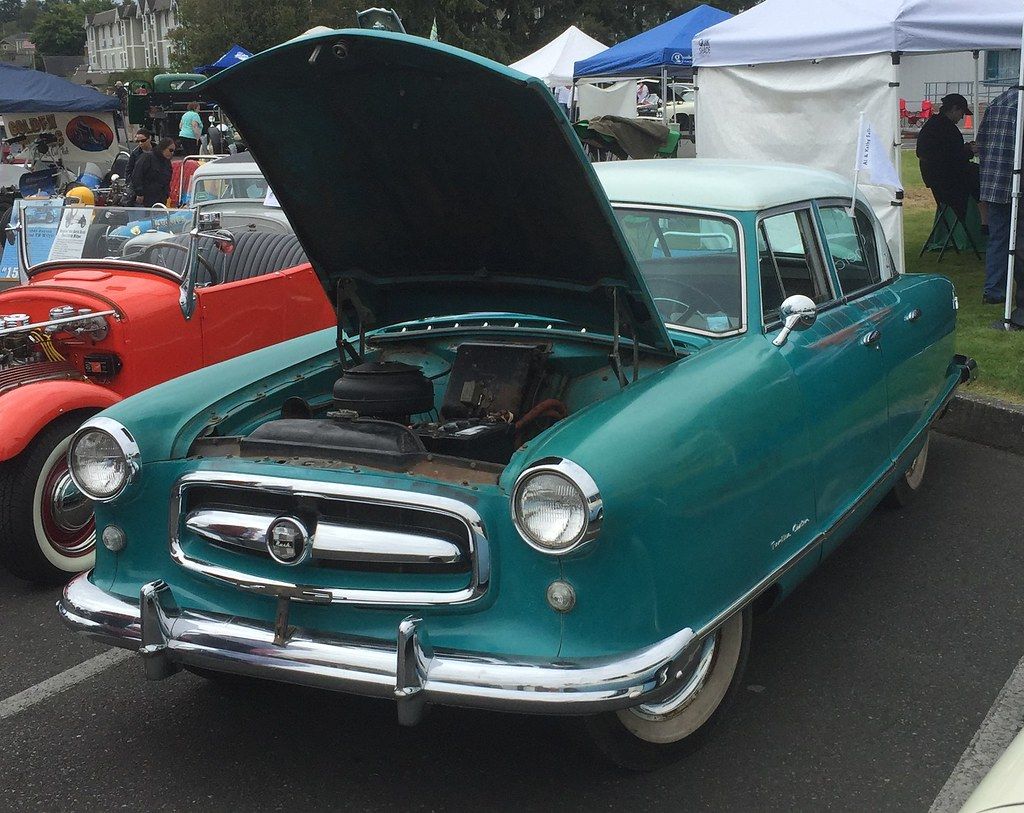
3. **AMC Marlin**The AMC Marlin is a car that certainly started conversations, though perhaps not always the ones AMC intended. It looked “like it was designed by someone who loved both muscle cars and fish—and couldn’t decide between the two.” That’s a pretty apt description for its unique, fastback styling that tried to fuse sporty aggression with something altogether more aquatic. It was certainly distinctive, but distinctiveness doesn’t always translate to desirability.
While it did offer “fastback flair and decent V8 options,” hinting at performance potential, the reality was a bit more grounded. The Marlin’s “heavy body and awkward proportions didn’t match its sporty intentions.” It was a car that wanted to be a lean, mean machine, but ended up being a bit more… portly. This disconnect between its aspirations and its physical manifestation was a significant hurdle.
AMC optimistically pitched it as a “personal luxury car,” but the styling, as the context points out, “confused more than it excited.” Buyers, it seems, were genuinely unsure what category the Marlin belonged in, and it appears “neither was AMC.” In the end, it “flopped hard against flashier, better-driving rivals,” a testament to how even bold styling needs to be backed up by a clear identity and compelling performance.
Read more about: Beyond the Legends: Unearthing 12 Special-Edition Muscle Cars That Demand Recognition
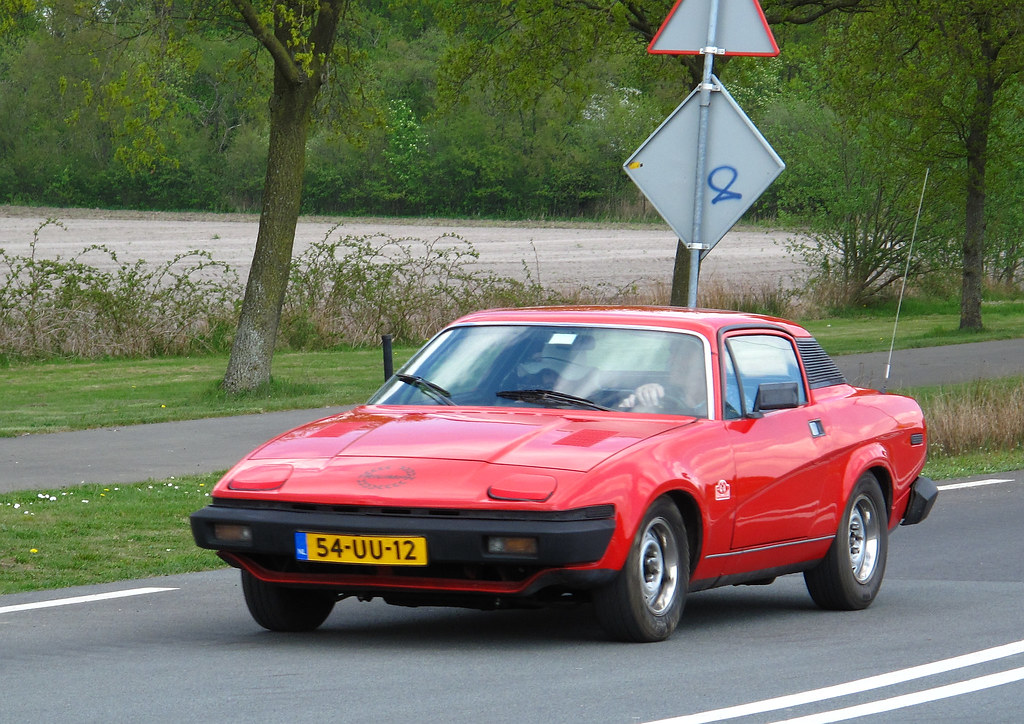
4. **Triumph TR7**”The Shape of Things to Come” – that was the ambitious tagline for the Triumph TR7. And indeed, its wedge shape was nothing if not groundbreaking. However, as the context wryly notes, it was “just not in a good way.” The design was a radical departure, a sharply angled, futuristic form that “divided opinion” from the moment it hit the streets. Some saw progress, others saw a rather awkward doorstop.
But the TR7’s troubles extended far beyond its polarizing aesthetics. “Performance issues and poor build quality plagued the TR7,” leaving many enthusiastic drivers “disheartened.” This was a car that looked like it belonged in a sci-fi movie but often felt like it was built with parts from a junk drawer. The promise of a modern British sports car was undercut by constant mechanical woes and a general lack of refinement.
Despite its bold, “futuristic look,” the TR7 simply “couldn’t deliver the driving pleasure expected” from a Triumph sports car. It stands as a stark “lesson in ambition overwhelming execution,” a car where big ideas clashed violently with reality. Even today, its design still manages to spark fervent “debate among classic car aficionados,” proving that some legends are built on controversy as much as accomplishment.
Car Model Information: 1981 Triumph TR7
Sp: uk
Name: Triumph TR7
Caption: 1975 Triumph TR7
Production: unbulleted list
Manufacturer: Triumph Motor Company
Class: Sports car
Layout: FR layout
Predecessor: Triumph TR6
Transmission: unbulleted list
Related: Triumph TR8
Engine: unbulleted list
Abbr: on (coupé)
BodyStyle: unbulleted list
Wheelbase: 85 in
Length: 160 in
Width: 66.2 in
Weight: 1101 kg
Order: flip (coupé)
Height: 50 in
Assembly: unbulleted list
Designer: Harris Mann
Categories: 1980s cars, All Wikipedia articles written in British English, All articles with unsourced statements, Articles tagged with the inline citation overkill template from January 2024, Articles with short description
Summary: The Triumph TR7 is a sports car that was manufactured in the United Kingdom from September 1974 to October 1981 by British Leyland Motor Corporation (BLMC), which changed its name to British Leyland (BL) in 1975. The car was launched in the United States in January 1975, with its UK home market debut in May 1976. The UK launch was delayed at least twice because of high demand for the vehicle in the US, with final sales of new TR7s continuing into 1982.
It was initially produced at the Speke, Liverpool, factory, moving to Canley, Coventry, in 1978 and then finally to the Rover Solihull plant in 1980.
Get more information about: Triumph TR7
Buying a high-performing used car >>>
Brand: Triumph Model: TR7
Price: $12,000 Mileage: 83,693 mi.
Read more about: Beyond the Hype: 15 Classic Cars That Will Break Your Heart (and Wallet) – A Jalopnik Guide for Enthusiasts
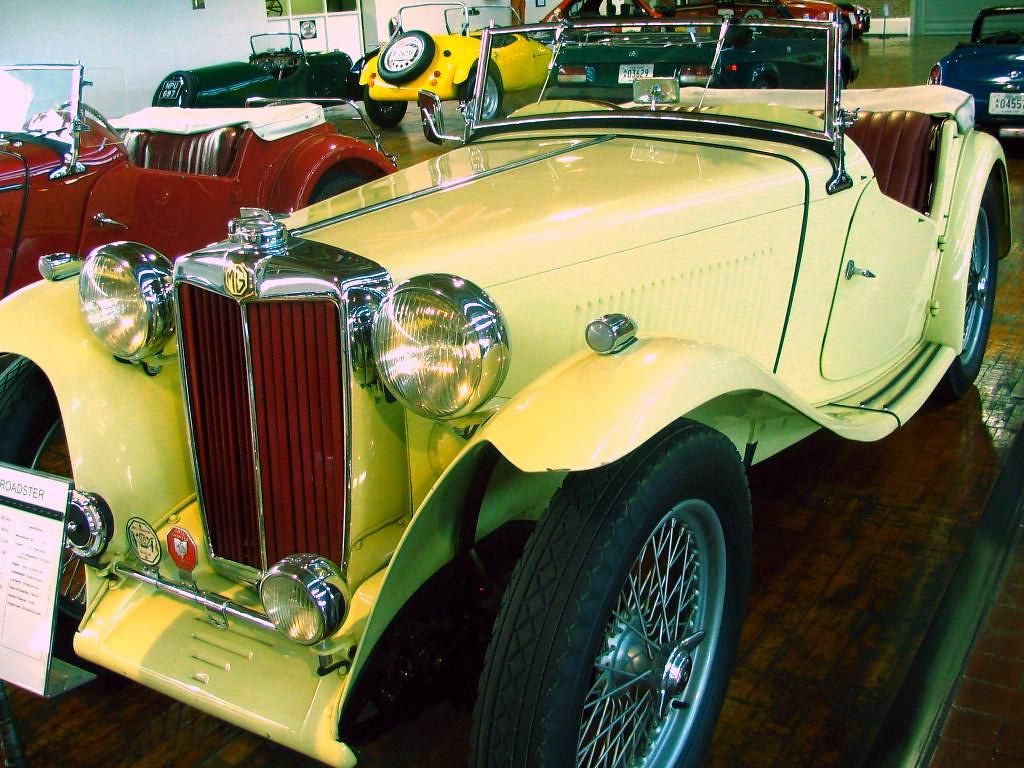
5. **MG Midget**The MG Midget, bless its tiny heart, has a certain undeniable charm. It was “tiny, charming, and a joy to toss around—if you didn’t mind pretending to be a giant.” It evoked images of nimble British roadsters, zipping through country lanes with effortless grace. And to be fair, it did handle well, offering a surprisingly direct and engaging driving experience, a true “sports car” in spirit, if not in brute force.
But let’s not sugarcoat it: the Midget was also hilariously underpowered and utterly devoid of creature comforts. With “skinny tires, no creature comforts, and just enough power to edge out a bicycle,” it was often “less ‘sports car’ and more ‘toy car’.” This wasn’t a car for long journeys or demanding commutes; it was a toy for sunny weekends, and even then, you needed to pack your patience and a toolkit.
Reliability, as the context points out, “was always an adventure.” Owners often “needed patience, tools, and maybe a backup ride” just to get through a week. So, was it beloved? Absolutely. “Charming? Sure.” But “practical or polished? Not really.” The MG Midget is a classic example of a car that’s charmingly flawed, a delightful machine whose quirks are as much a part of its identity as its open-air motoring.
Car Model Information: 1971 MG Midget
Caption: MG Midget Mark I (1963)
Name: MG Midget
Manufacturer: MG Cars
Production: 1961–1979
Class: Sports car
BodyStyle: Roadster (automobile)
Layout: FR layout
Successor: MG F / MG TF
Related: Austin-Healey Sprite
Engine: BMC A-Series engine,MkII: 1.1L (1098 cc) A-Series I4,MkIII: 1.3L (1275 cc) A-Series I4,Standard SC engine
Wheelbase: cvt
Length: cvt
Width: Mk I and II {{cvt,54,in,mm,0
Height: cvt
Weight: cvt
Assembly: Abingdon-on-Thames,Australia
Categories: 1970s cars, All Wikipedia articles written in British English, Articles with short description, CS1 Swedish-language sources (sv), Cars discontinued in 1979
Summary: The MG Midget is a small two-seater lightweight sports car produced by MG from 1961 to 1979. It revived a name that had been used on earlier models such as the MG M-type, MG D-type, MG J-type and MG T-type.
Get more information about: MG Midget
Buying a high-performing used car >>>
Brand: MG Model: Midget
Price: $11,996 Mileage: 60,403 mi.
Read more about: Cinema’s Most Memorable Misfires: A Deep Dive into 14 Films That Defined ‘Worst Ever’
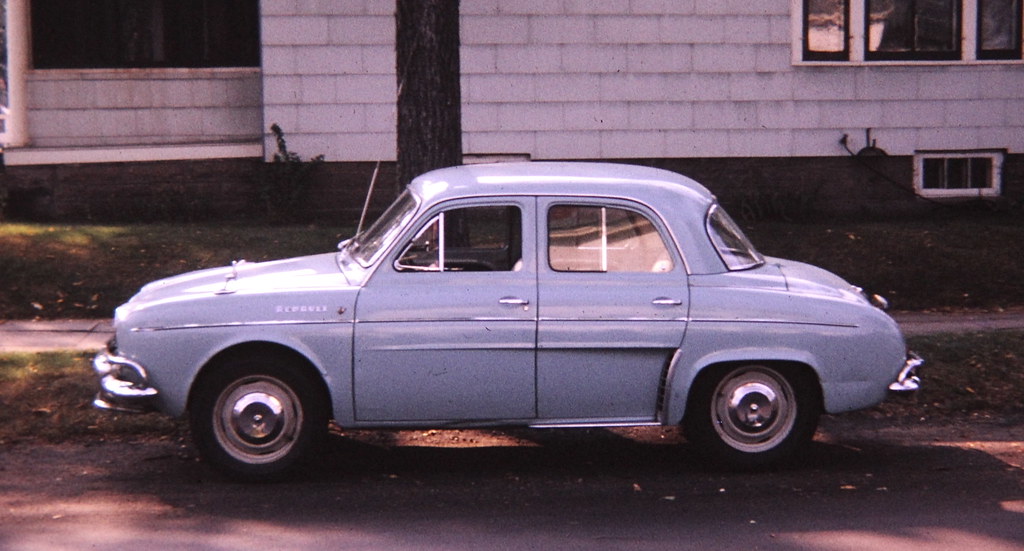
6. **Renault Dauphine**The Renault Dauphine arrived on American shores with a reputation as a European darling, a chic and economical choice that had found success across the Atlantic. Its “styling was typically French and chic,” a testament to its elegant, understated design that appealed to those seeking something a bit different from the standard American fare. It promised a touch of continental sophistication.
However, what worked well on the cobblestone streets of Europe struggled immensely on the vast, demanding roads of the United States. The Dauphine’s “delicate build couldn’t handle the rigors of U.S. roads.” It was simply not engineered for the higher speeds, longer distances, and often rougher asphalt found in America. This fragility quickly led to frustration for owners.
Beyond its structural vulnerabilities, “engine performance was underwhelming, often leaving drivers yearning for more power.” Imagine trying to keep up with a V8-powered behemoth in a car that felt perpetually out of breath. The Dauphine’s charm, it turned out, was easily “overshadowed by frequent breakdowns,” and its “chic” styling wasn’t enough to sustain its popularity against more robust and powerful competitors. It was a case of a good car in the wrong market, a little lost fish in a big pond.
Read more about: Unpacking the Unsettling Rise in Car Thefts: A Consumer Reports Guide to Understanding and Protecting Your Vehicle
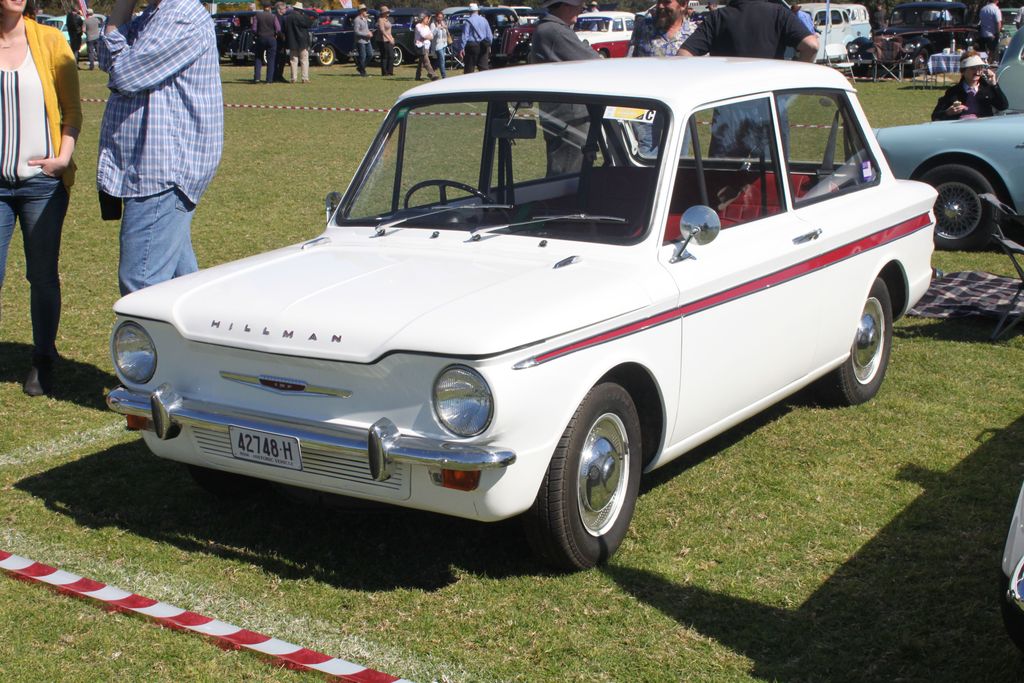
7. **Hillman Imp**The Hillman Imp was a car born of ambition, directly “meant to challenge the Mini.” It had some genuinely clever ideas, like its rear-mounted engine, a rear window that opened like a hatch for improved practicality, and a general air of potential. It looked like a scrappy underdog, ready to punch above its weight in the burgeoning compact car market. It truly had a lot going for it on paper.
But like many ambitious projects, the Imp was ultimately undone by execution. “Unfortunately, quality control missed the memo.” Early models were plagued by a litany of issues: “Overheating, oil leaks, and gearbox gremlins haunted early models.” These weren’t minor annoyances; these were fundamental flaws that severely impacted the car’s usability and reliability straight out of the factory. A car that doesn’t reliably work, no matter how clever its design, is a tough sell.
When it did work, the Imp “drove well,” offering a surprisingly nimble and engaging experience. However, its persistent “reliability issues and a lack of dealer support buried it fast.” It was an “ambitious swing that struck out,” a testament to how even innovative design can’t overcome shoddy manufacturing. The Hillman Imp remains a fascinating ‘what if’ in automotive history, a car that promised much but delivered too many headaches.
Continuing our journey into the sometimes-unflattering truth behind automotive legends, we now turn our gaze to another set of classics that, while possessing undeniable charisma, ultimately stumbled on the road to greatness. These are the machines that made grand promises with their looks or lineage but, when put to the test, revealed cracks in their otherwise polished façades. Prepare for more unfiltered honesty as we delve into seven more vintage vehicles that prove nostalgia isn’t always a reliable mechanic.
Read more about: Behind the Grease and Grime: 12 Cars That Make Mechanics Secretly Cheer (Or Curse) When You Roll In
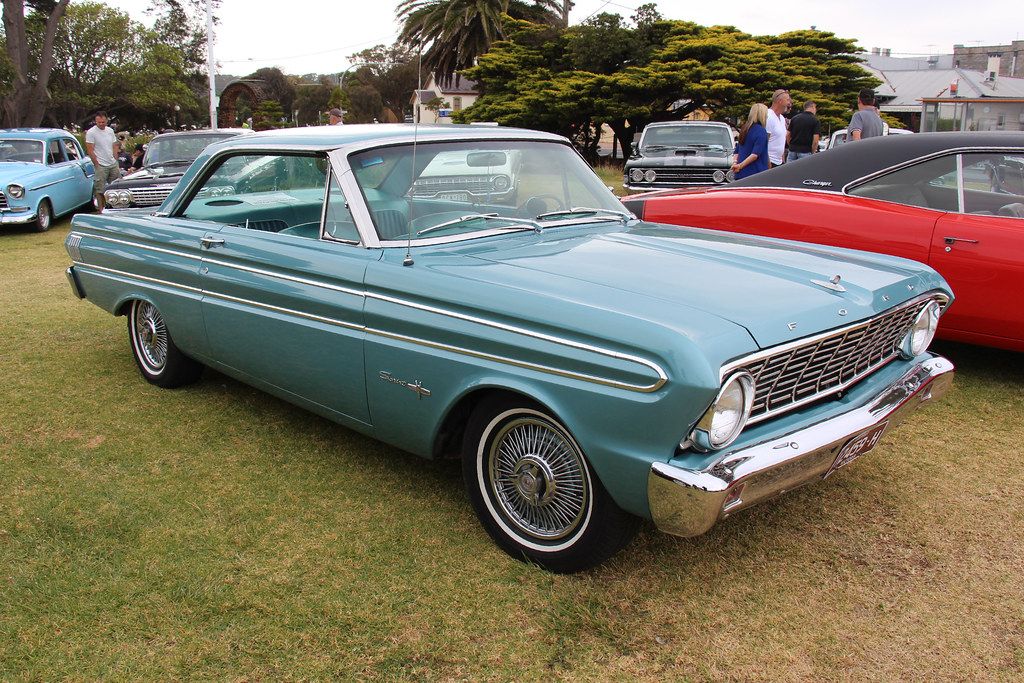
8. **Ford Falcon Sprint**Ford’s Falcon Sprint had ambitions of being a genuine sporty compact, a feisty contender ready to carve corners and win hearts. On paper, or in the brochure, it hinted at performance. It offered a V8 engine, which, in the compact world, felt like a decent step up for the era, suggesting a punchy little package ready for some fun.
However, the reality was a bit more sedate. The Falcon Sprint quickly became known for being more comfortable than genuinely fast, a detail that sharply contrasted with its supposed sporting aspirations. It simply couldn’t keep pace with the increasingly powerful and dynamically focused muscle car rivals that were beginning to flood the market, leaving drivers wanting more grunt and agility.
The overall driving experience of the Sprint, despite its V8 heart, often left enthusiasts yearning for that elusive thrill. It lacked the visceral feedback and raw excitement that defined true performance cars. Its allure, once a beacon of sporty potential, inevitably waned as genuinely dynamic and thrilling options became widely available, making the Sprint feel a little… well, pedestrian.
Yet, despite its shortcomings in the performance department, the Falcon Sprint has undeniably earned its place in the pantheon of beloved classics. It’s remembered today for its straightforward simplicity and a certain understated charm. The Sprint stands as a gentle reminder of an era when automakers were still figuring out what exactly a ‘sporty’ compact truly meant, a simpler time perhaps, but one where the driving experience wasn’t always a full-throttle affair.
Car Model Information: 2017 Honda Accord Touring
Name: Ford Falcon
Caption: 1963 Falcon Sprint hardtop
Manufacturer: Ford Motor Company
Related: Mercury Comet,Frontenac (marque)
Production: 1959–1970
Successor: Ford Maverick (North America)
Class: Compact car
Layout: Front-engine, rear-wheel-drive layout
Chassis: Unibody
Categories: 1960s cars, 1970s cars, Articles with short description, Cars introduced in 1959, Commons category link from Wikidata
Summary: The Ford Falcon is a model line of cars that was produced by Ford from the 1960 to 1970 model years. Though preceded by the Rambler American, the Falcon was the first compact car marketed by the Big Three American manufacturers.
In contrast to its Chevrolet Corvair and (Plymouth) Valiant competitors, the Falcon was developed as a scaled-down version of the full-size Ford Galaxie sedan. Alongside its larger counterparts, the Falcon offered a full range of body styles, including two-door and four-door sedans, two-door hardtops and convertibles, two-door and four-door station wagons (the former, serving as a basis of the final Ford sedan delivery), and coupe utility pickups (serving as the basis of the Ford Ranchero). Through the 1960s, Ford would produce three distinct generations of the Falcon; a final version of the Falcon served as the lowest-price version of the Ford Torino.
For nearly two decades, the model architecture used by the Falcon was used by eleven Ford vehicle lines. Alongside the first generations of the Ford Mustang and Mercury Cougar pony cars and the Ford Econoline/Ford Falcon Van/Ford Club Wagon vans, the platform was used for two generations of successors to the Falcon, including the Ford Maverick and Mercury Comet and the later Ford Granada and Mercury Monarch; the Lincoln Versailles luxury sedan was the final model line derived from the Falcon.
During its production, the Falcon was manufactured by Ford in multiple facilities across North America. Following its discontinuation in that region, the platform continued in production through 1991 by Ford Argentina (as the Ford Granada). From 1972, Ford Australia continued development of the Falcon as a model line distinct to the region, lasting through 2016.
Get more information about: Ford Falcon (North America)
Buying a high-performing used car >>>
Brand: Ford Model: Falcon Sprint
Price: $19,960 Mileage: 86,317 mi.
Read more about: Unearthing Hidden Performance: 14 Underrated Sports Cars That Defy Expectations for Today’s Performance Seekers
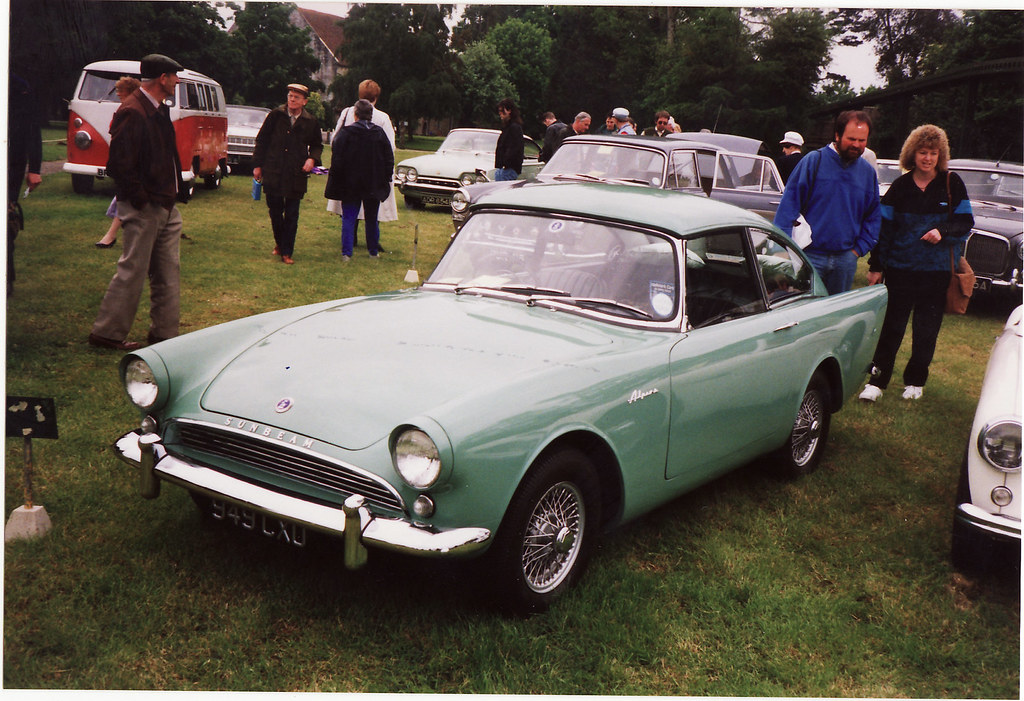
9. **Sunbeam Alpine**There’s no denying the Sunbeam Alpine had curb appeal in spades. It was stylish, elegantly proportioned, and even had a cinematic connection, famously gracing the silver screen alongside a certain secret agent. This British beauty promised a dose of open-air motoring with a distinctly European flair, an enticing prospect for anyone dreaming of winding country roads.
But peel back that sleek exterior, and you’d find a car that, unfortunately, lacked the punch its sporty looks so confidently projected. The Alpine’s performance was, to put it politely, laid-back, and its soft suspension system felt more suited to gentle cruising than spirited driving. It simply didn’t deliver the crisp, engaging experience that its sleek lines and sports car silhouette suggested, leaving the driving enthusiast feeling somewhat underwhelmed.
Essentially, the Sunbeam Alpine represented a curious blend where British charm met budget roadster, a combination that resulted in a car far more adept at leisurely cruises than delivering thrilling, dynamic drives. It was a machine designed for enjoying the scenery, not for tearing through it, a distinction that many buyers, lured by its appearance, discovered only after the purchase.
To compound matters, owning an Alpine could often be a labor of love, if not outright frustration. Maintenance could turn into a bit of a chore, and rust, that eternal nemesis of classic British cars, seemed to take a particular liking to the Alpine’s chassis. It might have looked every bit the sharp sports car on the outside, but underneath the skin, it often failed to live up to those high-performance hopes.
Read more about: Beyond Bond: Sean Connery’s Iconic Automotive Legacy – A Deep Dive into the Classic Cars He Made Famous
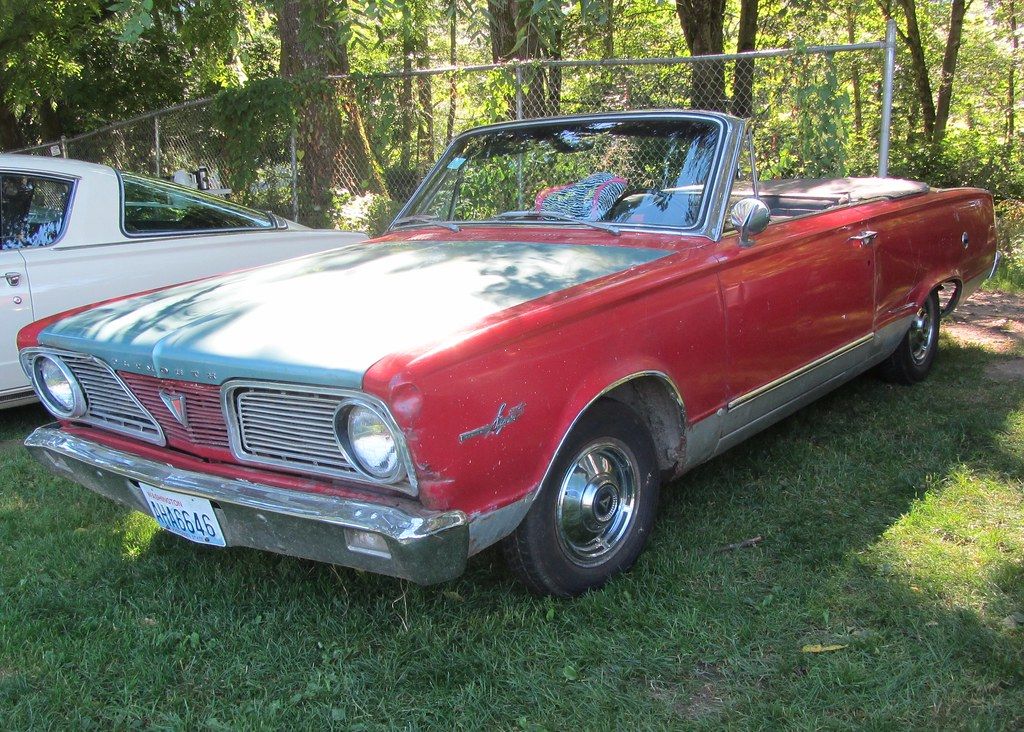
10. **Plymouth Valiant**The Plymouth Valiant is a name that conjures images of unyielding reliability, a car that would get you from A to B, come hell or high water. And it certainly delivered on that front, often outlasting its flashier contemporaries. But let’s be brutally honest here: in terms of sheer driving excitement, the Valiant was about as thrilling as watching paint dry. It was, in essence, the automotive equivalent of plain toast – utterly dependable, yet utterly devoid of zest.
Its design was notoriously boxy, adhering strictly to a function-over-form philosophy that, while practical, simply lacked the flair and aerodynamic grace of many of its peers. The Valiant unapologetically prioritized utility above all else, rarely, if ever, turning heads or inspiring longing glances on the street. It was built for purpose, not for pizzazz.
This commitment to practicality meant that while the Valiant served countless families incredibly well, dutifully performing its daily chores, its distinct lack of pizzazz consistently kept it firmly in the shadows. It was the sensible shoe of the automotive world, reliable and sensible, but never truly captivating enough to grab the spotlight from more flamboyant, albeit sometimes less dependable, machines.
The legacy of the Plymouth Valiant, then, is inextricably linked to its unwavering practicality, a reputation that, unfortunately for its street cred, often overshadowed any glimmer of excitement it might have possessed. It stands as a testament to the idea that a car can be monumentally successful in its mission of basic transportation, yet remain a somewhat mundane presence in the collective memory of automotive enthusiasts.
Car Model Information: 1967 Plymouth Valiant
Name: Plymouth Valiant
Caption: 1969 Plymouth Valiant Signet 2-door sedan
Manufacturer: Plymouth (automobile)
Production: 1959–1976
Class: Compact car
Platform: Chrysler A platform
Layout: FR layout
Successor: Plymouth Volaré
Categories: 1970s cars, 1976 disestablishments, All articles with unsourced statements, Articles with short description, Articles with unsourced statements from August 2019
Summary: The Plymouth Valiant (first appearing in 1959 as simply the Valiant) is an automobile which was marketed by the Plymouth division of the Chrysler Corporation in the United States from the model years of 1960 through 1976. It was created to give the company an entry in the compact car market emerging in the late 1950s and became well known for its excellent durability and reliability. It was one of Chrysler’s best-selling automobiles during the 1960s and 1970s helping to keep the company solvent during an economic downturn. Road & Track magazine considered the Valiant to be “one of the best all-around domestic cars”.
The Valiant was also built and marketed, with or without the Plymouth brand, worldwide in countries including Argentina, Australia, Brazil, Canada, Finland, Mexico, New Zealand, South Africa, Sweden, and Switzerland, as well as other countries in South America and Western Europe. Its compact size, by American standards, allowed it to be sold as a large car in Europe and elsewhere, without being too large for local conditions.
Get more information about: Plymouth Valiant
Buying a high-performing used car >>>
Brand: Plymouth Model: Valiant
Price: $37,900 Mileage: 23,456 mi.
Read more about: The $20,000 Mistakes: 10 Sedans Drivers Regretted Buying Before Leaving the Lot
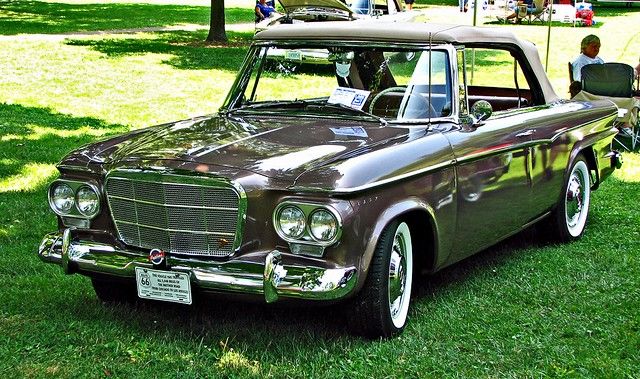
11. **Studebaker Lark**The Studebaker Lark, in its heyday, represented a valiant attempt by a proud, independent automaker to compete with Detroit’s Goliaths. It was pitched as a small wonder, a compact challenger brimming with big dreams and innovative spirit in a market increasingly dominated by behemoths. From its tidy dimensions, it certainly looked like a fresh proposition, promising efficiency without sacrificing character.
However, as is often the case with ambitious underdogs, the Lark unfortunately couldn’t quite deliver on all those grand aspirations. While its compact design was undeniably appealing and forward-thinking, the car often found itself hampered by a litany of performance and reliability issues. These weren’t minor niggles; they were often significant stumbling blocks that made ownership a less-than-seamless experience.
Beneath the Lark’s charming, often stylish exterior, lay a series of mechanical challenges that frequently tested the patience of its owners. What looked like a well-thought-out, efficient package often concealed components that weren’t quite up to the rigors of everyday driving. It was a stark reminder that good intentions, even great design, aren’t always enough if the execution falls short.
Despite these setbacks and the eventual demise of the Studebaker brand, the Lark remains a truly beloved classic today. It stands as a testament to Studebaker’s unique approach to car manufacturing and their persistent pursuit of innovation against overwhelming odds. The Lark is fondly remembered by collectors as a car that, while imperfect, embodied a distinct spirit and carved its own niche in the annals of automotive history.
Read more about: Unsung Heroes of the Asphalt: 14 Low-Maintenance Classic Cars That Deserve a Spot in Your Garage
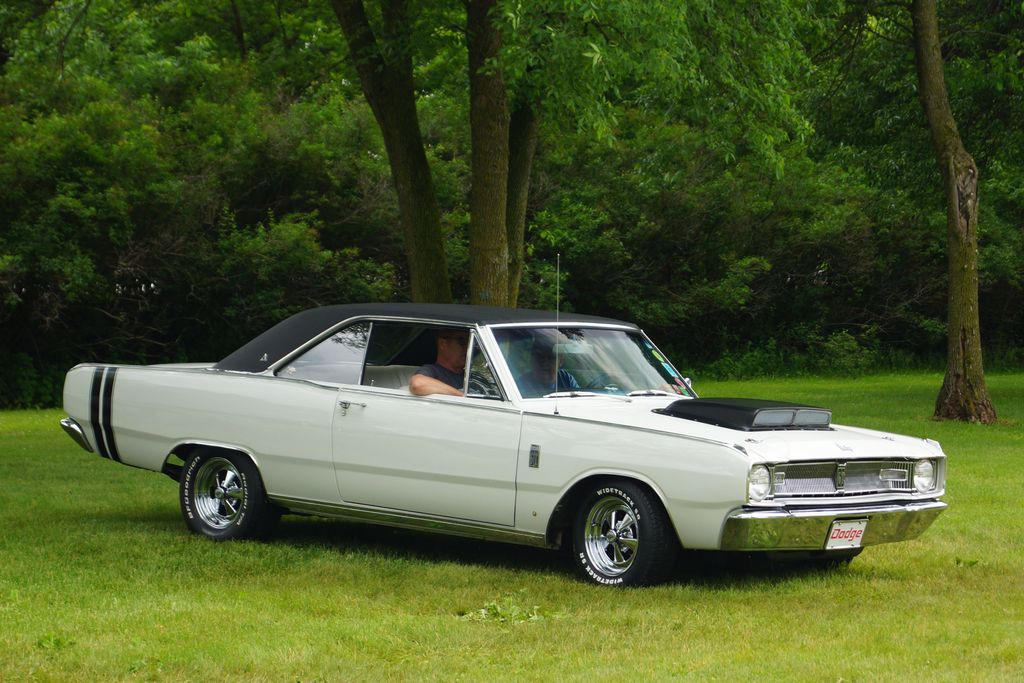
12. **Dodge Dart GT**When the Dodge Dart GT rolled onto the scene, it clearly had aspirations of playing with the big boys, aiming for a slice of that burgeoning muscle car pie. It wore its sporty intentions proudly on its sleeve, with styling cues that certainly looked the part of a performance machine ready to rumble. The GT badging itself was a clear signal of serious intent.
Yet, despite its aggressive looks and sporty promises, the Dart GT often fell short when the rubber met the road. Its ambitious intentions were consistently hampered by what was, for many, a rather lackluster engine lineup, especially when compared to the roaring V8s in true muscle car rivals. It simply couldn’t keep pace with the sheer power and exhilarating speed offered by the era’s genuine performance legends.
This disparity between appearance and actual capability meant the Dart GT became, for many critics and drivers alike, a quintessential case of style over substance. It presented itself as a formidable competitor, but the raw power and neck-snapping acceleration expected from a ‘GT’ model were often conspicuously absent, leading to a degree of disappointment among those seeking true performance.
Nevertheless, despite its inability to dominate the drag strip, the Dart GT did manage to carve out a respectable niche among enthusiasts who genuinely appreciated its distinctive design and spirited attitude. Today, it stands as a reminder of ambition that, perhaps, exceeded its execution, a classic that looks fast even if its speedometer didn’t always agree, still cherished by those who value its unique place in Mopar history.
Car Model Information: 2015 Dodge Dart SXT
Name: Dodge Dart
Caption: 1966 Dodge Dart GT 2-door hardtop
Manufacturer: Dodge
Production: 1959–1976 (US market)
ModelYears: 1960–1976 (US market)
Class: Full-size
Layout: FR layout
Predecessor: Dodge Coronet#Fourth generation (1957–1959)
Related: Plymouth Valiant,Chrysler Valiant,Dodge Phoenix
Successor: Dodge Aspen,Dodge Diplomat,Talbot Tagora
Categories: 1970s cars, All articles with unsourced statements, Articles with short description, Articles with unsourced statements from December 2023, Articles with unsourced statements from May 2025
Summary: The Dodge Dart is a line of passenger cars produced by Dodge from the 1959 to 1976 model years in North America, with production extended to later years in various other markets.
The production Dodge Dart was introduced as a lower-priced full-size model in 1960 and 1961, but became a mid-size car for one model year for 1962, and was then reduced to a compact for two generations, from 1963 to 1976.
Chrysler had first used ‘Dart’ name plates on two Italian styled show cars, in 1956 and 1957, before it became a Dodge model name. The Dart nameplate was resurrected for a Fiat-derived compact car that was introduced in 2012.
Get more information about: Dodge Dart
Buying a high-performing used car >>>
Brand: Dodge Model: Dart
Price: $9,995 Mileage: 143,082 mi.
Read more about: Behind the Grease and Grime: 12 Cars That Make Mechanics Secretly Cheer (Or Curse) When You Roll In
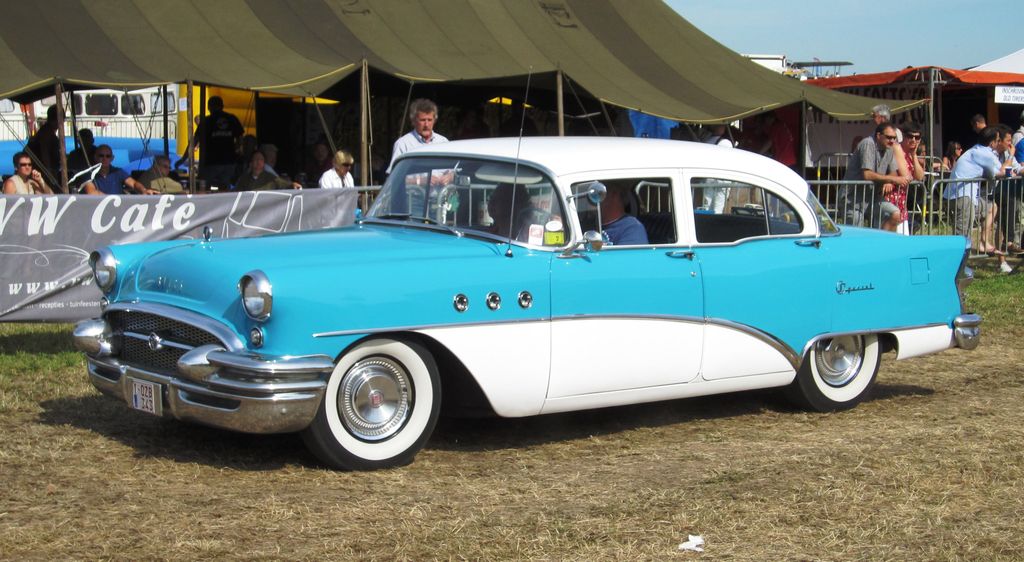
13. **Buick Special**The Buick Special, as its name proudly declared, aimed to be exactly that—special. It arrived with the promise of Buick’s characteristic refinement and a dash of something extra, a cut above the ordinary family sedan. It was designed to exude an aura of quiet confidence and accessible luxury, appealing to those who wanted comfort and style without excessive flamboyance.
While the Special was indeed equipped with various V8 engine options, offering a decent amount of power, it often struggled to truly stand out in what was an incredibly crowded and competitive market. Its performance, while competent and smooth, rarely ventured beyond the realm of ‘ordinary’ and certainly wasn’t what you’d call exhilarating. Its appeal, ultimately, leaned far more towards aesthetic elegance and a comfortable ride than any breathtaking bursts of speed.
Despite these shortcomings in the thrill department, the Buick Special undoubtedly remains a cherished piece of automotive history. It represents a significant chapter in Buick’s enduring legacy of producing comfortable, stylish, and dependable cars. It may not have been a drag strip hero, but it was a solid, well-built machine that served its purpose admirably for countless owners.
Collectors today still admire the Special for its distinctive styling and the timeless quality of its design, even if its performance didn’t quite match the ‘special’ moniker. It embodies an era where American cars were still defined by their presence and comfort, a vehicle that looked good and felt good, even if it wasn’t going to win any races.
Car Model Information: 2024 Buick Encore GX Sport Touring
Caption: 1958 Buick Special Convertible
Manufacturer: Buick
Layout: FR layout
Production: 1936–1942,1946-1958,1961–1969
Predecessor: Marquette (automobile),Buick Standard Six
Successor: Buick LeSabre,Buick Skylark
Designer: Harley Earl
Class: Full-size,Compact car,Mid-size
Categories: 1930s cars, 1940s cars, 1950s cars, 1960s cars, 1970s cars
Summary: The Buick Special was an automobile produced by Buick. It was usually Buick’s lowest-priced model, starting out as a full-size car in 1936 and returning in 1961 (after a two-year hiatus) as a mid-size. The Special was built for several decades and was offered as a coupe, sedan and later as a station wagon. When GM modernized their entry level products in the 1960s, the Special introduced the modern Buick V6 that became a core engine for GM for several decades and lived on in upgraded form until 2006.
By 1970, Special was no longer offered as a standalone model but the name would later be used for the entry trim on 1975 to 1979 and 1991 to 1996 Century models.
The entry level Buick can trace its heritage to the Buick Model 10, a companion to Buick’s first car, the Buick Model B. The Model 10 started out as one of the independent brands merged into Buick, called the Janney.
Get more information about: Buick Special
Buying a high-performing used car >>>
Brand: Buick Model: Special
Price: $20,700 Mileage: 21,988 mi.
Read more about: For Snow Belt Residents: A Deep Dive into the 10 Worst Winter-Ready Vehicles on the Market Today

14. **Oldsmobile F-85**The Oldsmobile F-85 was introduced with a grand mission: to bring a taste of luxury to the masses, a more accessible entry point into Oldsmobile’s prestigious lineup. It promised a blend of sophistication and practicality, aiming to bridge the gap between basic transportation and the brand’s more opulent offerings. On paper, it sounded like a smart move, a way to broaden Olds’ appeal.
However, the F-85 often ended up feeling more like a mid-tier compromise than a true luxury experience. While it boasted some genuine innovations, such as its lightweight aluminum V8 engine – a rather forward-thinking piece of engineering for its time – it struggled to shake off a reputation for being somewhat unremarkable. Its styling, though clean, was generally more conservative than captivating, failing to inspire the excitement that truly memorable cars often do.
Despite its somewhat muted impact on the broader automotive landscape, the Oldsmobile F-85 certainly has its share of loyal admirers. These are the enthusiasts who appreciate its understated charm, its practical approach to upscale motoring, and the innovative spirit that went into its unique powertrain. It’s a car that grows on you, rather than stunning you instantly.
Ultimately, the Oldsmobile F-85 stands as a classic example of ambition tempered by reality. It sought to achieve a delicate balance between luxury and affordability, and while it offered a glimpse of Oldsmobile’s engineering prowess, it couldn’t quite achieve the iconic status of some of its more flamboyant siblings. It was a good car, a solid car, but perhaps not the groundbreaking game-changer it hoped to be.
Car Model Information: 1962 Oldsmobile F-85 Cutlass
Caption: 1971 Oldsmobile Cutlass Supreme Convertible
Name: Oldsmobile Cutlass
Manufacturer: Oldsmobile
Production: 1961–1999
Successor: Oldsmobile Intrigue
Class: Compact car
Categories: 1970s cars, 1980s cars, 1990s cars, All Wikipedia articles needing clarification, All articles that may contain original research
Summary: The Oldsmobile Cutlass was a series of automobiles produced by General Motors’ Oldsmobile division between 1961 and 1999. At its introduction, the Cutlass was Oldsmobile’s entry-level model; it began as a unibody compact car, but saw its greatest success as a body-on-frame intermediate. The Cutlass was named after Vought F7U Cutlass, as well as the type of sword, which was common during the Age of Sail.
Introduced as the top trim level in Oldsmobile’s compact F-85 Series, the Cutlass evolved into a distinct series of its own, spawning numerous variants. These included the 4-4-2 muscle car in 1964, the upscale Cutlass Supreme in 1966, the high-performance Hurst/Olds in 1968, and the Vista Cruiser station wagon.
By the 1980s, Oldsmobile was using the Cutlass as a sub-marque, with numerous vehicle lines bearing the name simultaneously. The compact Cutlass Calais, midsize Cutlass Ciera, Cutlass Cruiser station wagon, and flagship midsize Cutlass Supreme were among the models available during this time.
In the 1990s, Oldsmobile began moving away from its traditional model lines, with other legacy vehicle nameplates like the 98 and 88 being discontinued in 1996 and 1999, respectively. The Cutlass name was likewise retired in 1999 in favor of the all-new Oldsmobile Alero, ending nearly 40 years of continuous Cutlass production.
Get more information about: Oldsmobile Cutlass
Buying a high-performing used car >>>
Brand: Oldsmobile Model: F-85
Price: $29,997 Mileage: 32,514 mi.
Read more about: Revving Up History: Unearthing the Forgotten Engines That Forged American Muscle Legends
And so, our critical journey through the annals of classic cars concludes, leaving us with a renewed appreciation for the often-blurry line between fond memory and harsh reality. We’ve seen how gleaming chrome and evocative shapes can stir the soul, only for the actual driving experience to deliver a dose of automotive truth. These machines, while perhaps not the titans of performance or paragons of perfection we sometimes imagine, are nonetheless vital threads in the rich tapestry of car culture. They teach us that even the most celebrated vehicles have their quirks, their flaws, and their stories of ambition that sometimes outran execution. They remind us that the road of automotive history is paved not just with legends, but also with fascinating, charmingly flawed characters, each with a tale worth telling—and, occasionally, a steering wheel worth wrestling with.