
You know that feeling, right? Settling into your cinema seat, armed with soda and popcorn, ready for pure cinematic bliss. The lights dim, the trailers roll, and then the main event begins. But what happens when that bliss turns into… something else entirely? Something so awful, boring, or intense that you seriously consider making a break for it?
Turns out, many of us have been there! We’ve all heard the whispers of movies so wild, out there, or genuinely bad that people couldn’t take another second. Recently, our amazing community on r/movies opened up about those moments, and the responses? Absolutely epic. From scenes that made people physically ill to plots that felt like an “audio/visual torture,” it’s clear that sometimes, the best part of the movie is making your grand exit!
So, grab your imaginary exit ticket, because we’re about to embark on a wild ride through infamous cinema walkouts. These aren’t just movies; they’re *experiences* that pushed audiences to their limits, proving that even blockbusters can have you saying, “Nope, I’m out!” Get ready to dive into the first seven flicks that sent viewers sprinting for the doors!

1. **The Exorcist (1973): When Horror Got REAL and Audiences Ran for Their Lives**Let’s just start with a bang, shall we? You can’t talk about audience walkouts without mentioning “The Exorcist.” This isn’t just a movie; it’s a cultural phenomenon that, upon its 1973 release, unleashed a level of terror so profound it literally sent people running from theaters. We’re talking frantic sprints, folks, leaving behind empty seats like breadcrumbs in a very, very scary forest.
Its iconic status isn’t just because it was the first horror film nominated for Best Picture. It’s all about the sheer, unadulterated shockwaves it sent through moviegoers. The scenes of a possessed young girl, Regan, undergoing unimaginable torment – from profane outbursts to levitation – pushed boundaries in ways audiences had never experienced. And let’s not forget *that* head-spinning moment, a true cinematic turning point of obscenity, sacrilege, and body horror.
Seriously, the impact was so colossal that in the United Kingdom, ambulances were parked *outside* cinemas to medically aid terrified viewers suffering from mental trauma. Christians would leave due to “religious motives,” and many moviegoers would become “traumatized.” It wasn’t just scary; it was a psychological assault that left lasting scars, proving that sometimes, a movie can be *too* good at its job of terrifying you!

2. **Freaks (1932): The Film So Shocking, It Caused a Miscarriage (Seriously!)**Let’s rewind to Hollywood’s early days, 1932, and talk about “Freaks,” a movie that set the bar for audience walkouts and controversy. Imagine a time when the very sight of people with “body differences” on screen could cause widespread panic. This film starred real-life circus performers: a bearded woman, conjoined twins, a legless man, an armless woman, dwarves, and other “abnormal people.”
Director Tod Browning intended “to showcase that appearance is not a reflection of a person’s character.” But back then, this noble message was completely lost in a wave of sheer terror and disgust. Audiences were “immediately horrified” by what they saw. One particularly infamous scene where the performers accept Cleopatra, a beautiful trapeze artist, as “one of their own” through a bizarre, unsettling ritual, saw many viewers siding with the *villain*. Talk about a complete misfire!
The reactions were so extreme that during test screenings, people became “so ill that there was talk of lawsuits.” According to the film’s art director, audiences “ran out.” And here’s the kicker: one “unfortunate woman suffered a miscarriage upon seeing Freaks and threatened to sue MGM.” The movie was even “banned in the United Kingdom for 30 years” and tragically “killed the director’s career.” This wasn’t just a walkout; it was a cultural shock!
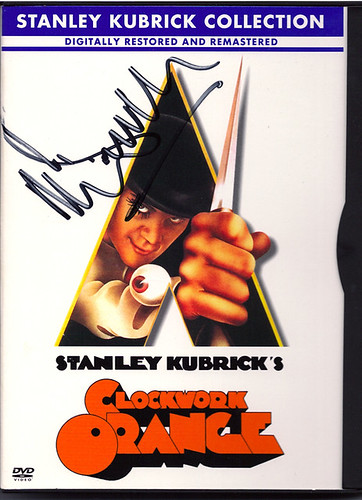
3. **A Clockwork Orange (1971): When “Ludovico Technique” Made Audiences Say “No Thank You!”**Stanley Kubrick was never one to shy away from pushing boundaries, and his 1971 masterpiece, “A Clockwork Orange,” is a testament to that. While it’s widely considered “one of the most influential movies of all time,” it was also “immediately drenched in an ocean of controversy” for its “bold and provocative themes.” This wasn’t just a movie you watched; it was an “exercise in endurance,” testing how much cruelty you could watch.
The film follows Alex and his “droogs,” who revel in “terrorizing and debasing their fellow human beings.” Early on, a “home invasion” scene sees Alex and his gang “break into a writer’s home, beat him within an inch of his life, and assault his wife while Alex cheerfully crows out the lyrics to ‘Singin’ in the Rain.'” This “relentless scene” was a major “ask” for audiences, and for many, it was “the moment many decided ‘A Clockwork Orange’ wasn’t worth the price of admission.”
The scenes depicted “rape, murder, violence, nudity, and the Ludovico Technique,” a horrifying aversion therapy. Audiences were deeply offended, and they “steadily walked out of the cinemas.” The controversy didn’t stop there; shockingly, “A Clockwork Orange inspired several violent crimes across England,” leading to the movie being “soon pulled from theatres.” Talk about art imitating life in the most terrifying way possible!
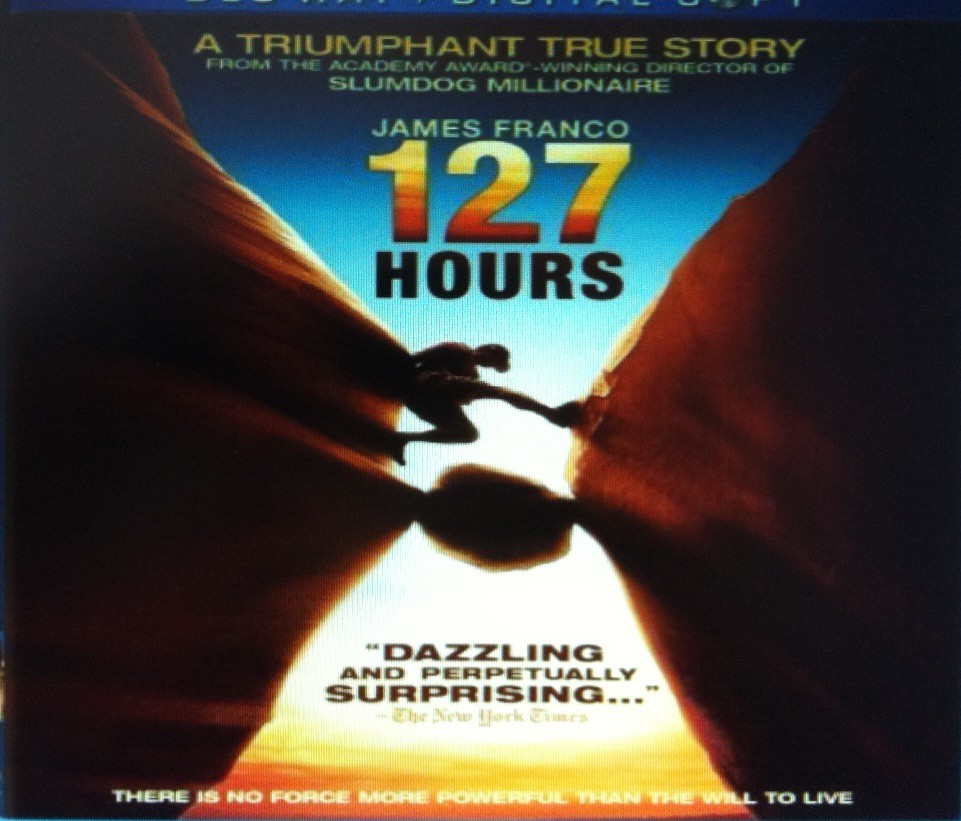
4. **127 Hours (2010): The Amputation Scene That Had Viewers Vomiting and Fainting**Let’s talk about “127 Hours,” a true story that proved almost too much for moviegoers. Directed by Danny Boyle, this film chronicles the harrowing real-life experience of mountaineer Aron Ralston (played by James Franco) who, while hiking in Blue John Canyon, gets his right hand and wrist trapped against a surface by a giant boulder. Six days stuck in a canyon slot? Yeah, that’s already intense.
But here’s where things get *really* gnarly. After agonizing days, Aron makes the desperate choice to amputate his own right forearm with a pocket knife to escape. The film spares “none of the gory details.” We’re talking “five minutes” where viewers are “forced to watch every move he makes.” Director Boyle ensures “several closeups of his incisions and the blood and meat of his exposed arm,” with the musical score adding to the “stinging” as he “severs tendons and nerves.” *Whew!*
This “bloody scene proved to be too gruesome for several viewers.” The reactions were intense: “Many vomited, fainted, or experienced seizures,” forcing them to leave early. Even those “lucky enough to keep their wits simply walked out.” It’s one thing to know the story, it’s another entirely to experience it so viscerally on screen. This flick solidified its place in the walkout hall of fame for its sheer, undeniable power to make stomachs turn and senses overload.
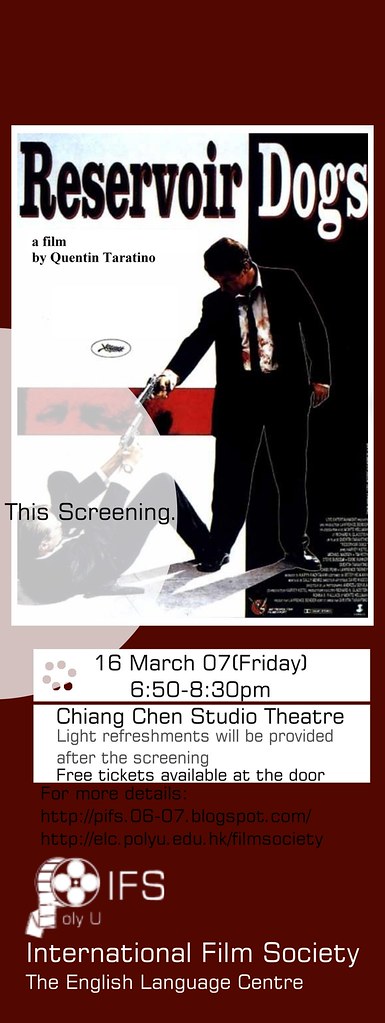
5. **Reservoir Dogs (1992): When Tarantino Made His Bloody Debut and People Lost Their Ears (Figuratively!)**
Get ready for more Quentin Tarantino on this list, because he knows how to stir the pot! Before he was a household name, his directorial debut, “Reservoir Dogs,” burst onto the scene in 1992, immediately making waves for its audacious violence. Its “initial reception… was a far cry from the legendary status it holds nowadays” because, well, people just weren’t ready for *that*.
The movie’s “iconic torture scene was particularly controversial,” leading to “many audience members would leave when it was screened.” Picture this: Michael Madsen’s “sociopathic bank robber taunts a captive policeman before severing his ear with a straight razor.” While “the violence is played mostly off-screen,” Tarantino, ever the provocateur, “brings the severed ear into the frame and talks into it.” Because, you know, he’s a “funny guy.”
Tarantino “always counted the number of people who would walk out of Reservoir Dogs; the highest was 33.” He even thought audiences at “Spain’s Sitges Horror Film Festival” would be able to handle it, but nope! “Five people walked out, including none other than the pioneer of the horror genre, Wes Craven.” If Wes Craven walks out, you *know* you’ve done something right (or horribly, wonderfully wrong, depending on your perspective!).

6. **The Blair Witch Project (1999): Found Footage Fright That Made You Sick (Literally!)**Remember when “The Blair Witch Project” dropped? It wasn’t just a movie; it was a phenomenon that pretty much invented the mainstream found-footage genre! People genuinely thought it was real footage of missing documentary filmmakers, and that sheer novelty, combined with its shoestring budget and colossal box office success, made it a legend. But along with the fame came a whole lot of nausea.
The movie was “nothing short of a frightful experience for its viewers.” Its “handheld photography was so new that it gave viewers motion sickness,” “only heightening the building hysteria around the film.” Imagine sitting in a dark theater, already on edge, watching shaky, disorienting footage that makes your stomach churn. It was a perfect storm of fear and physical discomfort, causing viewers to “experience nausea and panic attacks.”
One scene in particular, “The Tent Scene,” was the “final straw for many.” As it’s nighttime, viewers “can’t see much, and what we can see is unfocused and constantly moving around the screen.” It’s “a confusing, scary, and disorienting moment that left vulnerable viewers nauseous.” This wasn’t just psychological horror; it was horror designed to physically destabilize you, making walkouts a natural, almost involuntary reaction to sensory overload.
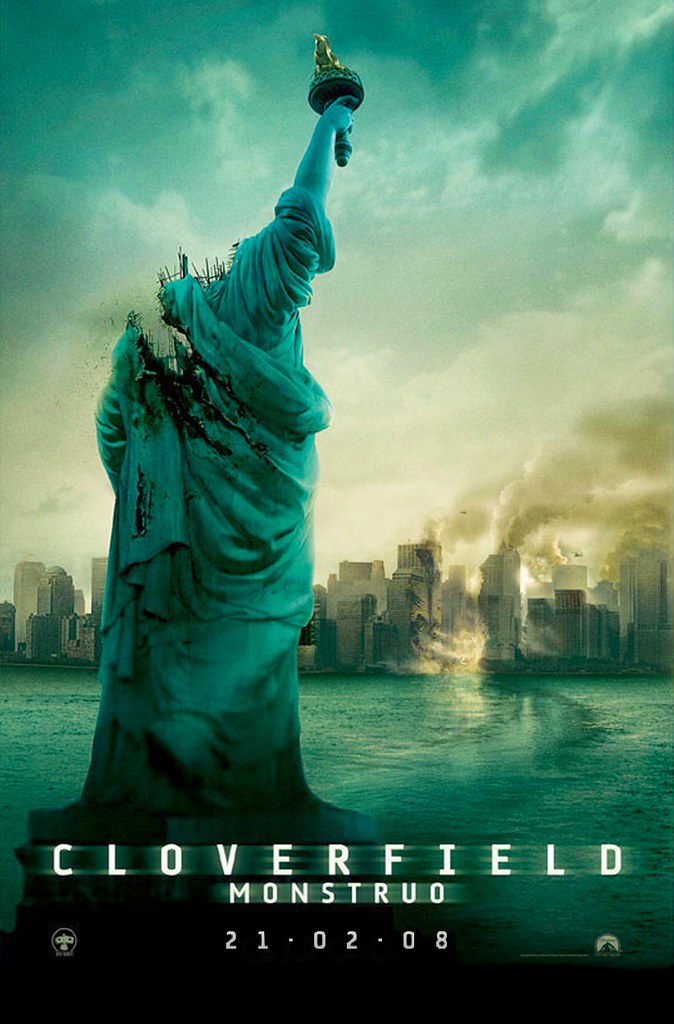
7. **Cloverfield (2008): Shaky Cam Chaos That Sent Audiences Reeling**Let’s talk about “Cloverfield,” another found footage film that caused motion sickness. This 2008 monster movie took the “found-footage concept” and cranked up the realism, showing the monster attacking Manhattan through the lens of a personal camera. The intention was to “encapsulate a sense of realism,” but for many, it encapsulated a sense of *vomiting*.
The “rapid and shaky camera work” was a brutal assault on the senses. Many audience members “walked out of the cinemas because the rapid and shaky camera work caused them to feel nauseous and physically ill.” It wasn’t just a slight discomfort; it was a full-blown physical reaction that made staying in your seat feel like an impossible task. One Redditor, u/Scarfwearer, put it succinctly: “I walked out because I felt sick to my stomach. Too much camera shaking.”
The issue became so prevalent that “a few cinemas began posting warning signs outside to alert the audience about Cloverfield potentially causing motion sickness.” Imagine a movie being so visually disorienting that theaters felt obligated to give a health warning? That’s when you know you’ve created a cinematic experience that truly pushes people to their limits, whether they wanted to be pushed or not!

8. **The Lion King (1994): When Childhood Innocence Met a Wildebeest Stampede and Tears Flowed**Alright, deep breaths everyone, because this next one might just hit you right in the childhood feels! We’re talking about “The Lion King.” Yes, *that* “Lion King”—the one filled with iconic songs, stunning animation, and arguably one of Disney’s most heart-wrenching moments. You might be scratching your head, thinking, “A walkout for *The Lion King*? Seriously?” But even the most beloved animated classics can have scenes so profoundly impactful that they send audiences, especially the younger ones, straight for the lobby exits.
For all its joy and incredible visual storytelling, “The Lion King” holds a genuinely devastating scene in cinematic history: the brutal murder of Mufasa by his conniving brother, Scar. This isn’t just a simple plot point; it’s a traumatic event burned into the minds of millions. Imagine being a little kid, watching Mufasa fight desperately for his life, only to be betrayed and trampled in a terrifying wildebeest stampede. The shock is immense, even for adults.
The aftermath is equally, if not more, emotionally devastating. The sight of young Simba helplessly witnessing his father’s fall, then bravely approaching Mufasa’s lifeless body, is pure, unadulterated heartbreak. This single scene pushes emotional boundaries in a way that many adults still find difficult to watch.
The context explicitly highlights the intensity, noting that “crying children would be temporarily escorted outside the lobby by their parents” because the scene was “too dreadful for many underage children.” Talk about an unexpected, emotionally charged cinema escape! It just goes to show that some cinematic pain cuts far deeper than any gore or jump scare.
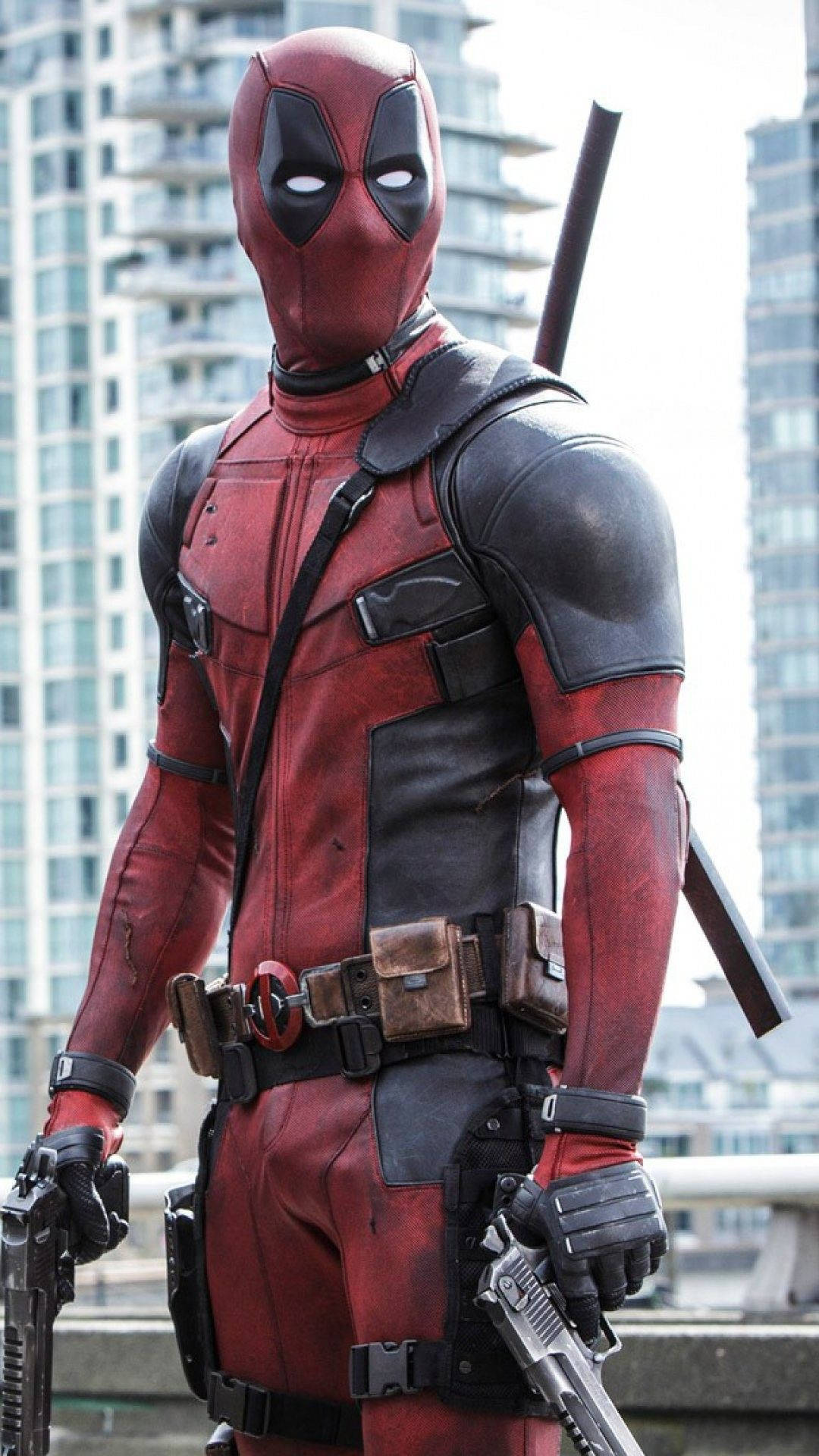
9. **Deadpool (2016): When “Superhero Movie” Meant an R-Rated Surprise Party!**Next up, let’s chat about a movie that caused walkouts not because it was bad, but because some parents seriously misjudged the vibe! We’re diving into “Deadpool,” one of 2016’s most anticipated flicks. It promised a comic-book accurate, no-holds-barred take on the Merc with a Mouth, and the movie absolutely delivered on its promise of an R-rated, irreverent, and action-packed ride.
The problem? Many parents, operating under the assumption that *all* superhero movies are automatically family-friendly, brought their underage kids along. Despite Ryan Reynolds’ explicit open letter advising against this, some folks just didn’t quite get the memo. They probably thought, “Oh, it’s Marvel! How extreme could it *really* be for little Timmy and Susie?”
Well, about halfway through the film, as the “rated-R movie, which crossed several boundaries in terms of violence and vulgarity” truly began to unfold, these parents were, understandably, absolutely “appalled.” Imagine the sheer shock of seeing Deadpool’s signature blend of brutal combat, graphic scenes, and delightfully crude humor when you’re expecting something akin to an Avengers flick!
The result? Many of them “walked out with their children,” leading to what must have been some truly awkward family cinema moments. While these unexpected exits highlight a clear mismatch of expectations, “Deadpool” was still a massive critical and commercial success. It just goes to show that some R-rated surprises are definitely not for young eyes!
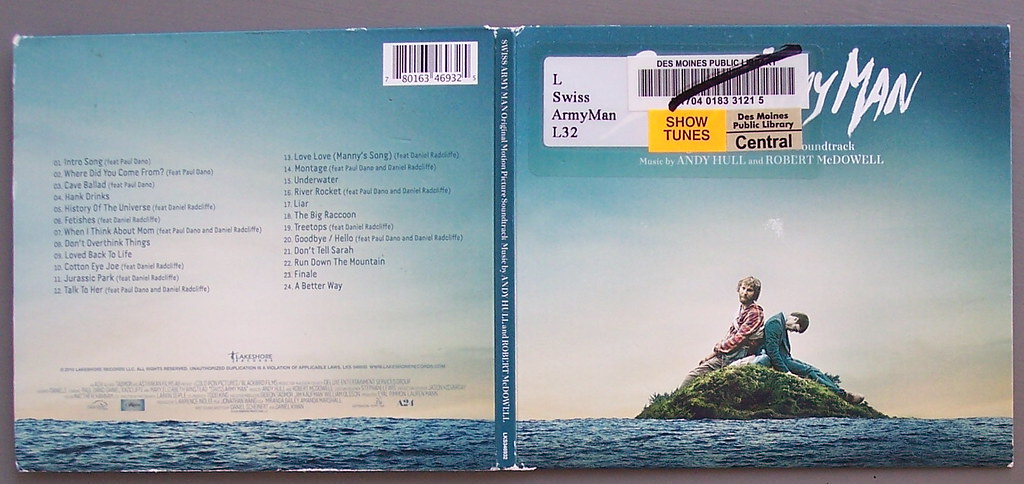
10. **Swiss Army Man (2016): The Farting Corpse That Sent Audiences Fleeing in Disgust!**Alright, prepare yourselves, because this next cinematic experience is truly, truly out there! Have you ever heard of “Swiss Army Man”? It’s the movie where Daniel Radcliffe, yes, *Harry Potter himself*, takes on the role of a rotting corpse. No, really, you read that right! This flick doesn’t just push the boundaries of unconventional filmmaking; it launches them straight into the stratosphere with a bizarre premise that had many viewers heading for the exits in sheer disgust.
The core concept is as wild as it sounds: a man (played by Paul Dano) finds himself stranded on a desert island and befriends a dead body, Manny (Radcliffe), that washes ashore. This is where things get incredibly unique and, for many, deeply unsettling. Manny’s corpse surprisingly becomes a multi-purpose tool for survival, thanks to its various bodily functions. It’s a film that defiantly leans into the “bizarre” category.
The context reveals the rather pungent reason for many early departures: “The scenes of the corpse steadily rotting and farting proved to be too much for the audience and many of them left the cinema in disgust.” Can you imagine? Moviegoers, who probably entered the theater expecting *something* entirely different, found themselves overwhelmed by pure revulsion, driven to the exits by a combination of visual and implied olfactory assault.
Despite its polarizing nature and the many disgusted walkouts, “Swiss Army Man” actually managed to receive positive reviews from critics. This really underscores the film’s artistic ambition, even if that ambition meant sacrificing a comfortable viewing experience for a significant portion of its audience. It just proves that sometimes, a movie can be too wonderfully weird for its own good!

11. **Cats (2019): A Musical Misfire That Made Audiences Say “Me-NO!”**Oh, “Cats”! Where do we even begin with “Cats,” the 2019 film adaptation that became a pop culture phenomenon for all the… *wrong* reasons? This movie was met with a healthy dose of skepticism right from the get-go. Many wondered how it could possibly translate the stage’s vibrant “spectacle and tomfoolery” to the big screen without veering into outright bizarreness. As it turns out, those initial fears were absolutely, catastrophically not unfounded!
One particular scene, an early musical number led by Rebel Wilson as Jennyanydots, seemed to be the final straw for many. The provided context perfectly sums up the discomfort: “Wilson’s vocals are clearly lacking, but the scene is a cavalcade of misjudged jokes and horrors previously unknown to the moviegoing public.” Yikes, not exactly a ringing endorsement for a musical!
The scene reportedly featured Jennyanydots “mercilessly chomping down on CGI cricket dancers and and basically skinning herself mid-number.” Let that visual sink in for a moment. This wasn’t just bizarre; it was a deeply unsettling sequence that left audiences bewildered, cringing, and quite possibly, questioning their life choices for buying a ticket.
For those who bravely walked into the theater “knowing very little about ‘Cats’ and expected a lighthearted musical comedy,” this Jennyanydots number was unequivocally described as “a bridge too far.” It was a bizarre, unsettling spectacle that left viewers scratching their heads and often, heading straight for the nearest exit sign.
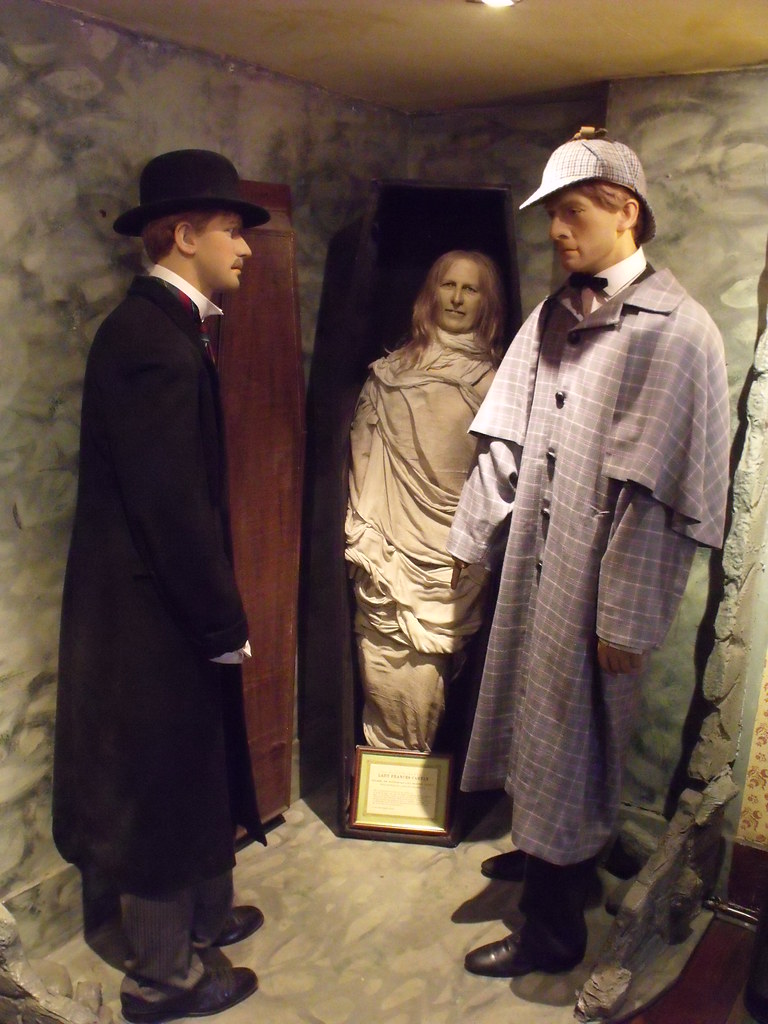
12. **Holmes & Watson (2018): So Mind-Numbingly Bad, It Was a Public Service to Depart Early**Moving swiftly from the bizarre to the utterly, unequivocally *bad*, let’s talk about “Holmes & Watson.” Sometimes, a movie isn’t just a bit dull; it’s an active assault on your precious time and attention span. According to our trusty Redditors and moviegoers, this flick definitely falls squarely into the category of “pure, unadulterated boredom”—so much so that staying felt like a personal affront.
One user, u/tortillakingred, recounted a truly epic family walkout experience: “It’s the only movie I’ve ever walked out of. I was with my mom, my dad, and my sister. My mom whispered to me, ‘This is the worst movie I’ve ever seen, want to leave?’ at around the halfway mark.” Talk about a swift, unspoken family consensus! It was apparently “truly the worst movie I’ve ever seen” for this viewer.
The sheer level of boredom was so profound that this Redditor, who explicitly stated they “NEVER get tired while at a movie theater,” found themselves “almost falling asleep” during the screening. And if that’s not enough to paint a picture, “Like, half the people in the theater were asleep.” When a movie functions more effectively as a cinematic sedative, you know it’s time to cut your losses and make a swift, quiet exit.
This isn’t just about disliking a film; it’s about a movie being so devoid of engaging content that staying becomes an exercise in endurance. Sometimes, walking out of a film like “Holmes & Watson” is a bold, decisive act of self-preservation, reclaiming valuable minutes of your life from the clutches of cinematic mediocrity.
13. **Epic Movie (2007): A True Torture Test of Audio/Visual Misery**And speaking of movies that are just plain awful, get ready for “Epic Movie.” Now, the title might suggest something grand, but according to many, this film was epic in all the absolutely *wrong* ways. It firmly landed on our list thanks to its reputation for being a truly painful and even physically uncomfortable viewing experience, prompting walkouts born purely out of self-preservation from what felt like cinematic torture.
One Redditor, u/tuggyblumpkins, perfectly encapsulated the audacious experience: “It was briefly the worst-reviewed movie of all time, so naturally, we went day one.” Oh, the brave souls who venture into cinematic disaster zones on opening day! Their dedication to experiencing film history, however, was clearly put to the ultimate test.
This particular Redditor and their companions “left after 30 minutes” because, in their incredibly vivid words, “It was pure audio/visual torture.” Imagine sitting through something so aggressively unfunny, so poorly executed, and so utterly devoid of redeeming qualities that it ceases to be mere entertainment and transforms into a physical assault on your senses. It’s more than just boring; it’s actively painful.
When a movie pushes you to the point where it feels like “audio/visual torture,” there’s genuinely no shame in making a quick, decisive escape. It becomes less about critical judgment and more about a primal urge to protect your mental and sensory well-being. The most honest critical review a film can receive isn’t always in words, but in the collective sound of audience members’ footsteps heading for the nearest, blessed exit.

14. **The Revenant (2015): An Unflinching Endurance Test That Sent Viewers to Dessert!**Rounding out our unforgettable list is “The Revenant,” a film widely hailed as a modern masterpiece that earned Leonardo DiCaprio his much-deserved Academy Award. This survival drama is a stunning cinematic achievement, yet it also proved to be an unexpected endurance test for many viewers, leading them to bail early. It’s a powerful testament to the film’s gritty realism and its almost uncomfortably intense depiction of suffering.
While the film’s artistry is undeniable, the provided context clearly states that its “gory scenes” were “unbearable to numerous audience members.” We’re not just talking about a fleeting moment of discomfort here. We’re delving into truly infamous sequences such as the brutal “grizzly bear fight,” the deeply unsettling moment involving an “ear,” and the excruciatingly realistic “wound cauterization.” These moments, while integral to the story’s authenticity, served as a “double-edged sword,” pushing many audience members to their absolute limits.
One Redditor, u/No_Mr_Powers, shared their relatable walkout story: “My then-girlfriend (now wife) at the time could only watch so much of Leonardo DiCaprio squirming around on the ground or Tom Hardy being weird, so we left and went back to the Outback Steakhouse where we had dinner and got dessert.” This highlights how some movies, despite their critical acclaim, can be just *too much* for certain audiences. It wasn’t about the movie being “bad,” but rather its relentless intensity and the sheer discomfort of watching prolonged suffering.
Ultimately, “The Revenant” is a brilliant film that demands a lot from its audience, and for many, that demand was simply too high for a casual night out. Sometimes, the call of a warm meal and a sweet dessert is just stronger than the desire to witness cinematic glory, especially when that glory involves so much squirming, blood, and human misery. Not every masterpiece is for every pair of eyes.
So there you have it, a wild, sometimes gross, often hilarious, and always unforgettable journey through the cinema’s most infamous walkouts! From mind-bending horror to unexpected childhood tears, controversial R-rated surprises, bizarre musical misfires, and just plain, unadulterated boredom, our trip through the movies that made people dash for the doors has been nothing short of epic. It just goes to show that while movies are fundamentally meant to entertain, sometimes they push us a little too far, make us a little too sick, or simply fail to capture our precious attention. So next time you’re in the theater and that little voice in your head screams “I’m out!”, know that you’re not alone. You’re actually in good company, joining a legendary club of cinematic escape artists. Happy watching, and perhaps, happy *walking out* if you truly need to!