The world of classic cars is a captivating blend of passion, history, and investment, a realm where mechanical artistry meets financial acumen. After a period of exhilarating, yet sometimes unsustainable, growth between 2021 and 2023, particularly during the post-COVID boom, the market has entered a new, more measured phase. Data from Hagerty reveals that nearly half of all models tracked experienced ‘price corrections’ in 2024, with another significant portion remaining static, indicating a broader return to more sustainable valuation levels. While this might sound concerning for those who joined the fray purely for speculative gains, it heralds a healthier, more predictable environment for genuine enthusiasts.
This stabilization is a welcome development for the legions of collectors and drivers who prioritize the sheer enjoyment and historical significance of these vehicles over short-term investment gains. Experts widely agree that wild price swings have given way to modest, yet consistent, changes, fostering conditions that are more favorable for informed collecting. Buyers are becoming increasingly discerning, showing ‘selectivity,’ ‘patience,’ or even ‘pickiness,’ as they seek the right car, in the right condition, at the right price, as evidenced by vehicles spending more time on dealer lots—the highest in seven years. This shift underscores a maturing market, one that rewards authenticity, provenance, and condition above all else.
For those navigating this evolving landscape in 2025, it’s crucial to understand where values are genuinely shifting. We’re not just talking about minor fluctuations; certain segments and specific models are telling a distinct story, prompting a re-evaluation of previous price expectations. Whether you’re a seasoned collector looking for the next smart acquisition or a newcomer dreaming of your first vintage ride, recognizing these shifts is paramount. Here, we delve into six key areas where the classic car market is signaling that it’s time to recalibrate your perceptions of value and opportunity.
1. American Muscle Cars Face a Reality Check
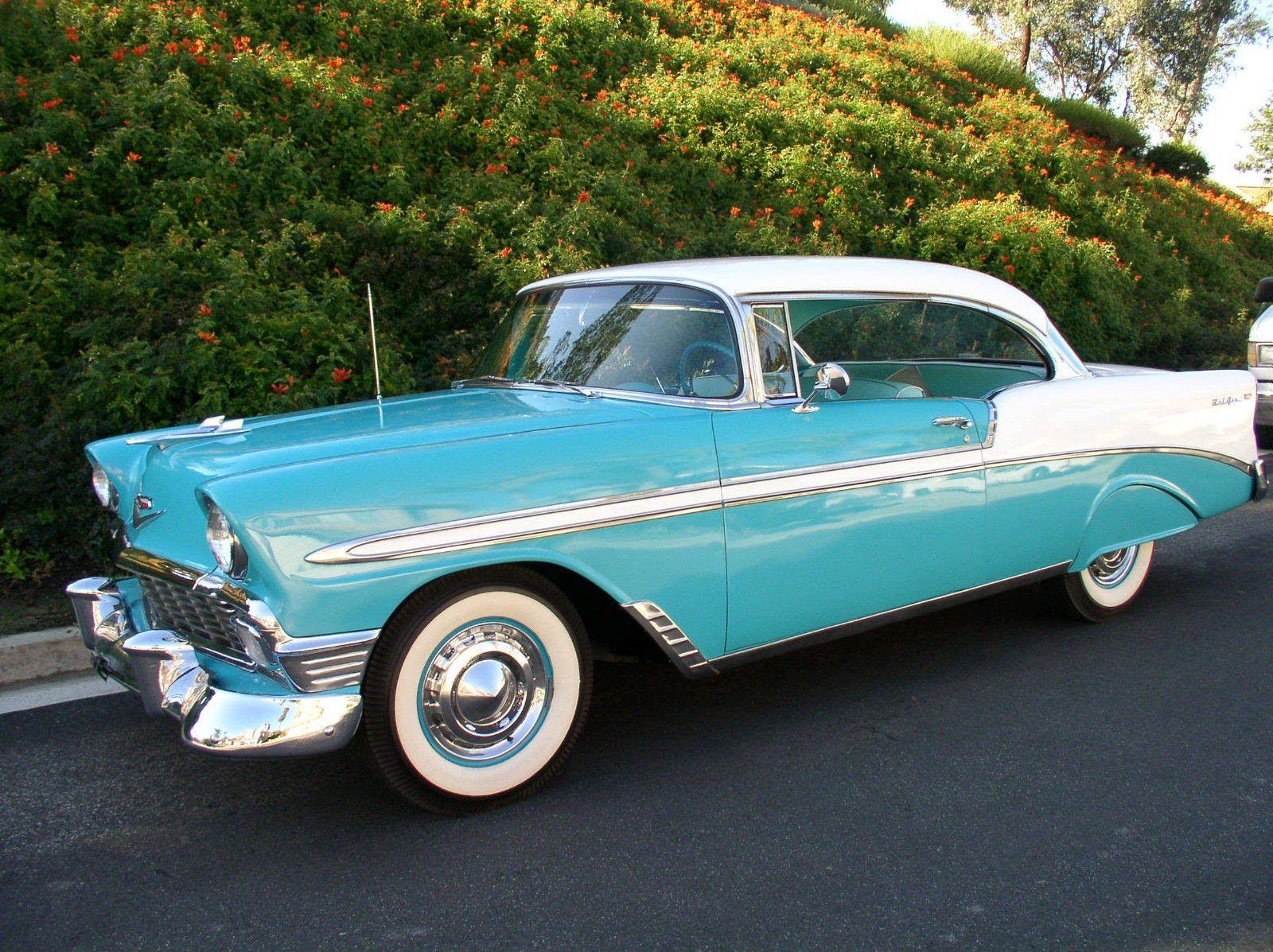
For years, high-end American muscle cars were the darlings of the auction block, commanding astronomical prices that seemed to defy gravity. Icons like the first-generation Camaros, Mustangs, and Challengers saw their values surge, becoming symbols of peak market conditions. However, recent market analysis indicates a significant and palpable correction in this segment, challenging the assumption that their upward trajectory was eternal.
This shift isn’t a devaluation of their cultural significance or raw power, but rather a reflection of changing market dynamics. A combination of a generational shift in buyer preferences and an oversupply of restored examples has created downward pressure on what were once considered untouchable prices. Many buyers who entered the market during the boom years are now finding fewer eager participants willing to match those peak valuations, particularly for vehicles that are not truly exceptional.
While the market for American muscle cars remains robust for genuinely exceptional, original examples with matching numbers and impeccable provenance, the correction has been particularly harsh on resto-modded vehicles or those lacking their original components. The previous premium placed on heavily modified or extensively restored variants is softening, as buyers increasingly prioritize authenticity and historical integrity. This doesn’t signal a permanent decline for muscle cars, but rather a necessary recalibration, moving prices back to sustainable levels after what was, by many accounts, an unsustainable period of appreciation.
Read more about: America’s Automotive Lowlights: A Deep Dive into the Absolute Worst Cars Ever to Roll Off the Production Line
2. Classic British Sports Cars Struggle for Relevance
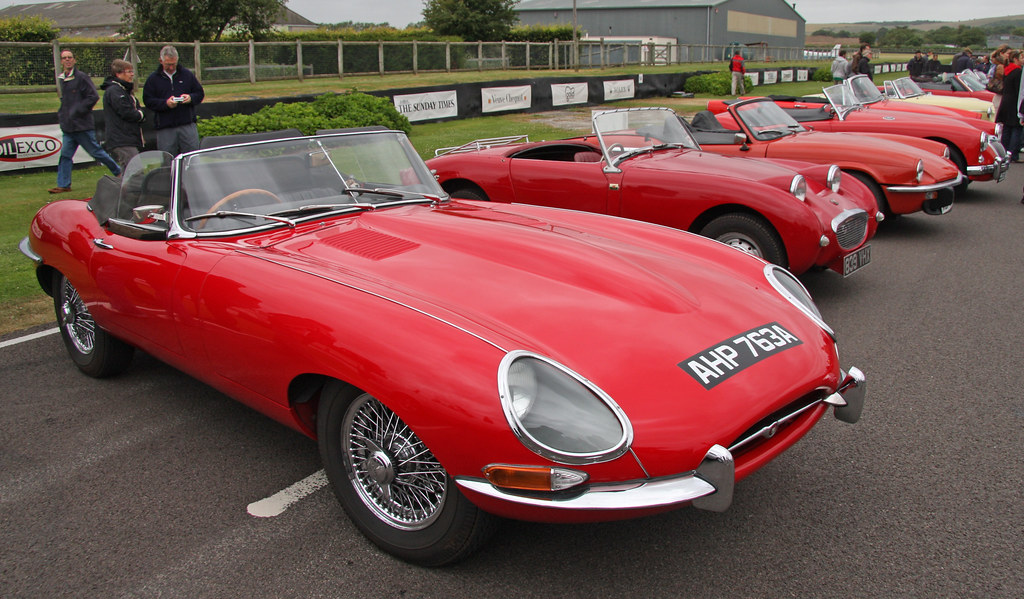
Classic British sports cars, with their quintessential charm and storied heritage, have long held a special place in the hearts of enthusiasts. Models like the MGB, Triumph TR series, and various Austin-Healey variants once represented an accessible entry point into classic car ownership. However, in the current market, these cherished marques are facing ongoing challenges in maintaining the kind of value appreciation seen in other segments, prompting a careful re-evaluation of their pricing.
Several factors contribute to this softening in broader collector interest. A primary concern for many potential buyers revolves around reliability issues and limited performance when compared to contemporary alternatives, both classic and modern. While devoted followings persist for these cars, the broader market is increasingly drawn to vehicles that offer a more robust driving experience or fewer maintenance headaches. This sentiment impacts values, especially for average examples that require significant ongoing investment.
Moreover, the ownership experience for classic British sports cars often necessitates significant maintenance expertise and can be hampered by parts availability concerns, particularly for specific or rarer components. These practical considerations can limit their appeal to casual collectors who might be deterred by the prospect of complex upkeep. While the most exceptional examples, particularly those with verified racing history or unique, highly original specifications, continue to find appreciative buyers and maintain stronger values, the general trend for many of these beloved roadsters is one of struggle against broader market relevance and sustained appreciation.
Read more about: A Loan Shark on Tires: 11 Convertibles Owners Say Are Impossible to Resell Without a Loss
3. The Shifting Sands of 1960s Classics, Especially British Brands
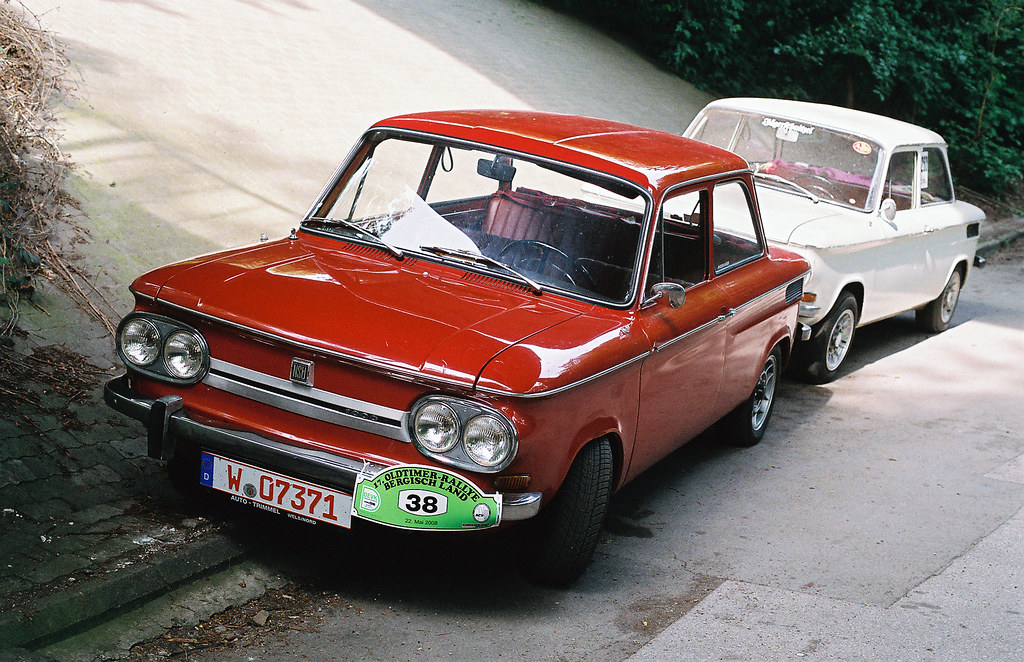
The 1960s represent a golden era for automotive design and engineering, producing some of the most iconic vehicles ever built. Yet, even this revered decade has not been immune to the recent market corrections. Data from Hagerty explicitly highlights that “1960s cars – particularly British brands – have fallen most” in value during 2024. This trend is noteworthy, as it suggests a significant shift in where value and opportunity now reside within the classic car landscape.
The Hagerty’s Best of British index, a barometer for these specific marques, is currently sitting at 98 percent of its value recorded when it was first created in February 2018, underscoring a notable decline. This downturn for 1960s British cars runs counter to the general stability or growth seen in other decades, such as the 1970s which stayed flat, and the 2000s which actually increased. This implies that past price peaks for certain 1960s British classics may no longer be reliable indicators of current market worth.
For enthusiasts, this trend is not necessarily a cause for alarm, but rather an indication of emerging value. As James Wray-Brayshaw of WB & Sons suggests, for those who have “been toying with the idea of buying a 1960s or 1970s classic, early 2025 is the time to do it!” This perspective positions the current softness in the 1960s British market as a genuine opportunity, allowing enthusiasts to acquire these historically significant vehicles at more accessible prices than in recent memory. It’s a clear signal to not trust the previously inflated values, but instead to recognize the current market offers a much more enticing proposition.
Read more about: Your Definitive Guide to the 7 Best Sports Cars to Buy in 2025: CNET’s Top Picks for Performance and Value

4. Jaguar and Other British Makes: A Temporary Cloud Over Values?
The classic car market, while driven by long-term trends, can also be influenced by immediate perceptions and brand narratives. For certain British marques, particularly Jaguar, the market outlook for 2025 appears to be shrouded in a temporary cloud, affecting their price stability and appreciation potential. Richard Salmons, a valuation information analyst, predicts that “British makes will not do well in the Hagerty Price Guide” for the upcoming year, advising caution regarding their current and projected values.
This forecast stems from several contemporary factors. Salmons specifically cites “Jaguar in the midst of a reboot, and the James Bond franchise on holiday” as contributors to this diminished appeal. While both elements are significant cultural and brand drivers for British automotive heritage, their current states are creating a hesitant market sentiment. A brand reboot often introduces uncertainty, while the absence of new, high-profile media exposure, such as a James Bond film, can temporarily lessen public fascination and, consequently, collector demand for associated models.
However, it’s crucial to understand this as a potentially temporary phenomenon. The long-term allure of iconic British cars like the Jaguar E-Type, celebrated as “one of the most beautiful cars ever made,” is unlikely to vanish permanently. Furthermore, there’s a potential bright spot for Aston Martin, as Salmons notes that “the Adrian Newey connection could revitalize Aston Martin.” This highlights the nuanced nature of the market; while a general caution applies to some British makes, opportunities for resurgence exist. For the time being, however, it’s wise to approach the price tags of certain British classics with a degree of skepticism, recognizing that external factors are currently tempering their market performance.

5. The Bottom End of the Market: New Entry Points for Young Buyers
While much of the classic car discourse often focuses on high-value, investment-grade vehicles, a significant and increasingly dynamic shift is occurring at the more accessible end of the market. Adam Wilcox, a senior information analyst, predicts a notable trend for 2025: “The bottom end of the market will drop, and more young buyers will enter when prices are low.” This isn’t a sign of weakness, but rather a vital rebalancing, opening doors for a new generation of enthusiasts and reshaping long-held price expectations for everyday classics.
Mainstream vehicles, particularly those found in indices like the Hagerty Hundred—representing the 100 most insured vehicles at Hagerty—are expected to “continue to fall in value.” Currently, the Hagerty Hundred is sitting at an inflation-adjusted all-time low. This sustained decline in value creates an unprecedented opportunity for younger buyers to step into the classic car scene, making ownership more feasible and less financially daunting. It signals that the previous belief that classic car ownership was out of reach for many might no longer be true, especially for these entry-level models.
This demographic shift is already in motion; Gen-Z currently accounts for eight percent of classic car insurance quotes, and Wilcox forecasts this figure will climb to over ten percent by the end of next year. As values become more affordable, the barrier to entry lowers, drawing in a segment of the population eager to experience the analogue drivability and unique character often lost in modern vehicles. Therefore, for many mainstream classics, the lesson is clear: don’t trust their previous, higher price points to hold firm, as the market is actively adjusting to welcome a broader, younger demographic seeking accessible passion projects and enjoyable drivers.
For enthusiasts and astute collectors, this evolving market landscape isn’t merely about declines; it’s about discerning value and recognizing emerging opportunities. While some segments recalibrate, others are poised for a resurgence, offering exceptional value for money or signaling long-term appreciation for those with a keen eye. The shifts outlined below reveal where true value now lies, inviting a closer look beyond previous price assumptions. It’s a testament to the market’s dynamic nature, where patience and knowledge are now as crucial as passion.
6. Pre-WW2 and 1930s Vehicles: A Timeless Revival
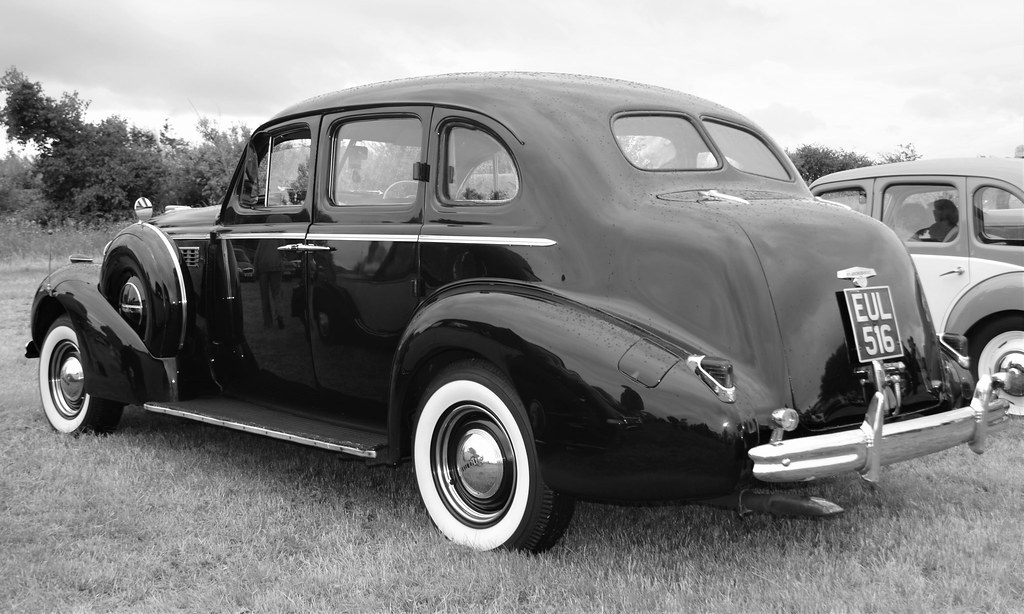
Amidst the modern classic market’s ebb and flow, a fascinating resurgence is unfolding in the venerable pre-WW2 and 1930s sector. After years in what some termed the ‘doldrums,’ this segment is now being tipped for a significant renaissance by market experts. Matthew Priddy, from Historics, sees this as a sector ripe for appreciation, signaling a renewed interest in automotive history’s foundational years.
James Johnson of Hobbs Parker further underscores this sentiment, highlighting 1930s cars for a “mini revival” and marveling at their “unbelievable value” in the current climate. This isn’t just about static prices; it’s about the sheer amount of historical significance, engineering artistry, and unique ownership experience these vehicles offer relative to their contemporary market positions. They represent a tangible link to motoring’s origins, a charm often unmatched by later eras.
For those seeking genuine automotive heritage and a palpable connection to a bygone era of craftsmanship, these vehicles present a compelling proposition. Their current pricing, deemed ‘unbelievable’ for what they offer, suggests a rare window of opportunity. As the market becomes more discerning, the intrinsic value of these early classics is finally gaining the recognition it deserves, making them a wise consideration for collectors looking to diversify beyond more common segments.
7. Iconic Hot Hatches: Still Red-Hot and Rising
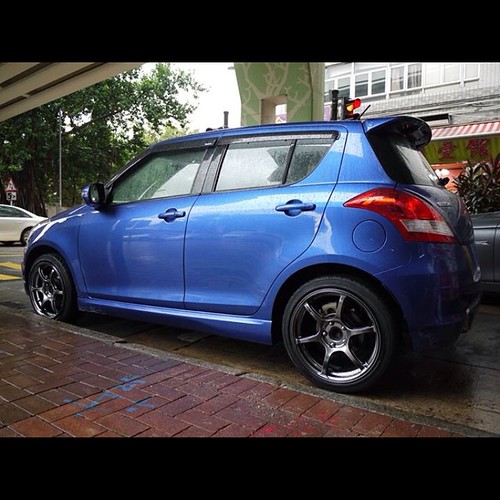
While some categories cool, the hot hatch segment continues to defy broader market corrections, emerging as a vibrant area of sustained demand and appreciating values. Despite the overall Hot Hatch Index falling by two percent, Hagerty’s data reveals that eight cars within this category actually rose in value, with the legendary Peugeot 205 GTi leading the charge. This enduring appeal points to a unique blend of performance, practicality, and nostalgic charm that resonates deeply with a diverse audience.
Experts from leading auction houses are keenly focused on this segment, particularly 1990s hot hatches extending into the early 2000s. James Wray-Brayshaw of WB & Sons specifically points to cars like the R53 MINI Cooper S and unmodified Subaru Imprezas as prime targets. Owen Shepherd of South Western Vehicle Auctions further reinforces this, tipping “anything with a RenaultSport badge to pick up next year,” indicating a broad confidence across various performance hatch sub-genres.
This sustained interest is driven by several factors, including the engaging ‘analogue drivability’ often lost in newer vehicles, offering a raw and direct connection to the road. For many, these cars evoke formative memories, blending performance excitement with relative accessibility. The rising demand for these iconic hot hatches signals that their prices are not to be trusted based on general market trends, but rather recognized for their genuine upward trajectory as they secure their place as highly sought-after modern classics.
Car Model Information: 2017 Mitsubishi Outlander ES
Name: Peugeot 205
Caption: 5-door
Manufacturer: Peugeot
Production: 1983–1999
Assembly: Mulhouse,Cerizay,Madrid,Los Andes, Chile,Changhua,Tehran,Sopriam
Designer: Gerard Welter,Pininfarina
Class: Supermini
BodyStyle: hatchback,convertible,panel van
Related: Peugeot 309
Layout: Front-engine, front-wheel-drive layout,Mid-engine, four-wheel-drive layout
Engine: ubl
Transmission: Automatic transmission,4/5-speed manual
Wheelbase: 2420 mm
Abbr: on (Cabriolet)
Length: 3705 mm
Width: convert,1589 mm
Height: convert,1354 mm
Weight: convert
Predecessor: Peugeot 104,Talbot Samba,Peugeot 204
Successor: Peugeot 106,Peugeot 206
Platform: PSA PF2 platform
Categories: 1990s cars, All-wheel-drive vehicles, All articles with unsourced statements, Articles with short description, Articles with unsourced statements from April 2011
Summary: The Peugeot 205 is a four-passenger, front-engine, supermini (B-segment) car manufactured and marketed by Peugeot over a sixteen-year production run from 1983 to 1999, over a single generation. Developed from Projet M24 and introduced on 25 February 1983, the 205 replaced the Peugeot 104 and the Talbot Samba, using major elements from their design. It won What Car?’s Car of the Year for 1984. It was also declared “car of the decade” by CAR Magazine in 1990. Peugeot stopped marketing the 205 in 1999 in favor of its new front-engined 206. The 106, which was introduced in 1991, effectively took over as Peugeot’s smaller front-engined model in their lineup. The latter was developed as a close sibling of the Citroën AX, sharing many components and a platform that later evolved into the Citroën Saxo.
Get more information about: Peugeot 205
Buying a high-performing used car >>>
Brand: Peugeot Model: 205 GTi
Price: $9,540 Mileage: 138,319 mi.
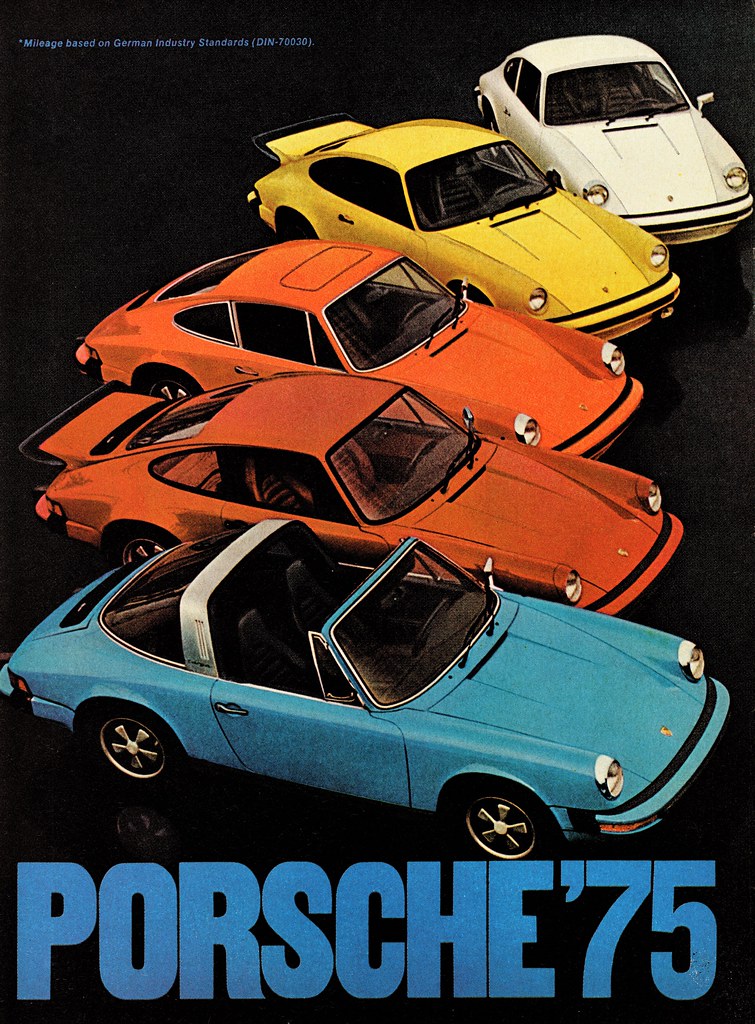
8. Undervalued Porsche Models: The Smart Entry Point
Porsche’s enduring legacy of engineering excellence and motorsport pedigree has always positioned its models as highly desirable, yet certain gems within its extensive history are currently offering exceptional value. While flagship 911s from earlier generations maintain high values, models like the 996 and 912 are emerging as particularly attractive propositions for savvy collectors. These represent smart entry points into Porsche ownership, providing an authentic experience without the prohibitive price tags of their more celebrated brethren.
Experts have observed that Porsche 996s, often overlooked in the past, are now “starting to rise in value already.” Having lingered at “rock bottom for a few years,” buyers are increasingly realizing what a “bargain they are.” This generation of 911 offers incredible performance and handling for the money, often incorporating modern conveniences without sacrificing the core Porsche driving dynamics. Its previous undervaluation makes its current upward trajectory particularly noteworthy.
Similarly, the 1960s Porsche 912 is recognized for offering “the early 911 experience for less.” While not as powerful as its six-cylinder sibling, the 912 delivers the classic long-hood styling and sublime handling characteristics that define the era, making it an intellectually appealing and financially accessible alternative. For those seeking genuine Porsche heritage and a rewarding driving experience without breaking the bank, these models represent compelling value, challenging previous perceptions of entry-level Porsche pricing.
Read more about: Beyond the Hype: 10 Undervalued Sports Cars Primed to Skyrocket in Value Soon, According to Experts
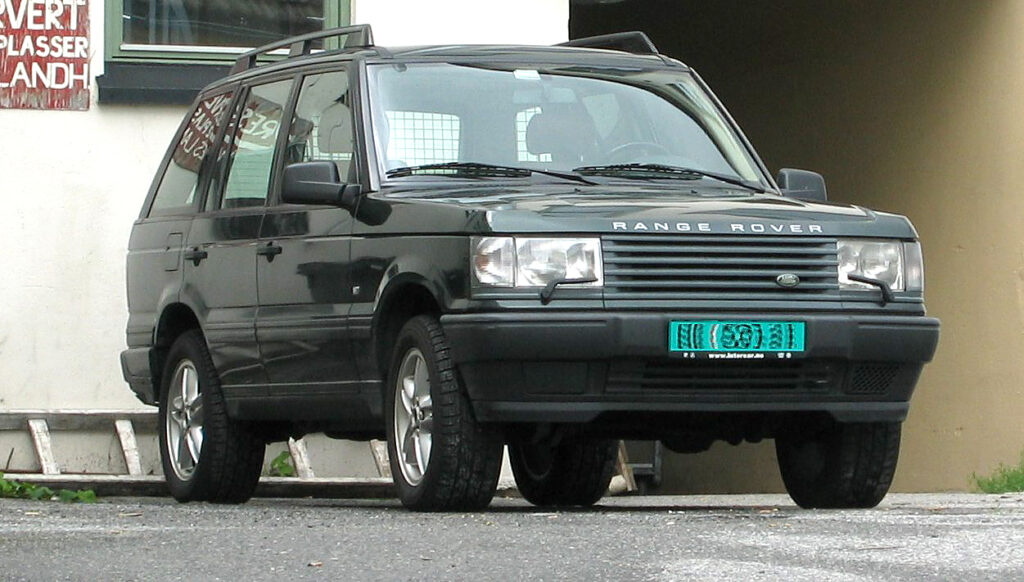
9. Range Rover P38A: The Accessible Luxury SUV
In the realm of classic SUVs, where early examples often command significant premiums, the Range Rover P38A stands out as a model offering remarkable value for money. While not as universally acclaimed as its Series I predecessor, the P38A represents a significant leap in luxury and capability, and its current market position makes it an increasingly attractive option for those seeking a substantial classic vehicle without an astronomical price tag.
Hagerty’s Bull Market List explicitly includes the Range Rover P38A based on its “value for money.” This is a vehicle that delivers a commanding presence, a well-appointed interior, and genuine off-road prowess, all at price points that remain surprisingly accessible. It embodies a blend of classic Land Rover ruggedness with a more refined, comfortable driving experience, making it a versatile classic that can be enjoyed in various settings.
For enthusiasts who appreciate the blend of utilitarian capability and upscale comfort, the P38A offers a unique proposition. Its relatively static values, compared to other rapidly appreciating classics, mean that well-maintained examples can be acquired without significant speculation. This makes it an ideal choice for a classic daily driver or a weekend adventure vehicle, challenging the notion that all luxury classic SUVs must come with a prohibitively high cost of entry.
Car Model Information: 2022 Subaru Forester Premium
Sp: uk
Name: Range Rover (LP)
Caption: 1995–1998 Land Rover Range Rover (P38A)
Manufacturer: Land Rover
ModelCode: LP
Production: [object Object]
Assembly: Solihull
Predecessor: Range Rover Classic
Successor: Range Rover (L322)
Class: Mid-size,luxury car,SUV
BodyStyle: SUV
Layout: Longitudinal engine,front-engine, all-wheel drive
Related: Bentley Dominator
Engine: ubl
Transmission: ZF Friedrichshafen,automatic transmission
Wheelbase: cvt
Length: cvt
Width: cvt
Height: cvt
Designer: George Thomson (1990)
Categories: All-wheel-drive vehicles, All Wikipedia articles written in British English, All articles needing additional references, All articles with unsourced statements, Articles needing additional references from July 2011
Summary: The Land Rover Range Rover (LP), generally shortened to Range Rover, is the second-generation Range Rover model from British car maker Land Rover. It was launched on 28 September 1994, 24 years after the introduction of the Range Rover Classic. It included an updated version of the Rover V8 engine, with the option of a 2.5-litre BMW six-cylinder turbo-diesel. The new model offered more equipment and premium trims, positioning the vehicle above the Land Rover Discovery to face the increased competition in the SUV marketplace.
It is usually known as the Range Rover P38 or P38A outside of Land Rover, after the office building in which the vehicle development team was based. During the early development stages, the Engineering team was based in the Engineering Block at Solihull, and the vehicle was known by the project designations of ‘Pegasus’ and ‘Discovery,’ changing to P38A when the team moved to Block 38A at Solihull. The name ‘Discovery’ was used temporarily as a cover to confuse journalists while the original Discovery vehicle was being developed. During production, Land Rover referred to it as either the ‘New Range Rover’ or by its model designation of ‘LP’.
Motoring journalist Jeremy Clarkson has on record called the P38A Range Rover the “London Taxi” in a jocular/derogatory sense owing to its perceived styling similarity to the Metrocab.
Get more information about: Range Rover (P38A)
Buying a high-performing used car >>>
Brand: Range Rover Model: P38A
Price: $26,935 Mileage: 35,053 mi.
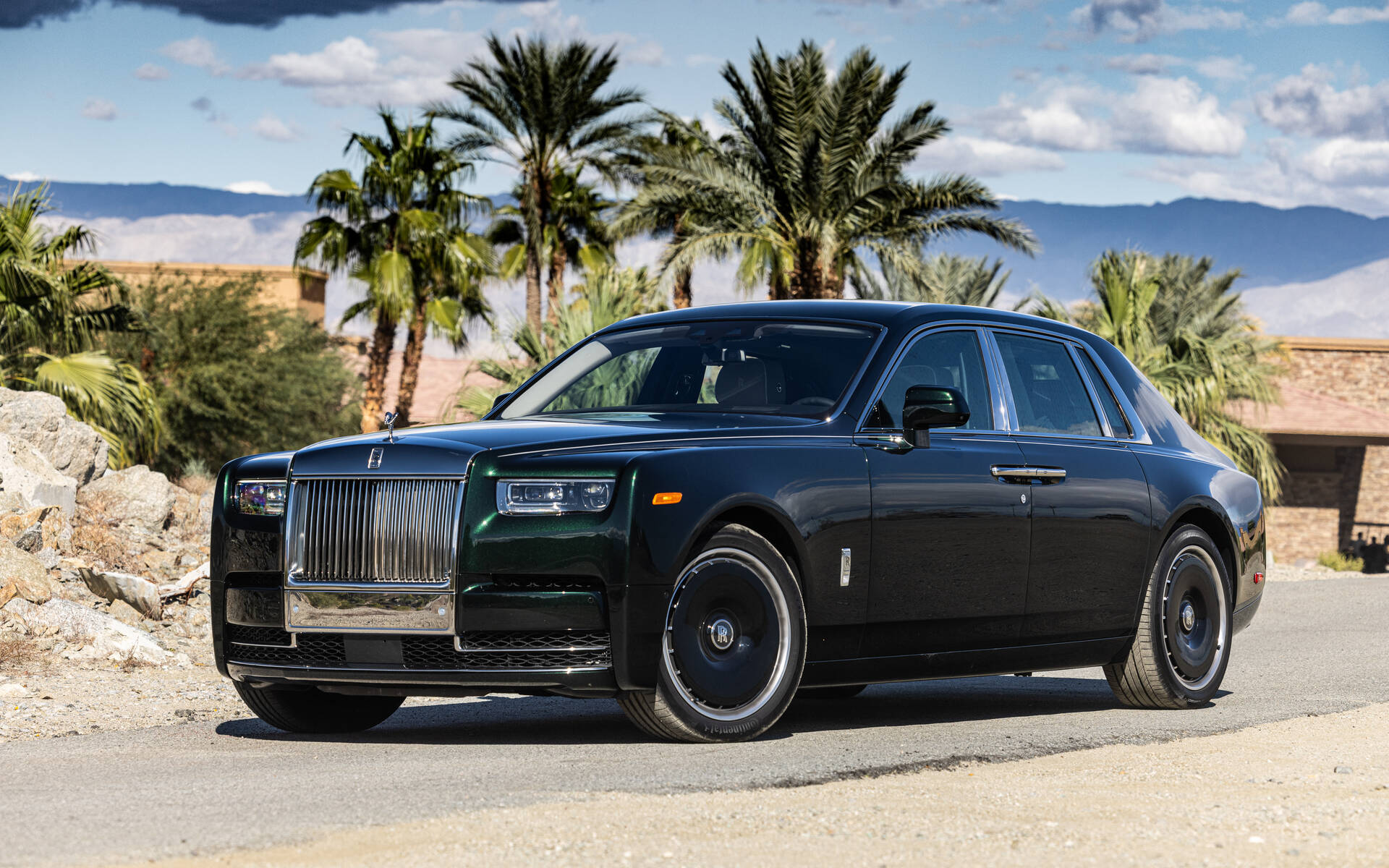
10. Rolls-Royce Silver Shadow II: Enduring Luxury and Smart Value
Rolls-Royce has always been synonymous with unparalleled luxury and prestige, and the Silver Shadow II continues this tradition, yet its current market standing presents a unique investment opportunity rather than a straightforward appreciation narrative. Recognized for its “static values” at the accessible end of the market, this iconic limousine offers a compelling proposition for those looking to experience classic British luxury without the stratospheric prices associated with some other marques.
The true appeal of the Silver Shadow II lies not just in its current affordability, but in the “investment potential in improving a less pristine example.” While concours-condition cars have seen a significant 20 percent increase in value since 2021, average examples provide a solid foundation for restoration or careful maintenance, potentially yielding future returns. This suggests a strategic approach to ownership, where discerning buyers can add value through thoughtful improvements, capitalizing on the rising demand for top-tier examples.
As a symbol of timeless elegance and engineering, the Silver Shadow II retains its allure, promising a driving experience steeped in comfort and grandeur. Its inclusion in Hagerty’s Bull Market List underscores its status as a vehicle that offers “a huge amount of car for the money.” For those who understand that value can be found in potential as much as in current market price, the Silver Shadow II represents an enduring piece of luxury history that can be enjoyed and, with judicious care, potentially enhanced in value.
Car Model Information: 2017 Mitsubishi Outlander ES
Name: Rolls-Royce Silver Shadow
Production: 1965–1980,30,057 produced
Aka: Rolls-Royce Silver Wraith II
Related: Bentley T-series,Rolls-Royce Camargue,Rolls-Royce Corniche
Manufacturer: Rolls-Royce Limited
Layout: Front-engine, rear-wheel-drive layout
Predecessor: Rolls-Royce Silver Cloud
Successor: Rolls-Royce Silver Spirit
Assembly: Crewe, Cheshire,England
BodyStyle: Sedan (automobile),convertible,Sedan (automobile)
Engine: Rolls-Royce–Bentley L-series V8 engine#6.25,Rolls-Royce–Bentley L-series V8 engine#6.75
Transmission: Turbo-Hydramatic#Super Turbine 400 .2F THM400 .2F THM375 .2F 3L80 .2F 3L80HD,Automatic transmission
Length: 203.5 in
Abbr: on (LWB)
Width: 71 in
Height: 59.75 in
Weight: 4648 lb
Wheelbase: 119.5 in
Sp: uk
Caption: 1971 Rolls-Royce Silver Shadow
Class: Full-size luxury car
Categories: 1970s cars, All Wikipedia articles written in British English, All articles lacking reliable references, All articles with unsourced statements, Articles lacking reliable references from November 2023
Summary: The Rolls-Royce Silver Shadow and its slightly stretched version, the Rolls-Royce Silver Wraith II, are full-size luxury cars produced by British automaker Rolls-Royce in various forms from 1965 to 1980. It was the first of the marque to use fully slabsided unitary body and chassis construction, as well as all-around independent suspension. Two-door versions were initially, between 1965 and 1971, sold as the Rolls-Royce Silver Shadow 2-door saloon and the Silver Shadow Drophead Coupé, before they became the Rolls-Royce Corniche Coupé and Convertible, respectively.
The Silver Shadow was produced from 1965 to 1976, and the Silver Shadow II from 1977 to 1980. The combined model run was 30,057 cars manufactured; James May reported it in 2014 as the largest production volume of any Rolls-Royce model.
A Bentley-badged version, the T-series, was produced from 1965 through 1980 in 2,336 examples.
Get more information about: Rolls-Royce Silver Shadow
Buying a high-performing used car >>>
Brand: Rolls-Royce Model: Silver Shadow II
Price: $9,540 Mileage: 138,319 mi.
Read more about: Beyond the Headlines: Unpacking Ford’s Enduring Legacy of Innovation, Resilience, and Global Impact
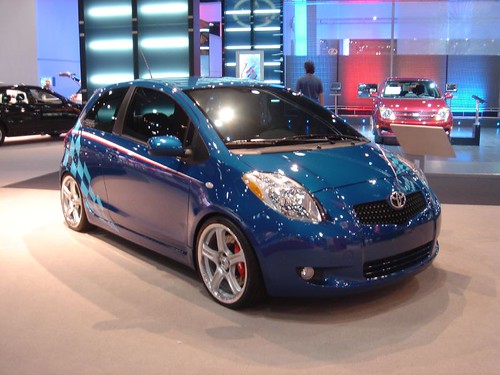
11. Japanese Performance Icons (1990s-Early 2000s): Riding the Wave of Nostalgia
The classic car market is witnessing a powerful surge in appreciation for Japanese performance cars from the 1990s and early 2000s, solidifying their status as highly coveted modern classics. This segment, encompassing legends like the Toyota Supra Turbo, Nissan Skyline GT-R, and Honda NSX, is experiencing “strong upward momentum,” fueled by a potent blend of nostalgic appeal and a growing recognition of their advanced engineering prowess.
These vehicles hail from Japan’s ‘golden age’ of performance development, a period characterized by groundbreaking technology, robust power, and distinctive styling. They offer a driving experience that is both exhilarating and increasingly rare in an era dominated by electronic aids. Their relatively accessible entry points, compared to European supercars of the same vintage, have made them particularly attractive to a younger generation of collectors and enthusiasts who grew up admiring these machines.
While previous predictions about JDM imports noted a potential downturn for 2025 due to fewer highly anticipated cars becoming legal, the overall sentiment for established performance icons remains incredibly strong. Their cultural significance, tunable engines, and rising prominence in media continue to drive demand. For those looking for a classic that marries performance with undeniable cool factor and solid appreciation potential, these Japanese legends are signaling that their values are not to be underestimated.
The evolving landscape of the classic car market in 2025 presents a nuanced picture, moving beyond the speculative surges of previous years. While some segments are experiencing necessary corrections, a wealth of opportunities has emerged for the informed enthusiast. From the profound historical significance of pre-WW2 vehicles to the undeniable cool of modern hot hatches and Japanese performance icons, and the enduring luxury offered by select Porsches, Range Rovers, and Rolls-Royces, the market is inviting a deeper, more considered engagement. It’s a time for patience, selective pursuit, and a genuine appreciation for the automotive legacy, ensuring that the passion for classic cars continues to thrive on stable and sustainable ground.