The 2025 television market presents a dynamic landscape, brimming with technological advancements designed to enhance the home entertainment experience. Consumers encounter a variety of display types, including OLED, QLED, and Mini LED, alongside features such as smart TV integration, High Dynamic Range (HDR) support, and varying screen sizes. Understanding these options is essential for making an informed purchasing decision.
This article provides an in-depth, fact-based analysis of leading televisions, drawing exclusively from expert evaluations. It aims to present critical details about specific models, outlining their performance, distinctive features, and target audiences. The focus remains on objective reporting, providing necessary information without subjective commentary.
This first section details seven top-rated televisions, recognized for their performance, value, or technological innovations. These selections offer a snapshot of the current market’s capabilities, preparing readers for a subsequent discussion on broader buying considerations and additional high-end models.
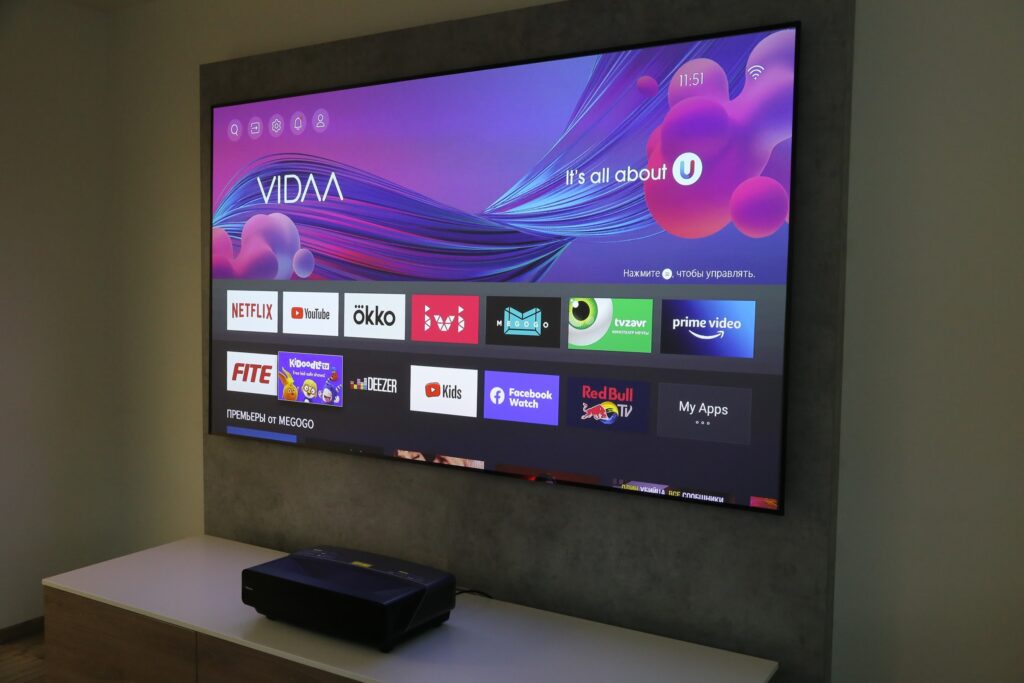
1. **Hisense U65QF (Brightest Budget-Friendly TV)**The Hisense U65QF distinguishes itself as the brightest budget-friendly television available, earning an “Outstanding” rating of 4.5. Priced affordably at $799 at Amazon, this 65-inch LED panel offers a bright, colorful picture that “swings well above its class,” making it an exceptional value proposition for consumers seeking high performance without a premium price tag. Its resolution stands at 3,840 by 2,160, supporting HDR formats like Dolby Vision and HDR-10.
A significant feature of the U65QF is its 144Hz refresh rate coupled with AMD FreeSync Premium Pro, which makes it particularly appealing for gaming enthusiasts who prioritize smooth motion and reduced input lag, reported at 4.6 ms for 1080p120. This combination ensures a fluid and responsive gaming experience. Additionally, the inclusion of Apple AirPlay allows for seamless content streaming from Apple devices.
Despite its impressive advantages, the Hisense U65QF does have some limitations. Users may notice “some light bloom,” and it lacks hands-free voice control. The Amazon Fire TV smart TV platform, while functional, “lacks some of the niceties of Hisense’s higher-end Google TV-powered TVs.” However, for those prioritizing a bright, colorful picture and a large screen without a substantial investment, especially with a 100-inch model available for under $2,000, the Hisense U65QF remains a top choice. It delivers a screen brightness of 1024 nits, providing vivid visuals.
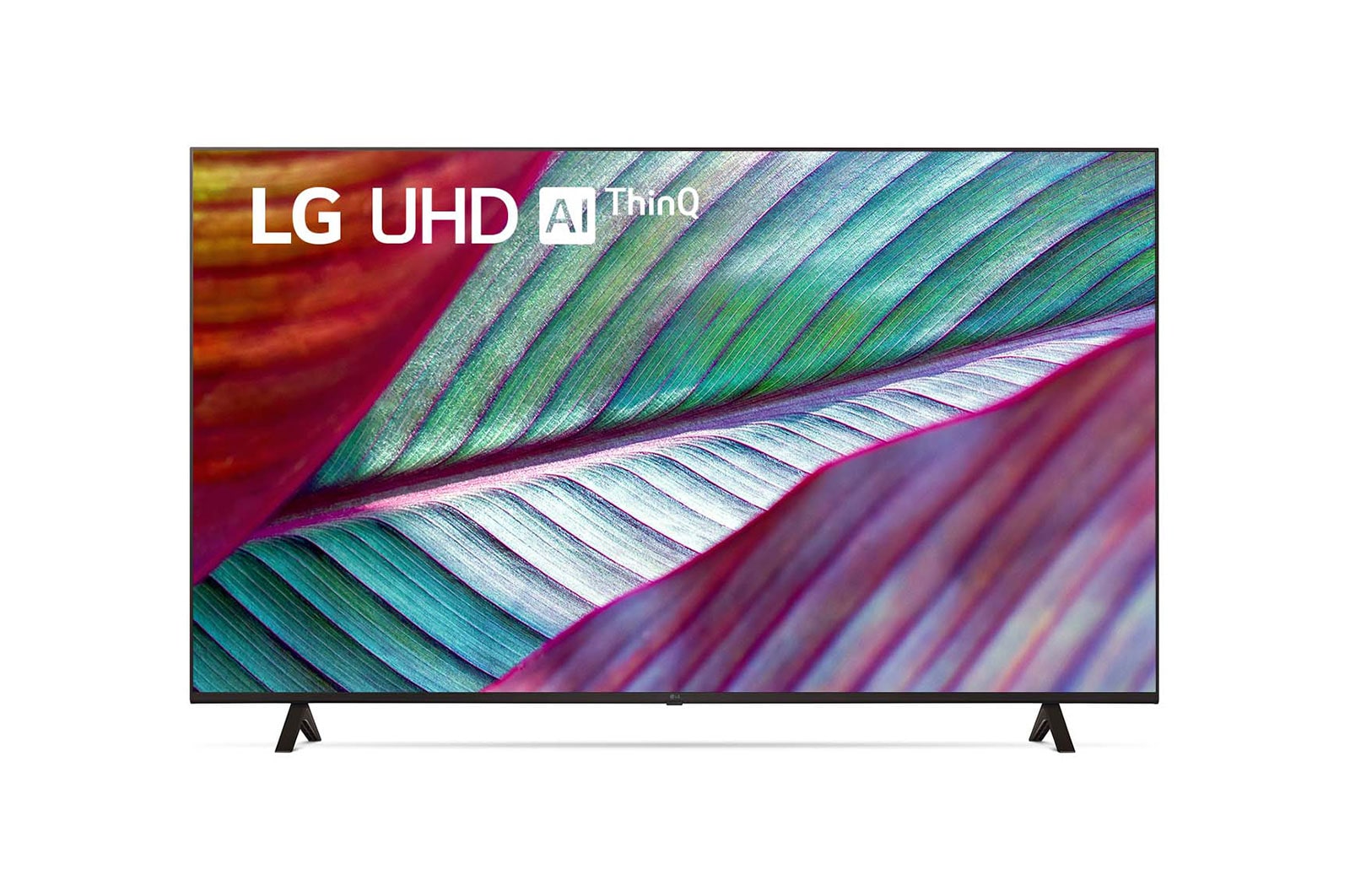
2. **LG Evo G5 OLED TV (Best OLED TV)**For those prepared to make a significant investment for an unparalleled viewing experience, the LG Evo G5 OLED TV stands out as the best OLED television tested, receiving an “Outstanding” rating of 4.5. This 65-inch OLED panel boasts an “incredibly bright” display with “wide, accurate colors,” bringing shows and movies to life in stunning detail. Its native resolution is 3,840 by 2,160, supporting Dolby Vision and HDR-10.
The LG Evo G5 is packed with features, including a 120Hz refresh rate and 165Hz VRR with AMD FreeSync Premium and Nvidia G-Sync, catering to both cinephiles and serious gamers alike. Its sleek design allows it to be mounted “nearly flush on the wall,” though buyers should note it “doesn’t come with a table stand,” necessitating wall installation. This design choice contributes to its minimalist aesthetic.
While its price point is on the higher side—starting at $2,996 at Amazon—the LG Evo G5 justifies the expense with its superior picture quality. It achieves an impressive screen brightness of 1608 nits, remarkable for an OLED, and features an “infinite” contrast ratio due to its perfect black levels. The main drawback cited is the absence of ATSC 3.0 support, which may be a consideration for some users looking for future-proof broadcast TV capabilities.
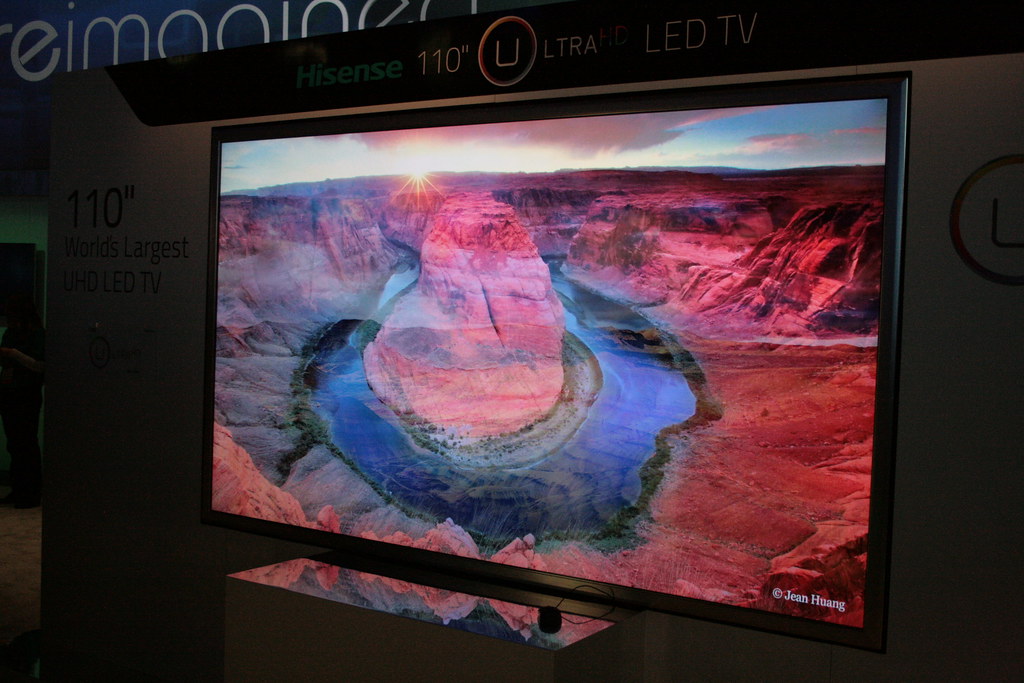
3. **Hisense U8QG (Best Overall Value)**The Hisense U8QG earns its “Excellent” rating of 4.0 as the best overall value, representing the latest iteration in Hisense’s line of high-end TVs that offer “fantastic value.” This 65-inch LED TV provides an “incredibly bright picture” and “deep blacks” that impress, even without being an OLED. It features a resolution of 3,840 by 2,160, supporting Dolby Vision and HDR-10, and boasts a peak screen brightness of 3200 nits.
Beyond its visual prowess, the U8QG integrates a “built-in 4.1.2-channel spatial audio speaker system,” elevating the sound experience without requiring external audio equipment. For gamers, its 165Hz VRR with AMD FreeSync Premium Pro ensures smooth, tear-free visuals. Connectivity options are enhanced with Apple AirPlay and Google Cast, along with a “conveniently side-mounted USB-C port that accepts DisplayPort signals,” offering versatile connection for smaller devices.
However, the Hisense U8QG is not without its compromises. It “only has three HDMI ports,” which could be a limitation for users with multiple gaming consoles or a soundbar. It also exhibits “slight light bloom” and is “more expensive than its predecessor.” Despite these points, the U8QG delivers exceptional picture and features for its price, making it a strong contender for those seeking high performance and value, even if it doesn’t achieve the “inky, bloom-free blacks of OLED TVs.”
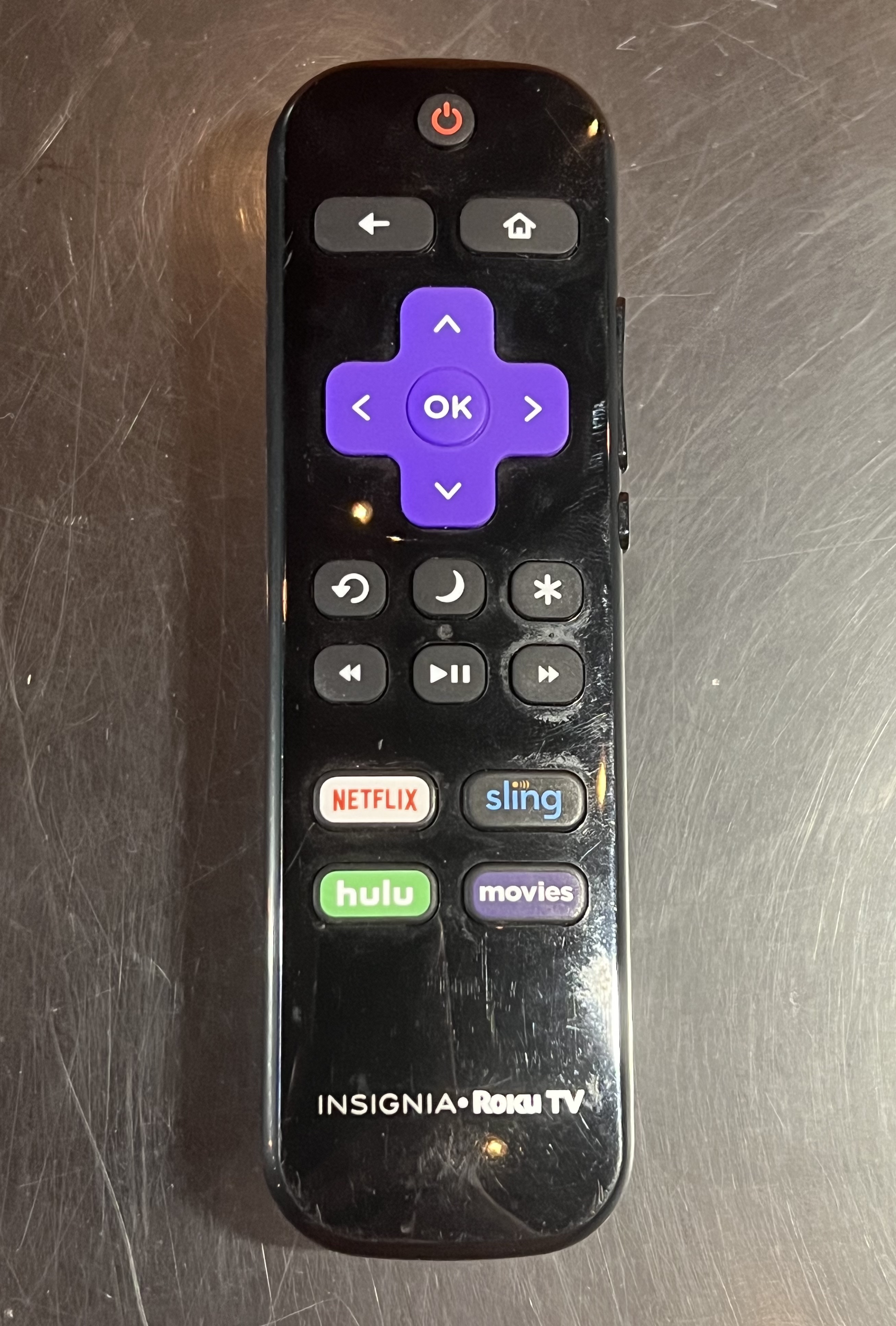
4. **Roku Pro Series (2025) (Best Roku TV)**The Roku Pro Series (2025) is rated “Excellent” at 4.0 and is highlighted as the best TV utilizing the Roku OS platform, known for its “simpler, more direct, and media-focused” interface. This 65-inch LED TV provides a “bright, colorful picture” with a resolution of 3,840 by 2,160, supporting Dolby Vision and HDR-10. It also offers “useful features like Apple AirPlay, hands-free voice control, and a remote finder button.”
The appeal of the Roku Pro Series lies in its user-friendly operating system, which makes “it easy to search for media and jump quickly into whatever service you want.” This makes it an ideal recommendation for “less tech-savvy users” who prioritize straightforward streaming access over complex smart home ecosystems. Its screen brightness reaches 1941 nits, ensuring vibrant visuals.
While it excels in streaming convenience, the Roku Pro Series does have a few caveats. It “doesn’t have a full voice assistant” in the vein of Alexa or Google Assistant, nor does it possess a “huge smart home ecosystem” it can manage. Furthermore, it “lacks ATSC 3.0” support, similar to some other models. For users who primarily seek “a TV that’s just a good-looking screen without an Alexa-like voice assistant,” this model is “easy to recommend.” It has four HDMI ports and a 120 Hz refresh rate.
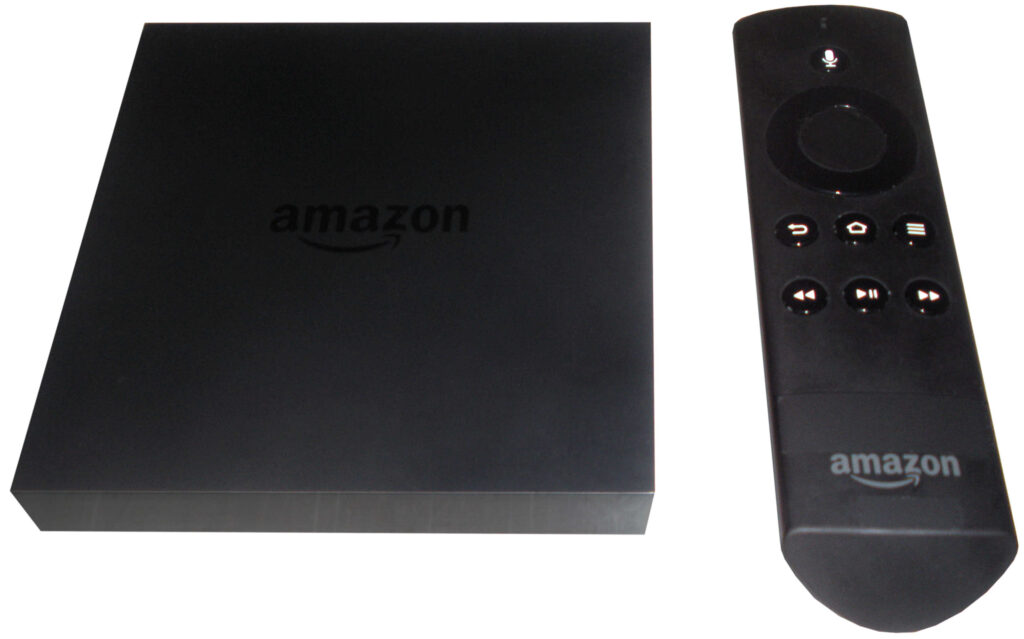
5. **Amazon Fire TV Omni Mini-LED (Best Hands-Free Fire TV)**Amazon’s Fire TV Omni Mini-LED is recognized as the “Best Hands-Free Fire TV,” earning an “Excellent” rating of 4.0. This 65-inch LED television represents Amazon’s “best television yet,” offering significantly improved luminance compared to its predecessor, the Fire TV Omni QLED, with “more than three times the luminance.” It delivers a “bright picture with balanced color and strong contrast” at a 3,840 by 2,160 resolution, supporting Dolby Vision and HDR-10.
A standout feature is its “hands-free Alexa integration,” which allows users to control smart home devices or navigate the Fire TV interface effortlessly using voice commands. The TV also supports Apple AirPlay 2, expanding its connectivity options. With a 120Hz native refresh rate and support for “144Hz VRR and AMD FreeSync Premium Pro,” it is well-equipped for dynamic content and gaming.
Priced reasonably at $899 at Amazon, in line with higher-end Google TVs from competitors, the Omni Mini-LED offers strong value. However, its “color gamut isn’t as wide as competitors,” and it “can suffer from light bloom.” Despite these minor shortcomings, it is an excellent choice for those deeply integrated into the Amazon ecosystem or who appreciate “hands-free Alexa” functionality and a capable Fire TV interface. Its screen brightness is a notable 1623 nits, and it includes four HDMI ports.

6. **Samsung S95F (Best Surround Sound)**The Samsung S95F is an “Excellent” rated 4.0 OLED TV, particularly noted as the “Best Surround Sound” option, making it an ideal “home theater centerpiece TV.” This 65-inch OLED panel offers a “very bright OLED panel” and “excellent color performance” at a 3,840 by 2,160 resolution. Unlike some other OLEDs, it solely supports HDR-10, notably lacking Dolby Vision.
A key differentiator for the S95F is its “built-in 4.2.2-channel speaker system that uses side- and upward-firing drivers to produce an immersive sound field.” This allows users to experience spatial audio “without an additional soundbar or speaker system.” For those seeking even more audio power, Samsung’s Q-Symphony technology allows integration with compatible Q-series soundbars while still utilizing the TV’s internal speakers.
Another unique feature is the “One Connect Box, which offloads all of the TV’s ports to a separate enclosure connected to the screen by a single thin wire,” aiding in “cable management” and keeping devices out of sight. However, the S95F is “expensive,” starting at $2,997 at Amazon, and lacks both ATSC 3.0 and Dolby Vision support. It also “only supports Wi-Fi 5,” which might be a minor consideration for some. With 1364 nits of screen brightness and an “infinite” black level contrast, its visual and auditory performance are highly impressive.
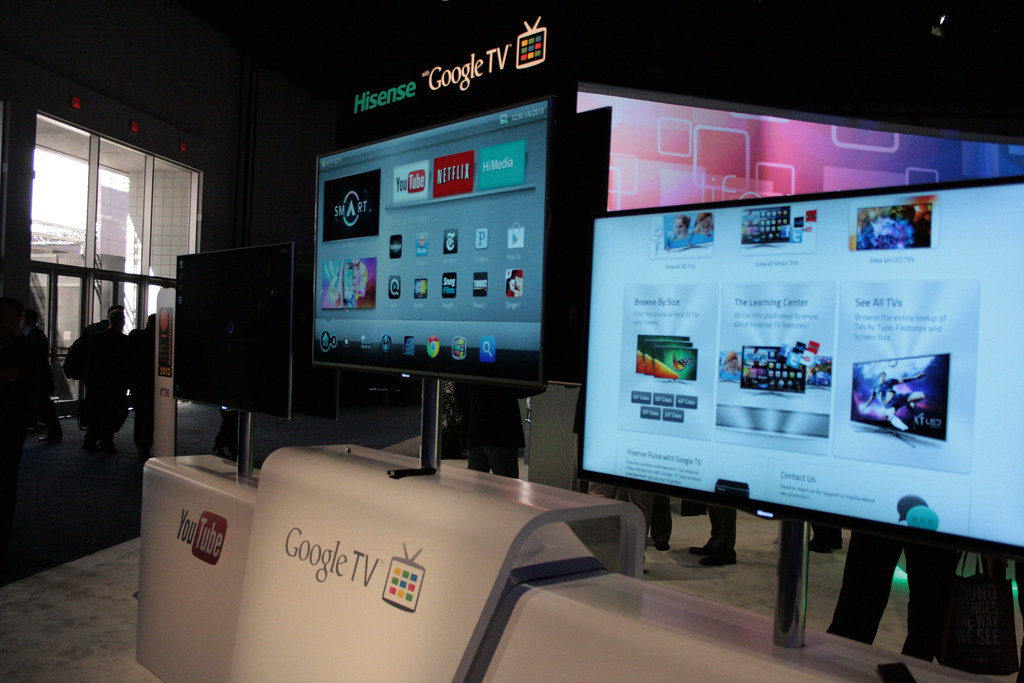
7. **Hisense 116UX (Brightest and Most Colorful Picture)**For those unconstrained by budget and seeking the absolute pinnacle of current display technology, the Hisense 116UX, with an “Excellent” rating of 4.0, is lauded for offering the “Brightest and Most Colorful Picture.” This gargantuan 116-inch RGB-MiniLED TV pushes boundaries, utilizing a new backlight technology that produces “the brightest and most colorful picture I’ve seen in testing.” Its resolution is 3,840 by 2,160, supporting Dolby Vision and HDR-10.
The 116UX stands apart by using “clusters of red, green, and blue lights” in its mini-LED backlight, unlike most other LED TVs that use white or blue LEDs. This allows for individual dimming or brightening, significantly improving both “the panel’s contrast” and its “color range.” It achieves an astounding screen brightness of 4012 nits, making visuals incredibly vivid and dynamic.
Complementing its visual splendor is a “built-in 6.2.2-channel spatial audio system,” ensuring its sound quality matches its picture. It also features a “rechargeable solar remote” and an “easy-access DisplayPort-to-USB-C port.” The main hurdles are its “really expensive” price point, starting at $24,999 at Amazon, and its immense size, which requires considerable space. It also presents “some light bloom” and “only three HDMI ports.” Despite these, for those who “can drop five digits on a cutting-edge TV,” the 116UX offers an unprecedented viewing experience.
Beyond the specific models detailed, making an informed TV purchase requires understanding several critical factors. This section provides a comprehensive buying guide, covering display technologies, resolution standards, smart TV capabilities, and essential specifications to help consumers navigate the diverse market of 2025 televisions.
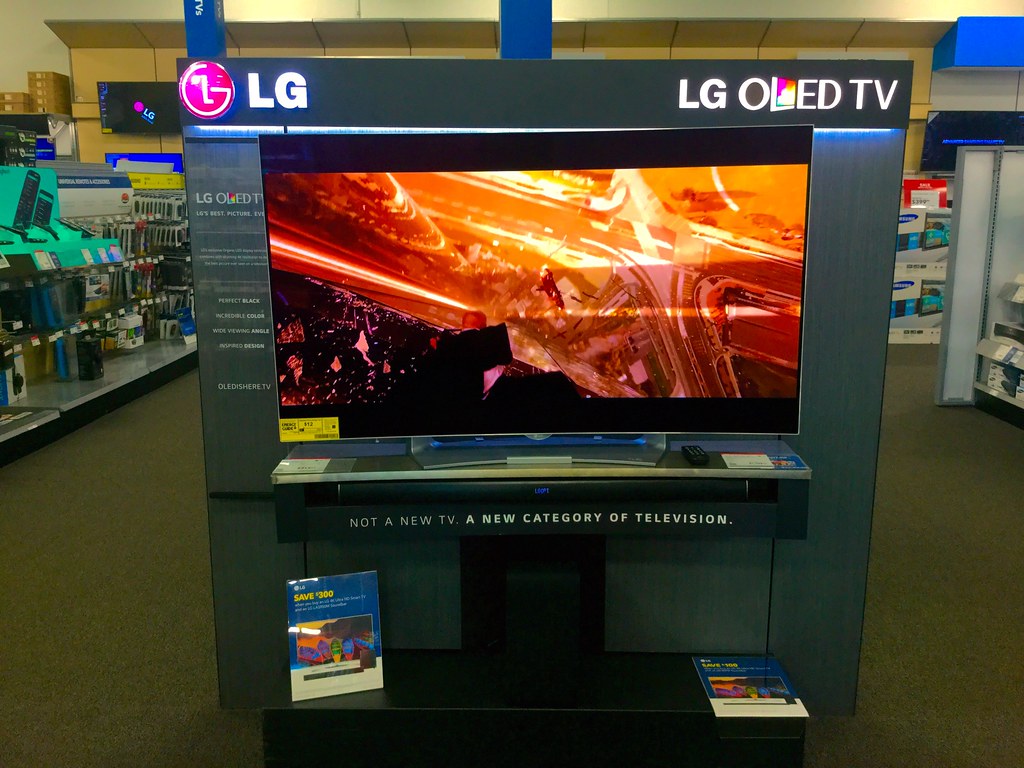
8. **Resolution Standards: The Shift to 4K and Beyond**Resolution has historically been a primary consideration for TV buyers, with the market evolving from 720p to 1080p, and now, 4K has become the undisputed standard. Currently, 4K (3,840 by 2,160 pixels, or over eight million pixels) is prevalent across medium-sized and larger televisions from all major manufacturers. It is challenging to find a TV from a major brand larger than 40 inches that is not 4K.
The increased resolution no longer commands a price premium, making high-quality 4K displays accessible. Consumers can find an excellent 65-inch 4K TV for under $1,000, demonstrating the widespread adoption and affordability of this technology. This accessibility allows for building an entire home theater system within a budget, albeit with some potential compromises.
Regarding 8K resolution (7,680 by 4,320 pixels), the recommendation remains consistent: “Don’t worry about 8K for now.” While 8K TVs are available as premium models at significantly higher costs, they are not yet meaningful for most consumers. There is currently no consumer-ready 8K media, and major studios have not announced plans for 8K commercial releases, nor do physical or streaming media standards fully support it.
Even with an 8K TV, users would primarily watch upconverted 4K video, diminishing the immediate benefit of the higher pixel count. Therefore, for the foreseeable future, 8K will not replace 4K as the standard, making investment in 8K technology largely unnecessary for the average buyer.

9. **Understanding HDR Technologies**High dynamic range (HDR) represents a significant advancement in video technology, pushing considerably more information to the display than a standard video signal. While resolution remains the same, HDR dramatically broadens the range of color and the amount of light each pixel can produce, transforming the viewing experience. This technology surpasses the limitations of older cathode ray tube televisions, which used a restricted range of color and light.
HDR displays are capable of producing more colors and a wider spectrum of luminance values, or shades of gray, compared to standard dynamic range displays. This results in visuals that are more vibrant, with enhanced contrast and greater detail in both bright and dark scenes. The improvement is a direct consequence of improving LCD and OLED panel technology, enabling wider color gamuts and finer gradients.
There are three primary HDR standards with commercially available content: HDR10, Dolby Vision, and HDR10+. HDR10 is an open platform that utilizes 10-bit color values, with televisions meeting its minimum brightness and contrast ratios certified as UltraHD Premium by the UHD Alliance. Dolby Vision, a closed standard from Dolby, supports 12-bit color and dynamically adjusts ranges in the signal based on the specific display and scene requirements.
Other HDR standards exist, such as Hybrid Log Gamma (HLG), which is backward compatible with standard dynamic range TVs, and Samsung’s HDR10+, which adds variable metadata to brightness, similar to Dolby Vision. Regardless of the specific standard, HDR-capable televisions demonstrably produce a superior picture compared to those without support for these wider color gamuts and increased luminance ranges. HDR content is widely available on Ultra HD Blu-rays and major streaming services like Netflix and Amazon Prime Video.
Read more about: Beyond Human Eyes: The 12 Most Advanced Sensor Systems Constantly Monitoring You in Next-Gen Autonomous Vehicles

10. **Comparing OLED and QLED Displays**The choice between Organic Light-Emitting Diode (OLED) and Quantum Dot Light-Emitting Diode (QLED) displays is a common dilemma for TV buyers, each offering distinct advantages. Generally, QLED TVs, which are based on LCD technology, tend to be brighter and are often more affordable than their OLED counterparts. However, QLED displays typically exhibit imperfect shadow detail due to their backlighting system.
Conversely, OLED TVs are renowned for their unparalleled picture quality, characterized by “incredible color and perfect black levels.” This perfect black level is achieved because each pixel can emit its own light and turn off completely, providing an “infinite” contrast ratio. A drawback of OLED technology has traditionally been lower overall brightness compared to QLED panels.
When deciding between these two technologies, buyers should consider their budget and the ambient lighting conditions of the room where the TV will be placed. An OLED TV is ideally suited for a dedicated home theater environment where outside light can be effectively controlled and minimized. In such settings, the perfect blacks and vibrant colors of OLED can be fully appreciated.
For rooms with ample natural light or significant window exposure, a QLED TV may hold an advantage due to its superior brightness, which helps combat glare and maintain picture vibrancy. However, technological advancements are gradually blurring these distinctions, with OLED TVs becoming brighter and more affordable, and QLED TVs incorporating smaller, more numerous mini-LEDs for enhanced backlight control, leading to improved black levels.

11. **Navigating Smart TV Platforms and Connectivity**Almost all new televisions sold today come equipped with web apps and built-in Wi-Fi, offering a comprehensive smart TV platform experience. Manufacturers like LG, Samsung, and Vizio develop their own first-party platforms, while others, including Hisense, Sony, and TCL, utilize third-party systems such as Amazon Fire TV, Google TV, and Roku TV. These platforms are designed to integrate seamlessly into modern homes, providing a gateway to digital entertainment.
These platforms generally provide access to the majority of major streaming services, including Amazon, Netflix, Hulu, Sling TV, and YouTube. Beyond streaming, many smart TVs offer features like voice assistants for hands-free control, local media streaming capabilities, and access to downloadable apps and games, enhancing the overall utility of the television. Should a specific app or service be unavailable on the built-in platform, users can always connect a separate media streamer via an HDMI 2.0 port.
Connectivity has also been significantly enhanced with the widespread adoption of Apple AirPlay 2, now available on new TVs from Hisense, LG, Roku, Samsung, Sony, TCL, and Vizio, as well as all Roku media streamers. This feature allows iPhone or iPad users to effortlessly stream content from iTunes and other applications directly to their television. Furthermore, the Apple TV app, including its Apple TV+ service, is now available across all major smart TV platforms, negating the need for an Apple TV 4K box to access Apple’s video content.
Regarding physical connections, HDMI remains the most crucial input, supporting all major digital video sources from Blu-ray players to game consoles and PCs via a single cable. Most TVs feature three or four HDMI ports, though some budget models may offer only two. For 4K screens, ensuring HDMI ports are at least HDMI 2.0 is essential for 4K video at 60 frames per second. While HDMI 2.1 supports higher resolutions and faster refresh rates, it is not yet vital for most currently available content. Additionally, while built-in TV speakers are adequate for dialogue, enhancing the audio experience typically requires a separate soundbar or a dedicated multi-channel home theater system.
Read more about: Why the ‘Vibe’ Is Out: 8 Top TVs That Prove Specs, Not Sentiment, Rule the Screen in 2025

12. **Selecting the Appropriate Screen Size**Choosing the correct television screen size is crucial for an optimal viewing experience, as a common misconception is that bigger is always better. A large TV positioned too close can be as uncomfortable to watch as a small one placed too far away, leading to eye strain or a less immersive picture. The goal is to find a balance that suits the viewing distance in your specific space.
There are established guidelines to help determine the ideal screen size based on the distance between the viewer and the TV. A general rule of thumb suggests that the distance between your couch and your television screen should fall within 1.2 to 1.6 times the diagonal measurement of the screen. Adhering to this range ensures a comfortable and engaging viewing experience without visual discomfort.
To illustrate, if your couch is positioned six feet away from where your TV will be, a screen size between 42 and 60 inches would be appropriate. This range provides a balance between immersion and viewing comfort for that distance. For a closer viewing distance of five feet, a smaller screen, typically between 37 and 52 inches, would be more suitable to maintain optimal picture quality and avoid overwhelming the viewer. These guidelines help prevent the common pitfalls of choosing a TV that is either too large or too small for its intended environment.
Read more about: Stop Overpaying: 12 Common Hardware Store Rip-Offs You’re Falling For (And How to Avoid Them)

13. **Demystifying Refresh Rates and Contrast Ratios**When evaluating new televisions, buyers frequently encounter numerous technical specifications, some of which can be safely deprioritized in the decision-making process. Among these are refresh rate and contrast ratio, two metrics often highlighted by manufacturers but which may not be as critical as they appear. Understanding their real-world impact helps streamline the purchasing decision.
Refresh rate refers to the speed at which a TV’s panel updates its image, typically expressed in hertz (Hz), such as 60Hz or 120Hz. While theoretically a faster refresh rate should yield a smoother image, in practice, this is not always the case for all content. For most films and standard television programming, a 60Hz refresh rate is perfectly adequate. For video games and sports, 120Hz is generally sufficient to provide smooth motion, though it is often advisable to disable higher refresh rate modes for cinematic content to avoid the artificial “soap opera effect.” It is also important to note that advertised rates above 120Hz, with rare exceptions for gaming monitors, often represent image processing tricks rather than a panel’s native refresh rate.
Contrast ratio measures the difference between the darkest black and the brightest white a panel can display. While a high contrast ratio is desirable for picture quality, contributing to deep blacks and vibrant whites, there is no standardized method for manufacturers to measure this specification. This lack of standardization means that vendor-reported contrast ratios can vary widely and are often designed to make a product appear more appealing, making direct comparisons between brands unreliable.
Historically, OLED TVs were unique in their ability to produce an “infinite” contrast ratio with a perfect 0 black level, as each pixel can be individually turned off. More recently, advancements in mini-LED backlight systems have enabled some high-end LED TVs, including flagship models from manufacturers like Samsung, to also achieve perfect black levels with no noticeable light bloom. For accurate assessments of contrast, relying on independent reviews and consistent testing processes, rather than manufacturer claims, is recommended.
Read more about: Decoding the Display: Everything You Need to Know Before Buying Your Next TV in 2025
Selecting a new television in 2025 involves navigating a sophisticated market filled with advanced technologies and diverse options. By understanding the intricacies of display types like OLED and QLED, recognizing the widespread adoption of 4K and the current status of 8K, and deciphering critical specifications such as HDR standards, smart TV platforms, and appropriate screen sizes, consumers can make informed decisions. This comprehensive guide aims to equip buyers with the knowledge necessary to choose a TV that not only meets their entertainment needs but also provides lasting value and an exceptional viewing experience.