When you’re considering a new vehicle, the choice of make, model, and features often takes center stage. However, a less obvious yet highly impactful decision—the exterior color of your car—can significantly influence its long-term financial performance. While personal preference naturally plays a role, savvy car buyers understand that certain hues can lead to dramatically different resale values down the road, affecting thousands of dollars in potential returns. This isn’t just about aesthetics; it’s about making an informed financial decision.
The exterior color of a car is its most noticeable feature, making it a primary consideration after the make and model when shopping for a new ride. It might come as a surprise that while mainstream colors such as black, white, and silver have broad appeal and often win the car color popularity contest, vehicles sporting more obscure colors can sometimes offer better car resale value than those with standard paint colors. This counter-intuitive reality stems from the principles of supply and demand in the used car marketplace.
This comprehensive guide will delve into the intricate relationship between car color and various critical factors, including depreciation, safety, and maintenance. Drawing upon extensive industry data and expert analysis, we will uncover which colors provide the best car resale value and which ones might prove to be a costly choice, equipping you with the knowledge to make a smarter purchasing decision for your next vehicle.

1. **The Undeniable Link: Car Color and Resale Value**A vehicle’s exterior color is more than just a stylistic choice; it’s a tangible asset that can directly influence how much money you recover when it’s time to sell. Many factors contribute to a car’s depreciation—things like mileage, condition, and market demand are well-known—but the paint color itself often goes overlooked as a significant determinant of value retention. Selecting a car color is a personal preference, but car buyers should be mindful that their choice might cause their vehicle to depreciate more than another color when they resell.
Recent research from iSeeCars.com, which analyzed over 1.2 million 3-year-old used cars, underscores this point dramatically. The study compared pricing data to determine the impact of color on resale value, revealing a substantial difference. Specifically, a vehicle’s color can impact its used value by more than $5,000 after just three years. This represents a considerable sum, highlighting the financial consequences of a color choice made years prior.
While the average car loses 31.0% of its value after three years, this figure isn’t uniform across all colors. The variations observed indicate that the choice of exterior paint is far from a minor detail. Understanding these differences can empower consumers to make decisions that align with their financial goals, rather than purely aesthetic whims, helping to preserve more of their investment over time.
2. **Beyond Personal Preference: The Financial Stakes of Color Choice**It’s natural to gravitate towards a car color that appeals to your personal taste, reflecting your personality or simply what you find visually pleasing. However, when considering the long-term financial implications, such as trade-in value or private sale price, a purely aesthetic approach can be expensive. The market for used cars operates on supply and demand, and certain colors—even if personally appealing—may have a limited audience, leading to slower sales and lower offers.
Automotive research company iSeeCars conducted a study revealing the best and worst car colors for depreciation, emphasizing that this impact is not insignificant. The average vehicle loses 31% ($14,360) of its value after three years. However, this average masks a wide range of outcomes. For example, a yellow car can save owners $693 versus the market average, while a gold car costs an owner $2,319 compared to the average. These figures demonstrate real money on the table, directly tied to the paint job.
This means that paying extra money for a gold color model, which typically commands a higher initial price, could prove to be even more costly in the long run due to its higher depreciation rate. Conversely, choosing a color with a lower depreciation rate could effectively save you money over the years of ownership. Therefore, while individual preferences are valid, considering the financial return is a critical aspect of responsible car buying.
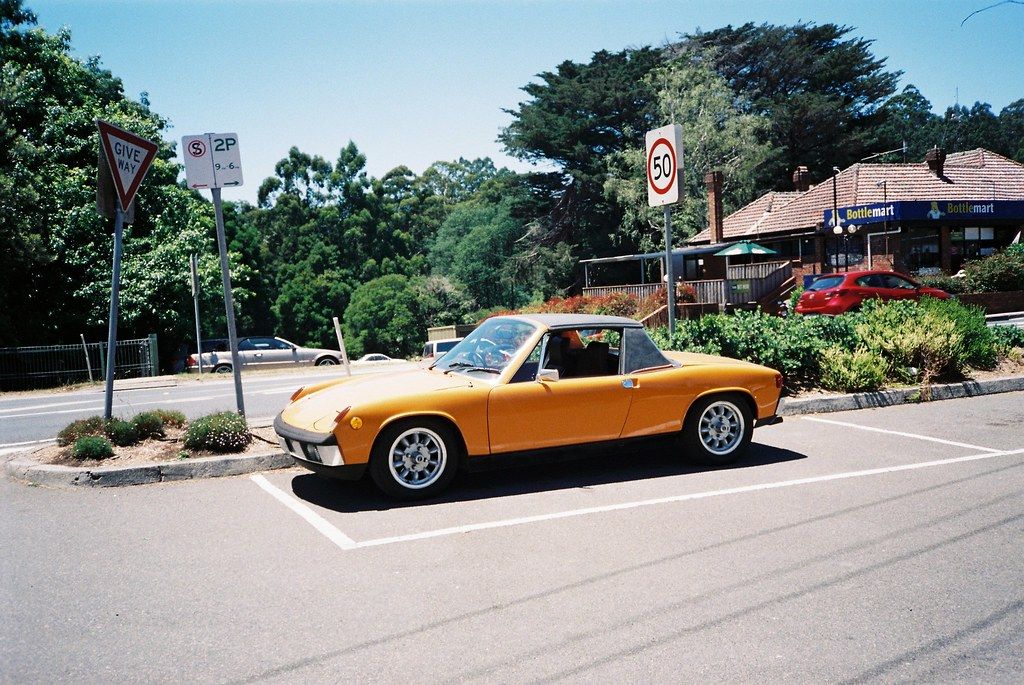
3. **The Top Performers: Yellow, Orange, and Green’s Unexpected Value Retention**In a landscape often dominated by neutral shades, it might come as a surprise that some of the most vibrant colors consistently demonstrate superior value retention. The iSeeCars study unequivocally shows that yellow cars hold their value best, with only a 24.0% ($13,667) depreciation after three years. This performance is notably better than the overall average depreciation of 31.0%.
Closely following yellow are orange cars, which experience a depreciation of 24.4% ($9,951) over three years, and green cars, with a 26.3% ($13,152) depreciation. These bold hues are not widely popular colors in terms of overall sales volume. However, as iSeeCars Executive Analyst Karl Brauer noted, “These are not widely popular colors, but they have more demand than supply, and that translates to higher value on the used market.” This dynamic creates a niche demand that props up their resale value.
This phenomenon suggests that while these colors may not appeal to the masses, the segment of buyers who do desire them is often passionate and willing to pay a premium. For consumers prioritizing long-term value, venturing beyond traditional color choices into these more vibrant options could lead to a better return on investment when it’s time to move on to a new vehicle.
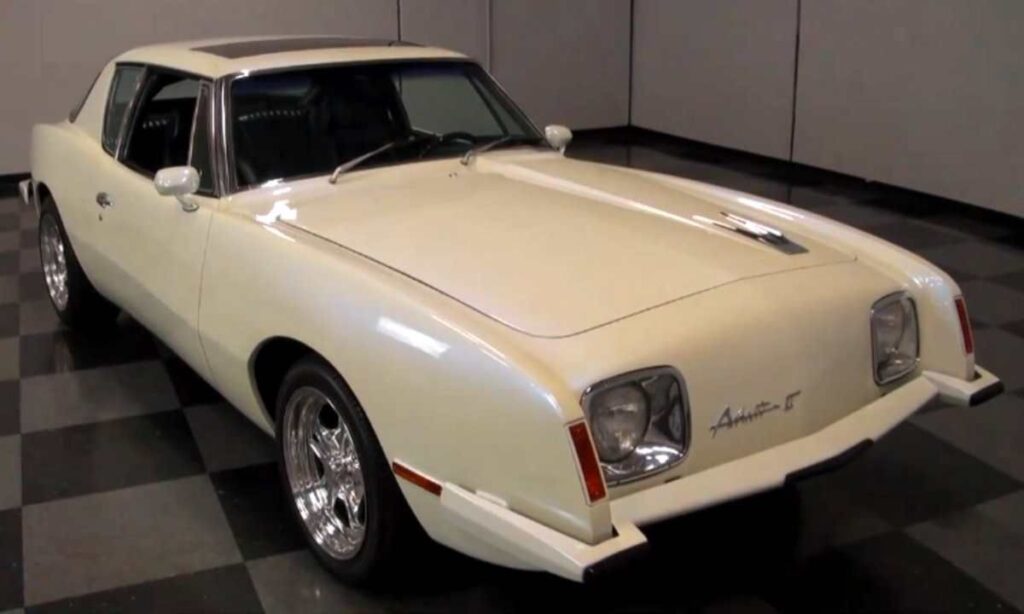
4. **The Most Challenging Hues: Why Gold, White, and Black Lose More Value**On the opposite end of the depreciation spectrum are colors that, despite their varied popularity, tend to lose value at an accelerated rate. According to the iSeeCars study, gold, white, and black cars are the three colors with the worst depreciation rates. Gold vehicles exhibit the highest depreciation at 34.4% over three years, followed by white at 32.1%, and black at 31.9%. These rates are all above the overall average depreciation rate of 31.0%.
The reasons behind these figures are multifaceted. For white and black, despite being the two most common car colors and having broad appeal, their ubiquity works against them in the used market. As Karl Brauer explained, “White and black are the two most common car colors, which suggests plenty of people want them. But it also means those colors provide zero distinction in the used market, reducing their value and making it easy for buyers to shop around for the lowest-priced model in these shades.” The sheer volume creates an oversupply, reducing competitive pricing for sellers.
Gold, while not a common color, also struggles with value retention. It’s often associated with a smaller demographic, and perhaps its bold statement is less universally appreciated in the used market, leading to a narrower buyer pool. For consumers focused on maximizing resale value, these insights suggest that while gold might make a bold statement, and white or black might seem like safe choices due to their popularity, they actually present a greater financial risk in terms of depreciation.
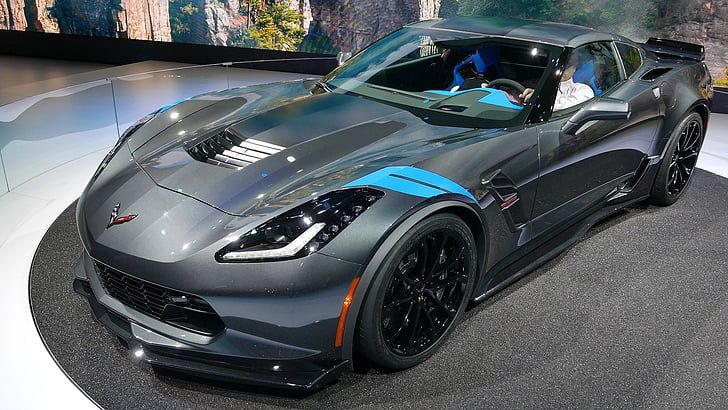
5. **The Myth of Mainstream: Do Popular Colors Always Resell Well?**A common misconception among car buyers is that choosing a popular, mainstream color—such as white, black, or silver—will guarantee an easy sale and a good resale value. While it’s true that these colors have broad appeal and are easier to sell simply because more people are looking for them, their popularity doesn’t necessarily translate into superior value retention. In fact, the data suggests the opposite for depreciation.
The most common exterior colors of automobiles typically rank in the middle of vehicle depreciation surveys by color. This is precisely because there are so many silver, white, and black cars on the market. Potential buyers have a larger inventory from which to choose, which inevitably drives down prices for sellers. Karl Brauer of iSeeCars highlights this, stating that these colors “provide zero distinction in the used market.” This lack of distinction makes it easy for buyers to shop around for the lowest-priced model in these shades, putting downward pressure on value.
The BASF report, a leading analysis of automotive color trends, indicates that white, black, silver, and gray collectively make up about 80% of the automotive color palette in North America. While this signifies widespread preference, it also means a saturated market. Therefore, while you might find a buyer quickly for a white or black car, the price you command might be lower than for a less common, but highly desired, color. This reveals that “popular” doesn’t always equate to “most valuable” when it comes to resale.
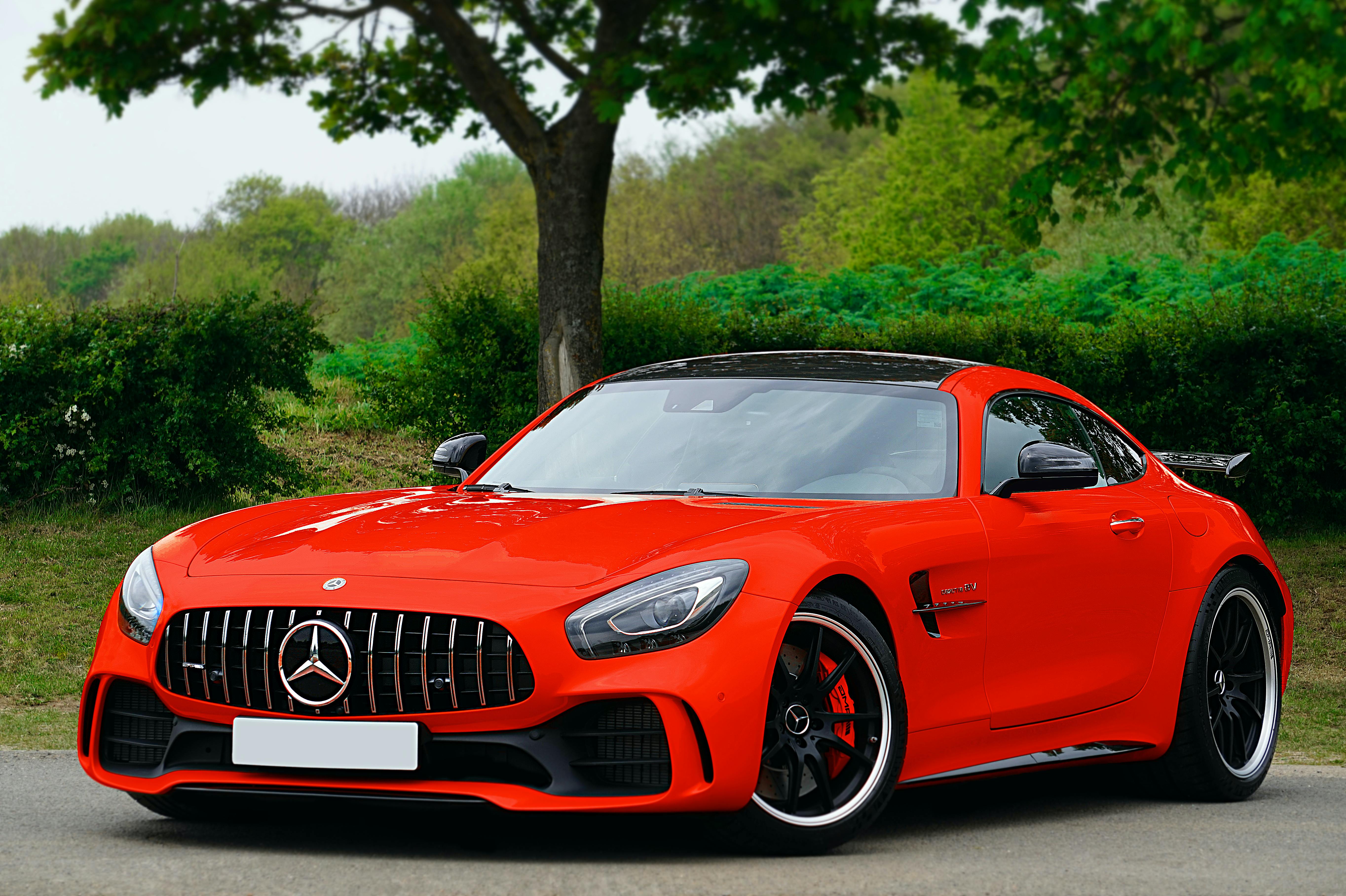
6. **Car Color and Safety: What You Need to Know About Accident Risk**Beyond the financial aspects of depreciation and resale value, the color of your vehicle can also have implications for your safety on the road. Some studies suggest a quantifiable association between vehicle color and accident risk, primarily due to visibility. This factor is often overlooked during the car-buying process, but it presents a critical consideration for any responsible driver.
Statistics from Australia’s Monash University Accident Research Centre provide compelling evidence. Their research, conducted several years ago, found that drivers in a white vehicle have a 12% lesser chance of accident involvement compared to those in a black vehicle, across all types of weather and lighting conditions. This is a significant difference and highlights a practical safety advantage for lighter-colored cars.
The underlying principle is straightforward: light-colored cars are simply easier to see on the road than dark-colored vehicles. The study further detailed these risks: black cars have the highest crash risk (12%) relative to white, grey cars have an 11% higher risk, silver cars a 10% higher risk, and blue and red cars both carry a 7% higher risk. These figures underscore that while color choice is personal, it also carries a tangible, data-backed impact on road safety that consumers should be aware of.
Read more about: Your Comprehensive Guide to Smartly Inspecting a Used Subaru: What Every Buyer Needs to Know
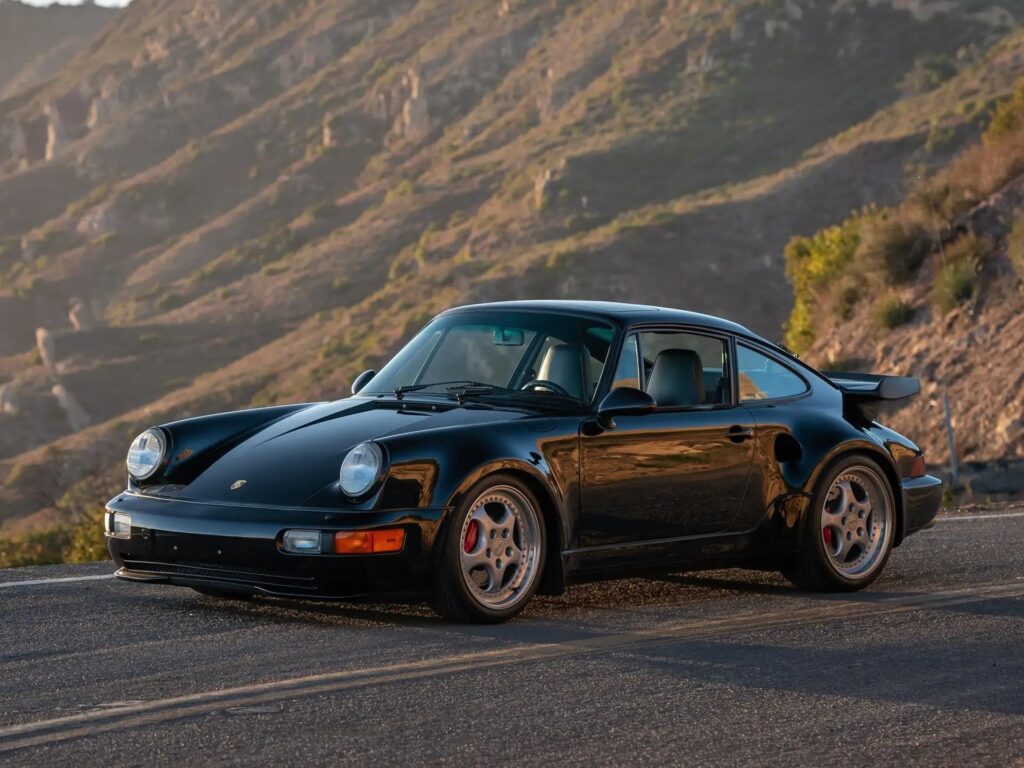
7. **The Cleanliness Factor: Which Colors Are Easiest (and Hardest) to Maintain?**The aesthetic appeal of a car is intrinsically linked to its cleanliness. While a freshly washed vehicle in any color can look stunning, the reality of daily driving means dealing with dirt, dust, pollen, and environmental factors. Some car colors are remarkably better at hiding these imperfections, contributing to a vehicle that looks cleaner for longer, while others demand constant attention to maintain their pristine appearance.
Black cars, for instance, are often lauded for their sleek and sophisticated look. However, this color is a double-edged sword. Black cars look their absolute best when fresh from the car wash, but they will likely get covered with pollen, dirt, and dust in just a few minutes, making every speck visible. Blue, another rising popular color, is also harder to keep clean, as blues tend to show water spots easily, and scratches and swirl marks appear quickly.
Conversely, colors like gray and silver are praised for their ability to hide dirt and dust nicely, making them appear cleaner for longer periods. White also falls into the “easy-to-care-for” group, tending to hide swirl marks from automatic car washes and looking newer for longer, although it may show mud and splashes easier than gray and silver. Yellow and orange cars also hide dust and pollen well, but yellows emphasize mud splashes, and red hides mud easier but can appear dull when dirty. Green cars are easy to keep looking cleaner longer, but show imperfections more easily than gray, silver, and white. Gold, like yellow, can be hard to keep clean due to emphasizing certain imperfections. Balancing aesthetics with practicality of maintenance is another vital aspect of car color selection.
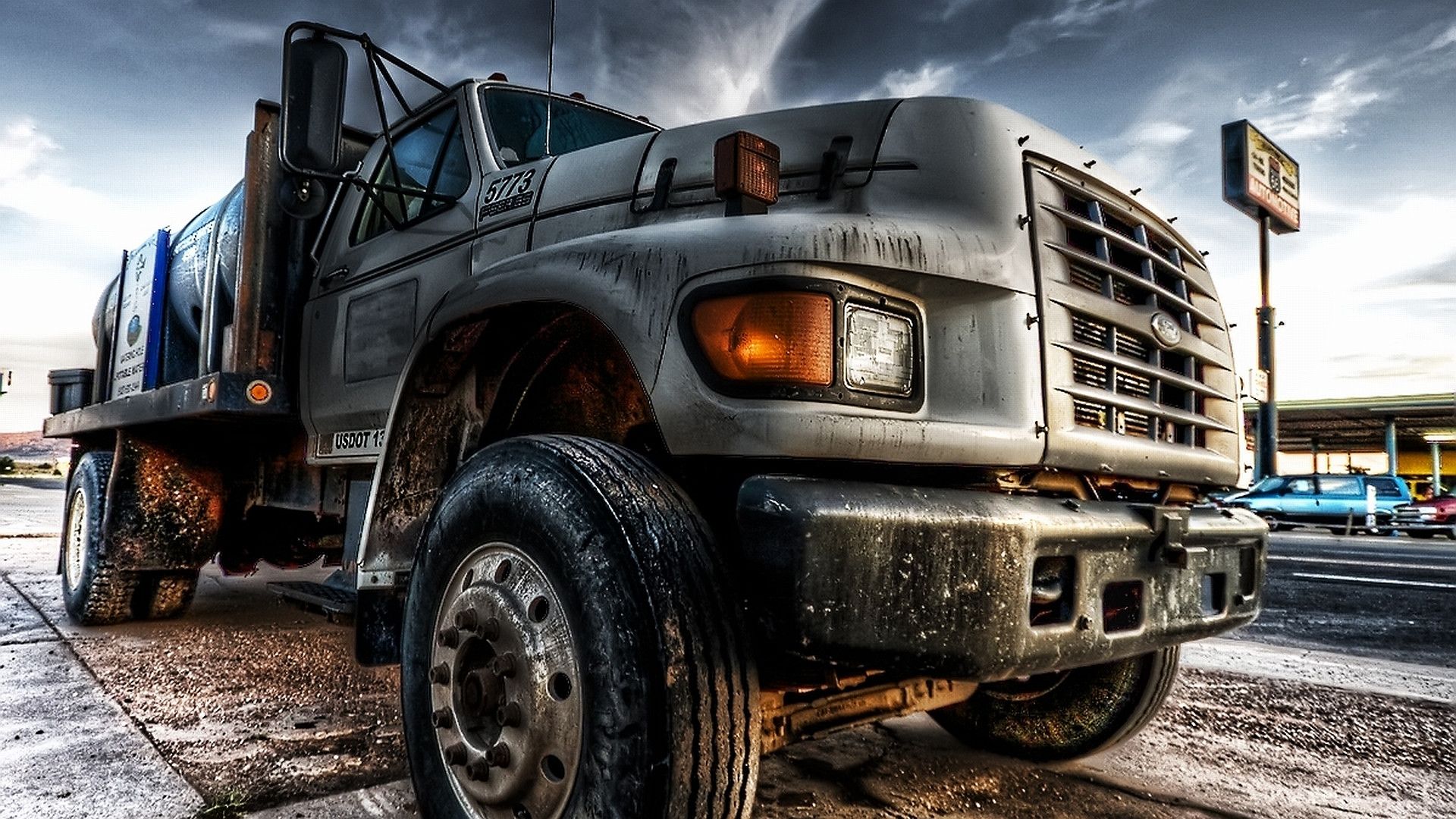
8. **Truck Triumphs: How Orange and Green Dominate Pickup Depreciation**The depreciation dynamics of car colors aren’t monolithic; they vary significantly across different vehicle segments. For pickup trucks, a segment known for its rugged utility and distinct buyer preferences, certain bold colors perform exceptionally well in terms of value retention. Orange, in particular, has become almost the default color for high-performance trucks, with both Ford and Toyota offering it on their Raptor and TRD Trims, respectively.
When combined with the small number of trucks produced in this color—only 0.4%—orange ends up as the best color for retained truck value. Its 3-year depreciation is remarkably low at 16.0%, representing a loss of only $10,540, significantly better than the truck average of 27.1%. This is because more people want it compared to the number available in the used market, creating a strong demand-supply imbalance that benefits sellers.
Green also performs exceptionally well in the truck segment, ranking second with a 3-year depreciation of 19.3% ($9,268). Other colors like gray, brown, blue, and silver also show better-than-average retained value for trucks. This highlights a clear trend where, for trucks, buyers often favor more distinctive colors, especially when associated with performance models, defying the general market’s preference for neutrals in terms of value retention.
Car Model Information: 2025 Ford F-150 Raptor
Name: Raptor
Logo: Ford raptor logo.png
LogoSize: 200
Caption: Ford F-150 SVT Raptor (first generation)
Producttype: Pickup truck
Currentowner: Ford Motor Company
Country: United States
Introduced: [object Object]
Markets: Worldwide
Categories: 2010s cars, 2020s cars, All articles needing additional references, All articles with unsourced statements, Articles needing additional references from January 2025
Summary: The Raptor is a nameplate used by Ford for its high-performance pickup trucks and SUVs. In use since the 2010 model year, the Raptor is designated as the highest-performance version of the F-150, Ranger and Bronco. Drawing its name from both bird of prey and the velociraptor, the model line is intended as a street-legal counterpart of an off-road racing trophy truck. The F-150 Raptor is currently in its third generation; the Ranger Raptor was introduced in 2019 (in markets outside of North America) while the Bronco Raptor was released in late 2021.
Optimized for off-road use, the Raptor is fitted with four-wheel drive as standard equipment, a mid-travel suspension system, and all-terrain tires. The model is also equipped with the most powerful engines available in the F-150/Ranger lines. Along with wider fenders, the Raptor is fitted with its own grille, replacing the Ford Blue Oval emblem with large “FORD” lettering in the grille.
Get more information about: Ford Raptor
Buying a high-performing used car >>>
Brand: Ford Model: Raptor
Price: $124,900 Mileage: 3,710 mi.
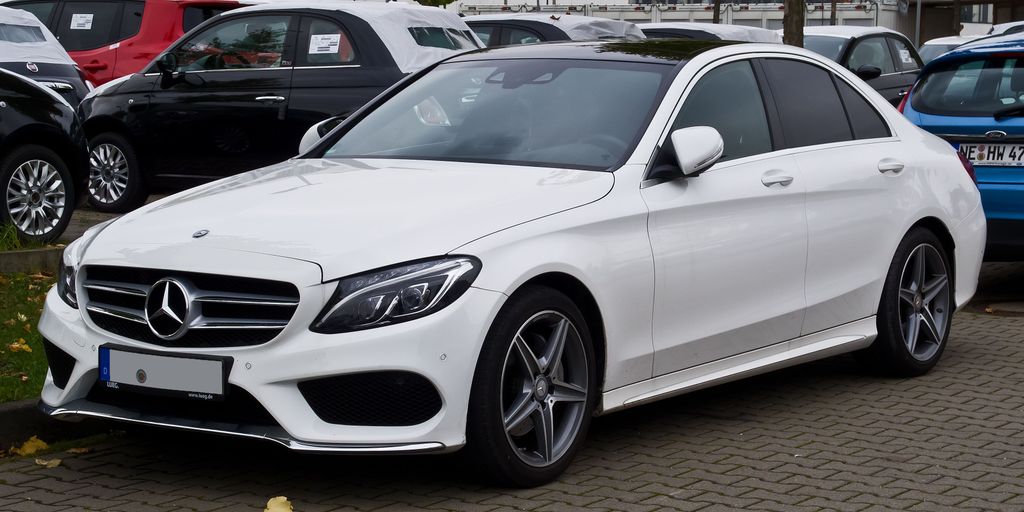
9. **SUVs: The Most Popular Segment Values Unpopular Colors**The SUV segment now commands a significant portion of the U.S. car market, becoming the vehicle type of choice for many families and individuals. However, the depreciation trends within this popular segment reveal a counterintuitive preference when it comes to color. Data from iSeeCars indicates that the most valuable colors for used SUVs are actually the rarer, less common hues such as orange, green, and yellow, challenging the notion that mainstream colors always fare best and highlighting unique market dynamics for this vehicle class.
In stark contrast, colors like black and white, which collectively account for nearly 50% of the SUV segment’s market share, prove to be the least valuable in the used SUV market. These common colors consistently show depreciation rates significantly higher than the segment average of 32.7%. For instance, black SUVs depreciate by 33.6% and white SUVs by 33.2%, meaning vehicles in these shades typically lose over $17,000 on average after just three years.
This data demonstrates that while new car buyers may gravitate towards these popular neutrals, the saturation in the used market diminishes their resale potential significantly. The sheer volume of black and white SUVs available creates an oversupply, making it easy for buyers to find a lower-priced option and thus reducing competitive pricing for sellers. This lack of distinction ultimately leads to a greater loss in value over time.
For SUV shoppers prioritizing value retention, considering a less conventional color like green could be a smart move, as it depreciates at 28.8% ($15,687), notably better than black or white. As iSeeCars Executive Analyst Karl Brauer noted, “While orange and yellow may be a bit much for many SUV buyers, the second-best color for value retention, green, is pretty tame by comparison. Green might be an excellent option for SUV shoppers looking to retain value.” This expert advice underscores the importance of looking beyond initial popularity when making a long-term investment in an SUV, focusing instead on colors with a better demand-to-supply ratio.

10. **Sedans: Green Doesn’t Mean “Green” for Sedans**While some colors perform well universally or in specific niches, the sedan segment presents another unique set of preferences that diverge sharply from overall market trends. For sedans, the general rankings of car colors for depreciation are largely similar to the overall market average, with orange, yellow, and beige demonstrating strong value retention, and gold, white, and black ranking among the worst performers. This consistency provides a baseline for expectations, yet holds a surprising twist.
However, a notable exception arises with the color green in the sedan category. Despite being the third-best color for value retention across the entire automotive market, green surprisingly ranks as the second-worst color for sedan value retention. A green sedan experiences a substantial 3-year depreciation of 33.8%, translating to a significant loss of $19,653, far exceeding the sedan average of 29.9% and indicating a distinct buyer aversion within this segment.
This specific market dynamic for sedans highlights that color appeal is highly contextual and not easily generalized across vehicle types. What works exceptionally well for one vehicle type, such as trucks or SUVs where green is a strong performer, may not translate favorably to another. It’s a clear signal that preferences can be profoundly influenced by the vehicle’s body style and perceived utility.
Karl Brauer emphasized this crucial point, advising, “Apparently used sedan buyers don’t appreciate a green vehicle. New car buyers should keep this in mind when ordering their next sedan.” This segment-specific insight is absolutely crucial for consumers making color choices for a sedan, as overlooking it could lead to significant financial regret and a tougher resale experience.
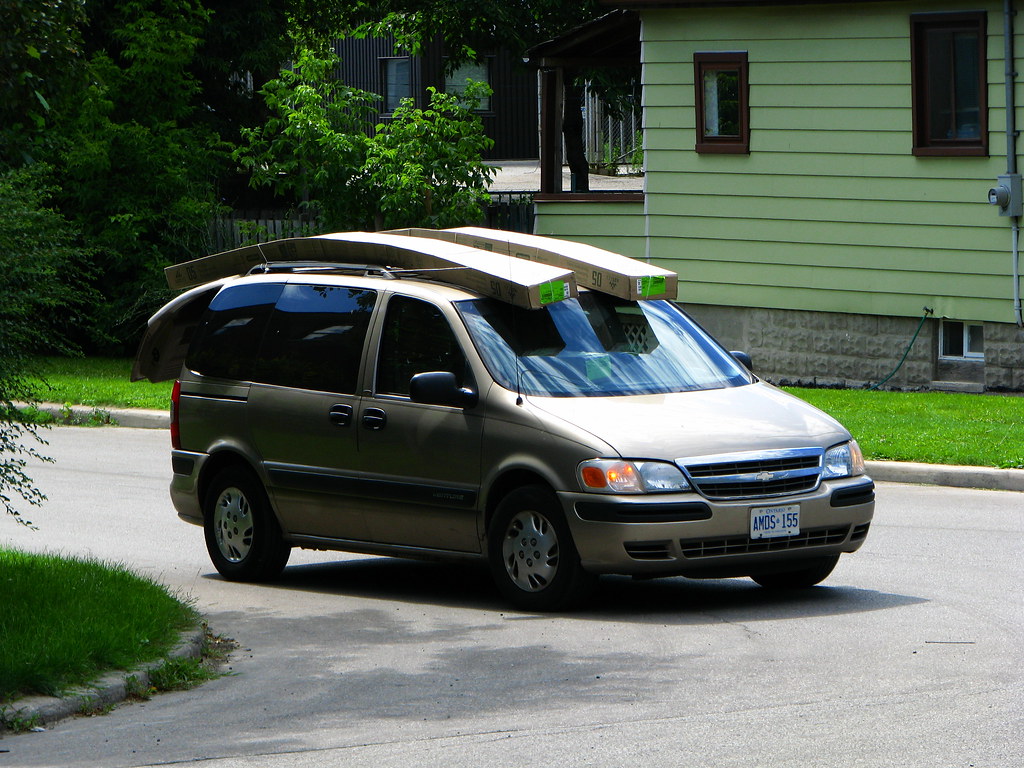
11. **Minivans: Kids and Crazy Colors Don’t Mix**The minivan segment, primarily serving families and emphasizing practicality, exhibits distinct color preferences that clearly deviate from the market’s general inclination toward bright, eye-catching hues for value retention. In contrast to segments where bold colors thrive, minivan buyers consistently show a preference for more subdued and traditional shades, which significantly influences depreciation outcomes.
Interestingly, the iSeeCars study found that top-ranked colors for minivans—green, brown, silver, red, and blue—are all relatively mild options. Colors like yellow and orange, which often lead in overall value retention across the market, are not even available for minivans in the study’s data, suggesting manufacturers recognize and cater to this unique buyer demographic and their conservative tastes.
While the depreciation rates for minivans are generally higher than other segments, with the average minivan losing 40.9% of its value over three years, green still leads this segment with a remarkably low depreciation of 15.3% ($7,145), followed by brown at 21.3%. This trend suggests a highly pragmatic approach from minivan purchasers, where functionality and understated aesthetics take precedence over flashy statements, aligning with the realities of family transportation.
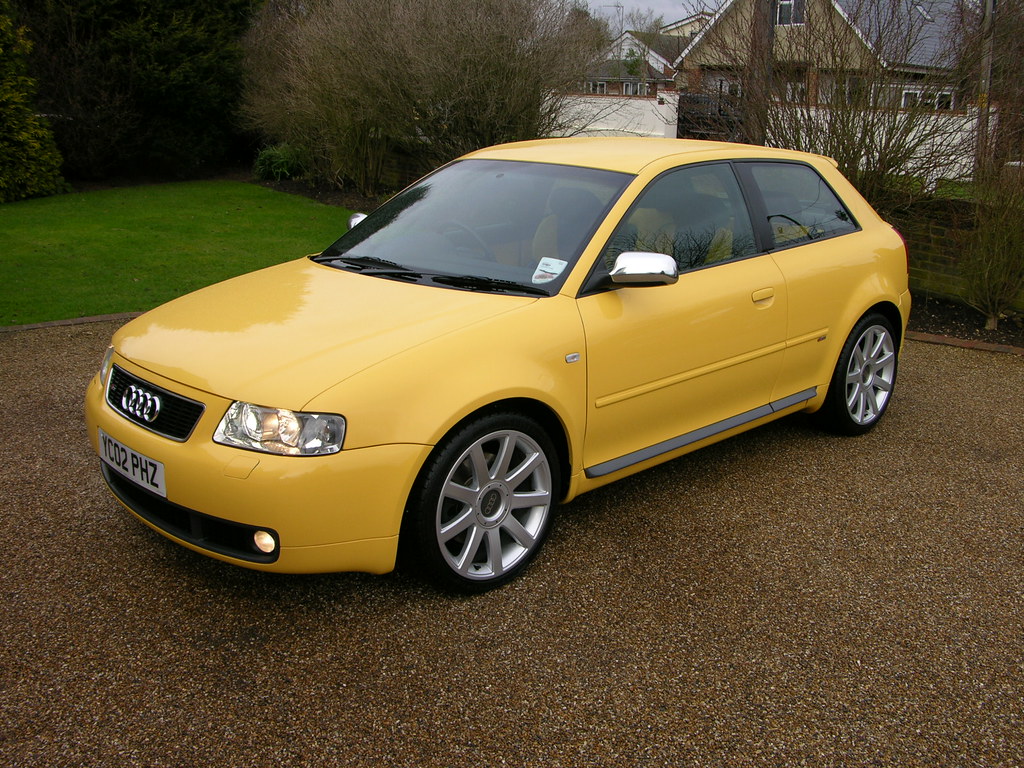
12. **Coupes: Let the Good Time Glow**Coupes, by their very nature, represent a more personal and less practical form of transportation, often chosen for their style, performance, and the opportunity for individual expression. This segment’s unique buyer demographic enthusiastically embraces brighter colors, and the used car market reciprocates by rewarding coupes in vibrant shades with higher value retention. The data clearly shows a departure from the conservative color preferences seen in other family-oriented segments.
Yellow leads the coupe segment with an impressive 3-year depreciation of just 14.5% ($13,401), making it the undeniable top performer. Closely following are orange at 18.4% ($10,058) and blue at 19.0% ($11,530). These figures highlight a strong correlation between the expressive nature of coupes and the tangible financial benefits of choosing a bold color, significantly outperforming the coupe average depreciation of 22.6%.
This phenomenon is often tied to performance models within the coupe category, where a distinctive look is part of the allure. As iSeeCars Executive Analyst Karl Brauer explained, “Performance versions of the Camaro, Corvette, Mustang, and 911 are often ordered in bright colors to reflect their special status, and this makes them more valuable on the used market.” This reinforces the idea that for a coupe, color is an integral part of its identity and value proposition.
For those considering a coupe, especially a performance-oriented model, a bright and distinctive color choice is not only a powerful personal statement but also a truly sound financial decision. It’s a segment where standing out truly pays off, both in terms of visual appeal and preserving your investment over time.

13. **Convertibles: Brighter Hues Mean Higher Prices**Similar to coupes, convertibles are inherently vehicles of visibility and personal flair, designed to turn heads and offer an exhilarating open-air driving experience. This segment takes the preference for bright colors even further, demonstrating that flashier hues are not just accepted but actively rewarded with superior value retention in the used car market. Conversely, common, muted colors often face significant penalties in depreciation within this category.
The convertible segment unequivocally favors bright colors, with orange leading the pack with a 3-year depreciation of 19.8% ($15,625), followed closely by yellow at 21.4% ($15,651) and green at 27.4% ($20,555). These rates are markedly better than the convertible average depreciation of 32.1%. This robust trend suggests that buyers of convertibles are often looking for a vehicle that stands out, and color plays an absolutely critical role in fulfilling that desire for individuality and high visibility.
In stark contrast, popular achromatic colors like silver, black, and white are particularly punished in the convertible market, experiencing higher depreciation rates than the segment average. Silver convertibles, for example, suffer the highest depreciation at 39.5%, far exceeding the segment’s typical value loss. This highlights a clear market preference that defies the conventional wisdom applied to more utilitarian vehicles.
As Brauer insightfully suggested, “If you’re driving a convertible, you’ve already chosen a higher-visibility vehicle type. Go ahead and get a brightly colored model, put the top down, and revel in your ‘center-of-attention’ status.” For convertible buyers, making a bold, expressive color choice is not just about personal style; it’s synonymous with making a truly smart financial one, maximizing resale potential in a niche market.
14. **Regional Nuances: Car Color Depreciation in Top Metro Areas**While national averages provide a broad understanding of car color depreciation, regional variations can offer a more nuanced perspective, significantly influencing local market values. Understanding these geographical differences is particularly beneficial for buyers and sellers operating within specific metropolitan areas. The iSeeCars study specifically examined car color depreciation across the nation’s top 50 metro areas by population, revealing both remarkably consistent trends and interesting localized discrepancies.
Across all 50 metro areas analyzed, the color with the lowest depreciation consistently remains yellow, aligning perfectly with the national findings. This uniform performance underscores yellow’s strong and widespread demand-to-supply imbalance in the used car market, making it an exceptionally reliable choice for value retention no matter where you live. For example, in vibrant Miami-Ft. Lauderdale, yellow cars depreciated by only 20.7%, a stellar performance significantly better than the overall average.
Conversely, the color with the highest depreciation showed some intriguing regional variability. While white was the color with the highest depreciation in the majority of metro areas, black claimed this undesirable distinction in seven specific locations, including bustling Orlando-Daytona Beach, tech-forward Denver, and dynamic Jacksonville. This slight shift suggests that local tastes and varying market saturation levels for achromatic colors can influence which specific “worst” color emerges, emphasizing the need for consumers to consider their local market when making a purchase.
15. **Smart Buying and Maintenance: Maximizing Your Vehicle’s Long-Term Value**Navigating the complexities of car depreciation, especially concerning color, can feel daunting, but consumers have several actionable strategies to maximize their vehicle’s long-term value. One crucial approach for savvy used car buyers is to actively leverage depreciation rates to their advantage. Vehicles that experience high rates of depreciation after just a few years can present excellent opportunities, offering low mileage at significantly reduced prices compared to their original MSRP. This means that while some colors or models might be a “bad buy” new, they become incredibly smart choices on the used market.
For example, a 2023 Dodge Hornet, which depreciated over 31% after its initial release, saw its value drop by over $11,000, making it a “steal for interested parties as a used model” and showcasing the power of informed used car buying. Similarly, a 2022 Nissan Leaf, an electric vehicle, demonstrated a striking depreciation rate of around 47%, translating to massive savings for second-hand buyers. By actively researching models and colors with historically high depreciation, consumers can find significant deals, turning another owner’s initial depreciation hit into their astute financial gain.
Beyond smart purchasing, diligent maintenance and upkeep are paramount for mitigating depreciation, regardless of color. There’s no surefire way to avoid car depreciation entirely, but proper car care can equate to less depreciation in the long run and a higher resale value. According to State Farm, several practices can significantly contribute to value retention, forming a robust defense against value erosion. These include adhering to a regular maintenance schedule, which not only ensures the car’s optimal mechanical performance but also signals to potential buyers that the vehicle has been conscientiously cared for.
Furthermore, maintaining a meticulously clean interior and protecting the exterior from wear and tear are absolutely essential for preserving aesthetic appeal, which directly impacts perceived value. This means consistent interior cleaning and exterior protection, such as regular washing, waxing, and promptly addressing any dings or scratches. The more presentable your car is, both inside and out, the easier it becomes to secure a fair purchase price or trade-in value later on, ultimately helping owners retain as much of their vehicle’s investment as possible over its lifespan. Taking those oil changes seriously and keeping your car spotless are not just about personal satisfaction, they’re savvy financial imperatives.
The journey through the world of car color and its profound impact on depreciation, safety, and maintenance reveals that the choice extends far beyond simple aesthetics. From the surprising resilience of yellow and orange in general, to the segment-specific nuances where minivans favor mild hues and convertibles thrive in bright ones, understanding these dynamics empowers consumers to make smarter decisions. By making informed choices based on data-driven insights—whether for a new purchase or a used car deal, and through diligent upkeep—car owners can significantly influence their vehicle’s long-term financial outcome. Your car’s color isn’t just a shade; it’s a strategic component of its enduring value.