
Public relations disasters represent the ultimate crucible for any company’s resilience, threatening to dismantle years of meticulous brand building and erode deeply entrenched consumer trust in an instant. These incidents, often stemming from missteps in communication, critical product failures, or controversial corporate actions, frequently ignite a firestorm in today’s hyper-connected digital age, where social media platforms and the relentless 24/7 news cycle act as powerful accelerants. The sheer velocity at which public outrage or damaging information can propagate makes effective crisis management not merely an advantage, but an indispensable imperative for corporate survival.
Companies that fail to skillfully navigate these turbulent waters face a daunting array of severe consequences: debilitating financial losses, a precipitous and often irreversible decline in consumer confidence, and enduring damage to their meticulously crafted brand image. The stakes involved are undeniably monumental, effectively transforming every corporate misstep into a potential, highly scrutinized case study in what precisely *not* to do. Understanding the mechanics and fallout of these infamous public relations catastrophes offers invaluable, hard-won insights into the delicate, complex art of reputation management, starkly revealing how swiftly public affection can curdle into widespread condemnation and distrust.
From marketing campaigns that were profoundly tone-deaf and sparked global boycotts, to critical product defects that cost billions and necessitated sweeping recalls, the annals of corporate blunders are rich with profound lessons for any business leader aspiring to navigate the volatile marketplace. This article endeavors to dissect some of the most notorious PR disasters of recent history, meticulously examining their specific triggers, the immediate and often devastating fallout, and the sometimes agonizing, protracted paths taken toward recovery. We will explore how these pivotal incidents reshaped entire industries, redefined contemporary notions of corporate responsibility, and unequivocally underscored the immense and ever-growing power of public perception within a rapidly evolving, interconnected business landscape.

1. **Pepsi’s Kendall Jenner Ad (2017)**In 2017, Pepsi unexpectedly found itself at the epicenter of a swirling public relations maelstrom following the controversial release of an advertisement featuring reality television personality Kendall Jenner. The commercial, ostensibly conceived with the noble intention of conveying a powerful message of unity and peace, depicted Jenner joining a lively street protest and then, in a pivotal moment, offering a can of Pepsi to a stoic police officer, a gesture seemingly designed to instantly diffuse tensions between demonstrators and law enforcement. This highly stylized visual rapidly transformed into a lightning rod for widespread, visceral criticism.
The ensuing backlash was both immediate and extraordinarily intense, with a chorus of critics unanimously accusing Pepsi of profoundly trivializing serious social justice movements, most notably the then-prominent Black Lives Matter movement. Many vocal detractors forcefully argued that the advertisement shamelessly reduced complex, deeply entrenched societal issues to a mere marketing gimmick, effectively exploiting genuine activism for blatant commercial gain without demonstrating any discernible understanding of the profound gravity of the struggles being portrayed. The overwhelming public perception was that Pepsi was brazenly attempting to “cash in” on a sensitive cultural moment without contributing any meaningful or authentic substance to the critical ongoing conversation.
This overwhelming public outcry compelled Pepsi to act with extraordinary swiftness, culminating in a public apology and the immediate, unconditional withdrawal of the controversial advertisement mere days after its ill-fated debut. The company candidly acknowledged its undeniable failure to “capture the right tone and convey a message of unity, peace and understanding,” openly recognizing that it had catastrophically missed the intended mark. This deeply instructive incident served as an exceptionally powerful and indelible reminder of the ethical tightrope brands must carefully walk when daring to engage with intricate social issues in their advertising, prompting widespread and overdue introspection across the entire advertising industry regarding the paramount importance of authenticity and cultural awareness.
The significant fallout from the Kendall Jenner ad inflicted substantial damage upon Pepsi’s hard-earned credibility, igniting crucial and uncomfortable questions about the inherent ethics of leveraging activism purely as a marketing tool. For countless observers, it starkly underscored the critical importance of incorporating diverse perspectives into creative teams and implementing thorough, rigorous cultural sensitivity reviews well before the launch of any major advertising campaign. The swift and overwhelmingly negative public reaction powerfully demonstrated the immense, instantaneous power of public opinion in the digital age, forcing brands to adopt a far more cautious and painstakingly considered approach in their engagement with socially charged and sensitive topics.

2. **United Airlines’ Passenger Dragging Incident (2017)**April 2017 undeniably marked a profound low point for United Airlines, as a shocking and widely circulated viral video propelled the company’s customer service policies into an intense, global spotlight. The harrowing footage explicitly showed Dr. David Dao, a paying passenger, being forcibly and brutally dragged off an overbooked flight by airport security personnel after his steadfast refusal to voluntarily relinquish his seat. The airline had unilaterally initiated a highly controversial process to remove several passengers in order to accommodate its own employees, who urgently needed to reach a specific destination.
Dr. Dao, a medical professional citing an urgent need to attend to his patients, adamantly refused to deplane, a refusal that tragically culminated in his violent and widely broadcast removal. The incident immediately sparked a firestorm of global outrage, igniting a furious and far-reaching debate about fundamental passenger rights, egregious corporate overreach, and the disproportionate use of excessive force. Social media platforms erupted with condemnation, with countless users accusing United of appalling mistreatment and a complete, unacceptable disregard for basic human dignity.
The “bad optics” of a ticketed passenger being brutalized and forcibly removed for merely refusing to yield his purchased seat resonated deeply and powerfully with a public already weary and distrustful of the often-impersonal nature of modern commercial air travel. United’s initial, severely misjudged response only served to dramatically exacerbate the burgeoning crisis. CEO Oscar Munoz’s first public statement controversially appeared to defend the actions of the staff, notoriously referring to Dr. Dao as “disruptive and belligerent,” a characterization that was directly contradicted by multiple eyewitness accounts and the damning viral video itself.
This defensive and unremorseful stance further inflamed already furious public sentiment, provoking an even more severe and widespread backlash. The company’s ill-advised attempt to downplay the gravity of the incident was universally perceived as profoundly tone-deaf and entirely devoid of genuine remorse or empathy. While United eventually issued a more comprehensive and contrite apology, and subsequently settled with Dr. Dao, promising significant policy reforms, the damage to its hard-won reputation was undeniably substantial and long-lasting. The event cemented its place as a quintessential cautionary tale for the entire airline industry, vividly illustrating the critical importance of transparent communication, humane handling of overbooking situations, and keenly recognizing the immense, instant power of social media in shaping and amplifying public opinion on a global scale.

3. **BP’s Deepwater Horizon Oil Spill (2010)**The Deepwater Horizon oil spill, which tragically commenced in April 2010, stands as one of the most utterly catastrophic environmental disasters in recorded history and simultaneously represents a monumental public relations failure for the energy giant, BP. A catastrophic blowout on BP’s offshore drilling rig in the Gulf of Mexico resulted in the horrific deaths of 11 workers and the uncontrolled, continuous release of millions of barrels of crude oil into the ocean, unleashing an ecological devastation that severely impacted marine ecosystems and numerous coastal communities across several states. The sheer, overwhelming scale of the environmental destruction immediately propelled BP onto an intense, global stage of scrutiny and condemnation.
BP’s subsequent handling of this monumental crisis was met with widespread, scathing criticism, particularly concerning its perceived shortcomings in communication strategies and a glaring lack of transparency. Both the enraged public and various governmental bodies vehemently accused the company of consistently downplaying the true, terrifying extent of the spill and reacting with agonizing slowness to mitigate the ongoing, relentless environmental damage. This perceived evasiveness and apparent obfuscation relentlessly fueled public mistrust, amplifying the pervasive narrative that BP was far more preoccupied with protecting its corporate image than with genuinely addressing the unprecedented ecological catastrophe unfolding before the world’s eyes.
A singularly defining and infamously cringeworthy moment in BP’s escalating PR nightmare occurred when then-CEO Tony Hayward uttered his infamous, deeply insensitive comment, “I’d like my life back,” during his testimony before a congressional committee. This profoundly ill-judged statement, universally perceived as self-pitying and utterly lacking in empathy given the immense human and environmental toll of the disaster, instantly infuriated an already incandescent public and became an enduring emblem of BP’s perceived detachment and callousness in the face of the crisis. It starkly crystallized the public’s prevailing view that the company was profoundly out of touch and devoid of any genuine compassion.
In the protracted aftermath, BP was subjected to unprecedented financial penalties, encompassing billions of dollars in fines and staggering legal settlements. The company’s once-formidable brand reputation was severely and perhaps irreparably tarnished, suffering a long-term blow that continues to resonate powerfully more than a decade later. The Deepwater Horizon incident remains a textbook example of how a catastrophic operational failure, combined with woefully mishandled crisis communication, can dramatically exacerbate public outrage, leading to dire financial consequences and long-lasting, deep-seated damage to a company’s standing in the global marketplace.
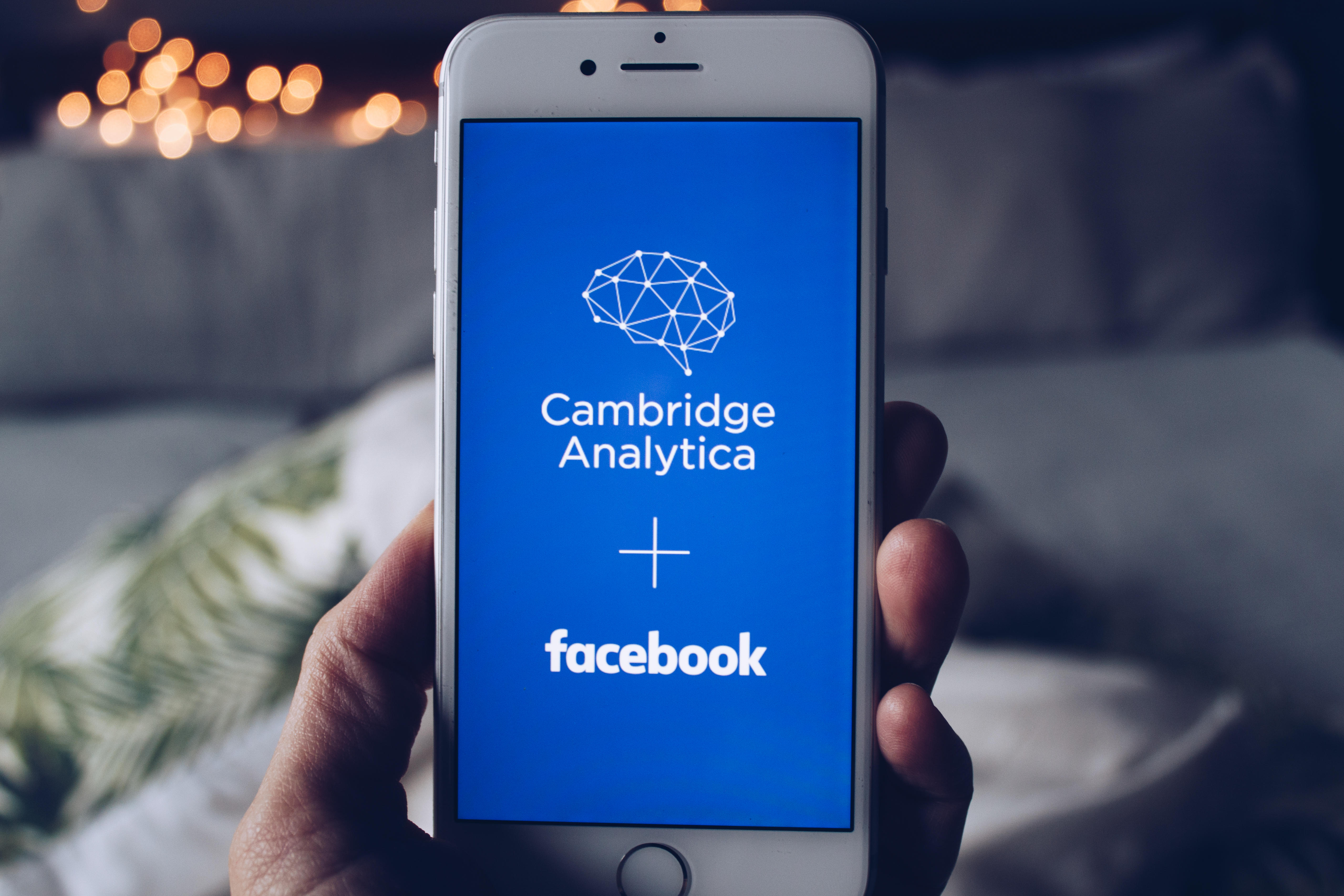
4. **Facebook and the Cambridge Analytica Scandal (2018)**In 2018, Facebook, the ubiquitous social media behemoth, was abruptly plunged into one of its most severe and defining public relations crises with the explosive revelation of the Cambridge Analytica scandal. It came to light that Cambridge Analytica, a political consulting firm, had illicitly harvested the personal data of an astounding 87 million Facebook users without their explicit knowledge or consent. This illegally acquired data was subsequently exploited for highly targeted political advertising, raising profound and alarming questions about fundamental data privacy rights, user consent protocols, and the ethical boundaries surrounding the utilization of personal information in the rapidly evolving digital landscape.
The scandal rapidly ignited a global conversation of unprecedented scale, triggering intense scrutiny from an array of international regulators, governmental bodies, and the general public regarding the overarching responsibilities of powerful tech giants like Facebook. Concerns mounted exponentially over the platform’s security vulnerabilities and its apparent egregious lack of oversight concerning third-party access to vast troves of sensitive user data. The shocking revelation fundamentally shook public confidence in Facebook’s stated ability and commitment to safeguard highly sensitive personal information, vividly highlighting the inherent potential for widespread data exploitation within political campaigns.
Facebook’s initial, hesitant attempts to publicly address the escalating crisis were largely perceived as downplaying its profound significance, a strategic blunder that only served to further inflame the mounting backlash. As public pressure intensified and widespread calls for stringent accountability grew louder, CEO Mark Zuckerberg was ultimately compelled to undergo a highly publicized and rare testimony before the U.S. Congress, a solemn public acknowledgment of the crisis’s profound gravity. His appearance, broadcast globally, quickly became an iconic symbol of the accelerating scrutiny faced by Silicon Valley’s increasingly powerful and often opaque figures.
Despite Facebook’s subsequent, concerted efforts to implement stricter privacy policies and ostensibly enhance transparency, the company’s credibility suffered a substantial and enduring blow. The scandal notably led to the widespread adoption of the #DeleteFacebook trend, prompting countless users to either abandon the platform altogether or critically reconsider their engagement with it. This crisis served as a pivotal and transformative moment, initiating widespread, industry-wide changes in how tech companies handle and secure user data, and underscoring the critical, non-negotiable importance of robust data protection frameworks, unambiguous user consent mechanisms, and transparent corporate accountability within the digital sphere.

5. **Volkswagen’s Emissions Scandal (2015)**Volkswagen, a venerable automotive brand long synonymous with precision German engineering and unwavering reliability, faced an unprecedented public relations catastrophe in 2015 when it was unequivocally exposed for deliberately and systematically cheating on official emissions tests. The company was found to have covertly installed sophisticated “defeat device” software in millions of its diesel vehicles worldwide. This clandestine software was ingeniously designed to detect when vehicles were undergoing official emissions tests, dynamically altering engine performance to pass regulatory standards, while in actual normal driving conditions, these same vehicles emitted pollutants far exceeding legal limits.
This shocking revelation sent immediate shockwaves through the entire global automotive industry and the environmental community, triggering a cascade of formidable legal actions, including monumental lawsuits and crushing regulatory fines across multiple international jurisdictions. The scandal laid bare a deep-seated and systemic corporate deceit, fundamentally shattering the decades-long trust that consumers and environmental advocates had implicitly placed in the brand. It represented a profound and unforgivable betrayal of public confidence, particularly at a time when environmental responsibility was rapidly becoming an increasingly critical and decisive factor for ethically conscious consumers.
The immediate consequences for Volkswagen were devastatingly severe, leading directly to the forced resignation of several high-ranking executives, including its then-CEO. Volkswagen’s brand reputation sustained a massive, perhaps irreparable, blow, experiencing a significant and rapid decline in sales figures and a dramatic erosion of its carefully cultivated image of integrity and technological leadership. The financial repercussions proved staggering, with the company ultimately facing over $30 billion in fines, compensation claims, and escalating legal costs, an astronomical sum that underscored the immense price of corporate malfeasance.
This deeply impactful incident stands as a stark and enduring cautionary tale regarding the perilous consequences of compromising corporate integrity and the devastating long-term repercussions of unethical business practices. It vividly highlighted the immense regulatory and public pressure on corporations to meet stringent environmental standards and unequivocally demonstrated the profound risks associated with attempting to circumvent crucial regulations through deliberate deception. Volkswagen’s emissions scandal underscored the vital, non-negotiable importance of ethical conduct and complete transparency, particularly in an era where environmental concerns are paramount to consumer values and regulatory oversight is increasingly vigilant.

6. **Samsung Galaxy Note 7 Explosions (2016)**In 2016, Samsung, a global titan in consumer electronics, was abruptly thrust into one of the most monumentally costly product recall crises in modern history with its flagship Galaxy Note 7 smartphone. Soon after its highly anticipated and widely celebrated launch, alarming reports began to surface globally of the sophisticated devices spontaneously catching fire or, in more extreme cases, violently exploding due to critically faulty batteries. These dangerous incidents rapidly led to severe consequences, including users suffering painful burns and fires igniting in personal vehicles and homes, causing significant property damage and personal injury.
The gravity and widespread nature of the issue escalated to such a critical point that aviation authorities and airlines worldwide took the unprecedented and drastic measure of prohibiting the Galaxy Note 7 from being brought onto flights, whether as carry-on luggage or checked baggage, citing the inherent and undeniable risk of explosion. This unprecedented global safety measure unequivocally underscored the critical and widespread danger posed by the defective devices, fundamentally transforming what was intended as a triumphant product launch into an urgent, global public safety concern. The immediate public perception dramatically shifted from enthusiastic anticipation to pervasive fear and deep-seated distrust.
Samsung initially attempted to contain the spiraling crisis by issuing a voluntary recall and generously offering replacement devices to affected customers. However, the core problem stubbornly persisted, with even the supposedly “safe” replacement phones tragically continuing to catch fire. This profoundly alarming development forced the company to take the drastic and economically painful step of recalling all 2.5 million previously distributed devices and, ultimately, permanently discontinuing the Galaxy Note 7 model altogether. It was a monumental and unprecedented decision that unequivocally signaled the complete and utter failure of the product line.
Despite Samsung’s strenuous and highly public efforts to rectify the catastrophic situation with prompt recalls and a sincere public apology – with Samsung mobile communications chief D.J. Koh explicitly stating, “We are taking responsibility for our failure to identify the issues arising out of the battery design and manufacturing process prior to the launch of the Note 7” – the damage inflicted upon its once-unblemished brand was substantial and enduring. The recall alone cost Samsung billions of dollars and severely tarnished its reputation for stringent quality control and reliability for several years, making it a textbook example of how critical impeccable quality assurance and transparent crisis communication are in effectively managing product-related disasters.
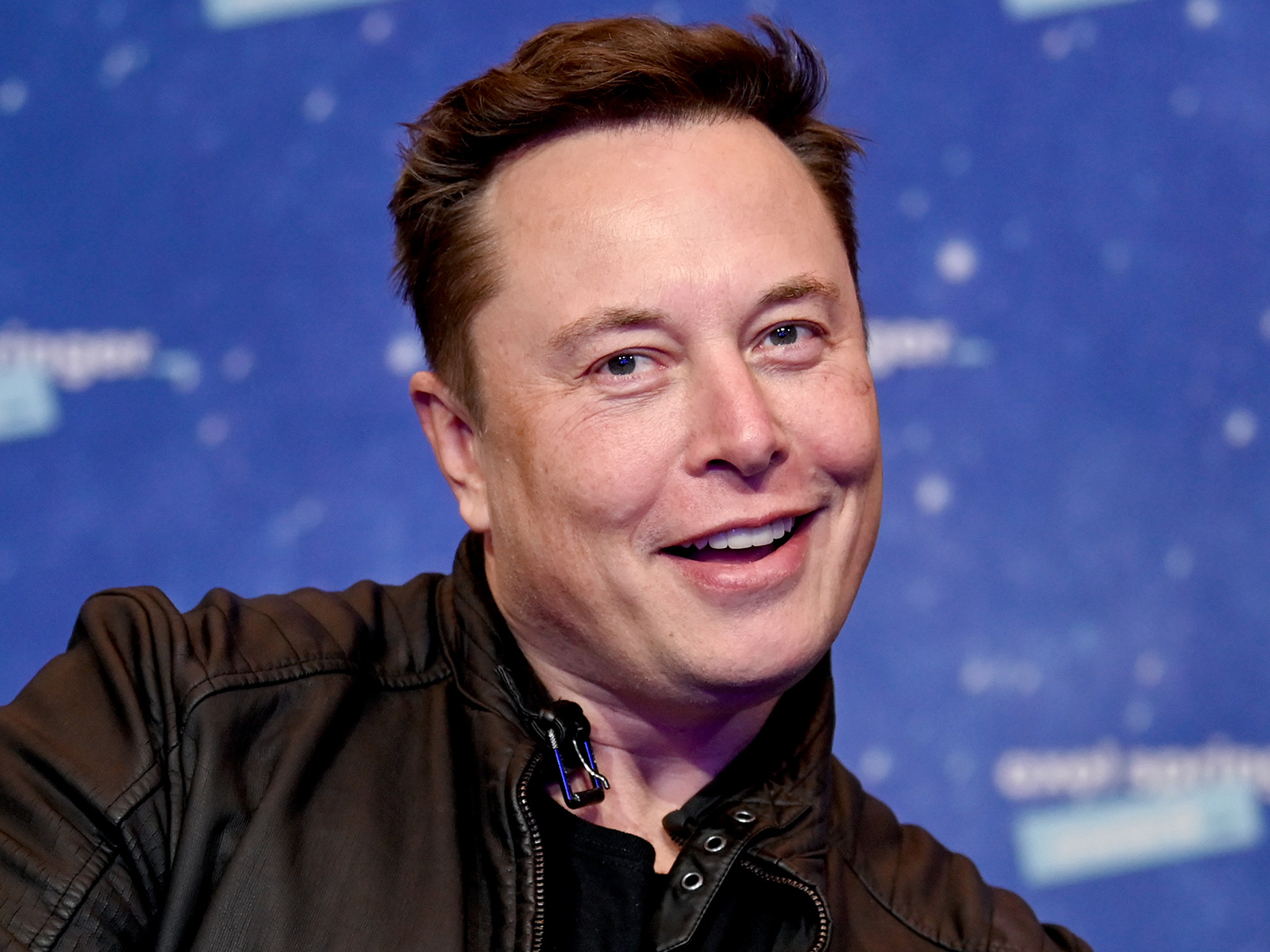
7. **Elon Musk’s “Pedo Guy” Tweet (2018)**In 2018, Elon Musk, the frequently charismatic and often equally controversial CEO of both Tesla and SpaceX, unexpectedly ignited a significant public relations crisis through his deeply personal and highly publicized social media conduct. Musk publicly and inexplicably referred to Vernon Unsworth, a respected British cave diver who had played a demonstrably crucial role in the harrowing rescue of a Thai soccer team, as a “pedo guy” in a tweet. This incendiary and baseless comment was posted after Unsworth had publicly criticized Musk’s somewhat unconventional and ultimately unutilized offer to assist with the complex cave rescue efforts, deeming it a mere publicity stunt.
The offensive tweet was met with immediate and widespread condemnation, sparking a furious outpouring of outrage from the public, major media outlets, and legal experts alike, all of whom deemed it unequivocally defamatory and profoundly inappropriate for a CEO of such prominent and publicly traded companies. The immediate fallout included Musk facing severe and sustained criticism for his impulsive and erratic online behavior, coupled with a notable and concerning dip in Tesla’s stock price, directly reflecting investor anxiety over his volatile public statements and their potential, detrimental impact on his businesses. The incident vividly highlighted the significant inherent risks associated with high-profile public figures using social media platforms without carefully considering the profound professional and corporate consequences.
Musk’s initial, defiant reaction further compounded and prolonged the crisis, as he conspicuously doubled down on his highly controversial comments, vigorously attempting to defend his use of the derogatory term. This stubborn defiance only intensified the public backlash and escalated the crisis to a new level of scrutiny. The controversial tweet ultimately culminated in a high-profile defamation lawsuit filed by Unsworth against Musk, pushing the legal and ethical boundaries of free speech versus libel in the rapidly evolving digital age. The protracted legal proceedings brought continuous, negative international attention to both Musk personally and his influential companies.
While Musk eventually issued a belated apology after a court ruled in favor of Unsworth in the lawsuit, the incident served as a potent and enduring example of how even immensely powerful and influential CEOs can suffer significant and lasting reputational damage from impulsive and ill-considered online behavior. It profoundly underscored the immense and pervasive influence of social media in modern corporate crisis management, unequivocally demonstrating that even seemingly personal online missteps by leadership figures can have far-reaching and deeply damaging business implications, affecting not just individual reputation but also corporate valuation and crucial public trust.
Building upon the foundational understanding of PR calamities and their initial impact, this section delves into an additional seven infamous incidents. Here, we meticulously examine the strategic recovery efforts undertaken by the implicated organizations and individuals, dissecting the lasting legacies these events forged in public perception. The focus shifts to key lessons in accountability, brand resilience, and the continuously evolving landscape of public trust, offering invaluable insights for navigating the complex challenges of modern corporate reputation management.

8. **H&M’s “Coolest Monkey in the Jungle” Ad (2018)**H&M found itself engulfed in a significant public relations firestorm in 2018, all stemming from a seemingly innocuous advertisement for a children’s sweatshirt. The ad, which featured a Black child model wearing a hoodie emblazoned with the words “Coolest Monkey in the Jungle,” rapidly ignited a furious backlash across social media platforms. Critics were swift and vocal, universally condemning the company for its profound racial insensitivity and for perpetuating deeply harmful, outdated stereotypes.
The widespread outrage quickly transcended social media, drawing sharp criticism from influential figures, most notably the pop star The Weeknd, who immediately and publicly severed his high-profile partnership with H&M. This public denouncement underscored the severe reputational risks associated with perceived cultural missteps, particularly when they involve issues as sensitive and charged as race. The incident became a powerful illustration of how quickly a marketing campaign can unravel into a full-blown crisis.
In the immediate aftermath, H&M responded with speed, issuing a public apology and promptly removing both the controversial image from its website and the offending garment from its stores. However, the damage to the brand’s reputation was undeniably significant and lingered far beyond the initial crisis. The incident served as a stark, indelible reminder of the critical importance of diversity within decision-making teams and the absolute necessity of conducting thorough, culturally sensitive reviews for all marketing materials prior to their release.
While H&M subsequently committed to implementing better diversity practices in its future campaigns, the controversy indelibly marked its image. The swift, global condemnation highlighted how crucial it is for brands to possess a deep understanding of cultural nuances and sensitivities. Overlooking these vital considerations can lead to devastating consequences, affirming the need for robust internal checks to prevent such missteps from ever occurring again, preserving both public trust and brand equity.
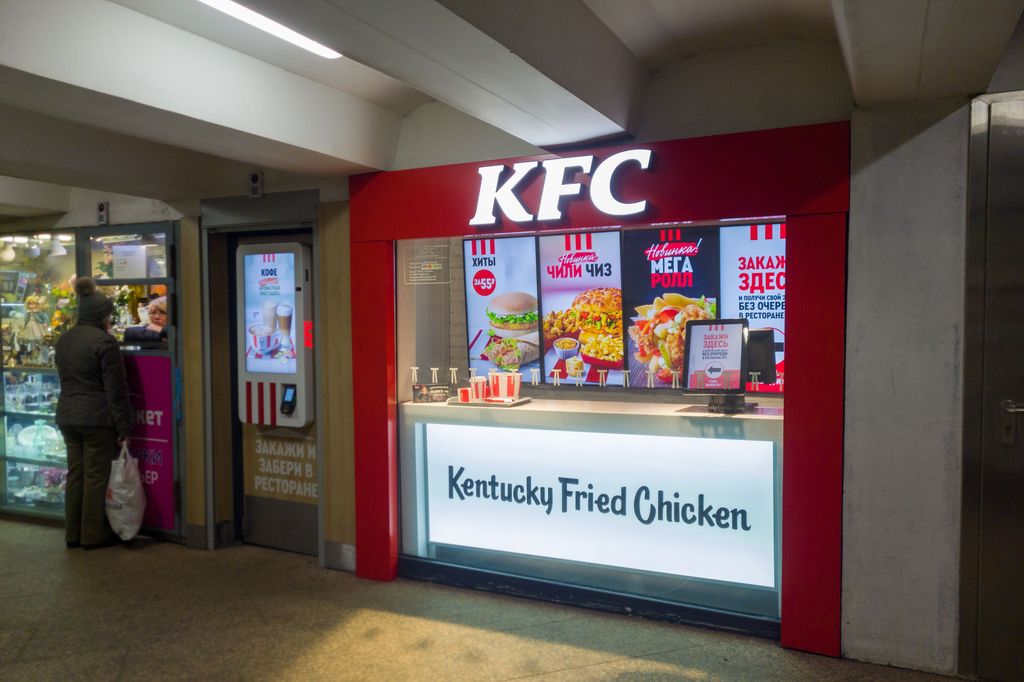
9. **KFC’s Chicken Shortage in the UK (2018)**In a highly unusual turn of events in February 2018, KFC in the UK faced a widespread operational crisis that quickly spiraled into a public relations challenge: a severe chicken shortage across hundreds of its 900 stores. This unprecedented situation arose from unforeseen operational failures experienced by its new delivery contractor, DHL, leading to extensive store closures and severely limited menu options for customers across the country. The iconic fast-food chain, famed for its chicken, was ironically without its core product.
The crisis naturally sparked a torrent of customer complaints and a flurry of activity on social media, with disappointed patrons voicing their frustration. However, KFC’s crisis communication strategy proved to be remarkably effective, transforming a potentially devastating logistical nightmare into a moment of brand strengthening. The company deployed humor as its primary tool for engagement, a bold and unconventional choice in the face of such a critical supply chain disruption.
KFC’s ingenious PR response featured a full-page newspaper advertisement that quickly went viral. The ad depicted an empty KFC bucket with the letters “FCK” replacing the familiar KFC logo, a cheeky and self-deprecating acknowledgment of the situation. This highly creative and surprisingly effective approach not only diffused much of the public’s anger but also resonated positively with many consumers, demonstrating a willingness to own the mistake with an unexpected wit.
While the chicken shortage undoubtedly incurred significant costs for the company, KFC’s adept use of humor and transparent self-awareness allowed it to navigate the crisis with remarkable agility. This episode became a textbook example of how a brand, even when facing severe operational setbacks, can recover swiftly and, in some cases, even bolster customer loyalty by embracing an authentic and creative communication strategy that effectively connects with its audience on a human level.

10. **Gillette’s “The Best Men Can Be” Ad (2019)**In 2019, Gillette launched its bold “The Best Men Can Be” advertising campaign, a deliberate pivot aimed at addressing critical contemporary issues such as toxic masculinity and evolving male behavior, particularly in the wake of the pervasive #MeToo movement. The campaign represented a significant departure from traditional product-focused advertising, positioning the brand as a proactive participant in crucial societal conversations. This strategic move was intended to resonate with a segment of consumers increasingly seeking brands that align with progressive social values.
However, the ad’s impact was deeply polarizing, immediately sparking both widespread acclaim and fervent condemnation. While a segment of the audience applauded Gillette for taking a courageous stand on important social issues, many others, particularly on social media, perceived the ad as overly preachy, alienating, and unfairly portraying men in a negative light. This division reflected a broader societal tension around evolving gender roles and expectations.
Critics of the campaign were vocal, with some even initiating boycotts of the brand, accusing Gillette of engaging in “virtue signaling” and attempting to politicize a mundane product like shaving cream. This backlash underscored the inherent risks brands face when venturing into socially charged territories, illustrating how quickly an attempt to connect on a deeper level can alienate a substantial portion of a brand’s established customer base if not handled with extreme precision and nuance.
Despite the significant controversy and the mixed public reactions, Gillette reported that the campaign successfully generated substantial media buzz and extensive public discussion. This outcome underscored the delicate and often perilous balance brands must meticulously strike when incorporating social issues into their advertising strategies. The incident served as a potent lesson that while taking a stand can elevate a brand’s purpose, it equally demands a profound understanding of diverse audience perspectives and the potential for a deeply divided reception.

11. **Coca-Cola’s New Coke (1985)**In one of the most famously ill-conceived marketing decisions in corporate history, Coca-Cola introduced “New Coke” in 1985, a dramatic reformulation of its iconic flagship soda. The company’s decision was predicated on extensive taste tests, which suggested that a sweeter version of the beverage would appeal more broadly to consumers and outperform its classic formula. This move represented a monumental gamble, altering a product that had remained largely unchanged for nearly a century and held a cherished place in global culture.
The public reaction was not merely negative; it was overwhelmingly and viscerally hostile. Loyal Coca-Cola drinkers, deeply attached to the original taste and brand identity, felt profoundly betrayed and upset by the radical alteration. Protests erupted across the nation, with consumers passionately demanding the immediate return of the original recipe, transforming a business decision into a cultural flashpoint and underscoring the deep emotional connection consumers have with enduring brands.
The intensity of the backlash was so severe and widespread that, a mere three months after its ill-fated debut, Coca-Cola was compelled to capitulate. The company swiftly reintroduced the original formula, cleverly marketing it as “Coca-Cola Classic,” effectively admitting its profound misjudgment. This unprecedented reversal became a definitive case study in the perils of underestimating deep-seated consumer loyalty and the powerful emotional resonance of a beloved product.
Despite the colossal failure of New Coke, Coca-Cola demonstrated remarkable resilience and strategic acumen in its recovery. The dramatic episode ultimately allowed the company to re-engage with its audience, reinforcing the enduring affection for its classic product and strengthening its position in the market. The New Coke debacle, while initially devastating, thus inadvertently became a powerful testament to the potency of brand loyalty and the profound importance of listening to the unwavering voice of the consumer.

12. **Apple’s Antennagate (2010)**In 2010, Apple, a company renowned for its impeccable product launches, encountered a significant public relations challenge with the introduction of the iPhone 4. The device was quickly plagued by widespread reception problems, a phenomenon that became famously known as “Antennagate.” This critical flaw manifested when users held the phone in a particular manner, inadvertently bridging the device’s external antenna bands, which led to significant signal drops and connection issues, much to the frustration of early adopters.
As the volume of customer complaints surged, Apple’s initial response was to downplay the severity of the issue, a stance that only served to exacerbate the growing frustration among its loyal customer base and the broader tech community. The company faced intense scrutiny, with critics questioning its design choices and its handling of the emerging crisis. The incident threatened to undermine Apple’s carefully cultivated image of technological perfection and user-centric design.
The mounting pressure ultimately compelled Apple to hold a highly publicized press conference, where then-CEO Steve Jobs openly acknowledged the problem. In a strategic move to mitigate the damage and appease disgruntled customers, Apple offered free bumper cases to all affected iPhone 4 owners. These cases were designed to prevent users from making direct contact with the antenna bands, thereby resolving the signal attenuation issue.
While “Antennagate” undoubtedly presented a significant hurdle for Apple, the company’s transparent admission and swift, practical solution largely prevented long-term damage to its formidable reputation. This incident served as a crucial lesson in effective crisis management, particularly in an age where consumer feedback can go viral instantaneously. It underscored the critical importance of prompt action, honest communication, and tangible remedies in maintaining customer trust and safeguarding brand integrity against the relentless scrutiny of the digital marketplace.

13. **Snapchat’s “Would You Rather” Ad (2018)**In 2018, the social media platform Snapchat was embroiled in a major public relations disaster following the appearance of an advertisement on its platform that featured a “Would you rather” game with highly insensitive options: “Slap Rihanna” or “Punch Chris Brown.” This ad directly referenced the infamous 2009 assault case involving the two music artists, a topic of profound seriousness and sensitivity that Snapchat’s ad recklessly trivialized, igniting immediate and widespread condemnation.
The backlash against Snapchat was swift and severe, with users, advocacy groups, and prominent figures alike expressing outrage. Critically, Rihanna herself publicly denounced the ad on Instagram, using her immense platform to convey her disgust and disappointment. Her powerful statement resonated deeply with millions, spotlighting the profound insensitivity of the ad and intensifying the negative spotlight on Snapchat. This direct celebrity engagement amplified the crisis to an unprecedented level.
Snapchat responded with characteristic speed, immediately removing the offensive advertisement and issuing a public apology. However, the damage to its brand credibility was substantial and immediate. The company faced widespread criticism for its apparent lack of robust ad screening processes, especially given its significant user base of younger, impressionable demographics. The incident led to a notable decline in Snapchat’s stock price, reflecting investor concern over the platform’s judgment and its capacity for self-regulation.
This crisis served as a stark and unequivocal reminder of the paramount importance of cultural sensitivity and ethical oversight in the creation and approval of advertising content, particularly for platforms that cater to diverse and often vulnerable audiences. It underscored that unchecked or insensitive content can rapidly erode public trust, lead to significant financial repercussions, and fundamentally question a brand’s commitment to social responsibility, demanding rigorous internal controls to prevent future occurrences.

14. **Tiger Woods’ Infidelity Scandal (2009)**In 2009, Tiger Woods, a global icon and arguably the most famous golfer in the world, found his meticulously crafted public image utterly shattered by a personal scandal involving revelations of multiple extramarital affairs. The crisis ignited with a mysterious car accident outside his home and rapidly spiraled into a full-blown media frenzy as details of his infidelity came to light, transforming a private matter into a highly public spectacle that captivated international attention.
Woods’ carefully cultivated public image, built over years of unprecedented athletic success, unparalleled discipline, and lucrative endorsement deals, suffered an immediate and devastating blow. The scandal had profound financial repercussions, as numerous major sponsors, including prominent brands like Gatorade, Accenture, and AT&T, swiftly severed their ties with him. This resulted in Woods losing millions of dollars in endorsement revenue, illustrating the immense corporate risk associated with celebrity endorsements and the fragility of public trust.
In the immediate aftermath, Woods took an extended, indefinite break from professional golf to focus on addressing his personal life and family matters. He later issued a comprehensive public apology, an attempt to acknowledge his missteps and begin the arduous process of reputation repair. His statement was a crucial step in confronting the public’s disappointment and addressing the ethical concerns raised by his conduct.
Despite the substantial and enduring damage inflicted upon his once-unblemished reputation, Woods eventually demonstrated remarkable resilience, making a celebrated comeback both in his personal life and on the professional golf course. His journey highlighted that while public figures face intense scrutiny, and personal missteps can have far-reaching consequences for their brand and corporate partners, the possibility of redemption and career recovery, though difficult, remains. The incident remains a powerful case study in the intersection of personal conduct, public perception, and corporate sponsorship.
The landscape of public relations is a treacherous one, marked by unforeseen challenges and the potential for rapid brand erosion. The cases explored across this article underscore a fundamental truth: while achieving widespread consumer affection is a monumental feat, the very longevity that signifies triumph can also expose companies to significant vulnerabilities. Each incident, from tone-deaf advertising to catastrophic product failures, offers critical insights into the anatomy of PR disasters.
These narratives vividly illustrate that effective crisis management is not merely a reactive measure but an indispensable proactive strategy. It demands transparent communication, swift and sincere apologies, a genuine commitment to accountability, and a willingness to adapt policies to prevent future missteps. While these brands have largely endured, the indelible mark left by these past crises often lingers in the collective memory, proving that for consumers, forgiveness isn’t always swift, nor forgetting easy. The wise forgive, but do not forget, a principle that continues to shape the delicate relationship between corporations and the public they serve.