In an era defined by rapid technological advancements and shifting consumer preferences, Netflix, a company that famously disrupted the entertainment industry, continues to recalibrate its strategic compass. From its origins as a DVD-by-mail rental service to its transformation into a global streaming powerhouse and a dominant force in original content, Netflix has consistently demonstrated an ability to adapt. This ongoing evolution, however, is not without its challenges, particularly within a competitive hiring landscape characterized by fewer positions and heightened competition for highly skilled professionals. The company’s hiring process, as a direct consequence, has become more selective, demanding that candidates exhibit not only profound technical expertise but also a clear alignment with Netflix’s overarching strategic priorities.
This period of profound adjustment, often referred to as a ‘post-layoffs scenario’ in the broader technology sector, underscores a critical imperative for developers and tech professionals: the need to consistently refine and align their capabilities with the evolving demands of industry leaders like Netflix. The company is actively pursuing new avenues of growth, particularly in nascent markets like mobile gaming, while simultaneously enhancing the core user experience across its established streaming platforms. Understanding these strategic shifts and the specific technical competencies they necessitate is paramount for anyone aspiring to contribute to Netflix’s future innovations and for those seeking to navigate the modern digital economy successfully.
This in-depth analysis will meticulously explore the key strategic areas Netflix is prioritizing, providing a granular look at the technical skills and approaches that are now essential for developers to truly distinguish themselves. We will unpack the critical shifts driving Netflix’s content overhaul, from its burgeoning interest in interactive entertainment to the technological backbone required to support its global ambitions. By examining these six fundamental strategic pivots and skill sets, we aim to offer a comprehensive understanding of what it takes to excel in this dynamic and increasingly competitive environment.

1. **Netflix’s Shift to Mobile and Casual Gaming**
Netflix is embarking on a significant strategic realignment, placing a pronounced emphasis on mobile and casual gaming as a new frontier for growth and user engagement. This pivot represents a diversification from its foundational video streaming services, aiming to capture new audiences and provide additional value to existing subscribers. The shift is not merely an experimental foray but a concerted effort to integrate interactive entertainment seamlessly into its expansive content ecosystem, recognizing the immense popularity and widespread accessibility of mobile gaming across a global demographic.
This strategic move is designed to leverage Netflix’s established brand recognition and vast user base, transforming the platform into a more comprehensive entertainment destination. By venturing into mobile and casual gaming, the company seeks to tap into an additional layer of user engagement, offering experiences that complement its traditional video offerings. This allows Netflix to maintain user attention within its ecosystem for longer periods, fostering deeper connections with its audience through diverse forms of digital entertainment.
For developers, this strategic direction signals a robust demand for specialized skills in game development, particularly those tailored to mobile environments. It necessitates an understanding of game design principles, user interaction on touch devices, and the nuances of creating engaging casual experiences. This new focus opens considerable opportunities for professionals who can contribute to building compelling, accessible, and high-performing games that resonate with a broad casual gaming audience, integrating smoothly with Netflix’s existing streaming infrastructure and personalized recommendation systems.
The ambition behind this shift extends beyond simply adding games to a catalog; it involves crafting a cohesive and integrated gaming experience that aligns with Netflix’s overall content philosophy. The goal is to provide games that are not only entertaining but also easily discoverable and accessible, potentially drawing inspiration from successful models within its video streaming strategy. This requires a sophisticated approach to content creation and integration, making game development a critical component of the company’s future growth strategy.

2. **Emphasis on Cloud-Ready Infrastructure**
The robustness and scalability of cloud platforms serve as the indispensable backbone for Netflix’s entire operational framework, particularly its high-performance systems. This reliance on cloud infrastructure is not a new development for the company, which has historically been a pioneer in leveraging cloud technologies to power its vast global streaming service. However, as Netflix delves deeper into the dynamic and demanding landscape of mobile and casual gaming, the imperative for advanced cloud-ready infrastructure becomes even more critical, signifying a heightened investment in and optimization of these core technological assets.
This intensified focus stems directly from the inherent requirements of modern gaming. Mobile and casual games, especially those designed for a global audience, must be capable of handling millions of players simultaneously, accommodating diverse geographical locations, and ensuring consistently low-latency interactions. Cloud-based systems offer the unparalleled scalability, flexibility, and global reach necessary to meet these formidable demands, allowing Netflix to deploy and manage game titles effectively across various devices and regions without compromising performance or user experience.
For technology professionals, this strategic emphasis translates into a clear directive: proficiency in cloud platforms is no longer merely advantageous but absolutely essential. Developers are expected to possess a deep understanding of cloud architecture, deployment strategies, and optimization techniques to build and maintain the high-performance systems Netflix requires. This includes familiarity with core cloud services, robust backend development, and efficient database management within a cloud-native environment.
The continuous evolution of Netflix’s cloud infrastructure supports not just its new gaming initiatives but also the sustained growth and innovation of its video streaming services. By investing in and refining its cloud capabilities, Netflix ensures it can deliver a seamless, high-quality experience across all its offerings, from binge-worthy series to engaging mobile games. This strategic choice reinforces the notion that a resilient, scalable, and globally distributed cloud infrastructure is fundamental to sustaining and expanding its digital empire.

3. **Focus on Personalized User Experiences**
Personalization stands as a cornerstone of Netflix’s enduring success, a strategy meticulously honed over years within its video streaming domain. The company’s ability to intuitively predict, recommend, and deliver content that profoundly resonates with individual users has been a significant differentiator in a crowded market. This proven methodological approach is now being strategically extended and refined for its burgeoning gaming ventures, promising to bring the same level of tailored engagement to its mobile and casual game catalog.
Netflix’s personalization strategy is intricately linked to sophisticated data analytics and machine learning techniques. By rigorously analyzing player behavior and engagement patterns, the company gains profound insights into user preferences, gaming habits, and content consumption trends. This analytical depth allows Netflix to curate its game catalog to align with diverse preferences, ensuring that recommendations are not generic but highly specific to each user’s demonstrated tastes and inclinations, thereby maximizing enjoyment and retention.
Machine learning algorithms are central to this process, continuously refining recommendations and enhancing user enjoyment by learning from every interaction. These systems go beyond simple genre matching; they delve into more subtle cues such as play duration, game completion rates, in-game achievements, and even the types of challenges users prefer. This data-driven approach enables Netflix to evolve its game offerings dynamically, ensuring that the content delivered is always fresh, relevant, and engaging for its vast and varied audience.
For developers, this emphasis on personalization underscores the critical importance of understanding and implementing data analytics and machine learning principles. Professionals are increasingly required to develop systems that can collect, process, and interpret vast amounts of user data, translating these insights into actionable recommendations. Proficiency in building recommendation engines, even simple ones, and familiarity with machine learning concepts like collaborative filtering, are vital for contributing to Netflix’s vision of highly personalized interactive entertainment.
Read more about: Unlock Your Potential: The 8-Week Running Plan for Your 40s and 50s (Avoiding the 3 Biggest Mistakes)

4. **The Imperative of Cross-Platform Development**
In an increasingly interconnected digital world, Netflix recognizes the paramount importance of cross-platform development. This strategic priority ensures that its content, whether video or gaming, can be seamlessly accessed and enjoyed across a multitude of devices and operating systems. The goal is to provide a consistent and high-quality user experience regardless of whether a subscriber is engaging with Netflix on a mobile phone, a tablet, a smart TV, or another connected device, thereby removing barriers to access and enhancing overall user satisfaction.
This imperative is particularly salient as Netflix expands its footprint into mobile and casual gaming. Games developed under this new initiative must be engineered for adaptability, delivering optimal performance and intuitive controls across a diverse hardware landscape. This requires a development approach that prioritizes flexibility and compatibility, ensuring that the core game mechanics and user interfaces can dynamically adjust to different screen sizes, resolutions, and input methods prevalent on various devices. The focus is on universal accessibility without sacrificing performance or visual fidelity.
Effective cross-platform development necessitates a deep understanding of various operating systems and device capabilities, as well as the ability to design architectures that minimize platform-specific dependencies. This involves careful planning and execution to ensure that content developed for one platform can be easily ported or adapted to others, reducing development overhead and accelerating time-to-market for new titles. The aim is to achieve broad reach and consistent quality, thereby maximizing user engagement across the entire Netflix ecosystem.
For developers, cultivating expertise in cross-platform frameworks and design principles is now a crucial competency. This includes not only technical proficiency in relevant tools and languages but also a user-centric design philosophy that considers the diverse interaction styles of different devices. The ability to optimize user interfaces and experiences (UI/UX) to fit varying screen dimensions and interaction models, utilizing tools like Figma or Sketch for mockups, becomes indispensable for contributing to Netflix’s integrated multi-device strategy.
Read more about: From Quiet Engineer to Trillion-Dollar Architect: Satya Nadella’s Unconventional Decade at Microsoft – Ranked for Raw Impact!
5. **Mastering Cloud Platforms Expertise**
As Netflix solidifies its position in the mobile and casual gaming sector and continues to scale its vast streaming operations, cloud platforms expertise has emerged as a non-negotiable skill set for developers. The company’s high-performance systems fundamentally rely on the agility and power of cloud services to manage intricate data flows, host applications, and support millions of concurrent users globally. This foundational reliance demands a workforce that is intimately familiar with the intricacies of cloud technology.
To truly distinguish themselves, developers must actively master key cloud services, particularly those favored by Netflix such as AWS (Amazon Web Services) and Google Cloud. This mastery extends beyond basic familiarity; it requires an in-depth understanding of how these platforms function, their various offerings, and how to effectively deploy, manage, and scale applications within these environments. Proficiency in these cloud ecosystems ensures that developers can contribute to building the robust and resilient infrastructure that underpins Netflix’s ambitious strategic initiatives.
Furthermore, the ability to build robust backends is a cornerstone of effective cloud-ready infrastructure. Strengthening skills in popular frameworks like Node.js, Django, or Spring Boot is paramount, as these technologies enable the creation of powerful, scalable server-side applications capable of handling the immense data and traffic generated by millions of users. These backends are the unseen engines that drive personalized recommendations, manage game states, and ensure seamless content delivery across the platform.
Developing efficient APIs (Application Programming Interfaces) is another critical component of cloud platforms expertise. Developers must practice building RESTful and GraphQL APIs that are not only secure and reliable but also capable of efficiently handling vast amounts of game data and player interactions. These APIs serve as the crucial communication bridges between various components of Netflix’s distributed systems, ensuring smooth data exchange and functionality across its diverse services. The optimization of these interfaces is key to maintaining system responsiveness and scalability.
Finally, optimizing databases and improving response times are essential aspects of cloud mastery. Developers need to learn to design high-performance databases using tools like PostgreSQL, MongoDB, or DynamoDB, ensuring that data storage and retrieval are fast and efficient. Experimenting with various caching solutions is also vital to limit slow responses, providing users with the low-latency, real-time interactions expected in modern streaming and gaming experiences. These granular skills collectively contribute to the overall performance and reliability that Netflix demands from its cloud infrastructure.
Read more about: The Diesel Dilemma Decoded: Mastering Heavy Equipment Fuel Efficiency for Today’s Operators and Tomorrow’s Profits

6. **The Rise of Data Analytics and Machine Learning**
The strategic importance of data analytics and machine learning within Netflix’s operational framework cannot be overstated, particularly as the company refines its approach to personalization across both video streaming and its emerging gaming segments. These disciplines are fundamental to understanding user behavior, predicting preferences, and delivering tailored experiences that maintain high levels of engagement and satisfaction. For developers aiming to contribute to Netflix’s innovative environment, a robust understanding and application of these technologies are becoming increasingly critical.
Developers are now tasked with the responsibility of analyzing player data, a crucial step in deriving actionable insights. This involves utilizing powerful statistical programming languages and libraries such as pandas, NumPy, or R to efficiently clean, process, analyze, and visualize complex datasets. The ability to extract meaningful patterns and trends from raw behavioral data directly informs content strategy, game design, and recommendation algorithms, ensuring that Netflix’s offerings are continually optimized for user appeal.
Beyond raw analysis, visualizing insights is equally important for communicating findings effectively to diverse stakeholders. Creating clear and informative dashboards with libraries like Matplotlib allows developers to present complex data in an accessible format, facilitating better decision-making. These visualizations transform abstract numbers into tangible narratives, helping teams understand user engagement, identify areas for improvement, and validate the impact of new features or content.
Furthermore, a foundational understanding of machine learning basics is indispensable. Developers should actively explore concepts like collaborative filtering and recommendation systems, starting with accessible platforms such as Google’s TensorFlow Playground. This hands-on experience provides a practical grasp of how machine learning models are built, trained, and deployed to predict user interests and preferences, a core capability that drives Netflix’s renowned personalization engine for both video and games.
The ultimate goal is often the ability to build recommendation engines, even simple ones, to gain practical insight into how Netflix-style personalization mechanisms function. This practical application allows developers to comprehend the architectural patterns and algorithmic logic behind systems that learn from user interactions to suggest relevant content. By engaging in these exercises, developers can prepare themselves to contribute to the advanced, AI-driven personalization strategies that Netflix employs to maintain its competitive edge and enhance user enjoyment across its expanding entertainment offerings.
Read more about: Decoding Failure: 15 Critical Assembly Line Flaws That Impacted Millions of Vehicles

7. **Designing for Accessibility and Intuitive Controls in Mobile Gaming*
Netflix’s strategic pivot into mobile and casual gaming inherently demands a profound understanding of user experience, particularly concerning accessibility and intuitive controls. The company recognizes that to capture a broad audience, its games must be readily enjoyable by individuals with diverse technical proficiencies and device interactions. This focus is critical for integrating interactive entertainment “seamlessly into its expansive content ecosystem,” ensuring that new titles are not only engaging but also universally approachable.
A core tenet of this approach involves the deliberate design of “intuitive controls and step-by-step tutorials to make onboarding new players seamless.” Such considerations are paramount for casual gaming, where users expect immediate gratification and minimal friction. Developers are thus tasked with crafting interfaces that feel natural on touch devices, reducing the learning curve and enhancing the initial engagement experience for a global demographic.
This commitment to user-centric design extends beyond the game mechanics themselves, encompassing how games interact with the broader Netflix streaming experience. The goal is to provide “accessible, high-performing, and seamlessly integrated” games. This means developers must think holistically about how game controls and accessibility features contribute to the overall content consumption journey, ensuring a cohesive and positive interaction across all of Netflix’s offerings.

8. **Optimizing Game Performance for Mobile Environments**
The expansion into mobile gaming brings with it an undeniable imperative for technical excellence, specifically in the realm of performance optimization. Netflix aims to deliver games that are not only entertaining but also robustly stable across a vast array of mobile devices. This requires developers to engineer “innovative solutions for touch controls, low-latency interactions, and offline play—all engineered with the user in mind,” ensuring a fluid experience that stands up to diverse hardware capabilities.
Achieving this high standard necessitates concrete technical practices. Developers are guided to “reduce app size and memory usage by implementing asset compression and texture optimization.” These techniques are fundamental for minimizing download times and ensuring that games run smoothly without excessively taxing device resources. Such optimizations are crucial for preventing lag, crashes, and other performance issues that could detract from user enjoyment and lead to early uninstallation.
Moreover, the strategic objective for Netflix is to provide “high-performing” games that complement its existing streaming services. This performance focus directly supports the company’s ambition to maintain user attention within its ecosystem for longer periods. By ensuring a consistently smooth and responsive gaming experience, Netflix solidifies its position as a comprehensive entertainment destination, reinforcing the value proposition for its subscribers.
Read more about: Driving into Tomorrow: The 11 Best New SUVs & Crossovers Redefining the Road for 2025-2026
9. **Leveraging Mobile-Friendly Game Engines and Adaptive Graphics**
In crafting its mobile gaming portfolio, Netflix emphasizes the strategic selection of development tools and graphical approaches that are inherently suited to the mobile ecosystem. A key directive for developers is to “choose lightweight, mobile-compatible game engines like Unity to ensure smooth gameplay on various devices.” This choice of engine is not arbitrary; it underpins the ability to deliver consistent performance and broad compatibility across the fragmented landscape of mobile hardware.
Complementing the engine selection is the critical practice of implementing “adaptive graphics: Build functionality to dynamically adjust graphics quality based on the user’s device performance.” This intelligent approach allows games to scale visual fidelity up or down, ensuring that high-end devices can showcase rich graphics while less powerful devices still receive a perfectly playable and visually acceptable experience. It is a pragmatic solution to the challenge of maintaining quality across a wide spectrum of user hardware.
These twin strategies—engine choice and adaptive graphics—are integral to Netflix’s overarching goal of making its games “accessible, high-performing, and seamlessly integrated” with its streaming platform. By focusing on these technical pillars, developers ensure that new game titles can reach a maximum audience without compromising the quality or stability that users expect from a premium entertainment provider. This nuanced approach helps to solidify Netflix’s foray into interactive content, positioning it for long-term growth in the competitive mobile gaming market.
10. **Enhanced Navigation and Content Discovery on Netflix Platforms**
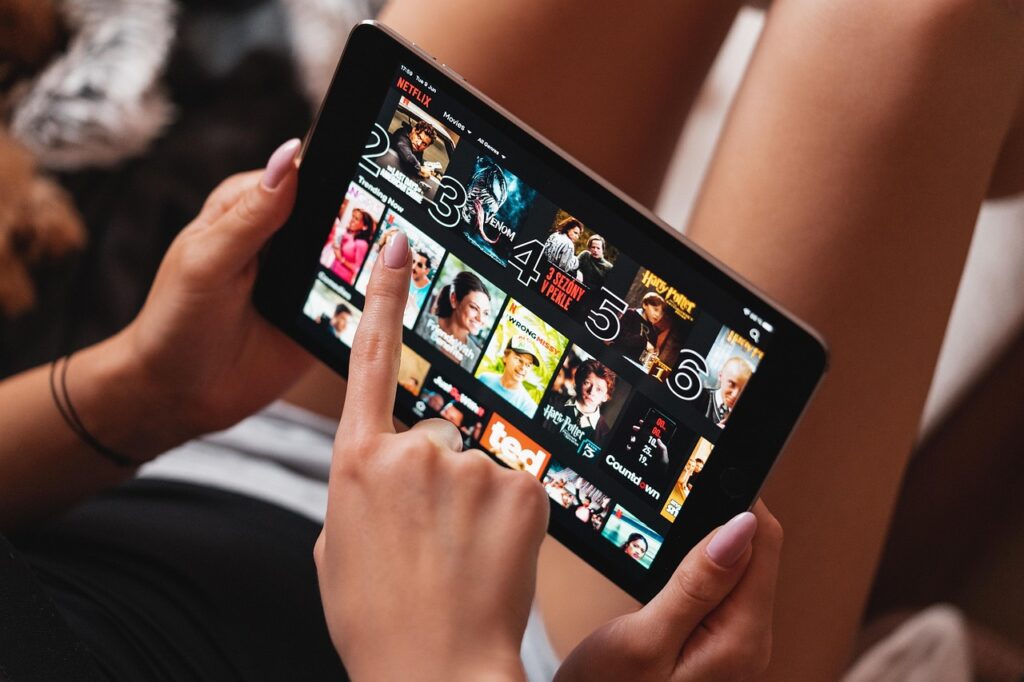
Netflix, a company renowned for its adaptive strategies, is rolling out a significant overhaul to its user interface, particularly for TV platforms, signaling a concerted effort to refine content discovery and enhance user engagement. These changes reflect an ongoing commitment to optimizing the user journey, moving beyond simple content delivery to a more intuitive and responsive navigation experience. The aim is to make the vast library of shows, movies, and now games, more immediately accessible.
Central to this redesign are streamlined navigation elements. Users will observe that “Navigation will be easier on the page with shortcuts to Search, Shows, Movies, Games, and My Netflix that will always be at the top of the screen.” This persistent top-level access, coupled with the ability to use the back button for quick access, represents a notable improvement in usability. It addresses the common user frustration of navigating deep menus, promising a more fluid and direct path to desired content categories.
Beyond mere shortcuts, the platform is introducing “Responsive” recommendations, where “The homepage will now give more and more personal recommendations based on your viewing habits or even “exploring”.” This evolution in personalization aims to move beyond static suggestions, actively “finding things you want to watch more quickly rather than endless scrolling.” While the term “AI” is conspicuously absent from the announcement, the underlying algorithmic sophistication in tailoring content to a user’s “mood in the moment” is implicitly at play, underscoring Netflix’s continued reliance on data-driven approaches to user satisfaction.
Read more about: Beyond the Blockbusters: Why Savvy Adults Are Flocking to Retro Streaming Services for Cinema’s Timeless Treasures
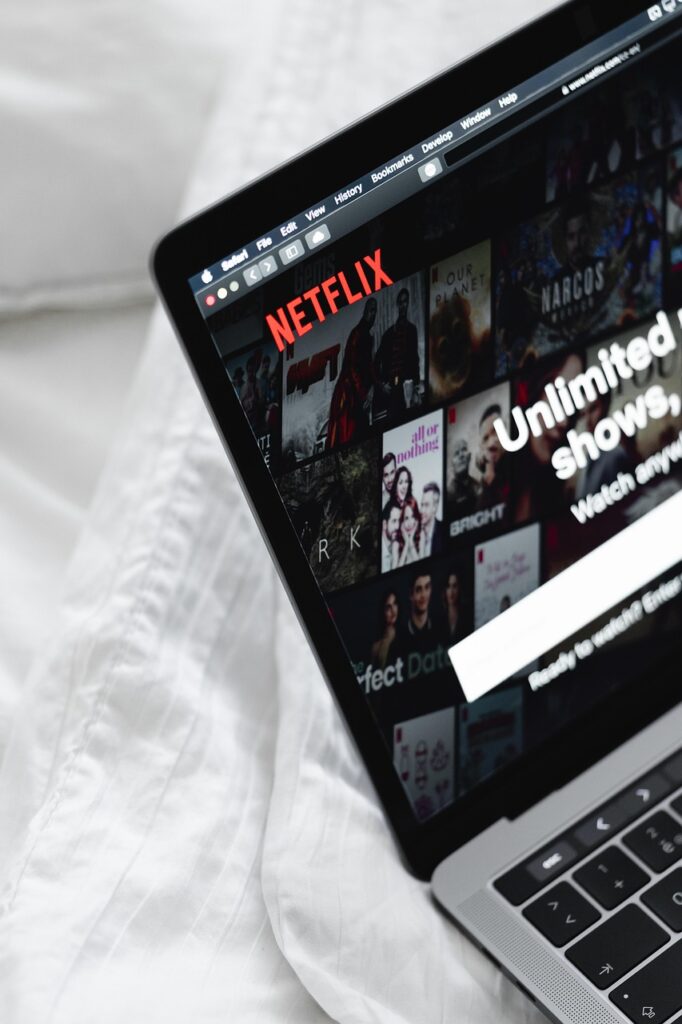
11. **The ‘My Netflix’ Hub and Streamlined Content Information**
Further solidifying its commitment to user-centric design, Netflix’s UI overhaul introduces the innovative “My Netflix” hub, a centralized space designed to simplify content management and tracking for subscribers. This new feature directly addresses a long-standing user desire for a more organized view of their personalized content ecosystem, moving essential interactions into a single, easily navigable location. It streamlines the user experience by bringing frequently accessed items to the forefront.
The “My Netflix” hub is envisioned as a personal command center, gathering “your ongoing watches… and you can put shows on your “to watch” list there.” This functionality significantly enhances convenience, as users can now readily locate content they are currently enjoying or intend to watch, a stark improvement over previous iterations where such tracking could be “annoyingly hard to find sometimes.” The hub also offers the capability to “be reminded of when certain shows are releasing or returning,” adding another layer of proactive engagement.
In parallel with the new hub, Netflix is refining how content information is presented on the main browsing page. A key enhancement allows users to “read blurbs about each title you hover over without clicking through to the page.” This eliminates the often-disruptive experience of autoplaying trailers or series upon selection. Instead, users can now quickly assess a title’s relevance, gaining access to vital details such as “runtime, award wins, its top 10 history or its cast,” directly from the overview. This thoughtful design choice aims to “get you to watch something straight from the page rather than scrolling,” accelerating the decision-making process and enriching the browsing experience.
Read more about: Unearthing the Lost Lore: How Key Deleted Scenes Would Have Radically Reshaped the Iconic Alien Franchise

12. **The Impact of Netflix Executive Departures on Competitor Strategies**
The competitive landscape of the streaming industry is being significantly reshaped by a notable migration of senior talent from Netflix to rival platforms, signaling a new phase in the ongoing “streaming wars.” This strategic movement of high-level executives underscores the enduring influence of Netflix’s original content strategy, with competitors actively seeking to replicate its DNA by recruiting the very architects of its success. This trend highlights the value of experienced leadership in shaping content pipelines and platform growth.
Prominent among these movements are the appointments of Cindy Holland, former Netflix VP Original Content, to Chair of Direct-to-Consumer for Paramount, and Peter Friedlander, former Head of UCAN Scripted Series at Netflix, to Head of Global TV at Amazon MGM Studios. These individuals are not merely former employees; they are identified as “among the single-digit number of Netflix creative executives who shaped the streamer’s original series strategy.” Their transition means that their deep expertise in identifying and cultivating hit content will now directly benefit Netflix’s primary competitors.
The immediate implications of these departures are substantial. These executives are now “competing with Netflix,” leveraging their insights to develop new strategies for their respective companies. The roster of signature hits they shepherded during their Netflix tenures is impressive, including “Orange Is the New Black, Stranger Things, The Crown, Bridgerton, Grace and Frankie, Ozark, The Night Agent, Black Mirror, Emily In Paris and Wednesday.” This proven track record suggests that their influence at Paramount+ and Prime Video could lead to a renewed emphasis on distinctive, high-quality original programming designed to attract and retain subscribers.
This shift also represents a turning of the tide, where “executives who had made their marks at Netflix taking top positions at rivals looking to find another gear and replicate Netflix’s success.” A telling example is Cindy Holland’s swift action in recruiting the “Stranger Things creators the Duffer brothers set to leave their longtime home at Netflix for a mega film, TV and streaming deal at Paramount.” This move, along with rumors of further talent migration, indicates a proactive effort by competitors to directly challenge Netflix’s stronghold on creative talent and original IP, ensuring the streaming content race remains intensely dynamic.
This overarching analysis of Netflix’s strategic adjustments, from its deep dive into mobile gaming and cloud architecture to its refined user interface and the significant shifts in its executive talent, underscores a pivotal moment in the streaming giant’s trajectory. These developments collectively illustrate a company rigorously adapting to an evolving digital entertainment landscape, prioritizing innovation, user engagement, and a robust technical foundation. For developers, the message is clear: continuous skill alignment with these strategic priorities is not merely an advantage but a prerequisite for excelling in an increasingly competitive technological ecosystem. The movements of key creative minds to rival platforms further signal a dynamic period of intensified competition, where Netflix’s legacy continues to shape the strategies of others even as it forges new paths. The future of streaming and interactive entertainment promises to be as compelling and unpredictable as the content itself.