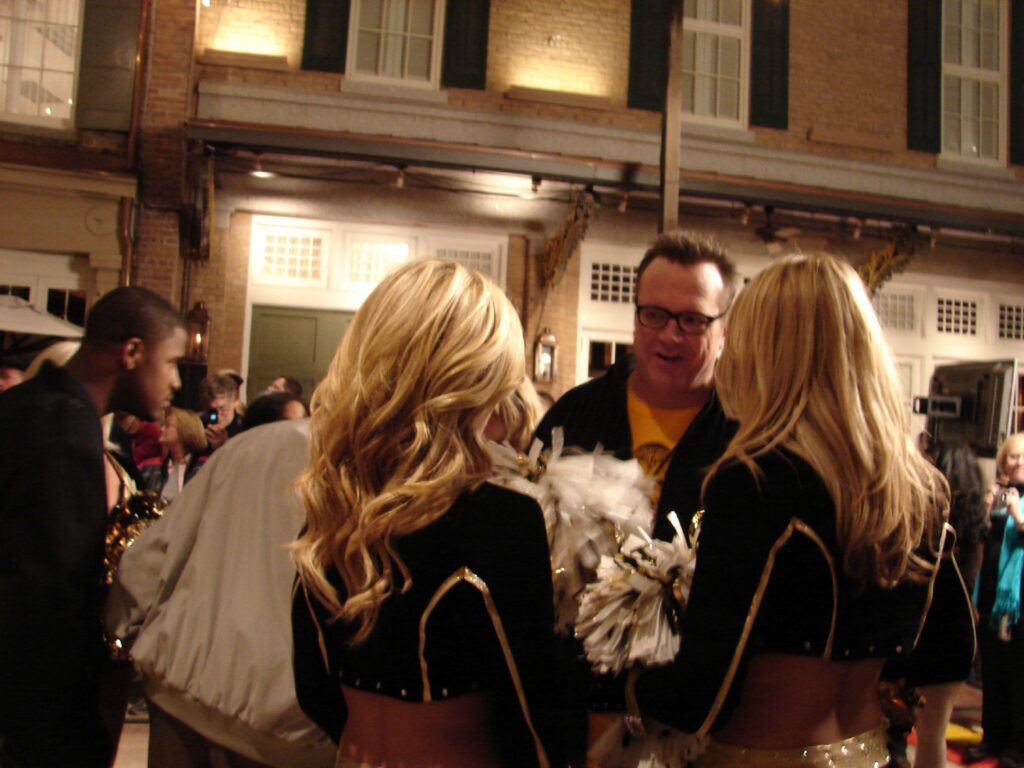
A recent incident involving New Orleans Saints cheerleader Lily Lowry has ignited a significant discussion far beyond the sidelines of a football game. What began as a startling, albeit humorous, practice mishap captured on video, quickly escalated into a high-profile resignation that underscores the evolving tensions between professional athletes’ personal brand rights and organizational control over public image. This event serves as a critical case study in the modern landscape of professional sports.
Lowry’s decision to post the video of her accidental launch online, followed by her refusal to remove it at the team’s behest, exposed a friction point that many athletes and performers increasingly face. Her subsequent claims of systematic social media censorship by her former employer highlight the delicate balance between an individual’s right to personal expression and an organization’s desire to maintain a carefully curated public image.
This article delves into the various facets of this compelling story, from the incident itself and Lowry’s immediate response to the broader implications for employment contracts, personal brand rights, and workplace safety. We will explore the details surrounding her resignation and the significant questions it raises about athlete autonomy in the digital age, drawing directly from the facts of this developing situation.

1. **The Viral Stunt Gone Wrong: Lily Lowry’s Airborne Accident**During a New Orleans Saints practice session, cheerleader Lily Lowry experienced a harrowing moment that quickly went viral. In what should have been a routine stunt, Lowry was “catapulted like a rag doll straight toward the stadium rail” after her male partners lost their grip. The footage showed her being “launched across the field like she was shot from a cannon,” a stark visual that captured widespread attention.
This “physics experiment gone wrong” occurred during the team’s Week 2 home game, where the Saints suffered a 21-26 defeat, dropping their record to 0-2. Many observers quickly dubbed the incident a “perfect visual metaphor” for the struggling team’s own unpredictable and challenging start to the 2025 season. It was an unexpected moment that symbolized the team’s instability.
Despite the alarming nature of the accident, which looked quite scary initially, Lowry thankfully emerged unharmed. She was able to reassure fans that she was, quote, “Perfectly Fine,” as reported by Inside Edition. This quick recovery allowed the focus to shift from potential injury to the remarkable nature of the incident itself.
The public’s reaction to the video was immediate and diverse. While there was initial worry, fans also found humor in the unexpected aerial toss. The clip quickly turned into “comedic gold” online, with many joining in the lighthearted spirit Lowry herself would later adopt, cementing the incident in public memory for its unusual character rather than any serious harm.
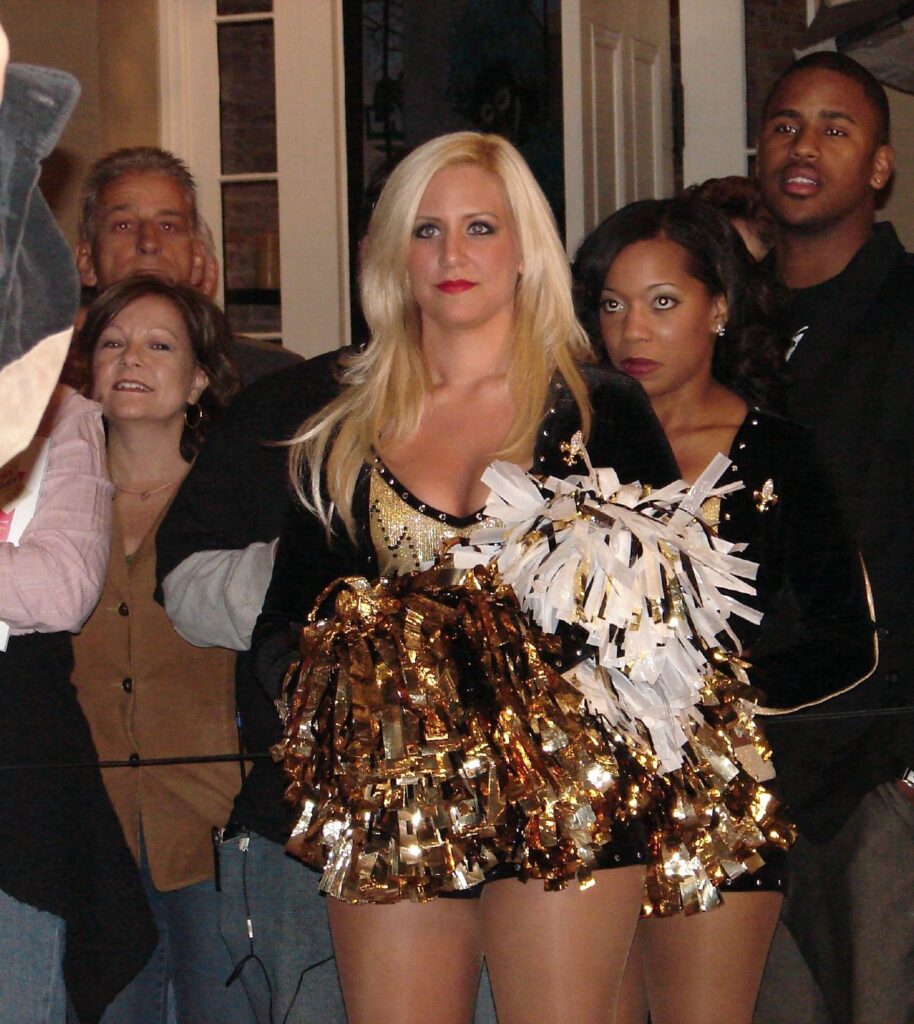
2. **Lowry’s Social Media Response: Humor Amidst Chaos**Lily Lowry, known for her active presence on social media, quickly took control of the narrative surrounding her viral accident. Displaying remarkable poise and a keen sense of humor, she decided to share the dramatic footage of her airborne moment on Instagram. This move was pivotal in shaping public perception of the event.
Her Instagram post, edited like a mishap video, was accompanied by the witty caption, “Air travel is so unpredictable these days.” This lighthearted approach allowed fans to find comfort in her ability to laugh off what could have been a very serious and embarrassing situation. It reflected a resilience that many admired.
Fans on social media wasted no time engaging with Lowry’s post, turning the mishap clip into an interactive comedic experience. Comments poured in, with one fan joking, “But babyyyyyy, you flew with grace👏👏😂😂😂😂,” acknowledging her safe landing. Another user, capturing the mix of concern and amusement, claimed, “We know you’re ok because you posted this but still feel the need to ask 😂.”
The viral nature of her post was undeniable, with many followers drawing comparisons to rockets and similar aerial objects. One fan noted, “Hope you’re OK! Took off like a rocket 🚀,” while another playfully suggested, “Darling, hold my hand😂😂,” hinting at the male cheerleaders’ grip. These interactions further amplified the humorous aspect of the incident.
Lowry’s “poise in sticking the landing—both physically and online—speaks to a culture of perseverance,” as one observer noted. By quickly engaging with the incident through humor, she ensured that the moment would be remembered for “all the right reasons,” transforming a potential embarrassment into a testament to her spirit and internet savvy.
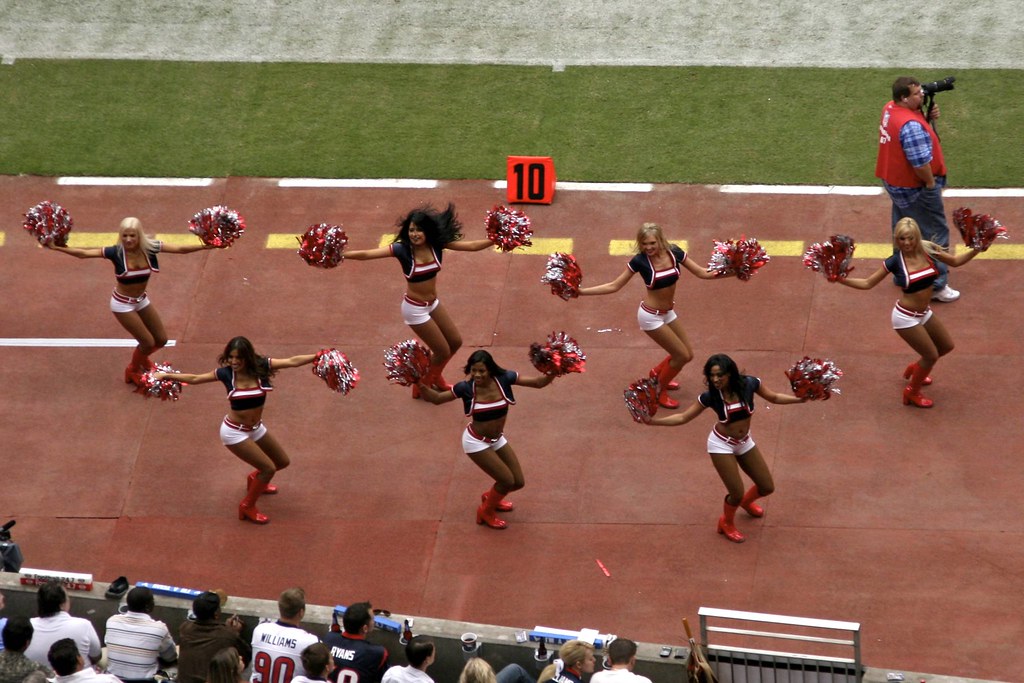
3. **Team Management’s Demand and Lowry’s Refusal**The humorous and widely shared nature of Lily Lowry’s social media post, however, quickly led to a direct conflict with her employer, the New Orleans Saints. According to Lowry, soon after she posted the video of the accident online, the team management intervened. They “demanded she take it down immediately,” an immediate directive reflecting a desire for control over public-facing content.
In a crucial act of defiance that would define the ensuing dispute, Lowry stated clearly that “She did not” comply with the team’s demand. Her refusal was not a spur-of-the-moment decision but stemmed from a personal belief in her rights regarding online content. She expressed that “she thought it was okay to post what she wanted,” highlighting a fundamental disagreement over social media autonomy.
This incident was not an isolated event but part of a broader pattern of disagreement between Lowry and the team regarding her online activities. She claims that “the team objected to many of her posts,” indicating a systematic surveillance and attempted regulation of her social media presence by the organization. This ongoing tension laid the groundwork for the eventual escalation of the situation.
The team’s insistent demand for the removal of the video, coupled with Lowry’s steadfast refusal, brought to the forefront the increasing friction points between athletes’ personal expression and professional sports organizations’ desire to manage their public image. It set the stage for a deeper examination of contractual obligations and individual rights within the professional sports environment.

4. **The Resignation: A Stance on Personal Expression**Days after the controversial incident and her refusal to remove the viral video, Lily Lowry announced her decision to quit the New Orleans Saints cheerleading squad. This was not merely a reaction to a single disagreement but a culmination of ongoing tensions surrounding her social media content and personal expression rights.
Lowry stated that her former employer “systematically censored her social media content despite her belief in personal expression rights.” Her resignation, therefore, represented a principled stand. It was a clear declaration of her commitment to individual autonomy and the right to control her own digital narrative, even at the cost of her position with a professional sports team.
This decision elevates the incident from a simple workplace mishap to a significant case concerning individual freedoms within the often-restrictive world of professional sports. Lowry’s actions highlight a growing movement among athletes and performers who seek to assert more control over their personal brands and public identities, particularly in the age of omnipresent social media.
Her departure underscores the profound impact such disputes can have on an individual’s career and personal convictions. By choosing to resign rather than conform to demands she viewed as infringing upon her rights, Lowry has become a symbol for the ongoing debate about where an organization’s authority ends and an individual’s personal rights begin.
Read more about: The ’70s Unveiled: 12 Pivotal Moments and Transformations That Defined a Decade (Then Faded Away)
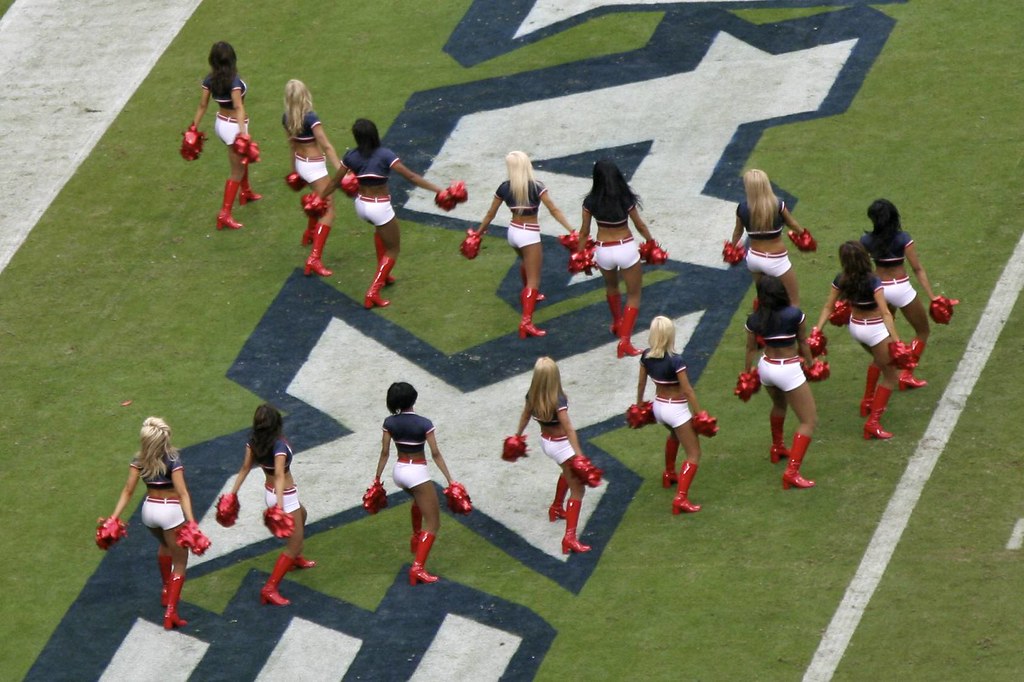
5. **Censorship Claims and Organizational Control**Lily Lowry’s assertion that her “former employer systematically censored her social media content” points to a broader issue within professional sports organizations: the pervasive desire for stringent control over their personnel’s public image. While not explicitly detailed, the team’s demand for the video’s removal implies a policy or expectation that aligns with maintaining a specific, controlled public perception.
Organizations like the NFL, and by extension their constituent teams, strive for a “uniform control” over their brand. This often extends to how their personnel, including cheerleaders, represent the team in public and online. This desire for control frequently clashes with an individual’s right to personal branding and expression, creating significant friction points.
The summary of the situation explicitly states that this scenario “highlights evolving tensions between professional athletes’ personal brand rights and organizational control over public image.” This tension is a central theme, indicating that Lowry’s case is not an isolated incident but rather indicative of a systemic challenge within the industry.
Further context for this organizational control can be found in resources like the “NFL Media Policy Guide,” which outlines official NFL guidelines for social media usage by personnel. Such policies often dictate what can and cannot be posted, especially content related to team practices, uniforms, or facilities, which can be seen as an extension of the organization’s brand.

6. **The Broader Context: Tensions Over Athlete Personal Brands**The conflict experienced by Lily Lowry is not an anomaly but rather a clear illustration of a larger, ongoing struggle within the professional sports industry. This situation highlights “evolving tensions between professional athletes’ personal brand rights and organizational control over public image.” As individuals increasingly leverage social media to cultivate their own identities, the lines between personal and professional become blurred.
Dr. Linda Griffin, a sports labor law researcher at Tulane University, provides expert insight into this dynamic. She observes that “This case highlights tensions between athletes’ personal brand development and the NFL’s desire for uniform control.” Her perspective underscores that organizations aim to maintain a cohesive brand identity, which can sometimes come at the expense of individual athlete expression.
Griffin further suggests that as organizations “face increasing pressure to address safety concerns, similar incidents will likely force more transparent contract negotiations regarding social media rights.” This indicates that the current challenges are pushing the industry towards a necessary evolution in how contracts are structured and how athlete rights are discussed and enshrined.
The rise of social media has given athletes unprecedented direct access to fans, allowing them to build personal brands independent of their teams. This new landscape empowers individuals but also creates complexities for traditional sports organizations accustomed to monolithic control over public messaging. Lowry’s situation is a microcosm of this industry-wide shift.

7. **Navigating Employment Contracts: The Social Media Clause**The Lily Lowry case serves as a stark reminder of the critical importance of reviewing employment contracts meticulously, particularly regarding social media clauses. Many organizations, including professional sports teams, integrate specific provisions that can significantly impact an individual’s rights over their online content and personal brand.
As highlighted in the ‘What This Means for You’ section of the context, individuals are advised to “Review employment contracts closely.” It explicitly warns that “Many organizations include social media clauses that could affect your content rights.” These clauses dictate the permissible scope of social media activity, often requiring prior approval for certain posts or prohibiting content deemed detrimental to the organization’s image.
The legality of such demands is often upheld when clearly stipulated in a signed agreement. The frequently asked question, “Can employers legally require social media removal?” is answered with, “Yes, if enforceable through signed employment contracts with specific clauses.” This legal framework grants employers significant power to dictate employee online behavior, provided it is contractually agreed upon.
Therefore, understanding the nuances of these clauses during contract negotiations is paramount. Athletes and performers are encouraged to “negotiate social media usage terms during contract negotiations” to safeguard their personal brand rights. Failing to do so can result in scenarios like Lowry’s, where a personal post becomes a point of contention and a catalyst for professional repercussions.
These contractual stipulations create a binding obligation. For anyone entering a professional agreement with an organization, particularly in public-facing roles, a thorough comprehension of social media policies within their contract is not just advisable, but essential for protecting their personal and professional interests in the digital sphere.

8. **The Broader Legal Landscape of Employee Social Media Rights**While employment contracts define specific terms, the broader legal landscape offers some protections for employees, even in public-facing roles. The National Labor Relations Board (NLRB) outlines guidelines to safeguard employees’ rights to engage in “concerted activities” concerning their working conditions, which can encompass social media discussions. These protections are vital for understanding online expression boundaries.
The NLRB protects employees’ rights to discuss workplace conditions on social media. If a post addresses legitimate concerns like safety, pay, or unfair practices, it may be deemed protected activity, even if critical of the employer. These regulations aim to prevent employers from suppressing valid employee discussions.
However, these protections have limits, depending on content and intent. Purely personal, defamatory posts, or those revealing trade secrets, generally lack legal safeguards. The challenge is distinguishing protected personal expression from content an employer can legitimately regulate due to brand impact or contractual obligations.
Lowry’s lighthearted post about a workplace accident, while not initially a formal complaint, could be seen as related to safety. Her subsequent conflict over posting rights and claims of censorship highlight the complex intersection of employee rights, individual autonomy, and organizational control.
Read more about: Beyond the Spotlight: The Indispensable Principles Guiding Hollywood Agents Through Complex Contract Negotiations
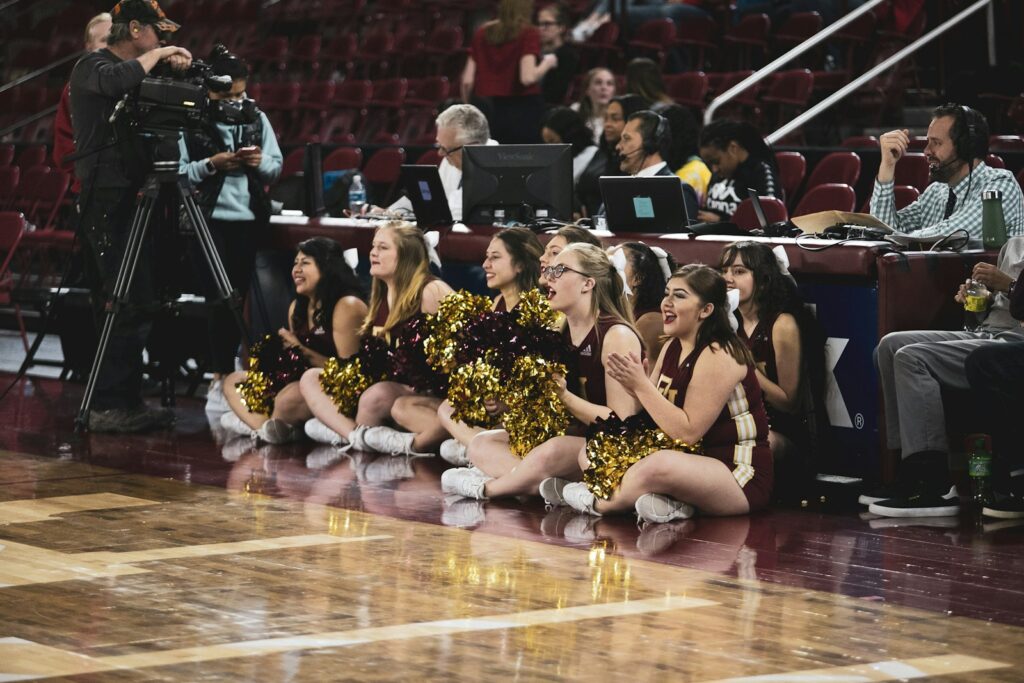
9. **The Independent Contractor Classification: Implications for Cheerleaders**A major factor influencing protections for professional cheerleaders, including NFL squads, is their frequent classification as “independent contractors” rather than employees. This distinction profoundly impacts benefits, legal safeguards, and access to worker’s compensation, highlighting unique challenges these performers face.
“Most teams classify cheerleaders as independent contractors with limited injury protections,” meaning they often don’t qualify for typical employee benefits like minimum wage, overtime, unemployment insurance, or comprehensive worker’s compensation for practice or performance injuries.
This classification has substantial financial and safety implications. Without worker’s compensation, injured cheerleaders may bear sole responsibility for medical bills and lost income. While Lily Lowry was unharmed, her situation underscores this systemic vulnerability, as a more severe accident could have meant significant hardship.
The “independent contractor” model is controversial, sparking lawsuits and calls for reclassification to employee status. Critics argue that teams’ control over schedules, appearance, and conduct merits employee status. However, this label remains prevalent, shaping cheerleaders’ contractual relationships and limiting their legal recourse.

10. **Typical NFL Social Media Restrictions and Their Application**NFL teams and other professional sports organizations tightly control their public image, directly influencing personnel’s social media activities. Strict guidelines restrict what cheerleaders and affiliates can post, safeguarding the team’s brand, maintaining decorum, and preventing unauthorized disclosure of sensitive information.
“Teams often prohibit unauthorized content showing team practices, uniforms or facilities,” states the context regarding typical NFL social media restrictions. This aims to control narratives, protect proprietary data, and ensure public content aligns with the organization’s curated image, defining clear boundaries for public versus private information.
Lowry’s video, filmed during a Superdome practice, directly illustrates these restrictions’ enforcement. Despite its humorous intent, the team’s demand for removal aligned with prohibitions against unauthorized content featuring team practices. This demonstrates clear policy enforcement to control how internal events are publicly presented.
Resources like the “NFL Media Policy Guide” detail comprehensive social media rules for personnel, outlining acceptable behavior, prohibited content, and non-compliance consequences. For individuals like Lowry, professional careers mean operating within these rigid frameworks, where personal expression frequently clashes with corporate directives.
Read more about: The AI Revolution: Can This New Technology Finally Conquer Movie Piracy’s Evolving Threat?

11. **The Imperative of Documenting Workplace Incidents and Safety Concerns**Lily Lowry’s incident, while thankfully not serious, highlights the critical importance of meticulous documentation in workplace professionalism and safety. In any demanding professional environment, particularly those with physical activities, maintaining a personal record of safety-related events is paramount for individual protection and accountability.
The “What This Means for You” section of the provided context directly advises individuals to “Document workplace incidents” and “Maintain a personal record of safety-related events (but consult legal counsel before sharing).” This dual responsibility emphasizes recording for protection while exercising caution before public sharing, acknowledging potential legal ramifications.
This advice is reinforced by the fact that “Multiple organizations have faced whistleblower claims when injury documentation was suppressed.” These claims surface when employers attempt to conceal incidents, obstructing proper investigation or redress. Transparent record-keeping and open safety communication are thus not just good practices, but legally critical, especially in high-risk industries.
Lowry’s humorous video inadvertently documented a safety lapse. The team’s demand for its removal could signify an attempt to control the narrative around a potentially embarrassing safety event, reminiscent of situations prompting whistleblower concerns. This highlights the delicate balance between an individual’s right to record experiences and an organization’s management of public perception, especially regarding safety.
12. **Historical Precedent: The Bailey Davis Case and Alleged Double Standards**Lily Lowry’s resignation, stemming from social media censorship, echoes a significant 2018 precedent involving former Saintsation Bailey Davis. This case offers crucial historical context, exposing strict control over cheerleaders’ personal lives and raising questions about alleged NFL double standards.
In 2018, Bailey Davis was fired after posting a photo in a “lacy outfit on a private Instagram account.” This act sparked controversy, focusing national attention on stringent rules for NFL cheerleaders. Her firing underscored teams’ extensive efforts to regulate cheerleaders’ off-field conduct and online presence.
Davis filed an Equal Employment Opportunity Commission (EEOC) complaint, alleging a stark double standard. She claimed cheerleaders faced rules not imposed on male players, such as needing to “block players on social media and even leave restaurants if players entered,” while players had no such restrictions. “It’s not fair that we’ve worked our whole lives to do this professional job… and we’re stifled by these rules,” Davis stated, voicing common cheerleader frustration.
The parallels between Davis and Lowry are striking. Both cheerleaders asserted personal expression rights on social media, faced demands for content removal, and challenged organizational control. These incidents collectively illuminate the ongoing struggle for equitable treatment and individual rights within professional sports cheerleading.
13. **The Evolving Balance: Personal Branding Versus Organizational Control**Lily Lowry’s social media conflict vividly illustrates a core dilemma in professional sports: the tension between an athlete’s growing personal brand and an organization’s desire for uniform public image control. This dynamic constantly evolves, driven by social media’s influence and shifting expectations of individual autonomy.
Dr. Linda Griffin, a Tulane University sports labor law researcher, highlights this complex relationship: “This case highlights tensions between athletes’ personal brand development and the NFL’s desire for uniform control.” She underscores that as athletes build digital identities, leagues and teams simultaneously strive for a singular brand narrative.
This “uniform control” often safeguards an organization’s reputation and market value. Yet, as individuals become powerful media entities, traditional control methods face challenges. Athletes now directly access audiences, bypassing traditional gatekeepers, which complicates established communication hierarchies.
Griffin suggests that with increasing pressure on safety, “similar incidents will likely force more transparent contract negotiations regarding social media rights.” Cases like Lowry’s act as catalysts, demanding explicit and fair agreements that acknowledge the digital age’s intertwined personal and professional identities, ultimately shaping future sports employment.

14. **Strategies for Protection: Legal Counsel and Contract Negotiation**Following incidents like Lily Lowry’s, proactive measures to protect one’s personal brand and professional digital rights are undeniably crucial. For individuals in public-facing roles, especially in professional sports, foresight and legal diligence are essential safeguards against potential disputes and career repercussions.
A crucial piece of advice is to “Always consult legal counsel before sharing any employment-related documentation publicly.” While documenting incidents is vital, indiscriminate sharing can violate privacy clauses or contracts. Legal experts ensure actions are both protected and strategic, preventing further complications.
The context also emphasizes: “Athletes/performers should negotiate social media usage terms during contract negotiations.” This offers a pivotal chance to set clear boundaries and expectations for online content. This is key, as employers can legally require social media removal “if enforceable through signed employment contracts with specific clauses.”
By embracing diligent contract review, proactive negotiation of social media terms, and legal counsel, individuals in public roles can better navigate personal branding and organizational control. These steps empower them to safeguard careers and uphold personal expression rights in our increasingly digital world.
Lily Lowry’s dramatic exit from the New Orleans Saints cheerleading squad, sparked by a viral accident and a social media dispute, serves as a powerful contemporary case study. It highlights complex challenges for athletes in the digital age, showcasing evolving tensions between individual autonomy and organizational control. From independent contractor classifications and historical double standards to the vital role of legal counsel, Lowry’s story illuminates the intricate web of rights and responsibilities in modern professional engagement. As personal and professional lines blur online, her experience will undoubtedly foster dialogue, pushing for transparency, clearer contractual terms, and a more equitable balance for those on the public stage.