
The allure of a brand-new car is undeniable. That distinctive scent, the gleaming paint, and the promise of untouched perfection can easily captivate anyone in the market for a new ride, making it easy to get googly-eyed over the latest models. This initial excitement, however, often masks a complex financial reality that many consumers overlook in their rush to drive off the lot.
But is buying a new car truly the optimal choice for your finances? The decision between a new or used vehicle is more than just a matter of preference; it can significantly impact your long-term financial health. Understanding the real costs and benefits of each option is crucial to making an informed decision that aligns with your budget and needs.
In this in-depth guide, we will dissect the critical factors that differentiate new and used car purchases. From the immediate price tag to long-term ownership expenses like depreciation, financing, insurance, maintenance, and the latest technology, we aim to provide an objective, data-driven perspective to empower your next car buying journey. Let’s delve into the first six key considerations.
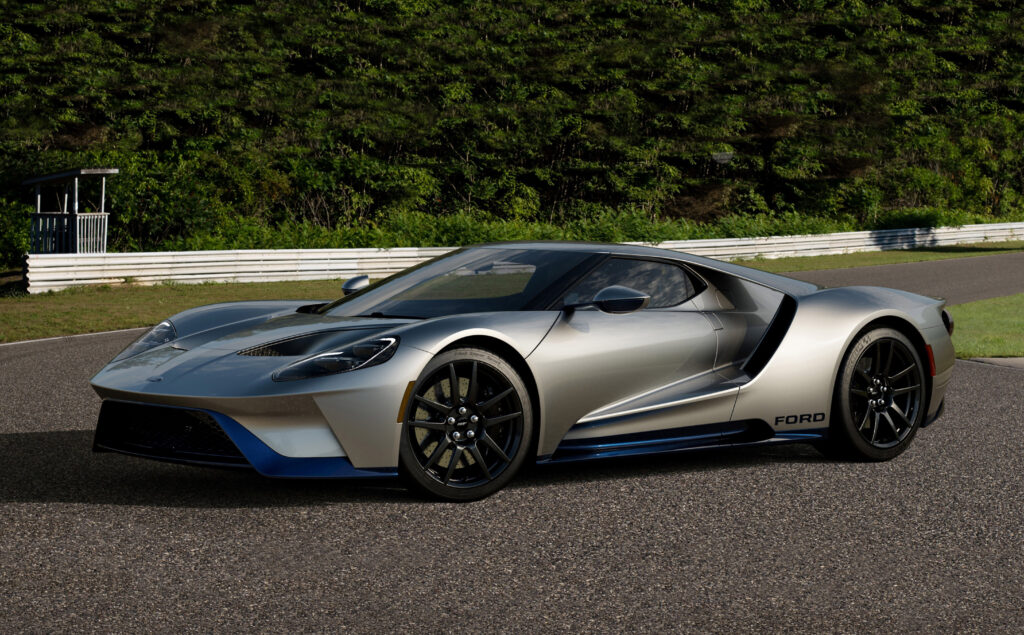
1. **Initial Purchase Price**One of the most immediate and impactful differences between buying a new or used car is the upfront cost. New vehicles generally carry a much higher price tag, which can stretch a buyer’s budget significantly. According to data from the third quarter (Q3) of 2024, the average price of a new vehicle reached $47,542, while the average transaction price for a new car was about $49,000 as of fall 2024.
In stark contrast, used cars offer substantial savings on the initial purchase. The average price of a used car was $27,177 in Q3 2024, which is over $20,000 less than a new car. This considerable difference makes a used car significantly easier on your budget, with average monthly payments typically smaller than those for a new car.
Beyond the sticker price, buying used often allows for easier negotiation. It’s usually easier to negotiate a better price for a used car, further enhancing its affordability. Ultimately, prioritizing an understanding of how much car you can truly afford, ideally without a car loan, should always precede the choice of vehicle. This foundational financial planning is key to smart car ownership.
Read more about: Avoiding Used Car Pitfalls: Essential Models and Brands to Steer Clear Of for Savvy Buyers
2. **Vehicle Depreciation and Resale Value**Depreciation is perhaps the most significant financial pitfall of new car ownership. Any vehicle with a motor loses value over time, but brand-new cars experience an extremely rapid decline in worth, especially in their first few years. This phenomenon is often overlooked until it’s time to sell the vehicle, revealing its diminished value.
The speed at which a new car depreciates is astonishing. If you buy a shiny new $48,000 car, it loses about 9–11% of its value the moment you drive off the lot. This means you’re essentially throwing $4,800 out the car window during the drive home. After just one year, that car will be worth at least 20% less than the day you bought it. Over five years, a new car can expect to lose around 60% of its value; a $48,000 car could be worth only about $19,200.
Used cars, however, have already endured the steepest part of this value decline. By choosing a car that’s a couple of years old, you are letting someone else absorb the brunt of depreciation, securing a better deal. Depending on its age, a used car may have already experienced the bulk of its depreciation, with depreciation essentially stopping after 10 years. For buyers who plan to keep a car for many years, depreciation may not be as important a factor, but for those who might sell or trade-in sooner, it’s a critical financial consideration.
Read more about: Avoiding Used Car Pitfalls: Essential Models and Brands to Steer Clear Of for Savvy Buyers
3. **Financing and Interest Rates**Securing a loan is a common method for purchasing a vehicle, and interest rates play a pivotal role in the total cost of ownership. Lenders typically offer lower financing rates on new cars. This is primarily because new vehicles haven’t yet depreciated significantly and are worth more, providing better collateral for the lender if the borrower defaults.
For new car loans, interest rates tend to be lower than for used cars, often by at least a few percentage points. According to Experian data as of Q2 2024, the average interest rate for new car loans was 6.84%, compared to 12.01% for used car loans. A lower annual percentage rate (APR) on a new car, despite a potentially larger loan amount, could save money over the loan term.
Conversely, financing a used car often comes with higher interest rates. The average interest rate is 11.93% for a used car loan, compared to 7.18% for a new car loan. There may also be fewer loan choices, and some lenders limit used-car loans to vehicles under a certain model year or mileage amount. Therefore, comparing auto lenders to find the best rate is essential, regardless of whether you choose new or used, as any car loan can mean forking over thousands of dollars more just in interest.
The loan term also significantly affects the total interest paid. A longer loan term might lower your monthly payment, but it invariably increases the total amount of interest you’ll pay over the life of the loan. For example, a prime borrower taking a new car loan for $39,172 at 6.87% APR would pay over $4,500 less in interest with a 48-month term compared to an 84-month term, despite the higher monthly payments. This demonstrates the critical balance between monthly affordability and overall cost.
Read more about: Unveiling the Hidden Gems: Why a Pawn Shop Could Hold Your Next $70,000 Engagement Ring

4. **Auto Insurance Premiums**The cost of auto insurance is another significant factor that varies between new and used vehicles, and it’s a component many car buyers overlook when budgeting for a purchase. Generally, used car insurance usually costs less than new car insurance, especially if you include comprehensive and collision coverage.
New cars, with their higher value and often more expensive parts and technology, cost more to repair or replace. This translates directly into higher insurance premiums. New-car drivers will spend roughly $1,838 in the first year on car insurance premiums. However, if you buy a five-year-old version of the same car, it’s 27% less to insure, highlighting substantial potential savings.
Furthermore, if you finance or lease a new car, your lender will almost certainly require you to carry comprehensive, collision, and gap coverages. These additional coverages, while beneficial, add to the overall insurance cost. While some new cars come with the latest safety technology, insurance companies rarely offer significant discounts to new-car drivers for having those features, making the higher cost of repair/replacement the dominant factor.
Read more about: America’s Perilous Pavement: Unveiling 12 Highways Where Road Conditions and Hazards, Including Sinkholes, Demand Extreme Caution

5. **Safety Features and Technology**When considering safety and convenience, new cars typically have a distinct advantage due to their incorporation of the latest advancements. New vehicles come with the latest technology, which can keep you safer on the road and make driving more enjoyable. This includes features like head-up displays, automatic emergency braking, parking assist, adaptive cruise control, and blind spot sensors, either standard or at an extra cost.
These modern safety features can significantly reduce the chance of an accident and offer greater peace of mind. If having state-of-the-art collision-avoidance systems or advanced driver-assistance technologies is a high priority, a new car will invariably offer the most current options. The rapid evolution of automotive technology means that features considered cutting-edge today can become standard or even outdated within just a few years.
In contrast, used cars, especially older models, may lack these latest bells and whistles. The older the vehicle, the more outdated its safety features and technology are likely to be. While a state-of-the-art infotainment system may not matter to every buyer, the absence of crucial safety features like backup cameras, lane departure warnings, or automatic emergency braking could potentially increase the risk of an accident. Therefore, buyers prioritizing the most advanced safety technology will often find new cars to be the more suitable choice.
Read more about: Avoiding Used Car Pitfalls: Essential Models and Brands to Steer Clear Of for Savvy Buyers

6. **Maintenance, Repairs, and Warranty Coverage**A new car provides a significant advantage in terms of initial reliability and covered repairs due to its comprehensive warranty. Most automakers offer bumper-to-bumper new car warranties that cover everything but the powertrain for at least three years or 36,000 miles, with some extending coverage to five years. The basic warranty is typically supplemented with a powertrain warranty, which can extend as long as 10 years or 100,000 miles.
This full warranty coverage offers greater peace of mind, significantly limiting what you might spend on maintenance and repairs during your first few years of ownership. New cars are less likely than older ones to suffer mechanical issues, providing a period of predictable, low-cost operation. This peace of mind is a strong draw for many buyers, knowing that unexpected major problems will be covered.
For used cars, the situation is more complex. They come with no warranty coverage or only the time remaining on the original warranty, which may not be transferable or still valid depending on the vehicle’s age and mileage. Older vehicles are more likely to have mechanical problems requiring expensive repairs, meaning maintenance and repair expenses may be higher over time. The absence of a warranty means you’ll pay out of pocket for necessary repairs, which can amount to thousands of dollars. While extended warranties can be purchased, they are often expensive and come with significant restrictions on what they cover, making thorough due diligence, such as a mechanical inspection, even more critical for used car buyers.” , “_words_section1”: “1948
Continuing our objective comparison, let’s delve into further financial and practical elements that are crucial when making your car buying decision. These factors extend beyond the immediate purchase and ownership, influencing your long-term satisfaction and financial outlay.
Read more about: Buyer’s Remorse Hall of Fame: 12 Automotive Mistakes That Make Owners Physically Cringe

7. **Customization Options**The ability to personalize your vehicle to your exact preferences is a significant differentiator between new and used cars. When you opt for a new vehicle, you are presented with a wide array of customization choices directly from the manufacturer. This allows you to select everything from the exterior color and interior trim to specific options packages and advanced features that precisely match your desires and driving needs.
Ordering a new car factory-direct means you can truly build a vehicle that feels tailor-made for you. Whether it’s a specific engine upgrade, a unique wheel design, or integrated technology features like a premium sound system or advanced driver-assistance suite, a new car purchase grants you the flexibility to configure your vehicle without compromise. This level of personalized selection can enhance the driving experience and ensure the car fulfills all your functional and aesthetic requirements from day one.
In stark contrast, the world of used cars offers little to no room for such bespoke customization. When you buy a used car, you are essentially choosing from what is currently available on the market. This means you must be flexible about certain aspects, as finding a used vehicle with the exact combination of color, features, and specifications you envision can be a challenging, if not impossible, task.
Your selection of well-maintained, dependable used cars might be limited, requiring you to prioritize certain features over others. While you might find a car that closely aligns with most of your preferences, the chances of it being an absolute perfect match for every single desired option are considerably lower. For buyers whose priority is a highly personalized vehicle, a new car often provides an unmatched advantage, offering the freedom to create a driving experience built precisely to their specifications.
Read more about: Unleash Your Inner Gearhead: 15 Affordable Muscle Cars That Deserve a Spot in Your Garage

8. **Fuel Efficiency and Environmental Impact**The ongoing cost of fuel is a significant consideration for any car owner, and newer vehicles often hold a distinct advantage in this area due to continuous advancements in automotive engineering. Many new cars are designed with enhanced fuel efficiency in mind, incorporating cutting-edge technologies that improve mileage and reduce overall operating costs. This can lead to substantial savings at the pump over the vehicle’s lifespan.
Modern new cars benefit from innovations such as more efficient engines, hybrid powertrains, aerodynamic designs, and lighter materials, all contributing to better fuel economy ratings. Furthermore, these technological advancements also mean that new cars generally pollute less compared to older models. For environmentally conscious buyers, or those looking to minimize their carbon footprint, a new vehicle often presents a more eco-friendly option from the outset.
Conversely, older used cars, while more affordable initially, may not boast the same level of fuel efficiency. They often feature less advanced engine designs and technology, which can translate to higher fuel consumption and, consequently, higher ongoing costs for gasoline. Over the years, these differences in fuel efficiency can accumulate, potentially eroding some of the initial cost savings associated with buying a used vehicle.
While some newer used models might offer decent fuel economy, older vehicles are inherently less likely to incorporate the latest innovations geared towards maximizing efficiency and reducing emissions. For buyers who prioritize lower running costs and a smaller environmental impact, carefully comparing the fuel efficiency ratings of new versus used models, and considering hybrid or electric options, is an essential step in the decision-making process.
Read more about: Understanding Depreciation: The Top 10 Vehicles That Lose the Most Value Over Five Years for Savvy Buyers
9. **Down Payments**The size of your down payment is a critical financial aspect that directly influences your loan amount, monthly payments, and the risk of being “upside down” on your car loan. There’s a notable difference in recommended down payment amounts between new and used cars, which can significantly impact your upfront cash outlay.
For a new vehicle, financial experts often recommend making a down payment of at least 20% of the purchase price. This substantial down payment helps to offset the rapid depreciation that new cars experience the moment they leave the lot, reducing the risk of owing more on your loan than the car is actually worth. For an average new car priced around $47,542 in Q3 2024, a 20% down payment would be over $9,000, a sum that might not be readily available to all buyers.
While a higher down payment for a new car can reduce the principal amount borrowed and potentially lead to lower monthly payments or a shorter loan term, it also represents a significant initial financial commitment. This higher barrier to entry for new cars necessitates careful budgeting and saving to ensure you can comfortably afford the recommended down payment without straining your finances.
In contrast, the recommended down payment for a used car is typically lower, often around 10% of the purchase price. Given the average price of a used car at $27,177 in Q3 2024, a 10% down payment would be approximately $2,717. This more manageable figure makes used cars more accessible for many buyers, requiring less upfront cash.
A lower down payment on a used car can ease the initial financial burden and get you behind the wheel faster. However, even with a used car, a larger down payment is always beneficial as it reduces the loan amount, lowers interest paid over time, and mitigates the risk of negative equity. Understanding these down payment expectations is vital for planning your budget and choosing the most financially prudent path for your next vehicle purchase.
Read more about: 14 Essential Things You Should Never Keep in Your Car (And the Risks of Doing So)

10. **Taxes and Fees**Beyond the sticker price and down payment, there are additional governmental costs associated with purchasing a vehicle that vary between new and used models: sales tax and registration fees. These often-overlooked expenses can add significantly to the total cost of ownership and should be factored into your budget from the outset.
When buying a new car, you will typically incur higher sales tax at the dealership. This is directly proportional to the vehicle’s higher purchase price. For example, a car costing $47,542 will generate a significantly larger sales tax bill than a used car priced at $27,177, even with the same local tax rate. Furthermore, initial registration fees are generally highest when a car is brand new, often decreasing in subsequent years as the vehicle ages.
These higher taxes and fees for new cars contribute to the overall premium associated with owning a pristine vehicle. While they might seem like minor additions to a large purchase, they can amount to hundreds or even thousands of dollars, depending on the car’s price and your local tax regulations. Therefore, it’s crucial to calculate these costs accurately to avoid any unexpected sticker shock after you’ve committed to a purchase.
Conversely, purchasing a used car typically results in lower sales tax because of its lower purchase price. This immediate saving can be quite appealing, making the overall transaction more budget-friendly. Similarly, registration fees for used cars are usually cheaper than those for new vehicles, further reducing the ancillary costs of ownership.
The cumulative effect of lower taxes and fees for a used car adds to its financial attractiveness. While these savings alone might not be the sole deciding factor, they certainly contribute to the overall affordability of a pre-owned vehicle. Smart consumers will include these taxes and fees in their total cost analysis to gain a complete picture of the financial implications of their new or used car decision.
Read more about: Your Comprehensive Guide to Smartly Inspecting a Used Subaru: What Every Buyer Needs to Know

11. **The Purchasing Process**The journey of acquiring a car, whether new or used, involves distinct steps and levels of complexity. Understanding these processes can help buyers prepare adequately and navigate the experience more efficiently, potentially saving time and stress.
Buying a new car can often be a more streamlined process. Many automakers frequently offer incentives such as cash-back deals or special financing rates that directly reduce the car’s price or make loans more affordable over the term. Additionally, dealerships are typically well-stocked with the latest models, making it easier to find a vehicle with desired features, or even order a customized one directly from the factory. The transparency of new car pricing, with manufacturers’ suggested retail prices (MSRP), also simplifies the initial negotiation stage for some buyers.
While new car purchases can feel more direct, the used car buying process often demands significantly more due diligence from the buyer. It’s not just a matter of selecting a car; it’s about thoroughly vetting its history and condition. This lengthy purchase process involves extensive research into prices and models, actively searching for vehicles that meet specific criteria, and then driving to various dealerships or meeting individual sellers.
Crucially, buying a used car necessitates ordering a comprehensive vehicle history report, such as those from CarFax or AutoCheck, to uncover past accidents, maintenance records, and title issues. Furthermore, it is highly recommended to arrange for an independent mechanical inspection by a trusted mechanic before finalizing the purchase. This extra step helps uncover any hidden problems that might not be apparent during a test drive, potentially saving buyers from costly repairs down the line. This rigorous approach, while demanding, is essential for mitigating the inherent risks associated with purchasing a pre-owned vehicle.
Read more about: Avoiding Used Car Pitfalls: Essential Models and Brands to Steer Clear Of for Savvy Buyers
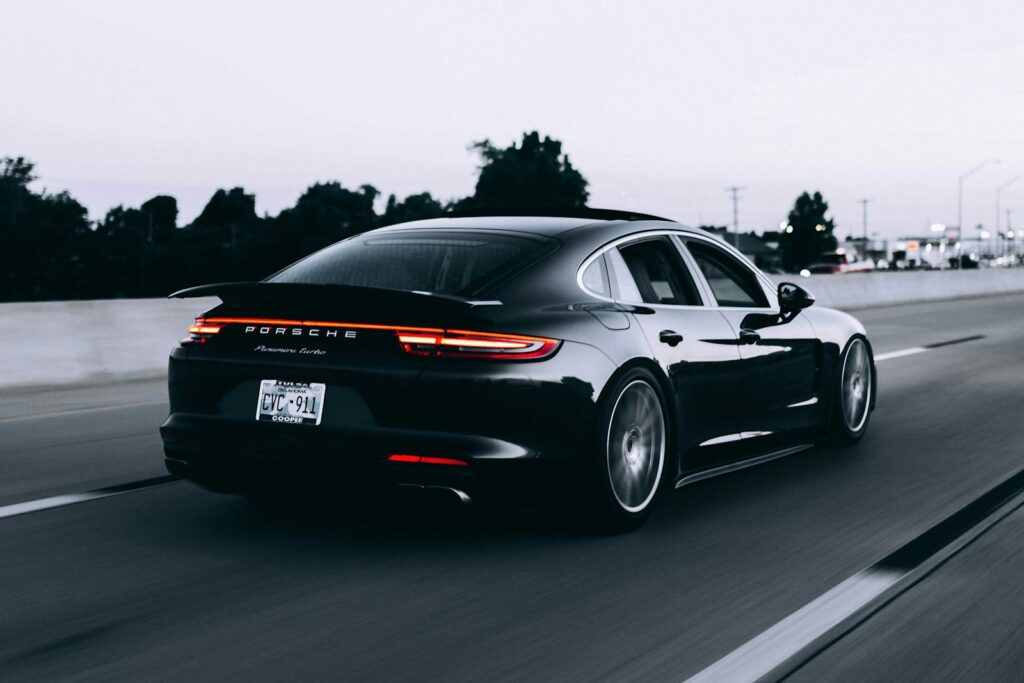
12. **The Role of Certified Pre-Owned (CPO) Vehicles**For those teetering between the cost savings of a used car and the peace of mind offered by a new one, certified pre-owned (CPO) vehicles present an attractive middle-ground option. CPO programs, typically offered by dealerships, involve gently used vehicles that have undergone a rigorous inspection and reconditioning process to meet manufacturer-specified criteria.
These vehicles are usually recent models, often lease returns or dealership demonstrators, with low mileage and no major collision history. The certification process involves a thorough multi-point inspection, where any necessary repairs are made using factory parts. This meticulous attention to detail aims to restore the vehicle to a near-new condition, ensuring its reliability and safety for the next owner.
A significant advantage of CPO cars is the manufacturer-backed warranty coverage they typically include. This extended warranty provides a level of security against unexpected mechanical problems that is often absent in non-CPO used cars. Such coverage, which can be transferable, offers peace of mind akin to that of a new car warranty, making CPO vehicles a more reliable choice than standard used cars. They often come with additional perks like roadside assistance or special financing rates.
However, the enhanced reliability and warranty coverage of CPO vehicles come at a price. They generally cost more than comparable non-CPO used cars. While the investment is higher than a typical used car, many buyers find the added assurances and reduced risk of unexpected repairs to be well worth the extra expense. For buyers prioritizing reliability and a warranty without the full depreciation hit of a new car, CPO vehicles represent a strategically sound option, blending affordability with dependability.
Read more about: Unlocking Unbeatable Value: The 14 Best Used Car Deals for Savvy Buyers, Backed by Expert Analysis and Data
Ultimately, the choice between buying a new or used car is a deeply personal one, heavily influenced by your individual financial situation, driving habits, and priorities. There is no universally “right” answer, as the best option truly depends on a nuanced evaluation of what matters most to you. From the immediate sticker price and rapid depreciation of a new car to the potentially higher maintenance costs and diligent research required for a used vehicle, each path presents a unique set of trade-offs. By carefully considering all the factors discussed—from initial purchase price to customization, and the advantages of certified pre-owned options—you can empower yourself to make a confident and informed decision that aligns with your budget and vehicle needs, paving the way for a satisfying ownership experience. Always remember to assess your affordability, compare loan offers, and weigh the long-term implications before driving off with your next car.