
Alright movie buffs, buckle up because we’re diving into some seriously unforgettable cinematic moments today. You know the drill: heroes usually save the day, get the girl (or guy), and ride off into the sunset, right? Well, not always! Sometimes, Hollywood pulls a fast one on us, delivering a gut-punch ending where our beloved protagonist, the one we’ve been rooting for, actually… well, bites the dust. It’s a rare occurrence, especially when we’re more used to seeing our favorite characters pull off last-minute saves and set up perfectly for a sequel.
But that’s precisely why these films stick with us. They dare to challenge our expectations, flipping the script on traditional storytelling and leaving us reeling long after the credits roll. We’re talking about those brave cinematic choices that prove not every story needs a conventional happy ending to be impactful. So, if you’re ready to explore the deadlier side of the flicks and witness some truly epic, albeit tragic, farewells, you’ve come to the right place. Just a heads-up: expect a whole lot of spoilers ahead!
This isn’t your average “they lived happily ever after” list. Oh no, we’re delving deep into the moments where blood, guts, fire, and even turning to dust are on the menu for our main characters. These movies aren’t afraid to let their heroes perish, making for narratives that are both incredibly powerful and, often, utterly shocking. So grab your popcorn, maybe a tissue or two, and let’s jump right into the films that proved that sometimes, even the hero doesn’t make it out alive.
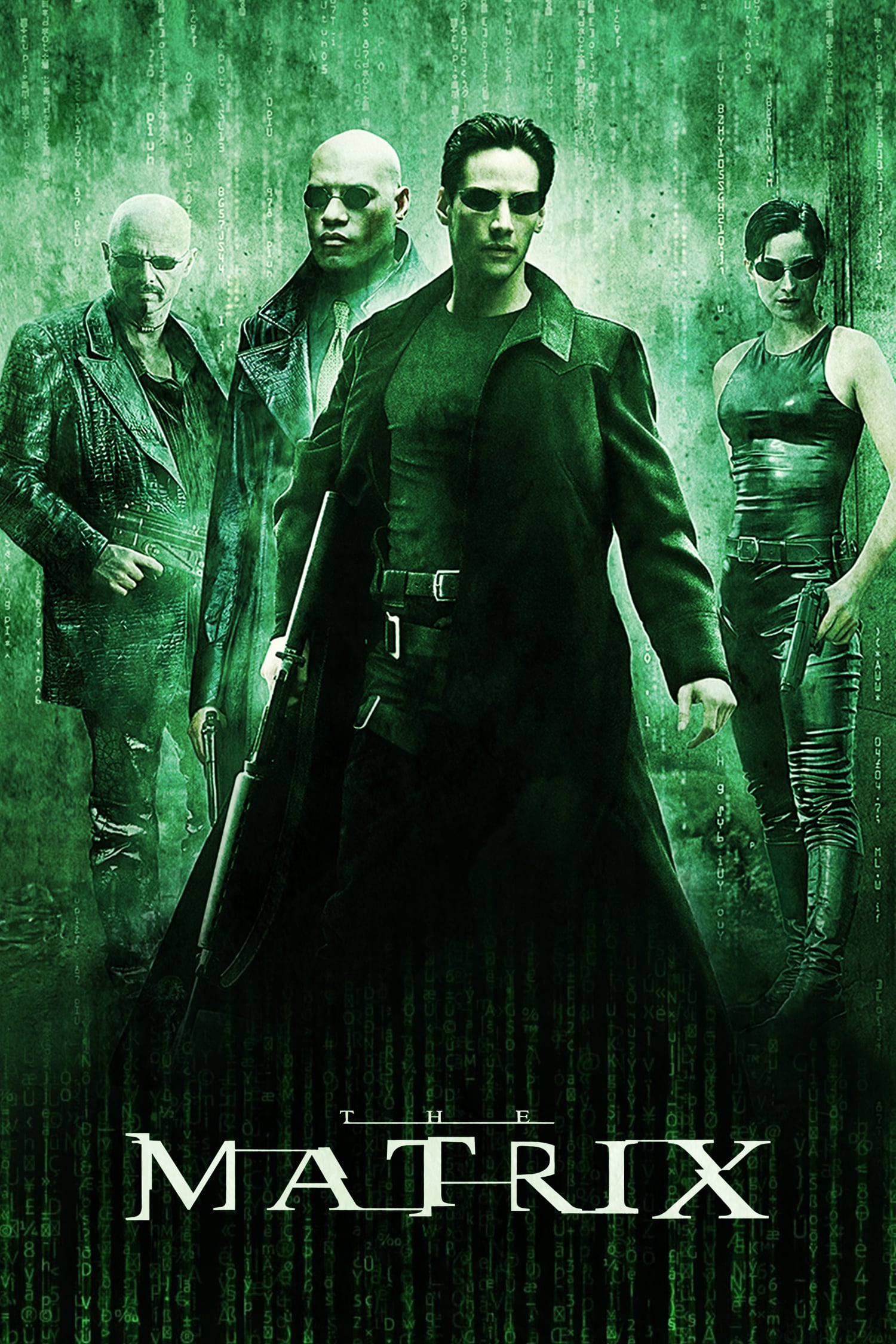
1. **The Matrix (1999): Redefining Reality, One Bullet at a Time**Ready to have your mind blown? *The Matrix* isn’t just a movie; it’s a genre-redefining sci-fi masterpiece from the Wachowskis that literally changed how we think about reality. It plunged us into a world where Neo, played by the iconic Keanu Reeves, sets out to discover the truth behind the seemingly normal world around him. He soon uncovers that “the world around us is all just a lie.” Talk about a major plot twist that had everyone questioning everything! This film didn’t just entertain; it sparked philosophical debates, making its mark as a cultural phenomenon.
The genius of *The Matrix* lies in its blend of groundbreaking visual effects with a deeply thought-provoking narrative. From bullet-time action to profound discussions about free will, it kept us glued to our screens. Neo’s journey from a disillusioned computer programmer to “The One” was an epic transformation, filled with martial arts mastery and digital wizardry. It made us believe that dodging bullets was an achievable superpower, and that sunglasses could make you cool.
Then came the moment that made audiences collectively gasp. After a relentless struggle, Neo finally goes “toe-to-toe with the deadly (and monotone) Agent Smith.” This intense showdown leads to Neo being “shot point blank range in the chest,” crumbling to the floor, seemingly dead. It was a shocking, visceral moment that felt like the absolute end for our digital savior.
The “How Shocking Is It?” meter for this one definitely hit the ceiling. It was “definitely surprising” to see the protagonist felled so unceremoniously. But here’s the thing about *The Matrix*: nothing is truly what it seems. “Of course, things turn out OK when Neo miraculously comes back to life because he’s a new-age-y Jesus or something,” as the context playfully notes. This resurrection not only solidified his status as The One but also left us with a powerful message about belief and self-actualization.
Read more about: The Cult ’90s Gem Quietly Conquering Netflix: Deconstructing ’10 Things I Hate About You’ and Other Essential Watch-Worthy Classics

2. **Braveheart (1995): Freedom’s Bloody Price**If you’re into historical epics with a side of intense emotion and artistic license, then *Braveheart* is likely high on your list. This “bloody and historically-dubious epic” stars Mel Gibson as William Wallace, a 13th-century Scottish warrior. After personal tragedy, he famously “leads the Scots into a war against the King of England.” It’s a tale of rebellion, love, loss, and the unyielding fight for freedom that truly captured hearts, even if historians might quibble with a few details. “Brave indeed,” you might say!
The film swept us away to the rugged landscapes of Scotland, immersing us in a time of brutal conflict and unwavering resolve. Wallace’s rallying cries for freedom, his tactical brilliance on the battlefield, and his deep connection to his people made him an instantly iconic figure. We watched him evolve from a vengeful husband to a legendary leader, inspiring an entire nation to stand against tyranny. It’s the kind of movie that makes you want to shout “Freedom!” from the rooftops.
As epic and inspiring as Wallace’s fight was, his story was always destined for a tragic end. The climax of his journey is famously one of the most grueling and impactful in cinematic history. Wallace “comes to a sticky, grisly, gut-wrenching end as he’s placed on the (cross-shaped) rack and hung, drawn and quartered in front of a braying audience – while he’s still conscious.” This graphic portrayal of his execution is not for the faint of heart, making it a truly difficult scene to watch.
The sheer brutality of Wallace’s demise is what makes it so unforgettable. The context perfectly sums it up: “Everybody knows it’s coming now, but Wallace’s demise is just so grisly it can’t help but turn the stomach. No dinner for us tonight.” Despite the gruesome nature, his final, defiant cry cements his legacy as a martyr for freedom. It’s a powerful reminder that some sacrifices leave an indelible mark, ensuring that freedom’s price is never forgotten.

3. **Children Of Men (2006): Hope in a Hopeless World**Prepare for a gripping, utterly bleak, yet ultimately hopeful journey with *Children Of Men*. This “post-apocalyptic action thriller based on the book by PD James” throws us into a desolate future where humanity faces extinction due to mass infertility. Clive Owen takes on the role of Theo, a man tasked with an almost impossible mission: he “must protect the last pregnant woman on earth, Kee (Clare-Hope Ay).” It’s a heavy premise, executed with breathtaking intensity and realism, making it a truly unique cinematic experience.
The film masterfully builds a sense of pervasive dread and urgency, largely through its incredible long takes and gritty, realistic cinematography. Every frame screams desperation, portraying a society on the brink of collapse, plagued by war and the looming shadow of oblivion. Theo, initially a cynical and detached individual, finds himself reluctantly drawn into this monumental task, becoming humanity’s last, fragile hope. His transformation from apathy to determined protector is at the very core of the story.
As Theo and Kee navigate a world spiraling into chaos, dodging ruthless factions and constant danger, the stakes couldn’t be higher. They endure unimaginable hardships for the slim chance of delivering Kee and her baby to safety. In a truly heart-wrenching turn, after what seems like an endless struggle and just as they reach what appears to be a sanctuary, Theo reveals a hidden injury. He “reveals that he’s been shot when he and Kee make it to the safety of a rowboat.”
The scene that follows is quietly devastating. Theo “slowly passes away right before her eyes,” a poignant and painful end for a character who had just found a renewed purpose. The impact of his death, though not overtly violent, is profound. As the context points out, “We’ve already had Julianne Moore and Michael Caine shockingly bite it earlier in the film, so by this point we know anything goes.” This earlier precedent prepares us for the idea that no one is safe, making Theo’s sacrifice, while tragic, feel like a necessary and brave act in a world starved for hope.

4. **Saving Private Ryan (1998): The True Cost of Courage**Get ready to witness cinematic history and perhaps shed a tear or twenty. Steven Spielberg’s *Saving Private Ryan* isn’t just a war film; it’s *the* war film, an “epic war film” that redefined the genre with its unflinching realism and emotional depth. It tells the harrowing story of a “US squadron led by Captain Miller (Tom Hanks)” on an extraordinary mission: to “attempt to rescue Private Ryan (Matt Damon) from the enemy’s clutches.” This film doesn’t just show you war; it puts you right in the middle of it.
From the iconic D-Day landing sequence, still talked about today for its visceral intensity, *Saving Private Ryan* immerses us in the brutal realities of World War II. Captain Miller, portrayed with quiet intensity by Tom Hanks, becomes the stoic, weary leader guiding his men through unimaginable horrors. His mission, seemingly small, represents the profound value of a single life amidst widespread devastation. We follow his squad through bombed-out towns and treacherous battlefields, witnessing their bonds, fears, and sacrifices.
The journey to find Private Ryan is fraught with peril, and each step comes at a heavy cost. The film builds towards a climactic battle, where Miller’s squad must defend a bridge against a German counterattack. In the chaos and devastation of this final stand, tragedy strikes. Captain Miller “is shot and killed by a German infantry while he’s out defending a bridge that’s crucial to the rescue strategy.” It’s a sudden, stark moment that reminds us of the indiscriminate nature of war, where even the most heroic figures can be taken in an instant.
The “How Shocking Is It?” factor here is undoubtedly “extremely.” The context hits the nail on the head: “Most films wouldn’t have the guts to kill off Hanks when he’s in the hero role, but Spielberg doesn’t flinch away from it.” Tom Hanks, the quintessential American hero, dying felt like a betrayal of Hollywood convention, yet it made the film’s message all the more potent. “Ah, the tragedy of war,” indeed. Miller’s sacrifice underscores the film’s central theme: the immense personal cost of war and the quiet heroism found in duty, even when it means facing the ultimate price.

5. **A Nightmare On Elm Street 3: Dream Warriors (1987): Nancy’s Last Stand**Alright, horror fanatics, let’s talk about a true gem from the slasher era! *A Nightmare On Elm Street 3: Dream Warriors* isn’t just any sequel; it’s a fan-favorite, a “Wes Craven-scripted threequel” that brings back the original “Elm Street kid Nancy (Heather Langenkamp).” This time, Nancy isn’t just surviving; she’s fighting back, attempting to “help a new gang of youngsters (among them, Patricia Arquette) being tormented by Freddy (Robert Englund) in a psychiatric ward.” It’s a clever twist on the classic formula.
This installment injected new life into the franchise, introducing a memorable cast of characters who could actually fight back against Freddy Krueger’s dream-world terror. Nancy, now older and wiser, acts as a mentor, guiding these “Dream Warriors” to harness their unique dream powers. It’s a thrilling blend of psychological horror, fantastical elements, and pure slasher fun, making it one of the most beloved entries in the *Nightmare on Elm Street* saga. Who wouldn’t want to fly or become a master of puppets in their dreams?
The film builds to an epic dream-set climax where Nancy and the remaining Dream Warriors confront Freddy in a final, desperate battle. Just when you expect Nancy to once again emerge victorious, a devastating and utterly unexpected moment occurs. “Nancy unexpectedly buys it when Freddy buries his finger-knives in her.” It’s a brutal, sudden end for the franchise’s original heroine, a character who had survived Freddy’s torment before. Her death is a gut-wrenching moment, signifying the true danger and ruthlessness of Freddy Krueger.
But here’s the kicker: even in death, Nancy’s heroism shines through. As the context notes, “She’s still pivotal in stopping him, though, which counts for something.” Her sacrifice is not in vain, playing a crucial role in defeating Freddy, even if temporarily. The “How Shocking Is It?” level for this one was off the charts, especially “Considering Nancy was the first film’s Final Girl.” Horror movie tropes usually dictate that the Final Girl survives, so her demise was a significant subversion of expectations. While we did get “her final hurrah (ish) in Wes Craven’s New Nightmare,” this original death cemented her status as a legendary figure in horror.
Alright, still with us? Good, because we’re just getting started with our tour de force of cinematic goodbyes! After those mind-bending, gut-wrenching, and frankly, iconic exits, we’ve got a few more unforgettable hero demises that totally broke the mold (and our hearts). These next picks continue to prove that sometimes, the most powerful stories are the ones where our main characters don’t get that fairy tale ending. So, grab another tissue box, maybe a comfort snack, and let’s dive into the final leg of our journey through the deadlier side of the flicks.

6. **The Great Gatsby (2013): When the Green Light Fades to Black**Talk about a party that spirals out of control! Baz Luhrmann’s *The Great Gatsby* splashed F. Scott Fitzgerald’s classic novel onto the big screen with an almost dizzying display of opulence, jazz, and sheer emotional intensity. We followed the enigmatic Jay Gatsby, brought to life by the ever-charismatic Leonardo DiCaprio, as he pursued his long-lost love, Daisy. His world was a whirlwind of lavish parties, illegal booze, and a relentless, almost obsessive, chase for a past that was just out of reach. It was all about the glittering facade, darling.
Gatsby’s mansion was a beacon of extravagant dreams, hosting parties that were the stuff of legend, yet behind all the glitz and glamour, a deep, almost childlike longing resided. His entire existence, his vast wealth, his mysterious past—it all revolved around one person: Daisy Buchanan. He literally built an empire just to be close to her, to recapture a fleeting moment from years ago. It’s a love story that’s as grand as it is tragically misguided, making us wonder if chasing the past is ever really worth it.
But as with all grand illusions, Gatsby’s meticulously constructed world eventually came crashing down. The vibrant, roaring twenties backdrop slowly gave way to the harsh realities of unrequited love, class divides, and reckless actions. The tragic hit-and-run, where Daisy was driving but Gatsby took the blame, set the stage for his ultimate downfall. He was a man consumed by a dream, and that dream was about to turn into a nightmare.
In a truly devastating turn of events, Gatsby is ultimately confronted by George Wilson, whose wife he accidentally killed (or rather, took the fall for). This leads to the heartbreaking moment where Gatsby is shot and killed, his lifeless body floating in his magnificent pool. It’s a stark, solitary end for a man who lived a life of such public spectacle, a poignant symbol of his dreams dissolving into the cold, hard reality he tried so desperately to escape.
Now, on the “How Shocking Is It?” meter, the context points out, “Uh, this is a film starring Leonardo DiCaprio, so you can pretty much count on something bad happening to his character by the time the credits roll…” And let’s be real, if you’ve read the book (or seen any other Leo movie), you know that a happy ending isn’t always on the cards for him. But even with that knowledge, seeing the vibrant, hopeful Gatsby meet such a lonely, violent end is still a gut punch, a brutal reminder that sometimes, the American Dream isn’t all it’s cracked up to be.

7. **The Curious Case Of Benjamin Button (2008): Life Lived Backwards, Ending Forwards**Get ready for a story that truly flips the script on life and death! David Fincher’s *The Curious Case Of Benjamin Button* took us on an epic, fantastical, and deeply moving journey, introducing us to a character who was born under the most peculiar circumstances. Benjamin Button, played by the ever-versatile Brad Pitt, enters the world as an old man and then, against all natural laws, begins to age backward. Talk about a unique perspective on growing up (or rather, growing younger)!
Benjamin’s life was a constant contradiction, moving from an elderly infant to a youthful adult, experiencing the world in reverse. He lived through different eras, met countless people, and formed connections that were always tinged with the bittersweet knowledge of his unique timeline. His journey explored themes of time, love, loss, and what it truly means to live, making us ponder the fragility and beauty of every moment, no matter which direction you’re headed.
Central to his story was his profound and enduring love for Daisy, portrayed by the incredible Cate Blanchett. Their paths crossed and diverged, their relationship evolving as one aged forward and the other backward. It was a romance born of profound understanding and shared experience, yet constantly challenged by the inexorable march of time in opposite directions. Their connection was a poignant anchor in Benjamin’s otherwise unconventional existence, a testament to love’s ability to transcend even the most bizarre circumstances.
As the years (or rather, the decades) peeled away, Benjamin physically regressed from a middle-aged man to a young boy, then to an infant. His mental faculties declined with his physical age, returning him to a state of utter dependence. The final, heartbreaking moments see him as little more than a tiny, helpless baby, cradled in the loving arms of an elderly Daisy, the woman who loved him through all his ages and stages.
The “How Shocking Is It?” factor here, as the context so accurately puts it, is that “The whole film’s weird and conformity-dodging, but we sort of knew all along that it’d end with Benjamin dying as a baby, so it’s not all that shocking.” While his ultimate demise isn’t a *surprise* plot twist, the emotional weight of watching him disappear into infancy, dying as literally a baby in his lover’s arms, is incredibly profound. It’s an ending that reminds us that life’s journey, no matter how unusual, always concludes with the same finality, but not without leaving an indelible mark.

8. **The Royal Tenenbaums (2001): A Heart Attack, Not a Fake-Out**If you’re a fan of quirky families and deadpan humor, then Wes Anderson’s *The Royal Tenenbaums* is probably already etched into your brain. This kooky family drama brought us into the eccentric world of the Tenenbaums, an alienated family of former child prodigies. At the heart of it all was Royal Tenenbaum, played brilliantly by Gene Hackman, who makes a grand return to his estranged family with a shocking announcement: he’s dying of terminal cancer. Cue the dramatic music, but also, cue the suspicious eyebrow raises.
Royal’s return was less about heartfelt reunion and more about a desperate, and often hilarious, attempt to win back his family’s affections and, perhaps, their money. His manipulative antics and the family’s deeply ingrained dysfunctions provided a rich tapestry of dark comedy and genuine pathos. Each family member, from the perpetually melancholic Margot to the tracksuit-clad Richie and the perpetually stressed Chas, grappled with Royal’s presence, creating a chaotic yet captivating dynamic that only Anderson could craft.
Of course, in true Royal fashion, his “terminal cancer” turned out to be a complete fabrication. Plot twist! This revelation adds another layer of absurdity and humanity to his character, as he’s forced to confront the true state of his relationships without the crutch of a death sentence. It’s a classic Wes Anderson move, blending the melancholic with the utterly absurd, making us question what’s real and what’s merely a performance in the grand theater of family life.
But here’s where things take a truly unexpected turn: despite faking his terminal illness, Royal eventually, and somewhat ironically, meets his actual end. The context reveals, “Despite the fact that he faked terminal cancer, Royal eventually (and somewhat unexpectedly) dies at the film’s close of a heart attack.” It’s a sudden, almost understated departure for such a larger-than-life character, proving that even the most elaborate plans can be undone by the simple, inescapable realities of life.
The “How Shocking Is It?” assessment hits the nail on the head: “It’s surprising and darkly humorous, but not necessarily shocking.” His death, though real, carries an air of the darkly comedic, perfectly encapsulated by his self-penned epitaph: “He died tragically rescuing his family from the wreckage of a destroyed sinking battleship.” It’s a testament to Royal’s enduring spirit of theatricality, even in his final moments, leaving us with a chuckle and a lump in our throats.

9. **Romeo + Juliet (1996): Love’s Fatal Embrace in Verona Beach**Hold up, because if there’s one story everyone knows ends in tragedy, it’s this one! Baz Luhrmann’s *Romeo + Juliet* wasn’t just an adaptation; it was a vibrant, visceral explosion of Shakespeare’s classic, transporting the star-crossed lovers to the sun-drenched, gang-ridden streets of Verona Beach. With Leonardo DiCaprio and Claire Danes igniting the screen as the titular duo, this film redefined how a timeless tale could be told, blending Elizabethan dialogue with modern-day gunfights and a pulsating soundtrack.
The film plunged us headfirst into the intoxicating, whirlwind romance between Romeo Montague and Juliet Capulet, whose families are locked in a deadly, generations-old feud. Their love was immediate, passionate, and utterly reckless, blossoming amidst the chaos and violence of their surroundings. From their enchanting first meeting at a costume ball to their clandestine vows, every moment between them burned with an intensity that promised both ecstasy and inevitable heartbreak. It was the kind of love that feels like the entire world, even when the world is literally tearing you apart.
The escalating animosity between the Montagues and Capulets forms the brutal backdrop for their doomed affair. The film vividly portrays the senselessness of the violence, leading to Mercutio’s death and Tybalt’s subsequent demise at Romeo’s hands. These acts of vengeance set off a devastating chain reaction, propelling our young lovers towards their inescapable, tragic fate. It’s a powerful reminder that hate, no matter how old, always finds a way to consume everything in its path, even the purest of loves.
In the ultimate unraveling of miscommunication and despair, Romeo, mistakenly believing Juliet to be truly dead after she takes a sleeping potion, rushes to her tomb. In a moment of profound grief and desperation, he takes a potent poison, choosing to join her in what he believes to be eternal slumber. Just moments later, Juliet awakens to find her beloved Romeo dead beside her, leaving her with an unbearable choice.
The context doesn’t need to ask “How Shocking Is It?” because, well, it’s *Romeo and Juliet*. We all know how this one ends, right? The crushing weight of their intertwined deaths, with Juliet using Romeo’s dagger to take her own life, is universally understood as one of the most poignant and devastating conclusions in literary and cinematic history. It’s the ultimate tragic double-whammy, a powerful, timeless story of love, hate, and how a series of unfortunate events can lead to the most unforgettable, heartbreaking farewell.
So there you have it, folks! From the mind-bending realities of *The Matrix* to the sun-drenched tragedy of *Romeo + Juliet*, these films dared to pull the rug out from under us, proving that a hero’s journey doesn’t always end with a triumphant victory parade. Sometimes, the most powerful stories are those where our protagonists make the ultimate sacrifice, leaving us with narratives that are not just unforgettable, but truly transformative. They challenge our expectations, make us think, and maybe, just maybe, teach us a little something about the fragility and profound impact of life (and death) on the big screen. Keep watching, keep thinking, and don’t forget your tissues!
.jpg "Shhh! The Low-Key Splits: 12 Celebrity Couples Who Mastered the Art of Secret Breakups")