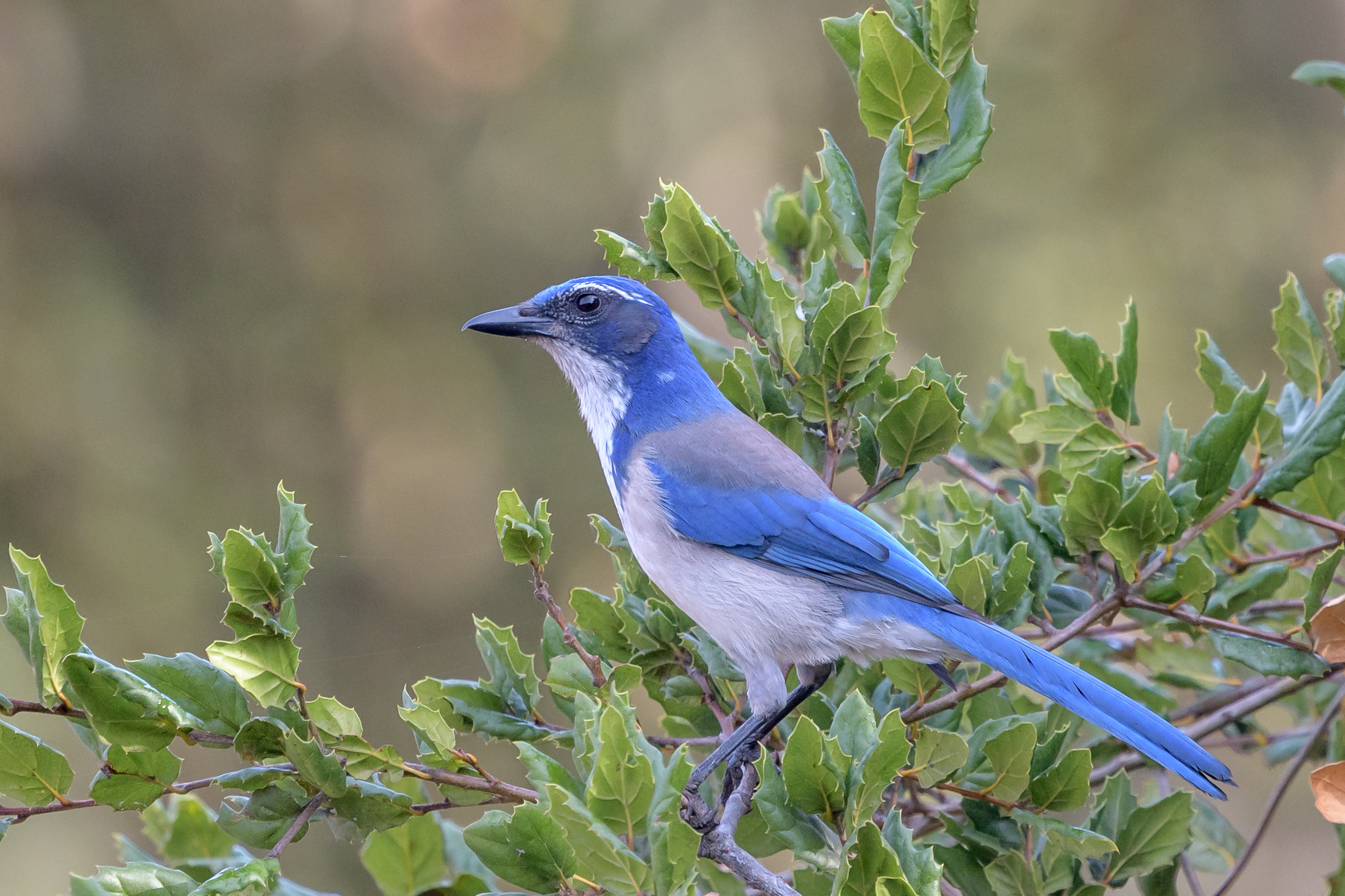
You know those flashy, loud birds that always seem to be around, often with a mischievous glint in their eyes? Chances are, you’re thinking of a jay. These aren’t just any backyard birds; jays are the loudest and flashiest members of the Corvidae family, which also includes their clever cousins, crows, ravens, and magpies. What’s more, they’re considered among the most intelligent species in the entire bird world, boasting strong bills and a penchant for all sorts of foods, especially peanuts. Across North America, we’re incredibly lucky to share our landscapes with at least 10, and by some counts up to 12, distinct types of these avian masterminds.
From their vibrant plumage to their complex social structures and impressive intelligence, jays offer a captivating glimpse into the natural world. They’re nearly omnivorous, with some even known as egg stealers, and many exhibit a remarkable foresight, storing seeds and nuts for the lean winter months. We’re about to take a deep dive into the lives of these incredible birds, starting with some of the most frequently spotted and uniquely adapted jays that call North America home. Get ready to learn about their quirks, their calls, and even how to attract (or deter!) them from your own outdoor spaces.
So, let’s pull back the curtain and meet some of the most charismatic characters of the avian kingdom. We’ll explore their individual stories, from their preferred snacks to their nesting habits, giving you an insider’s perspective on what makes each of these feathered geniuses truly special. Prepare to be amazed by the sheer diversity and cunning nature of these brilliant birds, beginning our journey with a true icon.

1. Blue Jay
If you live east of the Rocky Mountains, chances are good you’ve seen this type of jay the most. The Blue Jay is truly hard to miss, not just because of its bright blue markings, but also thanks to its unmistakably loud “jayyy jayyy” call. These are common large songbirds, instantly recognizable by their upright crest, blue and black backs, and crisp white undersides. Look closely, and you’ll spot their telltale white wing-bars and that jaunty crest of feathers that gives them so much character.
Blue Jays are incredibly widespread, living throughout the Midwest and East, though they’re a rare sight west of the Rocky Mountains. They’re not shy birds at all; this species doesn’t need much coaxing to visit, and will happily stop by most seed or suet feeders. However, if you really want to attract a yard full of these vibrant visitors, their absolute favorite foods are plenty of peanuts, acorns, and beechnuts. They’ll also feast on insects, other nuts and seeds, and grain, though they have a darker side, sometimes taking eggs or nestlings from other birds’ nests.
Some people do see these birds as bullies at the feeder, due to their assertive nature. If you’d prefer to discourage their visits, you can try hanging feeders with foods jays don’t typically eat, like nyjer seed, or opting for perchless feeders specifically designed for smaller birds. Despite their sometimes-aggressive reputation, they are fascinating to watch, often making a variety of quite harsh calls using clicks, peeps, ‘caws,’ and whistles, even having a gentle fluted song during courtship. They’re also known to be quite playful, with a fun fact revealing they will play with shiny objects like aluminum or bottle caps, carrying them around, dropping them, and picking them up again, showcasing their intelligent and curious nature.
Read more about: Navigating the Field: An Expert Review of 12 Tractor GPS Systems for Unrivaled Steering Accuracy and Efficiency
2. California Scrub-Jay
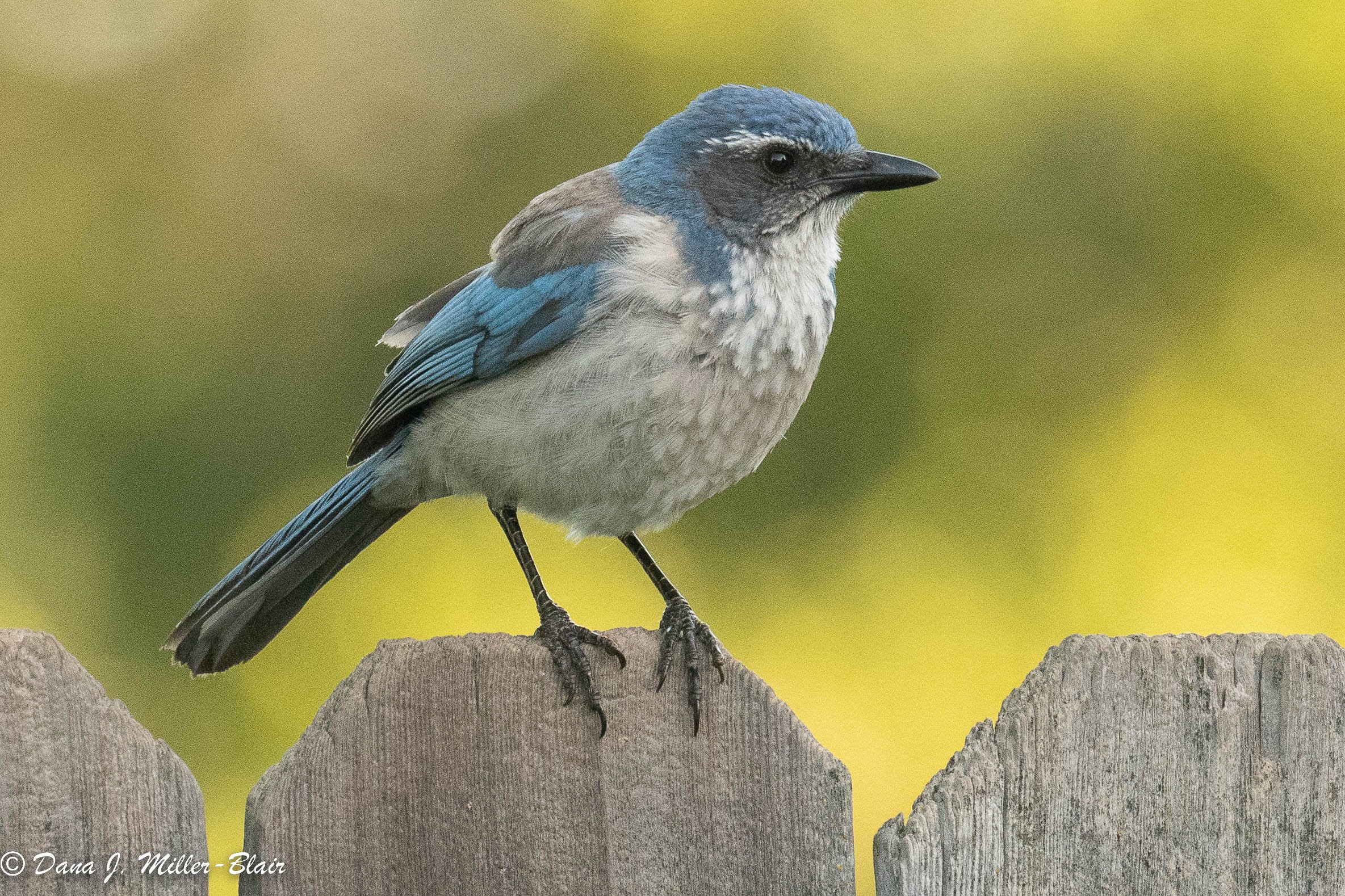
Moving to the lower elevations of the West, you’ll frequently encounter the California Scrub-Jay, a bold, crestless blue-and-gray bird that’s a common sight in shrubby areas and backyards. This species, along with its nearly look-alike cousin, Woodhouse’s Scrub-Jay of the interior, dominates the coastal regions. These aren’t just any blue birds; they sport a white throat and a gray back, making them quite distinctive among their kin.
Like many of their jay relatives, California Scrub-Jays are omnivorous, meaning their diet is a mix of both insects and plant material. Their absolute favorite food is acorns, which they typically bury for later consumption, displaying a remarkable caching ability. These birds are known for their scolding cries, which can be quite loud, but they also sing sweet, quiet, musical songs when they’re with their mate, a behavior common among most jay species.
Unlike some other jays that stay in large flocks, California Scrub-Jays go off on their own to breed in isolated pairs. Both parents diligently work together to build their cup-shaped nests, crafting them from twigs and moss, usually hidden in oak trees. These nests can take up to 10 days to construct, where they lay 1 to 5 eggs that take around 17 to 19 days to hatch. If you want to attract these intelligent birds to your backyard, sunflower seeds and peanuts in your feeders are a sure bet.
Perhaps one of the most intriguing fun facts about the California Scrub-Jay comes from research at the University of California – Davis: they will screech over the body of a dead jay, inviting others to do the same, and this mournful display can last up to half an hour. This suggests a complex social understanding and perhaps even a form of mourning among these clever birds, truly making them a species worth observing.
Read more about: From Brilliant Blues to Stealthy Greys: Uncovering the Enduring Legacy of the Jay Family Across North America and Beyond

3. Steller’s Jay
If you find yourself in the mountainous West and hear a quick “shek-shek-shek” echoing through the evergreen forests, look up! You might just spot a Steller’s Jay. This is one striking bird, instantly identifiable as the only all-dark jay in North America with a prominent crest. Their heads, chests, and backs are black, with the rest of their bodies a vibrant blue. You might even notice small white or blue spots on their forehead, adding to their distinguished appearance.
Steller’s Jays are common residents in western US states, western Canada, Mexico, and Central America, thriving in the higher canopies of evergreen forests. While they typically stick to exploring these lofty perches, they’re not above swooping into backyards to stop by feeders, especially if peanuts and suet are on offer. They’re also notorious for making a nuisance of themselves around picnic tables and campgrounds, nibbling on unattended lunches and exploring garbage. Their diet is quite varied, including insects, seeds, nuts, berries, eggs, and even nestlings.
These birds usually travel in flocks, except when they are nesting. Their nests are often found near the top of conifer trees, built from leaves and plant material held together with mud and lined with soft pine needles – a truly unique building strategy for a jay, as their fun fact highlights. They make distinctive ‘kaw’ sounds, as well as fast two-toned calls, peeps, and harsh guttural sounds, but their vocal repertoire doesn’t stop there. Steller’s Jays are master mimics, known to imitate the noises of other bird species, and even artificial sounds like sprinklers and alarms. This impressive vocal flexibility underscores their high intelligence and adaptability, making every sighting a potential surprise.
Read more about: From Brilliant Blues to Stealthy Greys: Uncovering the Enduring Legacy of the Jay Family Across North America and Beyond
4. Woodhouse’s Scrub-Jay
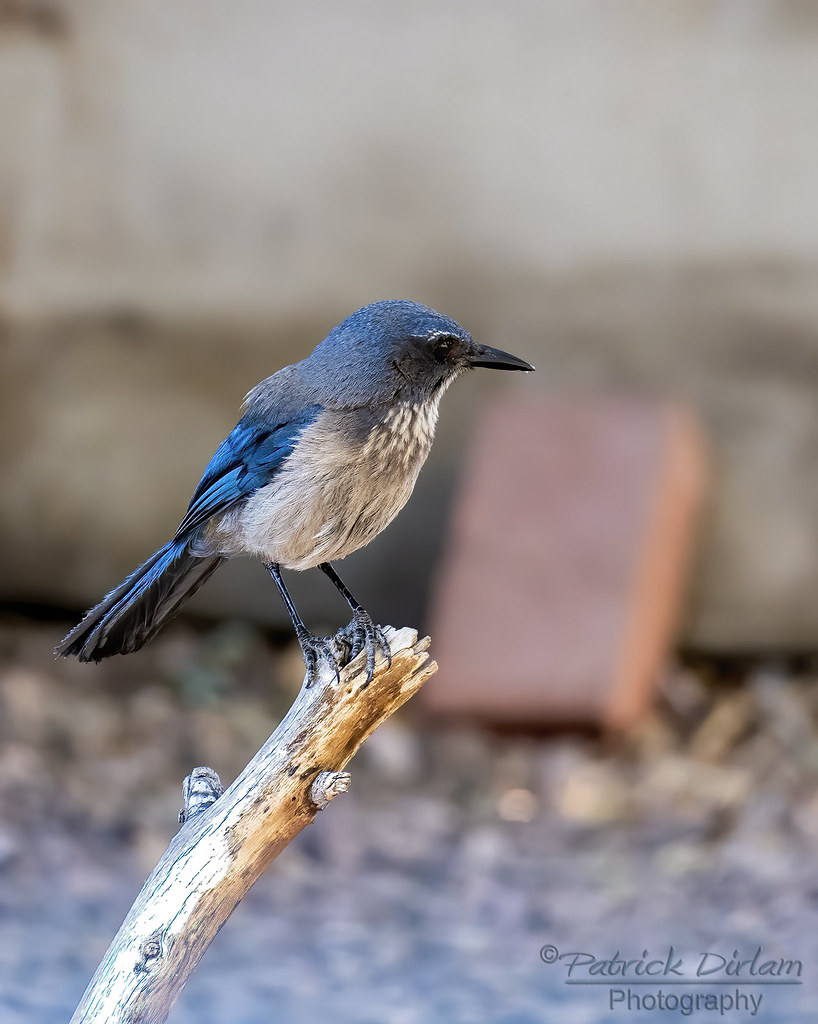
Often called the “Blue-Jays of the Southwest,” Woodhouse’s Scrub-Jays are a lovely mix of blue and gray, frequently found inland in the southwestern US states and Mexico. They present a somewhat duller coloration compared to their California Scrub-Jay cousins, featuring light blue and dark gray on their backs and light gray underneath. Their long, blue tails are a noticeable feature, and they lack the prominent crests found on Blue Jays and Steller’s Jays, sporting only a small, subtle necklace marking.
These birds are typically found in wooded areas characterized by pinyon-juniper trees and other scrubby habitats. Their diet shifts with the seasons; in summer, insects and fruit make up the bulk of their meals, while in winter, they transition to a diet primarily composed of nuts and seeds. They are industrious foragers, and their simple platform nests, constructed from twigs and lined with moss and grass, are usually built in these wooded areas, providing a safe haven for their young.
Woodhouse’s Scrub-Jays are known for their distinctive calls, which contribute to the soundscape of their habitats. A particularly interesting, almost cheeky, fun fact about these jays reveals their opportunistic nature: they are known thieves! These clever birds will steal food from the stores of other birds, with a particular fondness for raiding the granary trees where Acorn Woodpeckers stash their precious acorn collections. This behavior truly highlights their resourcefulness and intelligence in finding food, even if it means a little ‘borrowing’ from their neighbors.
Read more about: From Brilliant Blues to Stealthy Greys: Uncovering the Enduring Legacy of the Jay Family Across North America and Beyond
5. Green Jay
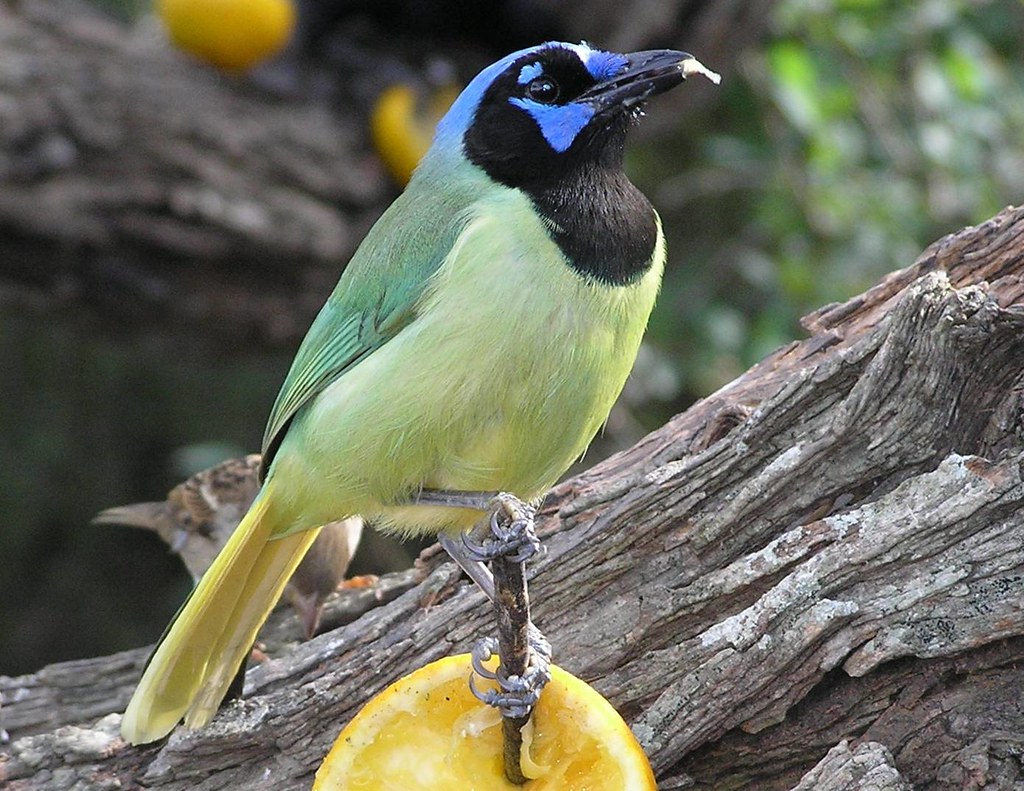
Prepare for a burst of color with the Green Jay, a fantastic mix of bright green, blue, and black that truly stands out. These vibrant birds boast dark green backs, paler bellies, and striking bright blue and black heads. Their intense coloration makes them a highly sought-after sight for birdwatchers, representing a touch of the tropics right here in the US.
While Green Jays are more commonly found along the coasts of Mexico, Central America, and South America, they are a rare and special find in the US, typically only seen in southern Texas. Historically, their range was confined to a limited portion of southern Texas, but in recent years, this tropical jay has been expanding its territory, with sightings now extending all the way to Laredo, Corpus Christi, and even San Antonio, nearly 300 miles north. This northward creep is a significant ecological event, hinting at broader environmental shifts.
You can often spot Green Jays in woodlands, particularly near streams and other water sources. Their diet primarily consists of insects, fruit, and seeds. If you’re lucky enough to be birdwatching in Texan wildlife refuges or state parks, you might even catch them at feeders, where they have a fondness for oranges and grape jelly, in addition to peanuts, sunflower seeds, and corn. Water is also a big attraction for them. Their calls are a diverse array of fast sounds, which can be ‘Kaw’ like, buzzing, clicking, peeps, and even screams, reflecting their lively nature.
Nesting-wise, Green Jays construct simple twig nests lined with moss, leaves, and grass. Interestingly, even their eggs often have a greenish tint to them, blending perfectly with their environment. But perhaps the most remarkable fun fact about Green Jays is their ingenuity: they are one of the few birds known to use tools, employing sticks to help pry up bark and access food hidden underneath. This sophisticated behavior further cements their reputation as incredibly intelligent and adaptable members of the corvid family, whose expanding range is becoming a significant talking point among scientists.
Read more about: Navigating the Field: An Expert Review of 12 Tractor GPS Systems for Unrivaled Steering Accuracy and Efficiency
6. Canada Jay
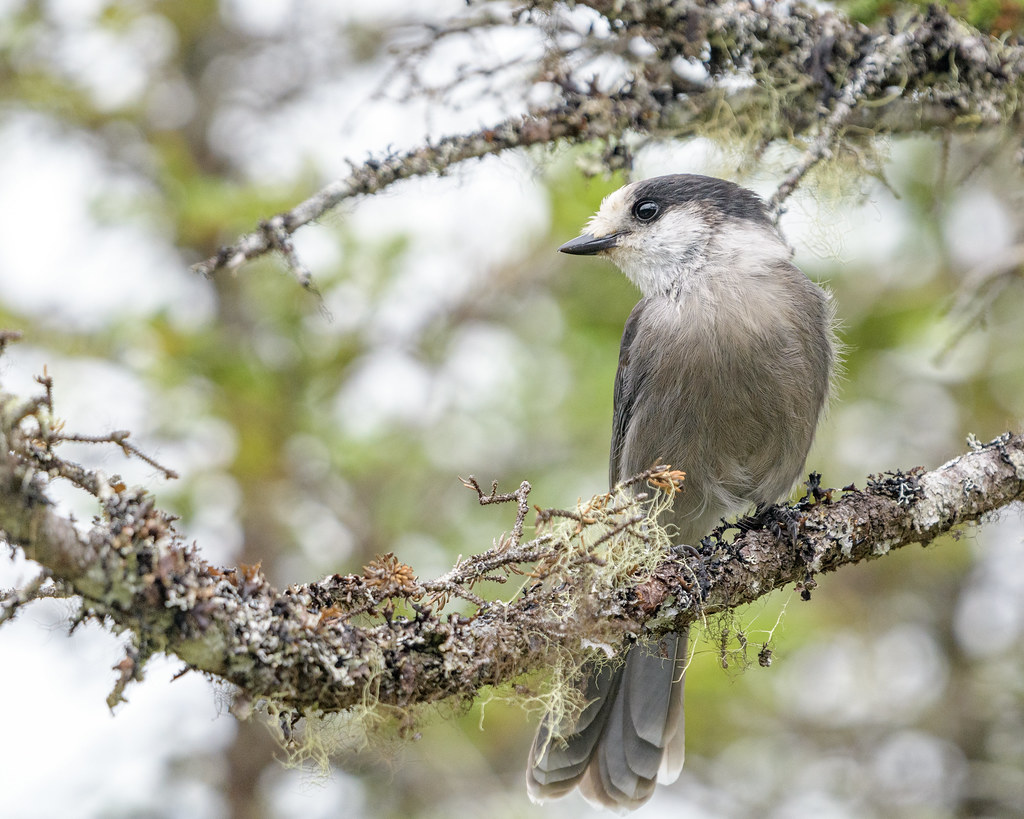
Endearingly tame and undeniably cute, the Canada Jay, formerly known as the Gray Jay, truly stands apart from its more boisterous relatives. These fluffy gray and white birds, with a distinctive black band running around the back of their white heads and throats, don’t look or act like other jays! They sport a small bill, perfectly suited for twisting off meat, and juveniles are a darker gray all over, while males and females look otherwise identical.
Canada Jays are year-round residents of the boreal, coniferous forests of the far North, stretching across Canada, Alaska, and high into the western mountains of the US. While there can be slight color differences, with Rockies populations appearing paler than their Canadian counterparts, their overall appearance and demeanor remain consistent. They are so remarkably tame that they will often eat right from a human hand, famously approaching hikers, hunters, and campers without fear. This calm and less noisy nature also sets them apart from their kin, making their presence a more serene experience for observers.
Their diet reflects their northerly habitat; meat is a primary craving, along with bread, suet, and other soft foods. Unlike many jays who bury their caches, Canada Jays prefer to hide their bounty in bark or branches, rather than in the soil, utilizing a special saliva to mold food into sticky blobs before stashing them like “gum under a desk,” as one fun fact aptly describes. While nuts and seeds at feeders are less appealing to them, they will readily eat most kinds of bird food, making them frequent visitors to tube or platform feeders. Don’t let their sweet appearance fool you, though; these opportunity feeders also have a deadly side, known to kill baby birds for food and even hunt smaller species like chickadees and warblers. This predatory instinct is so well-known that other nesting birds sound the alarm when a Canada Jay comes near, highlighting their complex role in the ecosystem. They build their nests early in conifers, often when snow is still on the ground, constructing them from dead twigs, lined with feathers, and strategically placed on the south side of the tree for warmth.
Continuing our journey through the vibrant world of North American jays, we’re ready to uncover more feathered marvels. Each of these species offers a unique glimpse into the diverse adaptations and intriguing behaviors that make jays such captivating creatures. From declining populations grappling with habitat loss to island-exclusive residents, prepare to be amazed by the intelligence and resilience of these clever birds.
Read more about: Who’s Running the World in 2025? Meet 14 Global Icons You Absolutely Need to Know!

7. Pinyon Jay
Our next stop takes us to the vast western landscapes, where we encounter the Pinyon Jay. These jays are distinctively blue all over, with backs that are a darker shade and bellies that are paler. They also sport white throats and notably shorter tails, and unlike some of their more flamboyant relatives like the Steller’s Jay, they don’t have crests, giving them a sleek, understated appearance.
While males and females typically look the same, young Pinyon Jays can sometimes exhibit a more grayish-blue hue. These birds are year-round residents inland in the western US states, where they primarily inhabit pinyon-pine forests, a habitat that, unfortunately, is facing significant challenges. Their existence is deeply intertwined with these specific trees, which are crucial for their survival.
Pinyon Jays are quite the opportunistic feeders, and their diet extends beyond just the seeds from pinyon-pine trees to include juniper berries, acorns, and even small animals such as lizards, baby birds, and insects. They are known for foraging in large, noisy groups, a communal behavior that helps them locate food sources more efficiently. If you want to attract these specific jays to your backyard, despite their specialized diet, they’ll still happily munch on sunflower seeds, peanuts, corn, and suet.
Their vocalizations are quite characteristic: they make three ‘kaw’-like calls in quick succession, which rise and then fall, sometimes with a shaky or trembling quality. A fascinating fun fact about these birds highlights their adaptation to their pine forest environment: Pinyon Jays do not have feathers over their nostrils, a clever evolutionary trait that prevents the sticky pine pitch from accumulating and making them dirty while they forage in the trees. This small detail underscores their unique connection to their challenging habitat.
Read more about: From Brilliant Blues to Stealthy Greys: Uncovering the Enduring Legacy of the Jay Family Across North America and Beyond

8. Florida Scrub-Jay
Next up is a truly special bird, the Florida Scrub-Jay, a species whose very name signals its exclusive habitat. These jays are a lovely blend of blue, with gray bellies, backs, and foreheads, giving them a distinct look. They boast long blue tails and, like the Pinyon Jay, they lack a crest on their heads, presenting a smooth profile.
While males and females appear identical, juveniles are often grayer and sport gray heads, a subtle difference for keen observers. As their name suggests, Florida Scrub-Jays are found exclusively in Florida and are endemic to the state, meaning they are native only there and do not migrate. Unfortunately, their unique homelands of scrub oak are slowly disappearing or being fragmented by housing development, leading to their classification as a federally recognized endangered species.
You can often spot Florida Scrub-Jays in relatively open, sandy scrubby areas that feature oak scrub. They spend a good deal of their time on the ground, meticulously searching for insects and berries. Acorns are their main food source, and these birds exhibit an incredible caching ability, with a single bird capable of burying 6,000 or more acorns each year, a testament to their foresight and intelligence. Feeders stocked with peanuts are also a great way to help sustain these vulnerable types of jays.
They are known for making quite harsh calls and spend a significant amount of time communicating with each other, reflecting their highly social nature. Florida Scrub-Jays form cooperative flocks, which often include young from the previous year. These communal groups play a vital role in protecting against predators and helping to feed their young, with offspring eventually finding their own territory. Their ingenuity extends to their feeding habits: they’ll break acorns apart by holding them in their feet and using their bills to hammer on the acorn until it breaks open, a practical skill for their primary diet.
Read more about: From Brilliant Blues to Stealthy Greys: Uncovering the Enduring Legacy of the Jay Family Across North America and Beyond

9. Black-throated Magpie-Jay
Prepare to be captivated by the striking presence of the Black-throated Magpie-Jay, a large bird instantly recognizable by its conspicuously long tail. This species showcases a remarkable contrast of colors and features: it has a prominent black crest and throat, offset by a patch of vivid blue on its eyebrows and beneath the eye. Its wings are a beautiful blue, complemented by a white-tipped tail and a clean white underside, making it a truly eye-catching member of the jay family.
Interestingly, in the southern parts of their range, these jays can exhibit a slightly different appearance, with their throats being more white and the black band thinner. You can typically find Black-throated Magpie-Jays in tropical lowland forests, plantations, and partially open areas that feature tall trees and hedges, though they tend to shy away from humid woodlands. Their preferred habitats are a testament to their adaptable nature, thriving in environments that offer a mix of cover and open space.
True to their crow family lineage, Black-throated Magpie-Jays are omnivorous, meaning their diet is a balanced mix of both plant and animal matter. They have a particular fondness for seeds and nuts, but they are also known to eat insects and even other smaller birds, showcasing their predatory skills. This varied diet allows them to thrive in their diverse tropical environments, adapting to whatever food sources are available.
When it comes to nesting, Black-throated Magpie-Jays construct their homes with sticks and twigs, carefully lining them with some soft material to ensure comfort for their clutch. They can lay up to seven eggs, a considerable number that speaks to their reproductive success. A fun fact reveals a unique dining habit: the Black-throated Magpie-Jay eats standing up, using one foot to hold onto its food while the other foot deftly brings the food to its mouth, a remarkably coordinated feeding style.
Read more about: From Brilliant Blues to Stealthy Greys: Uncovering the Enduring Legacy of the Jay Family Across North America and Beyond
10. Brown Jay
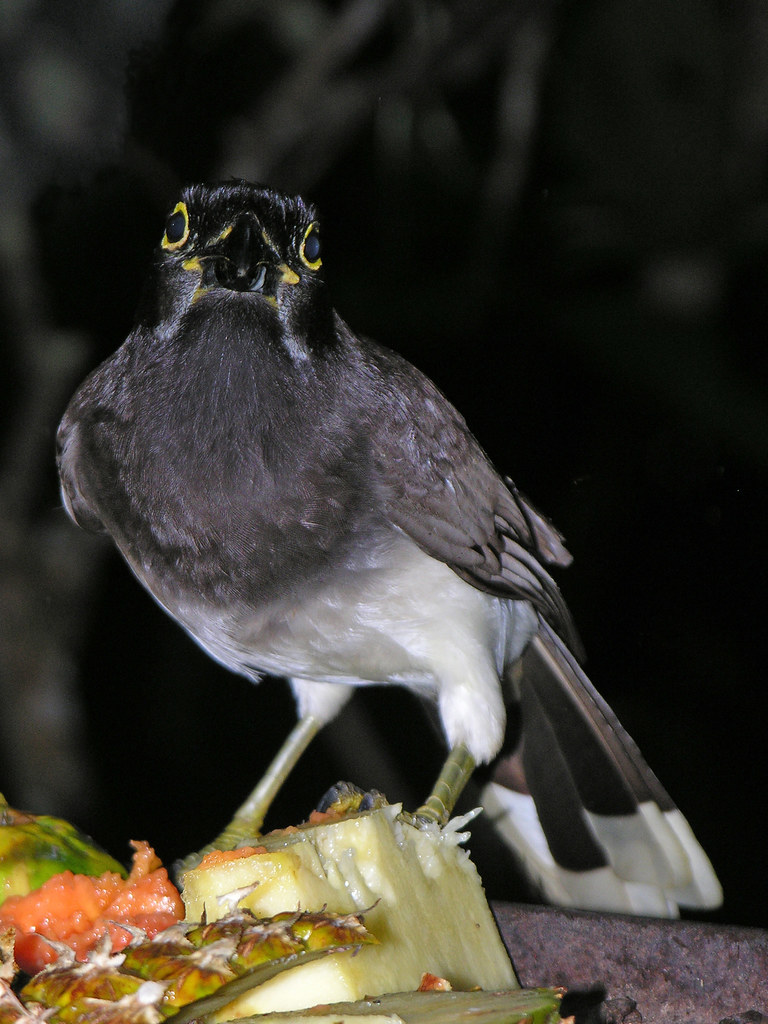
Moving along, we encounter the magnificent Brown Jay, a large bird that presents a subtly beautiful range of brown hues. Some individuals are completely dark brown with a lighter tint on their backs, while in more southern species, their bellies can be white, and they might even feature distinctive white tips to their tail feathers. These variations add to their unique appeal and can make identification an intriguing challenge.
A striking difference between young and adult Brown Jays lies in their appearance: adults have entirely black bills, legs, and feet, but the young birds stand out with bright yellow legs and an eyering. While Brown Jays are typically found across Mexico and Central America, a small portion of their range extends north into Texas, making them a special sight for birdwatchers in that region.
You can often spot these impressive jays in dense woodlands, particularly where tall trees are abundant and close to water sources, which are vital for their survival and daily activities. Their omnivorous diet allows them great flexibility, as they feed on a wide array of items including insects, rodents, berries, fruits, seeds, and even nectar. They are versatile foragers, adept at finding food on the ground or hopping from branch to branch high in the canopy.
One of the most fascinating aspects of Brown Jays is their communal nesting behavior. A flock of these jays will share communal nests, which are typically located in a forked branch of a tree or a low-lying shrub. Several adults cooperatively construct these cup-shaped nests using sticks and twigs, carefully lining them with weeds and other soft materials to cradle their eggs. They can lay up to eight eggs, which take around twenty days to hatch, and the young typically leave the nest after about four weeks. Remarkably, the Brown Jay holds the title of the largest North American Jay, a true titan among its kind.
Read more about: Who’s Running the World in 2025? Meet 14 Global Icons You Absolutely Need to Know!

11. Mexican Jay
Next, we journey to the mountainous regions to discover the Mexican Jay, a medium-sized bird known for its pale, bluish-gray plumage. Compared to many other jays, its coloration is notably lighter, often featuring a grayish upper neckline and chest that contribute to its distinctive appearance. A small, black bill completes its profile, making it a subtle yet elegant member of the jay family.
You can typically find Mexican Jays in open oak and pine woods and forests, habitats that provide both ample food sources and protective cover. Their diet is quite varied, consisting mostly of insects, small reptiles, and even the eggs and young of other birds, showcasing their opportunistic nature. However, as winter approaches, their diet shifts significantly, with a primary focus on acorns and pine nuts that they diligently stored during the preceding seasons, a testament to their remarkable foresight.
Mexican Jays are known for their social structure, as they often stay in groups even during nesting season. Both males and females work together to build their nests in trees, expertly protecting them with thick leaves. These nests are crafted from sticks and twigs, meticulously lined with rootlets and various plant materials to create a soft interior. They typically lay around five eggs, which hatch after about eighteen days, and the young usually fledge after about twenty-five days. What’s more, the young may continue to be cared for by the flock for several weeks, highlighting their communal breeding strategy.
A particularly intriguing fun fact about Mexican Jays reveals their surprising role in the ecosystem: Northern Flickers are often observed following Mexican Jays in flight during migration. This isn’t just a coincidence; the flickers strategically use the loud, shrill voices of the Mexican Jay to warn themselves of any potential predators, turning these jays into inadvertent sentinels for other species. This clever interaction truly showcases the complex interdependencies within the natural world.
Read more about: The Billion-Dollar Secret: Uncovering How Movie Theaters Make a Fortune Beyond Ticket Sales
12. Island Scrub-Jay
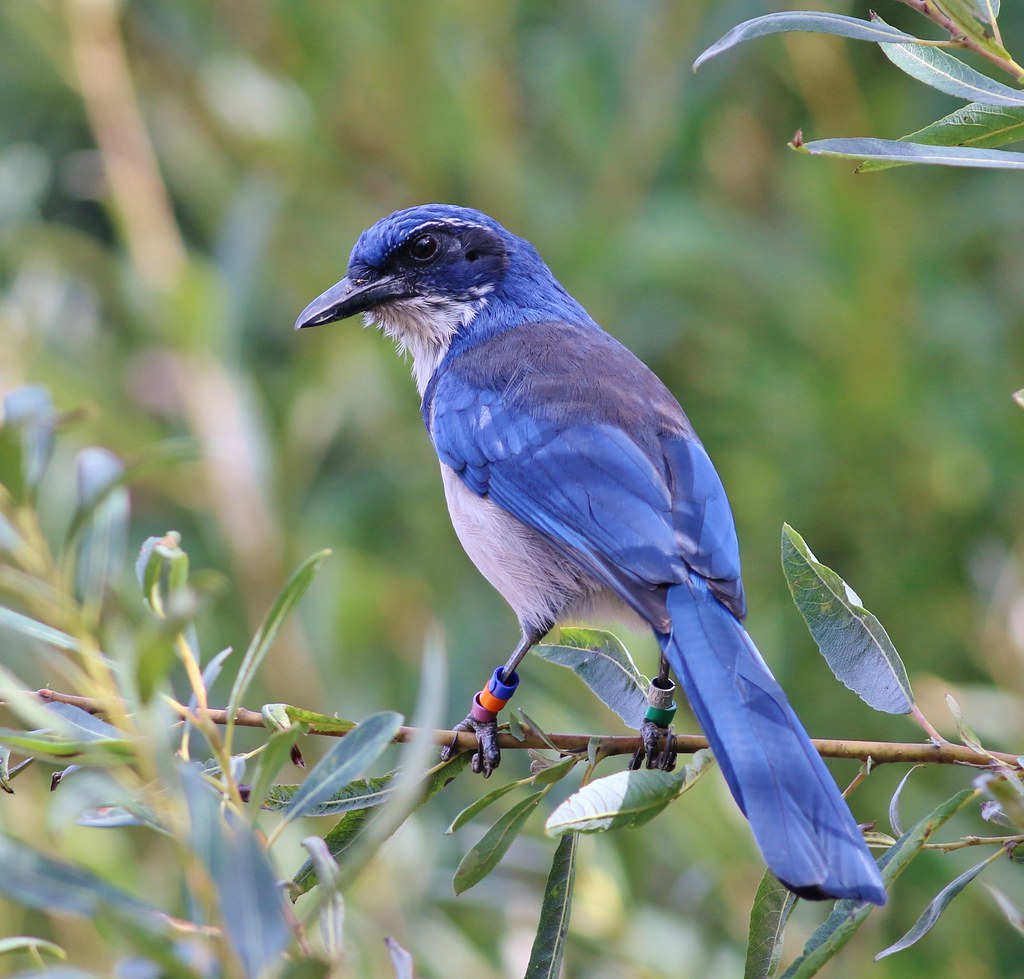
Our final specific jay species takes us to an exclusive island paradise: the Island Scrub-Jay. These are large, brightly-colored birds that bear a strong resemblance to the California Scrub-Jay, but with a notable difference: their feathers are darker and much more richly-colored, giving them a vibrant, almost regal appearance. They are blue from their head to their tail along their backs and gray on the top of their wings, with contrasting white throats.
Island Scrub-Jays are permanent residents of Santa Cruz Island, off the coast of California, which is how they earned their fitting name; they do not migrate from this unique habitat. The island itself is predominantly characterized by oak woodland and chaparral, interspersed with several streamside thickets and other trees, providing a perfect environment for these specialized birds. This restricted range makes them particularly unique among North American birds.
Their diet is quite diverse, consisting mostly of insects, small lizards, mice, and even the eggs and young of other smaller birds, demonstrating their adaptability as predators. In the fall, they shift their focus and feast extensively on acorns, using their strong beaks to skillfully break open the hard shells. Their ability to exploit various food sources within their confined island ecosystem is key to their survival.
Island Scrub-Jays construct sturdy nests, carefully hidden in oak trees. These nests are built with twigs and meticulously lined with rootlets and animal hair, ensuring a soft and protected environment for their offspring. They typically lay around four eggs, which hatch after approximately eighteen days. A truly remarkable fun fact underscores their unique status: since the Island Scrub-Jay never leaves Santa Cruz Island, it boasts the smallest range of any North American bird, making it a precious and unique avian treasure.
### The Curious Case of the Blue Jay-Green Jay Hybrid: A Climate Change Conundrum
Beyond the individual stories of these captivating jays, a groundbreaking discovery has sent ripples through the scientific community: the first observed vertebrate to hybridize as a direct result of two species both expanding their ranges due, at least in part, to climate change. This isn’t just a fascinating biological anomaly; it’s a profound signal of how rapidly our world is changing and the unexpected ways species are adapting, or being forced to adapt.
The story of this never-before-encountered hybrid began when Brian Stokes, a doctoral student at the University of Texas at Austin, came across an intriguing photo on a Facebook group for birders. The image, though grainy, showed an unusual bird in a suburb of San Antonio that possessed traits of both a blue jay and a green jay—two species not closely related, having split from a common ancestor some 7 million years ago, and whose natural breeding grounds were historically separated by hundreds of miles. Stokes and his professor, Timothy Keitt, immediately recognized the significance and embarked on a quest to find and study this mystery bird.
Catching the suspected hybrid proved challenging, as corvids are notoriously clever. However, the researchers successfully tagged the bird and took blood samples for genetic analysis. What they found was truly remarkable: the bird exhibited distinct physical and behavioral traits of both parents. It had blue feathers on its back and tail and white spots on its wings, reminiscent of a blue jay, yet it lacked the blue jay’s characteristic spiky crown. Instead, it sported a spot over its eye, a telltale sign of a green jay. Its vocalizations were equally mixed, following a flock of blue jays and making similar calls, but also producing the clicks and rattling sounds characteristic of a green jay.
Genetic sequencing confirmed the astonishing truth: the mystery bird was indeed the offspring of a male blue jay and a female green jay, with nuclear DNA showing a roughly 50/50 split. This “biological curveball,” as one expert called it, is attributed directly to the converging ranges of the two species. Blue jays have been pushing westward, potentially following suburbanization and taking advantage of backyard bird feeders. Simultaneously, green jays, historically confined to a limited portion of southern Texas, have undergone a significant northward expansion of nearly 300 miles since 2000, reaching as far as San Antonio.
Scientists believe that recent increases in overnight temperatures in Texas have made the region more hospitable to tropical species like the green jay, facilitating this northward creep. This means that species that haven’t interacted for millions of years are now suddenly coming into contact, creating “increasingly unexpected outcomes” when global warming and land development drive animal populations to new habitats. The implications are profound, hinting at unpredictable animal interactions and the creation of entirely new ecological communities. This rare hybrid is a stark, living example of how rapidly climate change is reshaping the natural world, forcing us to rethink traditional ecological boundaries and the very definition of species interaction.
### Resilience in a Changing World
Read more about: From Brilliant Blues to Stealthy Greys: Uncovering the Enduring Legacy of the Jay Family Across North America and Beyond
As we conclude our captivating exploration of North America’s jays, it’s clear that these intelligent and often boisterous birds are far more than just flashy backyard visitors. From the Blue Jay’s playful curiosity to the Florida Scrub-Jay’s fight for survival, and the profound implications of the blue jay-green jay hybrid, their stories weave a complex tapestry of adaptation, intelligence, and resilience. In a world shaped by ever-changing climates and human development, these jays serve as a vivid reminder of nature’s constant flux and the unexpected ways life finds a way to persist. Whether they’re caching acorns for winter, mimicking other sounds, or even forming interspecies bonds, jays continue to offer us endless wonders and crucial insights into the dynamic interplay between species and their environment. Their ongoing saga reminds us to cherish and protect these remarkable members of the avian kingdom, for their future, much like our own, depends on our understanding and respect for the intricate balance of the natural world.