Minivans, for all their perceived lack of excitement, undeniably hold a strong position as one of the most functional and family-friendly vehicles on the market. They are designed to transport families and their belongings with practicality and ease, a role they fulfill for countless households across the nation. However, beneath this veneer of utility, a significant number of these popular offerings are plagued by issues that have led to thousands of complaints being filed on CarComplaints.com.
For consumers navigating the used vehicle market, understanding these pitfalls is paramount. When it comes to assessing a vehicle’s long-term reliability and value, especially from an insurance perspective, the term ‘worst’ takes on a crucial meaning. The superlative form of ‘bad,’ ‘worst’ describes something as being ‘bad in the highest degree possible,’ meaning ‘most inferior,’ ‘most unfavorable,’ or ‘most harmful or severe.’ These are precisely the characteristics that claims adjusters consider when evaluating risk, making certain used vans a distinct liability.
Our aim is to empower prospective buyers with actionable recommendations, providing unbiased insights into which used vans might prove to be more of a headache than a help. This deep dive focuses on models and specific model years that have consistently demonstrated a track record of serious problems, translating directly into higher potential costs for maintenance, repairs, and ultimately, insurance premiums. Understanding these factors is key to making a smart purchasing decision and avoiding unforeseen financial burdens.

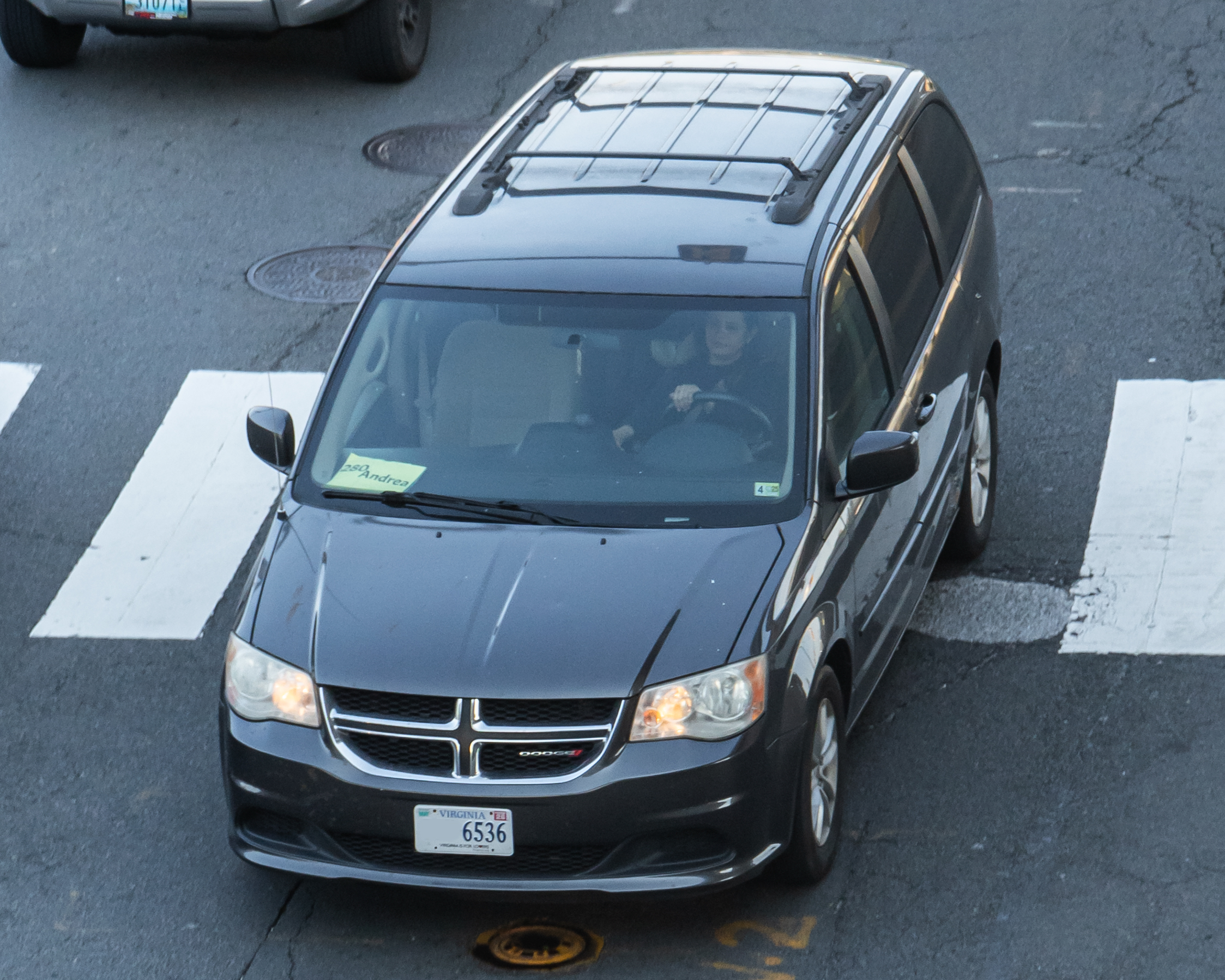
1. **Dodge Grand Caravan: The Overall ‘Clunker’**The Dodge Grand Caravan holds the unfortunate distinction of being number one on the list of the most complained about minivans. This model is ‘all but famous for hauling families and their things in a functional and practical fashion,’ yet it has accumulated a staggering 3,182 complaints on CarComplaints.com. This high volume of reported issues is a clear red flag for any consumer considering a used purchase, signaling widespread reliability concerns.
Such a high number of complaints indicates that the Grand Caravan is not merely prone to isolated incidents, but rather experiences systemic problems across various model years and components. From a claims adjuster’s viewpoint, a vehicle with such a notorious complaint record represents a significant liability. The frequency of potential issues means a higher probability of claims being filed, which can translate into higher insurance rates or even reluctance from insurers to cover the vehicle comprehensively.
The persistent problems that contribute to these thousands of complaints define the Grand Caravan as ‘worst’ in the sense of being ‘most unfavorable’ for a used van buyer. Its propensity for mechanical or electrical failures means owners are more likely to face unexpected repair costs and inconvenient breakdowns. This directly impacts the vehicle’s long-term value and the peace of mind of its owner.
Adding to its concerning reputation, the Dodge Grand Caravan received the ‘Beware of the Clunker’ stamp from CarComplaints. This official warning from a reputable consumer reporting site underscores the severity of its reliability issues. For anyone seeking a dependable used family vehicle, this stamp alone should be a strong deterrent, guiding them toward options that promise greater reliability and fewer headaches.
Car Model Information: 2022 Mitsubishi Outlander
Caption: 2011 Dodge Grand Caravan Mainstreet
Name: Dodge Grand Caravan
Manufacturer: Chrysler Corporation,Daimler AG,Chrysler LLC,Chrysler Group LLC,FCA US LLC
Class: Minivan
Layout: FF layout,F4 layout
Production: November 2, 1983 –August 21, 2020
ModelYears: 1984–2020
Related: Plymouth Voyager,Chrysler Town & Country (minivan),Dodge Mini Ram,Chrysler Voyager,Volkswagen Routan
Assembly: Windsor, Ontario,Fenton, Missouri,Fenton, Missouri,Fuzhou
Successor: Dodge Journey,Chrysler Voyager
Categories: All-wheel-drive vehicles, All articles with unsourced statements, Articles with short description, Articles with unsourced statements from December 2017, Articles with unsourced statements from May 2009
Summary: The Dodge Caravan is a series of minivans manufactured by Chrysler from the 1984 through 2020 model years. The Dodge version of the Chrysler minivans, was marketed as both a passenger van and a cargo van (the only version of the model line offered in the latter configuration). For 1987, the model line was joined by the long-wheelbase Dodge Grand Caravan. Produced in five generations across 36 model years, the Dodge Caravan is the second longest-lived Dodge nameplate (exceeded only by the Dodge Charger). Initially marketed as the Dodge counterpart of the Plymouth Voyager, the Caravan was later slotted between the Voyager and the Chrysler Town & Country. Following the demise of Plymouth, the model line became the lowest-price Chrysler minivan, ultimately slotted below the Chrysler Pacifica.
Sold primarily in the United States and Canada, the Dodge Caravan was also marketed in Europe and other international markets under the Chrysler brand (as the Chrysler Voyager or Chrysler Caravan). From 2008 onward, Dodge marketed the model line only as the Grand Caravan; Ram Trucks sold a cargo-only version of the model line as the Ram C/V Tradesman. The model line was also rebranded as the Volkswagen Routan from 2009 through 2014.
After the 2020 model year, the Dodge Grand Caravan was discontinued, ending production on August 21, 2020. For 2021 production, the Grand Caravan nameplate was moved to Chrysler, which used it for a Canadian-market version of the Chrysler Pacifica (in the United States, the exact vehicle was marketed as the Chrysler Voyager).
For its entire production run, the Dodge Caravan/Grand Caravan was manufactured by Chrysler Canada (now Stellantis Canada) at its Windsor Assembly facility (Windsor, Ontario). From 1987 until 2007, the model line was also manufactured by Chrysler at its Saint Louis Assembly facility (Fenton, Missouri). Since their introduction in late 1983, over 14.6 million Chrysler minivans have been sold worldwide (including export versions and versions sold through rebranding).
Get more information about: Dodge Caravan
Buying a high-performing used car >>>
Brand: Dodge Model: Grand Caravan
Price: $21,595 Mileage: 44,296 mi.
Read more about: A Costly Lesson Learned: 15 New Cars Buyers Would “Unbuy” to Escape Terrible Fuel Economy
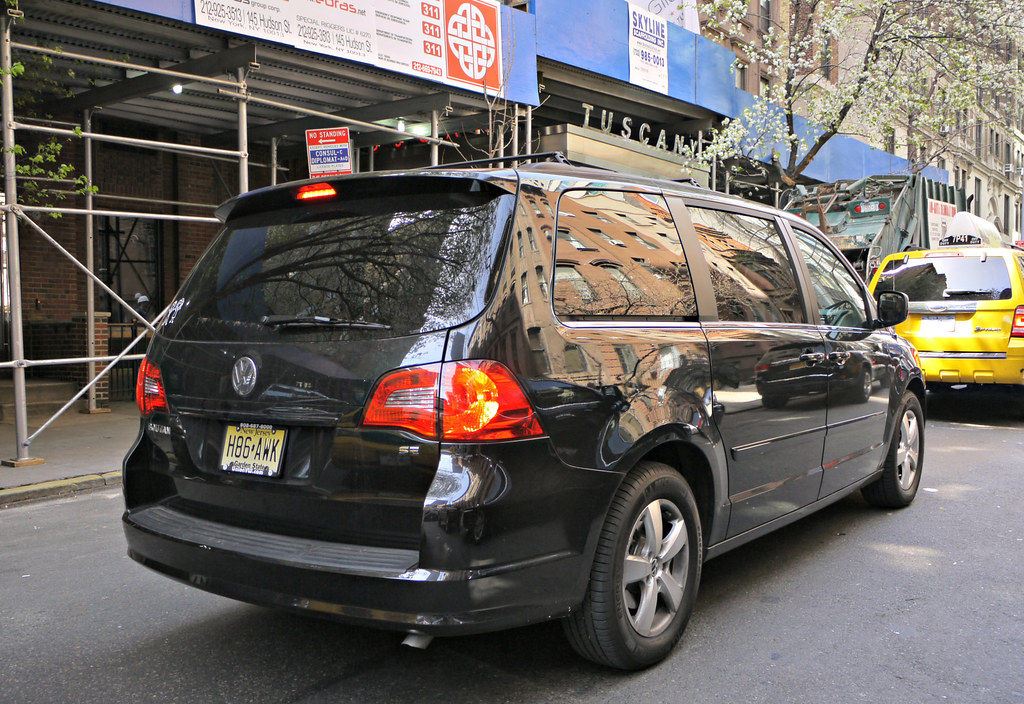
2. **The 2011 Dodge Grand Caravan’s Electrical Problems**While the Dodge Grand Caravan generally garners many complaints, the 2011 model year stands out as being the ‘worst model year overall.’ A significant portion of its notoriety stems from widespread electrical problems. These issues are not mere inconveniences; they can compromise crucial vehicle functions, making the 2011 Grand Caravan particularly challenging to own and insure.
Electrical malfunctions in a modern vehicle can manifest in myriad ways, from faulty sensors and inconsistent dashboard displays to more critical failures affecting engine performance or safety systems. Such problems often prove difficult and costly to diagnose and repair, leading to repeated trips to the mechanic and considerable frustration for the owner. The unpredictable nature of electrical issues makes them particularly ‘harmful or severe’ when considering vehicle reliability.
From an insurance perspective, a model year known for electrical system failures presents a clear increased risk. Malfunctioning electrical components can lead to unexpected breakdowns, potential accidents, or even fires, all of which result in costly claims. Claims adjusters would undoubtedly view this specific model year with heightened scrutiny, recognizing the elevated potential for substantial payouts related to these complex repairs.
Consequently, insuring a 2011 Dodge Grand Caravan could mean facing higher premiums or stricter coverage terms due to its documented history of electrical vulnerabilities. Consumers are advised to approach this particular model year with extreme caution, as the cost and inconvenience associated with these issues far outweigh any initial savings on the purchase price. It is a prime example of a ‘most inferior’ choice for a reliable used van.
Car Model Information: 2022 Mitsubishi Outlander
Caption: 2011 Dodge Grand Caravan Mainstreet
Name: Dodge Grand Caravan
Manufacturer: Chrysler Corporation,Daimler AG,Chrysler LLC,Chrysler Group LLC,FCA US LLC
Class: Minivan
Layout: FF layout,F4 layout
Production: November 2, 1983 –August 21, 2020
ModelYears: 1984–2020
Related: Plymouth Voyager,Chrysler Town & Country (minivan),Dodge Mini Ram,Chrysler Voyager,Volkswagen Routan
Assembly: Windsor, Ontario,Fenton, Missouri,Fenton, Missouri,Fuzhou
Successor: Dodge Journey,Chrysler Voyager
Categories: All-wheel-drive vehicles, All articles with unsourced statements, Articles with short description, Articles with unsourced statements from December 2017, Articles with unsourced statements from May 2009
Summary: The Dodge Caravan is a series of minivans manufactured by Chrysler from the 1984 through 2020 model years. The Dodge version of the Chrysler minivans, was marketed as both a passenger van and a cargo van (the only version of the model line offered in the latter configuration). For 1987, the model line was joined by the long-wheelbase Dodge Grand Caravan. Produced in five generations across 36 model years, the Dodge Caravan is the second longest-lived Dodge nameplate (exceeded only by the Dodge Charger). Initially marketed as the Dodge counterpart of the Plymouth Voyager, the Caravan was later slotted between the Voyager and the Chrysler Town & Country. Following the demise of Plymouth, the model line became the lowest-price Chrysler minivan, ultimately slotted below the Chrysler Pacifica.
Sold primarily in the United States and Canada, the Dodge Caravan was also marketed in Europe and other international markets under the Chrysler brand (as the Chrysler Voyager or Chrysler Caravan). From 2008 onward, Dodge marketed the model line only as the Grand Caravan; Ram Trucks sold a cargo-only version of the model line as the Ram C/V Tradesman. The model line was also rebranded as the Volkswagen Routan from 2009 through 2014.
After the 2020 model year, the Dodge Grand Caravan was discontinued, ending production on August 21, 2020. For 2021 production, the Grand Caravan nameplate was moved to Chrysler, which used it for a Canadian-market version of the Chrysler Pacifica (in the United States, the exact vehicle was marketed as the Chrysler Voyager).
For its entire production run, the Dodge Caravan/Grand Caravan was manufactured by Chrysler Canada (now Stellantis Canada) at its Windsor Assembly facility (Windsor, Ontario). From 1987 until 2007, the model line was also manufactured by Chrysler at its Saint Louis Assembly facility (Fenton, Missouri). Since their introduction in late 1983, over 14.6 million Chrysler minivans have been sold worldwide (including export versions and versions sold through rebranding).
Get more information about: Dodge Caravan
Buying a high-performing used car >>>
Brand: Dodge Model: Grand Caravan
Price: $21,595 Mileage: 44,296 mi.
Read more about: Critical Car Choices: 14 New & Older Models to Avoid for Lasting Buyer’s Remorse
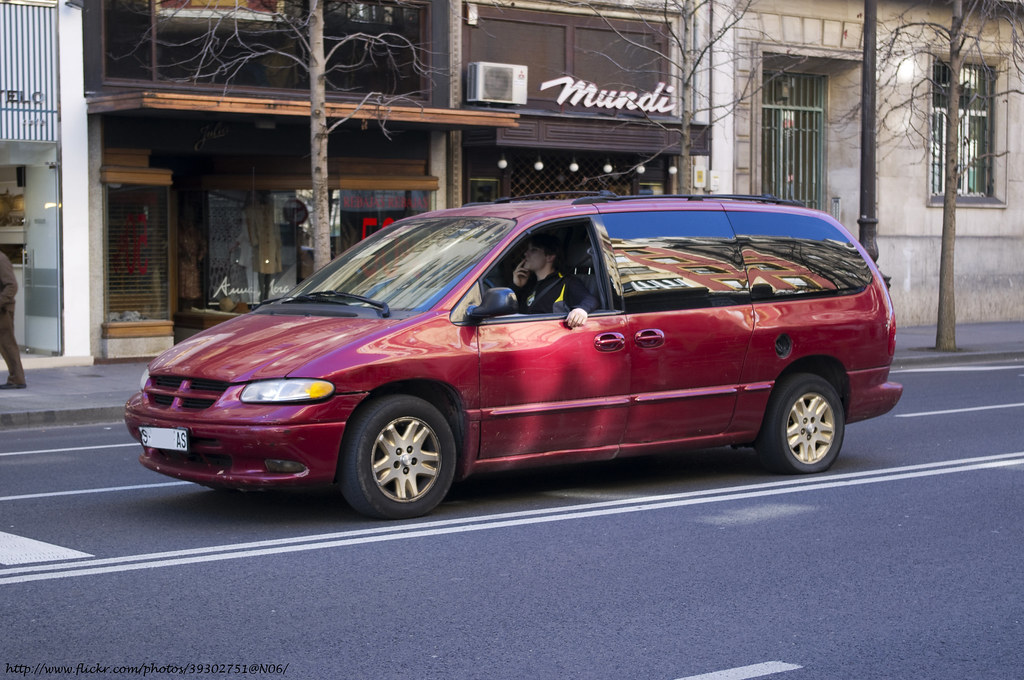
3. **The 2005 Dodge Grand Caravan’s Power Door Lock Malfunctions**Beyond the overall issues plaguing the Dodge Grand Caravan, the 2005 model year distinguishes itself by having ‘the most complaints filed’ for any single year. The primary culprit for this high volume of complaints is a frequently reported problem with the power door lock function not working. While this might seem like a minor flaw, its prevalence indicates a systemic quality control issue that affects day-to-day usability.
Although the context indicates this particular problem is ‘just a $90 fix,’ the sheer frequency of its occurrence suggests a persistent and annoying defect. For a family vehicle, functional power door locks are not merely a convenience; they are integral to security and ease of access, especially when loading children or groceries. A recurring failure here, even if inexpensive to remedy each time, reflects poorly on the vehicle’s overall reliability and can be a constant source of irritation.
From an insurance standpoint, while a $90 repair might not trigger a massive individual claim, the pervasive nature of such failures contributes to the vehicle being ‘worst’ in terms of consistent inconvenience and potential for further, related issues. Repeated small claims, or the collective impact of many owners experiencing the same issue, can influence an insurer’s perception of the model’s reliability and its overall risk profile.
Furthermore, issues with door security, however minor, could indirectly lead to other problems, such as increased vulnerability to theft or safety concerns if doors are not reliably securing. Therefore, the 2005 Dodge Grand Caravan, despite its seemingly low-cost fix for its most reported problem, still represents a ‘most unfavorable’ option due to its high complaint volume and persistent, frustrating glitches.
Car Model Information: 2022 Mitsubishi Outlander
Caption: 2011 Dodge Grand Caravan Mainstreet
Name: Dodge Grand Caravan
Manufacturer: Chrysler Corporation,Daimler AG,Chrysler LLC,Chrysler Group LLC,FCA US LLC
Class: Minivan
Layout: FF layout,F4 layout
Production: November 2, 1983 –August 21, 2020
ModelYears: 1984–2020
Related: Plymouth Voyager,Chrysler Town & Country (minivan),Dodge Mini Ram,Chrysler Voyager,Volkswagen Routan
Assembly: Windsor, Ontario,Fenton, Missouri,Fenton, Missouri,Fuzhou
Successor: Dodge Journey,Chrysler Voyager
Categories: All-wheel-drive vehicles, All articles with unsourced statements, Articles with short description, Articles with unsourced statements from December 2017, Articles with unsourced statements from May 2009
Summary: The Dodge Caravan is a series of minivans manufactured by Chrysler from the 1984 through 2020 model years. The Dodge version of the Chrysler minivans, was marketed as both a passenger van and a cargo van (the only version of the model line offered in the latter configuration). For 1987, the model line was joined by the long-wheelbase Dodge Grand Caravan. Produced in five generations across 36 model years, the Dodge Caravan is the second longest-lived Dodge nameplate (exceeded only by the Dodge Charger). Initially marketed as the Dodge counterpart of the Plymouth Voyager, the Caravan was later slotted between the Voyager and the Chrysler Town & Country. Following the demise of Plymouth, the model line became the lowest-price Chrysler minivan, ultimately slotted below the Chrysler Pacifica.
Sold primarily in the United States and Canada, the Dodge Caravan was also marketed in Europe and other international markets under the Chrysler brand (as the Chrysler Voyager or Chrysler Caravan). From 2008 onward, Dodge marketed the model line only as the Grand Caravan; Ram Trucks sold a cargo-only version of the model line as the Ram C/V Tradesman. The model line was also rebranded as the Volkswagen Routan from 2009 through 2014.
After the 2020 model year, the Dodge Grand Caravan was discontinued, ending production on August 21, 2020. For 2021 production, the Grand Caravan nameplate was moved to Chrysler, which used it for a Canadian-market version of the Chrysler Pacifica (in the United States, the exact vehicle was marketed as the Chrysler Voyager).
For its entire production run, the Dodge Caravan/Grand Caravan was manufactured by Chrysler Canada (now Stellantis Canada) at its Windsor Assembly facility (Windsor, Ontario). From 1987 until 2007, the model line was also manufactured by Chrysler at its Saint Louis Assembly facility (Fenton, Missouri). Since their introduction in late 1983, over 14.6 million Chrysler minivans have been sold worldwide (including export versions and versions sold through rebranding).
Get more information about: Dodge Caravan
Buying a high-performing used car >>>
Brand: Dodge Model: Grand Caravan
Price: $21,595 Mileage: 44,296 mi.
Read more about: The Ultimate Guide: 10 Minivans Built to Last Beyond 250,000 Miles for Your Family’s Journey

4. **Honda Odyssey: A Popular Pick with Hidden Pitfalls**The Honda Odyssey is often lauded as ‘one of the best and most popular minivans of all,’ enjoying a reputation for quality and family-friendly features. However, despite this strong market perception, it unexpectedly secures the second position on the list of most complained about minivans. The CarComplaints.com database registers a substantial 2,750 complaints in total for the Honda Odyssey minivan, casting a shadow over its popular image.
This high volume of complaints, for a vehicle otherwise considered top-tier, highlights a critical divergence between public perception and actual owner experience, especially in the used market. It suggests that even models with strong initial reviews can develop significant, widespread issues as they age, making their popularity a misleading indicator of long-term reliability for a used purchase.
Claims adjusters approach vehicles based on data, and the sheer number of reported problems for the Honda Odyssey indicates a higher likelihood of claims related to various malfunctions. This elevated risk profile means that insuring a used Honda Odyssey, despite its initial appeal, could potentially lead to higher premiums or more stringent coverage requirements, as insurers factor in the historical complaint data.
Therefore, consumers should exercise caution and delve deeper than just a model’s general popularity. The Honda Odyssey serves as a compelling reminder that even highly regarded vehicles can harbor ‘hidden pitfalls’ that make them a less-than-ideal choice when considering a used model for insurance purposes. Its presence on this list firmly places it among the ‘most unfavorable’ options for discerning used van buyers.
Car Model Information: 2020 Honda Odyssey EX-L
Categories: All set index articles, Articles with short description, Honda ATVs, Honda vehicles, Set index articles on cars
Summary: Honda Odyssey can refer to three motor vehicles manufactured by Honda:
Honda Odyssey (ATV), an all-terrain vehicle (1977—1989)
Honda Odyssey (minivan), a brand of two different Honda minivan models for different markets
Honda Odyssey (international), sold in Japan and most other parts of the world
Honda Odyssey (North America), sold primarily in North America and certain other markets
Get more information about: Honda Odyssey
Buying a high-performing used car >>>
Brand: Honda Model: Odyssey
Price: $28,966 Mileage: 53,401 mi.
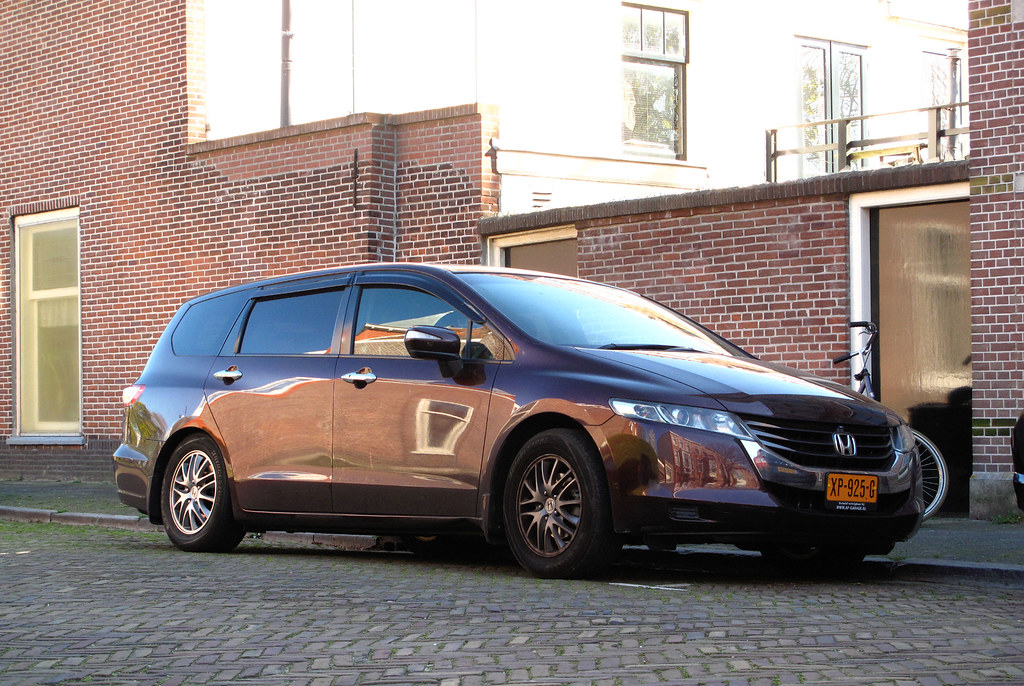
5. **The 2002 Honda Odyssey’s Catastrophic Transmissions**Among the various issues reported for the Honda Odyssey, the 2002 model year stands out as particularly problematic, primarily due to severe transmission problems. It is explicitly ‘posted as the worst for the Honda Odyssey van for transmission problems.’ This specific model year is notorious for experiencing ‘transmission failure,’ a critical and financially devastating issue for any vehicle owner.
Transmission failure is not a minor inconvenience; it essentially renders a vehicle inoperable and requires an extremely costly repair or replacement. The context states that ‘to repair the issues it can cost around $3,430,’ a significant expense that far outweighs the typical budget for used vehicle maintenance. Such a catastrophic and expensive flaw firmly establishes the 2002 Honda Odyssey as ‘most inferior’ in terms of its mechanical integrity.
From a claims adjuster’s perspective, a specific model year known for such a high-cost and debilitating failure is an immediate red flag. The probability of an insurer having to cover a $3,430 repair for transmission problems is substantially higher for this model year. This predictable and severe mechanical weakness makes the 2002 Odyssey a high-risk proposition for insurance providers.
Consumers considering this particular used van should be acutely aware of the substantial financial gamble involved. The potential for a sudden and costly transmission failure makes the 2002 Honda Odyssey ‘most harmful or severe’ to the owner’s finances and mobility. It is a prime example of a used van that claims adjusters would strongly advise against insuring due to its documented history of expensive and critical mechanical issues.
Car Model Information: 2020 Honda Odyssey EX-L
Categories: All set index articles, Articles with short description, Honda ATVs, Honda vehicles, Set index articles on cars
Summary: Honda Odyssey can refer to three motor vehicles manufactured by Honda:
Honda Odyssey (ATV), an all-terrain vehicle (1977—1989)
Honda Odyssey (minivan), a brand of two different Honda minivan models for different markets
Honda Odyssey (international), sold in Japan and most other parts of the world
Honda Odyssey (North America), sold primarily in North America and certain other markets
Get more information about: Honda Odyssey
Buying a high-performing used car >>>
Brand: Honda Model: Odyssey
Price: $28,966 Mileage: 53,401 mi.
6. **The 2005 Honda Odyssey: A High-Volume Complaint Year**While the 2002 model year of the Honda Odyssey is infamous for its transmission issues, the 2005 Odyssey takes a different, yet equally concerning, problematic distinction: it ‘actually has the most complaints out of any other model years.’ This high volume of complaints, even without a single, dominant catastrophic issue being highlighted for this specific year (unlike the 2002 transmission failure), speaks to a pervasive range of dissatisfactions and potential flaws.
The sheer quantity of complaints for the 2005 model year suggests that owners encountered a multitude of issues, from minor annoyances to more significant mechanical or electrical problems. This widespread discontent points to a general decline in overall vehicle quality or inconsistent manufacturing standards for that specific production run, making the vehicle ‘most unfavorable’ for a used car buyer seeking reliability.
From an insurance perspective, a model year with the highest complaint volume presents a unique challenge. While individual claims might not always be as costly as a transmission replacement, the cumulative effect of numerous small to moderate claims for various problems can significantly elevate the overall risk profile of the vehicle. Claims adjusters would recognize this broad pattern of complaints as an indicator of consistent owner dissatisfaction and potential future claim activity.
Therefore, the 2005 Honda Odyssey, despite its popularity, should be viewed with extreme caution in the used market. Its unparalleled complaint volume within the Odyssey line signals a high probability of encountering a range of issues, making it a less-than-ideal candidate for insurance coverage due to its inherent unreliability and potential for ongoing owner costs. Consumers are advised to ‘pass on’ this particular model year to avoid a myriad of potential headaches.”
,”_words_section1″: “1948
Car Model Information: 2020 Honda Odyssey EX-L
Categories: All set index articles, Articles with short description, Honda ATVs, Honda vehicles, Set index articles on cars
Summary: Honda Odyssey can refer to three motor vehicles manufactured by Honda:
Honda Odyssey (ATV), an all-terrain vehicle (1977—1989)
Honda Odyssey (minivan), a brand of two different Honda minivan models for different markets
Honda Odyssey (international), sold in Japan and most other parts of the world
Honda Odyssey (North America), sold primarily in North America and certain other markets
Get more information about: Honda Odyssey
Buying a high-performing used car >>>
Brand: Honda Model: Odyssey
Price: $28,966 Mileage: 53,401 mi.
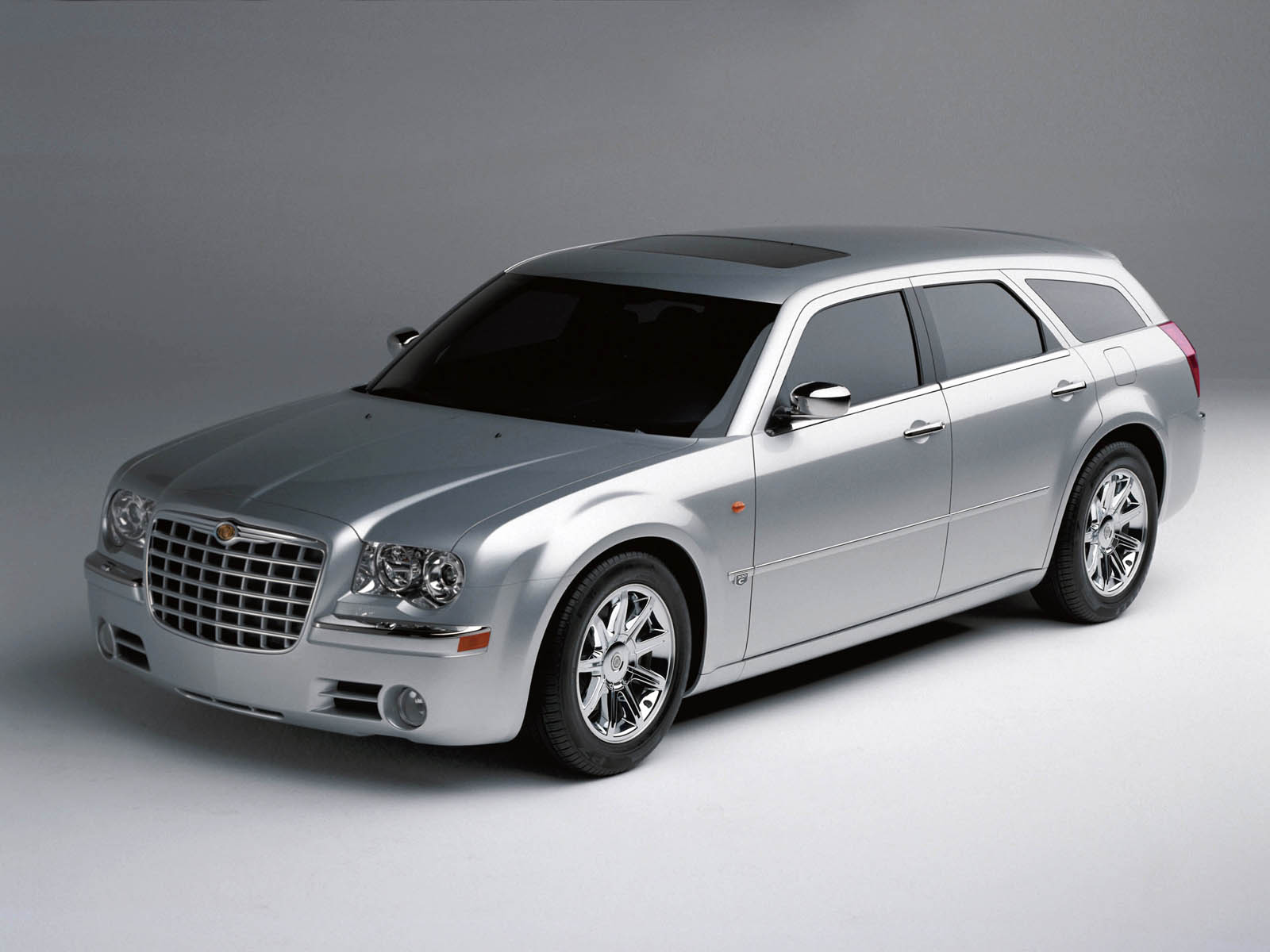
7. **Chrysler Town & Country: An Icon’s Iffy Legacy**The Chrysler Town & Country, a minivan synonymous with family transport, holds a conflicted place in the market. While celebrated for practicality, its reputation isn’t unblemished. This model ranks third on the list of most complained about minivans, accumulating 1,852 complaints on CarComplaints.com. This significant volume suggests a divergence between public perception and actual owner experience, especially for used models.
Delving into specific model years, the 2011 Chrysler Town & Country is identified as the “worst” overall. A primary concern is the frequent failure of the TIPM (Totally Integrated Power Module) system. This critical electrical component manages various vehicle functions, and its malfunction can lead to a cascade of operational issues, impacting vehicle reliability and safety.
Repairing the TIPM system typically costs around $950. For claims adjusters, a known, recurring issue of this financial magnitude presents a clear risk. The probability of an insurer covering such an expense directly impacts the vehicle’s risk profile, making the 2011 Town & Country a less attractive candidate for comprehensive insurance. Its documented vulnerabilities indicate a higher likelihood of costly electrical repairs.
The 2011 Chrysler Town & Country embodies characteristics that are “most unfavorable” from an insurance perspective. It promises potential headaches and unexpected financial outlay. Prospective buyers should approach this specific model year with caution, as initial savings may be offset by persistent electrical problems and their associated repair bills, affirming its place on the “pass on” list.
Car Model Information: 2022 Mitsubishi Outlander
Name: Chrysler Town & Country
Manufacturer: Chrysler Corporation
Production: 1989–2016
ModelYears: 1990–2016
Class: Minivan
Predecessor: Chrysler Town & Country (1941–1988)
Successor: Chrysler Pacifica (minivan)
Categories: 1980s cars, 1990s cars, 2000s cars, 2010s cars, All-wheel-drive vehicles
Summary: The Chrysler Town & Country is a minivan manufactured and marketed by Chrysler starting from the 1990 until the 2016 model year. It was the third Chrysler minivan model introduced in North America. The Town & Country adopted its nameplate from the flagship Chrysler station wagon line, adopting its exterior woodgrain trim as a design feature for several generations.
Marketed as the flagship of the Chrysler minivan line, five generations of the Town & Country were slotted above the extended-wheelbase Dodge Grand Caravan and Plymouth Grand Voyager. For 2017, Chrysler retired the nameplate, with sixth-generation Chrysler-division minivans becoming the Chrysler Pacifica. After the 2016 model year, Chrysler marked the sale of its 12 millionth minivan (under all three nameplates). Produced almost continuously for 75 years (except during World War II and 1989), the Town & Country nameplate is the longest-produced Chrysler; its longevity is second only to the Chevrolet Suburban in automotive history.
Chrysler assembled the first three generations of the model line in its Saint Louis Assembly facility (Fenton, Missouri). The fourth and fifth-generation Town & Country were produced by Chrysler Canada by Windsor Assembly (Windsor, Ontario).
Get more information about: Chrysler Town & Country (minivan)
Buying a high-performing used car >>>
Brand: Chrysler Model: Town & Country
Price: $21,595 Mileage: 44,296 mi.
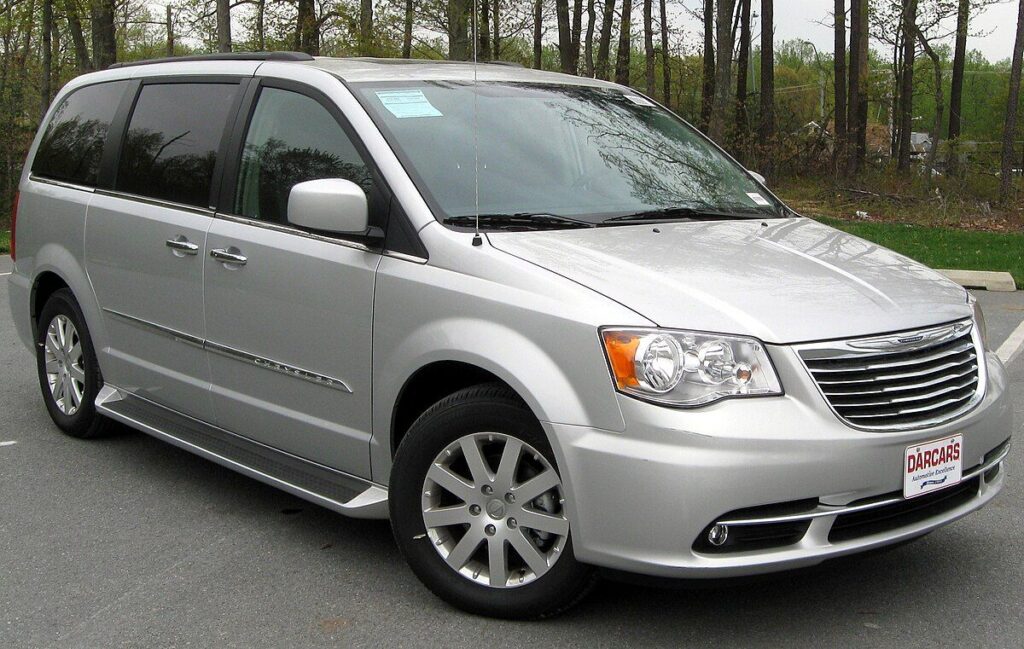
8. **The Perils of High-Complaint Minivans: A Broader Look**Beyond individual model issues, a concerning pattern emerges with minivans consistently showing high complaint volumes. The Dodge Grand Caravan, for example, received explicit “warning labels” from CarComplaints.com. This contrasts sharply with competitors like the Toyota Sienna (899 complaints) or Kia Sedona (209 complaints overall). This disparity highlights that some minivans possess systemic shortcomings that persist across various model years, making them risky used purchases.
High complaint volumes are not merely anecdotal; they represent widespread dissatisfaction and often indicate underlying quality control issues or design flaws. For a used van buyer, selecting a model with thousands of documented complaints means accepting a higher likelihood of encountering a range of problems. These can span from minor annoyances to major mechanical failures, directly correlating with increased ownership costs and reduced long-term reliability.
Claims adjusters view vehicles with extensive complaint histories as inherently high risk. A model known for numerous problems, even if varied, implies a greater potential for future claims related to breakdowns and repairs. This broad pattern of reported issues signals to insurers that the model is “most inferior” in terms of reliability, making it challenging to insure affordably. Prioritizing models with fewer complaints offers a clearer path to more predictable and cost-effective ownership.
Choosing a minivan with a proven track record of fewer issues generally translates to smoother ownership, less stress, and more predictable, potentially lower, insurance premiums. The data clearly suggests that models like the Sienna or Sedona are preferable to those flagged with numerous owner complaints, providing a valuable guide for consumers seeking dependable and insurable used vehicles.
Car Model Information: 2022 Mitsubishi Outlander
Caption: 2011 Dodge Grand Caravan Mainstreet
Name: Dodge Grand Caravan
Manufacturer: Chrysler Corporation,Daimler AG,Chrysler LLC,Chrysler Group LLC,FCA US LLC
Class: Minivan
Layout: FF layout,F4 layout
Production: November 2, 1983 –August 21, 2020
ModelYears: 1984–2020
Related: Plymouth Voyager,Chrysler Town & Country (minivan),Dodge Mini Ram,Chrysler Voyager,Volkswagen Routan
Assembly: Windsor, Ontario,Fenton, Missouri,Fenton, Missouri,Fuzhou
Successor: Dodge Journey,Chrysler Voyager
Categories: All-wheel-drive vehicles, All articles with unsourced statements, Articles with short description, Articles with unsourced statements from December 2017, Articles with unsourced statements from May 2009
Summary: The Dodge Caravan is a series of minivans manufactured by Chrysler from the 1984 through 2020 model years. The Dodge version of the Chrysler minivans, was marketed as both a passenger van and a cargo van (the only version of the model line offered in the latter configuration). For 1987, the model line was joined by the long-wheelbase Dodge Grand Caravan. Produced in five generations across 36 model years, the Dodge Caravan is the second longest-lived Dodge nameplate (exceeded only by the Dodge Charger). Initially marketed as the Dodge counterpart of the Plymouth Voyager, the Caravan was later slotted between the Voyager and the Chrysler Town & Country. Following the demise of Plymouth, the model line became the lowest-price Chrysler minivan, ultimately slotted below the Chrysler Pacifica.
Sold primarily in the United States and Canada, the Dodge Caravan was also marketed in Europe and other international markets under the Chrysler brand (as the Chrysler Voyager or Chrysler Caravan). From 2008 onward, Dodge marketed the model line only as the Grand Caravan; Ram Trucks sold a cargo-only version of the model line as the Ram C/V Tradesman. The model line was also rebranded as the Volkswagen Routan from 2009 through 2014.
After the 2020 model year, the Dodge Grand Caravan was discontinued, ending production on August 21, 2020. For 2021 production, the Grand Caravan nameplate was moved to Chrysler, which used it for a Canadian-market version of the Chrysler Pacifica (in the United States, the exact vehicle was marketed as the Chrysler Voyager).
For its entire production run, the Dodge Caravan/Grand Caravan was manufactured by Chrysler Canada (now Stellantis Canada) at its Windsor Assembly facility (Windsor, Ontario). From 1987 until 2007, the model line was also manufactured by Chrysler at its Saint Louis Assembly facility (Fenton, Missouri). Since their introduction in late 1983, over 14.6 million Chrysler minivans have been sold worldwide (including export versions and versions sold through rebranding).
Get more information about: Dodge Caravan
Buying a high-performing used car >>>
Brand: Dodge Model: Grand Caravan
Price: $21,595 Mileage: 44,296 mi.

9. **High Repair Costs: The Silent Insurance Premium Driver**When claims adjusters evaluate the insurability of any used vehicle, the potential cost of future repairs is a paramount concern, directly influencing insurance premiums. It’s not just about how often a vehicle breaks down, but crucially, how expensive those breakdowns or accident-related repairs are to fix. Vehicles with inherently high repair costs, even for seemingly minor incidents, automatically signal greater financial exposure for insurance companies, and this risk is then factored into policyholder rates.
A significant factor contributing to escalating repair costs in modern vehicles, including many minivans, is the integration of advanced safety equipment. Features such as parking assist sensors, sophisticated cameras for lane departure warnings, and complex radar systems are designed to enhance safety. However, these cutting-edge technologies are often substantially more expensive to repair or replace if damaged in a collision, even a minor one, compared to traditional components.
A simple bumper ding on a vehicle equipped with these sensitive systems, for instance, can quickly lead to a repair bill costing thousands of dollars. The labor involved in recalibrating these systems after a repair further adds to the overall expense. From an insurer’s perspective, this implies a substantially higher potential payout for comprehensive or collision claims. If an accident necessitates replacing a complex array of sensors and calibration systems, the cost to the insurer skyrockets.
This direct correlation between high repair costs and increased financial risk for insurers inevitably translates into higher premiums for the policyholder. Consequently, a used van that might seem affordable initially could quickly become unexpectedly expensive to insure due to its advanced, yet costly-to-repair, components. Buyers should research not just a vehicle’s purchase price, but also the typical repair costs for its specific technology package.
Read more about: Navigating the Automotive Minefield: Essential Car Accessories That Actually Save Lives (and the Gimmicks to Avoid)

10. **Vehicle Value: A Major Player in Premium Pricing**The inherent market value of a vehicle significantly impacts your insurance premiums, especially for collision and comprehensive coverages. These coverages protect against physical damage to your own vehicle, and the amount an insurer might pay out is directly tied to the vehicle’s worth. This factor is particularly relevant for used vans, as their depreciated value can sometimes obscure underlying insurance cost implications.
Consider a scenario where your van is totaled by an unforeseen event like a falling tree, or in a severe accident. Under a comprehensive or collision claim, your insurance company will pay the actual cash value of the vehicle at the time of the incident, minus your deductible. For vehicles with higher market values, even if used, this potential payout for the insurer is naturally greater. Therefore, a higher vehicle value translates directly to increased financial risk for the insurance provider.
This direct relationship means that vehicles with a higher intrinsic value, even several years into their lifespan, will consistently command more expensive rates for collision and comprehensive insurance. While a minivan is often a practical purchase, if its current market resale value remains relatively high, your insurance costs for physical damage coverages will reflect that elevated risk. Claims adjusters consistently factor this potential payout into premium calculations.
Understanding a used van’s true market value is crucial for making a financially sound purchasing and insuring decision. This principle holds true even for popular family minivans if strong demand maintains robust used market values. Savvy consumers look beyond the initial purchase price to grasp the full financial commitment, including insurance costs tied to the vehicle’s valuation.
Read more about: The Future Is Now: 13 Game-Changing 2026 Car Models That Are Absolutely Worth the Wait

11. **Beyond the Van: Driving Record’s Dominant Role**While the specific make and model of your used van are crucial, the vehicle itself is only one piece of the car insurance puzzle. More impactful, in many cases, is your personal driving record. This factor often dictates a significant portion of your insurance premium, irrespective of your chosen minivan’s reliability. A spotless driving history is a clear path to lower rates, reflecting a lower risk profile for insurers.
Conversely, a driving record marred by at-fault accidents, traffic violations, or serious infractions like DUIs, signals increased risk. Each incident can significantly hike premiums, as insurers statistically associate such behaviors with a higher likelihood of future claims. Even with a reliable minivan, a poor driving record can easily negate any potential insurance savings, transforming an otherwise good vehicle choice into an expensive one to cover.
This highlights that managing your driving behavior and maintaining a clean record is equally, if not more, critical for controlling insurance costs. Claims adjusters meticulously review driving records to assess individual risk with precision. Prioritizing safe driving and keeping a pristine record is arguably the most effective way to ensure your auto insurance premiums remain as affordable as possible, making it a foundational element of smart vehicle ownership and financial planning.

12. **The Personal Equation: Location, Usage, and Other Key Variables**Beyond your driving record, numerous other personal and situational factors profoundly influence your car insurance premiums. Your geographical location, or “garaging address,” is a critical variable. Premiums vary significantly between zip codes, as insurers consider local statistics for theft rates, vandalism, and accident frequency in your specific area. High-risk urban environments, for instance, typically lead to higher rates than quieter suburban or rural areas, regardless of the van you drive.
The intended use of your vehicle and your annual mileage also weigh heavily on cost calculations. A minivan used for personal errands and short commutes will likely incur lower premiums than one used for business or extensive daily travel. More mileage generally means more time on the road, increasing the statistical probability of an accident, which insurers factor into your policy. Transparency about vehicle usage is essential for accurate quotes.
Furthermore, your credit-based insurance score, documented history of past claims, and any recent lapse in auto insurance coverage provide insurers insights into your financial responsibility and risk profile. A strong credit history and consistent insurance coverage suggest stability, potentially leading to better rates. Conversely, frequent claims or gaps in coverage can signal higher risk, resulting in elevated premiums. Understanding these multifaceted elements empowers you to proactively manage your insurance costs. Finally, the specific auto insurance coverage chosen, from basic liability to comprehensive packages, directly impacts your premium; more extensive protection naturally carries a higher price tag.
**Concluding Thoughts: Driving Smarter, Insuring Wiser**
Navigating the used minivan market can feel like a complex maze, filled with both enticing deals and potential hidden dangers. Our deep dive into the most complained about models and the myriad factors influencing insurance costs aims to equip you with the knowledge to make truly informed and financially sound decisions. It’s clear that while the appeal of a spacious, versatile, and family-friendly van is potent, not all offerings are created equal, especially when viewed through the critical, data-driven lens of experienced claims adjusters.
Remember, the concept of a “worst” vehicle isn’t solely about inconvenient breakdowns or annoying glitches; it encompasses the broader financial burden, the pervasive inconvenience, and the elevated risk that permeates every single aspect of vehicle ownership, including the ever-important cost of insurance. From notorious electrical glitches and potentially catastrophic transmission failures that can drain savings, to the more subtle yet significant impacts of advanced repair costs and the deeply personal risk factors unique to each driver, every detail undeniably matters. By internalizing these critical insights and applying them to your decision-making process, you can confidently steer clear of those widely identified ‘clunkers’ and instead drive home a used minivan that offers genuine value, enduring reliability, and invaluable peace of mind for countless miles and years to come. Your smart, informed choice today will undoubtedly save you countless headaches, unexpected expenses, and hard-earned dollars tomorrow.