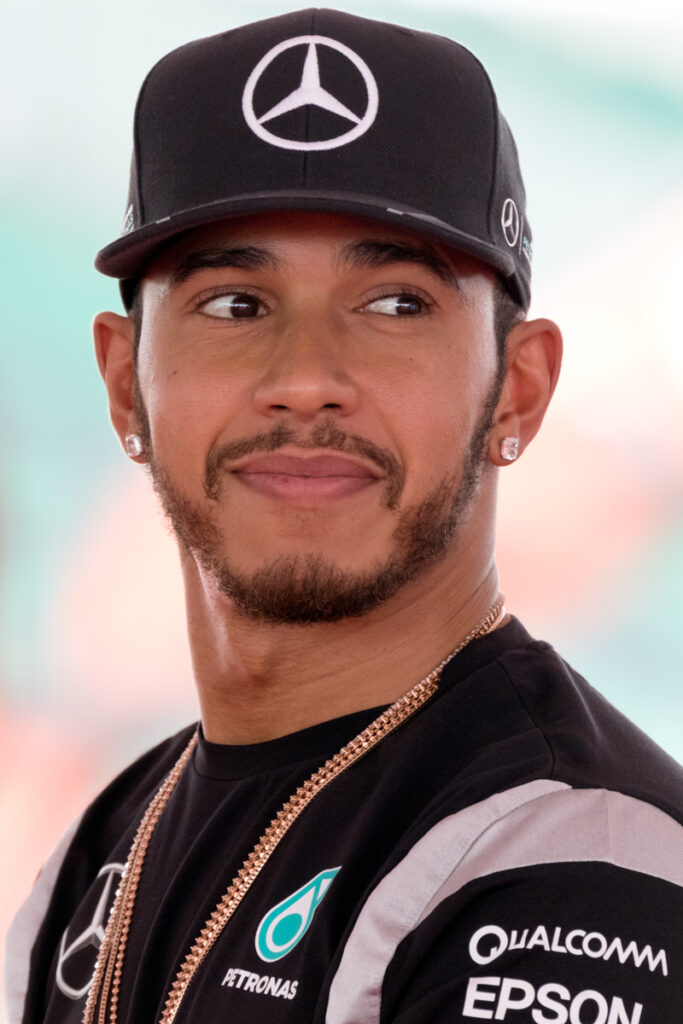
Watching Lewis Hamilton navigate the complexities of Formula One, especially after the dramatic conclusion of the 2021 Abu Dhabi Grand Prix, offered a masterclass in true championship mettle. Despite the heart-wrenching loss in the most dramatic circumstances, his calm demeanor and gracious congratulations to his rival, Max Verstappen, spoke volumes. It wasn’t just about speed on the track; it was about the profound restraint and generosity of a seasoned champion, a mindset cultivated through years of relentless discipline and an unwavering focus on the future.
Indeed, for an F1 driver, peak performance isn’t just about innate talent or raw driving skill; it’s a 24-hour, seven-days-a-week commitment to physical and mental excellence. The sport is physically grueling, with drivers enduring immense G-forces, high temperatures, and sustained elevated heart rates that mimic running a half marathon over two hours. Staying at the top, defying the age factor as Hamilton has done at 39, requires a holistic approach, with physical training, mental fortitude, and crucially, a meticulous diet forming the pillars of sustained success.
While we might marvel at his prowess behind the wheel, the real secret weapon in Hamilton’s arsenal often lies off the track: his plant-based diet. Since making the switch in 2017, this dietary revolution has been a game-changer, not just for his fitness levels and energy, but for his entire outlook. It’s not merely about what he *eats* to fuel his demanding career, but perhaps even more importantly, about the specific indulgent treats he *chooses to skip*—a strategic exclusion that ensures his body and mind remain in optimal condition for that unrivaled laser focus and lightning-fast reaction time on the circuit.
1. **Dairy-Rich Desserts**A foundational cornerstone of Lewis Hamilton’s rigorous dietary regimen, adopted with unwavering commitment in 2017, is strict veganism. This pivotal lifestyle choice immediately eliminates an enormous category of traditional indulgences that many of us take for granted, fundamentally reshaping his relationship with food and, by extension, his performance.
Specifically, his plant-based lifestyle means a complete absence of dairy products from his plate. He explicitly “avoids pastries or other breakfast items that might contain dairy or animal products,” indicating a comprehensive exclusion that extends beyond the main meals into every aspect of his daily intake, including potential treats.
This deliberate avoidance extends to a wide array of common desserts: rich ice creams, creamy milk puddings, luscious cheesecakes, and anything else relying on milk, cream, or cheese. By bypassing these dairy-laden options, Hamilton strategically sidesteps saturated fats and potential inflammatory effects often associated with dairy consumption, which could impede his recovery and overall physical well-being.
Hamilton’s choice is deeply rooted in “a desire for improved health and well-being.” He has openly discussed experiencing “mood swings and a swollen belly” with his previous pescetarian diet, issues that significantly improved upon going vegan. This profound personal experience underscores the direct health benefits he attributes to dairy elimination, leading to a “marked improvement in my fitness level” that continues to motivate him.

2. **Egg-Based Sweets and Pastries**Continuing the strict principles of his vegan diet, Lewis Hamilton also completely steers clear of egg-based treats. Many cherished pastries and desserts, which are mainstays in typical diets, depend heavily on eggs for their structure, richness, and binding qualities, making them a definite no-go for the seven-time world champion.
This exclusion encompasses a vast range of popular sweets, from traditional fluffy cakes and delicate custards to airy meringues and various types of cookies. These items are not only reliant on animal products but are also typically loaded with refined sugars and unhealthy fats, components that Hamilton consciously minimizes for optimal performance.
By systematically eliminating these egg-containing indulgences, Hamilton ensures that his diet remains purely focused on “plant-based protein sources.” This commitment to a cleaner fuel source is vital for an athlete whose body demands consistent, high-quality nutrition to sustain the grueling physical and mental demands of Formula One racing.
The benefits, according to Hamilton, are undeniable. His belief that “the benefits keep coming, and I’ve honestly never felt better” powerfully reinforces his unwavering decision to exclude such traditional staples. It highlights his conviction that these dietary choices are not mere restrictions but essential components of his sustained elite performance.
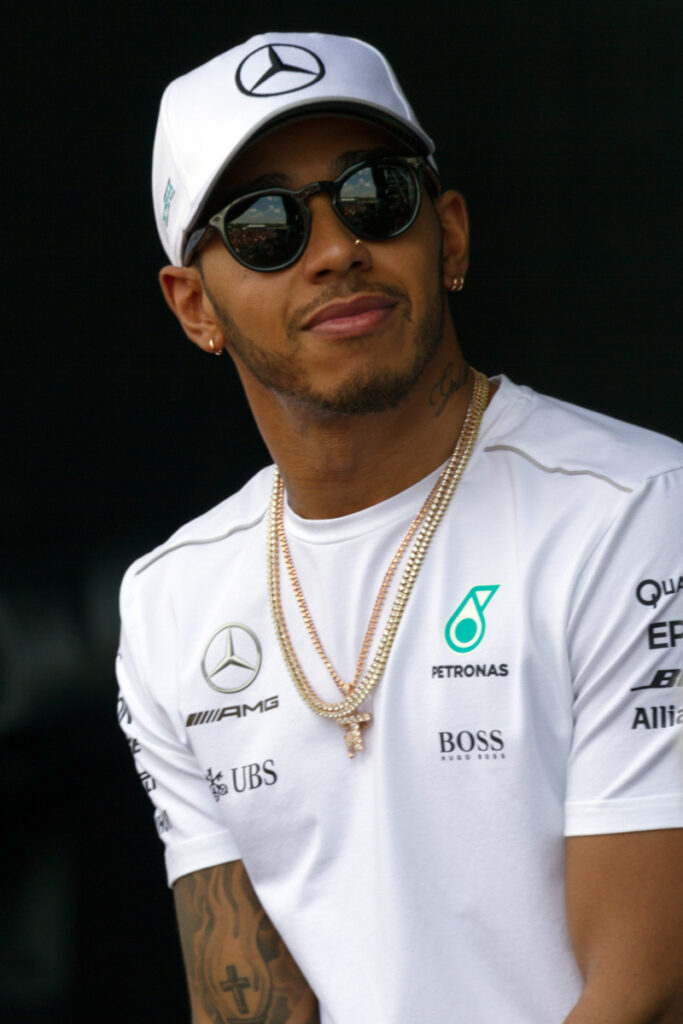
3. **Gelatin-Based Confections**While perhaps a less immediately obvious category compared to dairy or eggs, the exclusion of gelatin-based confections is another subtle yet significant aspect of Lewis Hamilton’s meticulous plant-based diet. Many popular treats, such as jellies, gummy candies, marshmallows, and even some light mousses, rely on gelatin for their unique texture.
For a staunch vegan like Hamilton, ingredients derived from animal sources, including gelatin, are strictly avoided. This commitment showcases his comprehensive approach to veganism, which extends far beyond major animal products to scrutinize every single component and additive in his food intake.
This detailed vigilance in avoiding even seemingly minor animal-derived ingredients underscores his deep dedication to both ethical consumption and maintaining the absolute physical purity of his diet. It’s a testament to his belief that every dietary choice, no matter how small, contributes to or detracts from his overall well-being and performance.
Such a meticulous focus helps ensure his body remains in a state of peak performance, free from any ingredients that do not align with his health goals. It’s this consistent attention to detail, even in the realm of sweet treats, that contributes to his sustained edge on the track.
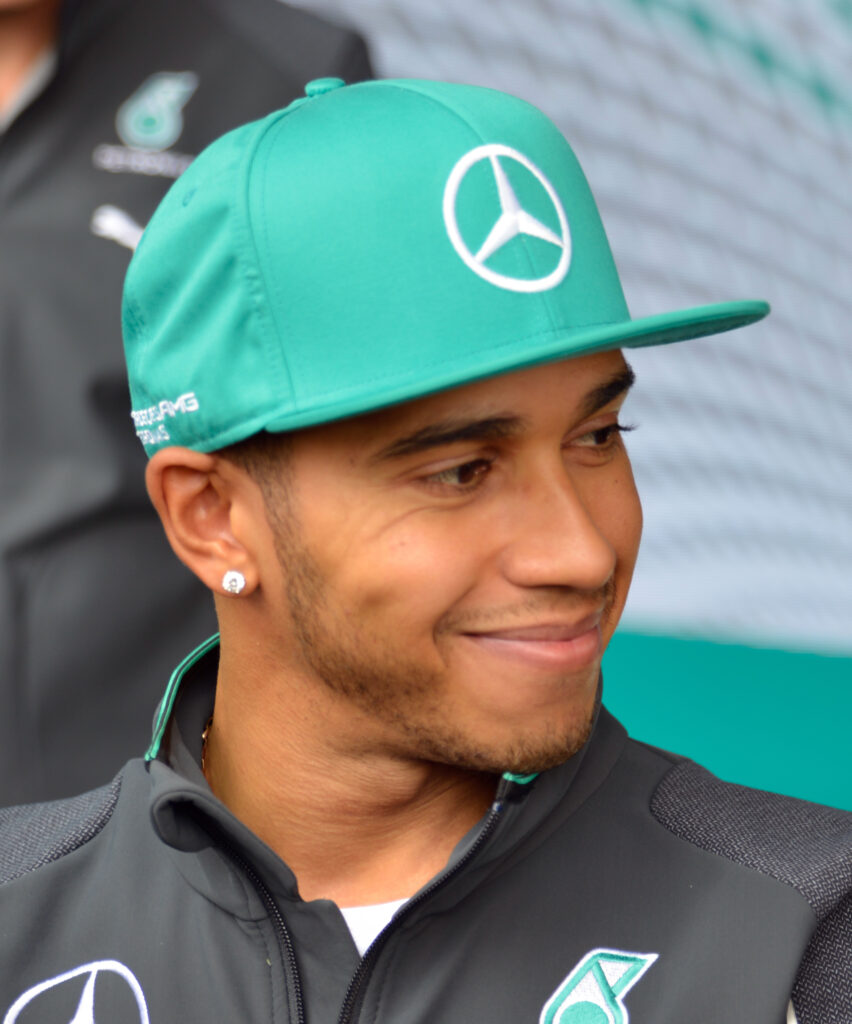
4. **Animal Fat-Laden Pastries and Baked Goods**Beyond simply avoiding dairy and eggs, Lewis Hamilton’s plant-based principles extend to bypassing any pastries, pies, or baked goods that incorporate butter, lard, or other animal fats. These ingredients are commonly found in rich, traditional desserts, lending them a decadent texture and flavor that are utterly at odds with Hamilton’s dietary philosophy.
Consuming such animal fat-laden items would directly contradict his overarching plant-based approach and his primary goal of reducing inflammation throughout his body while improving his general health. His diet is meticulously crafted to support a body that functions optimally, not one burdened by heavy, difficult-to-digest fats.
Hamilton’s past struggles provide crucial context for this avoidance. He noted, “I was definitely struggling more and my energy was inconsistent. I had days when I felt strong and others when I was just sapped.” Avoiding heavy, fatty desserts is a direct strategy to mitigate these issues and ensure consistent energy.
Instead, his dietary focus is firmly on ingredients that provide “sustained energy levels” and actively contribute to making him “more mobile and in better shape” than he was even a decade ago. This strategic skipping of animal fats in his treats is a key factor in his ability to maintain such remarkable physical conditioning.
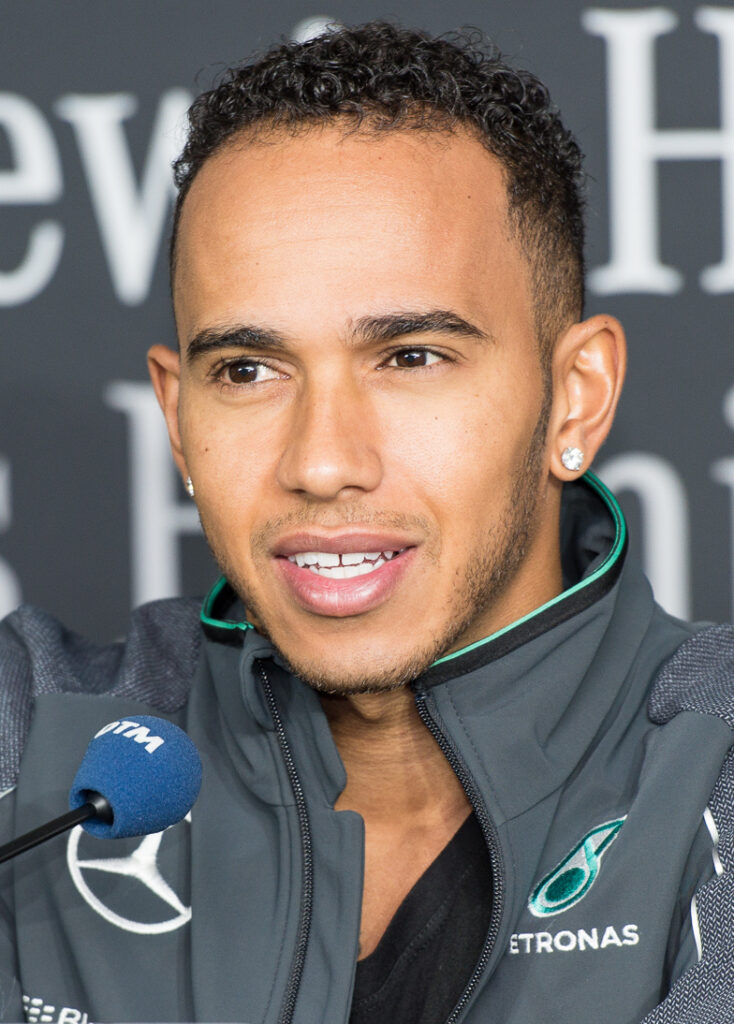
5. **High-Glycemic Index Sugary Desserts**A critical insight into Lewis Hamilton’s dietary strategy comes from his candid reflection on experiencing “highs and lows” in his energy levels before fully embracing his plant-based diet. This admission is a clear signal that he purposefully sidesteps foods known to cause such significant fluctuations, particularly those notorious for rapid energy spikes followed by debilitating crashes.
Many traditional sugary desserts, which are often concocted with generous amounts of refined sugars and processed white flours, fall squarely into the high-glycemic index category. These treats trigger a swift surge in blood sugar, inevitably leading to a sharp drop shortly after, resulting in inconsistent energy, impaired concentration, and a feeling of being “sapped.”
For an F1 driver, maintaining “laser focus and reaction time” is absolutely non-negotiable. Therefore, avoiding these sugar-laden culprits is paramount. Hamilton confirmed the efficacy of this choice, stating, “When I switched to a plant-based diet, those highs and lows decreased significantly,” demonstrating a deliberate and successful effort to eliminate them from his intake.
His diet is meticulously and strategically designed to deliver “sustained energy levels,” a crucial factor in enduring a two-hour race with a heart rate often exceeding 160 bpm. This enduring energy is predominantly achieved through nutrient-dense, whole plant foods, effectively bypassing the fleeting and detrimental energy bursts offered by sugary desserts.
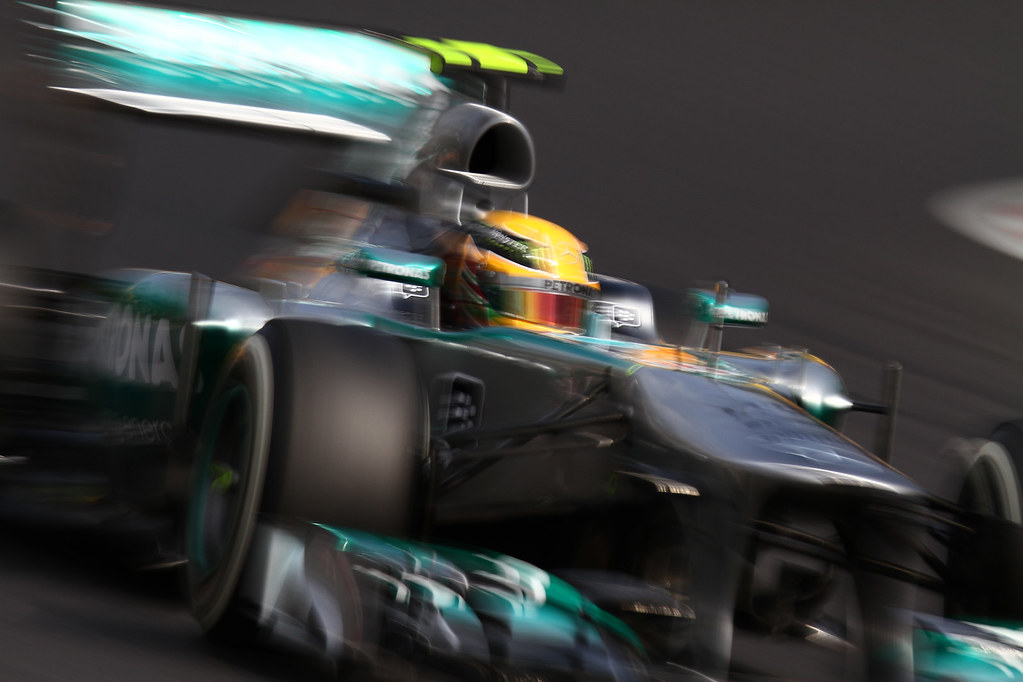
6. **Excessively Refined Carbohydrate-Heavy Desserts**Lewis Hamilton’s dietary discipline extends beyond just avoiding animal products and obvious sugars; he also exhibits a clear preference for minimizing refined carbohydrates. His statement, “he rarely consumes chocolates, avoids pasta, rice, and carbs in general,” offers a powerful insight into his broader nutritional philosophy.
While pasta and rice are typically main courses rather than desserts, this comprehensive avoidance signals a conscious decision to steer clear of the very foundation of many common indulgent treats. Countless desserts, such as white flour cakes, cookies, and other processed baked goods, are heavily reliant on refined carbohydrates which are stripped of much of their fiber and nutritional value.
By skipping these refined carbohydrate-heavy options, Hamilton ensures that his body is not burdened by empty calories that could undermine his “marked improvement in my fitness level” and his continuous effort to maintain a lean physique. This is crucial for an F1 driver who needs to have a low center of gravity in the car, where even a few extra kilos from muscle can be a disadvantage, let alone from nutrient-poor foods.
This conscious choice to prioritize nutrient density over caloric density, especially in desserts, fundamentally supports his goal of being “healthier and happier than I’ve ever been.” It allows him to gain muscle and sustain performance without the drag associated with nutrient-poor, carb-heavy treats that would offer little benefit to his rigorous lifestyle.

7. **Traditional Chocolates (with caveats)**Lewis Hamilton has explicitly shared a specific indulgence he largely bypasses, stating directly that “he rarely consumes chocolates.” This is a clear and unambiguous indication of a treat that, for many, is a daily pleasure, but for Hamilton, is an infrequent exception rather than a regular part of his dietary intake.
While it’s plausible that he might occasionally indulge in a carefully chosen plant-based, low-sugar, or high-cocoa variant, the strong emphasis on “rarely” underscores that the typical, widely available sugary chocolate bars are decidedly not part of his regular routine. This deliberate limitation is a testament to his strict self-discipline.
This conscious avoidance aligns perfectly with his broader strategic approach of minimizing processed sugars and focusing predominantly on whole, unprocessed foods. These whole foods are instrumental in contributing to his stable energy levels, consistent focus, and overall optimal health, which are non-negotiable for his demanding career.
Hamilton’s commitment to such choices has yielded significant rewards. He credits his improved sleep quality, the noticeable consistency in his energy levels, and his general overall well-being as direct results of these disciplined decisions. It powerfully demonstrates that even seemingly small or harmless indulgences, when consistently skipped, can accumulate into a profound positive impact on an athlete’s performance and longevity.
8. **Unplanned Indulgences and Cheat Meals**Ever wondered if even a disciplined athlete like Lewis Hamilton sneaks in a “cheat day” with a mountain of cookies? Think again! For a Formula One champion, the concept of an unplanned indulgence or a casual cheat meal is largely a foreign one, especially when the season is in full swing. His commitment to peak physical condition simply doesn’t leave room for such detours, making this category of “dessert” a definite skip.
The context is crystal clear: Hamilton “most probably doesn’t incorporate cheat days into his schedule.” This isn’t just about avoiding a specific ingredient; it’s about a consistent, unwavering approach to nutrition that underpins his entire athletic endeavor. While many of us might look forward to a weekend treat, Hamilton understands that his body is his most finely tuned piece of machinery, demanding constant, optimal care.
He’s even admitted to challenges with “putting on weight” during the off-season, which underscores why maintaining discipline even with small, seemingly harmless deviations is crucial. For an F1 driver, where every gram and every millisecond counts, allowing the body to accumulate anything that isn’t absolutely beneficial is a strategic error. It’s a mindset that prioritizes long-term performance over short-term gratification.
This unwavering dedication speaks volumes about the mental fortitude required to stay at the pinnacle of one of the world’s most demanding sports. Skipping unplanned indulgences isn’t just a dietary choice; it’s a reflection of the “24-hour, seven-days-a-week commitment” to physical and mental excellence that keeps him defying age and expectations on the track.
9. **Desserts Lacking Nutritional Value / Empty Calories**When you’re literally fueling your body for speeds exceeding 200 mph and enduring G-forces that would make most people green, every bite counts. For Lewis Hamilton, food isn’t just sustenance; it’s high-octane fuel. This philosophy naturally leads him to bypass any dessert that offers little to no nutritional value, items often referred to as “empty calories.”
He actively ensures his body “is not burdened by empty calories” – a concept vital for anyone, let alone an F1 driver. These are the kinds of treats that provide a fleeting sugar rush but fail to deliver the essential macronutrients (like protein and healthy fats) and micronutrients his body desperately needs for recovery, muscle maintenance, and sustained energy throughout a grueling race.
Instead, his diet is “meticulously and strategically designed to deliver sustained energy levels,” relying on “nutrient-dense, whole plant foods.” Think vibrant fruits, hearty nuts, and robust vegetables—ingredients that actively contribute to his physical and mental sharpness. A dessert that doesn’t align with this principle, no matter how delicious, simply doesn’t make the cut.
It’s not merely about avoiding bad foods; it’s about actively choosing good ones that serve a purpose. This strategic skipping of nutrient-poor desserts underpins his remarkable ability to perform under immense pressure, maintaining that “laser focus and reaction time” that separates champions from the rest. Every choice is a step towards the podium, not away from it.
10. **Restaurant Desserts of Unknown Ingredients**Picture this: Lewis Hamilton, traveling the globe for races, staying in countless hotels. How does he maintain his incredibly strict diet amidst diverse cuisines and varying kitchen standards? It turns out, he takes zero chances, especially when it comes to desserts where ingredients might be hidden or unclear. He effectively skips any restaurant dessert where the full ingredient list isn’t transparent.
Hamilton has candidly spoken about this challenge, noting, “Sometimes I’m just having room room service in a hotel, and I don’t know what to eat, so then I have to hit someone up or read online.” This isn’t just casual browsing; it’s a dedicated effort to understand exactly what he’s consuming, or better yet, to request something custom-made by a chef who understands his plant-based requirements.
His vigilance is a direct reflection of his philosophy that “he uses food as fuel being an athlete and remains very conscious about what he eats and the ingredients in it.” This means he can’t risk accidental exposure to dairy, eggs, animal fats, or excessive refined sugars that might be lurking in a seemingly innocent-looking hotel pastry or a standard restaurant sweet.
This meticulous approach highlights a broader lesson: for Hamilton, knowledge is power when it comes to nutrition. He doesn’t compromise on his health by leaving his food choices to chance, particularly with treats that are often prepared with a mix of ingredients that wouldn’t typically align with his high-performance, plant-based regimen. It’s a testament to his control over every aspect of his preparation.
Read more about: Seriously, Where Did They Go? 12 Iconic American Foods That Vanished From Our Tables (And Why!)

11. **Heavy, Digestively Challenging Desserts**Beyond specific ingredients, Lewis Hamilton’s dietary choices are also guided by how food makes him *feel* and how it impacts his body’s crucial recovery processes. This means he consciously avoids desserts that are heavy, dense, or otherwise challenging for his digestive system, regardless of whether they are technically vegan.
He’s openly shared his past struggles, admitting, “I was definitely struggling more and my energy was inconsistent. I had days when I felt strong and others when I was just sapped.” These feelings are the enemy of an F1 driver who needs consistent, peak energy. Heavy, difficult-to-digest foods, especially those loaded with fats (even plant-based ones, if in excess), can slow down digestion and divert energy away from where it’s needed most: recovery and sustained physical output.
His strategy is to choose foods that keep his body running optimally, not “burdened by heavy, difficult-to-digest fats.” By sidestepping these types of treats, he ensures his system remains agile and efficient, minimizing any potential for inflammation or sluggishness that could impede his performance or lengthen recovery times after intense training sessions or races.
This focus on digestive ease is a cornerstone of his overall well-being, contributing to his ability to be “more mobile and in better shape” than he was a decade ago. It’s about ensuring that every meal, including any rare treat, contributes positively to his body’s harmony, rather than creating an internal struggle that could manifest as reduced focus or physical discomfort.

12. **Desserts Compromising Sleep Quality**For an athlete whose performance hinges on split-second decisions and sustained concentration, sleep isn’t a luxury—it’s a critical component of success. Lewis Hamilton knows this intimately, crediting “improved sleep quality” as one of the direct benefits of his plant-based diet. This implies a very deliberate avoidance of any dessert that could even remotely disrupt his precious rest.
While high-sugar items are a common culprit for restless nights (and we’ve already covered those!), Hamilton’s meticulous approach suggests a broader awareness of foods that might interfere with his body’s natural sleep cycles. His commitment to “positive effects on my sleep and on my health in general” means carefully considering the timing and composition of any treat, especially in the evening.
In the high-octane world of F1, where adrenaline runs high, “unplugging is a fundamental part of my routine” to “decompress after a race, so you can face the next one with a clear mind.” A dessert that causes a sugar crash, an upset stomach, or any form of internal agitation could shatter this essential winding-down process, directly impacting his mental clarity and reaction time for the next challenge.
His disciplined choices aren’t just about waking up energized; they’re about ensuring his body and mind achieve deep, restorative rest every single night. This is a subtle yet powerful aspect of his preparation, underscoring how deeply integrated his dietary decisions are with every facet of his championship-level performance and longevity in the sport.

13. **Any Food Not Supporting Peak Performance (The “Fuel” Mindset)**Ultimately, all of Lewis Hamilton’s dietary decisions, particularly those concerning desserts, boil down to one overriding principle: if it doesn’t directly support his peak performance, it’s out. This “fuel” mindset is not just a preference; it’s a strategic imperative that dictates every single bite he takes, ensuring his body is always operating at its absolute best.
This holistic and “meticulous diet” approach is a cornerstone of how he has managed to “defy the age factor” and remain “more mobile and in better shape” than he was even a decade ago. It’s a testament to the fact that sustained success in a sport as physically demanding as Formula One requires unwavering discipline, extending even to the seemingly small choices about what to skip on the dessert menu.
Hamilton’s journey is a powerful reminder that “unhealthy isn’t an option” for those striving for excellence. His unwavering commitment to fueling his body with purpose-driven, plant-based foods, and strategically bypassing anything that doesn’t serve his championship ambitions, is not just inspiring – it’s a blueprint for anyone seeking to optimize their own well-being and unlock their peak potential, on or off the track.
The journey through Lewis Hamilton’s meticulously curated dietary exclusions reveals far more than just a list of desserts he skips; it unveils the profound discipline and strategic foresight that fuel a true champion. Every deliberate omission, from dairy-rich delights to hidden sugars in restaurant fare, is a calculated move in his relentless pursuit of excellence. It’s a compelling testament to the idea that greatness isn’t accidental; it’s built, bite by conscious bite, on a foundation of unwavering self-awareness and a deep understanding of what truly empowers the body and mind. So, as we see him rocket around the track, remember, his laser focus and lightning-fast reactions are as much a product of what he chooses *not* to eat, as what he does. It’s a powerful lesson for us all: sometimes, the most impactful choices are the ones we make to simply, gracefully, say “no.”