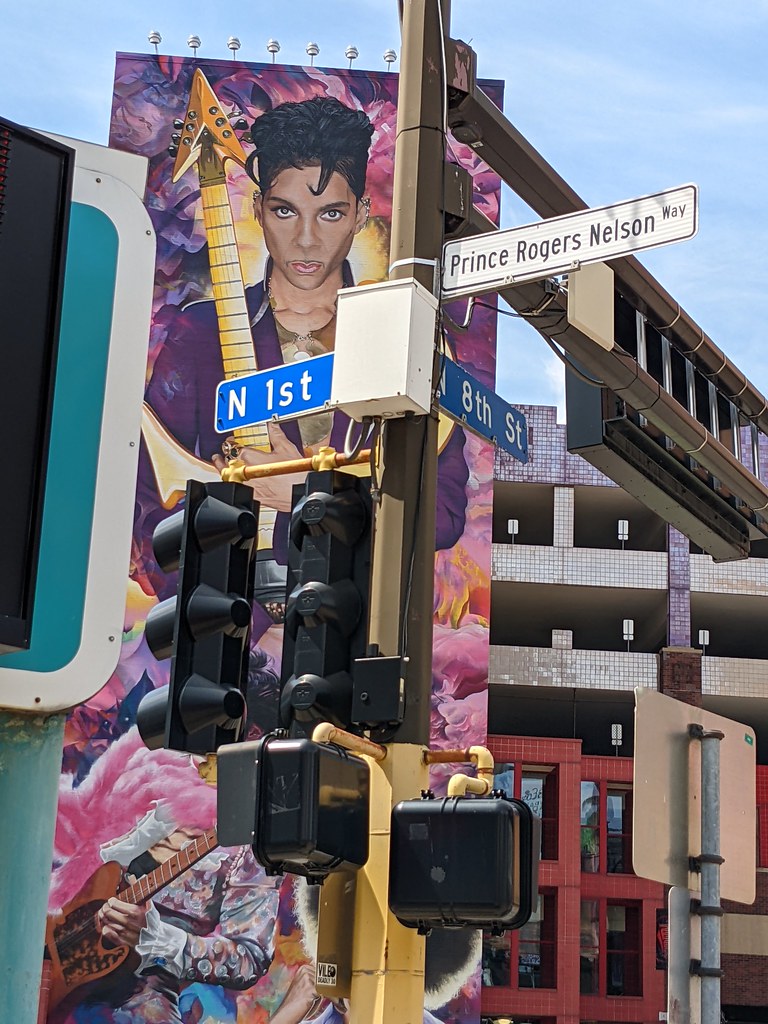
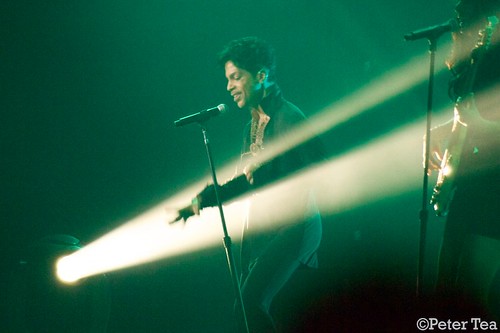
Prince Rogers Nelson, known universally as Prince, emerged from Minneapolis, Minnesota, to become one of the most talented and influential musicians of his generation. Born on June 7, 1958, his life was a testament to extraordinary musical genius, a boundless creative spirit, and an unwavering commitment to artistic independence. Like Stevie Wonder, he was a rare composer who could perform at a professional level on virtually all the instruments he required, with a considerable number of his recordings featuring him in all performing roles. His career spanned nearly four decades, leaving an indelible mark on funk, soul, R&B, rock, and pop music.
His journey from a young piano player to a global superstar is a compelling narrative of innovation, controversy, and profound cultural impact. Prince’s unique ability to blend genres, push lyrical boundaries with frankness and imagination, and captivate audiences with his electrifying performances made him an unparalleled force in the music industry. This article delves into the initial stages of his remarkable career, tracing the evolution of an artist who continually redefined the landscape of popular music.
This first section of our in-depth exploration will illuminate the foundational elements of Prince’s artistry, from his early life and burgeoning talent to the albums that cemented his status as a musical icon. We will examine the distinct phases of his early recording career, the pivotal moments that led to crossover success, and the creative forces that drove his groundbreaking work through the 1980s.
1. **Early Life and the Genesis of a Prodigy**Prince Rogers Nelson was born into a musical family in Minneapolis, Minnesota, on June 7, 1958. His father, John Nelson, was a jazz musician who performed under the stage name Prince Rogers, while his mother, Mattie Shaw, was a jazz singer. This rich musical heritage undoubtedly laid the groundwork for his future endeavors, embedding a deep appreciation for diverse sounds from his earliest days. Taking an early interest in music, Prince began playing the piano at age 7, a remarkable beginning for what would become a lifelong dedication to instrumentation.
By the age of 14, he had already mastered the guitar and drums, demonstrating a prodigious talent that set him apart. He joined his first band around this time, laying the practical foundations for his performance and songwriting skills. His hometown of Minneapolis, with very few African American residents, was an unlikely site for the development of a major Black star, yet Prince’s innate talent and charismatic presence were such that he would eventually lead other local musicians, including Jimmy Jam and Terry Lewis, to significant success.
Prince’s childhood was also marked by challenges; he suffered from epileptic seizures and faced teasing in school. In a 2009 interview with Tavis Smiley, Prince revealed, “Early in my career I tried to compensate by being as flashy and as noisy as I could.” This early drive for self-expression and perhaps a desire to overcome perceived vulnerabilities may have fueled his flamboyant stage persona and audacious musical experiments. His personal experiences were interwoven into his artistic identity, shaping the fearless artist he would become.
Read more about: The Billion-Dollar Dilemma: Is Dwayne ‘The Rock’ Johnson’s Controversial Part-Time Wrestling Hobby a Hidden Cost to His Hollywood Fortune?

2. **The Formative Years: Debut and “I Wanna Be Your Lover”**Prince’s professional recording career officially began when he signed with Warner Bros. Records in 1978. His debut album, *For You*, was released that same year, showcasing his burgeoning talent. On this album, Prince played practically all of the instruments, an early indicator of his multi-instrumentalist capabilities and his desire for complete creative control, a trait that would define much of his career.
This was quickly followed by his self-titled second album, *Prince*, released in 1979. This sophomore effort marked a significant step forward, containing his first Top 20 pop hit, the easygoing and soulful “I Wanna Be Your Lover.” The track also reached number one for two weeks in the American R&B singles chart, signaling his crossover appeal. These early recordings began to draw attention for their fusion of funk and soul, styles initially marketed to a Black audience, while also reflecting the contemporary musical impact of disco.
Prince’s early music was characterized by a raw energy and a clear vision for blending genres. His ability to craft catchy, emotionally resonant songs while maintaining a distinctive musical identity was evident from these initial releases. The success of “I Wanna Be Your Lover” not only introduced him to a wider audience but also demonstrated his capacity to deliver commercially viable music without compromising his artistic integrity, laying the groundwork for the expansive musical explorations that would follow.
Read more about: The Iconic Legacy of Prince: A Curated Journey Through the Master Musician’s Revolutionary Career
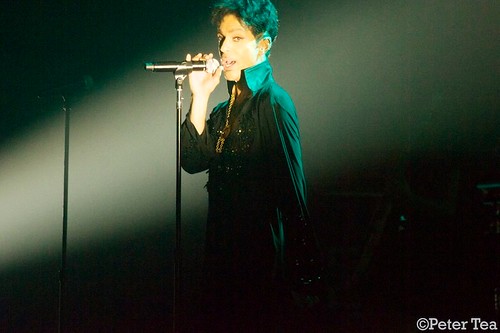
3. **Creative Expansion: “Dirty Mind” and “Controversy”**Building on his initial successes, Prince continued to push artistic boundaries with his third album, *Dirty Mind*, released in 1980. This critically acclaimed work consisted of material that was notably graphic in its exploration of uality and fantasy, a theme that would become central to much of his lyrical output. Rolling Stone gave the album four and a half stars, recognizing its bold and innovative approach. *Dirty Mind* showcased Prince’s willingness to challenge social conventions and categories, a recurring motif in his art.
The momentum continued with *Controversy*, released in 1981, which further developed the themes introduced in its predecessor. The album’s dance-oriented title track reached No. 3 on the R&B charts, demonstrating his ability to maintain commercial appeal while delving into provocative subject matter. Songs like “Sexuality” and “Do Me Baby” further solidified his reputation for frankness and imagination in addressing desire. Yet, as Prince continued to develop his career, he would also become known for tracks that possessed a deep spirituality, often yearning for majesty and wonder, demonstrating the complex duality inherent in his artistic expression.
Through *Dirty Mind* and *Controversy*, Prince cultivated an image as an artist unafraid to confront taboos and express a multifaceted identity. His music became a vehicle for exploring the intersection of the sacred and the profane, a unique blend that resonated deeply with audiences and critics alike. These albums were crucial in establishing his unique artistic voice and setting the stage for even greater commercial and critical triumphs.
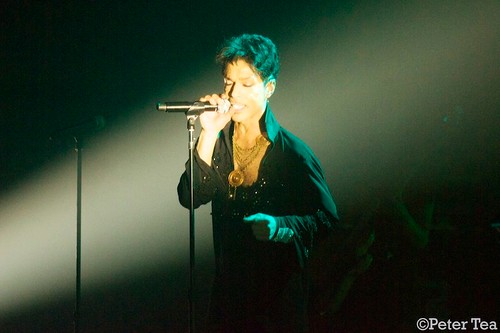
4. **The Global Breakthrough: “1999” and Chart Dominance**Prince achieved international success with the release of his fifth album, *1999*, in 1982. This seminal album propelled him into the mainstream, solidifying his superstar status. The title track, an exquisite synth-funk ode about nuclear doomsday, became a Top 20 hit, demonstrating his ability to infuse serious themes with infectious danceability. The album also featured the groundbreaking Top 10 hits “Little Red Corvette” and “Delirious,” further expanding his reach and appeal.
“Little Red Corvette” (1983) marked Prince’s first big crossover hit, notably gaining airplay on MTV at a time when virtually no Black artists appeared on the influential new medium. This was a significant moment, breaking racial barriers in music video broadcasting and introducing Prince to an even broader audience. The success of *1999* showcased his mastery of pop sensibilities while retaining the distinctive funk and R&B elements that defined his sound.
The album’s widespread acclaim and commercial performance proved Prince’s versatility and his ability to craft music that transcended genre limitations. It paved the way for his ascension to global superstardom, proving that an artist could be both critically adventurous and immensely popular. *1999* was not merely an album; it was a declaration of Prince’s arrival as a dominant force in contemporary music.
Read more about: Unveiling the Enduring Luxury: Janet Jackson’s Illustrious Career and Cultural Impact
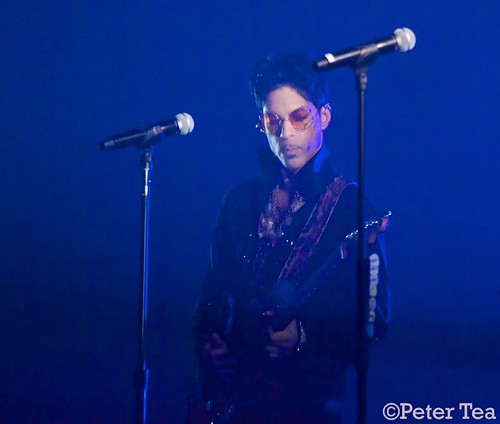
5. **”Purple Rain”: A Cultural Phenomenon**In 1984, Prince released *Purple Rain*, an album that became his biggest-selling record and a cultural touchstone of the decade. This massively successful and award-winning album served as the soundtrack to a semi-autobiographical film of the same name, which grossed almost $70 million at the U.S. box office. The film, co-starring Apollonia Kotero and Morris Day, garnered an Academy Award for Best Original Song Score, a testament to Prince’s cinematic vision and musical prowess.
*Purple Rain* earned Prince a Grammy Award, with three of its singles becoming major hits. The frenetic “Let’s Go Crazy” and the anthemic title cut both reached number one, while the androgynous but vulnerable “When Doves Cry” became his first number one single. The soundtrack also offered two other hits, “I Would Die 4 U” and “Take Me With U.” “When Doves Cry” was particularly noteworthy for its unique blend of electronic and funk elements without a traditional chorus, displaying one-of-a-kind signatures.
The album also featured “Darling Nikki,” a tune that incited controversy due to its explicit visuals. After Senator Al Gore’s wife, Tipper Gore, bought the album for their daughter and listened to the track, she eventually pushed for albums to sport labels warning parents of graphic lyrics, leading to the establishment of the Parental Advisory label. Simultaneously, Prince became a well-known visual icon with his trademark curls, flowing jackets, and ruffled attire adorned with punk embellishments, cementing his status as a fashion and music trailblazer.
Read more about: The King’s Ransom: Unraveling the Tumultuous Life, Reign, and Enduring Legacy of Elvis Presley

6. **Artistic Evolution Beyond The Revolution: “Sign ‘O’ the Times”**Following the immense success of *Purple Rain*, Prince continued to produce inventive music of broad appeal. *Around the World in a Day* (1985) featured the Top 10 tracks “Raspberry Beret” and “Pop Life,” and continued to showcase his penchant for playing a range of instruments and imparting messages of self-love, as seen with “Paisley Park,” a track inspired by the name of his Minneapolis studios. In 1986, Prince released his eighth studio album, *Parade*, which served as the soundtrack for his second film, *Under the Cherry Moon*, which he directed and starred in. *Parade* included his pulsating No. 1 pop/R&B single “Kiss,” which also won a Grammy Award for Best R&B Performance by a Duo or Group with Vocal.
After the disbanding of the Revolution, Prince consolidated various shelved projects into what ultimately became the double album *Sign ‘O’ the Times* (1987). This album is widely regarded as one of his most critically acclaimed works. The title track reached No. 3 on the pop charts and No. 1 in R&B, offering stark commentary on social issues. The album also contained fun jams like “U Got the Look,” a raucous duet with Scottish singer Sheena Easton that reached No. 2 on the pop charts. This era further demonstrated his prolific output, with him previously penning the lasciviously charged pop/R&B hit “Sugar Walls” from Easton’s 1984 album.
While *Sign ‘O’ the Times* was highly praised by critics, its sales lagged in the U.S., though it found a larger audience in Europe, where Prince launched a successful tour. The album was a complex tapestry of sounds and themes, reflecting his continued artistic growth and willingness to experiment. Maintaining a prodigious output, he released *Lovey* in 1988, known for its album cover featuring a photo of the artist in the , as well as the Top 5 uptempo R&B hit “Alphabet St.” By the time he released his 11th studio album, the soundtrack to *Batman*, in 1989, Prince had become one of America’s most commercially successful pop artists, continually making waves on the charts with tracks like the No. 1 romp “Batdance” and the Top 5 R&B hit “Partyman.” The video for “Batdance” famously featured Prince in split-effect makeup and costuming, symbolizing both the film’s shadowy hero and his crazed nemesis, the Joker, showcasing his continued visual artistry alongside his musical innovation.
Following a decade of unprecedented success and artistic exploration, Prince’s career entered a new phase marked by significant changes in his professional relationships and creative output. This period saw him confront the music industry’s established structures, experiment with new band formations, and continue his prolific artistic collaborations, all while maintaining his distinctive musical vision. His later years were characterized by a resurgence in critical and commercial appeal, iconic performances, and a strong commitment to both digital music reform and social activism, culminating in his enduring legacy following his untimely death. This section will delve into these pivotal chapters, offering a comprehensive view of the artist’s multifaceted journey from the early 1990s until his passing.

7. **Clash with Warner Bros. and the Symbol**The early 1990s brought an unprecedented level of commercial success for Prince, but also a growing tension with his record label, Warner Bros. In the fall of 1992, Prince signed what was then considered the largest recording and music publishing contract in history, valued at $100 million. This deal was notable for granting him the freedom to pursue separate television, film, book, and merchandising deals, distinguishing it from the all-inclusive contracts of contemporaries like Michael Jackson and Madonna.
Despite this landmark deal, Prince became increasingly dissatisfied with what he perceived as control from his label, particularly regarding the pace of his releases. Throughout most of his career, his prolific inventiveness as a songwriter often clashed with Warner Bros.’ policy of releasing only a single album each year. As a substantial backlog of his completed but unreleased recordings accumulated, Prince began to give songs to other performers and even organized ostensibly independent groups, such as the Time, to record his material, many of whom recorded at his Paisley Park studio and label.
In a profound act of defiance against feeling controlled by his label, Prince dramatically changed his name in 1993 to an unpronounceable glyph, O(+>, a fusion of female and male astrological symbols. This symbol, which he used until 2000, led to him being frequently referred to as “the artist formerly known as Prince,” as his new symbol was not widely embraced by fans. To further convey his deep disdain for the label, he also began making public appearances with the word “SLAVE” drawn on the side of his face. During this period of duress, he still released acclaimed work such as the 1995 album *The Gold Experience*, which featured the Top 5 hit “The Most Beautiful Girl in the World.”
His conflict with Warner Bros. ultimately concluded when he was released from all contractual obligations. This freedom was celebrated with the aptly titled triple album *Emancipation* in 1996, which achieved platinum certification and included the soulful remake “Betcha by Golly, Wow.” Following this, several other albums affiliated with his NPG label were released, including *Crystal Ball* (1998) and *Rave Un2 the Joy Fantastic* (1999), marking a new era of artistic independence.
Read more about: Beyond a Single Scene: Unpacking the Monumental Investment and Unprecedented Impact of the MCU’s Avengers Saga

8. **The New Power Generation and Prolific Collaborations**The early 1990s heralded the formation of Prince’s latest backing band, The New Power Generation (NPG). This group infused his music with a dynamic blend of contemporary R&B, hip-hop, jazz, and soul, featuring the prominent vocals of Rosie Gaines. The NPG’s contribution was first highlighted in *Graffiti Bridge*, a 1990 film that served as a sequel to *Purple Rain*. Although the film did not achieve significant box office success, its soundtrack yielded the Top 10 track “Thieves in the Temple.”
With the artistic input of the NPG, Prince achieved considerable success with the 1991 album *Diamonds and Pearls*, which climbed to No. 3 on the Billboard 200 album chart. This album featured a diverse array of hits, including the romantic title ballad, the potent “Gett Off,” the playful anthem “Insatiable,” and the saucy No. 1 single “Cream.” The promotional efforts for *Diamonds and Pearls* included a memorable performance at the 1991 MTV Video Music Awards, where Prince and his dancers delivered an onstage bacchanal for “Gett Off,” with Prince famously turning to reveal his seatless pants, further solidifying his image as an artist unafraid to challenge norms.
Beyond his own band, Prince had firmly established himself as a sought-after collaborator and a significant force behind the scenes for other artists. His compositions were frequently remade and achieved great success; for instance, Chaka Khan’s ebullient cover of his 1979 tune “I Feel For You” became a major hit in the mid-1980s. Sinead O’Connor’s biggest single, “Nothing Compares 2 U,” was also a Prince composition. Further demonstrating his influence, The Art of Noise and Tom Jones reached the U.K. Top 5 in 1988 with their rendition of “Kiss,” and Alicia Keys included a cover of “How Come U Don’t Call Me Anymore” on her 2001 debut album.
Prince’s collaborative reach extended to writing specific album tracks for a wide range of performers, including Madonna, Tevin Campbell, Kate Bush, The Time, Martika, Patti LaBelle, and Janelle Monae. He was also instrumental in the formation of the girl group Vanity 6, which was fronted by singer/actress Vanity, and produced their No. 1 dance hit “Nasty Girl.” Additionally, he penned “Manic Monday,” a lush ode to a stressful workday, for the all-women’s band The Bangles, which they recorded to significant acclaim, reaching No. 2 on the charts. In 1992, Prince and The New Power Generation released the *Love Symbol Album*, which, despite being embraced by some critics, did not fare as well commercially as *Diamonds and Pearls*, yielding only one Top 10 hit, the transcendent single “7,” alongside other tracks like “My Name Is Prince” and the carnal “Sexy MF.”
Read more about: 15 Iconic American Musicians Who Defined Generations and Revolutionized Sound
9. **Later Career Resurgence: *Musicology* and *3121***Following a period of relative quiet after his contractual disputes and exploration of independent releases, Prince made a powerful return to the public eye in 2004. This year marked a significant resurgence in his career, beginning with a memorable performance at the Grammy Awards alongside Beyoncé Knowles, captivating audiences with their dynamic collaboration. The same year, his immense contributions to music were officially recognized with his induction into the Rock and Roll Hall of Fame, a fitting tribute to his groundbreaking artistry and influence.
That spring, Prince released the album *Musicology*, accompanied by a highly successful tour that became the top concert draw in the United States. *Musicology* not only sold well but also garnered critical praise, earning two Grammy Awards. The album further enriched the Prince canon with new tracks, including the dreamy ballad “Call My Name,” which showcased his enduring ability to craft emotionally resonant music that resonated with a broad audience.
His prolific output continued with the release of *3121* in 2006. In that same year, Prince demonstrated his versatility by writing and performing “Song of the Heart” for the animated film *Happy Feet*. This composition earned him a Golden Globe Award for Best Original Song, adding another major accolade to his already impressive list of achievements and highlighting his continued relevance across various artistic platforms.
Read more about: The Iconic Legacy of Prince: A Curated Journey Through the Master Musician’s Revolutionary Career

10. **Iconic Super Bowl Performance and Continued Output**Building on the momentum of his successful albums and awards, Prince delivered one of the most iconic performances in Super Bowl history during the Super Bowl XLI halftime show in 2007. Performing on a massive stage shaped like his famous symbol amidst pouring rain in Miami, Florida, he captivated an audience of 140 million fans worldwide. This performance was widely lauded, cementing his status not only as a musical genius but also as an unparalleled live performer.
The years following this monumental performance brought a wave of additional accolades and recognition for Prince. In 2010, Billboard.com honored him as the greatest Super Bowl performer ever, a testament to the lasting impact of his electrifying show. That same year, he was featured in TIME magazine’s “100 Most Influential People in the World” and received a Lifetime Achievement Award from the BET Awards, underscoring his profound influence across culture and entertainment. He further cemented his legendary status with an induction into the Grammy Hall of Fame.
Amidst these honors, Prince continued to deliver new music from his studio efforts. He released *Planet Earth* in 2007, followed by *LotusFlow3r* in 2009. His 2010 album, *20Ten*, was notably released as part of a joint deal with the Daily Mirror, demonstrating his ongoing exploration of alternative distribution methods. In 2014, he reunited with Warner Brothers, releasing *Art Official Age* and *PlectrumElectrum*, the latter featuring backing from the female trio 3rdEyeGirl. This collaboration continued with *HitnRun: Phase One* and *Phase Two*, both released in 2015.
Read more about: Driving Flashy Sports Cars: The Investment Playbook Financial Advisors See in 10 Top Models for 2025

11. **Stances on Digital Music and Social Activism**As the internet transformed into the primary medium for music distribution, Prince emerged as a vocal critic of the prevailing trend of sharing songs freely online without adequate upfront compensation and profit-sharing for artists. He steadfastly resisted providing his music to online platforms that did not meet his financial and creative standards, leading his tracks to be primarily available on the Jay-Z backed streaming service Tidal. As one of the few pop artists who maintained full ownership of his master recordings, he diligently utilized services like Web Sheriff to ensure the removal of his music, including videos and live performances, from unauthorized online sources. This commitment to artistic control extended to his involvement in the *Lenz v. Universal Musical Group* case, where he unsuccessfully sought the YouTube removal of a video featuring a baby dancing to his song “Let’s Go Crazy,” highlighting his dedication to protecting his intellectual property.
Beyond his strong stance on music industry economics, Prince also increasingly used his platform for social and political activism, particularly in his later years. On May 2, 2015, he organized and staged a “Dance Rally 4 Peace” at Paisley Park. This event was held to pay tribute to Freddie Gray, a 25-year-old African American who died in police custody after his arrest in Baltimore, and to express support for the activists protesting his death.
During the “Dance Rally 4 Peace,” Prince, along with his backup band 3RDEYEGIRL, performed a 41-minute concert. A highlight of this event was his protest song “Baltimore,” which was directly inspired by Gray’s death and served as a powerful statement of solidarity with the protestors in Baltimore. This demonstration of his commitment to social justice showcased Prince’s willingness to engage with contemporary issues and use his artistry as a vehicle for advocating change and honoring victims of social injustice. He further released a song entitled “Baltimore” in tribute to Gray and in support of the protesters.
Read more about: What Really Happened? The Enduring Mystery Surrounding Malcolm X’s Assassination in 1965

12. **Death and Enduring Legacy**Tragically, Prince’s remarkable life and career came to an end on April 21, 2016, when he was found dead at his Paisley Park compound in Chanhassen, Minnesota, at the age of 57. The week prior to his death, his private plane had made an emergency landing, and he was hospitalized for what was initially reported as a severe case of the flu. However, subsequent reports indicated that the musician had actually received a life-saving “safe shot” for a Percocet overdose, suggesting a deeper underlying health issue. The Carver County sheriff’s department and Midwest Medical Examiner’s office launched an investigation into the cause of his death, which drew global attention and mourning.
Almost two weeks after his passing, it was revealed that Dr. Howard Kornfeld, a California-based physician specializing in treatment for pain medication dependency and addiction, had been contacted by Prince’s team to assist the musician. It was believed Prince had endured recurring discomfort while giving concerts, having undergone hip surgery some years earlier. Dr. Kornfeld’s son reportedly flew to Prince’s compound to initiate a recovery process and was among those who discovered him deceased. Attorney William Mauzy stated that Prince “was dealing with a grave medical emergency” when Kornfeld was called, as reported by The Minneapolis Star Tribune.
On June 2, 2016, the Midwest Medical Examiner’s office released the official results of its investigation, which unequivocally determined that Prince had died from an accidental overdose of fentanyl, a powerful opioid painkiller, which was described as “self-administered.” Following an autopsy, his remains were cremated, and a small, private funeral was held by his close family and friends on April 23. His memoir, *The Beautiful Ones*, which included text, photographs, and original lyrics, was released posthumously in 2019, offering further insight into his complex artistic mind.
Read more about: When the Mic Stays On: How Public Outbursts and Controversial Remarks Topple Prominent Careers
Prince’s indelible legacy is cemented by his extraordinary musical genius, boundless creative spirit, and unwavering commitment to artistic independence. He was a rare composer who could perform at a professional level on virtually all the instruments he required, with a considerable number of his recordings featuring him in all performing roles. His career, spanning nearly four decades, left an profound mark on funk, soul, R&B, rock, and pop music, characterized by his unique ability to blend genres, push lyrical boundaries with frankness and imagination, and captivate audiences with electrifying performances. His many honors included seven Grammy Awards, one Golden Globe Award, four MTV Video Music Awards, an Academy Award for “Purple Rain,” and induction into the Rock and Roll Hall of Fame in 2004, the first year he was eligible. Rolling Stone ranked him at number 27 on its list of the 100 Greatest Artists of All Time, a testament to his enduring influence as one of the most talented and influential musicians of his generation. His artistry continues to inspire and resonate, ensuring his place as an icon whose innovative spirit truly redefined popular music for generations.