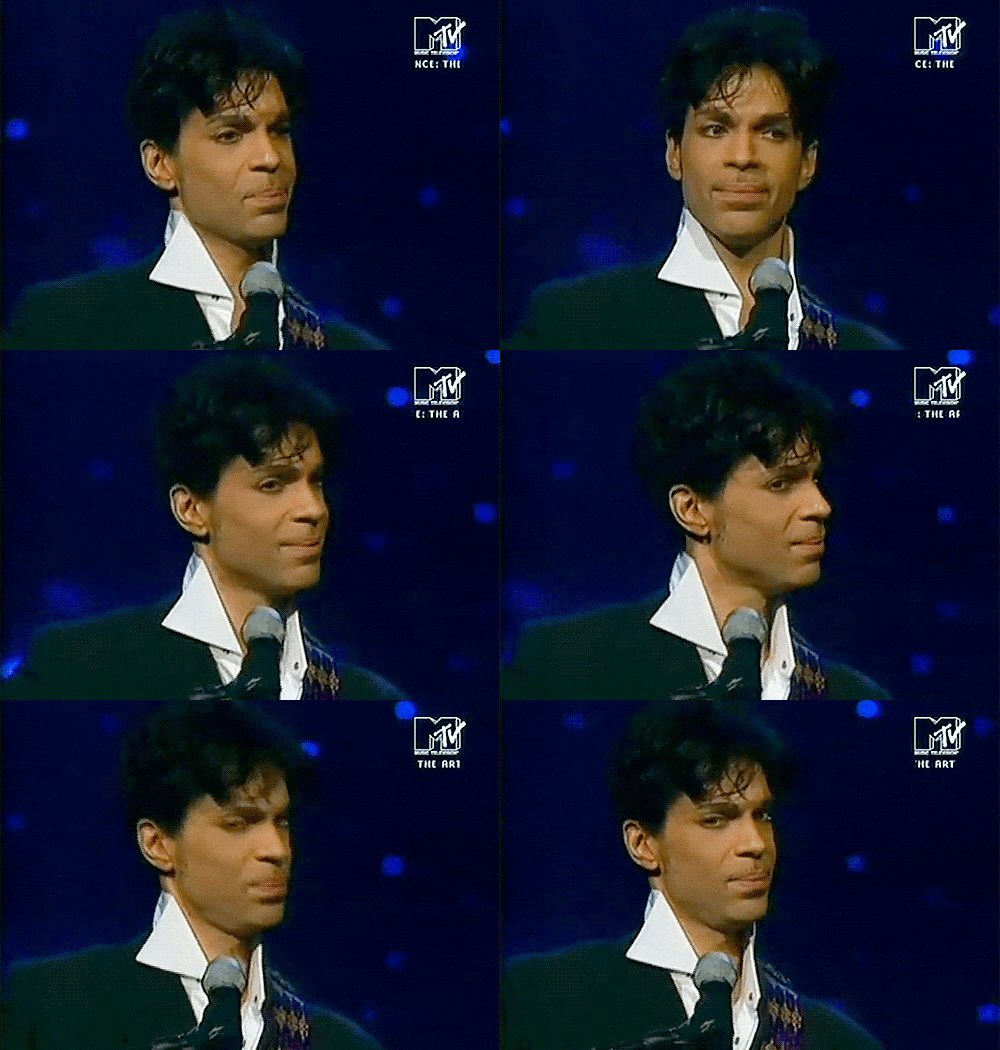
Prince Rogers Nelson, born in Minneapolis on June 7, 1958, emerged as one of music history’s most singular and influential figures. His career, spanning over four decades, was defined by unparalleled musical talent, an audacious persona, and a relentless drive for creative control. Billboard magazine famously described him as “the greatest musical talent of his generation,” a testament to his wide-ranging vocal abilities and exceptional multi-instrumentalist skills.
Pioneering the “Minneapolis sound” by producing his own albums, Prince seamlessly blended funk, R&B, rock, and pop. His artistic vision consistently defied easy categorization. He released 39 albums during his lifetime, alongside a vast treasury of unreleased material housed within his custom-built bank vault. This prolific output cemented his status as a true innovator.
This article explores pivotal moments and defining characteristics of Prince’s extraordinary career. We delve into his formative experiences, early successes, the global phenomenon of *Purple Rain*, and his continuous evolution as an artist. His impact on music and culture remains profound, a legacy built on ceaseless creativity and uncompromising artistry.

1. **Early Life and Musical Awakening**
Prince Rogers Nelson was born in Minneapolis, Minnesota, on June 7, 1958, into a musical family. His mother, Mattie Della, was a jazz singer, and his father, John Lewis Nelson, was a pianist and songwriter. He was named after his father’s stage name, Prince Rogers, used while performing with Prince’s mother in their jazz group.
Despite his given name, Prince preferred to be called “Skipper” during childhood. He stated he was “born epileptic” and experienced seizures, recounting a moment he believed an angel told him he would no longer be sick. This hinted at a deeply personal and spiritual dimension.
Both Prince and his younger sister, Tyka, born in 1960, developed a keen interest in music, actively encouraged by their father. Prince’s innate musicality became evident early on, writing his first song, “Funk Machine,” at age seven. These formative experiences laid the groundwork for his future artistic endeavors.
His parents’ divorce when he was ten led to instability. He lived with his mother and stepfather, Hayward Baker, whom Prince credited with improving family finances and who took him to a James Brown concert. Later, Prince moved into the basement of the Anderson family, befriending Andre Anderson, later known as André Cymone.
Read more about: Echoes of Dissent: The Controversial Songs That Defined America’s Airwaves
2. **Formative Years and First Steps in the Music Industry**
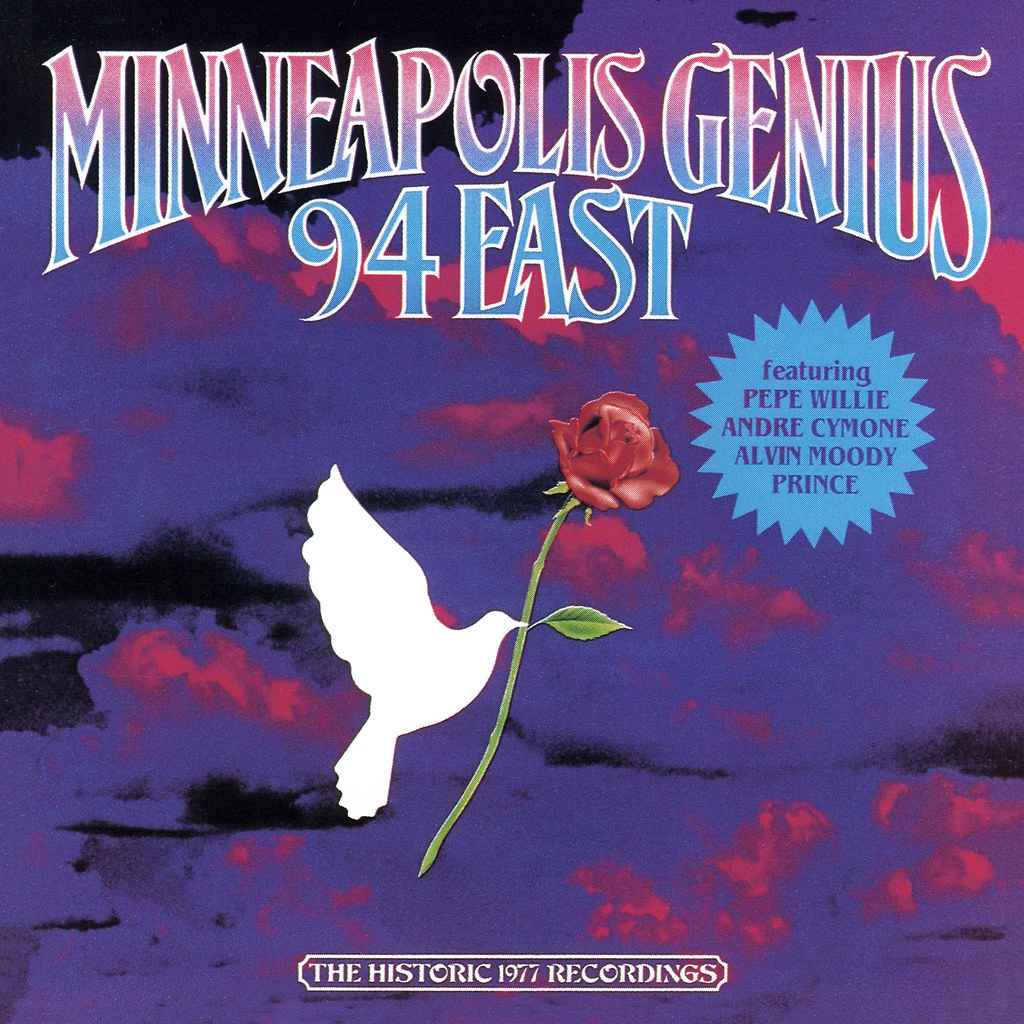
Prince’s entry into the professional music world began in 1975, hired by Pepe Willie, his cousin Shauntel’s husband. He recorded tracks for Willie’s band, 94 East, contributing guitar and co-writing “Just Another Sucker.” These recordings later formed part of *Minneapolis Genius – The Historic 1977 Recordings*.
In 1976, after graduating from Central High School, Prince created a demo tape with producer Chris Moon. Moon then brought the tape to Owen Husney, a Minneapolis businessman, who signed Prince to a management contract. Husney helped him create a new demo at Sound 80 Studios, which garnered interest from Warner Bros. Records.
With Husney’s guidance, Prince signed a landmark recording contract with Warner Bros. Records in 1977. This deal granted him creative control over his first three albums and allowed him to retain his publishing rights. This commitment to artistic autonomy became a defining characteristic of his career from its onset.
Following the signing, Prince and Husney moved to Sausalito, California, where Prince recorded his debut album, *For You*. Released on April 7, 1978, album notes state Prince wrote, produced, arranged, composed, and played all 27 instruments, except for co-writing “Soft and Wet.” Recording costs notably exceeded his initial advance.
Read more about: Frankie Beverly, Soulful Architect of Maze’s Enduring Sound, Dies at 77
3. **Breaking Through: Early Albums and Chart Success**
Following his debut, Prince swiftly released his self-titled album, *Prince*, in October 1979. This album marked a significant commercial breakthrough, reaching No. 4 on the Billboard Top R&B/Black Albums and No. 22 on the Billboard 200, eventually achieving platinum status. It spawned two notable R&B hits: “Why You Wanna Treat Me So Bad?” and “I Wanna Be Your Lover.”
“I Wanna Be Your Lover” proved a major success, selling over a million copies. It climbed to No. 11 on the Billboard Hot 100 and spent two weeks at No. 1 on the Hot Soul Singles chart. These early hits showcased Prince’s burgeoning songwriting prowess and his ability to craft commercially appealing tracks.
In 1980, Prince released *Dirty Mind*, an album signaling a bold new direction with ually explicit material. Tracks like “Head” and “Sister” were provocative. Stephen Thomas Erlewine described it as a “stunning, audacious amalgam of funk, new wave, R&B, and pop, fueled by grinningly salacious sex and the desire to shock.”
*Dirty Mind*, recorded in Prince’s own studio, was certified gold and yielded the single “Uptown,” which reached No. 5 on both the Billboard Dance chart and the Hot Soul Singles chart. This period also saw Prince opening for Rick James’ 1980 Fire It Up tour.
The year 1981 saw Prince’s first *Saturday Night Live* appearance. In October, he released *Controversy*, exploring provocative themes. He supported this album by performing as one of three opening acts for the Rolling Stones. *Controversy* also introduced Prince’s signature abbreviated spelling style, a creative linguistic flourish.
Read more about: Beyond the Limelight: Exploring the Intellectual Journeys of Public Figures in Philosophy and Particle Physics
4. **The *Purple Rain* Phenomenon**
1984 marked Prince’s entry into global superstardom with the film *Purple Rain* and its accompanying soundtrack album. His former manager, Bob Cavallo, revealed that Prince had mandated a deal for a major motion picture, demonstrating his ambitious vision. The resulting film, loosely autobiographical, starred Prince himself.
The *Purple Rain* album, recorded with his new backing band, The Revolution, was a monumental success. It sold over 13 million copies in the US and dominated the US Billboard 200 chart for six consecutive months. The album is widely recognized for its cultural impact, ranking 8th in Rolling Stone’s “500 Greatest Albums of All Time.”
The film itself was a box office hit, grossing over $68 million in the US. It earned Prince an Academy Award for Best Original Song Score, a remarkable achievement. The success of *Purple Rain* extended to its singles, which became global pop anthems. “When Doves Cry” and “Let’s Go Crazy” both reached No. 1 on the Billboard Hot 100.
At one point in 1984, Prince uniquely held the No. 1 album, single, and film simultaneously in the US, an unprecedented feat for a singer. The album also garnered two of Prince’s first three Grammy Awards. This period represented the commercial and critical zenith of his early career.
The cultural resonance of *Purple Rain* extended beyond music and film. In November 1984, Vanity Fair published Andy Warhol’s iconic pop art portrait of Prince, claiming it captured the recording artist “at the height of his powers.” This coincided with the launch of the 98-date Purple Rain Tour.
Read more about: Purple Reign Forever: Unpacking the Extraordinary Life and Legacy of Prince, Music’s Ultimate Icon

5. **The Revolution and Musical Evolution**
During the period leading up to and including the *Purple Rain* era, Prince’s backing band was officially known as The Revolution. The name subtly appeared in reverse on the cover of the *1999* album. This ensemble played a crucial role in shaping the sound and live performances of his most iconic works.
The initial lineup of The Revolution featured Lisa Coleman and Doctor Fink on keyboards, Bobby Z. on drums, Brown Mark on bass, and Dez Dickerson on guitar. Jill Jones also contributed as a backing singer for the *1999* album and subsequent tour. Their collective talent and synergy contributed significantly to the distinctive Minneapolis sound.
Following the *1999* Tour, Dez Dickerson departed the group due to religious reasons. His departure led to the recruitment of Wendy Melvoin, a friend of Lisa Coleman, on guitar. This change marked a new chapter for the band, deepening their sound and chemistry.
Initially, Prince used the band sparingly in the studio, preferring to play most instruments himself. However, this dynamic gradually evolved during 1983, with The Revolution becoming more integrated into his recording process. Their collective input and live performances became integral to *Purple Rain*’s success and beyond.
Read more about: The 10 Pop Culture Moments That Still Feel Like a Fresh Breakup
6. **Creative Shifts Post-*Purple Rain*: *Around the World in a Day* and *Parade**
Following *Purple Rain*, Prince announced in 1985 his intention to discontinue live performances and music videos after his next album. This statement, made amidst his peak popularity, underscored his unpredictable artistic temperament and continuous drive to evolve beyond established expectations.
His subsequent recording, *Around the World in a Day* (1985), continued his streak of commercial success, holding the No. 1 spot on the Billboard 200 for three weeks. The album demonstrated a departure from the more direct pop-rock sound of *Purple Rain*, showcasing Prince’s willingness to experiment with different musical textures.
From *Around the World in a Day*, two singles achieved significant chart success: “Raspberry Beret” reached No. 2 on the Billboard Hot 100, and “Pop Life” ascended to No. 7. These tracks, with their distinct psychedelic pop influences, further showcased Prince’s versatility and ability to craft hits.
In 1986, his album *Parade* reached No. 3 on the Billboard 200 and No. 2 on the R&B charts, serving as the soundtrack for his second film, *Under the Cherry Moon*. The album achieved platinum status and sold two million copies. The first single, “Kiss,” became a massive hit, reaching No. 1 on the Billboard Hot 100, with its video choreographed by Louis Falco.
The film *Under the Cherry Moon*, which Prince directed and starred in, received a less enthusiastic reception, earning Golden Raspberry Awards for Worst Picture, Director, Actor, and Original Song. Despite initial critical disapproval, some critics later re-evaluated the film after his death, declaring it a cult classic.
Read more about: The Indelible Reign of Prince: A Forbes Retrospective on the Musical Genius, Financial Acumen, and Cultural Impact of an Icon

7. **Disbanding The Revolution and *Sign o’ the Times**
After the *Hit n Run – Parade Tour* in 1986, Prince made a significant decision to disband The Revolution and dismiss Wendy & Lisa. Brown Mark also quit, leaving Doctor Fink as the sole keyboardist. This marked the end of a highly successful collaborative era, signaling Prince’s desire for new musical directions.
In the wake of The Revolution’s dissolution, Prince began consolidating material from two previously shelved projects: *Dream Factory* and *Camille*. *Dream Factory* had included input from band members. *Camille* saw Prince experiment with a new androgynous persona, singing in a sped-up, female-sounding voice.
Prince intended to release this consolidated material as a three-LP album titled *Crystal Ball*. However, Warner Bros. intervened, compelling him to trim the project to a double album. This resulted in the critically acclaimed masterpiece *Sign o’ the Times*, released on March 31, 1987. Its creation amidst band changes underscored his relentless artistic output.
*Sign o’ the Times* peaked at No. 6 on the Billboard 200 albums chart and was widely hailed by critics as the greatest work of his career. It sold 3.2 million copies, combining critical and commercial success. The album yielded several hit singles, including the title track, which charted at No. 3 on the Hot 100, and “U Got the Look,” a duet with Sheena Easton, which reached No. 2.
To promote the album, Prince assembled a new backing band including bassist Levi Seacer Jr., keyboardist Boni Boyer, dancer/choreographer Cat Glover, and drummer Sheila E. The *Sign o’ the Times Tour* was a success overseas. Prince, focused on a new album, compromised on a full US tour by filming the last two nights for a movie release, later reshot at Paisley Park.
Read more about: Purple Reign Forever: Unpacking the Extraordinary Life and Legacy of Prince, Music’s Ultimate Icon
8. **Post-*Sign o’ the Times* Projects: *The Black Album* and *Lovey**
Following the *Sign o’ the Times* era, Prince had initially planned to release *The Black Album*, a project characterized by its more instrumental, funk, and R&B focus. This album also saw Prince experimenting with hip-hop elements on tracks such as “Bob George” and “Dead on It.” Its intended release featured a stark monochromatic black cover, displaying only the catalog number.
However, after 500,000 copies of *The Black Album* had already been pressed, Prince underwent a spiritual epiphany, leading him to believe the album was “evil.” Consequently, he initiated a recall of the entire pressing. The album was eventually released by Warner Bros. as a limited edition in 1994, several years after its initial recording and subsequent withdrawal.
In response to this, Prince re-entered the studio for an intensive eight-week recording period, producing *Lovey*, which was released on May 10, 1988. This album was conceived as a spiritual counterpoint to the darker themes of *The Black Album*. Notably, every song on *Lovesexy* was a solo effort by Prince, with the exception of “Eye No,” which featured his backing band at the time.
*Lovey* achieved commercial success, reaching No. 11 on the Billboard 200 and No. 5 on the R&B albums chart. Its lead single, “Alphabet St.,” climbed to No. 8 on the Hot 100 and No. 3 on the R&B chart, selling 750,000 copies. Prince subsequently embarked on the three-leg, 84-show Lovesexy World Tour with his post-Revolution backing band, which, despite being well-received by large audiences, did not yield a net profit due to the extensive and costly sets and props.

9. **Film Soundtracks and Further Cinematic Ventures: *Batman* and *Graffiti Bridge**
In 1989, Prince contributed to Madonna’s studio album *Like a Prayer*, co-writing and performing the duet “Love Song,” and playing uncredited electric guitar on several other tracks. Concurrently, his work on projects like *Rave Unto the Joy Fantastic* and early drafts of *Graffiti Bridge* was temporarily halted when director Tim Burton requested his involvement in recording songs for the upcoming *Batman* film.
Prince responded by producing an entire nine-track album for the film, which Warner Bros. released on June 20, 1989. The *Batman* soundtrack proved to be a major commercial success, peaking at No. 1 on the Billboard 200 and selling 4.3 million copies. The single “Batdance” topped both the Billboard Hot 100 and R&B charts, while other singles like “The Arms of Orion” with Sheena Easton, “Partyman,” and “Scandalous!” also achieved significant chart positions.
As part of the deal for the soundtrack, Prince was required to sign away all publishing rights for the songs on the album to Warner Bros. In 1990, he embarked on the “Nude Tour” with a revamped band lineup, which included new keyboardist Rosie Gaines, drummer Michael Bland, and the dancing trio the Game Boyz. This European and Japanese tour, featuring a “greatest hits” setlist, was a financial success.
Later in 1990, Prince completed production on his fourth film, *Graffiti Bridge*, and its accompanying album. Despite initial reluctance from Warner Bros. to fund the film, Prince’s assurances that it would serve as a sequel to *Purple Rain* and involve original members of The Time led the studio to greenlight the project. The album reached No. 6 on both the Billboard 200 and R&B charts, with singles like “Thieves in the Temple” topping the R&B chart.
However, the film *Graffiti Bridge*, released on November 20, 1990, performed poorly at the box office, grossing only $4.2 million. Following its release, the last remaining members of The Revolution, Miko Weaver and Doctor Fink, departed Prince’s band, signaling further changes in his musical collaborations.
10. **The New Power Generation and the Shift to the Love Symbol**
The year 1991 commenced with Prince’s performance at Rock in Rio II and marked the official debut of his new backing band, The New Power Generation. This ensemble saw significant changes, with guitarist Miko Weaver and long-time keyboardist Doctor Fink being replaced by bass player Sonny T., Tommy Barbarella on keyboards, and a brass section known as the Hornheads. Levi Seacer transitioned to guitar, joining returning members Rosie Gaines, Michael Bland, and the Game Boyz.
With substantial input from these new band members, Prince released *Diamonds and Pearls* on October 1, 1991. The album achieved considerable success, reaching No. 3 on the Billboard 200 album chart and producing four hit singles in the United States. “Gett Off,” “Cream,” and the title track “Diamonds and Pearls” were among these, with “Cream” becoming Prince’s fifth US No. 1 single.
Following the success of *Diamonds and Pearls*, Prince renewed his contract with Warner Bros. in 1992, reportedly securing a $100 million deal for six more albums. In November of that year, he released his 14th studio album, which was the second to feature The New Power Generation. This album uniquely bore an unpronounceable symbol on its cover, later copyrighted as “Love Symbol #2,” combining the male and female symbols, as its title. Singles from this album, including “Sexy MF” and “7,” performed well on the charts.
However, the album, subsequently referred to as *Love Symbol*, peaked at No. 5 on the Billboard 200 and sold 2.8 million copies worldwide, falling short of the high expectations set by his previous successes. In 1993, driven by a growing rebellion against Warner Bros. for their refusal to release his extensive backlog of music at a faster pace, Prince formally adopted the “Love Symbol” as his stage name.
To facilitate the use of this unique symbol in print media, Warner Bros. had to organize a mass mailing of floppy disks containing a custom font. During this period, Prince was frequently referred to as “the Artist Formerly Known as Prince” or simply “the Artist.” That same year, Warner Bros. released a comprehensive greatest hits compilation titled *The Hits/The B-Sides*, a three-disc set that included hit singles, rare B-sides, and previously unreleased tracks, with two new songs, “Pink Cashmere” and “Peach,” released as promotional singles.
Read more about: Beyond the Headlines: Exploring the Enduring Legacy of the Name Barbara, Featuring Iconic Personalities from Stage to Statehouse
11. **Contractual Disputes and Independent Artistic Statements**
The mid-1990s marked a period of heightened tension between Prince and Warner Bros. In 1994, Warner Bros. permitted the single “The Most Beautiful Girl in the World” to be released through a small, independent distributor, Bellmark Records. This release proved highly successful, reaching No. 3 on the US Billboard Hot 100 and achieving No. 1 status in numerous other countries, underscoring Prince’s independent commercial viability.
Motivated by his desire to fulfill his contractual obligations and gain release from Warner Bros., Prince began to release albums in rapid succession. This strategy led to the previously aborted *The Black Album* being given a limited official release seven years after its initial recording. Prince pushed for the simultaneous release of his next two albums, *Come* and *The Gold Experience*.
While Warner Bros. accepted both albums, they delayed the release of *The Gold Experience*, citing concerns about market saturation. In a public act of retaliation and protest against the perceived constraints of his contract, Prince began making public appearances with the word “slave” written on his face. *The Gold Experience* was eventually released in September 1995, though it faced print limitations for a period due to a plagiarism case related to “The Most Beautiful Girl in the World,” before being reissued on streaming platforms and physical formats years later.
By 1996, Prince released *Chaos and Disorder* and submitted another album, *The Vault: Old Friends 4 Sale*, to Warner Bros. This action completed his contractual agreement with the label. Although *The Vault* was not released until 1999, Warner Bros. agreed to release Prince from his contract, having received the stipulated number of albums.
12. **Independence, NPG Records, and Diverse Musical Explorations**
Freed from his long-standing contractual obligations to Warner Bros., Prince sought a significant comeback later in 1996 with the release of *Emancipation*. This ambitious project was a 36-song, three-CD set, with each disc precisely 60 minutes long. Released through his own NPG Records with distribution handled by EMI, *Emancipation* marked a new phase of artistic autonomy for Prince.
Notably, for the first time since 1981, Prince utilized a different publishing entity, Emancipated Music Inc. – ASCAP, instead of Controversy Music – ASCAP. *Emancipation* was certified Platinum by the RIAA and was significant for featuring covers of other artists’ songs, including Joan Osborne’s “One of Us,” “Betcha by Golly Wow!,” “I Can’t Make You Love Me,” and “La-La (Means I Love You).”
In 1998, Prince released *Crystal Ball*, a five-CD collection of previously unreleased material. The distribution of this album was characterized by disarray, with some fans who pre-ordered on his website experiencing delays of up to a year before shipment, receiving their copies months after the record had appeared in retail stores. The retail edition contained four discs, notably missing the *Kamasutra* disc, and was available in two different packaging editions.
Three months later, the *Newpower Soul* album was released. This period also saw Prince collaborating on Chaka Khan’s *Come 2 My House* and Larry Graham’s *GCS2000*, both released on the NPG label. These collaborations were promoted through live appearances on programs like *Vibe with Sinbad* and the *NBC Today* show’s Summer Concert Series, showcasing his diverse artistic engagements. In 1999, Prince once again signed with a major label, Arista Records, to release his new record, *Rave Un2 the Joy Fantastic*. The pay-per-view concert, *Rave Un2 the Year 2000*, broadcast on December 31, 1999, featured footage from his 1999 tour concerts and included guest musicians such as Lenny Kravitz, George Clinton, and The Time, later released as a home video.
Read more about: The Indelible Reign of Prince: A Forbes Retrospective on the Musical Genius, Financial Acumen, and Cultural Impact of an Icon
13. **Return to the Name Prince and Mainstream Resurgence**
On May 16, 2000, Prince announced his decision to cease using the Love Symbol as his stage name, as his publishing contract with Warner/Chappell had expired. During a press conference, he stated his intention to revert to his real name, “Prince,” having felt freed from undesirable relationships associated with the symbol. Despite this, he continued to incorporate the symbol as a logo, on album artwork, and on a Love Symbol-shaped guitar.
For several years following the release of *Rave Un2 the Joy Fantastic*, Prince primarily distributed his new music through his internet subscription service, initially NPGOnlineLtd.com and later NPGMusicClub.com. Albums released during this period included *Rave In2 the Joy Fantastic* (2001), *The Rainbow Children* (2001), *One Nite Alone…* (2002), and several instrumental and experimental works such as *Xpectation* (2003), *C-Note* (2004), *The Chocolate Invasion* (2004), and *The Slaughterhouse* (2004).
In 2001, Warner Bros. released a second compilation, *The Very Best of Prince*, featuring many of his commercially successful singles from the 1980s. Prince also released his first live album, *One Nite Alone… Live!*, in 2002, a three-CD box set capturing performances from the *One Nite Alone…Tour* and an “aftershow” music disc. During this time, he actively engaged with his fan base through the NPG Music Club, pre-concert sound checks, and annual “celebrations” at his Paisley Park studios, where fans were invited for tours, interviews, and music-listening sessions.
Prince’s profile saw a significant mainstream resurgence in 2004. On February 8, he delivered a highly acclaimed performance at the 46th Annual Grammy Awards alongside Beyoncé, opening the show with a medley of his hits and Beyoncé’s “Crazy in Love.” The following month, he was inducted into the Rock and Roll Hall of Fame, presented by Alicia Keys, Big Boi, and André 3000. During the ceremony, he performed a trio of his own hits and delivered a notable two-minute guitar solo during a tribute to George Harrison’s “While My Guitar Gently Weeps.” He also performed “Red House” as “Purple House” on the *Power of Soul: A Tribute to Jimi Hendrix* album.
In April 2004, Prince released *Musicology* through a one-album agreement with Columbia Records. The album achieved top-five positions on international charts, including in the US, UK, Germany, and Australia. Its US chart success was partly attributed to CDs being included with concert ticket purchases, which, under then-current chart rules, counted towards sales. *Musicology* earned two Grammy Awards for Best Male R&B Vocal Performance (“Call My Name”) and Best Traditional R&B Vocal Performance (title track).
That same year, *Spin* magazine named Prince the greatest frontman of all time, and *Rolling Stone* magazine identified him as the highest-earning musician globally, with an annual income of $56.5 million, largely due to his *Musicology Tour*, which Pollstar recognized as the top concert draw among US musicians. He played 96 concerts, with an average ticket price of US$61. *Rolling Stone* also ranked Prince No. 27 on its list of the 100 Greatest Artists of All Time.
In April 2005, Prince played guitar on Stevie Wonder’s single “So What the Fuss,” Wonder’s first since 1999. Later that year, Prince signed with Universal Music to release his album *3121* on March 21, 2006. The lead single, “Te Amo Corazón,” featured a video directed by actress Salma Hayek and filmed in Marrakech, Morocco. The video for the second single, “Black Sweat,” received an MTV VMA nomination for Best Cinematography. *3121*’s immediate success provided Prince with his first No. 1 debut on the Billboard 200, highlighting his continued commercial appeal.
Read more about: Purple Reign Forever: Unpacking the Extraordinary Life and Legacy of Prince, Music’s Ultimate Icon
14. **An Enduring Legacy: Prolific Artistry and Global Impact**
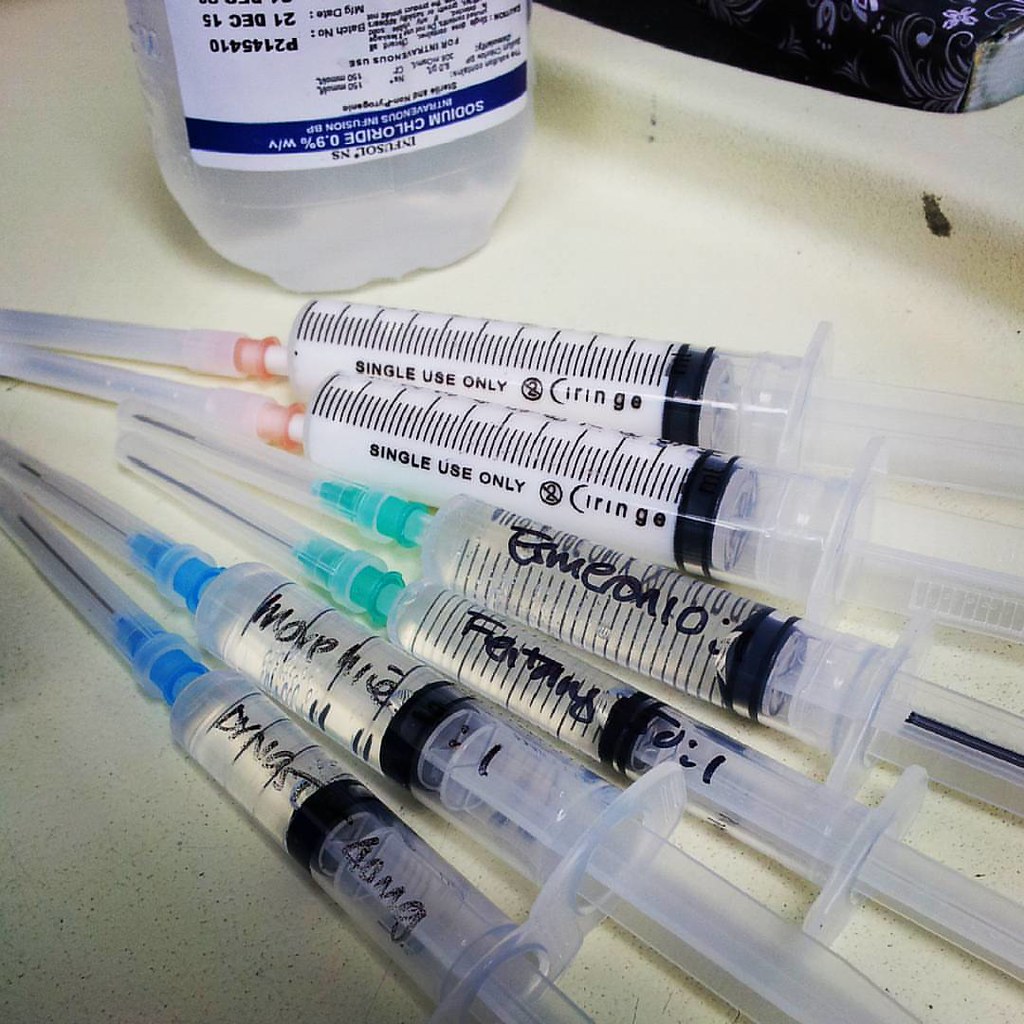
Prince Rogers Nelson, who passed away on April 21, 2016, at the age of 57, left behind an unparalleled legacy as one of music history’s most singular and influential figures. His death, attributed to an accidental overdose of fentanyl at his Paisley Park home and recording studio in Chanhassen, Minnesota, brought to a close a career defined by immense musical talent and a relentless pursuit of creative control.
During his lifetime, Prince was extraordinarily prolific, releasing 39 albums. However, his output extended far beyond published works, with a vast array of unreleased material, including fully completed albums and over 50 finished music videos, securely stored in a custom-built bank vault beneath his home. Since his passing, numerous posthumous collections of his previously unheard work have continued to be issued by his estate, further cementing his reputation as an artist of boundless creativity.
His global impact is underscored by sales of more than 100 million records worldwide, positioning him among the best-selling music artists of all time. Prince’s contributions to music were recognized with an extensive list of accolades, including the Grammy President’s Merit Award, the American Music Awards for Achievement and of Merit, the Billboard Icon Award, an Academy Award for Best Original Song Score, and a Golden Globe Award.
His lasting influence has been honored through multiple inductions into prestigious institutions: the Rock and Roll Hall of Fame in 2004, the UK Music Hall of Fame in 2006, the Rhythm and Blues Music Hall of Fame in 2016, and two inductions into the Black Music & Entertainment Walk of Fame in 2022. Estimates of the complete number of songs written by Prince range from 500 to well over 1,000, illustrating the sheer scale of his artistic endeavor.
Read more about: Will Jennings, Maestro of Melodies: A Life Etched in Song, From Texas Classrooms to Global Stages
Prince’s flamboyant androgynous persona, wide vocal range, multi-instrumentalist skills, and his pioneering “Minneapolis sound” — a self-produced blend of funk, disco, R&B, rock, new wave, soul, synth-pop, pop, jazz, blues, and hip hop — ensured his status as a true innovator. His uncompromising artistry continues to resonate, demonstrating a profound and enduring impact on music and culture globally.