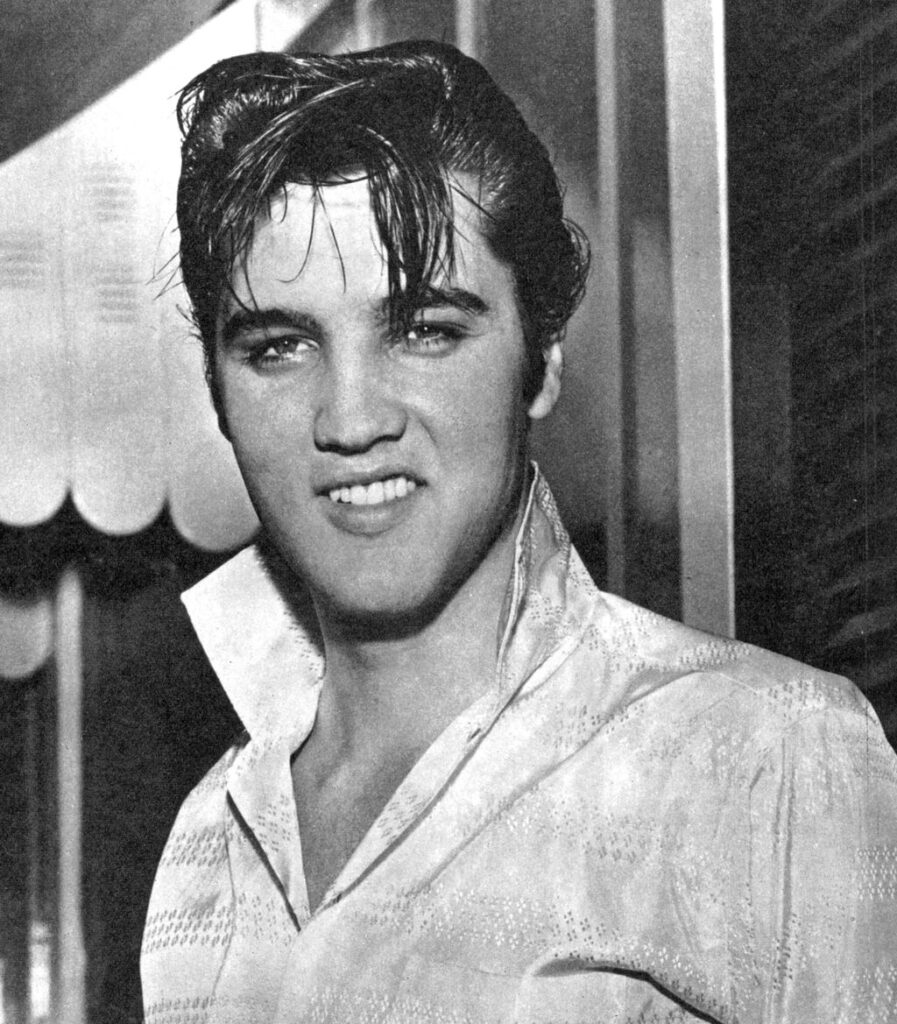
Elvis Presley. The name alone conjures images of a charismatic performer, hip-shaking on stage, mesmerizing millions with his voice and raw energy. He was the “King of Rock and Roll,” a global phenomenon whose electrifying presence defined an era and continues to captivate hearts decades after his passing. Yet, behind the dazzling spectacle and the screams of devoted fans, there was a man, a son, a brother, and a partner, whose life was shaped by deeply personal experiences, both joyful and heartbreaking, far from the glare of the flashing lights.
While the public saw Elvis the icon, a closer look through the lens of history reveals a different narrative—a story interwoven with family ties, personal struggles, and quiet moments that rarely made it onto concert films or headlines. Imagine for a moment, sifting through a forgotten box of family photographs, each image a silent testament to the chapters of his life that unfolded away from the stage. These are the moments that truly reveal the man beneath the legend, showing us his journey from a dirt-poor Mississippi boy to an international superstar, always anchored, in some way, to the people and places he called home.
In this journey, we’ll pull back the curtain on aspects of Elvis’s life that offer a more intimate perspective. These aren’t just biographical facts; they are glimpses into the human experiences that defined him, allowing us to connect with his story on a deeper level. Let’s explore these pivotal moments, tracing the contours of his personal world as illuminated by the ‘rare family photos’ that, while unseen, reveal so much about the King’s life beyond the spotlight.
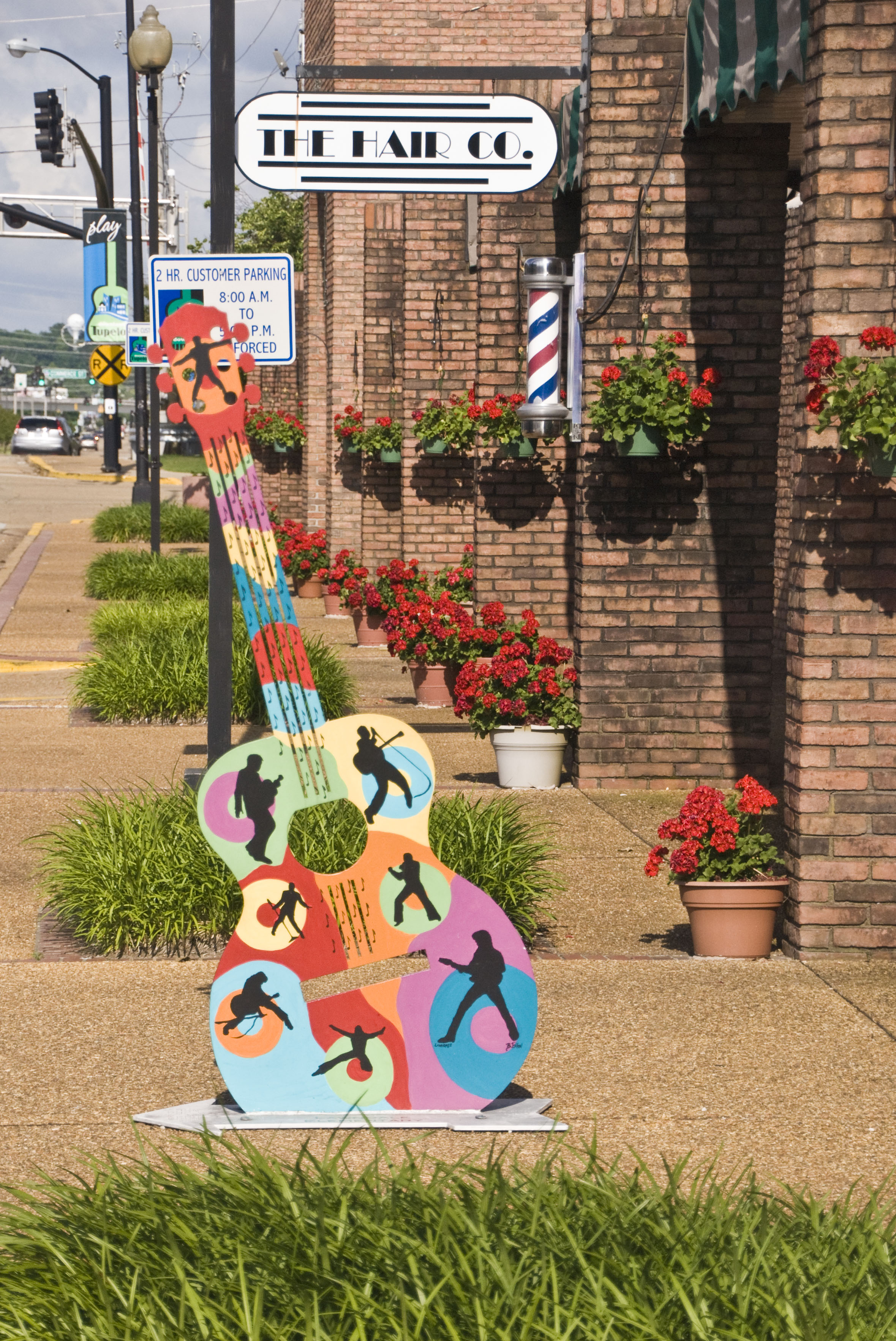
1. **Humble Beginnings in Tupelo**
Our journey begins in Tupelo, Mississippi, a place that, in any family album, would feature prominently in the early pages. This was where Elvis Aaron Presley was born on January 8, 1935, into circumstances far removed from the opulent life he would later lead. Growing up “dirt-poor” in Tupelo defined his early years, imbuing him with a resilience and a drive that would fuel his ascent.
The context paints a vivid picture of a childhood spent in humility, a stark contrast to the Graceland mansion he would eventually call home. The family later moved to Memphis, Tennessee, still struggling financially, living in a period where they were “off welfare for only a few weeks.” These early experiences of poverty and struggle would have undoubtedly left an indelible mark on young Elvis, shaping his ambitions and his understanding of the world.
Such a humble upbringing would surely be captured in any collection of rare family photos. We might imagine snapshots of a young boy in modest clothes, perhaps playing in the dusty streets of Tupelo or the bustling neighborhoods of Memphis. These images would speak volumes about the foundation upon which his extraordinary life was built, highlighting the stark reality of his origins before fame transformed everything.
Read more about: From A-Listers to Awkward Phases: 15 Unforgettable Photos of Celebrities Before They Hit the Big Time

2. **The Twin Who Never Was: Jesse Garon Presley**
One of the most poignant and foundational family details in Elvis’s life is a story often overshadowed by his immense fame: the birth of his twin brother. Elvis Presley had a twin brother, Jesse Garon Presley, who was tragically stillborn. This event, occurring at his birth, would have been an incredibly significant, though sorrowful, moment for his parents, Gladys and Vernon Presley.
The loss of a twin at birth is a deeply personal and often unspoken sorrow for families. For Elvis, it meant starting life with a profound absence, a silent companion who never had the chance to live. This detail adds a layer of quiet solemnity to his early life, suggesting a familial bond that was severed before it could truly begin. It’s a detail that sheds light on the emotional landscape of his upbringing.
Imagine a family photo from that time – perhaps not of Jesse himself, but of his parents, grappling with this profound loss, and then finding solace in the healthy infant, Elvis. This early tragedy might have subtly shaped his parents’ protectiveness or even Elvis’s own sensitivities, contributing to the complex personality that would later emerge. It’s a rare glimpse into the very origins of his family unit and its earliest heartbreak.
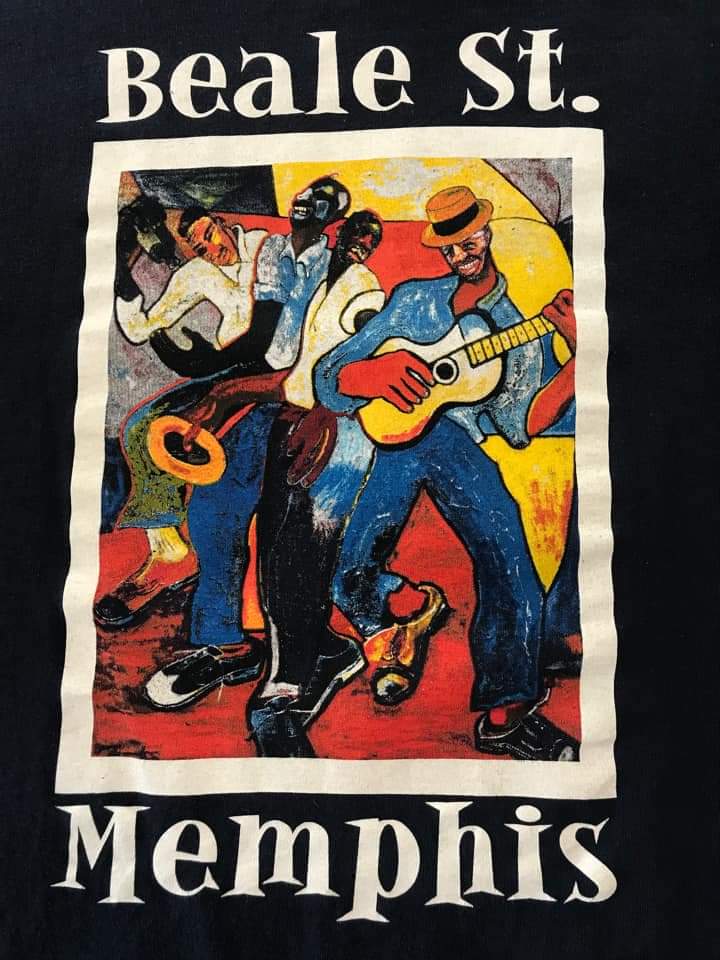
3. **From Church Hymns to Beale Street Blues**
Elvis’s distinctive musical style, a groundbreaking blend that defied categorization, didn’t emerge in a vacuum. It was a rich tapestry woven from diverse threads of American music, nurtured by his family’s spiritual life and his youthful explorations. The roots of his sound can be traced directly back to his parents’ Pentecostal church, where he was exposed to gospel hymns.
Beyond the church, his musical education broadened significantly. He attended “group sings… at the Rev. H.W. Brewster’s Black Memphis church,” indicating an early exposure to powerful, soulful performances. This immersion in various forms of Black religious music undoubtedly influenced his vocal delivery and emotional expression, contributing to the raw authenticity that would define his early rock and roll.
Furthermore, as a teenager, Elvis began “frequenting the Beale Street blues clubs.” This exposure to the vibrant blues scene in Memphis provided another crucial layer to his musical development, introducing him to the raw energy and storytelling of the blues. A family photo album from this period might contain candid shots of a young Elvis, perhaps looking a bit rebellious, soaking in the sounds, and absorbing the diverse musical influences that would eventually coalesce into his unique artistry.

4. **The Spark at Sun Records**
The moment Elvis Presley truly found his musical direction, igniting the spark that would set the world on fire, can be traced back to Sam Phillips at Sun Records in Memphis. Phillips, a producer at the local blues label, “responded to Presley’s audition tape with a phone call.” This call marked the beginning of a legendary collaboration, a pivotal chapter in music history and in Elvis’s personal narrative.
“Several weeks worth of recording sessions ensued” with a nascent band composed of Presley, guitarist Scotty Moore, and bassist Bill Black. Their repertoire was a thrilling mix of “blues and country songs, Tin Pan Alley ballads, and gospel hymns.” This diverse musical foundation allowed Presley to experiment, eventually leading to his signature sound.
It was in July 1954, when they began to play with Arthur (“Big Boy”) Crudup’s song “That’s All Right Mama,” that their “startling synthesis, eventually dubbed rockabilly,” truly emerged. Presley’s “high tenor voice adding a lighter touch and with the basic rhythm striking a much more supple groove” created something entirely new. A rare photograph from these early Sun Records sessions would capture the raw energy and youthful ambition of these pioneering musicians, standing on the precipice of changing music forever, away from the future mass hysteria.
Read more about: The Twilight Saga’s ‘Lost Episode’: Unearthing the Early Visions Deemed Too Different to Air
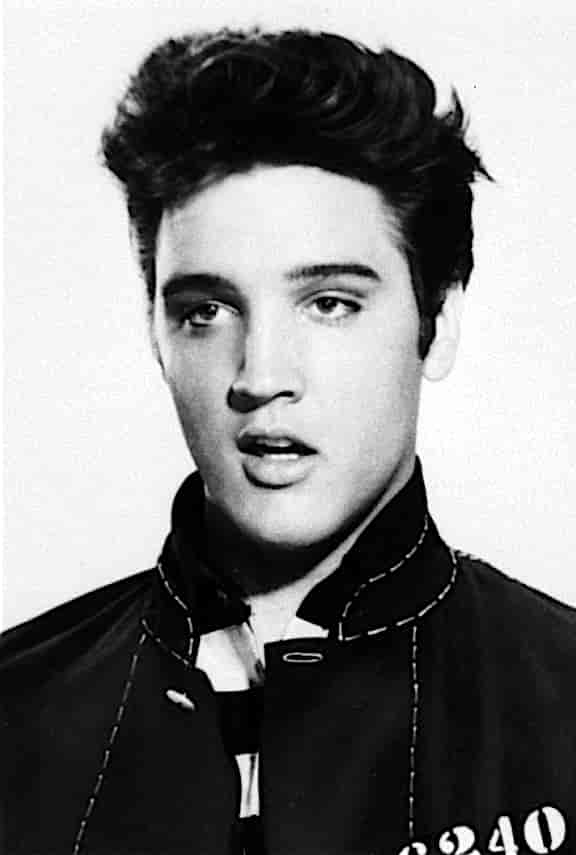
5. **The Rise of “Elvis the Pelvis”**
As Elvis’s music gained traction, particularly in the South, his live performances cemented his reputation and ignited controversy. He was already a “flamboyant personality, with relatively long greased-back hair and wild-colored clothing combinations.” But it was his stage presence that truly set him apart, earning him the moniker “Elvis the Pelvis.”
His Pentecostally derived hip-swinging stage style and breathy vocal asides were deemed “obscene” by many conservative elements of society. Preachers and pundits denounced him, pronouncing him an “anathema” and holding him responsible “for all teenage hooliganism and juvenile delinquency.” Yet, this very controversy fueled his mystique, drawing in scores of young fans eager for something new and rebellious.
Despite the wildness of his stage persona, Elvis presented a strikingly different image off-stage. In every television appearance, he “appeared affable, polite, and soft-spoken, almost shy.” It was only “with a band at his back and a beat in his ear that he became ‘Elvis the Pelvis’.” Rare behind-the-scenes family photos might capture this dichotomy—a polite young man with his family, contrasted with the electrifying performer, showcasing the private individual versus the public phenomenon.
Read more about: The King’s Highway: Charting Elvis Presley’s Revolutionary Ride Through Music History

6. **A Soldier’s Duty: The Army Years**
At the height of his early fame, a moment of profound personal and public significance arrived: Elvis was drafted into the U.S. Army. In early 1958, the announcement that he would be entering military service caused “that rarest of all pop culture events, a moment of true grief” among his devoted fans. This was a significant interruption to his burgeoning career, forcing him into a period of duty and personal growth away from the spotlight.
Rather than joining the Special Services entertainment division, Elvis served as a regular soldier, stationed in West Germany. This decision reflected a sense of duty and a desire to be seen as an ordinary man fulfilling his obligations, despite his extraordinary celebrity. This period would have been filled with new experiences, discipline, and a significant shift from his rock and roll lifestyle.
Imagine a series of family photographs from this era: Elvis in his army uniform, perhaps on leave, visiting with relatives before his deployment, or sending postcards from Germany. These images would show him stripped of his glamorous stage attire, embodying the role of a serviceman. Such photos would underscore the humility and commitment he displayed during this time, providing a rare look at Elvis as a soldier rather than merely a superstar.
7. **Meeting Priscilla Beaulieu**
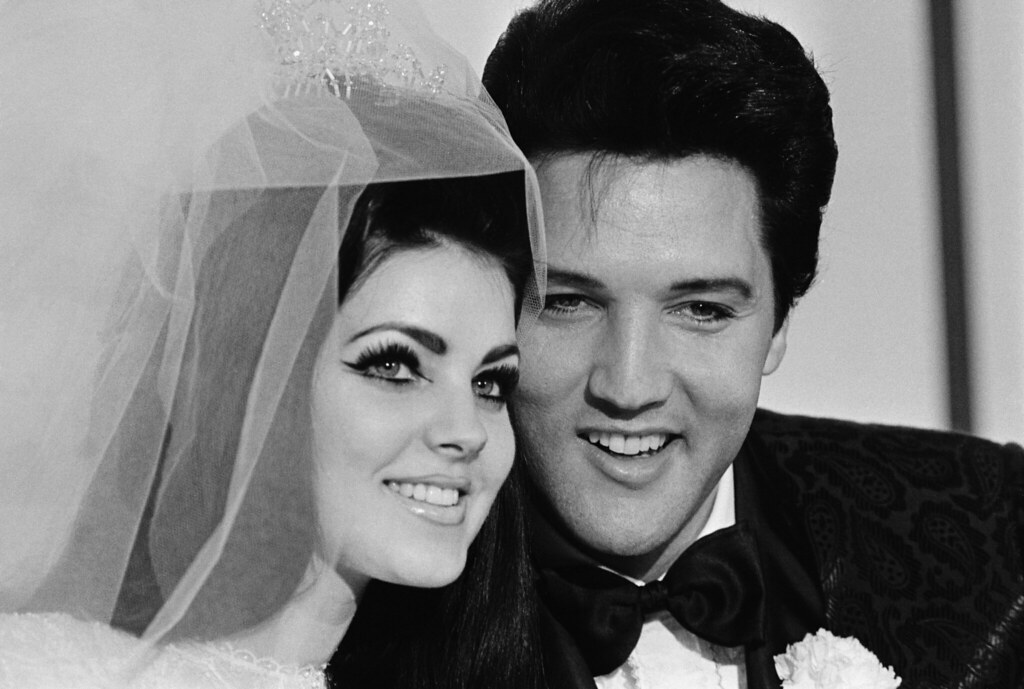
While stationed in West Germany during his military service, Elvis Presley’s life took another significant personal turn when he met Priscilla Beaulieu. This encounter, occurring in 1959, marked the beginning of one of the most iconic relationships in celebrity history. At the time, Elvis was 24 years old, and Priscilla was 14.
Their romantic relationship blossomed during his time abroad and continued after he returned to the United States in 1960. This period of their lives, away from the intense media scrutiny that would later define their relationship, offered a more private start. It was a romance nurtured across continents, built on letters and visits before Priscilla eventually moved to Memphis.
A series of rare family photos from this period might depict a young Priscilla in Germany, perhaps on base, and then later, more formal portraits with Elvis as their relationship deepened. These photographs would capture the quiet beginnings of their courtship, showcasing the early stages of a partnership that would profoundly influence the King’s personal life. It’s a testament to the fact that even amid global fame and military service, personal connections and love stories find their way.
Read more about: Priscilla Presley’s Unveiling: The Emotional Truth Behind Discovering Her Real Father and Crafting an Enduring Legacy
8. **Husband and Father: A New Chapter**
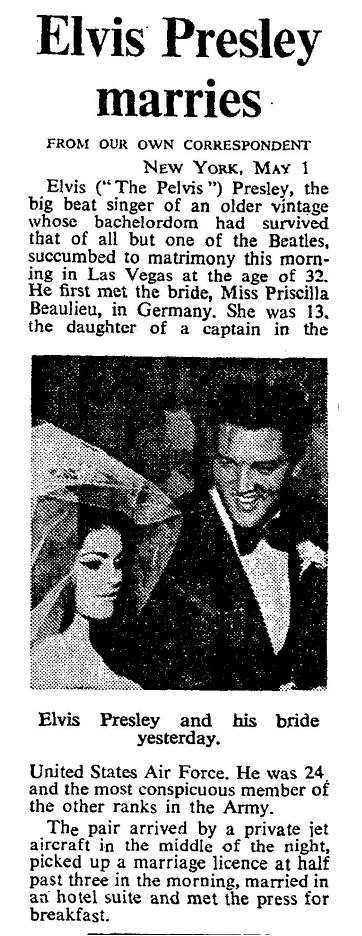
Returning from his military service, Elvis Presley embarked on a profound personal journey that saw him embrace the roles of husband and father. The romantic relationship that began in West Germany with Priscilla Beaulieu blossomed, culminating in their marriage in Las Vegas in 1967. This union, occurring ‘without much furor,’ marked a significant, albeit quiet, shift in his personal life, moving beyond the public frenzy of his early career into a more settled domestic sphere.
Just a year later, in 1968, Elvis and Priscilla celebrated the joyous birth of their daughter, Lisa Marie Presley. This moment undoubtedly brought immense happiness and a new sense of purpose to the King’s life, offering a private world of fatherhood away from the demands of his global fame. Imagine the tender family photos from this period, capturing Elvis in a role few of his fans ever saw: a devoted father reveling in the simple joys of family life.
However, the relentless pressures of stardom and Elvis’s evolving lifestyle eventually took their toll on the marriage. After years of shared experiences and the profound bond of parenthood, Elvis and Priscilla eventually grew apart, separating in 1972 and divorcing the following year. While their love story ended, the bond with Lisa Marie remained, a testament to the enduring love within the Presley family, a lineage tragically marked by Lisa Marie’s passing in 2023 and the earlier suicide of her son, Benjamin Keough, in 2020.
Read more about: What Happened to Bridget Fonda? Unveiling the Enigmatic Retreat of a Hollywood Royal, From Silver Screen Stardom to a Deliberately Private Life

9. **The Hollywood Years: Movies and Mainstreaming**
After his return from the army, Elvis’s career took a decided turn towards Hollywood. For the next eight years, he immersed himself in filmmaking, ‘churning out a series of more than 30 movies,’ ranging from ‘Blue Hawaii’ to ‘Change of Habit.’ These films, while often financially successful and contributing significantly to his wealth, were largely light comedic romances punctuated by musical interludes, creating a distinct genre critics simply dubbed the ‘Elvis movie.’
While this era made him ‘a rich man,’ it also ‘nearly ruined him as any kind of artist.’ The formulaic nature of these productions offered little room for artistic growth or challenging roles, leading to a period where he became ‘one more predictable mass entertainer.’ The raw, rebellious edge that defined his early music was softened, and he became ‘a personage of virtually no interest to the rock audience that had expanded so much with the advent of the new sounds of the Beatles, the Rolling Stones, and Bob Dylan.’
Despite the decline in his cinematic artistry, Elvis still managed to deliver flashes of his undeniable talent through his music during this period. His best work in the 1960s often came from singles either ‘unconnected to the films or only marginally stuck into them,’ such as the heartfelt ‘It’s Now or Never (‘O Sole Mio’)’ (1960), the iconic ‘Can’t Help Falling in Love’ (1962), and the vibrant ‘Viva Las Vegas’ (1964). These recordings proved that even when constrained by the Hollywood machine, the King’s voice and charisma could still shine.
10. **The ’68 Comeback Special: Reclaiming the Crown**
By 1968, the popular music landscape had dramatically shifted, and Elvis Presley, once the undisputed king, found himself somewhat overshadowed. With the emergence of new sounds and artists, ‘the changes in the music world had overtaken Presley,’ leading to a noticeable dip in both his ‘movie grosses and record sales.’ The era of the ‘Elvis movie’ was clearly losing its appeal, and many wondered if the King’s reign was truly nearing its end.
However, late that year, Elvis orchestrated a spectacular return to form with his one-man Christmas TV special. This performance was nothing short of a ‘tour de force of rock and roll and rhythm and blues,’ showcasing his electrifying stage presence and vocal power that had been largely absent from his film career. It was a pivotal moment that ‘restored much of his dissipated credibility’ and reminded the world of the unparalleled talent that had initially captivated millions.
The success of the ‘Comeback Special’ revitalized his career and spurred him to re-engage with live music. In 1969, he released the powerful single ‘Suspicious Minds,’ which soared to number one, solidifying his return. He also began performing concerts again, quickly winning back ‘a sizable following,’ though it was noted to be ‘not nearly as universal as his audience in the 1950s; in the main, it was Southern and Midwestern, working-class, and overwhelmingly female.’ Nonetheless, Elvis was once again ‘one of the top live attractions in the United States,’ proving that his connection with his fans was unbreakable.

11. **Graceland’s Seclusion and Personal Struggles**
While Elvis was dominating the stage once more, his personal life, particularly at his beloved Memphis estate, Graceland, began to take a darker turn. Away from the concert lights, he developed a ‘lethal lifestyle,’ retreating deeper into the comforts and confines of his private world. Graceland, a symbol of his incredible success, became a sanctuary, but also a place of growing isolation.
During his time off the road, Elvis spent ‘almost all his time… in Graceland,’ adopting a nocturnal existence. He surrounded himself ‘with sycophants’ and indulged in a diet ‘stuffed with greasy foods and a variety of prescription drugs.’ This destructive pattern, initially perhaps a way to cope with the immense pressures of fame, spiraled into an addiction that slowly but surely began to consume him, turning the dynamic performer into an ‘addict and recluse.’
This increasingly secluded and drug-dependent lifestyle began to profoundly impact his professional life. His shows, once vibrant and energetic, ‘deteriorated in the final two years of his life,’ becoming pale imitations of his former glory. His recording career also ‘came to a virtual standstill,’ with new material becoming scarce and of uneven quality. Despite being a ‘big money earner’ through his concerts, the ambition and raw power of his early work had faded, replaced by a tragic vulnerability.
Read more about: Beyond Chrome and Curves: Unearthing the Enduring Legacy of Elvis Presley’s Legendary Cadillacs
12. **The Final Curtain: A Tragic Farewell**
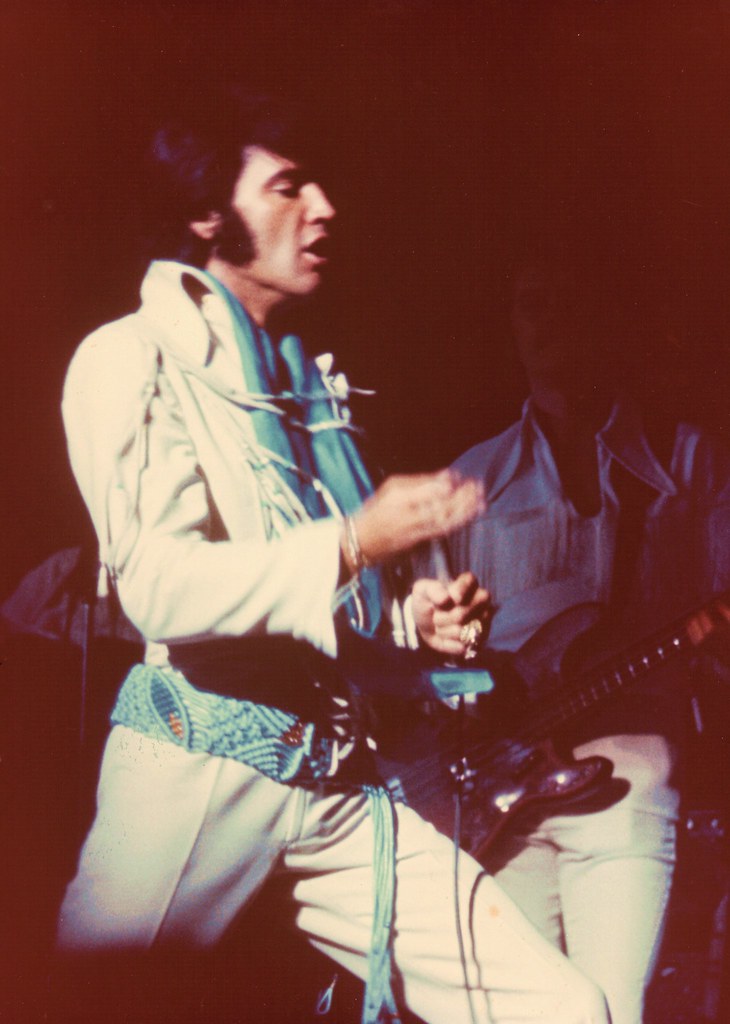
The toll of Elvis’s challenging lifestyle became heartbreakingly evident in his final years. The once dynamic and electrifying performer was now often described as ‘obese, pale, and weak,’ a stark contrast to the vibrant young man who had once mesmerized the world with his raw energy. The relentless touring schedule and personal struggles had taken a heavy physical and emotional toll on the King.
In his more reflective moments, Elvis confided in Priscilla his profound ‘fear of being forgotten after death, as he believes he has achieved nothing worthwhile.’ This poignant sentiment from a man who had revolutionized music speaks volumes about the internal battles he faced. One of his last known public performances, singing ‘Unchained Melody’ in Rapid City, South Dakota, on June 21, 1977, was reportedly powerful, yet shadowed by his visible decline.
Tragically, just weeks later, on August 16, 1977, Elvis Presley died of a ‘heart attack brought on largely by drug abuse’ at the age of 42. His sudden passing sent shockwaves across the globe, creating ‘that rarest of all pop culture events, a moment of true grief’ that reverberated through millions of devoted fans. The world had lost its King, but his memory and his music would live on, transcending his untimely end.
Read more about: Curtain Call for Disaster: Unveiling Broadway’s Most Catastrophic Musical Flops
13. **Colonel Tom Parker: The Controversial Manager**
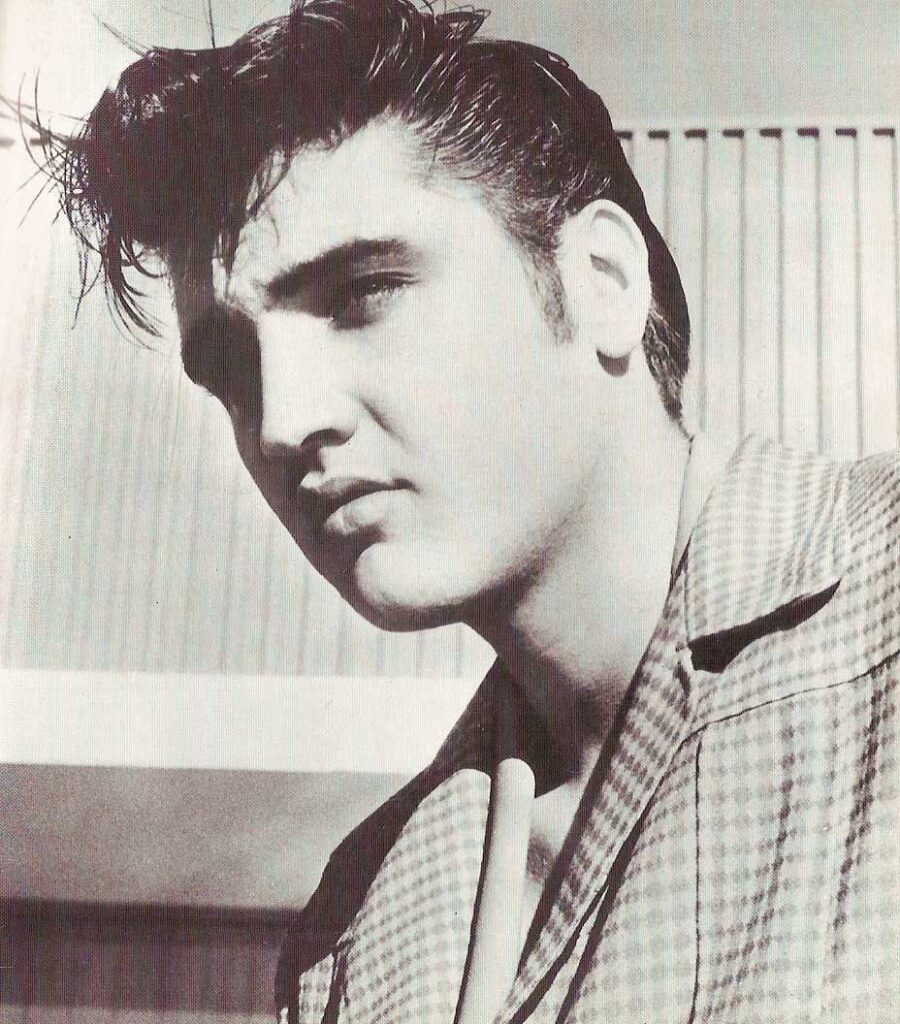
Behind Elvis Presley’s meteoric rise and much of his career trajectory stood Colonel Tom Parker, a ‘Dutch-born show business promoter’ who became his manager in 1955 and remained in that role until Elvis’s death in 1977. Parker was undeniably instrumental in shaping Elvis’s career, but he was also a ‘controversial figure,’ whose motivations and actions have been scrutinized for decades.
Parker’s management style was heavily focused on financial gain, often at Elvis’s expense. He famously arranged for Presley’s song catalog and recording contract to be sold to major New York enterprises, Hill and Range and RCA Victor, for a total of $35,000, with Elvis reportedly receiving only $5,000 of that sum. One of the most perplexing aspects of Parker’s management was his insistence that Elvis ‘never performed outside North America,’ despite his global popularity, a decision that baffled fans and critics alike.
The reasons for this lack of international touring are deeply rooted in Parker’s personal history. He ‘did not have a U.S. passport and was worried about being deported,’ having entered the United States illegally as a stowaway from the Netherlands. Some biographers also suggest that Parker was concerned that ‘Presley’s possession of drugs and guns would have complicated traveling across national borders.’ Following Elvis’s death, Parker’s controversial legacy continued as he was ‘sued by Presley’s family members for fraud and mismanagement,’ further highlighting the complex and often contentious nature of their relationship.
14. **The King’s Undying Legacy**
Immediately following his tragic death, the world witnessed an unprecedented outpouring of grief. ‘Mourners from around the world gathered at Graceland to say farewell to the poor boy who had lived out the American dream.’ This immediate and profound reaction was just the beginning of a legacy that has only grown stronger with time, defying his fears of being forgotten.
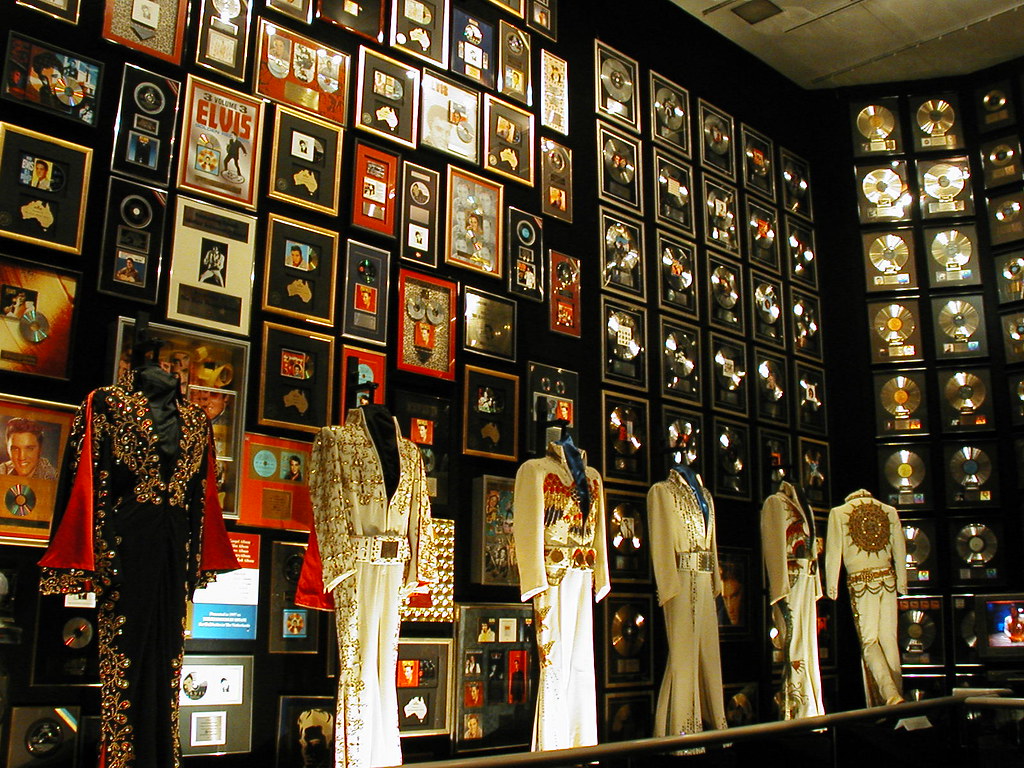
Today, Graceland remains ‘one of the country’s top tourist attractions,’ a permanent pilgrimage site for fans, and was rightfully added to the National Register of Historic Places in 1991. The ‘mourning has never ceased,’ with crowds continuing to flock to Graceland each August to honor his memory. His ‘albums and other artifacts continue to sell briskly,’ proving his enduring appeal across generations and cementing his status as the ‘best-selling solo artist in history.’
Beyond the tangible, Elvis’s influence permeates pop culture. ‘Elvis impersonators are legion,’ a vibrant testament to his iconic image. ‘Rumors cropped up that he did not really die,’ illustrating the depth of public fascination and a desire to keep his spirit alive. Perhaps most touchingly, his ‘biggest fans—working-class white women—passed their fanaticism on to their children,’ ensuring that new generations continue to discover and fall in love with the King of Rock and Roll. As Bruce Springsteen famously said, ‘It was like he whispered his dream in all our ears and then we dreamed it,’ a sentiment that perfectly captures the profound and lasting impact of Elvis Presley on the hearts and minds of millions.
As we look back at the life of Elvis Presley, from his humble beginnings to his legendary status, it’s clear that his story is far more intricate than the dazzling stage persona might suggest. He was a man of immense talent, profound personal struggles, and an undeniable humanity that resonates still. Through these glimpses into his life beyond the spotlight, we find not just a king, but a complex, relatable soul whose influence continues to shape our cultural landscape. His music, his image, and his spirit endure, a timeless melody echoing across the decades, reminding us why, for so many, Elvis truly never left the building.