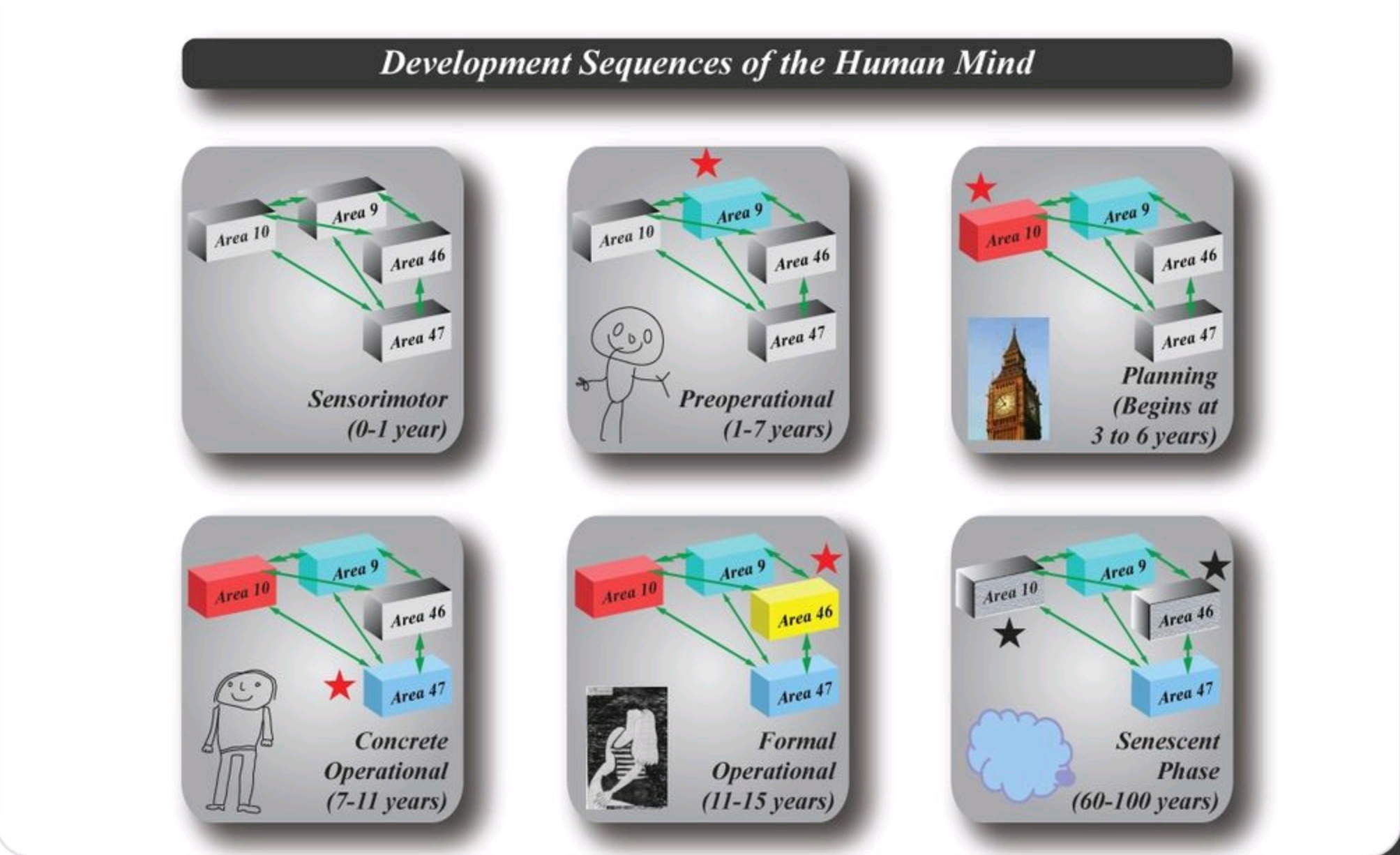
The human mind is a marvel, a labyrinth of thought that allows us to navigate the complexities of existence, to question, to discover, and to innovate. At the heart of this intricate cognitive landscape lies reason, an intrinsic capacity that has long been considered the hallmark of human exceptionalism. It is the very essence of our ability to make conscious sense of the world around us, distinguishing us in myriad profound ways.
Reason, often referred to as rationality, is fundamentally the capacity to apply logic with awareness, allowing us to draw valid conclusions from both novel and established information. Its ultimate quest is the pursuit of truth. This singular human faculty underpins some of our most characteristic endeavors, including the rigorous inquiries of philosophy and science, the structured elegance of mathematics, and the nuanced expression of language and religion. Indeed, throughout history, it has been widely regarded as a unique endowment of humanity.
Embark on a comprehensive journey with us as we unravel the multifaceted nature of reason. From its etymological roots and the intricate processes of thinking it entails, to the foundational philosophical inquiries that have shaped our understanding over millennia, we will explore the evolution of this critical human ability. This exploration will illuminate how reason has been conceived, challenged, and redefined, ultimately revealing its enduring significance in shaping human thought and progress.

1. **Defining Reason: Capacity for Logic and Truth-Seeking**At its most fundamental, reason is our innate capability for consciously engaging with logic, meticulously sifting through information to arrive at conclusions that are not merely plausible, but demonstrably valid. This process is inherently geared towards the profound objective of seeking truth, serving as the bedrock upon which all informed understanding is built. It’s the mechanism through which we discern patterns, evaluate arguments, and form coherent perspectives about the world.
While often used interchangeably with “rationality,” the distinction lies in the application; reason is the capacity itself, while rationality is its active deployment in thought and action. This capacity is deeply interwoven with a range of distinctly human activities. Think of the structured arguments in philosophy, the systematic observations of science, the abstract beauty of mathematics, or even the interpretive depth found in religion and language. All these domains rely heavily on the conscious application of reason.
The ancient Greek term “logos” perfectly encapsulates this multifaceted concept, meaning not just “logic” but also “speech,” “explanation,” or an “account.” This historical linguistic connection highlights how deeply embedded reason is within our very modes of communication and comprehension. When we provide an explanation or an account, we are, in essence, presenting a reasoned structure of thought.

2. **The Cognitive Process of Reasoning: From Existing to New Knowledge**Reasoning is far more than a simple mental reflex; it is a dynamic and intricate cognitive process that allows us to expand our understanding beyond what is immediately known. It involves consciously and, to varying degrees, rationally extrapolating from our existing knowledge base to generate entirely new insights and information. This intellectual endeavor is central to how we learn, solve problems, and adapt to novel situations.
The engagement of one’s intellect is paramount in this process. When we reason, we are not merely recalling facts but actively manipulating and connecting them in ways that produce fresh perspectives or conclusions. The field of logic, in fact, specifically dedicates itself to studying the formal methods by which humans can employ reasoning to construct arguments that are not only logically valid but also lead to true conclusions. It provides the framework for structured and rigorous thought.
Reasoning is broadly categorized into several forms of logical reasoning, each serving a distinct purpose in how we derive knowledge. These include deductive reasoning, where conclusions necessarily follow from premises; inductive reasoning, which involves making generalizations from specific observations; and abductive reasoning, focusing on generating the most likely explanations from incomplete information. Each method offers a unique pathway to understanding and knowledge generation.
Read more about: Unveiling the Architects of Thought: The Enduring Quest to Define Reason’s True Nature

3. **Reason’s Ancient Roots: Classical Philosophy and Teleological Order**The notion that reason elevates humanity to a unique position in the natural order has been a cornerstone of Western philosophy, tracing its origins back to classical Greece. From Pythagoras to Heraclitus, the cosmos itself was believed to possess reason, implying an inherent, intelligent order. This perspective elevated reason from a mere human characteristic to a universal principle, linking the human mind to a divine cosmic arrangement, as nature was understood teleologically with every type of thing having a definitive purpose.
Plato described reason within the human mind or soul (psyche) as the natural sovereign, destined to govern over other impulses such as spiritedness (thumos) and the passions. For Plato, a life guided by reason was a life lived in harmony with the higher, rational order of the universe, leading to true understanding and virtuous living.
Aristotle, Plato’s student, further cemented this view by famously defining human beings as “rational animals.” He posited that the highest form of human happiness, or eudaimonia—a state of flourishing and well-being—was attainable only through a life lived consistently, excellently, and completely in accordance with reason. These teleological accounts profoundly influenced later philosophers seeking to reconcile reason with monotheistic beliefs.

4. **Mediating Faith and Intellect: Reason in Christian and Islamic Thought**The profound classical understanding of reason found fertile ground within the early Christian Church, becoming a foundational element of its intellectual and theological traditions. Eminent figures such as Augustine of Hippo, Basil of Caesarea, and Gregory of Nyssa, who were as much Neoplatonic philosophers as they were Christian theologians, seamlessly integrated the Neoplatonic conception of human reason into their discourse on our relationship with creation, ourselves, and God.
This Neoplatonic view of the rational soul was not confined to Western Christianity; it was also widely embraced by medieval Islamic philosophers, continuing to exert significant influence, particularly within Iranian philosophy. As Europe gradually emerged from the Dark Ages, the rich legacy of the Christian Patristic tradition, combined with the profound intellectual contributions of esteemed Islamic scholars like Averroes and Avicenna, laid the groundwork for the Scholastic view of reason, which proved instrumental in shaping our modern comprehension of the concept.
Among the Scholastics, Saint Thomas Aquinas stands out as perhaps the most influential figure to build upon the classical concept of reason for the development of his doctrines. He placed reason at the very core of his Natural Law philosophy, asserting that because humans possess reason, a “spark of the divine,” every single human life holds invaluable worth. This led to the conclusion that all humans are inherently equal and are born with an intrinsic and permanent set of basic rights, later instrumental in the concept of human rights.

5. **The Subjective Turn: Descartes and the Birth of Modern Reason**The early modern era in Europe saw a radical transformation in the understanding of reason, driven by significant shifts in the metaphysical view of human beings. Scientists and philosophers began to question the long-held teleological understanding of the world, moving away from assumptions that nature possessed its own aims. This paradigm shift replaced previous spiritual worldviews, emphasizing empirical observation and rational deduction as primary lenses for interpreting reality.
In the 17th century, René Descartes explicitly challenged the traditional notion of humans as “rational animals.” He proposed humans were “thinking things,” aligning them with other natural entities. This profoundly altered philosophy, implying any knowledge not derived analytically was subject to doubt, thus establishing the knowing subject as the primary perceiver.
Descartes systematically doubted all existing knowledge in his search for an unshakeable foundation. The only certainty he found was the mind’s act of thinking itself. As he stated, “At this time I admit nothing that is not necessarily true. I am therefore precisely nothing but a thinking thing; that is a mind, or intellect, or understanding, or reason—words of whose meanings I was previously ignorant.” This declaration became a cornerstone of modern epistemology and “subject-centred” reason.
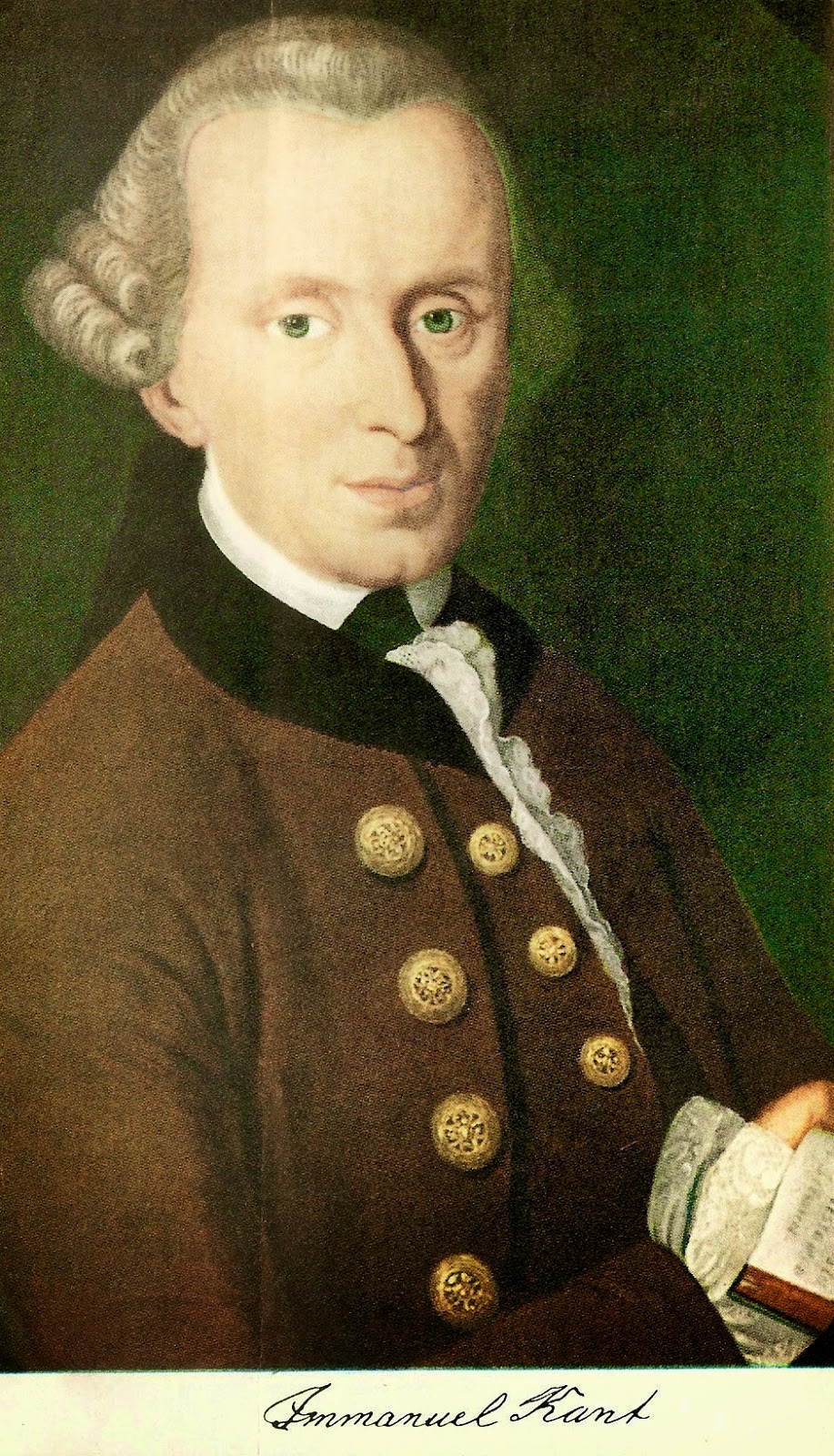
6. **Hume’s Radical Skepticism: Reason’s Subordination to Passion**Following Descartes, John Locke and David Hume further developed these lines of thought, with Hume pushing boundaries into skeptical territory. Hume famously posited that deducing cause-and-effect relationships was impossible, leading to the radical conclusion that no knowledge, despite appearances, could ever be based on reason alone, directly challenging rationalist views.
Hume’s most provocative claim positioned reason not as the master of human action but as an instrument serving fundamental drives: “Reason is, and ought only to be the slave of the passions, and can never pretend to any other office than to serve and obey them.” He argued that human reason was not qualitatively distinct from simply conceiving individual ideas or judgments associating two ideas, describing it as “nothing but a wonderful and unintelligible instinct in our souls.”
A significant consequence of Hume’s view was the implication that animals also possess reason, albeit a much less complex form. If reason is essentially an instinct for associating ideas, then animals capable of associative thinking could be said to possess it. This challenged the deeply entrenched tradition of viewing reason as a singular, uniquely human endowment.
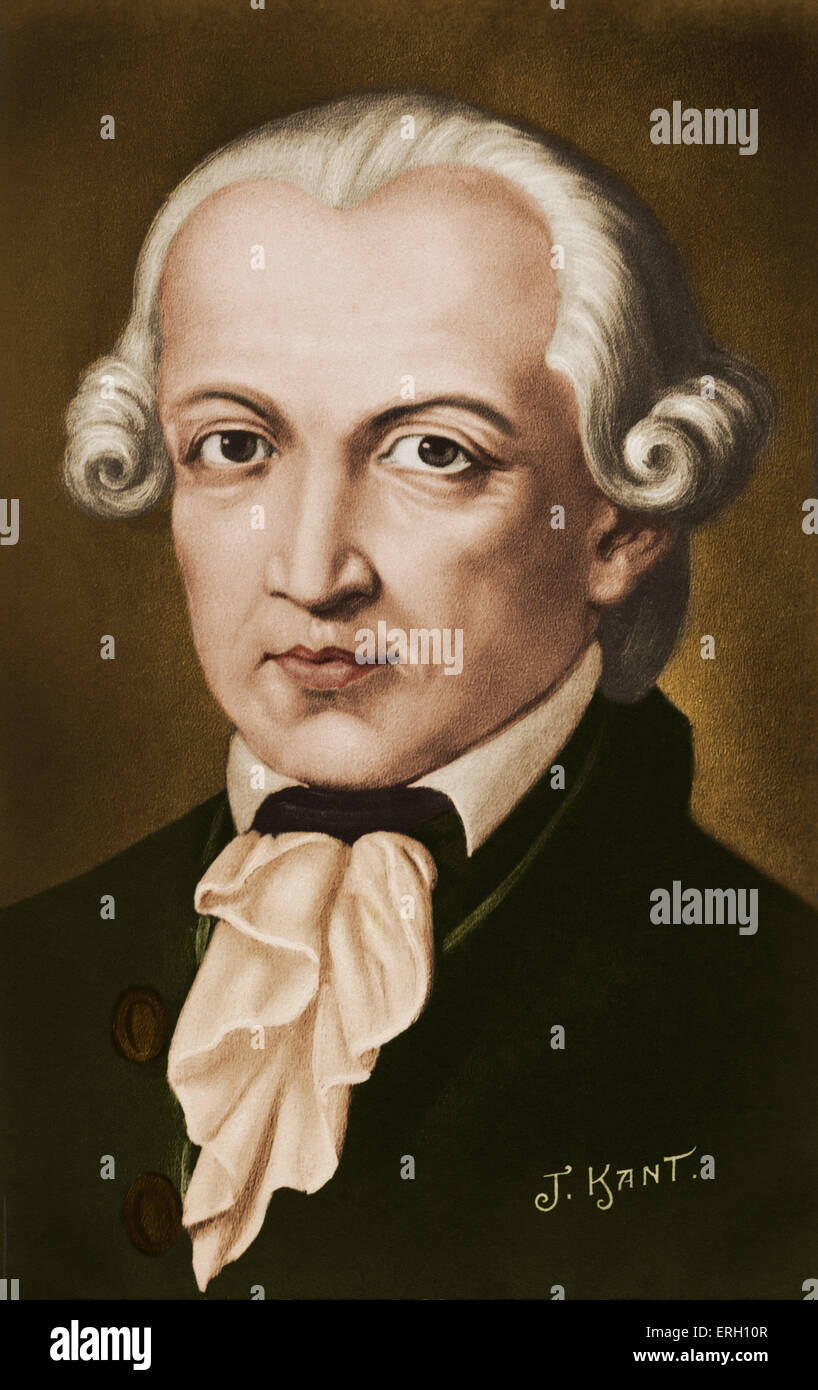
7. **Kant’s Transcendental Solution: Universal Laws and Moral Autonomy**In response to Hume’s profound skepticism, Immanuel Kant embarked on an ambitious project to re-establish a robust foundation for reason. He sought to demonstrate that a “transcendental” self, or “I,” was a necessary precondition for all human experience, providing a stable ground that Hume’s skepticism seemed to dismantle. This allowed Kant to propose that reason could effectively navigate both the conditions and limits of human knowledge.
For Kant, the monumental achievement of reason (Vernunft) lay in its inherent capacity for universal law-making. This enabled him to reformulate moral-practical, theoretical, and aesthetic reasoning upon universally applicable laws, moving beyond subjective inclinations. He argued that individuals’ moral autonomy and freedom depended on their ability to exercise reason properly, behaving according to self-legislated laws.
Central to his ethical philosophy was the “categorical imperative,” a universal principle derived from pure reason, justifying an action only if it could be universalized. As Kant stated: “Act only according to that maxim whereby you can, at the same time, will that it should become a universal law.” This principle enshrined reason as the ultimate arbiter of moral conduct, providing a rigorous and objective standard for ethical decision-making.
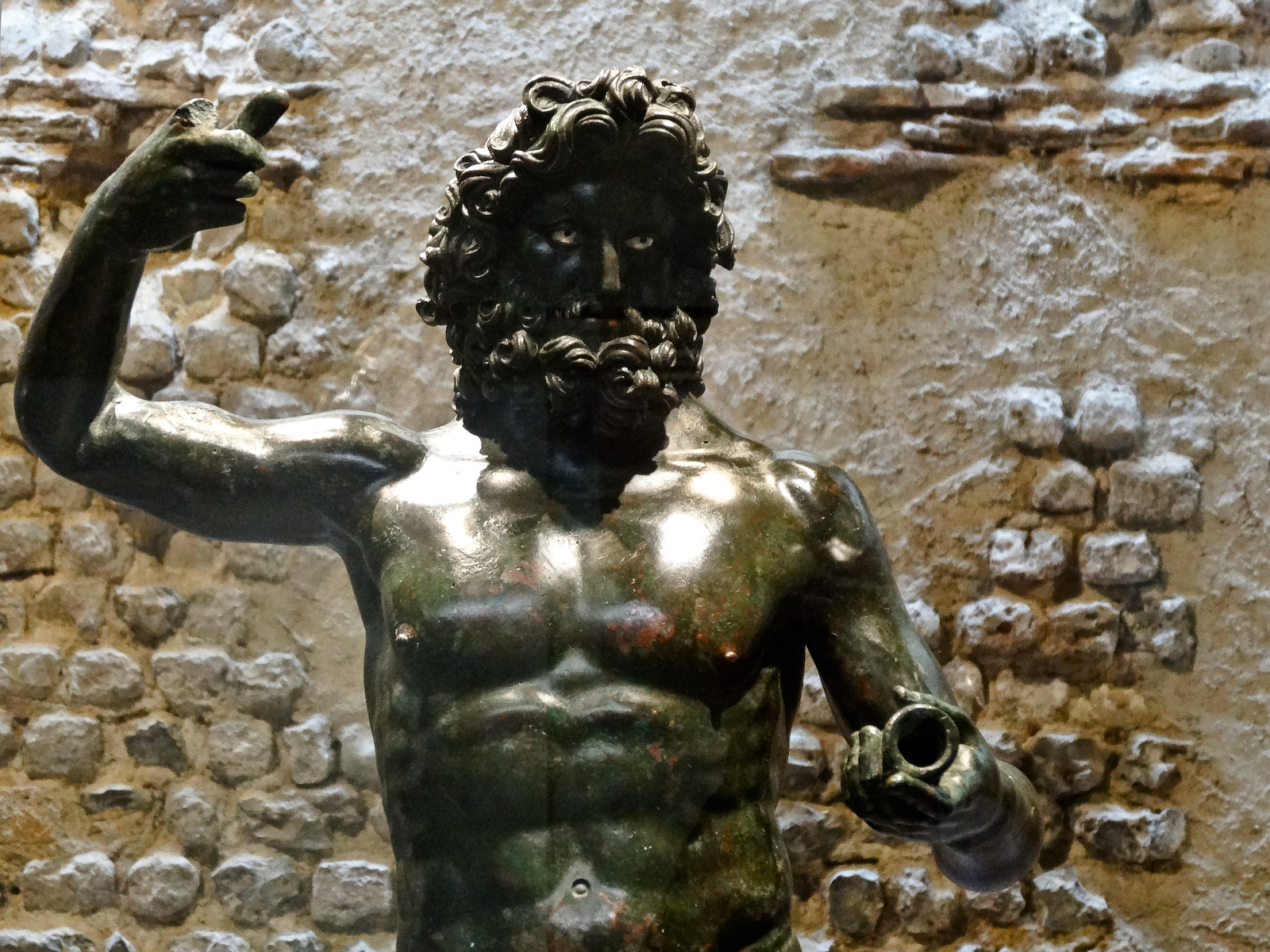
8. **Substantive vs. Formal Reason: Kant’s Legacy and Habermas’s Spheres**Building upon Kant’s pivotal re-establishment, a monumental achievement of reason, or “Vernunft,” lay in its inherent capacity for universal law-making. Kant meticulously reformulated moral-practical, theoretical, and aesthetic reasoning, grounding them upon universally applicable laws. This critical shift transcended subjective inclinations, ensuring that individual moral autonomy and freedom depended on exercising reason to behave according to self-legislated laws, rather than external religious or natural decrees.
Kant’s renowned “categorical imperative” stands as a testament to this vision: a universal principle derived from pure reason, justifying an action only if its underlying maxim could be universally applied. As Kant eloquently stated, “Act only according to that maxim whereby you can, at the same time, will that it should become a universal law.” This principle enshrined reason as the ultimate arbiter of moral conduct, providing a rigorous and objective standard for ethical decision-making.
However, in modern times, Jürgen Habermas observed a significant dissolution of reason’s “substantive unity,” which he noted was once capable of answering profound questions such as, “How should I live?” He proposed that reason’s unity had to become strictly formal, or “procedural.” Habermas outlined reason as a group of three autonomous spheres, mirroring Kant’s critiques: cognitive-instrumental reason for the sciences, moral-practical reason for ethics and politics, and aesthetic reason typically found in art and literature.
For Habermas, these three spheres, while domains of experts, necessitated philosophical mediation with the “lifeworld.” Through this framework of formalizable procedures, he aimed to compensate for the lost substantive unity that had guided pre-modern societies in their pursuit of the good life. This perspective highlights a critical modern challenge for reason: maintaining its coherence and utility in a fragmented world.
9. **The Ongoing Critique of Reason: Skepticism and Re-orientation**The philosophical journey of reason has always included a persistent theme: the “critique of reason” itself. Figures like Hamann, Herder, Kant, Hegel, Kierkegaard, Nietzsche, Heidegger, Foucault, and Rorty have engaged in vigorous debates about what reason means, or ought to mean. Some, particularly Kierkegaard, Nietzsche, and Rorty, harbored deep skepticism towards subject-centred, universal, or instrumental reason, questioning its foundational claims and overall efficacy.
Others, such as Hegel, contended that an overemphasis on certain rational forms had obscured the vital importance of intersubjectivity or “spirit” in human experience. They sought to reconstruct models of reason that acknowledged these broader dimensions, aiming for a more holistic understanding of its function. This ongoing self-reflection underscores reason’s reflexive, or “self-correcting,” nature, a constant theme in philosophy since ancient times.
In recent decades, there have been compelling proposals to “re-orient” this critique, recognizing “other voices” or “new departments” of reason. Jürgen Habermas, for instance, introduced a model of communicative reason, viewing it as an inherently cooperative activity rooted in linguistic intersubjectivity, thereby emphasizing dialogue and mutual understanding as central to rational discourse.
Nikolas Kompridis advanced a sweeping perspective, defining reason as “that ensemble of practices that contributes to the opening and preserving of openness” in human affairs, with a focus on its possibilities for social change and fostering new perspectives. Similarly, Charles Taylor, drawing inspiration from the 20th-century German philosopher Martin Heidegger, proposed that reason ought to include the faculty of disclosure, intrinsically linked to how we make sense of everyday life, presenting it as a new, crucial “department” of reason. Michel Foucault, too, contributed by proposing a critique based on Kant’s distinction between “private” reason, used when an individual is “a cog in a machine,” and “public” reason, exercised as “a member of reasonable humanity,” where its use must be free and public. These diverse perspectives reveal reason’s evolving and challenged landscape.

10. **Reason’s Core Methods: Deductive and Inductive Reasoning**Within the broader philosophical landscape of reasoning, a crucial subdivision exists within logic, which is often seen as the science of deduction. The traditional philosophical distinction lies between deductive and inductive reasoning, serving as fundamental methods by which we derive knowledge and construct arguments. Understanding these core forms is central to grasping the practical application and power of reason.
Deductive reasoning is characterized by conclusions that follow necessarily from the stated premises. It represents a form of inference where, if the premises are true, the conclusion *must* also be true. A classic illustration of deductive reasoning is the syllogism: “Premise 1: All humans are mortal. Premise 2: Socrates is a human. Conclusion: Socrates is mortal.” The power of this reasoning lies in its certainty; there is no scenario where both premises could be true and the conclusion simultaneously false. Formal logic, in essence, is largely described as the science dedicated to studying deduction.
Conversely, inductive reasoning moves in the opposite direction, producing properties or relations about unobserved objects or types based on prior observations or experiences. It’s the process of formulating general statements or laws from a limited set of specific, recurring phenomenal patterns. Unlike deduction, where the conclusion is guaranteed by the premises, even in the strongest cases of inductive reasoning, the truth of the premises does not absolutely guarantee the truth of the conclusion.
Instead, the conclusion of an inductive argument follows with a certain degree of probability. This inherent characteristic means that the conclusion of an inductive argument actually contains more information than was explicitly present in the premises, making it an “ampliative” method of reasoning. David Hume’s classic example exemplifies this: “Premise: The sun has risen in the east every morning up until now. Conclusion: The sun will also rise in the east tomorrow.” While highly probable, this conclusion is not a logical necessity, showcasing the ampliative nature of induction in expanding knowledge.

11. **Expanding the Toolkit: Analogical and Abductive Reasoning**Beyond the foundational categories of deductive and inductive reasoning, our intellectual toolkit includes other vital methods for making sense of the world, specifically analogical and abductive reasoning. These forms allow us to navigate situations where direct deduction or broad induction might be insufficient, offering alternative pathways to understanding and problem-solving, particularly when dealing with specific instances or incomplete information.
Analogical reasoning, a specific type of inductive inference, draws conclusions from a particular case to another particular case. It is frequently employed in case-based reasoning, finding notable application in legal reasoning where past precedents inform current judgments. Consider this example: “Premise 1: Socrates is human and mortal. Premise 2: Plato is human. Conclusion: Plato is mortal.” This method relies on identifying similarities between distinct entities to infer shared properties.
However, analogical reasoning is considered a weaker form of induction when based on a single example, primarily because inductive reasoning typically leverages a large number of instances to generalize from the particular to the general. Its reliance on perceived similarities can sometimes lead to erroneous conclusions, as shown in this flawed analogy: “Premise 1: Socrates is human and male. Premise 2: Ada Lovelace is human. Conclusion: Ada Lovelace is male.” This highlights the need for careful application and critical evaluation when using this method.
Abductive reasoning, often termed “argument to the best explanation,” offers a distinct approach that doesn’t neatly fit into either the deductive or inductive categories. It begins with an incomplete set of observations and proceeds to generate the most likely possible explanations for those observations. The conclusion in an abductive argument does not follow with certainty from its premises; instead, it concerns something unobserved, aiming to provide a plausible account.
What sets abduction apart is the attempt to favor one conclusion above others, either through subjective judgment, by actively trying to falsify alternative explanations, or by demonstrating the greater likelihood of the preferred conclusion given a set of often disputable assumptions. A common scenario is medical diagnosis: when a patient presents with specific symptoms, various possible causes may exist, but one is often favored as the most probable explanation, showcasing the practical utility of abductive reasoning in real-world problem-solving.
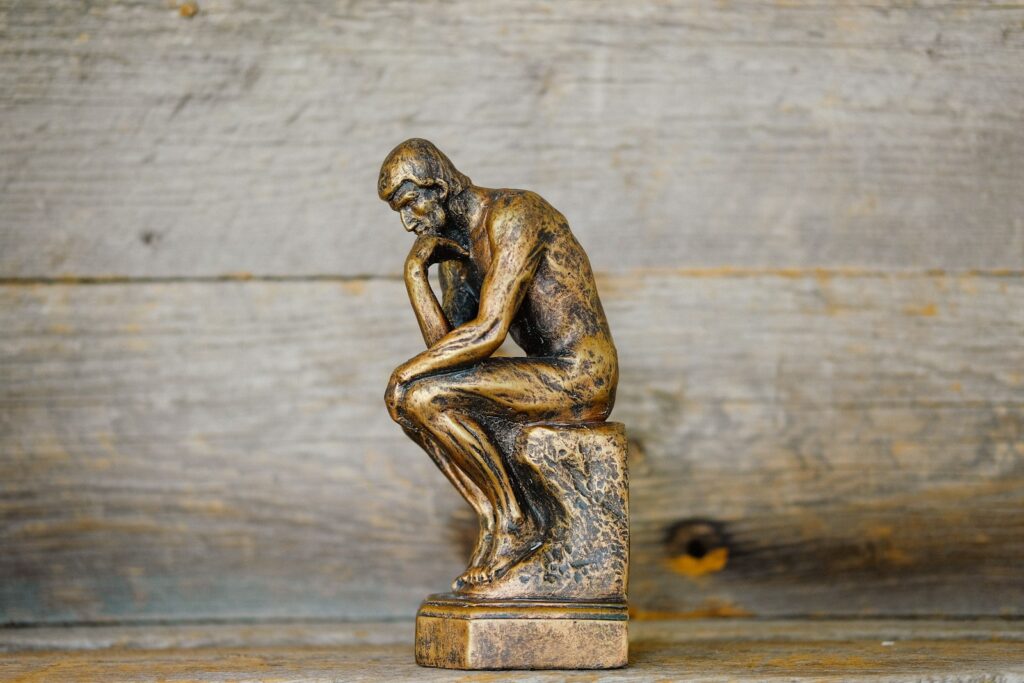
12. **Distinguishing Reason from Logic and Associative Thinking**While the terms “logic” or “logical” are often used as if they were identical with “reason” or “rational,” or logic is sometimes seen as the most pure or defining form of reason, philosophers and cognitive scientists emphasize their distinctness. Logic is fundamentally about reasoning—moving from premises to a conclusion—and aims to clarify and separate good reasoning from bad. In modern economics, for instance, rational choice is often equated with logically consistent choice, underscoring this perceived overlap.
However, reason encompasses a broader spectrum. Author Douglas Hofstadter elucidates this difference by characterizing logic as an internal function operating *inside* a system, while reason operates *outside* the system. It employs diverse methods such as skipping steps, working backward, drawing diagrams, exploring examples, or even altering the system’s rules. This suggests reason involves a meta-level cognitive process that transcends strict adherence to formal rules.
Psychologists Mark H. Bickard and Robert L. Campbell further assert that “rationality cannot be simply assimilated to logicality.” They point out that human understanding of logic and logical systems has evolved over time through reasoning itself. Moreover, logical systems, by their nature, “can’t construct new logical systems more powerful than themselves,” implying that reasoning and rationality must involve something more profound than a mere system of logic. Psychologist David Moshman, building on this, advocates for a “metacognitive conception of rationality,” where the development of reason involves “increasing consciousness and control of logical and other inferences.”
Crucially, it is also important to distinguish human reason from simpler forms of “associative thinking” observed in some animals. Philosophers like Hobbes, Locke, and Hume acknowledged that animals can learn to associate causes and effects—a dog recognizing warning signs to avoid being kicked, for example. However, this does not mean the animal possesses reason “in any strict sense of the word.” Human reason demands more than merely linking two ideas, even if they represent cause and effect. It requires a conscious thought process that can explain the connection, perhaps through the mental use of a third idea in a syllogistic structure, as Locke suggested. Charles Sanders Peirce further argued that strict reason necessitates the ability to create and manipulate a system of symbols, alongside indices and icons, which, like those in language, hold a nominal, though habitual, connection to their referents, a capacity beyond simple association.
Read more about: Unveiling the Architects of Thought: The Enduring Quest to Define Reason’s True Nature

13. **The Symbiosis of Reason, Imagination, and Memory**The intricate workings of the human mind reveal a fascinating interplay between reason, imagination, and memory, with these faculties often relying on similar underlying mental processes. While imagination (*phantasia*) is not exclusively human—Aristotle noted that *phantasia* (the capacity to hold images) and *phronein* (a type of judging thought) exist in some animals—human imagination possesses a distinct quality that deeply connects it to our unique rational abilities.
Aristotle’s *phantasia* in animals relates to their primary perceptive ability, gathering sensory perceptions and discerning the order of things without universals or deliberation. However, this differs fundamentally from human imagination, which, as Terrence Deacon and Merlin Donald suggest, is integral to the origin of language and mimesis. They connect the human capacity for language to an internal modeling of reality, specific to our species, giving rise to consciousness and sophisticated imagination or fantasy.
Merlin Donald highlights a crucial distinction: while a dog might perceive the “meaning” of a play-acted fight, it “could not reconstruct the message or distinguish the representation from its referent (a real fight).” Trained apes are able to make this distinction, and young children grasp it effortlessly, separating play-acting from reality. This ability—to perceive whether a perception is an image of something else, related but not identical—was described by Plato as *eikasia*, allowing us to understand that a dream, memory, or reflection in a mirror is not reality itself.
This “dianoetic eikasia” specifically concerns thinking and mental images, including the symbols, icons, and signs discussed earlier as central to reason. Human thinking is special because we often understand visible things as if they were themselves images of our intelligible “objects of thought” as “foundations.” Both Donald and classical philosophers emphasize *mimēsis*, or imitation/representation, not as simple mimicry, but as “the invention of intentional representations,” crucial for internal modeling and communication.
Furthermore, Donald, like Plato (and Aristotle, especially in *On Memory and Recollection*), stresses the uniquely human capacity for the voluntary initiation of a search through one’s mental world—what the ancient Greeks called *anamnēsis*, or “recollection.” Distinct from *mneme* (memory, shared with some animals, which requires a consciousness that something happened in the past), recollection is a deliberate effort to search for and recapture something once known. Donald terms this “autocueing,” explaining that “Mimetic acts are reproducible on the basis of internal, self-generated cues. This permits voluntary recall of mimetic representations, without the aid of external cues—probably the earliest form of representational thinking.” This intricate relationship between reason, imagination, and memory underlies our ability to build complex mental models and engage in reflective thought.

14. **Confronting Flawed Reasoning: Formal and Informal Fallacies**Even with a sophisticated understanding of reasoning methods, the human intellect is susceptible to errors, leading to “fallacious reasoning.” Flawed arguments can stem from two primary categories: formal fallacies and informal fallacies, each representing a distinct problem in the structure or content of an argument. Recognizing these pitfalls is essential for robust critical thinking and effective communication.
Formal fallacies occur when there is an issue with the “form,” or “structure,” of the argument, rendering it invalid regardless of the truth of its premises. The term “formal” directly refers to this structural link. An argument containing a formal fallacy will always be invalid because its conclusion does not logically follow from its premises, even if those premises happen to be factually correct. These are errors in the logical blueprint itself, making any edifice built upon it unsound.
In contrast, an informal fallacy represents an error in reasoning that arises from a problem with the “content,” rather than the form or structure, of the argument. These fallacies often involve issues such as irrelevant information, ambiguous language, unwarranted assumptions, or emotional manipulation. While the logical structure of an argument might appear sound, the substance of its components leads to a faulty conclusion. They are traps in the way we express or interpret ideas, rather than in the pure mechanics of deduction.
Beyond these logical errors, the concept of “unreasonable decisions and actions” extends into legal contexts, particularly concerning the conduct of employers or public bodies. In English law, for instance, a decision or action can be deemed “unreasonable” if it falls outside the range of choices available to a body acting in good faith. Cases like *Short v Poole Corporation (1926)* and *Associated Provincial Picture Houses Ltd v Wednesbury Corporation (1947)*, and more recently *Braganza v BP Shipping Limited (2015)*, have explored this notion of what constitutes an unreasonable exercise of power.
In essence, the ongoing human quest to understand and refine reason is a testament to its profound and multifaceted nature. From its ancient philosophical roots that saw it as a divine cosmic order to its modern challenges in fragmented intellectual landscapes, reason remains our indispensable tool for navigating truth, morality, and understanding. As we continue to grapple with complex decisions and seek coherence in an ever-evolving world, the diligent and reflexive application of our rational faculties stands as a core pillar of human endeavor, guiding our pursuit of knowledge, justice, and ultimately, a flourishing existence.