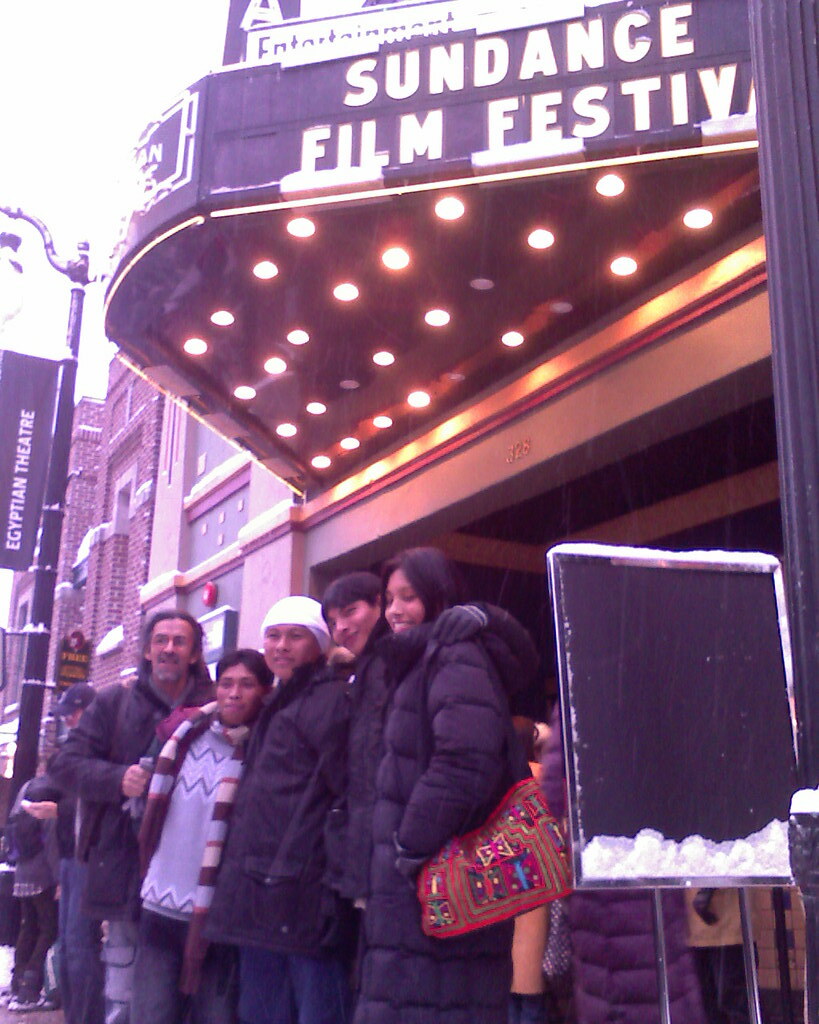
Ever scrolled through a streaming service, landed on a classic, and thought, “Wow, this really takes me back!”? Movies are like time machines, aren’t they? They capture moments, styles, and stories that resonated deeply with audiences in their prime, and continue to entertain us today. But here’s the fun part: sometimes, looking back at these beloved blockbusters and critical darlings, you notice little things—a particular visual effect, a narrative beat, or a cultural reference—that perfectly encapsulate their era. It’s not about judging them; it’s about appreciating how far cinema, and our viewing habits, have come!
That’s what we’re here for today! We’re diving deep into some truly iconic films that were, and in many ways still are, immensely popular. They’ve made their mark on film history and culture, landing squarely on lists of the ‘Greatest Movies Ever Made.’ But for all their timeless appeal, they also carry a wonderfully distinct ‘retro charm,’ offering a unique window into the past. Think of it as a fond look at how these masterpieces, while forever etched in our hearts, also proudly wear their chronological badges.
So, get ready to queue up some popcorn and snuggle in as we revisit seven of these unforgettable films. We’re talking about the ones that pushed boundaries, broke box office records, and ignited conversations, but in ways that might just make you chuckle or nod knowingly about how much things have shifted. Let’s celebrate their enduring magic and the delightful quirks that remind us exactly when they first dazzled the world!
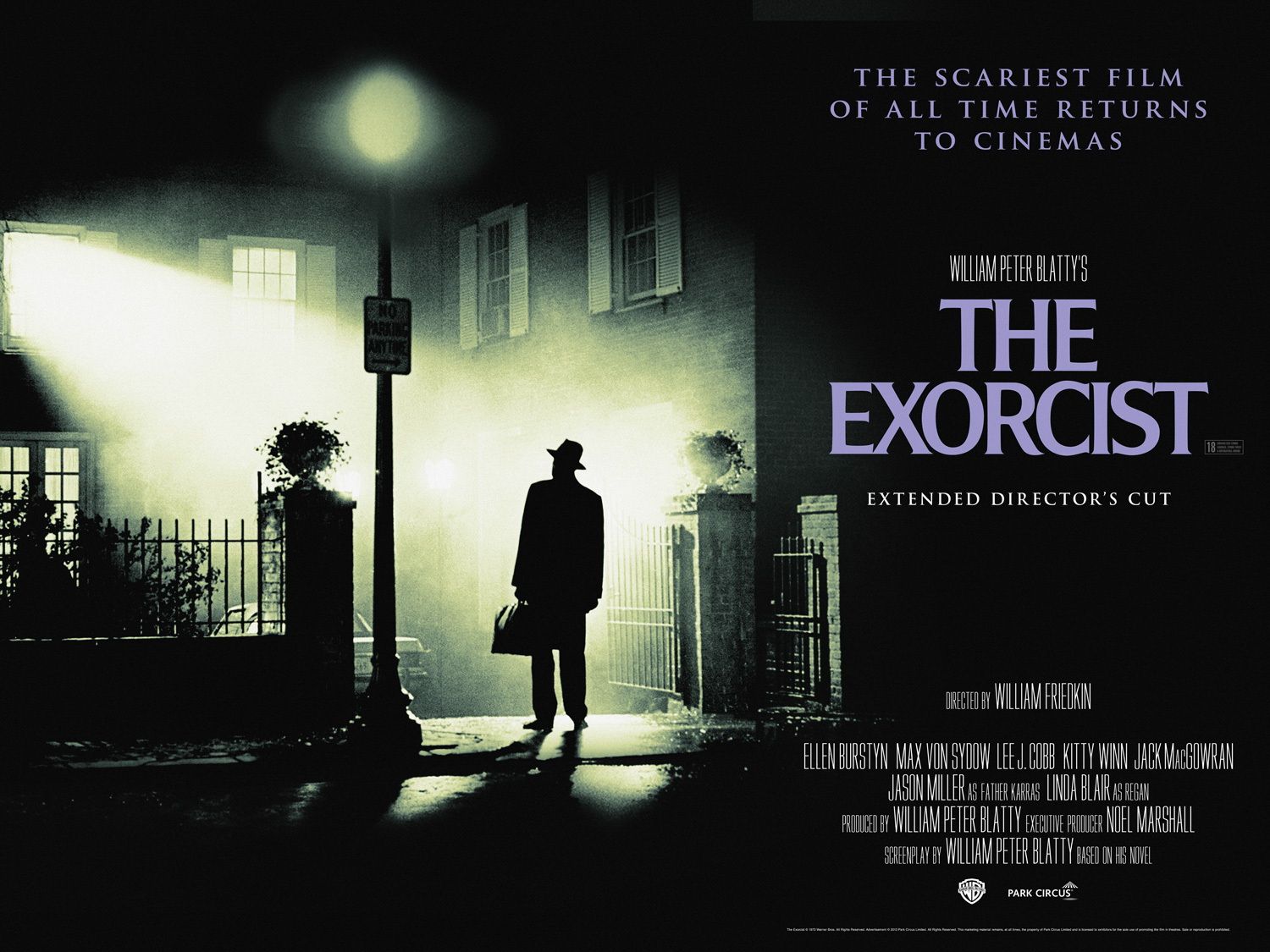
1. **The Exorcist (1973)**When William Friedkin’s 1973 masterwork, *The Exorcist*, first hit screens, it wasn’t just a movie; it was a cultural phenomenon. The context describes it as “the definitive exorcism film,” a title many still uphold today. It plunged audiences into a terrifying tale of 12-year-old Regan possessed by the demonic spirit Pazuzu, a premise that, even now, can make your skin crawl just thinking about it.
The film endures as a “jump-out-of-your-skin shocker thanks to its pea-vomiting, spider-crawling, crucifix-screwing sequences.” While these scenes were utterly groundbreaking and shocking at the time, establishing benchmarks for horror that few have dared to touch, contemporary horror films often aim for more psychological, slow-burn dread or extreme gore, making the raw, visceral impact of *The Exorcist* feel like a powerful, foundational statement of classic horror. It set the stage for everything that came after, and you can truly feel its pioneering spirit.
But the true enduring power, and perhaps its most ‘of-its-time’ philosophical hook, lies in how Friedkin “so skilfully stages a soul-shaking crisis of faith.” This deep, spiritual torment for Fathers Damien Karras and Lankester Merrin really resonated in the early 70s, speaking to anxieties and societal shifts that were palpable. While modern audiences still appreciate this depth, the intense focus on spiritual warfare feels very much a product of its era’s cultural and religious landscape, distinguishing it from many contemporary genre entries. It’s a reminder of a time when horror could be deeply philosophical and profoundly disturbing on a spiritual level.
Read more about: Warning: 14 Movies So Scary They’ll Haunt Your Dreams (and Keep You Up All Night!)
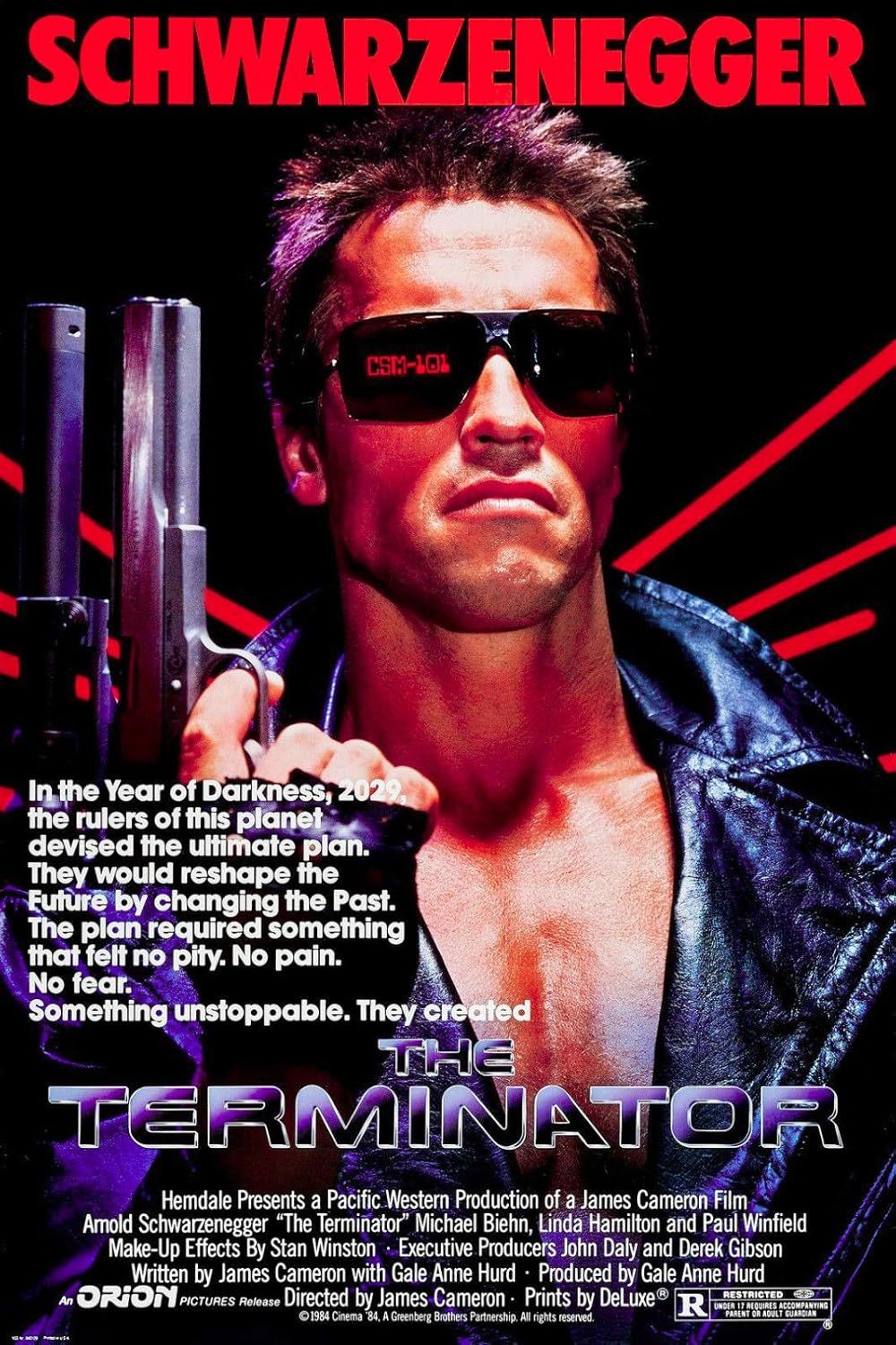
2. **The Terminator (1984)**Oh, the ’80s! A decade of big hair, synth-pop, and the relentless, iconic cyborg assassin that is Arnold Schwarzenegger’s T-800 in James Cameron’s *The Terminator*. The context reveals that after a less-than-stellar previous experience, Cameron “made The Terminator. The rest, as they say, is history.” And what a history it is, crafting an “instantly iconic shotgun-toting, shades-rocking, time-travelling cyborg killer.”
Shot for a lean $6 million, this film captured “the relentless tension of a slasher” alongside the “kinetic thrills of a balls-to-the-wall blockbuster.” This low-budget, high-impact approach, relying heavily on practical effects and raw suspense, defines its charm today. While modern blockbusters often lean on lavish CGI, *The Terminator*’s groundbreaking practical effects, from the stop-motion endoskeleton to the physical stunts, feel beautifully retro and gritty. It’s a testament to ingenuity over massive budgets, a filmmaking philosophy that, while still respected, isn’t always at the forefront of today’s big-budget action flicks.
The film’s portrayal of a dystopian future, with its stark, metallic aesthetic and the sheer physicality of the T-800, perfectly channeled the anxieties of the mid-80s. The idea of a ruthless machine from the future hunting down Sarah Connor, instructing her with the immortal line, “Come with me if you want to live,” set a new standard for action-sci-fi. While its influence is undeniable, the film’s specific visual language and the palpable sense of dread rooted in an analog-era fear of technology offer a distinct time capsule feel, showcasing how fears and filmmaking techniques evolve over time.
Read more about: Digital Immortality or Unsettling Impersonation? The High-Stakes Legal and Ethical Battle Over Actors’ Faces in the CGI Era

3. **Reservoir Dogs (1992)**Before Quentin Tarantino became *the* Quentin Tarantino, he burst onto the scene with *Reservoir Dogs* in 1992, a film described by our context as his “uber cool and supremely confident directorial debut.” It was a “terrific twist on the heist-gone-wrong thriller,” and truly, nothing was quite the same after this movie landed. It’s pure, uncut Tarantino before we even knew what that meant, and it’s still a rollicking ride.
The film is praised for “delighting in ricocheting the zing and fizz of its dialogue around its gloriously intense setting.” This dialogue-heavy, single-location approach, where “the majority of the movie’s action centring around one long and incredibly bloody death scene,” was revolutionary. Today, while dialogue-driven films certainly exist, the sheer audacity of *Reservoir Dogs* to be so talkative and yet so gripping, especially in an action-heavy genre, feels like a distinct marker of early 90s independent cinema. It truly set a “blueprint for everything we’ve come to expect from a Tarantino joint,” meaning its innovations are now widely recognized and, to some extent, internalized by audiences.
For a film that packs “killer lines, killer needledrops, and killer, er, killers too,” its specific kind of intensity—a slow burn that explodes into visceral violence and psychological tension—offers a fascinating contrast to the often faster-paced and more overtly action-packed narratives of today. It’s a film that demands your attention to every word and every glance, creating a unique viewing experience that, while timeless in its quality, also transports you back to a moment when such a bold, unconventional structure felt utterly fresh and electrifying. Oh, and about Nice Guy Eddie: the context reminds us he “was shot by Mr. White. Who fired twice. Case closed.” Just classic!
Read more about: More Than Just Popcorn Spills: 14 Blockbusters Viewers *Actually* Walked Out Of, From Gruesome Gore to Pure Boredom
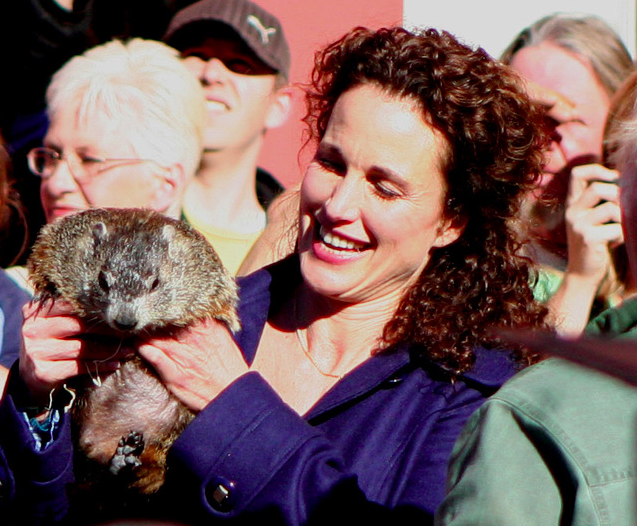
4. **Groundhog Day (1993)**Let’s talk about a movie that arguably perfected the time-loop trope long before it became a ubiquitous plot device: Harold Ramis’s *Groundhog Day*. The context highlights Bill Murray “at the height of his (eventually) lovable schmuck powers as narcissistic weatherman Phil Connors,” trapped in a repeating February 2nd. It’s a concept that has been revisited countless times, but as the context perfectly puts it, this film is “inarguably head and shoulders above the rest.”
Murray’s “customarily snarky delivery gets the easy laughs flowing early doors,” which is still incredibly effective. However, the film’s gentle, profound exploration of existence and morality, as Phil slowly transforms from a self-absorbed jerk to a compassionate human, without ever feeling “overly preachy or worthy,” feels like a wonderfully earnest piece of 90s cinema. While modern comedies might lean into more cynical or absurd takes on similar scenarios, *Groundhog Day* offers a heartfelt journey that, while timeless, has a certain earnest charm that reminds you of the decade’s unique sensibility.
This “time-loop dramedy” didn’t just invent a trope; it infused it with genuine emotional depth and philosophical inquiry. The way the movie finds “deeper things to say about existence and morals as it goes on” is a masterclass in storytelling. For today’s audiences, accustomed to faster narrative resolutions or more explicit genre bending, *Groundhog Day*’s patient, character-driven evolution provides a comforting, slightly nostalgic viewing experience. It’s a beautiful reminder of a time when high-concept comedies could be both riotously funny and deeply resonant, encouraging repeated viewings to uncover new layers, again, and again, and again.
Read more about: Binge-Worthy Bliss: 14 Movies You’ll Never Get Tired Of Watching (Seriously!)
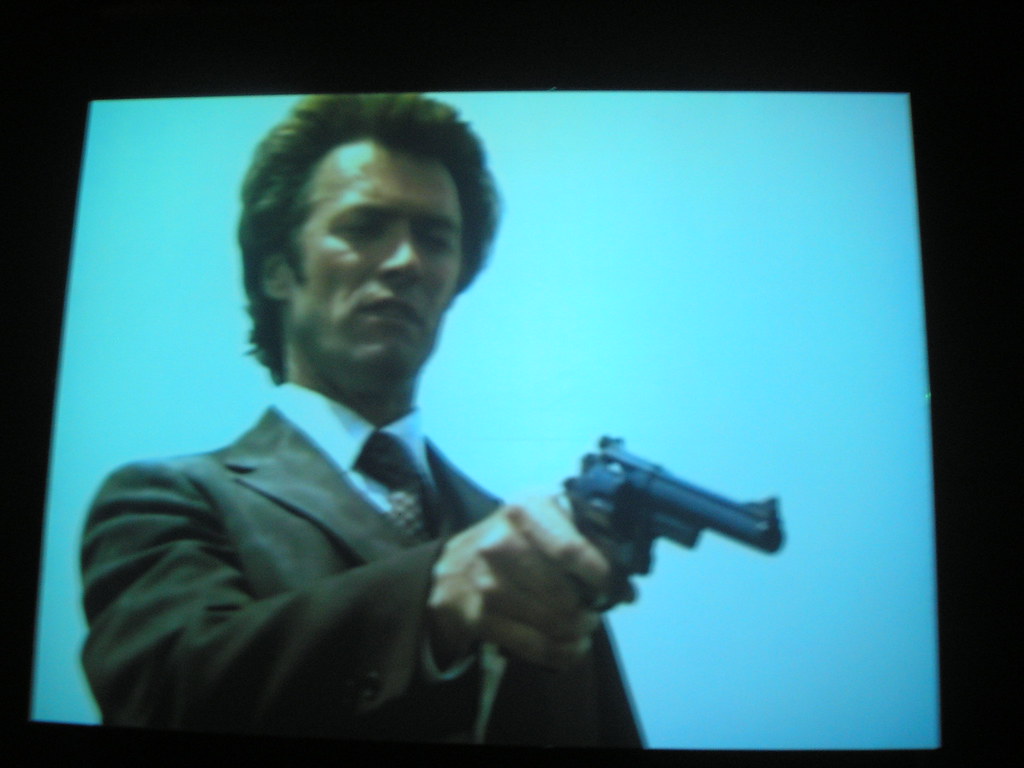
5. **Léon: The Professional (1994)**Luc Besson’s *Léon: The Professional* is a film that leaves an indelible mark, largely thanks to “a very young Natalie Portman, who delivers a luminous, career-creating performance as vengeful 12-year-old Mathilda.” The context acknowledges its status as “very much its own beast,” even though it’s a spiritual spin-off from Besson’s earlier film, *Nikita*. It’s raw, stylish, and deeply impactful.
This film stands out for its stylistic action and the magnetic performances of Jean Reno as the titular hitman and Gary Oldman as the “unhinged baddie Stansfield.” Oldman’s over-the-top, menacing portrayal is something that, while iconic, has a theatricality that feels distinctly 90s in its villainy. It’s a no-holds-barred performance that, in today’s more nuanced or subtly terrifying antagonists, might be viewed as a glorious throwback to a specific era of cinematic bad guys.
The context also mentions “some of the ickiness inherent in the relationship the film presents between a middle-aged man and a pre-teen girl.” This is a crucial point that firmly places the film in a different era of social and cinematic sensibilities. While “Portman’s phenomenal performance helps augment an unlikely kinship that winds up being deeply affecting to watch,” modern audiences often approach such a dynamic with greater scrutiny and discomfort, highlighting how cultural perspectives on sensitive subjects evolve. It’s a powerful reminder of how storytelling choices, even in critically acclaimed films, are always informed by the prevailing cultural climate of their time.
Read more about: The Cult ’90s Gem Quietly Conquering Netflix: Deconstructing ’10 Things I Hate About You’ and Other Essential Watch-Worthy Classics

6. **The Usual Suspects (1995)**Bryan Singer’s *The Usual Suspects* is synonymous with one of cinema’s greatest twists. The film’s intricate plot and the reveal of the elusive Keyser Söze captivated audiences worldwide and became a benchmark for clever screenwriting. The context briefly mentions its brilliance, but its impact is immense. It’s the kind of movie that had everyone talking and rewinding their VHS tapes or DVDs to re-examine every scene.
This film came out at a time when intricate, non-linear narratives and shocking third-act twists were becoming increasingly popular, but *The Usual Suspects* took it to another level. Its meticulous construction, where every seemingly inconsequential detail proves vital to the final reveal, was groundbreaking. Today, with the proliferation of complex TV series and films that constantly try to outdo each other with narrative puzzles, audiences have become incredibly savvy. The anticipation of a big twist is almost a genre in itself, which, while testament to *The Usual Suspects*’ influence, means its original impact might be experienced differently by viewers pre-conditioned to expect the unexpected.
The brilliance of Verbal Kint’s unreliable narration and the final, jaw-dropping reveal firmly established a storytelling technique that is now a classic trope. While the film remains a masterclass in suspense and misdirection, its ‘outdated’ charm comes from being a foundational piece in the lexicon of twisty thrillers. It’s a fantastic watch, but a modern audience, accustomed to intricate narratives and sophisticated red herrings, might find themselves dissecting the clues with a knowing wink, appreciating its craft as a pivotal moment in the evolution of cinematic surprises rather than being entirely blindsided like audiences in ’95.
Read more about: Hollywood’s Blind Spots: How Studios Rejected ‘Pulp Fiction’ and 10 Other Iconic Films That Reshaped Cinema
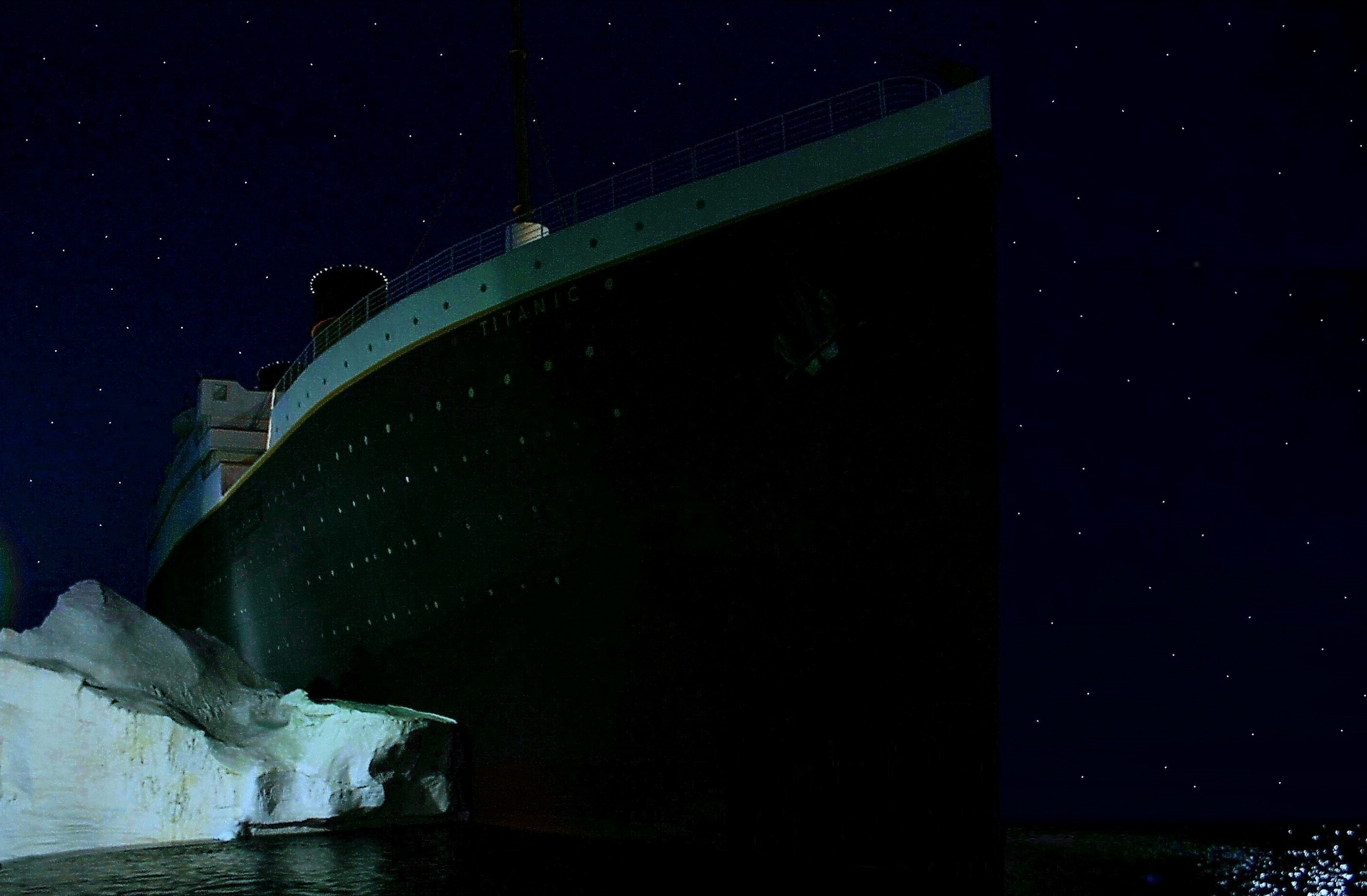
7. **Titanic (1997)**Ah, *Titanic*. What can you even say about James Cameron’s 1997 epic romantic tragedy that hasn’t already been sung from the rooftops (or Celine Dion’s heart)? The context asks, “What to say about James Cameron’s epic romantic tragedy?” and then playfully answers itself: “It’s ‘My Heart Will Go On’. It’s ‘Paint me like one of your French girls.’ It’s a steamy handprint on a cab window, and a floating door that’s definitely big enough for two.” It’s literally one of “the biggest movies ever made.”
This film was a monumental achievement for its time, both in its storytelling and its groundbreaking visual effects that brought the ill-fated ship to life with unprecedented realism. The sheer scale and ambition of *Titanic* set a new standard for historical epics, combining a fictional romance with a meticulously recreated real-life disaster. While today’s CGI can render almost anything, *Titanic*’s blend of practical effects, miniature work, and early cutting-edge CGI still holds up beautifully, but you can also appreciate the unique effort that went into these techniques from the late 90s, before green screens became commonplace.
Despite a “difficult, overrunning shoot,” it defied predictions of being a “career-ending flop for Cameron” to become one of the “most successful films of all time.” Its unabashedly grand romantic melodrama and the distinct ’90s blockbuster feel—where heartfelt emotion and spectacle intertwined—offers a specific kind of cinematic experience. While its themes of love, loss, and class struggle are universal, the earnestness of the romance, the specific fashion, and the dramatic pacing all contribute to a wonderfully nostalgic viewing experience, making *Titanic* a captivating time capsule of late-20th-century filmmaking where Cameron proudly declared himself “king of the world!”
Alright, grab some more popcorn, because our cinematic time-travel adventure is far from over! We’ve seen how some absolute classics, while still amazing, proudly wear their birth dates on their sleeves. Now, let’s keep digging into more film treasures that, despite their undeniable quality and immense popularity, offer a wonderfully distinct peek into the past, shaped by the specific trends, tech, and storytelling vibes of their day.
Read more about: BuzzFeed Presents: Classics Never Die! 15 Iconic Movies You’ll Want to Rewatch Again (And Again!)
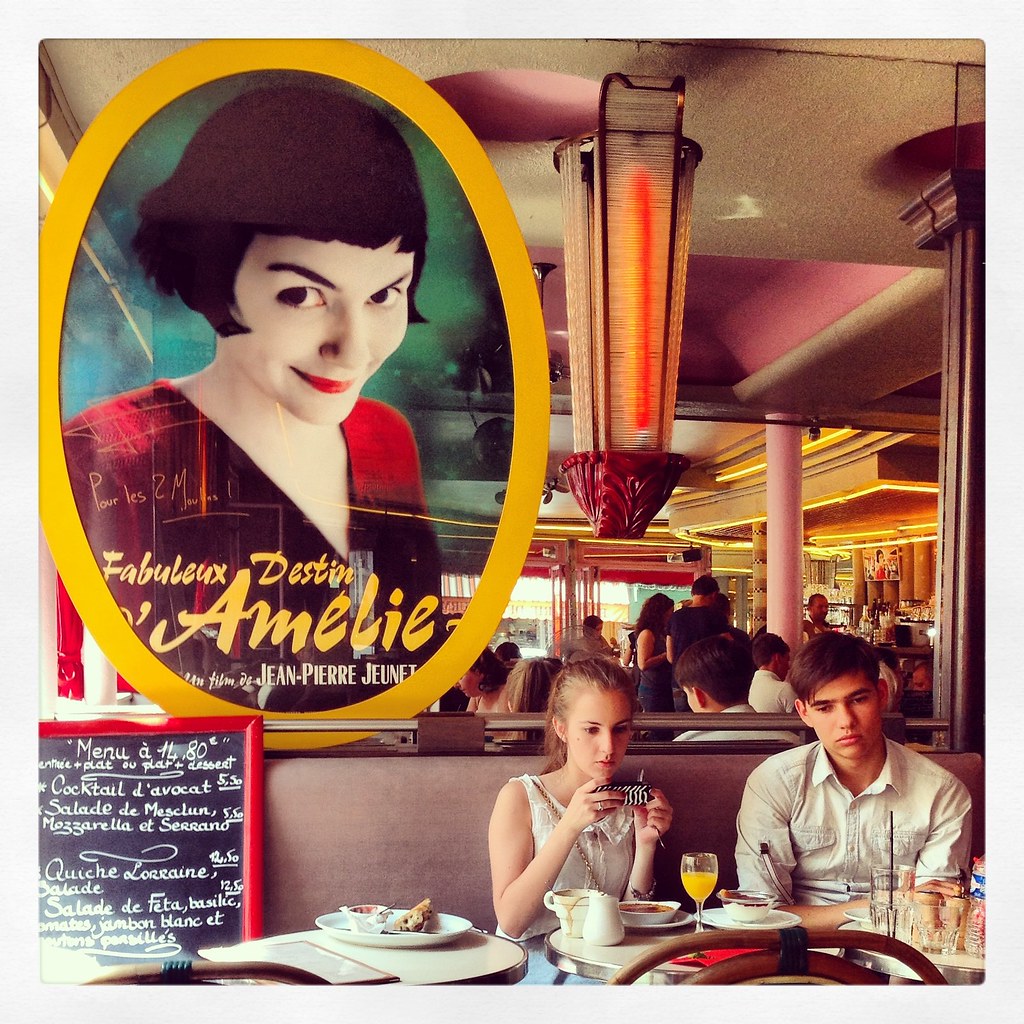
8. **Amélie (2001)**Stepping into the whimsical, sun-drenched streets of Jean-Pierre Jeunet’s Paris in *Amélie* is like entering a delightful, sugary dream. The context describes it as his “whimsical fantasy Paris,” a glorious escape from the darker tones of his earlier work. Audrey Tautou, as the charmingly eccentric Amélie, takes us on a journey of small, anonymous acts of kindness and a rather unique pursuit of love. It was a massive international hit, enchanting audiences with its quirky aesthetic and feel-good vibes, perfectly capturing a certain romanticized view of Parisian life.
However, modern eyes might pause at some of Amélie’s methods. The context hints at how “a cynic could read the film as the story of Audrey Tautou’s monomaniacal title character’s relentless, somewhat stalkerish pursuit of the hapless Nino.” While the film frames her actions as endearing and a “tribute to the daydreamers of this world,” contemporary audiences, more attuned to consent and boundaries, might view her intense, often intrusive, interventions in others’ lives (especially Nino’s) with a touch more scrutiny. It’s a fascinating example of how narrative sensibilities and what’s considered romantic evolve over time!
Despite these evolving interpretations, the film’s “sweet, nostalgic, sentimental romantic comedy” style, infused with Jeunet’s distinctive visual flair, remains captivating. Its deliberate artifice and almost fairytale-like construction were incredibly fresh and influential in the early 2000s, especially coming from the French indie scene. Today, while we still adore its charm, its very particular brand of heightened reality and innocent (if sometimes questionable) meddling feels like a beautifully preserved artifact of Y2K-era feel-good cinema, a delightful reminder of a specific moment in filmmaking.
Read more about: Beyond the Screen: 13 Visually Stunning Films Every Artistic Movie Lover Needs to See Right Now

9. **Donnie Darko (2001)**Prepare for a trip down a rabbit hole because Richard Kelly’s *Donnie Darko* is next, and oh boy, is it a ride! The context calls it a “labyrinthine opus” and rightly so, with its “time-travelling, tangential universe-threading, sinister rabbit-featuring twist.” Starring Jake Gyllenhaal in a “star-making turn,” this film quickly became *the* cult classic of its generation, sparking endless discussions and theories about its complex plot.
What made *Donnie Darko* explode was its perfect timing with the rise of physical media. It was an “early beneficiary of physical media’s move to DVD,” which meant it “gained a fandom in film obsessives who could pause, play, and skip back and forth through it at will.” For an intricate, ambiguous narrative like this, the ability to re-watch and dissect every frame was crucial. In our streaming-first world, where deep dives into obscure details often rely on instant online communities rather than individual DVD playback, that specific interactive viewing experience feels delightfully retro.
The film’s unique blend of high school angst, sci-fi mystery, and philosophical musings, all wrapped in a brooding, early 2000s indie aesthetic, was groundbreaking. While complex narratives are still super popular, *Donnie Darko*’s specific brand of enigmatic storytelling, coupled with its “heavy themes and brooding atmosphere” that somehow lands on “a note of overwhelming optimism,” feels like a distinct snapshot of its era. It’s a masterpiece that perfectly encapsulates the mood of a generation, a film that, even with its timeless themes, proudly shows its 2001 vintage.
Read more about: Get Ready to Rewatch! 8 R-Rated Sci-Fi Movies That Are Just Plain Awesome

10. **Lost In Translation (2003)**Oh, Tokyo in the early 2000s, seen through the beautifully melancholic lens of Sofia Coppola’s *Lost In Translation*. This film, lauded by the context as a “mesmerising mumblecore anti-romance,” brought together Bill Murray and Scarlett Johansson in career-defining roles as Bob and Charlotte, two strangers finding solace in their shared “geographic and emotional sense of dislocation.” It became an instant indie darling, celebrated for its quiet intimacy and poignant reflections on loneliness and connection.
The “ineffable chemistry” between Murray and Johansson, conveyed largely through glances and unspoken understandings, was a breath of fresh air. However, in today’s landscape of often more explicit emotional expressions or quickly resolved romantic narratives, the film’s subtle, patient pacing and emphasis on internal states might feel like a distinct stylistic choice of the early 2000s indie scene. The iconic ending, where “Bill Murray’s Bob whispers words we never hear into Charlotte’s ear,” leaves a beautiful ambiguity, but also an absence of overt resolution that some contemporary audiences, accustomed to more definitive arcs, might find less satisfying.
The film’s gentle portrayal of Tokyo through the eyes of Western visitors also carries a specific early 2000s sensibility. While charming and atmospheric, the emphasis on the characters’ alienation within a foreign culture, rather than a deeper dive into the culture itself, reflects a particular moment in cinematic representation. It’s a masterpiece of understated emotion, yet its specific cultural lens and quiet introspection make it a poignant time capsule of a past cinematic era.
Read more about: The Unrelenting Pace of Stardom: Why Scarlett Johansson’s Illustrious Career Demands a Closer Look

11. **Shaun Of The Dead (2004)**Alright, you might think you know zombie movies, but nothing quite hit like Edgar Wright’s *Shaun Of The Dead* back in 2004! The context hails it as his “proper feature directorial debut,” a “zom-rom-com made with real genre nous and a distinctly British sense of humour.” It proved that you could mix genuine scares, heartfelt romance, and belly laughs all into one gloriously bloody package, instantly becoming a benchmark for the horror-comedy genre.
The film’s genius lies in its meticulous attention to detail and a “go-for-broke gonzo approach to shooting and editing.” Who could forget the “perfectly synchronised ‘Don’t Stop Me Now’ zombie beatdown” sequence? While endlessly rewatchable and still hilarious, this level of self-aware genre deconstruction and pop culture integration, though now common, was revolutionary. Its specific brand of knowing humor and its precise blend of British wit with American horror tropes, while timeless in its quality, set a standard that has been imitated and evolved so much that its initial shock of originality feels like a delightful relic of mid-2000s filmmaking.
“Nick Frost and Simon Pegg’s star-making, side-splitting performances” as Shaun and Ed created a comedic duo that resonated globally. Their specific slacker dynamic and deadpan delivery, while still brilliant, represent a certain era of British comedy that was incredibly fresh and influential. *Shaun of the Dead* is a cinematic high-five, but its groundbreaking elements have become so ingrained in the genre that watching it now is a fantastic reminder of how a classic defined a movement. “Fuck-a-doodle-doo!” indeed!
Read more about: Prince Rogers Nelson: A Comprehensive Overview of the Iconic Musician’s Life, Career, and Enduring Legacy
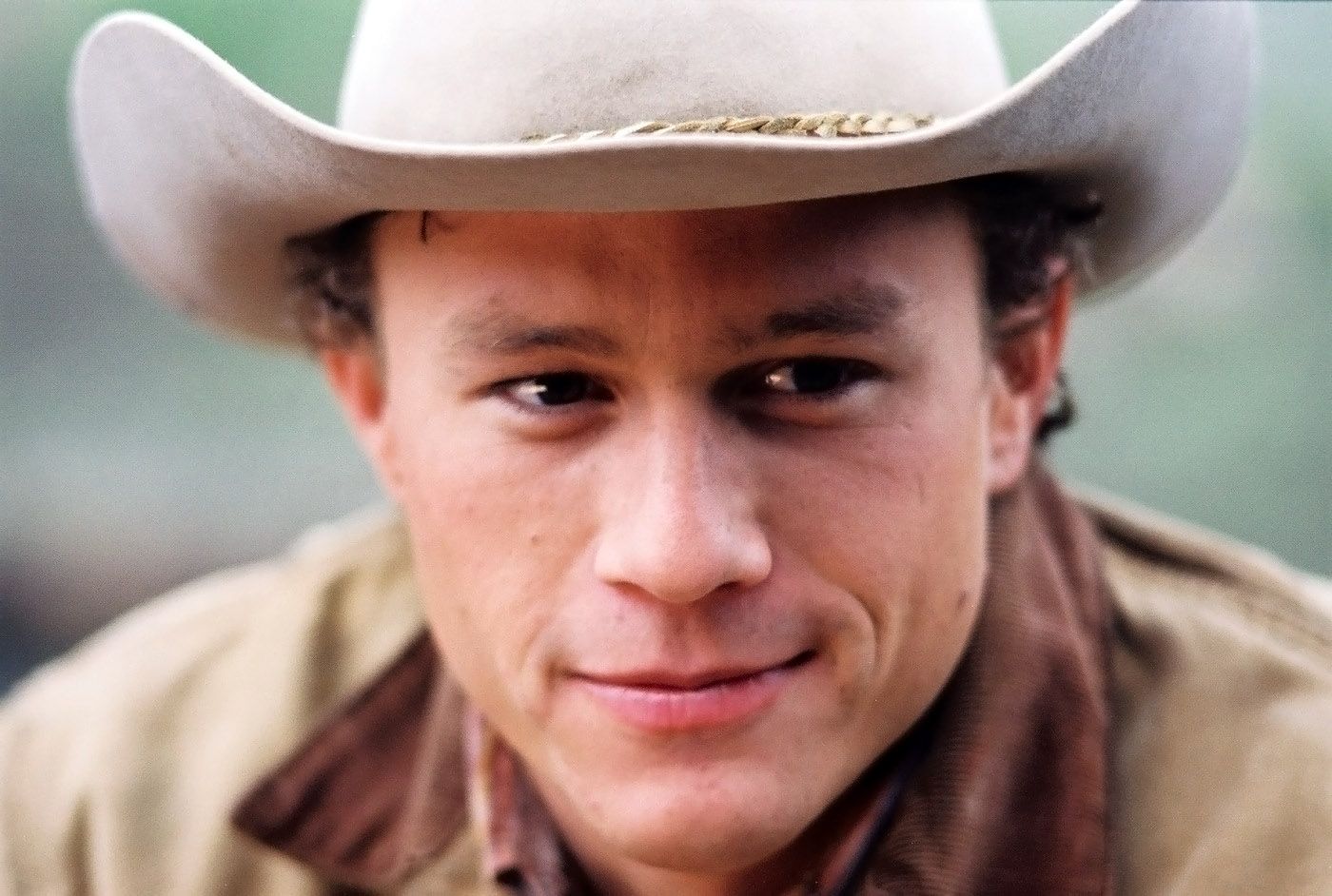
12. **Brokeback Mountain (2005)**Ang Lee’s *Brokeback Mountain* from 2005 was more than just a film; it was a cultural moment. The context describes it as “sensually observed and immaculately shot,” an adaptation of Annie Proulx’s short story that retained “its source’s sensitivity and grace.” Starring Heath Ledger and Jake Gyllenhaal, this “decades-spanning love story between shepherds” against the stunning backdrop of the “Canadian Rockies” delivered profound emotion and garnered multiple Oscars.
Its “impact on queer cinema continues to be felt today.” However, the film’s narrative, focusing on “two men who unexpectedly find love, only to find it tested over the years as heteronormative expectations work against them,” felt profoundly courageous *at the time*. While its themes of forbidden love and societal repression are timeless, modern queer cinema often explores LGBTQ+ relationships with more overt celebration, diversity, and less emphasis on tragic outcomes. This shift makes *Brokeback Mountain*’s specific, mournful framing a poignant reflection of a particular era in the fight for cinematic and societal LGBTQ+ acceptance.
The “sensitivity and grace” with which the film handled the subject, while praised, also speaks to a cautious approach that was necessary for its mainstream success in 2005. Today, audiences, especially younger ones, might approach such a story with different expectations, hoping for less heartache and more overt joy. *Brokeback Mountain* remains a masterpiece, delivering “hope and heartbreak in equal measure,” but its historical context showcases how far storytelling and societal views on queer love have evolved, offering a powerful look back at where the cinematic conversation began for many.
Read more about: Prepare for Tears: 13 Movie Deaths That Still Emotionally Wreck Us, Decades Later

13. **No Country For Old Men (2007)**If you’re looking for a film that perfectly blends bleak existentialism with relentless tension, then the Coen brothers’ *No Country For Old Men* is your ticket. A “perfect meeting of artistic sensibilities” between the directorial duo and Cormac McCarthy’s novel, the context highlights its signature “dark, violent filmmaking” and its distinctive take on the “chase movie format.” It’s a film that shook audiences with its raw, philosophical brutality and remains a critical darling.
The most indelible, and perhaps ‘of-its-time,’ element is Javier Bardem’s Anton Chigurh, a “cold-blooded sociopathic killer” who the context notes was “a villain so terrifying that Hollywood has cast Bardem as the go-to bad guy ever since.” Chigurh’s pure, unmotivated evil, driven by a chilling, almost supernatural logic, set a new bar for antagonists. However, in an era where audiences often crave more complex psychological motivations for villains, Chigurh’s enigmatic, unstoppable force feels like a very specific, uncompromising creation of the late 2000s, before anti-heroes and morally grey characters became the norm.
The film’s patient, atmospheric dread and minimal dialogue, “lensed immaculately by legendary DP Roger Deakins,” create a unique viewing experience that questions “how — or even if — good people can ever hope to deal with a world that’s entirely gone to .” This bleak, philosophical tone, while profound, defined a specific kind of ‘prestige thriller’ of the late 2000s that deliberately eschewed easy answers or conventional narrative resolutions. Today’s thrillers often lean into faster pacing or more explicit exposition, making the meditative, unforgiving pace of *No Country For Old Men* a powerful, yet distinctly period-specific, artistic statement.
Read more about: Final Bow: 14 Iconic Vehicles Quietly Exiting the U.S. Market Forever – A CNET Deep Dive

14. **Scott Pilgrim Vs. The World (2010)**Get ready for a visual feast and some seriously witty banter, because Edgar Wright’s *Scott Pilgrim Vs. The World* is pure, unadulterated early 2010s pop culture brilliance! The context praises how Wright “leaned all the way into the things that make his directorial style so singular,” perfectly translating Bryan Lee O’Malley’s graphic novels to the big screen. Michael Cera is “on peak socially-awkward-Cera form,” battling Mary Elizabeth Winstead’s seven evil exes in a series of unforgettable, video game-inspired showdowns.
The film’s “mixed-media aesthetics,” “poppy visual palette,” and seamless integration of “excellent needle drops, whip-pans and whip-smart wit” were incredibly innovative. This hyper-stylized, video-game-infused approach felt electrifyingly fresh in 2010, pushing cinematic boundaries by blending comic book and gaming aesthetics with live-action. While its influence is still seen today, the specific execution and saturation of these elements now feel like a vibrant, wonderfully chaotic snapshot of early 2010s filmmaking trends, capturing a moment when adapting graphic novels meant breaking all the visual rules.
The “extraordinarily stacked ensemble” — featuring pre-superstar Chris Evans, Brie Larson, Anna Kendrick, and Aubrey Plaza, to name a few — also gives the film a delightful time-capsule quality. Seeing these now-household names in their earlier, quirky roles adds to its charm. While the film’s energy is infectious and its “endless pool of iconic quotes and playlist-essential tunes” cemented its cult status, its specific brand of self-aware, genre-bending humor, though still beloved, has influenced so many subsequent works that its original, unique flavor might now feel like a foundational piece of a well-established subgenre.
Read more about: Binge-Worthy Bliss: 14 Movies You’ll Never Get Tired Of Watching (Seriously!)
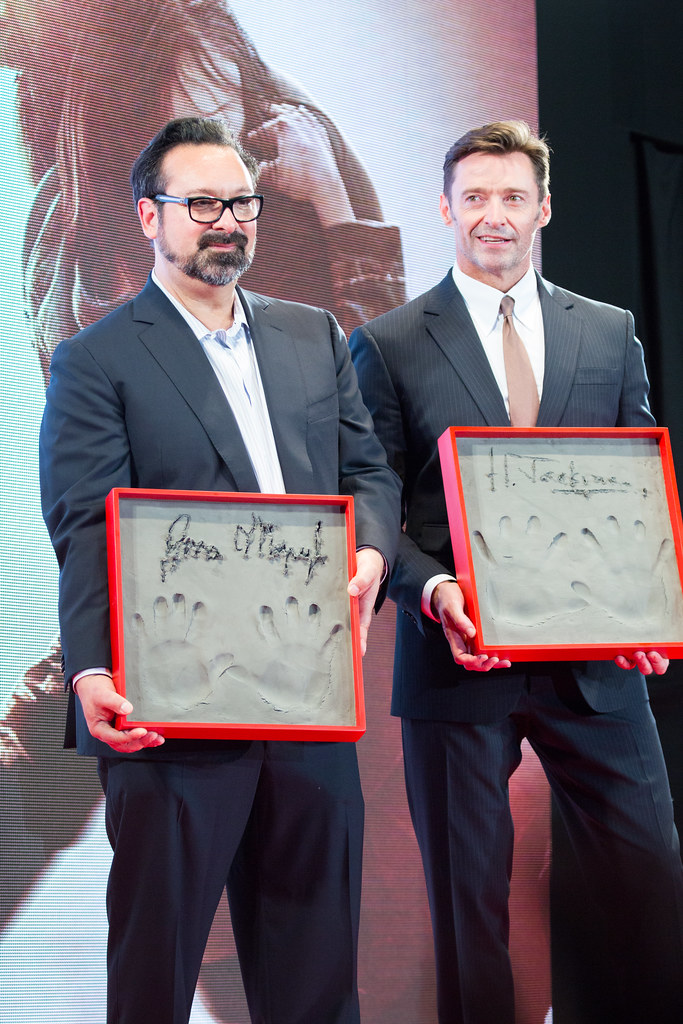
15. **Logan (2017)**Rounding out our list is James Mangold’s *Logan* from 2017, a film that redefined superhero storytelling and gave Hugh Jackman a truly “perfect end” to his iconic Wolverine tenure. The context recognizes it as “a truly original superhero tale,” deeply emotional and raw, standing apart from the broader, often lighter, superhero fare of its time. It’s a powerful, mournful, and profoundly impactful film.
Set in “a dark near-future world where an aging Logan is caring for a mentally unstable Professor Xavier,” the film consciously took cues from “Western greats such as Shane,” aiming for a gritty, emotional deconstruction of the superhero mythos. This trend of ‘gritty realism’ in comic book films, while *Logan* remains arguably its apex, has been explored extensively. Watching it now, it serves as the definitive statement of a specific phase in superhero movie evolution—a phase that, while brilliant, feels distinct from the current, often more multiverse-focused, fantastical, or lighthearted iterations that now dominate the genre.
The film’s unwavering commitment to character finality and emotional weight, wrestling with “mortality and history of violence,” stands in stark contrast to the typical, often endless, narrative loops of modern superhero franchises. *Logan*’s success in providing a definitive, heartbreaking ending, while celebrated, also highlights a narrative choice that fewer superhero films now dare to make. It is a powerful artifact of a particular cinematic moment, showcasing the peak of a certain type of superhero storytelling that, in its very perfection and conclusion, subtly marks its place in a continually evolving genre.
Read more about: The Double Life: 15 Celebrities Who Hid Their Intense Military Service From the Public—Why the Secrecy?
And there you have it! Our incredible journey through 15 films that, while still brilliant and beloved, offer a fascinating look back at how much cinema, and our world, has changed. From the philosophical horror of the 70s to the deconstructed superheroes of the late 2010s, each movie is a window into its own era, reminding us that even the most timeless stories are products of their time. So next time you queue up a classic, take a moment to appreciate not just its magic, but also the wonderful, sometimes quirky, ways it reflects the world it came from. Happy watching, film fanatics!