The automotive graveyard is littered with once-mighty brands that ruled the roads, dominated showrooms, and inspired countless Sunday afternoon garage sessions. It’s a fascinating, often bittersweet, journey to reflect on the car companies that were once cultural institutions, defining generations, sparking rivalries, and occasionally making decisions so baffling that we’re still scratching our heads decades later.
From muscle car heroes to compact car zeros, luxury legends to economy experiments gone wrong, the automotive industry has seen more comebacks and catastrophic failures than a Vegas lounge singer. Some brands met a noble end, victims of changing times and impossible economics. Others? Well, let’s just say they committed automotive suicide with all the grace of a drunk driver in a Formula 1 race. But behind every vanished emblem lies a compelling story of ambition, innovation, and the relentless march of progress.
So grab your favorite beverage, settle into that comfortable chair, and let’s take a trip through the automotive afterlife. We’re focusing specifically on sedan brands today, those workhorses and show ponies that ferried us through daily commutes and grand adventures. These are the brands that once made hearts race and wallets empty — and the often sad, yet undeniably hilarious, stories of how they managed to disappear from our dealer lots and driveways. Surviving brands, take note; this is a cautionary tale worth remembering.
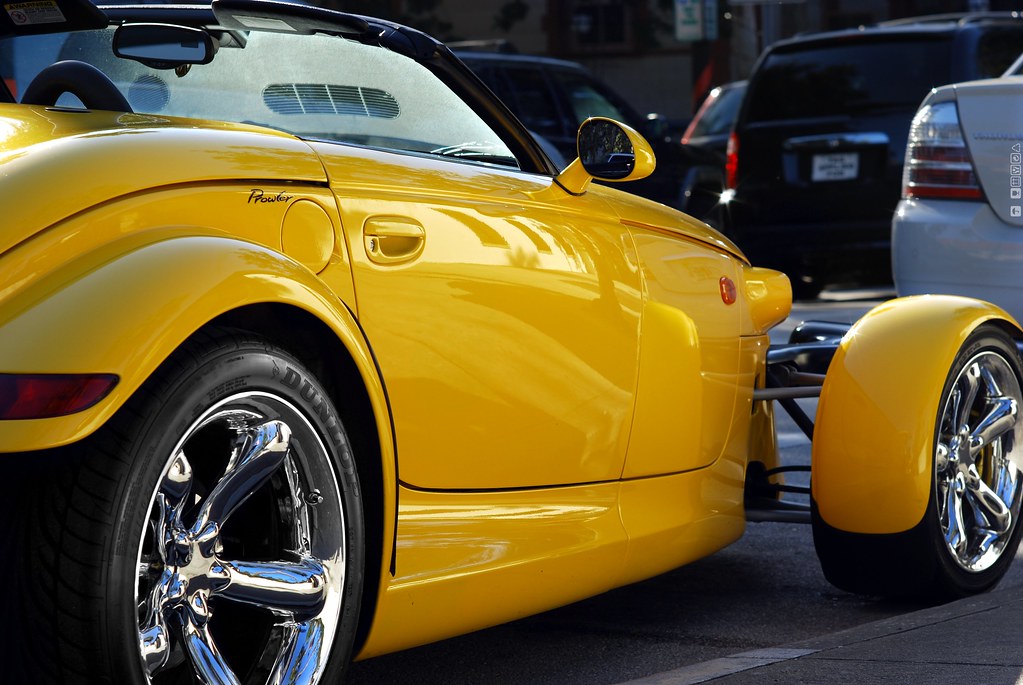
1. **Plymouth**Ah, Plymouth! A name that, for generations of American families, simply meant ‘car.’ Introduced by Chrysler in 1928, Plymouth wasn’t born out of lofty aspirations for luxury or performance, but rather a more pragmatic, yet equally vital, purpose: to offer an affordable, entry-level brand to the masses. It was Chrysler’s answer to Ford’s Model A and Chevrolet’s ubiquitous offerings, aiming to put a reliable vehicle within reach of the average American household. For over seven decades, Plymouth delivered on this promise, carving out a significant niche in the American automotive landscape.
Over the years, Plymouth became home to a genuinely diverse array of models, ranging from the truly iconic to the delightfully quirky. Think about the roar of a Barracuda muscle car, a symbol of raw power and rebellious spirit, or the futuristic flair of the Prowler roadster, which looked like it drove straight out of a comic book. But beyond these standout performers, Plymouth was also the brand that delivered the bread and butter of daily American life, offering popular family-oriented vehicles like the Voyager minivan and, crucially for our discussion, the beloved Neon sedan.
The Neon sedan was a particularly notable entry, praised for its peppy engine, surprisingly spacious interior for its class, and, of course, its affordability. It was a common sight on roads across the country, serving as first cars for new drivers, reliable commuters for busy professionals, and practical transport for small families. It embodied Plymouth’s long-standing ethos: functional, accessible, and without unnecessary pretense, making it a true staple of the brand’s later years and a testament to its commitment to the everyday driver.
However, even with a strong legacy and popular models, the shifting sands of the automotive industry proved challenging. Following Chrysler’s merger with the German automotive giant Daimler in 1998, the writing was on the wall for Plymouth. The new corporate structure saw too much overlap between Plymouth’s offerings and those of Dodge and Chrysler itself. The decision was made to streamline the brands, and despite its 73-year run and deep roots in American car culture, the Plymouth brand was regrettably discontinued in 2001.
The end of Plymouth marked more than just the cessation of a car brand; it was the closing of a chapter in American automotive history. While its more celebrated performance cars might get most of the nostalgic airtime, it’s important to remember Plymouth’s fundamental role in providing accessible and reliable transportation, including its many sedan offerings, to millions of families across generations. Its disappearance from dealer lots left a void that, for many, symbolized the changing landscape of car ownership and corporate strategy in the new millennium.
Read more about: The 13 Most Disastrous Truck Engine Issues in Automotive History: A MotorTrend Deep Dive
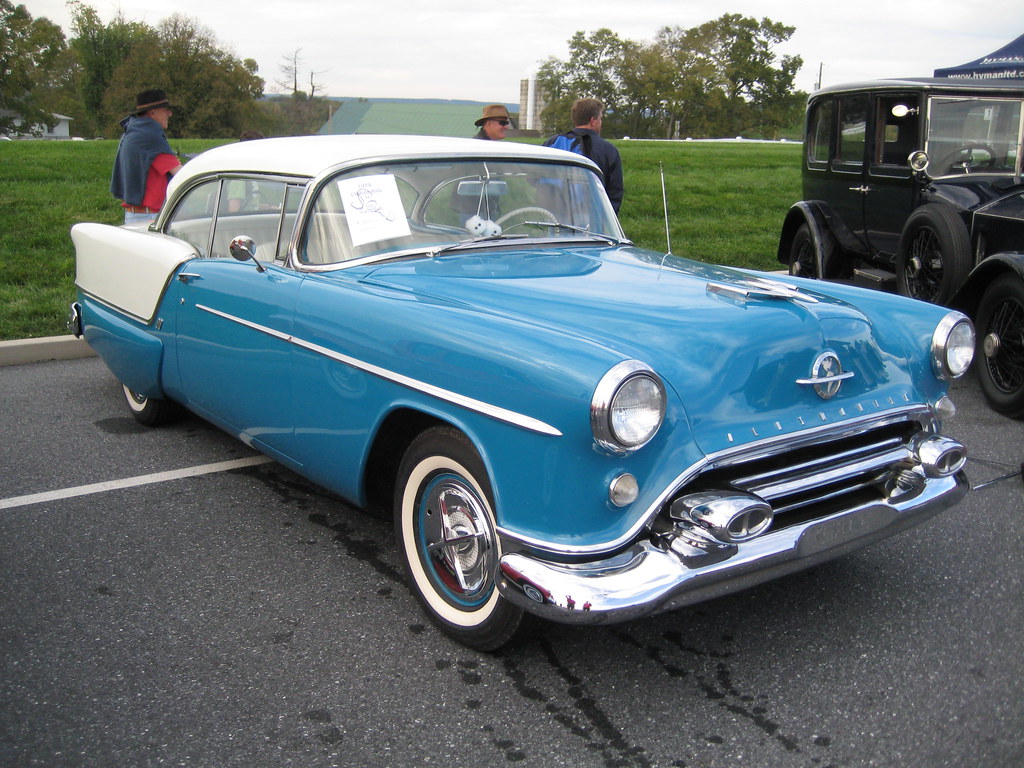
2. **Oldsmobile**If you want to talk about true automotive heritage, Oldsmobile almost certainly enters the conversation. Founded by Ransom E. Olds way back in 1897, Oldsmobile wasn’t just old; it was one of the oldest car manufacturers in the entire world. That’s right, before Henry Ford perfected the moving assembly line, Oldsmobile was already cranking out cars using its own pioneering mass-production techniques. Its very first mass-produced model, the iconic Curved Dash Oldsmobile (produced from 1901–1907), became an instant sensation, proving the viability of the automobile for the everyday person.
General Motors, recognizing the brand’s immense potential and innovative spirit, acquired Oldsmobile in 1908. For nearly a century thereafter, Oldsmobile wasn’t just another division; it was often GM’s premier luxury and innovation playground. It served as a vital testing ground for groundbreaking technologies that would eventually trickle down to other GM brands, pushing the boundaries of what a car could be. This pioneering spirit truly defined Oldsmobile for decades, setting it apart from its contemporaries.
Oldsmobile’s commitment to innovation was perhaps best exemplified in 1940 with the introduction of the Hydra-Matic, the world’s first mass-produced fully automatic transmission. This was a revolutionary development, transforming the driving experience by making it smoother and more accessible. Fast forward to the late 1940s, and Oldsmobile struck gold again with the development of the legendary “Rocket” V8 engine. This powerhouse engine wasn’t just fast; it made Oldsmobile’s cars some of the quickest and most powerful vehicles of their era, cementing the brand’s reputation for performance alongside luxury.
By the 1950s and 1960s, Oldsmobile had firmly established itself as one of GM’s most prestigious and popular brands. Models such as the Oldsmobile 88 and the Oldsmobile Cutlass became household names, revered for their stylish designs, robust performance, and unwavering reliability. These vehicles, often available as sedans, were a hallmark of American engineering and design, signifying success and innovation. They were the cars that took families on road trips, carried executives to meetings, and graced countless suburban driveways.
Yet, despite its historical significance and a century of groundbreaking developments, Oldsmobile eventually struggled to maintain its momentum. GM’s decision to standardize designs across its various brands inadvertently hurt Oldsmobile’s unique identity, making it harder for consumers to differentiate it from its siblings. Compounded by falling sales and an aging customer base, the brand, once a beacon of innovation, was phased out by GM in 2004. Its discontinuation marked the end of an extraordinary era, leaving behind a legacy of technological firsts and classic American automotive design.
Car Model Information: 2025 Genesis GV80 2.5T
Caption: Oldsmobile Model R Curved Dash Runabout 1903
Name: Oldsmobile Curved Dash
Manufacturer: Oldsmobile
Production: 1901–1907, > 19,000 built
Successor: Oldsmobile Series 40
Class: Entry-level car
Assembly: Lansing Car Assembly,Lansing, Michigan
BodyStyle: Runabout (car)
Layout: Mid-engine design
Engine: 95 cuin
Abbr: Sfn
Transmission: Planetary gear
Aka: Model 6C,Model B,Model F,Model R
Categories: 1900s cars, All Wikipedia articles written in American English, All articles with dead external links, Articles with dead external links from April 2020, Articles with permanently dead external links
Summary: The gasoline-powered Oldsmobile Model R, also known as the Curved Dash Oldsmobile, is credited as being the first mass-produced automobile, meaning that it was built on an assembly line using interchangeable parts. It was introduced by the Oldsmobile company in 1901 and produced through 1907; 425 were produced the first year, 2,500 in 1902, and over 19,000 were built in all. When General Motors assumed operations from Ransom E. Olds on November 12, 1908, GM introduced the Oldsmobile Model 20, which was the 1908 Buick Model 10 with a stretched wheelbase and minor exterior changes.
Get more information about: Oldsmobile Curved Dash
Buying a high-performing used car >>>
Brand: Oldsmobile Model: Curved Dash Oldsmobile
Price: $54,355 Mileage: 19,781 mi.
Read more about: The 13 Most Disastrous Truck Engine Issues in Automotive History: A MotorTrend Deep Dive
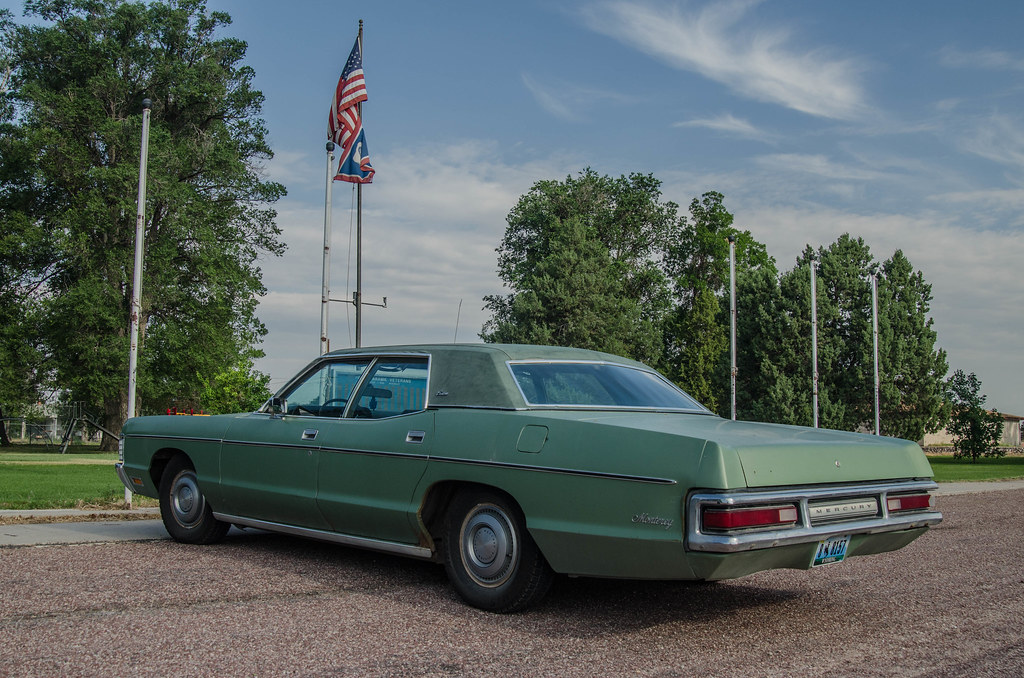
3. **Mercury**Enter Mercury, Ford’s valiant attempt to bridge the gap between its ubiquitous, budget-friendly Ford lineup and the pinnacle of luxury, the Lincoln division. Introduced in 1938, Mercury was conceived as a mid-tier brand, designed to offer a step up in style, features, and prestige for those aspiring to more than a Ford, but not quite ready or able to stretch to a Lincoln. It was a clever strategy, aiming to capture customers at various points along their automotive journey, offering a range of vehicles that promised a touch more sophistication and power.
For many years, Mercury carved out a respectable place for itself, known for models that often shared platforms with Fords but boasted distinctive styling and elevated appointments. Vehicles like the sporty Cougar garnered a following, while the Grand Marquis became particularly iconic. The Grand Marquis, a full-size sedan, was a staple of American roads, beloved for its spacious interior, comfortable ride, and traditional rear-wheel-drive architecture. It was the quintessential American sedan for many years, offering reliability and a sense of understated luxury that appealed to a broad demographic, from families to retirees.
The Grand Marquis, in particular, exemplified Mercury’s commitment to delivering a classic American driving experience in a sedan format. It was a car that felt substantial, secure, and effortlessly comfortable, whether cruising down the highway or navigating city streets. Its enduring popularity showcased the market’s demand for a well-appointed, no-nonsense sedan that delivered consistent performance and comfort, making it a cornerstone of the Mercury brand and a familiar sight for decades.
However, despite its established presence and popular models, Mercury began to struggle with a fundamental identity crisis. Over time, the brand found it increasingly difficult to differentiate itself convincingly from its Ford stablemates. As design and engineering became more integrated across Ford’s various divisions, Mercury’s unique selling proposition diminished. The lines between a well-equipped Ford and a Mercury often blurred, making it harder for consumers to justify choosing the Mercury brand.
This lack of distinct identity, combined with declining sales in a competitive market, eventually sealed Mercury’s fate. In 2010, Ford made the difficult decision to discontinue the brand, ending its 72-year run. The demise of Mercury was a poignant reminder that even long-standing brands with loyal followings can fall victim to market shifts and the challenges of maintaining a clear, compelling brand image within a larger corporate umbrella. It left behind a legacy of solid, dependable, and often stylish sedans, like the beloved Grand Marquis, which remain cherished by enthusiasts and a testament to an era of distinct automotive branding.
Read more about: Your Ultimate Pre-Trip Guide: The 14 Essential Tire Checks for a Safe and Smooth Summer Road Trip
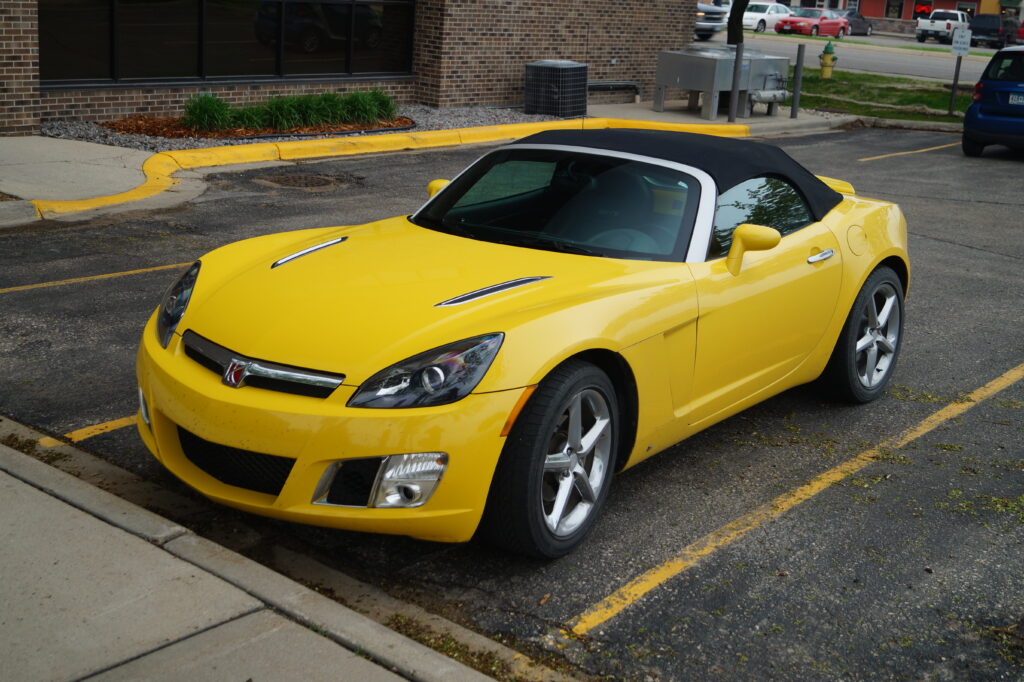
4. **Saturn**Remember Saturn? Ah, the “different kind of car company.” General Motors really put its eggs in this basket back in 1982, launching the brand specifically to go head-to-head with the rising tide of compact models from Japanese automakers. Saturn cars quickly became known for their unique approach, boasting features like no-haggle pricing, which was a breath of fresh air for many car buyers tired of the traditional dealership dance. They even had polymer body panels that resisted dents, a quirky and genuinely practical innovation that made them stand out from the crowd.
Saturn initially enjoyed a wave of success, captivating consumers with its fresh philosophy and distinct offerings. People truly gravitated towards the promise of a straightforward car-buying experience and vehicles that felt a little out of the ordinary. However, as the 2000s dawned, a subtle shift began to undermine Saturn’s core appeal. General Motors, perhaps looking to streamline operations, gradually ceased developing unique models specifically for the Saturn brand.
Instead of innovative new designs, what customers started seeing were existing GM vehicles simply rebranded with the Saturn emblem. This strategic pivot unfortunately diluted the very essence of what made Saturn “different” in the first place. The original spark of innovation and unique identity, which had been its greatest strength, began to fade, leaving many wondering what truly separated a Saturn from its GM brethren.
The consequence was, predictably, a steady decline in sales. The brand that had once been a beacon of new ideas found itself struggling to justify its existence as just another rebadged offering within the sprawling GM empire. Following years of this struggle, and amid the broader upheaval of GM’s financial crisis, production officially ended in October 2009. Saturn’s discontinuation that year, as part of GM’s bankruptcy reorganization, marked the end of an intriguing, albeit ultimately ill-fated, experiment in automotive marketing and manufacturing.
Read more about: Hollywood’s Hidden Havens: Unveiling the Mega-Stars Who Spend Millions on Doomsday Bunkers

5. **Fisker Automotive**Before you get confused with the current Fisker Inc., let’s rewind to Fisker Automotive, a company that burst onto the scene in 2007 with grand ambitions for the luxury electric vehicle market. This American company dared to dream big, introducing its inaugural vehicle, the range-extended EV known as the Karma, in 2011. The Karma wasn’t just another car; it was a statement, renowned for its absolutely striking design that turned heads and announced itself as a serious contender in the burgeoning green luxury segment.
However, the path of innovation is rarely smooth, and Fisker Automotive soon found itself wrestling with a myriad of challenges that chipped away at its promising start. The company encountered significant production delays, making it difficult to get these beautiful machines into the hands of eager customers. Compounding these issues were quality concerns that began to surface, further straining the brand’s reputation and trust with early adopters.
Consequently, sales of the stylish Karma proved to be sluggish, failing to ignite the market as enthusiastically as its design had. This less-than-stellar sales performance, combined with the costs associated with production and quality control, put immense strain on the company’s financial standing, creating a precarious situation for the young automaker that was struggling to gain solid footing in a challenging market.
Just when things couldn’t seem to get much worse, Mother Nature decided to weigh in with a devastating blow: Hurricane Sandy. A large portion of Fisker’s already limited inventory was destroyed during the catastrophic storm, an unfortunate event that further exacerbated their financial woes and made recovery seem almost insurmountable. Facing these insurmountable hurdles, Fisker ultimately filed for bankruptcy in 2013, a mere five years after its ambitious founding.
Its story, a blend of striking vision and tragic setbacks, found a new chapter when the company was acquired by China’s Wanxiang Group in 2014, a poignant reminder that even the most innovative designs can’t always navigate the rough waters of a new industry and unforeseen calamities.
Car Model Information: 2018 Karma Revero
Name: Fisker Karma
Manufacturer: Fisker Automotive
Production: 2011–2012
Assembly: Uusikaupunki
Class: Full-size car,Luxury vehicle
BodyStyle: sedan (automobile)
Layout: Front-engine, rear-wheel-drive layout
Related: ubl
Platform: Chevrolet Volt#Concept vehicle
Engine: GM Ecotec engine#LNF,Straight-four engine
Motor: 120 kW
Abbr: on
Battery: 20.1 kWh
Range: 230 mi
ElectricRange: 32 mi
Drivetrain: PHEV,Hybrid vehicle drivetrain#Series hybrid
Transmission: 1-speed
Charging: 3.3 kW (220 V 15 A as for UK) on-board charger on IEC Type 1 inlet (SAE-J1772-2009)
Wheelbase: 124.4 in
Length: 195.67 in
Width: 78.11 in
Height: 51.57 in
Weight: 5300 lb
Designer: Henrik Fisker
Successor: Karma Revero
Categories: All articles containing potentially dated statements, All articles with dead external links, Articles containing potentially dated statements from September 2016, Articles with dead external links from December 2019, Articles with permanently dead external links
Summary: The Fisker Karma is a luxury plug-in range-extended electric sports sedan produced by Fisker Automotive between 2011 and 2012. The cars were manufactured by Valmet Automotive in Finland.
The United States Environmental Protection Agency (EPA) rated the Karma’s combined city/highway fuel economy at 52 mpg‑US (4.5 L/100 km; 62 mpg‑imp) equivalent (MPG-e) in all-electric mode, and at 20 mpg‑US (12 L/100 km; 24 mpg‑imp) in gasoline-only mode. EPA’s official all-electric range is 32 mi (51 km). Due to the very small cabin interior volume, the EPA rated the Fisker Karma as a subcompact car.
The first deliveries took place in the U.S. in late July 2011, and deliveries to retail customers began in November 2011. Pricing in the U.S. started at US$102,000 for the base model (EcoStandard), US$110,000 for the intermediate EcoSport model and US$116,000 for the top model (the “Animal Free” EcoChic). Around 1,800 units were delivered in North America and Europe through December 2012. The U.S. was the leading market, with about 1,600 units sold.
Production was suspended in November 2012 when the sole battery supplier to Fisker Automotive, A123 Systems, filed for bankruptcy following two battery recalls. Fisker Automotive was unable to carry on production of the Fisker Karma in the absence of its sole battery supplier, with about 2,450 Karmas built since 2011.
After furloughing its US workers in late March 2013, Fisker Automotive filed for bankruptcy in November 2013, after the United States Department of Energy auctioned its debt and sold it to Hybrid Technology LLC for US$25 million.
Following the sale of some of the assets of the company, the designs, rights to a plug-hybrid powertrain and a manufacturing facility in Delaware to the Chinese company Wanxiang, the new owners re-commenced production in September 2016 under the brand name Karma Automotive.
After several announcements by the Wanxiang Group to reintroduce an upgraded version of the Fisker Karma, the car was renamed the Karma Revero and Karma Automotive started taking orders in September 2016.
Get more information about: Fisker Karma
Buying a high-performing used car >>>
Brand: Fisker Model: Karma
Price: $41,990 Mileage: 10,285 mi.
Read more about: The 14 Most Spectacular Automotive Failures: Brands That Collapsed After Decades of Dreams
6. **Pontiac**Ah, Pontiac, the brand that gave us “We Build Excitement” while simultaneously building some of the most aggressively mediocre cars of the 2000s. For decades, Pontiac was the cool uncle of GM’s family, the one who taught you how to do burnouts and showed up to family reunions in a Trans Am with T-tops. Originally established in 1926, this division of General Motors was absolutely known for its performance cars, etching its name into American automotive history with models that truly resonated with enthusiasts.
Pontiac’s golden years truly stretched from the 1960s through the early 1980s, a glorious era when they unleashed automotive legends that still ignite passion today. Who could forget the GTO, widely considered America’s first true muscle car, roaring onto the scene and setting a new standard for performance? And then there was the fire-breathing Firebird, particularly the Trans Am variant, which gained immense popularity and even made Knight Rider possible, forever cementing its place in pop culture as a symbol of cool, fast cars.
It was during this period that Pontiac solidified its reputation, gaining significant popularity in the 1960s with these iconic models. The brand became synonymous with excitement, power, and a distinctly American flair that appealed to a wide swath of drivers looking for something more than just basic transportation. These cars were designed to be driven with spirit, to be seen, and to leave a lasting impression wherever they went, truly embodying the thrill of the open road.
However, even legends can falter. Despite its impressive legacy and strong cultural footprint, Pontiac began to face an uphill battle in the increasingly competitive automotive landscape. Declining sales, combined with the monumental financial troubles that gripped General Motors, led to the difficult decision to discontinue the brand in 2010. This unfortunate development was part of GM’s broader financial crisis restructuring, and it marked a truly bittersweet end to an extraordinary era for American muscle car enthusiasts who had cherished Pontiac’s contributions to horsepower and style.
Car Model Information: 2025 Genesis GV80 2.5T
Name: Pontiac Firebird
Caption: The second, third, and fourth generations of,the Pontiac Firebird Trans Am
Manufacturer: Pontiac (automobile)
Production: February 23, 1967 – August 30, 2002
ModelYears: 1967 – 2002
Class: Pony car,Muscle car
Platform: GM F platform
Related: Chevrolet Camaro
Layout: Front engine, rear-wheel-drive layout
Categories: 1970s cars, 1980s cars, 1990s cars, 2000s cars, All articles with dead external links
Summary: The Pontiac Firebird is an American automobile built and produced by Pontiac from the 1967 to 2002 model years. Designed as a pony car to compete with the Ford Mustang, it was introduced on February 23, 1967, five months after GM’s Chevrolet division’s platform-sharing Camaro. This also coincided with the release of the 1967 Mercury Cougar, Ford’s upscale, platform-sharing version of the Mustang.
The name “Firebird” was also previously used by GM for the General Motors Firebird series of concept cars in the 1950s.
Get more information about: Pontiac Firebird
Buying a high-performing used car >>>
Brand: Pontiac Model: Trans Am
Price: $54,355 Mileage: 19,781 mi.
Read more about: The Road Less Traveled: Unpacking 13 Automotive Technology Failures That Shaped History
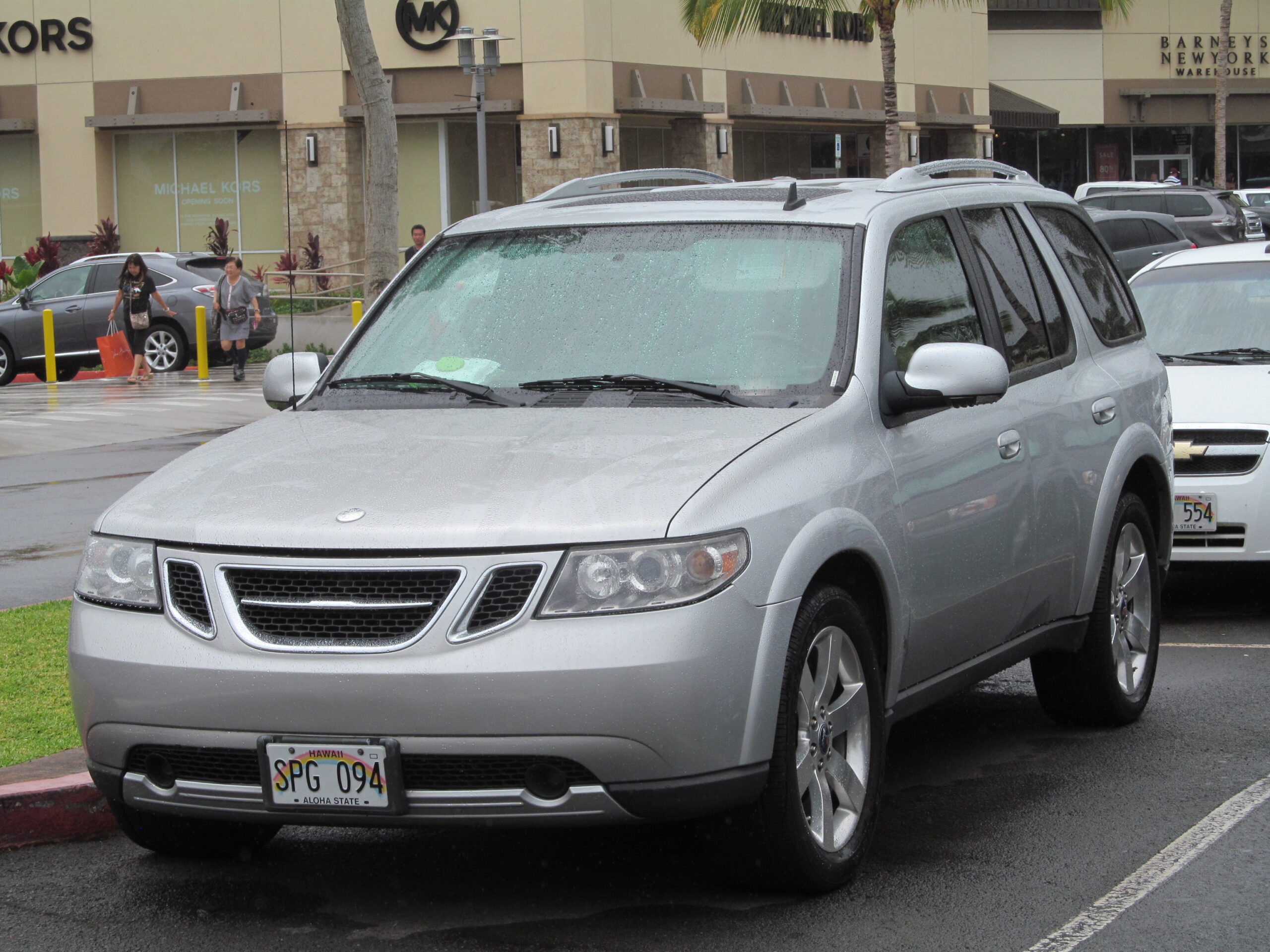
7. **Saab**For anyone with a penchant for the unconventional, Saab held a special place in their heart. This Swedish automaker, founded in 1945, was celebrated for its distinctively quirky designs and deeply ingrained aviation-inspired features, a nod to its aeronautical roots. Saab vehicles weren’t just cars; they were conversation starters, attracting a devoted cult following who appreciated their unique engineering, commitment to safety, and a driving experience that often felt unlike anything else on the road.
Despite this loyal following and a reputation for innovative thinking, Saab frequently struggled financially, a recurring theme throughout its later history. General Motors, recognizing both the brand’s potential and its challenges, initially acquired a $600 million stake in Saab in 1989, eventually taking full ownership by the year 2000. This partnership was hoped to provide Saab with the stability and resources it needed, but the brand’s financial woes proved persistent, even under the vast umbrella of GM.
Years of these struggles, coupled with the crushing weight of the global recession that hit the automotive industry particularly hard, led General Motors to make the tough decision to sell Saab in 2009. What followed was a tumultuous period where the brand passed through the hands of various European automotive companies, each hoping to revive its fortunes. Unfortunately, none could provide the lasting solution, and Saab eventually filed for bankruptcy in 2011, unable to secure the necessary funding to continue its operations.
After a few more years of desperate attempts to find a new owner and restart production, the brand was ultimately dissolved in 2016, marking the definitive end of a truly unique automotive chapter. Saab’s disappearance from dealer lots today serves as a stark reminder that even the most individualistic and innovative brands, those with fiercely loyal fans, can succumb to the relentless pressures of a global market, leaving behind a legacy of cherished memories and distinctive designs.
Read more about: Forget ‘Zero Return’: 10 Modern Classic Cars That Are Unexpectedly Skyrocketing in Value!
And so, our journey through the automotive afterlife concludes, leaving us with a bittersweet appreciation for these once-ubiquitous sedan brands. Their stories aren’t just about metal and rubber; they’re chronicles of ambition, innovation, and the brutal realities of an industry that never stops evolving. From the pragmatic Plymouths that ferried families to the performance-driven Pontiacs that roared down highways, each brand, despite its ultimate vanishing act, left an indelible mark on our roads and in our memories. It’s a compelling reminder that while some cars are built to last, some brands, even with the best intentions, are simply built for history books.