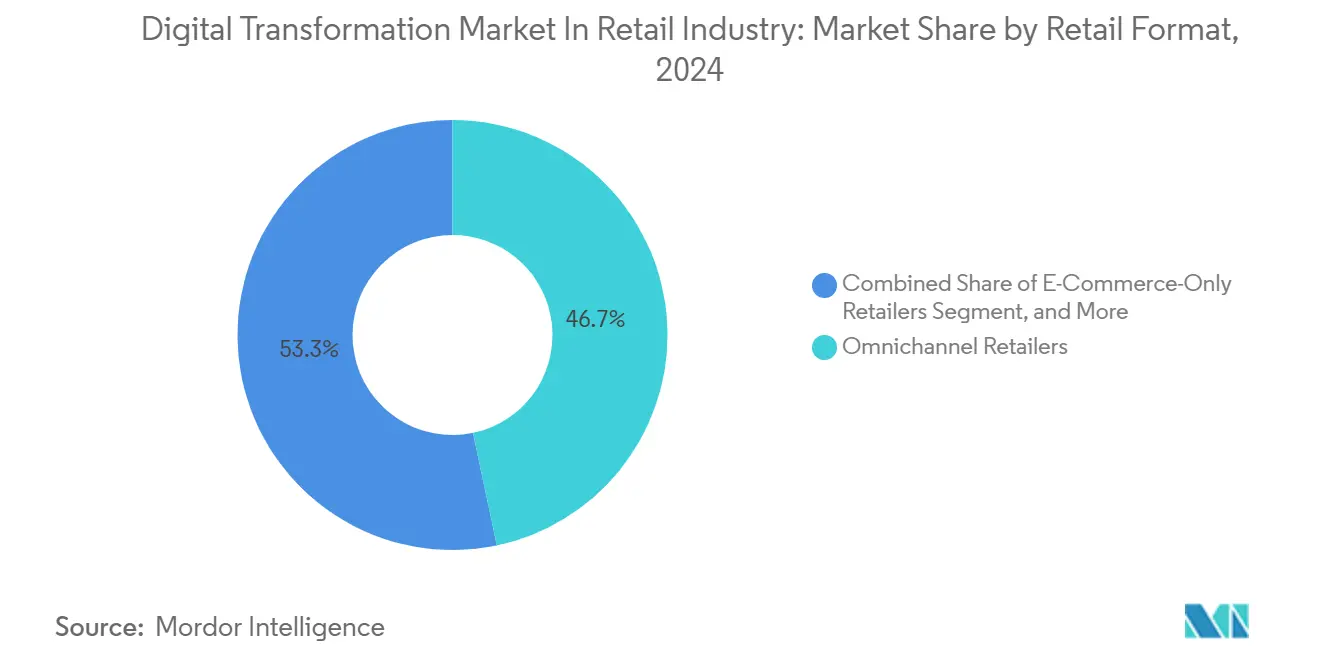

The American retail landscape is undergoing a dramatic transformation, marked by an unprecedented wave of store closures that far outpace new openings. According to Coresight Research, retailers are projected to shutter up to 15,000 stores this year, a figure more than double the 7,325 closures recorded in the previous year, 2024. This trend not only breaks the closure record set during the pandemic in 2020 but also highlights a widening disparity, as only 5,800 new stores are expected to open, slightly fewer than the 5,970 inaugurated last year. Such a significant shift underscores a crucial recalibration of physical retail infrastructure across the nation.
This aggressive contraction is largely attributed to a confluence of persistent economic pressures and evolving consumer behaviors. Coresight CEO Deborah Weinswig succinctly captured the sentiment, stating that “Inflation and a growing preference among consumers to shop online to find the cheapest deals took a toll on brick-and-mortar retailers in 2024.” The modern consumer, she notes, seeks the path of least resistance, demanding not only competitive pricing but also efficient shopping experiences, exhibiting “no patience for stores that are constantly disorganized, out of stock, and that deliver poor customer service.” Furthermore, the rise of powerful Chinese-based off-price online platforms like Shein and Temu, expanding beyond apparel, has intensified e-commerce competition, siphoning sales from traditional mass merchants and category retailers.
Despite the alarming statistics, industry experts caution against declaring another “retail apocalypse.” Neil Saunders of GlobalData views the extensive closures as a “survival of the fittest phenomenon” and a necessary “adjustment” to clear out brick-and-mortar “dead wood.” He emphasizes that this is a healthy, albeit painful, process, asserting that “the vast majority of sales will still be made through physical stores.” This perspective suggests that while the retail environment is in constant flux, the current wave of closures represents a strategic refinement rather than an existential crisis for physical retail. It compels established brands to innovate, optimize, and, in many cases, significantly streamline their operations.

1. **Walgreens: Strategic Realignment and Massive Store Count Reduction**Walgreens, a household name in American pharmacy retail, is undergoing a substantial strategic overhaul that includes a significant reduction in its physical footprint. The company is transitioning from being publicly traded, having been acquired by Sycamore Partners, a private equity firm. This acquisition has coincided with a previously announced, ambitious plan to rationalize its vast network of locations. Prior to the sale, Walgreens had indicated a monumental closure target, aiming to shutter 1,200 stores by the end of 2027.
More immediately, the company anticipated closing approximately 500 locations during its 2025 fiscal year. This aggressive strategy reflects a broader corporate decision to streamline operations and enhance profitability in a highly competitive market. Within the larger retail context, Walgreens Boots Alliance has already contributed significantly to the 2025 closure tally, with 333 locations announced to date as part of the more than 2,000 retail closures announced by companies across various sectors.
The implications of these widespread closures are profound, not only for the company’s operational efficiency but also for the communities it serves. Such a substantial reduction underscores a strategic pivot, potentially towards a more focused, digitally integrated, or specialized service model. The long-term health of the company, as indicated by its leadership and the acquisition, hinges on these decisive actions to optimize its asset base and adapt to changing consumer habits and healthcare delivery models.

2. **Family Dollar: Discount Retail Struggles Amidst Shifting Economic Conditions**Family Dollar, a ubiquitous presence in neighborhoods across the country, has found itself grappling with severe challenges, leading to extensive store closures. Once synonymous with convenience and affordable items, the discount retailer has been forced to make difficult decisions regarding its operational viability. The company initiated a significant restructuring in March 2024, announcing the closure of 600 of its discount stores. This wave of closures is set to continue, with an additional 370 stores reportedly slated for shuttering in 2025.
Several macroeconomic and demographic factors have been cited as contributing to Family Dollar’s struggles. A notable impact has come from “reduced SNAP benefits in low-income communities,” which directly affects a core segment of its customer base. Coupled with “small margins” inherent to the discount retail model, these external pressures have made it increasingly difficult for many locations to sustain profitability. The business model, reliant on high volume and cost-efficiency, becomes particularly vulnerable when customer spending power declines or operating costs rise.
Family Dollar’s predicament is not isolated within the discount retail sector, which paradoxically leads in both store closures and openings. While some discount giants like Aldi and Dollar General are expanding rapidly, others, like Family Dollar and the bankrupt 99 Cents Only Stores, illustrate the intense competitive pressures and the necessity for a robust, resilient strategy. The parent company, Dollar Tree, is reportedly pivoting from its struggling Family Dollar banner, emphasizing the critical need for adaptability and differentiation even within the value-oriented market segment.

3. **Party City: The Impact of Bankruptcy on Specialized Retail**Party City, a prominent retailer specializing in party supplies and celebration essentials, stands as a stark example of how financial distress, specifically bankruptcy, can precipitate widespread store closures. In the comprehensive analysis of current retail trends, Party City is noted for leading the field in announced closures for the 2024-2025 period. The company has announced the closing of 738 locations, a staggering figure that significantly contributes to the overall national retail contraction.
The context explicitly points out that “unpredictable retail bankruptcies typically account for the largest number of closures.” Party City’s situation directly aligns with this observation, demonstrating the swift and severe consequences when a company enters bankruptcy proceedings. Such financial restructuring often necessitates the immediate shedding of underperforming assets and the consolidation of operations to emerge as a leaner, more viable entity.
For specialized retailers like Party City, challenges extend beyond general economic headwinds. Their business model often thrives on discretionary spending and in-person events, making them particularly susceptible to shifts in consumer behavior and market competition. The extensive closures reflect a challenging environment for niche brick-and-mortar stores that must increasingly compete with diverse online platforms and evolving consumer preferences for celebrations and social gatherings. The widespread closures signal a significant resizing for the brand, aiming for a more focused and potentially more profitable footprint.
4. **Big Lots: A Dramatic Journey Through Bankruptcy and Partial Recovery**Big Lots, a well-known home goods retailer, has navigated a particularly tumultuous period, experiencing a dramatic downturn culminating in bankruptcy and a subsequent partial recovery. The company’s journey has been described as a “roller coaster ride,” beginning with its filing for bankruptcy protection in September 2024. This initial filing marked a critical juncture, as the company attempted to find a buyer, only to face a significant setback when “the deal was a bust.”
The immediate aftermath of the failed sale painted a dire picture for Big Lots’ future. There were preparations for all “900 remaining locations [to] go out of business for good.” This scenario underscored the brutal realities of retail bankruptcies, where even established brands face the prospect of complete liquidation. However, a significant turning point occurred later in 2024 when the company “successfully secured a sale to an investment firm.”
This acquisition offered a lifeline, albeit one that still entailed substantial restructuring. The investment firm acquired a portion of the original Big Lots portfolio, specifically “around 200-400 stores that it plans to operate under the Big Lots brand.” Crucially, this means that while a segment of the brand will continue, “the other locations, however, won’t be as lucky.” The scale of this contraction is evident in the fact that Big Lots has announced 601 closures for 2025, making it one of the leading contributors to the year’s total retail store shutdowns, highlighting a profound strategic overhaul and the elimination of a significant portion of its previous footprint.

5. **Macy’s: Department Store Evolution and Footprint Optimization**Macy’s, an iconic American department store, is actively pursuing a strategy of “improving revenue and keep the company moving forward” through a significant rationalization of its physical store base. This multi-year plan involves a substantial reduction in its store count, with a stated objective to close “150 stores through 2026.” This strategic initiative reflects the broader challenges faced by traditional department stores in adapting to modern retail dynamics and consumer preferences.
In the more immediate term, Macy’s has demonstrated an accelerated pace in its closure agenda. The company initially reported plans to close approximately 50 stores by the end of fiscal year 2024. However, that figure has since expanded, with a total of “66” locations now slated for closure within that accelerated timeline. This intensified effort underscores the urgency with which Macy’s is moving to optimize its portfolio and divest itself of underperforming assets.
The leadership team has expressed confidence in the progress of these initiatives. Macy’s chief financial officer Adrian Mitchell, when addressing the accelerated timeline and the efficacy of the closures, indicated satisfaction, stating, “The punchline here is we’re very pleased with the traction and progress.” This ongoing process of strategic closures is designed to concentrate resources on more profitable locations and enhance the overall financial health and competitive positioning of the venerable department store chain.

6. **CVS: Healthcare Pivot Driving Significant Store Consolidations**CVS, another ubiquitous presence in the American retail landscape, is undertaking a profound transformation that involves shedding a considerable number of its retail stores as part of a broader shift towards healthcare services. While the idea of a community without a CVS might seem unlikely, the company is strategically adjusting its approach. Its core objective is to bolster its healthcare offerings, moving beyond traditional pharmacy services into a more integrated health provision model.
This strategic pivot necessitates the closure of select stores that are not meeting profitability targets or do not align with the company’s evolving healthcare-centric vision. The plan involves shuttering “roughly 300 stores,” a move designed to free up resources and capital. Following these consolidations, CVS intends to significantly invest in its MinuteClinic team and network, expanding its capacity to deliver primary healthcare services directly within communities.
The scale of CVS’s closures has been considerable, with “CVS Health with 586 closures accounted for the second largest number of closings last year.” This comprehensive realignment is geared towards “bring[ing] primary health care services, such as vaccines and treatments for the cold and flu, to communities around the country.” This bold strategy positions CVS not merely as a retail pharmacy, but as a key player in community health, reshaping its physical footprint to support this ambitious healthcare services expansion.
7. **Rite Aid: Navigating Bankruptcy and the Shrinking Pharmacy Landscape**Rite Aid, once a formidable player in the national drugstore chain market, has faced severe financial headwinds that have led to extensive store closures and a declaration of bankruptcy. Prior to its current struggles, Rite Aid held the distinction of being “the third largest drugstore chain in the country,” a position that underscores the dramatic reversal of its fortunes. The company’s financial difficulties culminated in a Chapter 11 bankruptcy filing in 2023, signaling a critical need for comprehensive restructuring.
As part of its bankruptcy proceedings and ongoing efforts to stabilize its operations, Rite Aid has been systematically closing a substantial number of its locations. The context reports that consumers must “Say goodbye to more than 200 Rite Aid locations in 14 states.” This widespread contraction reflects the harsh realities of a fiercely competitive market, compounded by the significant debt load and operational challenges the company has encountered.
The closures initiated in 2023 have had a lasting impact, with Rite Aid having already “shuttered 408 stores” in the previous year. This extensive withdrawal from various markets has contributed to concerns raised by Coresight Research about “pharmacy deserts” emerging in certain parts of the country. Such a phenomenon benefits mass merchants and grocery chains that offer pharmacy departments, further intensifying the competitive pressures on standalone drugstores and highlighting the dramatic consolidation occurring within the pharmacy retail sector.
While mass-market giants and pharmacy chains navigate significant restructuring, a diverse array of specialized retail categories are also confronting unique challenges and undergoing profound transformations. These shifts are often accelerated by evolving consumer preferences, the relentless march of digital commerce, and the intensified competitive landscape that characterizes today’s retail ecosystem. From auto parts to fast fashion, the pressure to innovate and adapt is universally felt, compelling brands to redefine their physical presence and digital strategies.
This widespread recalibration underscores a fundamental shift in how consumers interact with specialized brands. The convenience and often lower prices offered by online platforms continue to siphon sales from traditional brick-and-mortar stores, forcing many to either shrink their physical footprints or transition entirely to a digital-first model. The retail landscape is not merely contracting; it is actively reshaping itself, favoring agility and a deep understanding of niche market dynamics.

8. **BuyBuy Baby: A Digital Rebirth After Physical Retreat**BuyBuy Baby, a once-ubiquitous name in infant and toddler retail, has experienced a tumultuous journey marked by significant financial distress and a dramatic re-evaluation of its operational strategy. The company’s prior money troubles culminated in a pivotal moment in 2023 when its intellectual property was divested, sold to the New Jersey-based firm Dream on Me for a reported $15.5 million. This transaction, however, did not include its extensive physical presence, leaving 120 stores vacant and disconnected from the brand’s future.
In a surprising development in November 2024, BuyBuy Baby attempted a partial return to its physical roots, reacquiring 11 brick-and-mortar stores. Yet, this brief rekindling of its physical retail ambitions proved to be a temporary measure. The company ultimately chose to pivot away from this strategy, embracing a digital-first brand identity. This decision reflects a broader industry trend where specialized retailers are finding greater agility and reach in the online sphere, catering to consumers who increasingly prefer the convenience of e-commerce for niche purchases.
The strategic shift underscores the intense pressures on specialized retailers to adapt to evolving consumer shopping habits. For BuyBuy Baby, the transition to a digital-centric model is a calculated move to streamline operations, reduce overheads associated with physical locations, and potentially offer a more personalized and competitive online shopping experience. This evolution highlights how even established brands are willing to abandon traditional footprints in pursuit of digital market dominance.
9. **Advanced Auto Parts: Prudent Contraction for Long-Term Health**For consumers seeking automotive essentials, the landscape of physical stores is indeed becoming more consolidated. Advanced Auto Parts has undertaken a significant rationalization of its physical network, closing more than 700 locations over the past year. This widespread contraction is a strategic imperative designed to bolster the company’s long-term viability in a highly competitive market segment.
Shane O’Kelly, the company’s CEO, articulated the rationale behind these decisive actions, stating that “This action is prudent to support the long-term health of the company.” Such a declaration emphasizes the commitment to strategic optimization, ensuring that the remaining footprint consists of high-performing, profitable stores that can effectively serve their communities. This approach is critical for specialized retailers facing pressure from both broader online competition and competing physical outlets.
Despite the substantial number of closures, Advanced Auto Parts remains a formidable presence in the sector, operating over 4,700 stores at the close of 2024. While the reduction in store count means that consumer options for in-person purchases may become more limited in certain areas, the company’s enduring scale suggests a focus on concentrated market presence and enhanced operational efficiency. This ensures resources are directed towards fortifying its core business and adapting to new market demands.
10. **Joann: The End of a Crafting Era in Brick-and-Mortar**The beloved fabric and crafts retailer, Joann, is facing the somber reality of an industry shift, culminating in the closure of all its physical locations. This marks the end of an era for a company that had enriched communities for over 80 years, providing a tactile experience for crafters and hobbyists. Initially, there was hope for a partial closure, but the company spokesperson has confirmed that going-out-of-business sales are now underway at all remaining stores, signaling a complete exit from its physical footprint.
Joann’s struggle to thrive in the current retail environment became evident when it filed for bankruptcy last year. This financial distress reflects the unique challenges faced by specialized retailers whose business models were deeply rooted in a physical, in-store experience. While crafting remains popular, the methods of acquiring supplies have diversified, with a growing number of consumers turning to online marketplaces for convenience and a wider selection.
The closure of Joann’s stores underscores the relentless pressure on brick-and-mortar retailers in niche markets, particularly those vulnerable to aggressive online competition and changing consumer purchasing behaviors. It illustrates that even with a loyal customer base and a long history, companies must dramatically adapt their strategies to survive and thrive in a digital-first economy. The tactile experience of selecting fabrics and craft supplies is increasingly being supplanted by the ease of online ordering, presenting an existential challenge for such specialized retailers.

11. **Forever 21: Fast Fashion’s Shifting Sands**Once a dominant force in the fast fashion arena, Forever 21 has found itself unable to sustain its previous trajectory amid an intensely competitive market. The retailer, known for its rapid trend cycles and affordable apparel, filed for Chapter 11 Bankruptcy in March. This financial restructuring has led to the unfortunate decision to close all its U.S. locations, signaling a significant contraction of its once-expansive physical presence across the country.
The challenges for Forever 21 are emblematic of the broader struggles within the fast fashion sector, which is increasingly dominated by ultra-fast online platforms that can churn out new styles at unprecedented speeds and often lower price points. While the company is ceasing its brick-and-mortar operations domestically, its international stores are set to continue, and it remains committed to fulfilling online orders, highlighting a strategic pivot towards digital and global markets.
This shift reflects an understanding that the future of fast fashion may lie more in efficient online distribution and international market penetration than in maintaining an extensive network of physical stores, particularly in mature markets like the U.S. Forever 21’s move represents a painful but necessary adjustment to reclaim competitiveness, focusing on channels where it can leverage its brand recognition without the high overheads of traditional retail.
12. **Claire’s: Accessory Retail Adapts to Online Competition**Claire’s, a long-standing fixture in malls catering to adolescents with its array of accessories and ear piercing services, is grappling with significant challenges that have led to a second bankruptcy filing. The accessory retailer, which also operates the Icing brand, announced that at least 18 Claire’s and Icing locations are slated for closure by mid-September. This strategic pruning reflects the acute pressures faced by specialized retailers in today’s retail climate.
The company explicitly attributes its setbacks to two primary factors: increased competition and the growing preference among consumers for online shopping. This dual challenge is particularly potent for brands like Claire’s, whose traditional mall-based model relied heavily on foot traffic and impulsive purchases. As more shoppers turn to e-commerce for accessories, the necessity for a vast physical footprint diminishes, compelling the company to consolidate its operations.
Claire’s situation underscores a critical pivot point for accessory retailers. To survive, they must innovate their in-store experiences, enhance their digital presence, and offer unique value propositions that differentiate them from online competitors. The closures signify a strategic effort to right-size the company’s physical portfolio, focusing resources on locations that remain profitable and relevant in an increasingly digital retail landscape.
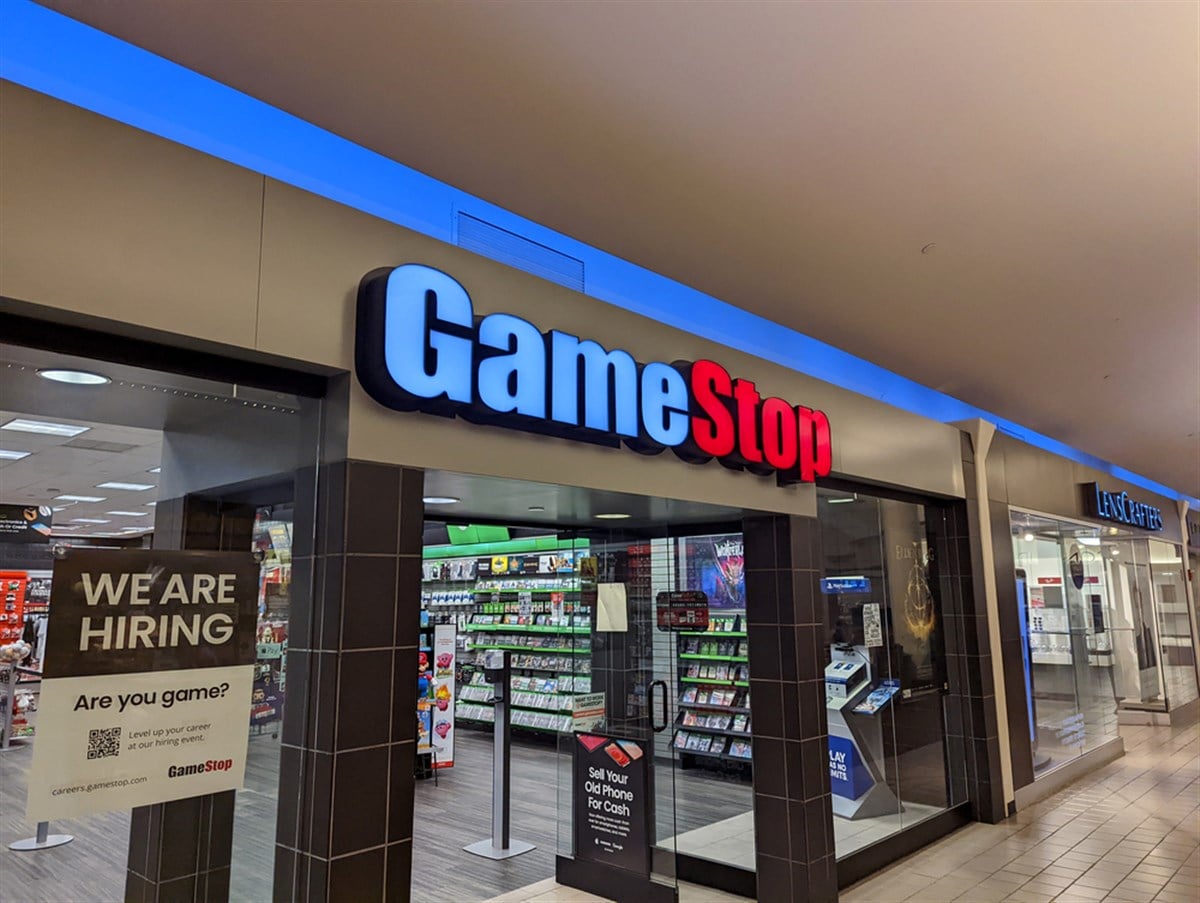
13. **GameStop: The Shrinking Footprint of Video Game Retail**GameStop, once the undisputed haven for video game enthusiasts and a central hub for new releases and trade-ins, continues its dramatic contraction, reflecting the profound shift in how consumers purchase and consume video games. The company is poised to shut down additional stores, building on a prior year where it closed approximately 1,000 locations. This ongoing trend has resulted in GameStop operating only about half the number of stores worldwide compared to a decade ago.
The decline in GameStop’s physical presence is a direct consequence of the video game industry’s rapid evolution, particularly the accelerated shift towards digital downloads and online storefronts. Gamers increasingly opt for the convenience of purchasing titles directly from console manufacturers’ digital stores or through subscription services, diminishing the need for brick-and-mortar retail outlets. The physical sale of games, once dominant, has been largely supplanted by digital distribution.
This aggressive rationalization of its store count is a necessary, albeit painful, response to market realities. GameStop’s survival hinges on its ability to redefine its value proposition, potentially leveraging its remaining physical stores as experiential hubs or focusing more intently on collectibles, merchandise, and a robust online presence. The shrinking footprint is a stark indicator of how rapidly even deeply entrenched specialized retail segments can be reshaped by technological advancements and changing consumer behaviors.
14. **Torrid: Embracing the Digital-First Imperative in Apparel**Torrid, a clothing retailer specializing in plus-size fashion, is strategically realigning its operations by closing more than 180 underperforming locations this year. This significant reduction in its physical store count is part of a broader, deliberate move towards a more digital-forward approach, recognizing where the majority of its customer base prefers to shop. The decision reflects a keen understanding of modern consumer behavior and the inherent advantages of e-commerce in the apparel sector.
The rationale behind Torrid’s pivot is clear: its customer data indicates that the vast majority of its clientele already conducts their shopping online. By consolidating its physical footprint, the company aims to optimize its operational efficiency, reduce the overhead associated with less profitable stores, and redirect resources towards enhancing its digital platforms and online customer experience. This allows for a more targeted and cost-effective engagement with its core demographic.
Torrid’s strategy exemplifies how specialized apparel retailers are harnessing insights into customer preferences to drive their business decisions. Rather than resisting the digital tide, the company is actively embracing it, leveraging its online channels to foster stronger customer relationships and drive sales. This focus on a robust digital presence, supported by a leaner, more strategically positioned physical footprint, is a blueprint for adapting and thriving in an evolving retail landscape where online engagement is paramount.
These widespread adjustments across diverse specialized retail categories paint a clear picture: the retail sector is not in a state of terminal decline but rather in an intense period of redefinition. Retailers are critically evaluating their physical footprints, often making difficult decisions to shutter underperforming locations, to emerge as leaner, more agile, and digitally integrated entities. This strategic shift is about survival and growth, ensuring that brands can meet consumers wherever they choose to shop, whether in a streamlined physical store or through a seamless online experience. The overarching goal is to cultivate a resilient retail ecosystem where innovation and adaptability are the true currencies of success. The retailers that successfully navigate this transformation will be the ones that ultimately thrive in the competitive market of tomorrow, proving that the future of commerce is not less retail, but smarter retail.