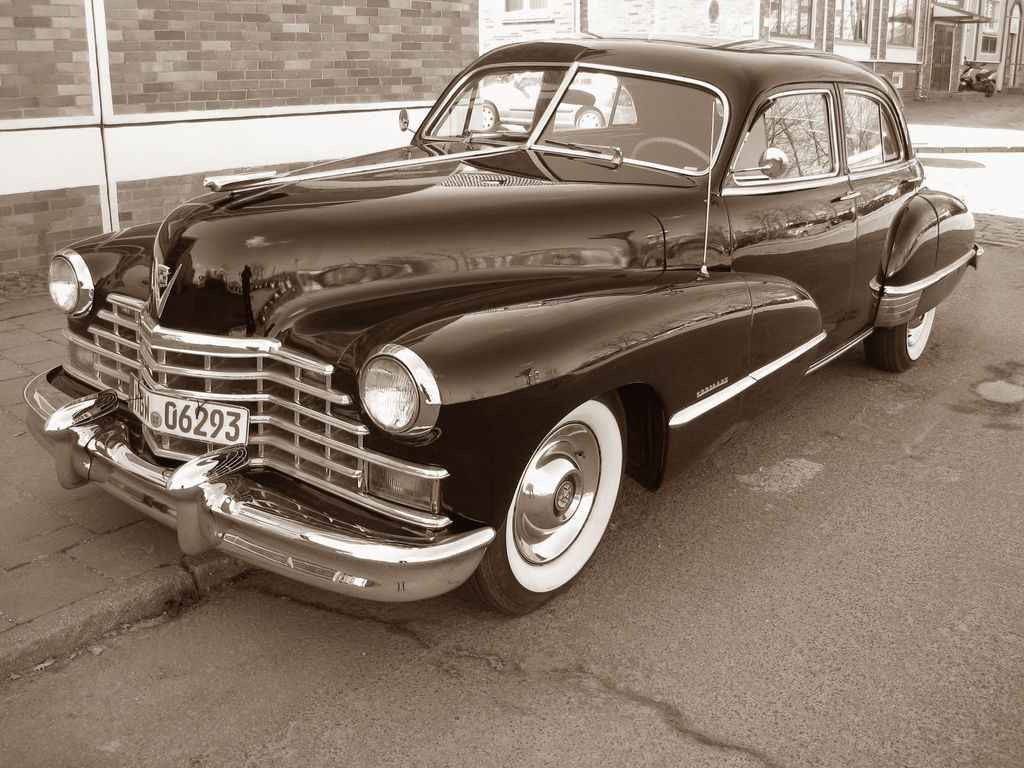
Owning a vintage car is truly a dream for many enthusiasts, offering a unique blend of nostalgia, timeless beauty, and a distinct driving experience that modern vehicles simply cannot replicate. These classic machines carry stories from decades past, representing an era of meticulous design and craftsmanship that continues to captivate. However, with the immense pride of ownership comes a significant responsibility: preserving their beauty and ensuring their continued, smooth operation demands dedicated care and attention, far beyond what a contemporary car might require.
Unlike their modern counterparts, which often come with advanced diagnostics and more durable, mass-produced components, classic cars require a more hands-on, attentive approach. Their intricate craftsmanship and unique components necessitate specialized care to remain in top condition, preventing the wear and tear that time and environmental factors inevitably bring. This guide is crafted to equip both seasoned collectors and budding enthusiasts with the knowledge and confidence needed to keep these automotive treasures in pristine condition, ensuring they remain a source of joy and pride on the open road for years to come.
We’re about to embark on a comprehensive journey, delving into essential maintenance practices that are crucial for any vintage car owner. From keeping the exterior gleaming to ensuring the vital systems run flawlessly, understanding these preventative measures and routine checks is paramount. This initial section will lay the groundwork, focusing on the fundamental steps that contribute significantly to the longevity and sustained beauty of your cherished classic.
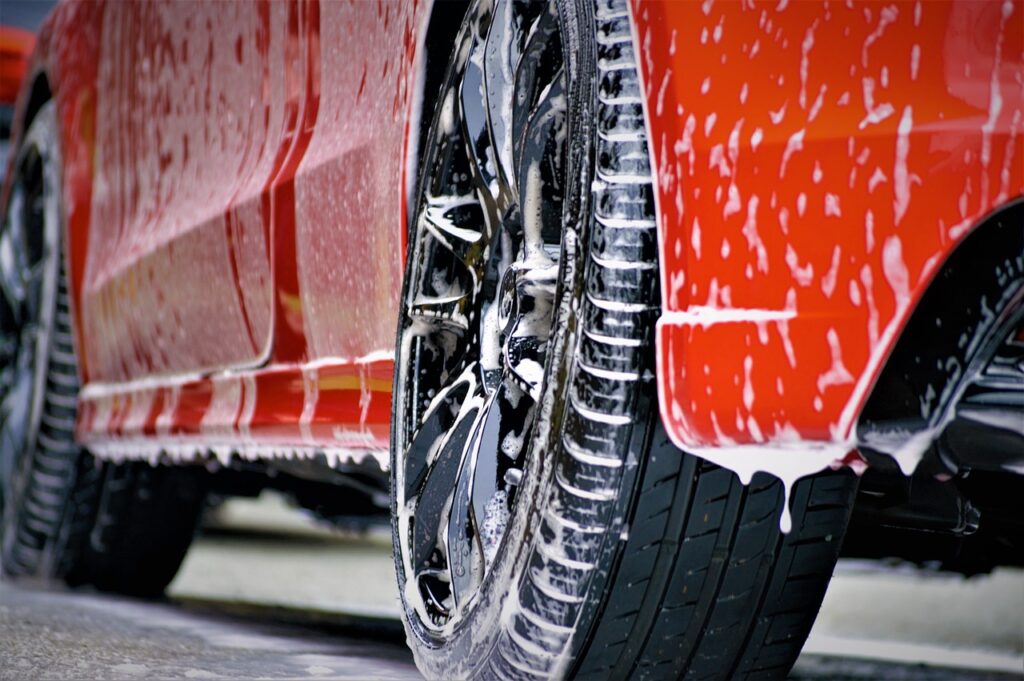
1. **Regular Exterior Cleaning and Waxing**The exterior of a vintage car isn’t just about aesthetics; it’s one of its most defining features, and preserving it is crucial for maintaining its appearance and inherent value. Over time, dust, dirt, and grime can accumulate relentlessly, initiating a silent but destructive process that leads to paint damage and the dreaded onset of rust. This accumulation not only detracts from the car’s visual appeal but also sets the stage for costly future repairs if left unaddressed.
To safeguard your classic’s paintwork, washing your car with a gentle, pH-balanced car shampoo and a soft microfiber cloth is absolutely essential. This careful approach helps avoid scratching the delicate paint surface. It’s important to pay special attention to areas that are notoriously prone to dirt buildup, such as the wheel arches and the undercarriages, as these spots can harbor corrosive elements. After washing, immediately dry the vehicle off with a soft rag to prevent unsightly watermarks and to remove any lingering soap residues that might harm the paint.
Beyond routine washing, applying a high-quality car wax every three to six months offers a critical layer of protection. This protective barrier shields the paintwork from damaging UV rays, moisture, and various environmental pollutants. Furthermore, waxing imparts a deep, glossy finish that dramatically enhances the car’s aesthetic appeal, making it shine as it did in its glory days.
Regular cleaning and waxing extend far beyond mere visual upkeep; they are fundamental preventative measures. By consistently attending to your car’s exterior, you not only ensure it looks its absolute best but also actively prevent the long-term damage that can be incredibly costly and time-consuming to repair. This diligent care plays a vital role in preserving the car’s historical value and its timeless charm for future generations.
It is also particularly important to make a habit of hosing down the undercarriage after every drive, especially if you’ve ventured onto salted roads. Salt and road dirt are well-known culprits for causing corrosion on untreated metal surfaces. These sneaky particles can quickly lead to surface rust on crucial areas like the suspension, exhaust, and frame. A thorough rinse, specifically focusing on your tires and the entire underside, is essential to stop rust in its tracks before it can take hold and cause significant damage.
Read more about: The 11 Car Color Fading Myths Debunked: What *Really* Happens Under the Sun?
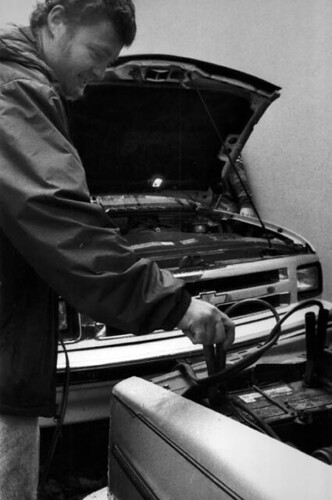
2. **Fluid Checks, Changes, and Engine Maintenance**The engine is undeniably the heart of any vintage car, and its proper functioning is entirely dependent on a variety of fluids. Neglecting these essential liquids is a recipe for mechanical failures and can lead to significant operational problems. Regularly checking and changing these fluids represents a simple yet profoundly effective way to ensure your classic car continues to run smoothly, preserving its internal health and performance capabilities.
Engine oil, the lifeblood of your vehicle’s motor, should be changed every 3,000 to 5,000 miles, or precisely as recommended in the owner’s manual for your specific model. It is crucial to use an oil that perfectly matches the manufacturer’s specifications, which often includes high-quality mineral or synthetic blends specifically formulated for older vehicles. If your classic car spends significant time sitting idle in the garage, particularly in humid climates, moisture can build up and compromise the oil’s lubrication properties. In such cases, changing the oil every six to nine months is a highly advisable proactive measure.
Beyond engine oil, other fluids demand consistent attention. Coolant levels should be checked regularly and topped up as necessary; replacing the coolant every two years is a preventative step that effectively guards against overheating and internal corrosion within the cooling system. Brake fluid must be inspected for cleanliness and either topped up or entirely replaced every two years to maintain optimal braking performance. For manual transmissions, periodic checks of the fluid level and condition are required, while automatic transmissions may necessitate more frequent scrutiny and maintenance to ensure their complex operations remain seamless.
Each oil change provides an excellent opportunity for a broader inspection of critical rubber components. Belts, hoses, and seals can deteriorate with age, showing signs of swelling, leaks, or cracks. Any parts exhibiting these symptoms should be promptly replaced to prevent larger issues down the line. Furthermore, regular tune-ups, including spark plug and filter changes, should be performed according to the vehicle’s specific needs to guarantee optimal engine performance and efficiency. Paying attention to any unusual noises or changes in performance is also key, as these can serve as early indicators of underlying issues that require immediate attention.
Proper fluid maintenance, coupled with these essential engine checks, ensures that your vintage car’s engine and other vital systems operate with peak efficiency. This meticulous care significantly reduces the risk of breakdowns, preserves the longevity of critical components, and maintains the engine’s robust health, allowing you to enjoy countless miles on the road with peace of mind.
Read more about: Your Comprehensive Guide to Smartly Inspecting a Used Subaru: What Every Buyer Needs to Know

3. **Tyre and Brake System Care**Tyres, though sometimes overlooked, are unequivocally critical components for both the safety and performance of your vintage car. Their condition directly impacts handling, stability, and, most importantly, your ability to drive safely. Worn or improperly inflated tyres can severely compromise these aspects, significantly affecting the vehicle’s control and dramatically increasing the risk of accidents, making their meticulous care non-negotiable for any classic car owner.
Regularly checking tyre pressure using a reliable gauge is a fundamental step in tyre maintenance. Underinflated tyres can lead to uneven wear patterns, impacting handling and fuel efficiency, while overinflated tyres may reduce grip and increase the risk of blowouts. Ensuring that the wheels are properly aligned is equally important, as correct alignment prevents uneven tyre wear, prolongs tyre life, and significantly improves driving stability. Rotating the tyres every 6,000 to 8,000 miles is also recommended to promote even wear across all four wheels and effectively extend their overall lifespan.
Investing in high-quality tyres specifically designed for classic cars can profoundly enhance both performance and safety. These tyres are engineered to complement the unique characteristics of vintage vehicles, offering appropriate grip and ride comfort. It is vital to remember that tires on vintage cars should generally be replaced every six years, regardless of their apparent tread depth or external condition. Even if they visually appear fine, old tires can become a severe safety hazard due to age-related deterioration in the rubber compound, greatly increasing the risk of sudden failures like blowouts, which can cause extensive damage to your cherished vehicle.
Brakes, like tyres, are absolutely critical for safety, demanding equally diligent attention. The braking system requires regular inspection, including a thorough examination of the brake pads, discs, and fluid lines for any signs of wear, damage, or leakage. When you take your car out for a drive, it’s a good habit to gently pump the brakes a few times. This helps to keep the system active, alerts you to any unusual sensations, and can indicate if immediate maintenance is required, ensuring they are always responsive when you need them most.
The brake fluid itself plays a pivotal role and requires careful management. It’s essential to bleed and replace the brake fluid at least once a year. This process removes any accumulated moisture and contaminants, maintaining optimal stopping power and preventing corrosion within the lines. If the brakes feel spongy or unresponsive, it’s often a clear indication of air in the system, a condition that requires prompt bleeding to restore proper functionality and ensure your vintage beauty can stop as reliably as it goes.
Read more about: Run-Flat vs. Standard Tires: The 14 Key Differences Consumers Need to Know for a Safer, Smarter Drive in 2025
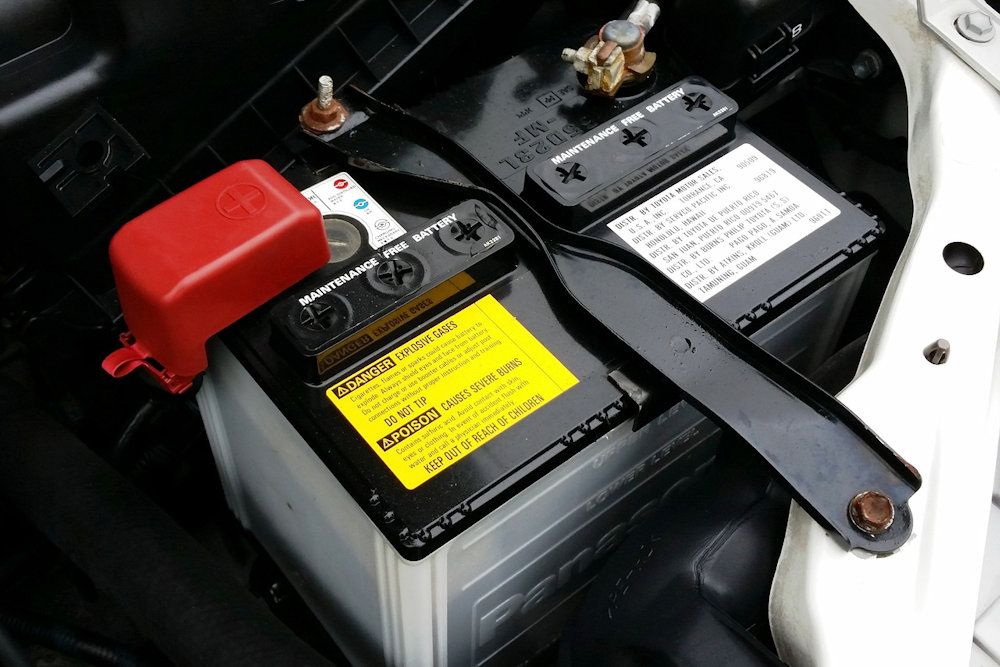
4. **Battery and Electrical System Management**The electrical systems in vintage cars, while simpler in design compared to their modern counterparts, can be notoriously finicky due to their age and less sophisticated technology. A common challenge arises from vintage cars often sitting idle for extended periods, which can inevitably lead to battery drain and corrosive buildup on terminals. Proper battery care is therefore essential to avoid frustrating starting issues and a myriad of potential electrical problems, ensuring your classic remains dependable.
To proactively maintain the battery’s charge during periods of inactivity, using a trickle charger is a highly effective strategy. This device prevents the battery from completely discharging, thereby extending its overall life and ensuring it’s ready to go when you are. Additionally, it’s crucial to regularly inspect the battery terminals for any signs of corrosion. Should you find any, cleaning them with a simple mixture of baking soda and water is an effective remedy, followed by the application of a protective coating to prevent future corrosive buildup. As a general guideline, the battery should be replaced every three to five years, or sooner if it begins to show noticeable signs of weakness or diminished performance.
Electrical system faults can manifest in various ways, from faulty wiring to blown fuses and malfunctioning lights. Begin by thoroughly inspecting all visible wiring for any indications of wear, corrosion, or loose connections. Any damaged wires should be promptly replaced, and all connections must be secured firmly to prevent intermittent issues. Always check the fuses and replace any that have blown, as this is a common and often simple fix for many electrical hiccups. If your car’s lights or indicators are not functioning correctly, the issue could be as straightforward as a faulty switch or a burned-out bulb.
For those seeking to enhance reliability without entirely compromising the car’s originality, upgrading to a modern alternator or an electronic ignition system can be a sensible consideration. These upgrades can greatly improve the consistency of power delivery and ignition performance. Alternatively, focusing on upgrading the grounding cables and adding a modern fuse system can also significantly enhance the electrical system’s overall reliability and safety. However, if your preference is to maintain the car’s authenticity as closely as possible, regular inspections and meticulous maintenance of the existing electrical components become absolutely crucial.
A well-maintained battery and a carefully managed electrical system ensure that your vintage car starts reliably every time and that all its electrical components, from the dashboard lights to the ignition, function properly and safely. This diligent care is a cornerstone of classic car ownership, guaranteeing that the car’s intricate systems remain operational and dependable for your enjoyment.
Read more about: Lethal Legacy: 15 Iconic Vehicles and Flaws That Shaped Automotive Safety

5. **Proper Storage and Seasonal Care**Proper storage is an absolutely vital aspect of preserving a vintage car, especially if the vehicle isn’t driven regularly. Classic cars are particularly susceptible to the damaging effects of environmental factors, with prolonged exposure to moisture, significant temperature fluctuations, and even common pests capable of causing extensive and often irreparable damage over time. Strategic storage is therefore a non-negotiable step in ensuring the long-term health and pristine condition of your cherished automobile.
The ideal environment for storing a classic car is a dry, temperature-controlled garage. This type of controlled setting offers maximum protection from the detrimental effects of high humidity, which accelerates rust formation, and extreme temperatures, which can damage seals, plastics, and paintwork. Within this controlled environment, utilizing a breathable car cover is a smart investment. A breathable cover shields the vehicle from dust and incidental scratches while crucially allowing any trapped moisture to escape, preventing the creation of a damp, corrosive microclimate around the car’s finish.
Before placing your vintage car into storage, especially for an extended period, thorough preparation is key. Begin by cleaning the car meticulously, both inside and out, to remove any dirt or grime that could attract pests or cause surface damage. It’s also wise to change the engine oil, ensuring that fresh oil protects internal components. Inflate the tyres to their recommended pressure to prevent flat spots from forming during prolonged idleness, a common issue with stored vehicles. Additionally, filling the fuel tank and adding a fuel stabiliser is crucial; this prevents the petrol from degrading over time, which can lead to clogged fuel lines and carburettor issues upon reactivation.
For long-term storage or winterizing, these preparations become even more critical. Beyond the initial cleaning and oil change, ensure all fluids are topped off, especially coolant/antifreeze, to protect against freezing temperatures if the car is stored in an unheated space. The specific instruction is to ‘ensure it’s winter-ready to prevent freezing when the car is not being used for extended periods.’ Maintaining proper tyre inflation is also emphasized to prevent flat spots, which can permanently damage the tyres and affect ride quality when the car returns to the road.
Even in storage, occasional attention can make a difference. Starting the engine occasionally and allowing it to run for a few minutes helps to circulate fluids, keeps seals lubricated, and ensures that engine components remain in good working condition. Taking these comprehensive precautions ensures that your vintage car remains in excellent condition, ready to be enjoyed when the time comes, effectively safeguarding a piece of motoring history for generations to appreciate.
Owning a vintage car is truly a journey through automotive history, one that demands a passionate commitment to preservation. While the initial section provided a comprehensive guide to essential routine maintenance, the reality of classic car ownership often involves navigating unique challenges and, for many, embarking on the rewarding path of restoration. These magnificent machines, with their intricate designs and venerable age, are prone to specific issues that require not just ongoing care but also a specialized approach to diagnosis and repair. As we shift gears, we’ll delve deeper into the common hurdles vintage car owners face, offering practical solutions and demystifying the intricate process of bringing a classic beauty back to its former glory.
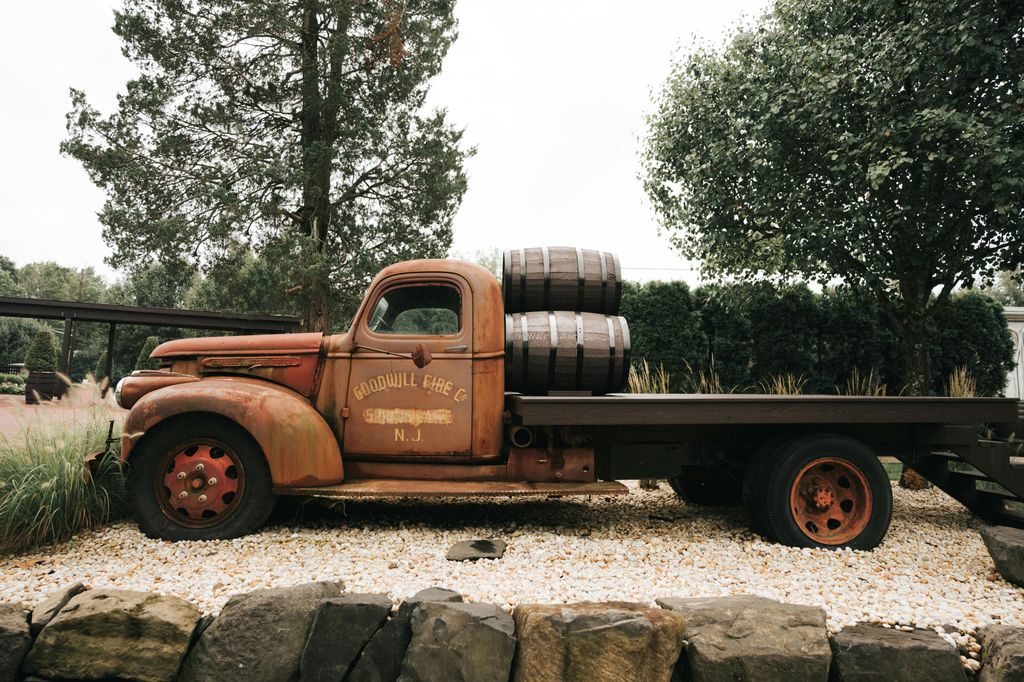
**6. Rust and Corrosion: The Silent Enemy**
Rust truly stands as one of the most common and relentlessly destructive issues confronting vintage cars. This insidious enemy has a knack for quietly devouring bodywork, chassis, and even critical structural components if its advance remains unchecked. Moisture, the ever-present threat of road salt, and suboptimal storage conditions are unequivocally the primary culprits that set this destructive process in motion.
To effectively combat rust, proactive inspection is paramount. Make it a routine to meticulously examine your car, particularly focusing on areas notorious for moisture accumulation, such as wheel arches, undercarriages, and door sills. Catching rust early is your best defense; often, minor surface rust can be remedied through careful sanding and subsequent treatment with rust inhibitors. However, for more pervasive or severe cases, professional interventions like welding or complete panel replacement become absolutely necessary to restore structural integrity.
Ultimately, prevention remains your most potent weapon against corrosion. Diligently keep your vintage car clean, ensure it’s stored in a dry environment, and regularly apply a high-quality wax to its exterior. For those residing in humid or coastal regions, integrating a dehumidifier into your garage setup can provide an invaluable layer of protection. Furthermore, strategically applying anti-rust treatments to particularly vulnerable areas can significantly extend long-term protection, safeguarding your classic investment.
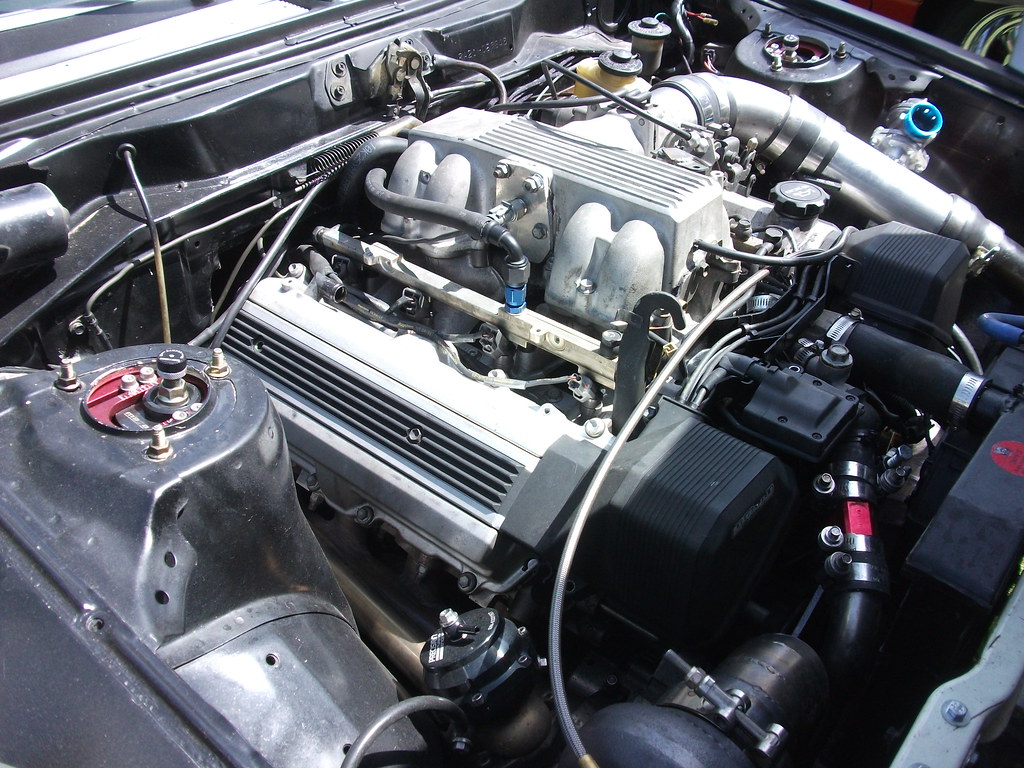
**7. Engine Problems: Keeping the Heart Running**
The engines powering vintage cars, though often renowned for their robustness and a certain mechanical simplicity, are certainly not immune to issues that develop over time. These can arise from accumulated wear and tear, or ironically, from extended periods of inactivity. Owners commonly encounter frustrating oil leaks, a concerning tendency to overheat, and the often-fiddly malfunctions associated with carburettors, which were once the standard for fuel delivery.
Maintaining the engine in prime condition relies heavily on a consistent schedule of preventative care. This includes changing the oil and filters precisely as recommended for your specific model, and conducting regular checks for any tell-tale leaks around the gaskets and seals. Overheating, a potentially catastrophic issue, can frequently be averted by ensuring the cooling system operates flawlessly; this means periodically flushing the radiator and replacing the coolant to prevent blockages and maintain optimal heat dissipation.
Carburettors, which are quintessential components in many vintage powertrains, demand a particularly keen eye and careful attention. Routine cleaning is vital to prevent fuel passages from clogging and to guarantee an accurate fuel-air mixture, which is crucial for smooth running. If you find yourself less than confident in tackling intricate engine work or specialized carburettor adjustments, seeking out a seasoned specialist with a deep understanding of classic car mechanics is always the wisest course of action.

**8. Step-by-Step Guide to Restoring a Vintage Car: Planning and Budgeting**
Embarking on the restoration of a vintage car is a profound journey, a genuine labor of love that inherently demands considerable patience, refined skill, and an unwavering attention to every minute detail. Regardless of whether you’re a seasoned enthusiast with countless projects under your belt or a first-time restorer, establishing a clear, actionable plan from the outset is absolutely essential to ensure the entire project unfolds smoothly and successfully. It’s the foundational step towards bringing that classic beauty gloriously back to life.
Before even thinking about turning a wrench, it is critically important to establish a realistic budget and a sensible timeline for your restoration. Vintage car restoration, as many seasoned owners will attest, can prove to be both expensive and remarkably time-consuming, making meticulous planning your key defense against unforeseen costs and frustrating delays. Begin this crucial phase by thoroughly assessing your car’s current condition, which will naturally help you define the precise scope of your project. This involves making a pivotal decision: are you aiming for a comprehensive, full restoration, or a more targeted, partial one focused on specific, pressing areas?
Once the scope is clear, diligently research the anticipated costs for all necessary parts, any specialized tools you might require, and the potential fees for professional services. It’s always a prudent measure to factor in a healthy contingency fund for those inevitable, unexpected expenses that invariably arise in restoration work. Finally, crafting a detailed, step-by-step plan will serve as your indispensable roadmap, keeping you meticulously organized and sharply focused throughout the entire restoration process. As an added layer of foresight, make it a habit to document every single step with comprehensive photos and detailed notes; this invaluable record will prove to be an absolute lifesaver when the time comes for reassembly.

**9. Step-by-Step Guide to Restoring a Vintage Car: Bodywork Restoration**
The bodywork is undeniably the most immediately striking and visible component of any vintage car, making its restoration an absolute top priority in any project. The journey begins with a meticulous inspection of the entire body, searching intently for any signs of rust, unsightly dents, or other forms of damage that have accumulated over decades. Identifying these imperfections early is crucial, setting the stage for the precise interventions required to bring the exterior back to its pristine condition.
Addressing the damage effectively requires a multi-pronged approach. Rust, the classic car’s arch-nemesis, can be systematically removed through methods like sandblasting or specialized chemical treatments, which meticulously strip away the corrosion. Dents, regardless of their size, are then carefully repaired, either by employing modern body fillers or, for more extensive damage, through skilled welding techniques. The goal at this stage is to achieve a flawlessly smooth and structurally sound surface, eradicating all evidence of past wear and ensuring the metalwork is prepared for the next critical phase.
With the body thoroughly clean and perfectly smooth, the next vital step involves applying a high-quality primer. This essential coating not only provides a protective barrier for the bare metal but also creates an ideal, uniform base that is perfectly receptive to the final paint application. When selecting the paint, you might choose to meticulously match the car’s original factory color to preserve its historical authenticity, or perhaps opt for a custom finish that reflects a personalized vision. Regardless of the choice, remember that proper surface preparation and a professional, unhurried application technique are absolutely paramount to achieving a truly stunning, showroom-quality result that will make your classic shine.
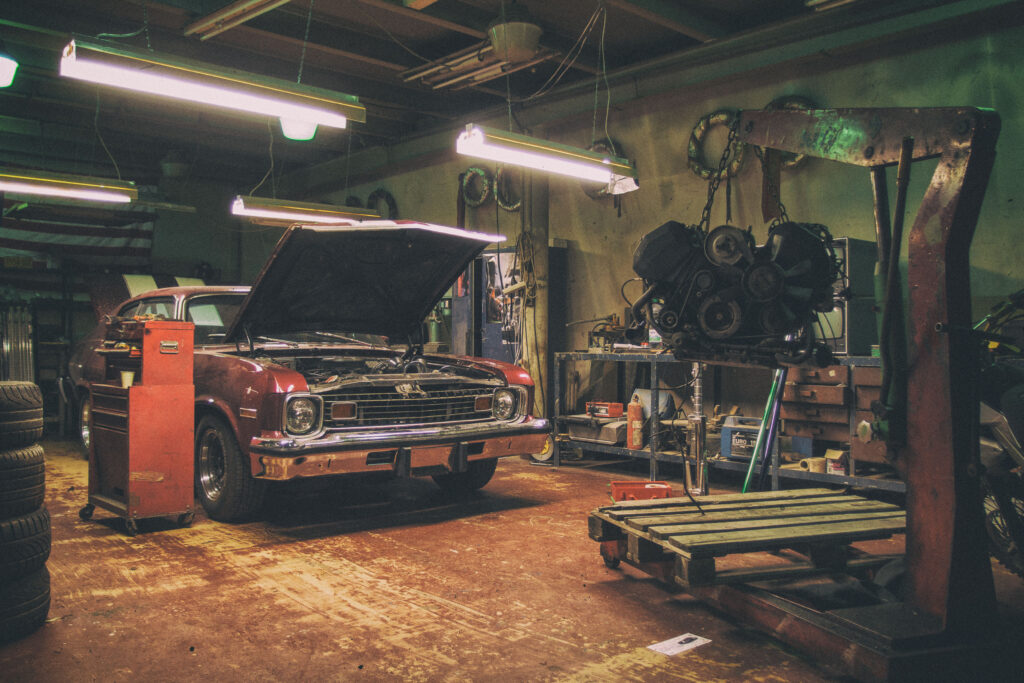
**10. Sourcing Parts and Tools for Vintage Car Restoration**
One of the most exhilarating yet undeniably challenging aspects of undertaking a vintage car restoration is the intricate process of sourcing the correct parts and specialized tools. Unlike the readily available components for modern vehicles, classic cars often demand rare or long-discontinued items, making the search a unique quest. However, with a strategic approach and access to the right resources, this hunt for authentic components can evolve into an incredibly rewarding experience, bringing you closer to the heart of your automotive project.
The initial, crucial step in this sourcing expedition is to precisely identify every single component you need. Begin by compiling a meticulously detailed inventory, cross-referencing with the car’s original manual, period-specific parts catalogues, and trusted online resources to ensure absolute accuracy. It’s vital to note down part numbers, specific dimensions, and any subtle variations that might exist across different model years. This meticulous groundwork is invaluable, helping you sidestep compatibility pitfalls and ensuring every piece you acquire is a perfect fit for your cherished classic.
Specialist suppliers and dedicated vintage car clubs emerge as indispensable allies in this quest. Numerous suppliers focus exclusively on particular makes and models, offering an extensive range of both original equipment and high-quality reproduction parts. Furthermore, actively engaging with a vintage car club can unlock a wealth of collective knowledge; members often possess vast expertise, and many are willing to sell or even trade elusive components. These clubs frequently host swap meets and specialized events, providing invaluable opportunities to unearth rare finds and forge connections with fellow enthusiasts who share your passion.
The digital age has undeniably revolutionized parts sourcing, making the once-daunting task significantly more accessible. Online marketplaces such as eBay, Car & Classic, and Classic Car Parts UK host a colossal inventory of new, used, and expertly reconditioned components. Beyond these platforms, specialized forums and social media groups dedicated to specific vintage car models boast vibrant, active communities where members frequently buy, sell, and trade parts. When navigating these online avenues, however, it’s always prudent to meticulously verify the seller’s reputation and insist on clear photos and detailed descriptions before committing to any purchase. Visiting salvage yards or attending specialized auctions, both online and in-person, can also yield surprising treasures, though they often require more hands-on effort.
Equally as vital as securing the right parts is equipping yourself with the appropriate tools. Vintage cars, with their distinct mechanical architectures, often necessitate specialized tools that are not typically found in a standard modern automotive repair kit. Investing in a high-quality set of spanners, screwdrivers, and sockets, specifically designed with classic car tolerances in mind, is a wise move. You might also discover the need for highly specific instruments, such as a carburettor synchronizer, specialized brake spring pliers, or a dedicated distributor wrench. Many of these specialized implements can be procured from the same specialist suppliers or through reputable online retailers. For those on a tighter budget, considering tool rental options or borrowing from within your enthusiast network can be a practical alternative, ensuring you have the right equipment without over-investing, all while preventing potential damage to delicate components during the restoration process.
Read more about: Fines Up to $1,000: Unpacking the Law on Christmas Lights for Your Car Across the U.S.
Owning a vintage car is far more than mere possession; it’s an immersive journey, a symphony blending a deep automotive passion with the profound resonance of nostalgia. These magnificent machines are not just modes of transport; they are rolling testaments to history, art, and engineering. Thus, diligent maintenance, the careful artistry of restoration, and thoughtful, proper storage aren’t simply tasks—they are acts of preservation, essential rituals for safeguarding these irreplaceable automotive treasures. By embracing the comprehensive wisdom and practical advice meticulously laid out within this guide, you are actively ensuring your classic car continues to be a vibrant source of pride and immeasurable enjoyment for countless miles and years to come, keeping a cherished piece of motoring history not just alive, but thriving vibrantly on the open road.