
Modern-day comedy, with its gleefully R-rated, often scatological humor, often feels like it’s pushing boundaries further than ever before. Films like ‘Bridesmaids’ and ‘Neighbors’ revel in their frankness, breaking down social and moral taboos with a confidence that can feel both refreshing and, at times, relentless. Yet, when we cast our minds back to the so-called simpler times of the 70s and 80s, we find that the comedic landscape was often far more shocking and, by today’s standards, profoundly offensive. The difference isn’t in a lack of audaciousness, but in a dramatic shift in what society deems acceptable for a laugh.
This isn’t just about evolving sensibilities; it’s about a fundamental re-evaluation of what constitutes humor and, more importantly, what perpetuates harm. Many of these older films, once celebrated for their irreverence and sharp wit, are now viewed through a lens that reveals deeply problematic elements, from overt racism and ism to homophobia and the normalization of predatory behavior. They serve as cultural time capsules, offering a fascinating, if sometimes uncomfortable, glimpse into a past where certain jokes simply landed differently.
Our journey through these classic comedies isn’t about canceling the past, but about understanding how dramatically the comedic playing field has changed. The films we’re about to discuss exemplify the kind of humor that, by contemporary standards, would make them non-starters in Hollywood today. They force us to grapple with the uncomfortable truth that while comedy might be the death of political correctness, as some argue, some forms of comedy are, in fact, the death of basic human decency for a modern audience. We’re dissecting why these cinematic milestones would find themselves on the cutting room floor before a single frame was shot in 2024.

1. **Blazing Saddles (1974)**Mel Brooks’ 1974 masterpiece, ‘Blazing Saddles,’ remains a wild parody of the Western genre, a comedic earthquake that shook up Hollywood’s sensibilities in the mid-70s. Its status as an iconic film is undisputed, yet the very first moments after the credits serve as an immediate, glaring red flag for contemporary audiences: the casual, heedless abandon with which the n-word is thrown around. This opening alone firmly establishes the film in a bygone era of cinematic permissibility.
Beyond its shocking racial epithets, ‘Blazing Saddles’ also features a well-known, albeit gross, sequence where cowboys around a campfire let loose a barrage of farts. More concerningly, it includes a scene where bandits are hired based on the severity of their crimes, with one character blithely replying, “I like r—” when the chief bad guy points out his repeated listing of the crime. This joke, intended as dark humor or satire of villainy, lands with an entirely different, deeply disturbing impact today, highlighting how much societal norms around sensitive topics have shifted.
Even Brooks himself, whose script was credited in part to Richard Pryor and often lauded as frequently savvy, has acknowledged the impossibility of remaking the film now. In an interview with Variety, he stated, “We have become stupidly politically correct, which is the death of comedy.” While one can debate the merits of his broader point, his assessment of his own film’s viability is unequivocally correct. The context clarifies that ‘Blazing Saddles’ used dicey language to ridicule bigotry, positioning itself on the side of Sheriff Bart, a Black sheriff striving for progress in the Wild West.
However, the intent behind its jokes, however noble, does not diminish the sheer shock value of its language and content for modern viewers. The American Film Institute ranks ‘Blazing Saddles’ as the sixth-funniest movie of all time, a testament to its enduring comedic power. Yet, as Brooks conceded, “There’s no way this movie would exist now,” a stark reminder of the chasm between comedic freedom then and cultural accountability today.
Read more about: Rewind to Reconsider: 10 Classic Comedies That Would Never Get Greenlit in Today’s Hollywood
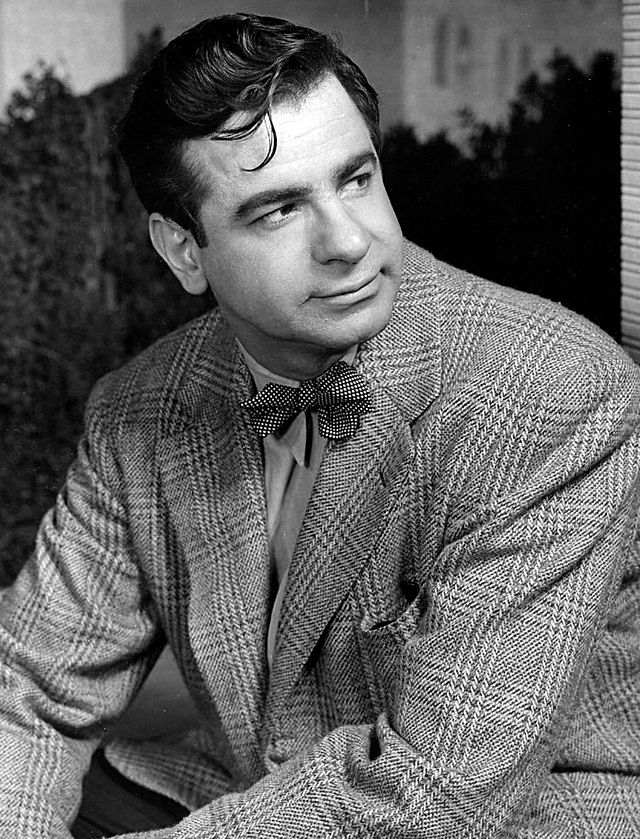
2. **The Bad News Bears (1976)**’The Bad News Bears,’ from 1976, is an underdog sports movie that might seem innocuous on the surface: a Little League team coached by a washed-up ex-minor league player. However, the title’s use of “bad” isn’t merely stylistic; it’s a profound understatement of the film’s distinctly gritty and often unpalatable approach to children’s sports. It stands as a precursor to modern, R-rated films like ‘Good Boys,’ which explores middle-schoolers navigating mature themes, suggesting that some films exist only because of ‘The Bad News Bears’ pioneering spirit.
What makes this film a relic of its time is its unvarnished portrayal of childhood and parenting. It’s replete with “viciously foul language,” not just from the adults but even from the children themselves. There’s “rampant nastiness from parents and other kids,” painting a picture far removed from the idealized, wholesome world of youth sports. The film’s climax, famously, involves the kids spraying beers on each other, a scene that encapsulates the ’70s’ very different, more permissive attitude toward youth and substance.
The 2005 remake, directed by Richard Linklater and starring Billy Bob Thornton, attempts to recapture some of this raunchy spirit. However, as the context points out, it is “decidedly a lot less button-pushing than its predecessor.” This comparison highlights a significant shift in what audiences and studios are willing to accept when children are at the center of a narrative. While the original aimed for a kind of raw authenticity, its depiction of young people swearing, brawling, and celebrating with alcohol would now spark immediate and widespread moral outrage.
Ultimately, ‘The Bad News Bears’ serves as a fascinating, if problematic, historical marker. It shows a time when depicting children as foul-mouthed and unruly, influenced by equally flawed adults, was seen as edgy and comedic. Today, such a depiction would likely be lambasted as irresponsible, reinforcing the idea that some comedic elements simply have no place in a contemporary narrative, particularly one involving minors, without significant ethical re-evaluation.
Read more about: Rewind to Reconsider: 10 Classic Comedies That Would Never Get Greenlit in Today’s Hollywood

3. **Silver Streak (1976)**’Silver Streak,’ a 1976 comedy-thriller, initially plays out like an enjoyable homage to Alfred Hitchcock, following an innocent man, George Caldwell (Gene Wilder), on a cross-country train trip who is mistakenly identified as a killer. His desperate fight to clear his name leads to a series of escalating misadventures, including a pivotal encounter with a prisoner named Grover Muldoon (Richard Pryor), who offers his assistance in exchange for freedom. The chemistry between Wilder and Pryor is undeniable, yet their collaboration culminates in a scene that would irrevocably derail any modern production.
To get George back on the train without being identified, Grover concocts a plan involving a deeply problematic disguise. The “only solution” presented is to “Put George in blackface and dress him up as a stereotypical young Black man of the mid-’70s, dancing to funk and soul music with a boombox.” This scene, intended as a comedic device for George’s extreme uncoolness and unconvincing portrayal, has aged with spectacular grace. By which, of course, we mean it hasn’t aged at all; it’s profoundly uncomfortable viewing for a 21st-century audience.
“Blackface humor, in and of itself, is mortifying to watch in the 21st century,” the context bluntly states, encapsulating the absolute cultural barrier this gag now represents. While the scene’s humor might have once been derived from George’s awkwardness in the makeup, the act of blackface itself has become an undeniable symbol of racial caricature and oppression. Even if “arguably, it’s one reason why this scene is still funny” for some, the inherent racial insult outweighs any comedic intent or artistic defense today.
In broad strokes, a comedy-thriller like ‘Silver Streak’ could still be made today, with its fast-paced plot and mistaken identity premise. However, the critical juncture—the means by which George would evade detection and re-board the train—would require a complete overhaul. “George would have to find a new way to get back on the train,” the context asserts, perfectly highlighting how a single, culturally insensitive comedic choice can render an entire sequence, and by extension, a significant portion of a film, utterly unfeasible in today’s media landscape.
Read more about: Rewind to Reconsider: 10 Classic Comedies That Would Never Get Greenlit in Today’s Hollywood
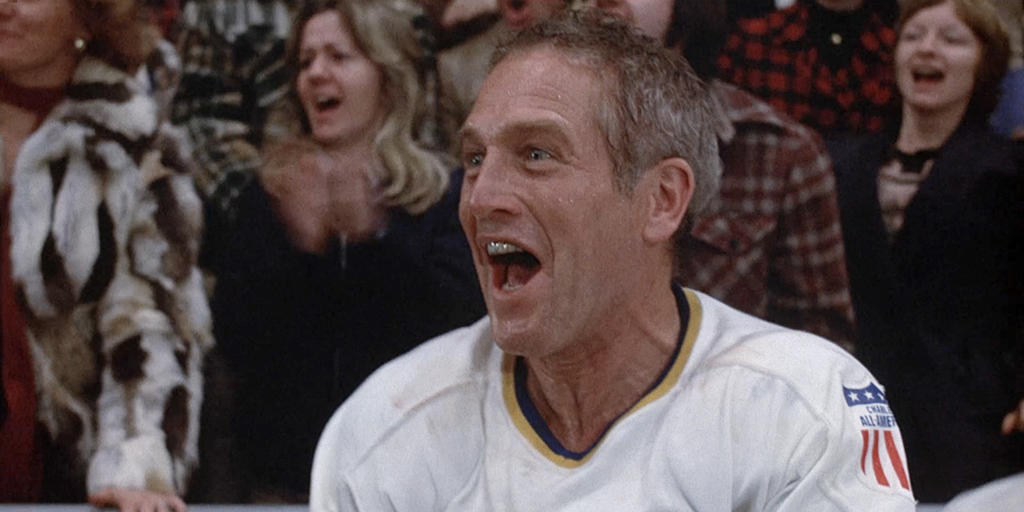
4. **Slap Shot (1977)**The 1977 hockey comedy ‘Slap Shot,’ starring Paul Newman at the peak of his fame, plunges deep into the “intense and violent” world of minor-league hockey, where “fighting, and lots of it,” is as central to the appeal as goal-scoring. The film revolves around an underdog team that embraces a rough-and-tumble playing style to win games. While the sheer physicality and bloodiness of hockey haven’t diminished in the 21st century—it remains a national sport in North America with its fair share of aggression—the film’s true obstacle to modern production isn’t its depiction of violence.
The real problem lies in the auditory assault of the film’s dialogue. The context clearly states that “a lot of the language in the film is quite blue, and often in ways that would denigrate members of the LGBTQ community today.” This isn’t just about general profanity; it’s about the specific, targeted nature of the insults, which, while perhaps reflective of locker-room banter of the era, are now widely understood as harmful and unacceptable in mainstream discourse.
‘Slap Shot’ is described as “as verbally violent as it is physically so.” This dual assault of aggression, particularly the verbal kind, “wouldn’t fly now.” Even if some might argue that such language is still “accurate (or accurate enough) to the way hockey players still interact,” its inclusion in a contemporary film would be met with swift and severe backlash. Modern audiences, and the studios catering to them, have a much lower tolerance for humor that relies on the denigration of marginalized communities, especially the LGBTQ community.
The film’s comedic appeal, then, is inextricably tied to a linguistic bluntness that is now obsolete and offensive. While the story of an underdog team and the raw intensity of the sport could certainly inspire a new production, the specific flavor of its verbal aggression, particularly its homophobic undertones, would need to be meticulously scrubbed. ‘Slap Shot’ stands as a powerful illustration of how the evolution of language and social acceptance can render once-commonplace dialogue utterly beyond the pale for current creative endeavors.
Read more about: Rewind to Reconsider: 10 Classic Comedies That Would Never Get Greenlit in Today’s Hollywood

5. **National Lampoon’s Animal House (1978)**’Animal House,’ released in 1978, isn’t just a film; it’s a cultural touchstone, the quintessential “snobs vs. slobs” comedy that defied and “flout[ed] cultural norms… with glee and deliberation.” Featuring the unforgettable John Belushi as the slovenly Bluto, it’s a chaotic symphony of college debauchery that laid the groundwork for countless imitators. Its enduring legacy, however, is now inextricably linked to a series of elements that would make its production impossible in the 21st century.
The film’s narrative is peppered with scenes that were once considered hilariously irreverent but now read as deeply problematic. From “manic food fights” to explicit “ual escapades”—including the wife of the nefarious Dean Wormer sleeping around with one of the good-guy characters—the film revels in its anti-establishmentarianism. Crucially, it also includes “a dash of racial stereotyping for flavor,” a seemingly casual addition that speaks volumes about the comedic climate of its time.
The racial insensitivity is starkly illustrated by the behind-the-scenes concern regarding a scene where some of the white characters end up at an all-Black nightclub. The context notes that Richard Pryor was asked to watch this scene based on an executive’s fears that Black people would riot in theaters. This anecdote alone underscores a level of racial tension and caricature that today would be immediately flagged and rejected, rather than cautiously vetted for potential unrest.
Ultimately, ‘Animal House’ embodies a specific comedic zeitgeist that is now firmly in the past. It “doesn’t just feel like the kind of comedy that couldn’t be made today; it feels like the kind of comedy that could only be made in a very specific period of time.” Its blend of unapologetic raunch, casual ism, and racial caricature, once seen as a rebellious embrace of chaos, now serves as a vivid reminder of how dramatically cultural sensitivities have evolved, making its blueprint largely untenable for contemporary filmmaking.”
The comedic landscape of the late 1970s and early 1980s, while seemingly a short leap from its earlier decade, continued to forge humor that, through a contemporary lens, appears increasingly fraught with cultural complexities. As we push further into this era, the films demonstrate not just a disregard for modern sensitivities, but often a genuine reflection of what passed for mainstream entertainment in a very different societal moment. These next five cinematic benchmarks, ranging from absurdist parodies to groundbreaking romantic comedies, each carry their own set of controversial elements that would undoubtedly halt their production in 2024.
Continuing our critical examination of influential comedies from the late 70s and early 80s, we highlight how changing social norms have redefined what’s acceptable in mainstream humor. This isn’t just a discussion of individual gags, but a deeper look into the foundational assumptions about race, gender, uality, and even religion that underpin these films, revealing how far our collective understanding of respectful and responsible storytelling has evolved.
Read more about: Rewind to Reconsider: 10 Classic Comedies That Would Never Get Greenlit in Today’s Hollywood
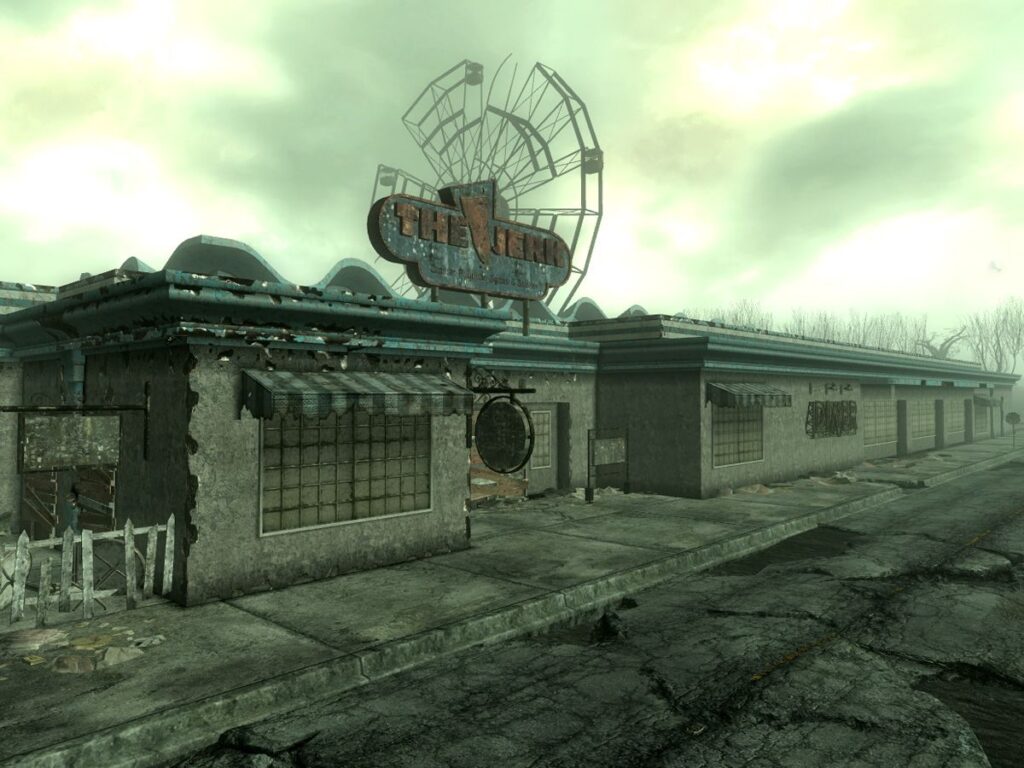
6. **The Jerk (1979)**”I was born a poor Black child,” drawls Navin R. Johnson in the opening moments of the 1979 comedy ‘The Jerk.’ This single line, uttered by Steve Martin’s character who is “as white as they come,” immediately flags the film as a relic of a bygone comedic era. Co-written by Martin himself, this introduction serves as an unvarnished example of the “deliberately wild and button-pushing” racial exploration that defines much of the film’s premise, making it a non-starter for any 21st-century production.
The comedic intent behind Navin’s story, as a “well-meaning oaf” navigating the world, rests heavily on his interaction with his adoptive Black family. While Martin’s “wild-and-crazy-guy shtick” translated effectively to the big screen, the way his character engages with his Black relatives “skirts controversy to begin with, let alone now.” The context clarifies that this racial divide is indeed “the joke,” aiming for a “nuanced humor” that would likely fall flat and cause significant offense for many contemporary audiences.
This isn’t to say ‘The Jerk’ lacked comedic brilliance in its time; it was a “massively successful comedy from director and comedy legend Carl Reiner.” However, the film’s reliance on such racially charged humor, even if intended as satire or an exploration of identity, crosses an ethical line in today’s media landscape. The fundamental shifts in how racial identity and representation are approached means that a white protagonist proclaiming himself to be a “poor Black child” simply cannot be framed as an acceptable comedic premise now.
Read more about: Rewind to Reconsider: 10 Classic Comedies That Would Never Get Greenlit in Today’s Hollywood

7. **Life of Brian (1979)**Monty Python’s ‘Life of Brian,’ released in the same year, offers a stark reminder of the “dangerous” nature of comedy, particularly when it delves into religious themes. Even in 1979, the film “inspired intense protests and outrage around the world,” a testament to its audacious satirical take on the story of Jesus Christ. Its narrative cleverly focuses on a baby born “in the manger next door,” who eventually becomes a reluctant messiah, allowing the British comedy troupe to mercilessly skewer religious norms.
The film’s comedic genius, described as “one of the British comedy troupe’s funniest works,” comes from its sharp observations on human behavior within a religious context. It lampoons everything from the absurd political infighting between groups like the “Judean People’s Front and the People’s Front of Judea,” to the darkly humorous depiction of “women dressing up as men to take part in stoning people.” The context highlights that such an unsparing critique of faith and its adherents, however brilliant, would face insurmountable obstacles today.
Billed provocatively as “a motion picture destined to offend nearly two thirds of the civilized world — and severely annoy the other third,” ‘Life of Brian’ embraced its sacrilegious intent. While its takedown of pomposity remains “subversive and hysterical,” its direct and “merciless” skewering of deeply held beliefs would likely “get stopped before anyone could even greenlight a project like this now.” The heightened sensitivity around religious iconography and cultural respect has tightened the reins on what is deemed acceptable for widespread comedic distribution.
Read more about: Rewind to Reconsider: 10 Classic Comedies That Would Never Get Greenlit in Today’s Hollywood

8. **Manhattan (1979)**Woody Allen’s cinematic legacy has, by now, undoubtedly entered a period of “downturn, if not outright finished.” Given the “distinctly personal streak” in most of his movies, it’s a generally accepted truth that “just about every one of his films couldn’t be made today.” Yet, ‘Manhattan’ stands out, not merely as another film from his controversial oeuvre, but as a particularly egregious example due to one of its central, deeply uncomfortable plotlines. This film, once hailed as “one of Allen’s best,” now serves as a stark illustration of dramatically shifted moral boundaries.
The primary reason for its contemporary unfeasibility centers on the relationship between Allen’s character, Isaac, and his much younger girlfriend, Tracy, played by Mariel Hemingway. The narrative is “fairly open about the fact that Isaac is literally dating a high-school student,” explicitly stating she is “17 years old.” This significant age gap, coupled with Isaac’s efforts to “reclaim her as his true love in the film’s George Gershwin-scored finale,” casts a profoundly “creepy” shadow over the film, especially when viewed through modern ethical frameworks.
Adding another layer of discomfort is the revelation that Hemingway “detailed in a memoir in 2015, she claimed Allen tried to seduce her on set.” This off-screen allegation further taints the on-screen dynamic, rendering the film’s romantic premise deeply problematic. The context unequivocally concludes that “Even if Woody Allen wasn’t, you know, Woody Allen, Manhattan wouldn’t survive these days,” underscoring how independently of the director’s personal controversies, the film’s core narrative about an adult dating a minor would be universally condemned and prevented from being made today.
Read more about: Prepare to Be Shocked: 15 Celebs Whose Plastic Surgery Went Seriously Wrong

9. **Airplane! (1980)**’Airplane!’ is unequivocally celebrated, with the American Film Institute itself deeming it “one of the 10 greatest American comedies of all time.” This 1980 parody of disaster movies, from writers and directors Jim Abrahams, David Zucker, and Jerry Zucker, adopted a “gung-ho approach” to comedy, packing “as many jokes as they could per second.” While the film’s breakneck pace and relentless gag delivery ensured “most of the jokes still hold up,” some elements are undeniably “a product of its time,” and would be unthinkable in a modern production.
The issue isn’t merely outdated cultural references to “Anita Bryant, Leave It to Beaver and ’70s basketball stars,” but rather a specific brand of physical comedy that has lost its comedic innocence. A prime example is the scene where a woman, driven “hysterical by the stress of being trapped on an airplane with very ill people,” is met by a disconcerting queue. This “long line of people (both men and women) prepared to shake sense into her. Or smack sense into her. Or hit sense into her with a crowbar. And so on,” would be a glaring red flag today.
This gag, once considered a farcical exaggeration, now registers as overtly aggressive and insensitive, particularly in its depiction of violence against a distressed individual. While ‘Airplane!’ is renowned for its deadpan delivery and surreal humor, the cultural evolution surrounding consent, psychological distress, and the depiction of violence, especially against women, means that such a sequence would be “the kind of thing filmmakers wouldn’t even try to get away with now.” The inherent absurdity no longer outweighs the deeply uncomfortable implications for a contemporary audience.
Read more about: Rewind to Reconsider: 10 Classic Comedies That Would Never Get Greenlit in Today’s Hollywood
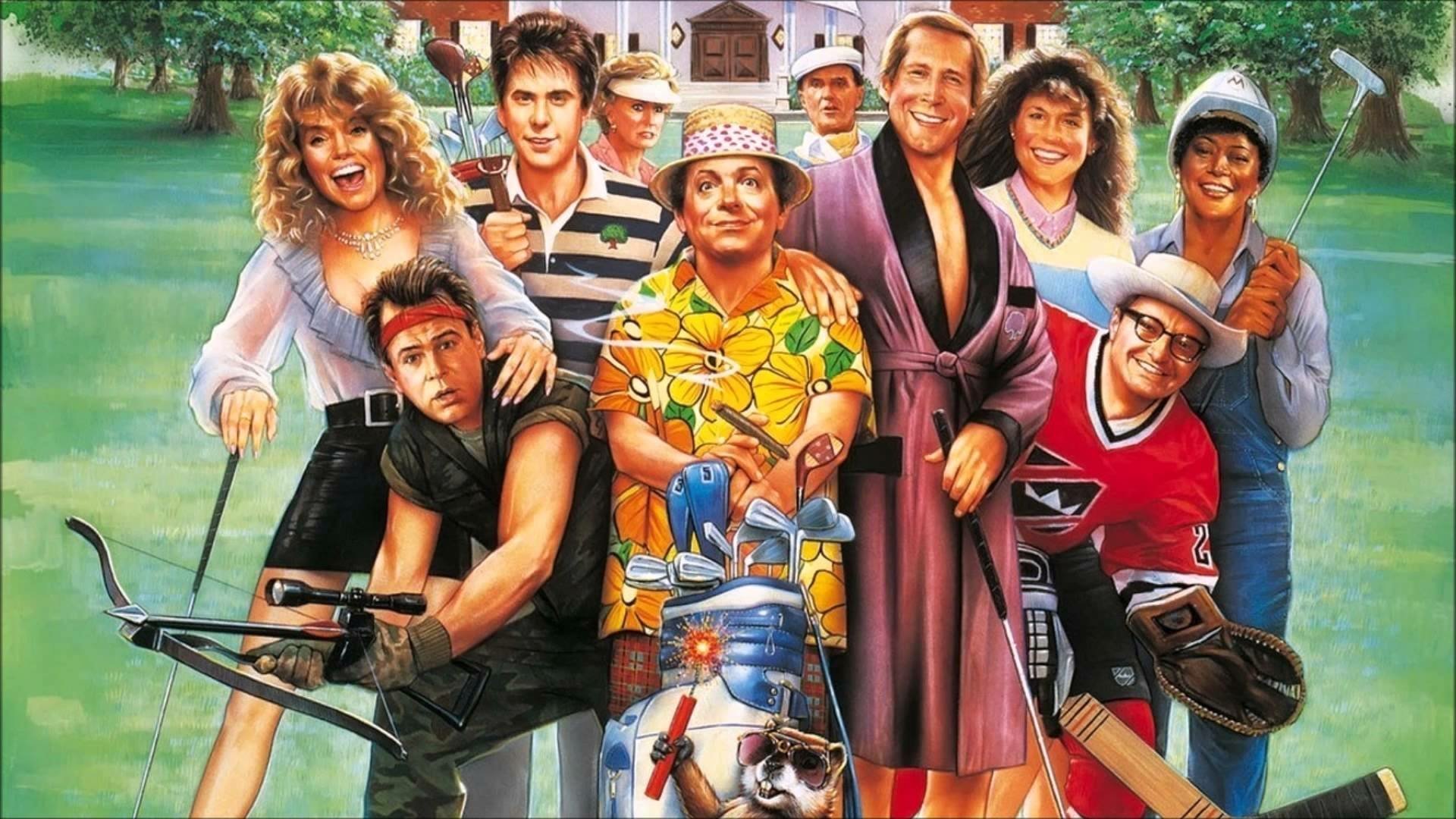
10. **Caddyshack (1980)**’Caddyshack,’ released in 1980, epitomized the “earliest raunchy comedies” by bringing together a constellation of comedic talent from various backgrounds: “Chevy Chase and Bill Murray” from ‘Saturday Night Live,’ “Rodney Dangerfield” from stand-up, and “Ted Knight” from TV sitcoms. Its “snobs vs. slobs” premise, set at a golf club, still resonates today, with the idea of “seeing rich snobs get taken down a peg or two” arguably having even “more resonance now than it did in the ’80s.” However, certain aspects of its humor have not aged gracefully.
The film’s comedic pitfalls lie not in its general irreverence, but in specific instances of dialogue that betray a significant lack of cultural sensitivity by today’s standards. The context explicitly points to “plenty of epithets and language that’s shocking for no good reason.” A particularly problematic example involves “Knight’s nephew” describing some pot he purchased as “good because he bought it from a Black person.” This seemingly casual remark, intended for a laugh, now serves as a jarring illustration of casual racism.
While such a line “might reflect the way people spoke four decades ago,” it unequivocally “is not how we want to hear characters talk in mainstream comedy now.” The acceptance of humor that relies on racial stereotypes or prejudiced assumptions has dramatically diminished. ‘Caddyshack,’ despite its otherwise enduring appeal and comedic brilliance, therefore stands as a clear indicator of how even seemingly minor verbal choices, when viewed through a modern lens, can render an entire film’s dialogue, and thus its potential for new production, completely unviable due to evolving standards of comedic responsibility and social decency.
Read more about: Rewind to Reconsider: 10 Classic Comedies That Would Never Get Greenlit in Today’s Hollywood
The journey through these classic comedies serves as a potent reminder that humor, far from being static, is a constantly evolving cultural construct. What once elicited uproarious laughter can, decades later, trigger discomfort, critique, or even outrage. These films, preserved in their original forms, become invaluable artifacts, not just of entertainment history, but of the shifting moral and social tapestries against which we define our collective sense of humor. They compel us to reflect on how our understanding of decency, representation, and respect has profoundly reshaped the boundaries of what can, and should, be made to make us laugh.